











































Generator Engine Diagnosis: Black Smoke vs. White Smoke vs. Blue Smoke
by Megawatts - Updated At 2026-02-03
Generator engine diagnosis plays a critical role in protecting your equipment and avoiding unnecessary downtime. You must never ignore signs like black, white, or blue smoke, as these often signal underlying problems that can lead to expensive engine repairs. Experienced engineers recommend prompt action to prevent further damage. Megawatts offers reliable generator sets parts and expert support to help you address issues quickly. Take immediate steps when you notice abnormal smoke during generator engine diagnosis.
Generator Engine Diagnosis Overview
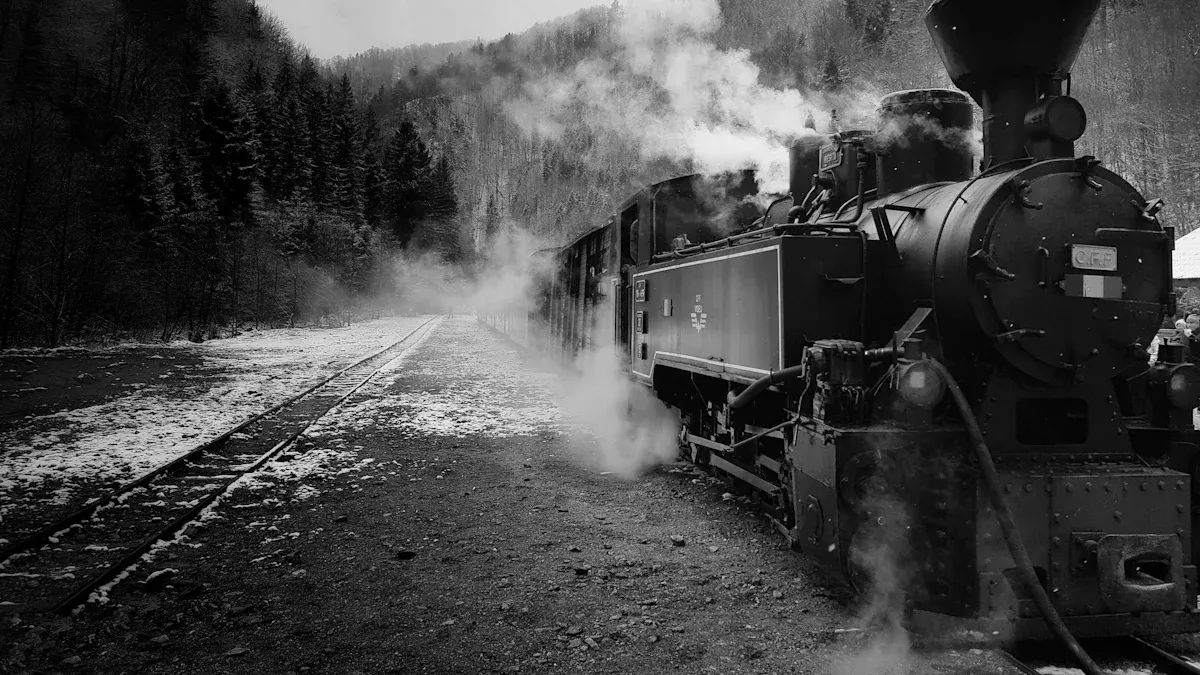
1. Why Smoke Color Matters
Don't ignore the exhaust—smoke color is often the first indicator of underlying engine trouble. Black smoke often means the engine burns too much fuel or does not get enough air. White smoke usually signals unburned fuel or water entering the combustion chamber. Blue smoke shows that the engine burns oil, which may result from worn parts. If you notice any of these, you should act quickly to prevent further damage.
Tip: Always check the smoke color when starting or running your diesel generator. Early detection helps you avoid costly repairs and downtime.
Industry experts use several diagnostic methods to identify problems based on smoke color:
- Black smoke: Indicates incomplete combustion, often from engine overload, poor fuel atomization, or improper fuel timing.
- White smoke: Points to fuel failing to ignite or water in the combustion chamber.
- Blue smoke: Signals engine oil entering the combustion or exhaust stream, often due to worn pistons or valve components.
2. First Steps When You See Smoke
When you see abnormal smoke from your diesel generator, you should follow a clear process:
- Observe the smoke color and note when it appears.
- Check the generator’s load and operating conditions.
- Inspect fuel quality and air filters.
- Look for leaks or unusual noises.
The table below summarizes how smoke color relates to common diesel generator faults and solutions:
|
Smoke Color |
Root Cause |
Common Symptoms |
Fixes |
|
Black |
Excess fuel or insufficient air supply |
Black haze during low-load |
Run generator at ≥ 60% load for at least 30 minutes |
|
White |
Fuel fails to ignite or coolant in chamber |
Sweet-smelling exhaust |
Pressure-test cooling system, replace gasket |
|
Blue |
Engine oil in combustion or exhaust stream |
Blue smoke on deceleration |
Replace worn valve-stem seals, check turbo seals |
Megawatts stands out as a trusted source for generator sets parts and expert support. Customers use Megawatts components to restore generator performance quickly and reduce unexpected downtime during maintenance or repairs. Our team helps you find the right parts and offers guidance for effective troubleshooting.
Black Smoke Diagnosis
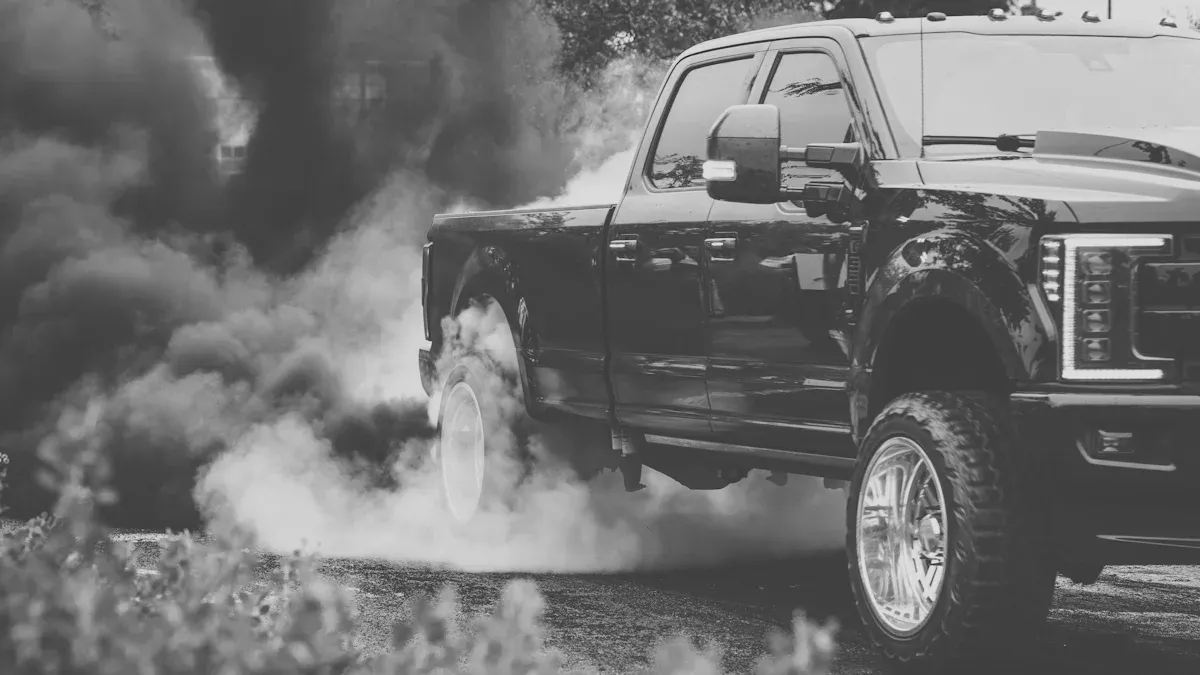
1. What Black Smoke Means
When you see black smoke coming from your generator, you face a clear warning sign. Black smoke signals incomplete combustion inside the engine. Unburnt fuel particles escape through the exhaust, creating excessive smoke and a dark haze. This condition often points to a root cause such as poor fuel-air mixing or mechanical faults. You must recognize that black smoke is not just a cosmetic issue. It can lead to spikes in fuel consumption and increased engine wear. If you ignore black smoke, you risk damaging critical engine components and facing costly repairs.
Expert Alert: Black smoke is a sign of inefficient combustion. You should never overlook this symptom. Prolonged exposure to excessive smoke can shorten engine life and increase maintenance costs.
The chemical compounds found in black smoke include elemental carbon (soot), semi-volatile organic hydrocarbons, sulfates, and water vapor. These substances result from incomplete combustion and poor engine performance.
|
Chemical Compound |
Description |
|
Elemental carbon (soot) |
Fine carbon particles formed during incomplete combustion, contributing to black smoke. |
|
Semi-volatile organic hydrocarbons |
Partially burned fuel components released as gaseous emissions. |
|
Sulfates |
Formed from the reaction of sulfur in diesel fuel with water vapor during combustion. |
|
Water vapor |
A natural byproduct of the combustion process present in diesel exhaust. |
2. Common Causes of Black Smoke
You need to identify the root cause of black smoke to prevent further engine damage. Several mechanical issues can trigger excessive smoke:
|
Cause |
Description |
|
Overloading |
Engine injects too much fuel relative to available air, leading to a rich mixture and black smoke. |
|
Severe Transient Loads |
Sudden large load increases can cause incomplete combustion before the engine can adjust. |
|
Prolonged Light Loading |
Low combustion temperatures lead to incomplete burning and soot buildup, contributing to black smoke. |
|
Incorrect Governor Settings |
Engine speed and fuel delivery may not respond correctly to load changes, causing black smoke. |
|
Clogged Injectors |
Distorted spray pattern from clogged injectors leads to poor fuel-air mixing and incomplete combustion. |
|
Incorrect Injection Timing |
Fuel injected at the wrong time can lead to incomplete combustion and black smoke. |
|
Clogged Air Filter |
Prevents sufficient air from entering the engine, resulting in a rich fuel-air mixture. |
|
Faulty Turbocharger |
Insufficient boost pressure from a malfunctioning turbocharger can starve the engine of air. |
|
Intake Leaks |
Unmetered air loss reduces the amount of air reaching the cylinders, leading to black smoke. |
|
Blocked Intercooler |
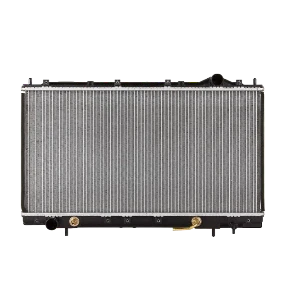
Reduces the amount of cool, dense air entering the engine, affecting combustion efficiency. |
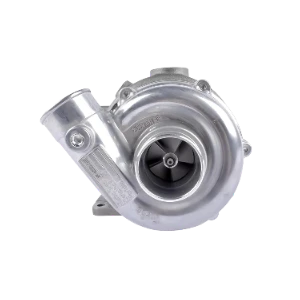
Pro Tip: You often encounter black smoke when the engine operates under heavy load or when maintenance lapses occur. Clogged air filters are frequent root causes. If cleaning the air filter doesn't solve the issue, the culprit is often a worn Fuel Injector or a failing Turbocharger. For instance, a faulty Caterpillar Fuel Injector or a Cummins Turbocharger can disrupt the air-fuel ratio, leading to excessive carbon buildup. Replacing these with high-quality aftermarket engine parts can restore your generator’s efficiency and clear up exhaust issues.
3. How to Diagnose Black Smoke Issues
You must follow a systematic approach to diagnose black smoke problems. Start by observing the smoke and noting when it appears. Use these steps to pinpoint the root cause:
- Visual Inspection: Check the air filter for blockages, inspect the air intake system, and examine fuel lines for leaks.
- Performance Monitoring: Use a load bank to test engine performance and monitor key parameters.
- Fuel Analysis: Collect a sample of diesel fuel and analyze it in a laboratory for contamination or poor quality.
Black smoke often results from a combustion imbalance. When fuel injection and airflow do not synchronize, incomplete combustion occurs, and excess carbon exits through the exhaust. You should also monitor engine performance monthly and ensure no major overhaul is pending.
Tip: Keep the engine in good running condition. Turn on the diesel engine every few days to prevent the buildup of unburnt fuel and soot.
4. Solutions for Black Smoke Problems
You can resolve black smoke issues by addressing the root cause directly. Take these expert-recommended actions:
- Maintain the engine regularly and schedule timely servicing.
- Change engine oil at recommended intervals.
- Replace clogged air filters and faulty fuel injectors.
- Adjust governor settings and injection timing as needed.
- Inspect and repair turbochargers, intake systems, and intercoolers.
Black smoke issues are often linked to restricted airflow, improper fuel delivery, or injector-related faults. In many service scenarios, resolving these problems requires inspection or replacement of air filters, fuel injectors, turbocharger components, or related intake system parts. Megawatts supports black smoke troubleshooting by supplying compatible diesel generator components used to restore proper fuel–air balance across common generator engine platforms, including Cummins, Perkins, and Caterpillar models.
Note: Always use genuine replacement parts and follow manufacturer guidelines for maintenance. This practice ensures reliable operation and protects your investment.
If you see excessive smoke, act immediately. You safeguard your engine and avoid costly repairs by diagnosing and fixing black smoke problems early.
White Smoke Diagnosis
1. What White Smoke Means
You may notice white smoke coming from your generator’s exhaust. This smoke often signals incomplete combustion inside the engine. When fuel fails to ignite properly, it exists as white vapor. Sometimes, water contamination causes this issue, leading to further risks. Experienced engineers warn that white smoke can indicate worn injectors or low engine compression. If you ignore these signs, you risk inefficient fuel usage and possible engine damage. White smoke should never be dismissed as a minor inconvenience.
Alert: White smoke can mean water is entering the combustion chamber. This scenario may result in corrosion, loss of lubrication, and severe engine failure.
2. Common Causes of White Smoke
You need to understand the main reasons behind white smoke to protect your equipment. Service technicians report several frequent causes:
- Cold weather and normal condensation. You may see white vapor during startup, especially in low temperatures.
- Bad or old fuel. Contaminated or degraded fuel often leads to white smoke.
- A dirty or faulty carburetor. Blockages prevent proper fuel atomization, causing incomplete combustion.
- A serious coolant leak. For liquid-cooled engines, internal leaks allow coolant to enter the combustion chamber, producing thick, sweet-smelling white smoke.
Field service data shows that white smoke often results from fuel system issues. You might encounter un-combusted diesel in the exhaust due to faulty injectors or contaminated fuel.
- White smoke may appear during cold starts and clear up as the engine warms.
- Persistent white smoke usually points to deeper mechanical problems.
3. How to Diagnose White Smoke Issues
You should follow a step-by-step process to identify the source of white smoke:
- Let your generator run for 5-10 minutes. Observe if the white smoke disappears. If it clears, condensation was likely the cause.
- Inspect the fuel. Check for signs of contamination or aging. Replace old fuel if necessary.
- Check the carburetor. Clean or repair it if you find blockages or faults.
- Consider a coolant leak. For liquid-cooled engines, thick, sweet-smelling white smoke suggests an internal leak. Pressure-test the cooling system and inspect gaskets.
Tip: Always document when and how white smoke appears. This record helps you and your service team diagnose problems faster.
4. Solutions for White Smoke Problems
You can resolve white smoke issues by taking targeted actions:
- Replace bad or old fuel with fresh, high-quality diesel.
- Clean or repair the carburetor to restore proper fuel atomization.
- Inspect and replace worn injectors to ensure efficient combustion.
- For coolant leaks, replace damaged gaskets and pressure-test the cooling system.
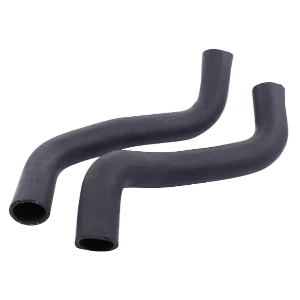
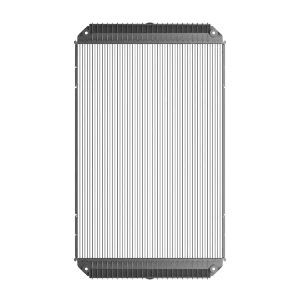
White smoke problems are often related to unburned fuel, injector malfunction, or internal coolant leakage. Resolving these issues typically requires inspection of fuel injectors, fuel quality, and cooling system components. Megawatts supports white smoke troubleshooting by supplying compatible generator set parts such as fuel filters, fuel injectors, and radiator hoses, commonly used in fuel system and cooling system repairs, helping operators restore proper combustion and stable engine operation.
Note: Address white smoke promptly. Delaying repairs increases the risk of engine damage and costly downtime.

Blue Smoke Diagnosis
1. What Blue Smoke Means
When you see blue smoke coming from your generator, you face a clear sign of oil burning inside the engine. Blue smoke often appears during startup or acceleration. You may notice a distinct oily smell. This type of smoke signals that oil is entering the combustion chamber, mixing with fuel, and burning. Worn oil seals, damaged pistons, or faulty valves allow oil to leak into areas where it should not be. Overfilling the engine with oil can also cause blue smoke. If you ignore this warning, you risk further damage and costly repairs.
Expert Tip: Blue smoke almost always means oil is burning. You should act quickly to prevent long-term engine damage.
2. Common Causes of Blue Smoke
You need to identify the mechanical failures that lead to blue smoke. The table below summarizes the most common causes and their descriptions:
|
Cause of Blue Smoke |
Description |
|
Piston and Cylinder Liner Wear |
Worn liners or failed piston rings allow oil to enter the combustion chamber. |
|
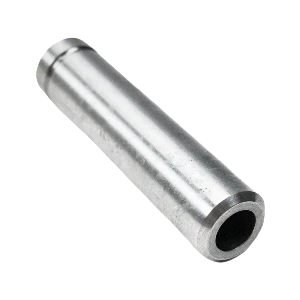
Wear of Valve Guides |
Severe wear of the valve guides can cause oil to enter the combustion chamber. |
|
Insufficient Oil Pressure |
Low or high oil levels can lead to oil entering the combustion chamber. |
Real-life examples show that older generators often develop blue smoke due to worn piston rings. Technicians report that engines with high operating hours frequently suffer from valve guide wear, which lets oil seep into the combustion area.
3. How to Diagnose Blue Smoke Issues
You should follow a systematic approach to diagnose blue smoke problems:
- Observe when blue smoke appears—during startup, acceleration, or steady running.
- Check the oil level. Overfilled or underfilled oil can cause smoke.
- Inspect the engine for leaks around valve guides and piston rings.
- Use a compression tester to check for worn cylinders.
- Review maintenance records for signs of excessive oil consumption.
Note: Document all symptoms and findings. This record helps you and your service team pinpoint the exact cause.
4. Solutions for Blue Smoke Problems
You can resolve blue smoke issues by addressing the root mechanical faults:
- Replace worn piston rings and cylinder liners.
- Repair or replace damaged valve guides.
- Adjust oil levels to manufacturer specifications.
- Use high-quality engine components for repairs.
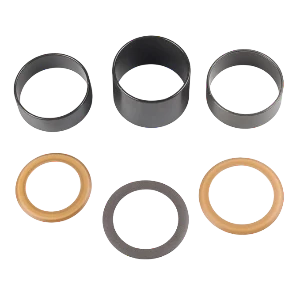
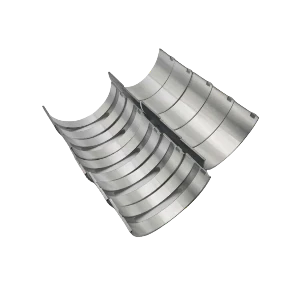
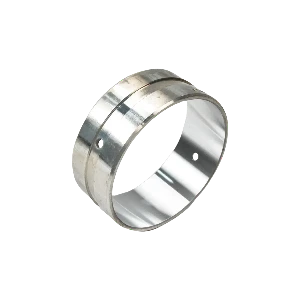
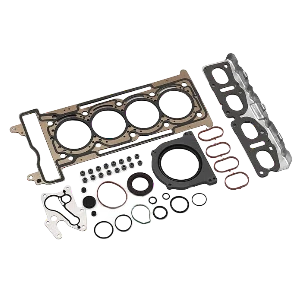
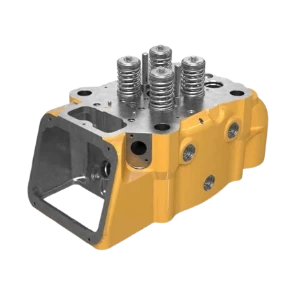
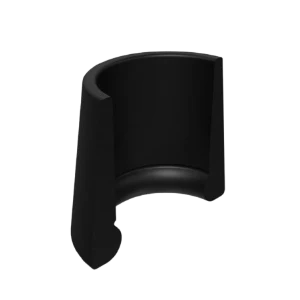
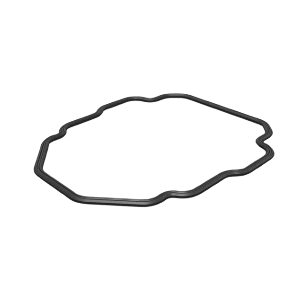
Blue smoke typically indicates oil entering the combustion chamber due to worn piston rings, damaged cylinder liners, or valve guide wear. Addressing these faults often involves deeper mechanical inspection and the replacement of critical internal engine components, such as a set of new gasket and seal kit. Megawatts supports blue smoke repair scenarios by supplying compatible engine parts commonly required during oil-burning fault repairs, helping maintenance teams restore proper engine sealing and long-term operational reliability.
Pro Recommendation: Always use parts that match OEM specifications. This practice ensures reliable operation and protects your investment.
Essential Engine Tools and Maintenance
1. Diagnostic Tools for Generator Engines
You need the right tools to perform accurate diagnostic checks and maintain generator health. Industry experts recommend several essential items for your toolkit:
- Multimeter for measuring voltage, current, and resistance.
- Clamp-on ammeter to check AC and DC current safely.
- Megohmmeter for insulation resistance testing.
- Software-based diagnostic tools that communicate with generator control systems.
- Equipment for electrical system testing, including battery condition and voltage tests.
- Visual inspection tools for mechanical components, oil levels, and air filters.
- Control panel diagnostics to monitor error codes and warning lights.
These tools help you identify issues early, prevent abnormal smoke, and maintain optimal engine performance. Regular use of these instruments ensures your generator operates reliably and reduces the risk of unexpected diesel exhaust problems.
2. Preventive Maintenance Tips
Senior engineers emphasize the importance of routine maintenance to reduce abnormal smoke emissions and extend engine life. You should follow these proven practices:
|
Maintenance Practice |
Description |
|
Regular Engine Maintenance |
Change oil and air filters on schedule to combat wear and deposits. |
|
Replacing Fuel Injectors and Air Filters |
Inspect and replace these parts regularly for efficient fuel burning and cleaner diesel exhaust. |
|
Using High-Quality Engine Oils |
Select oils with advanced additives to minimize carbon buildup and improve performance. |
|
Using Premium Fuels |
Choose fuels with superior detergents and cetane ratings for cleaner burning and fewer emissions. |
Engineers also advise you to monitor fuel quality, perform load testing, and run the generator monthly to lubricate parts and prevent corrosion. Always use genuine parts and fluids, keep the generator clean and dry, and select the correct size for your needs.
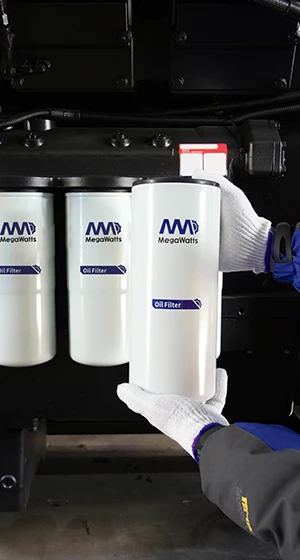
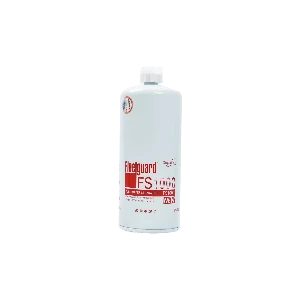
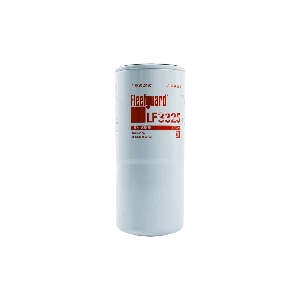
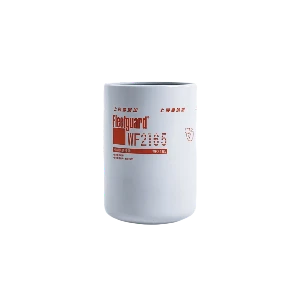
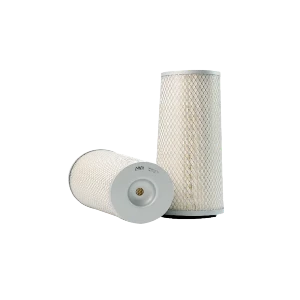
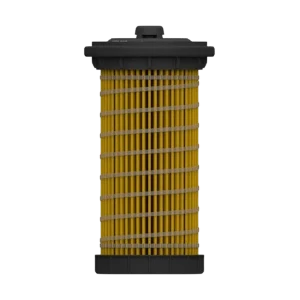
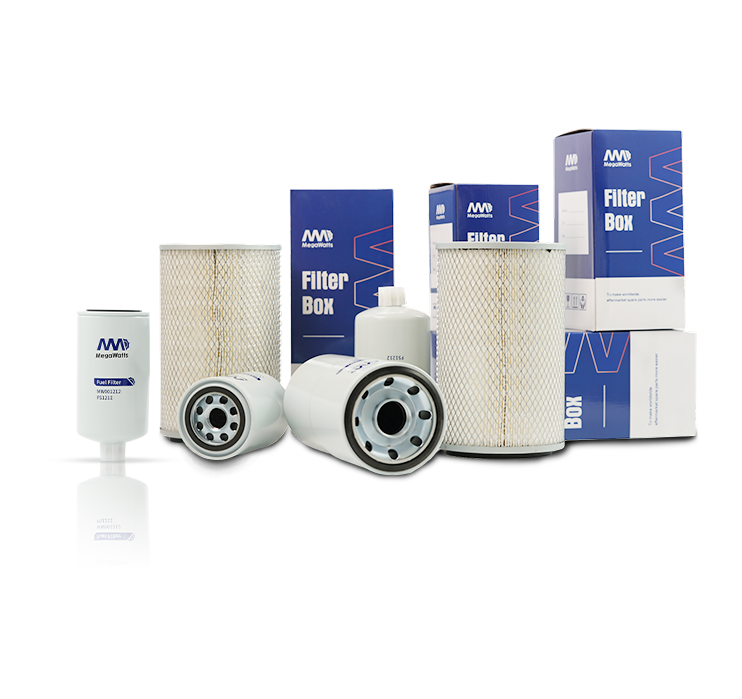
Since restricted airflow is the most common cause of black smoke, you can avoid costly downtime by upgrading your intake system. You can shop air Filtration replacement at factory price directly through Megawatts, ensuring your engine breathes clean while keeping your maintenance budget under control."
Tip: Routine maintenance and regular servicing help prevent unexpected breakdowns and keep your generator running efficiently.
You protect your generator and avoid costly repairs when you act quickly at the first sign of abnormal smoke. Regular maintenance and using quality parts from Megawatts help prevent major engine failures.
- Observing excessive smoke or unusual engine sounds is critical.
- Prompt action is essential to prevent catastrophic damage.
- Early diagnosis and swift action are key to maintaining engine health.
Consult Megawatts Part for expert advice and reliable generator sets parts. Don’t ignore smoke—protect your engine and ensure reliable power.
FAQ
What’s the first step if my generator starts emitting abnormal smoke?
A: Immediately identify the smoke color and note the current load status. You should also perform a quick inspection of the fuel and air filters. Early intervention is key to preventing catastrophic engine failure and minimizing expensive downtime.
How does Megawatts assist with engine repairs?
A: We provide more than just parts; we offer a complete support ecosystem. This includes a massive inventory of high-quality components for major brands, lightning-fast shipping, and expert technical guidance to help you navigate complex troubleshooting and maintenance.
Is it safe to keep running a generator that's smoking?
A: No. Continued operation under these conditions can lead to severe, irreversible engine damage. We recommend shutting down immediately to diagnose the root cause and replace any faulty components before attempting a restart.
Which parts are typically responsible for smoke issues?
A: Common culprits include fuel injectors, air filters, piston rings, cylinder liners, and gaskets. Megawatts stocks a full range of these essential parts for industry leaders like Cummins, Perkins, and Caterpillar.
What’s the best way to prevent smoke-related failures?
A: Stick to a rigorous preventative maintenance schedule. Using premium fuel and oil is vital, but so is the timely replacement of worn-out parts. Regular "health checks" help you catch minor issues before they turn into major headaches.
Previous And Next
-
Previous Post:
 BLOG
BLOG Megawatts BlogIntroducing the components of a diesel engineIntroducing the components of a diesel engine A diesel generator set is a type of internal combustion generator set and is currently one of the most widely used power generation devices in the world....
 -
Next Post:
 BLOG
Megawatts BlogWhy Your Generator Won't Shut Down: Troubleshooting Stop Solenoid FailuresA generator that won’t power down as expected is more than a nuisance—it’s often a sign of a failing generator stop solenoid. Managing this challenge safely requires the right troubl...
BLOG
Megawatts BlogWhy Your Generator Won't Shut Down: Troubleshooting Stop Solenoid FailuresA generator that won’t power down as expected is more than a nuisance—it’s often a sign of a failing generator stop solenoid. Managing this challenge safely requires the right troubl...
Read More
-
 BLOG
Megawatts BlogStrategic Sourcing: How to Build a Standardized Generator Sets Parts Catalog for Mixed FleetsManaging a mixed fleet of Cummins, Perkins, and Caterpillar generators often creates a hidden financial drain through inventory duplication and fragmented procurement. When different brands use differ...
BLOG
Megawatts BlogStrategic Sourcing: How to Build a Standardized Generator Sets Parts Catalog for Mixed FleetsManaging a mixed fleet of Cummins, Perkins, and Caterpillar generators often creates a hidden financial drain through inventory duplication and fragmented procurement. When different brands use differ... -
 BLOG
Megawatts BlogDiesel Generator Won't Crank: A Step-by-Step Electrical Diagnostic Checklist for MechanicsWhen a diesel generator won't crank, check the electrical system first. Do not chase fuel or mechanical theories yet. Low battery voltage and corroded connections cause most no-start condition calls....
BLOG
Megawatts BlogDiesel Generator Won't Crank: A Step-by-Step Electrical Diagnostic Checklist for MechanicsWhen a diesel generator won't crank, check the electrical system first. Do not chase fuel or mechanical theories yet. Low battery voltage and corroded connections cause most no-start condition calls.... -
 BLOG
Megawatts BlogMagnetic Coil Degradation: Why Your Diesel Engine Stop Solenoid Fails Under Extreme HeatExtreme heat is the primary enemy of a diesel engine stop solenoid. The heat breaks down the electrical insulation inside the magnetic coil. This degradation raises resistance and creates short circui...
BLOG
Megawatts BlogMagnetic Coil Degradation: Why Your Diesel Engine Stop Solenoid Fails Under Extreme HeatExtreme heat is the primary enemy of a diesel engine stop solenoid. The heat breaks down the electrical insulation inside the magnetic coil. This degradation raises resistance and creates short circui... -
 BLOG
Megawatts BlogThe Hidden Cost of Expired Inventory: Shelf Life and Proper Storage of Rubber Gasket Seal KitsA gasket seal kit sits untouched for five years. You paid for it. Now you pay to dispose of it. When a failure occurs, you pay a premium for emergency replacement. These hidden costs accumulate silent...
BLOG
Megawatts BlogThe Hidden Cost of Expired Inventory: Shelf Life and Proper Storage of Rubber Gasket Seal KitsA gasket seal kit sits untouched for five years. You paid for it. Now you pay to dispose of it. When a failure occurs, you pay a premium for emergency replacement. These hidden costs accumulate silent...
Subscribe to enjoy 10% off
Stay informed about new products and sales

-
INFORMATION
Contact Us
-
CHINA SALES OFFICE: No. 2-11, No. 8, Gaotai Road, Gaishan Investment Zone, Cangshan District, Fuzhou, Fujian
-
SAUDI ARABIA FACTORY: 7264 Shakra, Al Faisaliyyah, REFB3035, 3035, Riyadh 12883
-
COLOMBIA SALES OFFICE: 92-32 26th Street, 03-118, Bogota
-
NIGERIA FACTORY: Plot 5 Chivita Avenue Ajao Estate Isolo Lagos
-
Email:sales@megawattsparts.com
Follow Us


Copyright © 2025 Megawatts All Rights Reserved.



Select Previous Button or Search Directly on Search Bar!
Shop All
 English
Currency: <{ pagedata.current_currency }>(<{ pagedata.current_currency_code }>)
Are you in the right place?

You agree to MegaWatts.com's Terms of Use and Privacy Policy by subscribing. You may receive emails with useful tips, promotions, and offerings.
No, thanks. I'd rather pay full price.