








































Oil Pressure Switch vs. Oil Pressure Sensor: Understanding the Critical Difference for Generator Safety
by Megawatts - Updated At 2026-01-30
When a generator shuts down unexpectedly or suffers internal engine damage, low oil pressure is often the root cause. However, many users overlook a critical detail during maintenance or replacement: the difference between an oil pressure switch and an oil pressure sensor. Although these two components are often confused or used interchangeably, they serve very different roles in protecting generator engines. Choosing the wrong one can lead to false alarms, delayed shutdowns, or even severe mechanical failure. Understanding how each device works—and when to use it—is essential for ensuring generator safety, reliability, and long-term performance.
Oil Pressure Switch vs. Oil Pressure Sensor: The Key Difference
How Each Device Works
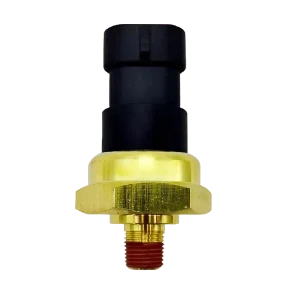
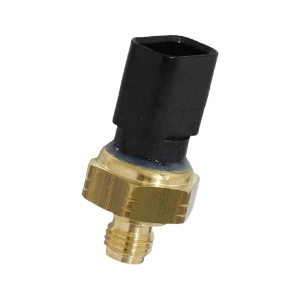
In real-world generator maintenance, many users overlook how an oil pressure switch and an oil pressure sensor operate to make informed decisions about generator safety. The oil pressure switch functions as a simple on/off device. It activates when oil pressure drops below a set threshold, sending a binary signal to trigger a warning light or shut down the generator. This straightforward mechanism makes the oil pressure switch reliable for basic protection.
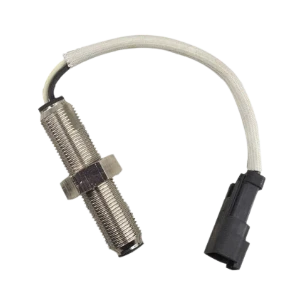
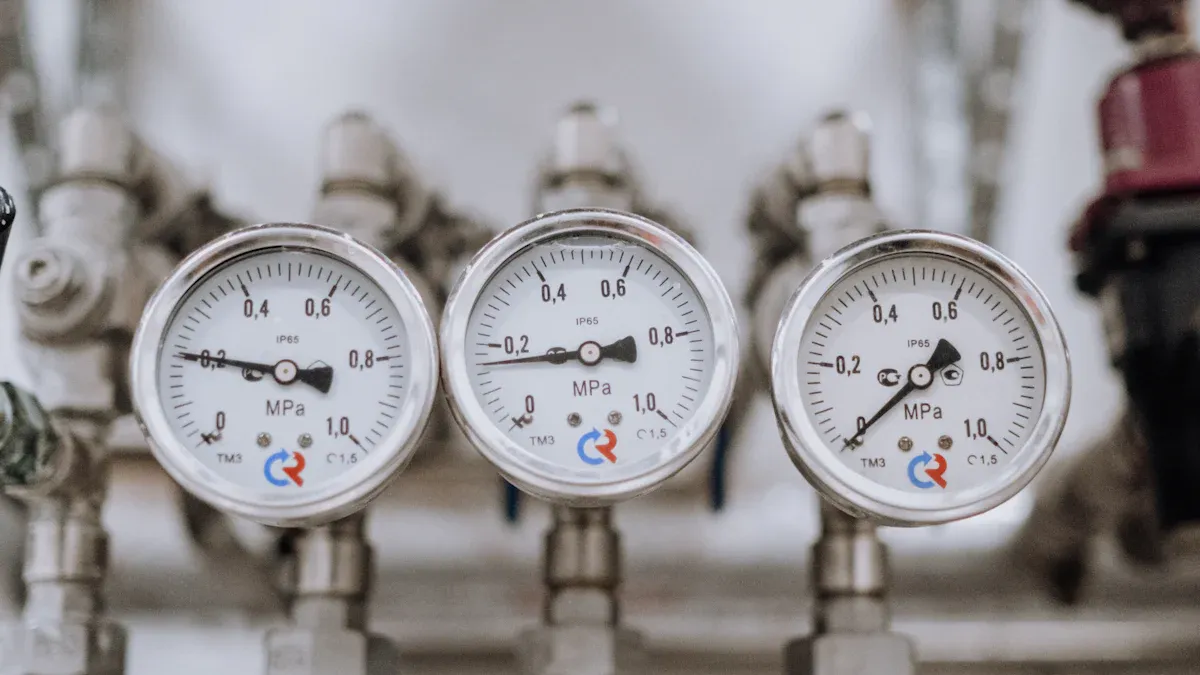
The oil pressure sensor, on the other hand, provides continuous monitoring. It measures the actual oil pressure and sends a variable signal—either analog or digital—to the generator’s control system. This real-time feedback allows you to track oil pressure changes and respond quickly to any abnormalities. The oil pressure sensor supports advanced diagnostics and precise engine management.
Here is a direct comparison of the two devices:
| Feature | Oil Pressure Switch | Oil Pressure Sensor |
| Functionality | Simple on/off device for warning signals | Provides continuous feedback on oil pressure |
| Output | Binary output (on/off) | Numerical value representing oil pressure |
| Diagnosis | Check warning light/alarm | Requires diagnostic tool for signal reading |
| Cost | Generally less expensive | Typically more expensive due to complexity |
You can also distinguish their monitoring capabilities:
- Oil pressure switches operate with a binary signal, activating only when pressure reaches a specific setpoint.
- Oil pressure sensors provide continuous monitoring and output signals that reflect the actual pressure.
- Oil pressure sensors are ideal for real-time measurement and display.
- Oil pressure switches suit applications that require simple on/off control based on pressure thresholds.
Impact on Generator Safety
The difference between an oil pressure switch and an oil pressure sensor directly affects generator safety. The oil pressure switch offers basic protection by shutting down the generator or activating a warning when oil pressure falls below safe levels. This immediate response helps prevent engine damage due to low oil pressure.
The oil pressure sensor enhances safety by delivering real-time data. You can monitor oil pressure trends and detect gradual changes before they become critical. This proactive approach allows you to schedule maintenance, replace worn parts, and avoid unexpected shutdowns.
Both devices play a vital role in generator safety shutdown protocols. For example, if oil pressure drops due to leaks, dirty oil, or a faulty oil pressure sensor, you must check and maintain proper oil levels, change oil and filters, inspect for leaks, and test the oil pump. The oil pressure switch and oil pressure sensor help you identify these issues early, reducing the risk of costly repairs and downtime.
Tip: Regularly inspect your generator’s oil pressure switch and oil pressure sensor to ensure accurate readings and reliable protection. Early detection of oil pressure problems keeps your generator running safely and efficiently.
Understanding the difference between these two components empowers you to select the right part for your generator. You protect your equipment, extend its lifespan, and maintain uninterrupted power supply.
Oil Pressure Switch: Function and Role
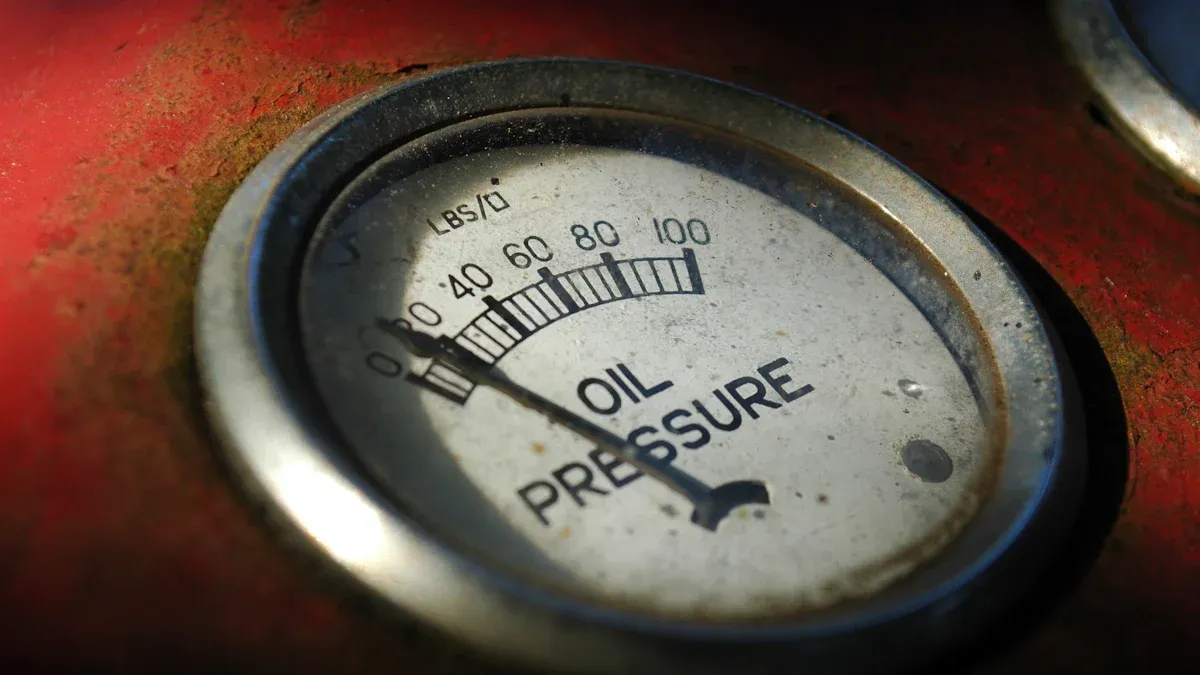
How the Oil Pressure Switch Operates
Your generator’s engine relies on more than just fuel—it depends on proper oil pressure to stay healthy. That’s where the oil pressure switch comes in. Think of it as your engine’s personal guardian: it keeps a constant eye on oil levels and acts the moment something’s wrong. When oil pressure is healthy, the switch stays quiet. But if pressure drops too low, it springs into action, triggering a warning light or alarm to alert you before any serious damage occurs. It’s a simple device, but one that protects your generator every day.
The oil pressure switch functions as an on-engine protection device that monitors the oil pressure of the engine. It can be in either an open or closed state depending on the oil pressure levels. When the oil pressure is low, the switch is closed, and when it is above the minimum requirement, the switch is open. The switch operates through a diaphragm that reacts to the oil pressure, activating a warning light or sending a signal to the ECU when the pressure falls below a critical value.
You often see the oil pressure switch used in generator systems to trigger a warning light or alarm. This immediate feedback helps you prevent engine damage and costly repairs. The binary operation ensures that you receive a clear signal when oil pressure drops, allowing you to take action quickly.
| Mode | Description |
| 1 | Activated when the turbine is not synchronized with the electric power system. |
| 2 | Uses power signal in control system feedback instead of rotary speed. |
| Safety Action | Monitors turbine parameters and ensures safe automatic start-up, shutting down on abnormalities. |
If you wonder how does an oil pressure switch work, you should know it relies on a diaphragm that moves in response to oil pressure changes. This movement opens or closes the electrical circuit, which then triggers the warning light or alarm.
Common Issues and Troubleshooting
Common oil pressure issues can occur during generator operation, and a faulty oil pressure switch often produces recognizable warning signs. The following symptoms typically indicate a problem:
- Incorrect oil pressure gauge reading: A faulty oil pressure switch can cause the gauge to read inaccurately, potentially being stuck or working intermittently.
- Oil pressure warning light is on: A malfunctioning switch may falsely indicate low oil pressure, triggering the warning light or alarm.
- Illuminated check engine light: Issues with the oil pressure switch can lead to the check engine light being activated, indicating a problem detected by the vehicle's control module.
If you notice any of these symptoms, you need to know how to diagnose a faulty oil pressure switch. Start by examining the oil quality and checking for leaks. Inspect the oil pressure switch itself and test it with a multimeter. Replace the switch if it is not functioning properly. Look at the oil filter and replace it if clogged. Check the oil pump to ensure it circulates oil correctly. Inspect wiring and connectors for damage.
| Step | Description |
| Examine Oil Quality | Check if the oil is thick, dirty, or contains metal shavings; replace if necessary. |
| Check for Oil Leaks | Inspect for oil spills around the generator, especially near the oil filter and lines. |
| Inspect the Oil Pressure Switch | Test the oil pressure sensor with a multimeter or replace it if faulty. |
| Look at the Oil Filter | Replace a clogged or old oil filter with a new one. |
| Check the Oil Pump | Ensure the oil pump is circulating oil correctly; consider professional help if issues persist. |
| Inspect Wiring and Connectors | Ensure all wires to the oil pressure switch are secure and undamaged. |
If you need guidance on how to replace an oil pressure switch, consult your generator’s manual or seek professional assistance. Regular maintenance and prompt replacement of a faulty oil pressure switch help you avoid unexpected shutdowns and keep your generator running safely.
Tip: Always address common issues with oil pressure early to prevent engine damage and maintain reliable operation.
Oil Pressure Sensor: Function and Role
How the Oil Pressure Sensor Operates
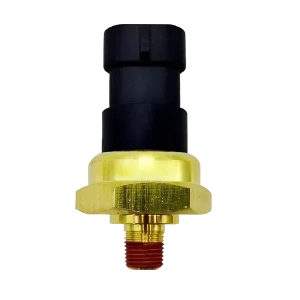
You rely on the oil pressure sensor to deliver continuous feedback about your generator’s engine health. This device measures the actual oil pressure inside the engine and sends a variable electrical signal to the control unit. Unlike a switch, the oil pressure sensor provides real-time data, allowing you to monitor pressure changes as they happen. You see precise readings on your dashboard gauge or digital display, which helps you make informed decisions about maintenance and operation.
The oil pressure sensor is like your generator’s built-in guardian, working hand-in-hand with the engine control unit (ECU) to keep everything running smoothly. It doesn’t just monitor pressure—it provides valuable insights, allowing for advanced diagnostics and detailed data tracking. With this continuous feedback, you’re alerted to any unusual oil pressure early, giving you the chance to take action before it ever causes real damage. In short, it’s a small device that makes a big difference in protecting your engine and optimizing performance.
| Feature | Oil Pressure Sensor | Oil Pressure Switch |
| Function | Measures actual oil pressure, sends variable signal | Simple ON/OFF safety device |
| Output Signal | Variable voltage or resistance proportional to pressure | Binary signal – ON/OFF |
| Dashboard Display | Shows precise pressure values | Activates warning light only |
| Accuracy | High – continuous readings | Low – detects only critical conditions |
| Usage | Modern engines with ECU | Older or basic engines |
| Diagnostics | Advanced troubleshooting and data logging | Limited feedback |
You gain several advantages with an oil pressure sensor:
- You continuously monitor engine oil pressure.
- You send pressure data to the ECU or dashboard gauge.
- You trigger the oil warning light if pressure drops.
- You help protect critical engine components.
- You prevent catastrophic engine seizure with early warnings.
Common Issues and Troubleshooting
You may notice a low oil pressure alert even when the pressure is normal. This symptom often points to a faulty oil pressure sensor. The low oil pressure indicator light may stay on, suggesting sensor issues or wiring problems. You should address these signs promptly to avoid unnecessary shutdowns.
Follow these steps to troubleshoot oil pressure sensor problems:
- Verify oil level and quality. Shut down the generator and check the dipstick. Make sure the oil level is correct.
- Inspect the oil filter and review maintenance history. Replace clogged filters and confirm regular service.
- Assess the oil pump and internal engine wear. Investigate further if oil level and filter are normal.
- Rule out a faulty pressure sensor or wiring. Use a mechanical gauge to compare readings and replace oil pressure sensor if needed.
Tip: Regularly check your oil pressure sensor for accurate readings. Early detection of sensor issues helps you maintain generator safety and reliability.
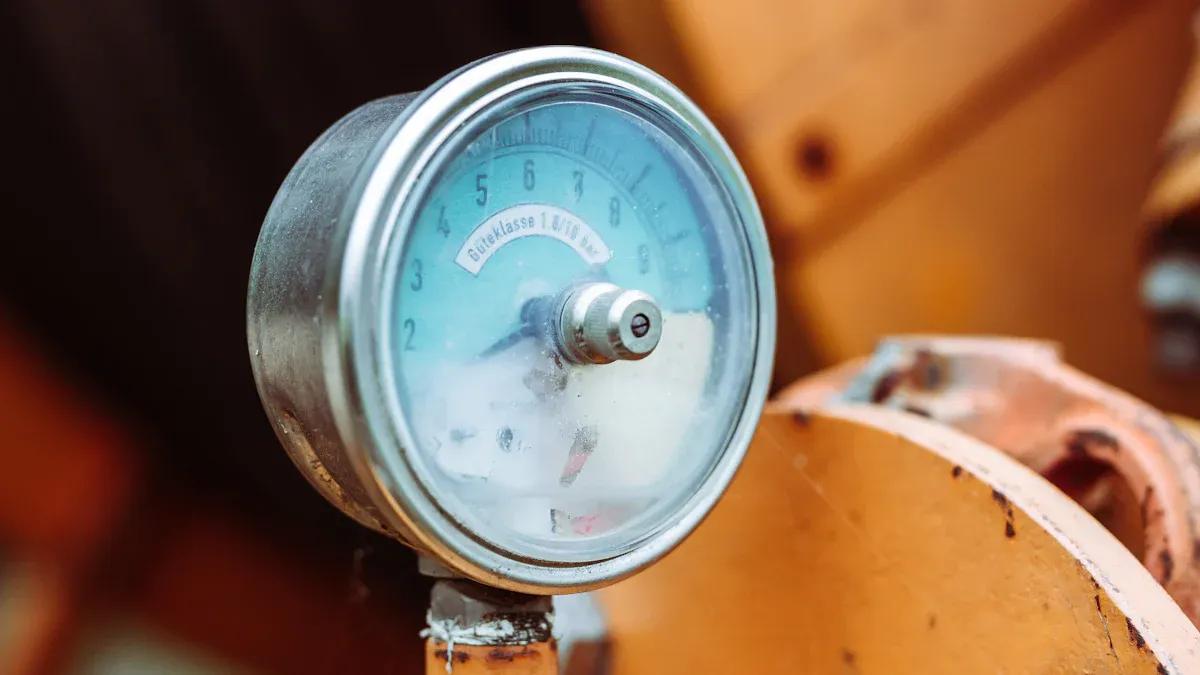
Selecting the Right Part for Your Generator
Identifying Your Generator’s Needs
Choosing the right oil pressure monitoring solution depends on how your generator is designed to operate. In practice, the best place to start is the generator’s technical manual. Some models are built around a basic pressure switch that triggers at a specific threshold, while others depend on a sensor for continuous oil pressure monitoring. The table below outlines the key criteria for comparison:
| Criteria | Description |
| Electrical Interface Compatibility | Make sure the output type matches your generator’s system (analog, digital, or current loop). |
| Pressure Range & Accuracy Class | Select a pressure range that fits your generator and accuracy of ±1% FS or better. |
| Temperature Compensation Profile | Choose sensors that maintain accuracy across a wide temperature range. |
| Mechanical Integration | Verify thread type, sealing, and mounting orientation to prevent leaks and ensure proper fit. |
If your generator uses a digital control panel or requires real-time data, you likely need a sensor. For basic warning lights or alarms, a switch may be sufficient.
Why Choose Megawatts Generator Sets Parts
Reliable generator operation depends on using high-quality components that meet or exceed OEM standards. Megawatts Generator Sets Parts supplies carefully selected aftermarket parts designed for long-term performance and dependable operation. Key advantages include:
- Fast shipping, with most orders dispatched within two business days.
- Guaranteed fit for leading generator brands.
- Live support to help you select and install the right part.
- A 90-day free return policy for worry-free shopping.
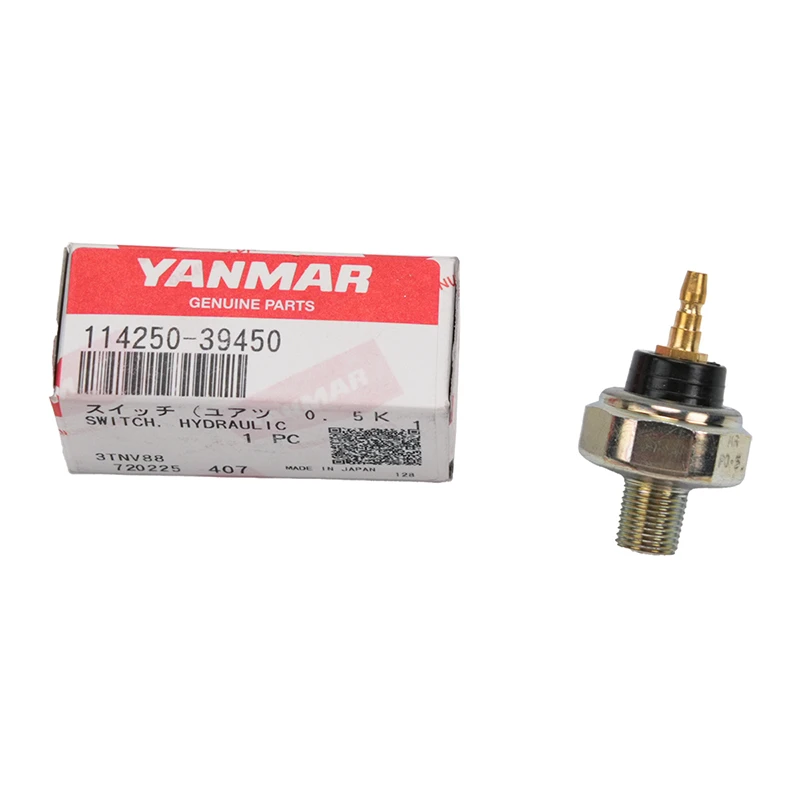
Megawatts stands out as a trusted partner for generator owners worldwide. You receive expert guidance, reliable parts, and responsive service every time you order.Whether you need a specialized 114250-39450 Yanmar Oil Pressure Switch or a universal sensor, Megawatts provides reliable parts with fast shipping to keep your generator running safely.
- You lower with reliable sensors.
- You avoid unnecessary downtime and extend generator lifespan.
- Megawatts provides expert support and guaranteed-fit parts for your peace of mind.
Understanding the difference between an oil pressure switch and an oil pressure sensor helps you make smarter maintenance and replacement decisions for your generator. While switches provide basic on/off protection, sensors deliver real-time data that supports proactive monitoring and engine health management. Selecting the correct component—and maintaining it properly—reduces unexpected downtime, prevents costly engine damage, and extends the overall lifespan of your generator. For reliable performance, it is essential to use high-quality, correctly matched parts from a trusted supplier.
With proven expertise in generator components, Megawatts offers dependable oil pressure switches and sensors designed to meet demanding operating conditions and long-term safety requirements.
Previous And Next
-
Previous Post:
 BLOG
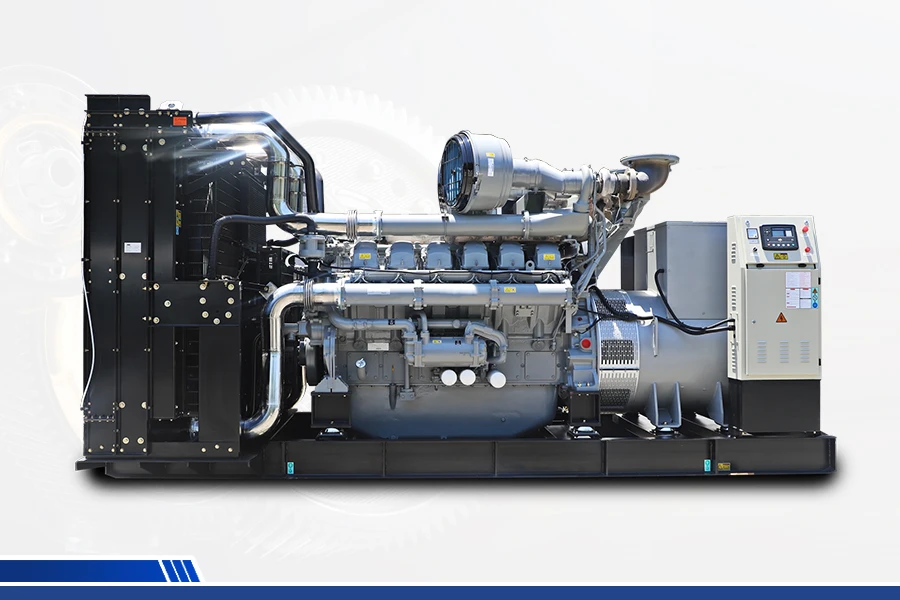
BLOG Megawatts BlogIntroducing the components of a diesel engineIntroducing the components of a diesel engine A diesel generator set is a type of internal combustion generator set and is currently one of the most widely used power generation devices in the world....
 -
Next Post:
 BLOG
Megawatts BlogGenerator Engine Diagnosis: Black Smoke vs. White Smoke vs. Blue SmokeGenerator engine diagnosis plays a critical role in protecting your equipment and avoiding unnecessary downtime. You must never ignore signs like black, white, or blue smoke, as these often signal und...
BLOG
Megawatts BlogGenerator Engine Diagnosis: Black Smoke vs. White Smoke vs. Blue SmokeGenerator engine diagnosis plays a critical role in protecting your equipment and avoiding unnecessary downtime. You must never ignore signs like black, white, or blue smoke, as these often signal und...
Read More
-
 BLOG
Megawatts BlogThe Hidden Cost of Expired Inventory: Shelf Life and Proper Storage of Rubber Gasket Seal KitsA gasket seal kit sits untouched for five years. You paid for it. Now you pay to dispose of it. When a failure occurs, you pay a premium for emergency replacement. These hidden costs accumulate silent...
BLOG
Megawatts BlogThe Hidden Cost of Expired Inventory: Shelf Life and Proper Storage of Rubber Gasket Seal KitsA gasket seal kit sits untouched for five years. You paid for it. Now you pay to dispose of it. When a failure occurs, you pay a premium for emergency replacement. These hidden costs accumulate silent... -
 BLOG
Megawatts BlogCombating Diesel Bug: How Your Fuel Water Separator Filter Prevents Sludge and Microbial GrowthHave you noticed your engine struggling to start, fuel filters clogging more often, or dark sludge in the fuel system? These symptoms indicate diesel bug—microbial contamination that thrives on...
BLOG
Megawatts BlogCombating Diesel Bug: How Your Fuel Water Separator Filter Prevents Sludge and Microbial GrowthHave you noticed your engine struggling to start, fuel filters clogging more often, or dark sludge in the fuel system? These symptoms indicate diesel bug—microbial contamination that thrives on... -
 BLOG
Megawatts BlogComplete Water Pump Assemblies vs. Pressing Bearings: The Most Cost-Effective Repair StrategyFor most drivers and equipment operators, complete water pump assemblies are the most cost-effective repair for the engine's cooling system. When deciding between a full water pump replacement or pres...
BLOG
Megawatts BlogComplete Water Pump Assemblies vs. Pressing Bearings: The Most Cost-Effective Repair StrategyFor most drivers and equipment operators, complete water pump assemblies are the most cost-effective repair for the engine's cooling system. When deciding between a full water pump replacement or pres... -
 BLOG
Megawatts BlogWinter Emergencies: Why Your Diesel Generator Won't Crank in Sub-Zero TemperaturesDarkness descends as a relentless blizzard knocks out power. You shuffle to the unit, press the start button, and hear a single sluggish click. Your generator won't crank. In sub-zero temperatures, th...
BLOG
Megawatts BlogWinter Emergencies: Why Your Diesel Generator Won't Crank in Sub-Zero TemperaturesDarkness descends as a relentless blizzard knocks out power. You shuffle to the unit, press the start button, and hear a single sluggish click. Your generator won't crank. In sub-zero temperatures, th...
Subscribe to enjoy 10% off
Stay informed about new products and sales

-
INFORMATION
Contact Us
-
CHINA SALES OFFICE: No. 2-11, No. 8, Gaotai Road, Gaishan Investment Zone, Cangshan District, Fuzhou, Fujian
-
SAUDI ARABIA FACTORY: 7264 Shakra, Al Faisaliyyah, REFB3035, 3035, Riyadh 12883
-
COLOMBIA SALES OFFICE: 92-32 26th Street, 03-118, Bogota
-
NIGERIA FACTORY: Plot 5 Chivita Avenue Ajao Estate Isolo Lagos
-
Email:sales@megawattsparts.com
Follow Us


Copyright © 2025 Megawatts All Rights Reserved.



Select Previous Button or Search Directly on Search Bar!
Shop All
 English
Currency: <{ pagedata.current_currency }>(<{ pagedata.current_currency_code }>)
Are you in the right place?

You agree to MegaWatts.com's Terms of Use and Privacy Policy by subscribing. You may receive emails with useful tips, promotions, and offerings.
No, thanks. I'd rather pay full price.