





























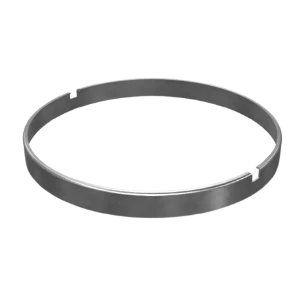

How to Identify Compatible Generator Parts Without OEM Part Numbers
by Megawatts - Updated At 2026-01-22
In the industrial power generation sector, missing an OEM part number can lead to prolonged equipment downtime and procurement challenges. However, identifying compatible generator parts without original references is a manageable process when following a structured technical approach. By prioritizing engine specifications, physical dimensions, and expert cross-referencing, procurement managers can secure high-quality aftermarket components that match original performance standards. Megawatts provides the necessary expertise and high-quality aftermarket parts tailored for industrial engines, helping operators avoid costly mistakes and ensuring continuous generator performance.
Key Steps for Successful Identification:
- Gather comprehensive generator and engine specifications.
- Conduct a thorough visual inspection and take precise measurements.
- Leverage cross-reference and interchange databases.
- Consult with experienced aftermarket specialists.
Professional Tip: Rely on trusted aftermarket suppliers like Megawatts to identify compatible generator parts for industrial applications.
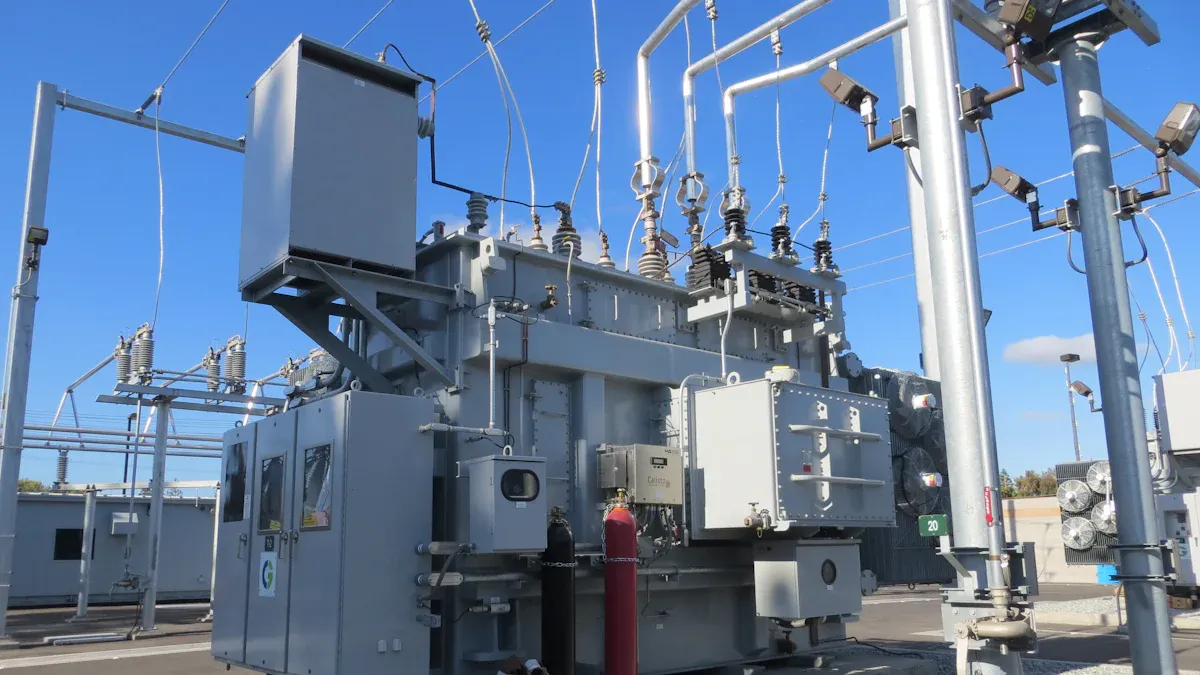
Gathering Generator and Engine Specifications
Locate Make, Model, and Serial Number
The foundation of identifying compatible parts lies in collecting the generator’s precise make, model, and serial number. These identifiers are typically found on the manufacturer’s nameplate, located on the generator’s frame or housing. It is essential to record these details and double-check them for accuracy; even a single-character error in a serial number can result in the procurement of incorrect components.
In cases where the nameplate is missing or illegible, service records, owner’s manuals, or information stamped directly onto the engine block and alternator housing serve as reliable alternatives. Securing these specific details is the first step in narrowing down the search for parts that meet industrial engine standards.
Check Engine Specs
Beyond basic identification, detailed engine specifications are vital for precise part matching. Technical focus should be placed on the following parameters:
- Horsepower (HP) and Displacement: Measured in cubic centimeters (cc) or liters.
- Fuel System Configuration: Specifics regarding fuel lines, tanks, and pump types.
- Alternator Power Rating: Typically listed in kilowatts (kW).
- Electrical Components: Output voltage and load levels monitored via the control panel to match voltage regulators and sensors.
- Support Systems: Cooling and exhaust system dimensions to prevent overheating and ensure proper fitment.
| Component | Key Specifications to Record |
| Engine | Horsepower (HP),displacement (cc),and serial number |
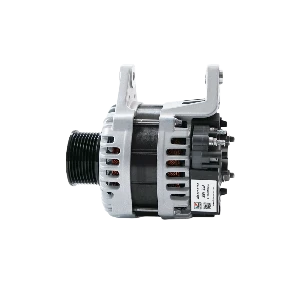
| Alternator | Power rating (kW) and housing type |
| Voltage Regulator | Specific voltage maintenance ratings |
| Cooling/Exhaust | Radiator dimensions and exhaust pipe diameter |
| Control Panel | Voltage output and load capacity |
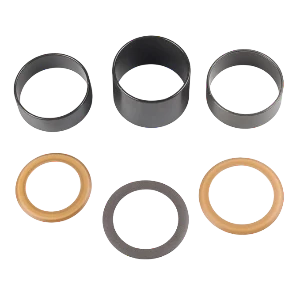
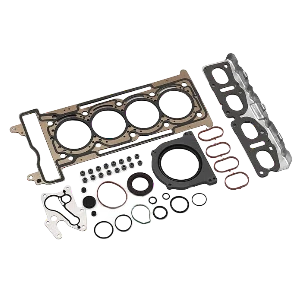
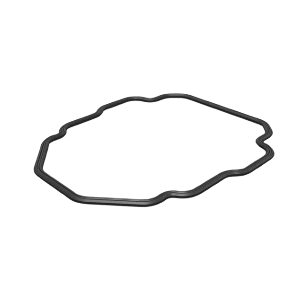
Beyond internal engine specs, identifying wear-prone parts like gasket seal kits is vital for long-term reliability. Record all dimensions accurately before sourcing a replacement to ensure a leak-free operation.
Maintaining an organized record of these technical details is essential when consulting Megawatts or navigating aftermarket catalogs. This systematic approach to information gathering significantly reduces procurement lead times and prevents the high costs associated with ordering incompatible industrial generator parts.

Visual Part Identification and Technical Verification
When OEM part numbers are unavailable, visual identification becomes the primary method for matching generator components. Following a systematic inspection process ensures that replacement parts for industrial engines meet exact operational requirements.
Inspect Markings & Labels
Industrial generator parts often feature permanent identification marks designed to withstand harsh operating environments. Professional technicians should meticulously examine all surfaces for the following marking types:
- Metalphoto, which lasts over 20 years even in harsh environments.
- Laser engraving, which gives precise and permanent details.
- Dot peening, which creates deep, durable marks on industrial parts.
- Acid etching, which I see on aerospace-grade parts.
- Metal stamping, which is common for rugged parts.
- Abrasive blasting, which adds texture but is less precise.
- Rotary engraving, which I notice on prototypes or less permanent parts.
These markings frequently contain serial numbers, manufacturer logos, or model-specific codes. It is critical to inspect hidden surfaces, as some identifiers may be localized in non-obvious areas.
Measure & Note Features
Accurate physical measurements are indispensable for verifying compatibility. To ensure technical precision, it is recommended to:
- Utilize Professional Instrumentation: Use calipers, micrometers, or matched differential probes depending on the measurement task.
- Minimize Interference: Keep ground leads short during electronic testing to reduce signal noise and ensure accurate readings.
- Document Key Dimensions: Record length, width, diameter, and the exact positioning of mounting holes or grooves. Comparing these technical specifications against aftermarket catalogs is a vital step in sourcing the correct replacement.
Professional Photographic Documentation
High-quality visual records facilitate seamless communication with technical support teams. Best practices for part photography include:
- Multi-Angle Coverage: Capture the component from various perspectives to highlight unique structural features.
- Scale Reference: Include a ruler or caliper within the frame to provide a clear sense of scale.
- Clarity and Lighting: Ensure markings and labels are legible and well-lit to avoid ambiguity.
Tip: Detailed photos and accurate notes make it much easier to match parts, especially when working with industrial engines.
Utilizing Cross-Reference and Interchange Tools
When OEM part numbers are unavailable, cross-reference and interchange tools are indispensable for identifying compatible components. Leveraging these resources ensures high repair accuracy and prevents the financial risks associated with incorrect part procurement for industrial engines.
Leveraging Online Cross-Reference Databases
Digital databases allow procurement specialists to input generator specifications and retrieve compatible aftermarket alternatives. To ensure a precise match, it is recommended to:
- Analyze Exploded Diagrams: Use parts interchange databases to examine technical drawings and diagrams. These visual aids clarify the relationship between components and help verify fitment before purchase.
- Consult Manufacturer & Aftermarket Catalogs: Reputable catalogs, such as those provided by Megawatts, offer robust cross-reference capabilities for industrial generator sets.
- Verify Technical Specs: Always compare detailed specifications, images, and diagrams against the original component to confirm total compatibility.
Exploring Automotive Parts Interchange Systems
Many industrial generator engines share foundational components with automotive engines. Consequently, automotive parts interchange systems can serve as a valuable secondary resource.
Find Direct-Fit Options: Use automotive databases to identify interchangeable filters, pumps, and sensors that meet industrial standards.
- Compare Specifications: Even if a part appears identical, it is crucial to verify that the performance ratings (such as pressure, flow rate, or voltage) align with the requirements of the generator application.
- Access Community Expertise: Professional forums and technical catalogs often feature exploded diagrams that illustrate how specific automotive-grade parts integrate into industrial configurations.
By relying on verified parts lists and the expert data provided by Megawatts, operators can achieve enhanced repair accuracy and maintain the operational integrity of their power generation equipment.
Professional Tip: Utilizing reliable interchange tools is the most effective way to confirm parts compatibility and eliminate the risk of ordering incorrect components.
Consulting Technical Catalogs and Professional Forums
Expanding research through technical parts catalogs and specialized online forums is essential for validating component interchangeability. Professional catalogs offer comprehensive parts lists and detailed exploded diagrams, which are crucial for understanding how various components interact within an industrial engine. By analyzing these diagrams, technicians can visually confirm the fitment and functional relationships of parts before procurement. Furthermore, industry-specific forums provide a platform to engage with experienced technicians who share real-world compatibility checks and interchange insights. Posting clear photographs and specific technical queries in these communities often yields valuable feedback on part compatibility.
To maintain high accuracy, it is best practice to cross-reference information across multiple sources, including catalogs, forums, and digital tools.
Note: Never rely on a single source for interchange data. Using a combination of cross-reference tools and expert resources like Megawatts ensures the right fit and prevents costly procurement mistakes.
Find Compatible Alternatives
Compare Technical Specifications and Visuals
When sourcing compatible alternatives, it is essential to compare technical specifications and product images side-by-side. Compatibility should be verified by matching the generator’s specific make and model against component requirements for alternators, voltage regulators, and carburetors. Beyond full-capacity figures, fuel consumption should be analyzed based on expected operating loads. Key factors such as material quality, electrical ratings, and thermal resistance must be scrutinized alongside installation ease. Utilizing accurate part matching—including a final verification of serial numbers and visual data—ensures reliability for industrial engines. While OEM parts offer guaranteed compatibility, high-quality equivalents found in Megawatts catalogs provide a dependable and cost-effective alternative when cross-checked thoroughly.
Compatibility should be verified by matching the generator’s specific make and model against component requirements for alternators, voltage regulators, and carburetors. For operators specifically seeking Cummins parts, cross-referencing against verified catalogs ensures 100% fitment accuracy.
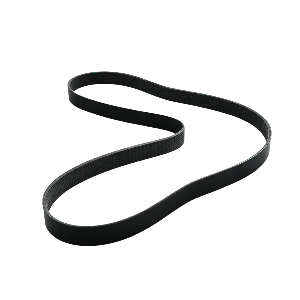
Material durability is essential for components under constant tension. When sourcing a replacement fan belt, verifying the rib count and effective length ensures the cooling fan maintains optimal RPM without slippage.
Review Supplier Return Policies
Before finalizing a purchase, verifying the supplier’s return policy is a critical step for risk management. A clear return or exchange policy acts as a safety net if fitment issues arise despite careful selection. It is important to review terms regarding restocking fees and time limits to avoid unexpected costs. Sourcing through Megawatts ensures access to clear return guidelines and responsive customer service. Their technical team assists with fitment inquiries and accurate part matching, providing peace of mind when integrating aftermarket equivalents into industrial power systems.
Professional Tip: Using high-resolution photos and detailed technical specs is the most effective way to verify compatibility and improve procurement accuracy.
| Supplier | Return Policy | Customer Service Response | Fitment Support |
| Megawatts | Yes | Fast | Yes |
| PowerTech | Yes | Standard | Yes |
| Nishat Power | Yes | Standard | Yes |
Verifying Compatibility with Industry Experts
Finalizing a purchase requires professional verification to ensure total component compatibility. Consulting with suppliers, specialized repair shops, and customer service teams is a critical step in the procurement process. By providing comprehensive data, including the generator's make, model, and technical specifications, operators can leverage advanced online tools to input serial numbers for precise part matching. When a specific part remains difficult to identify, reaching out to expert support for guidance is highly recommended. Certified technicians can offer invaluable advice on fitment and performance accuracy. By cross-referencing information through catalogs, technical diagrams, and professional recommendations, the risk of error is minimized, ensuring the reliable performance of industrial generators.
Note: Always perform a final compatibility double-check before purchase and utilize supplier return policies as a backup. Consulting with experts significantly improves fitment accuracy for complex industrial engine applications.
Identifying compatible generator parts without OEM numbers is a manageable process when following a structured technical framework. By integrating detailed information gathering, visual identification, and professional cross-referencing, procurement specialists can ensure a perfect fit for industrial engines. Assessing material quality, verifying authenticity, and considering installation requirements are essential steps to prevent performance issues and protect equipment longevity. Relying on trusted sources like Megawatts provides access to high-quality aftermarket parts and expert support, ultimately saving time and reducing operational costs.
Looking for reliable replacement components? Browse Megawatts catalog of compatible generator parts here.
Previous And Next
-
Previous Post:
 BLOG
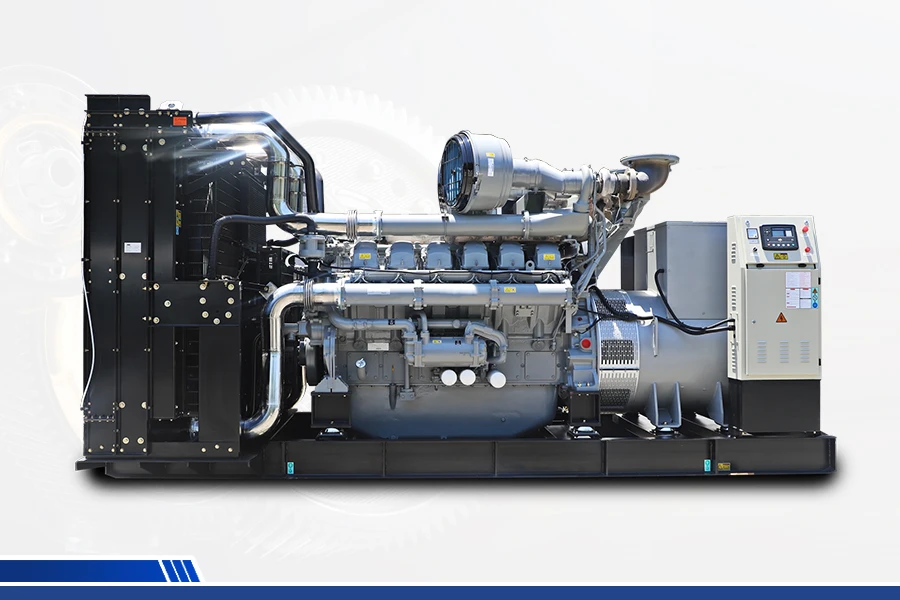
BLOG Megawatts BlogIntroducing the components of a diesel engineIntroducing the components of a diesel engine A diesel generator set is a type of internal combustion generator set and is currently one of the most widely used power generation devices in the world....
 -
Next Post:
 BLOG
Megawatts BlogMaximizing Generator Lifespan: The ROI of Scheduled Water Pump MaintenanceYou know that even a brief generator failure can disrupt operations and lead to staggering financial losses. In the automotive industry, the cost of downtime can reach $22,000 per minute, while l...
BLOG
Megawatts BlogMaximizing Generator Lifespan: The ROI of Scheduled Water Pump MaintenanceYou know that even a brief generator failure can disrupt operations and lead to staggering financial losses. In the automotive industry, the cost of downtime can reach $22,000 per minute, while l...
Read More
-
 BLOG
Megawatts BlogThe Hidden Cost of Expired Inventory: Shelf Life and Proper Storage of Rubber Gasket Seal KitsA gasket seal kit sits untouched for five years. You paid for it. Now you pay to dispose of it. When a failure occurs, you pay a premium for emergency replacement. These hidden costs accumulate silent...
BLOG
Megawatts BlogThe Hidden Cost of Expired Inventory: Shelf Life and Proper Storage of Rubber Gasket Seal KitsA gasket seal kit sits untouched for five years. You paid for it. Now you pay to dispose of it. When a failure occurs, you pay a premium for emergency replacement. These hidden costs accumulate silent... -
 BLOG
Megawatts BlogCombating Diesel Bug: How Your Fuel Water Separator Filter Prevents Sludge and Microbial GrowthHave you noticed your engine struggling to start, fuel filters clogging more often, or dark sludge in the fuel system? These symptoms indicate diesel bug—microbial contamination that thrives on...
BLOG
Megawatts BlogCombating Diesel Bug: How Your Fuel Water Separator Filter Prevents Sludge and Microbial GrowthHave you noticed your engine struggling to start, fuel filters clogging more often, or dark sludge in the fuel system? These symptoms indicate diesel bug—microbial contamination that thrives on... -
 BLOG
Megawatts BlogComplete Water Pump Assemblies vs. Pressing Bearings: The Most Cost-Effective Repair StrategyFor most drivers and equipment operators, complete water pump assemblies are the most cost-effective repair for the engine's cooling system. When deciding between a full water pump replacement or pres...
BLOG
Megawatts BlogComplete Water Pump Assemblies vs. Pressing Bearings: The Most Cost-Effective Repair StrategyFor most drivers and equipment operators, complete water pump assemblies are the most cost-effective repair for the engine's cooling system. When deciding between a full water pump replacement or pres... -
 BLOG
Megawatts BlogWinter Emergencies: Why Your Diesel Generator Won't Crank in Sub-Zero TemperaturesDarkness descends as a relentless blizzard knocks out power. You shuffle to the unit, press the start button, and hear a single sluggish click. Your generator won't crank. In sub-zero temperatures, th...
BLOG
Megawatts BlogWinter Emergencies: Why Your Diesel Generator Won't Crank in Sub-Zero TemperaturesDarkness descends as a relentless blizzard knocks out power. You shuffle to the unit, press the start button, and hear a single sluggish click. Your generator won't crank. In sub-zero temperatures, th...
Subscribe to enjoy 10% off
Stay informed about new products and sales

-
INFORMATION
Contact Us
-
CHINA SALES OFFICE: No. 2-11, No. 8, Gaotai Road, Gaishan Investment Zone, Cangshan District, Fuzhou, Fujian
-
SAUDI ARABIA FACTORY: 7264 Shakra, Al Faisaliyyah, REFB3035, 3035, Riyadh 12883
-
COLOMBIA SALES OFFICE: 92-32 26th Street, 03-118, Bogota
-
NIGERIA FACTORY: Plot 5 Chivita Avenue Ajao Estate Isolo Lagos
-
Email:sales@megawattsparts.com
Follow Us


Copyright © 2025 Megawatts All Rights Reserved.



Select Previous Button or Search Directly on Search Bar!
Shop All
 English
Currency: <{ pagedata.current_currency }>(<{ pagedata.current_currency_code }>)
Are you in the right place?

You agree to MegaWatts.com's Terms of Use and Privacy Policy by subscribing. You may receive emails with useful tips, promotions, and offerings.
No, thanks. I'd rather pay full price.