







































Mechanical Fuel Pump vs Electric Fuel Pump: Which Is Better for Generator Engines?
by Megawatts - Updated At 2026-04-23
When a power system fails during a critical outage, the culprit is often a compromised fuel delivery system. At the heart of this system lies the generator fuel pump, a component that dictates not just performance, but absolute reliability. When it’s time to maintain, upgrade, or replace this vital part, equipment owners face a crucial decision: should you rely on the rugged, time-tested simplicity of a mechanical fuel pump, or opt for the precise, high-efficiency delivery of an electric model? In this guide, we break down the core differences, durability factors, and best application scenarios to help you choose the right pump for your generator engine.
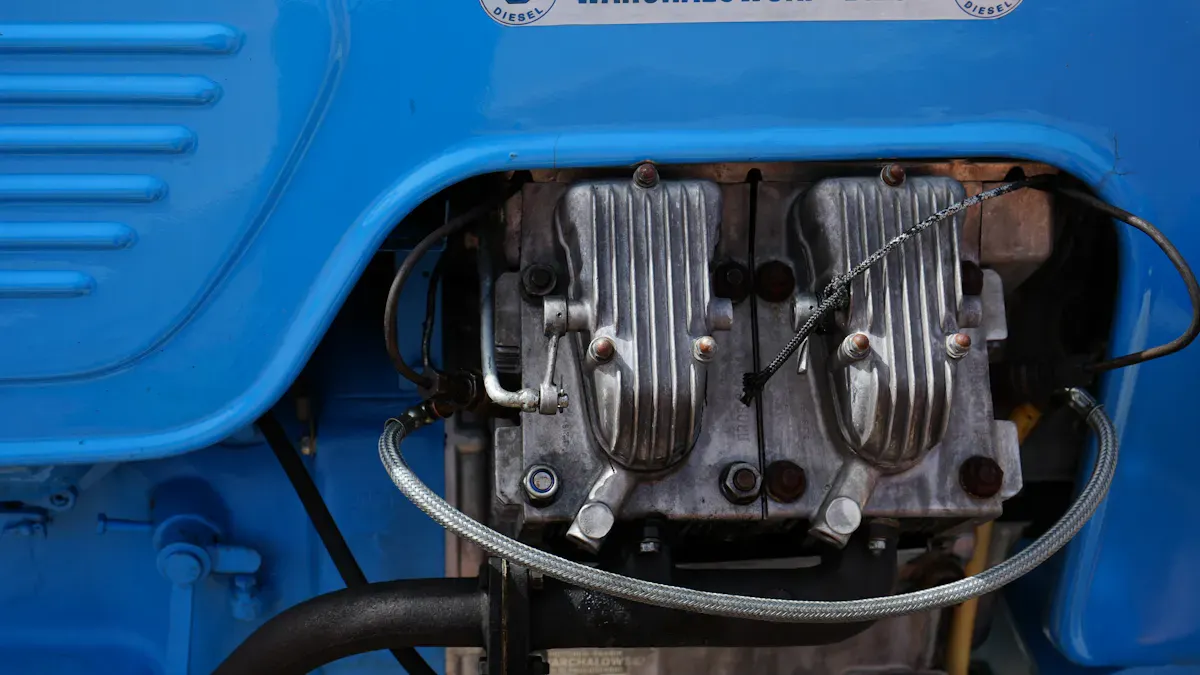
Generator Fuel Pump Basics
Fuel pumps play a critical role in generator engines. They deliver fuel from the tank to the engine, ensuring consistent operation and optimal performance. Without reliable fuel pumps, generators risk stalling, power loss, or even mechanical damage. Experienced engineers often stress the importance of selecting the right fuel pump for each generator setup, as improper selection can lead to fuel starvation or excessive wear.
What Is a Mechanical Fuel Pump?
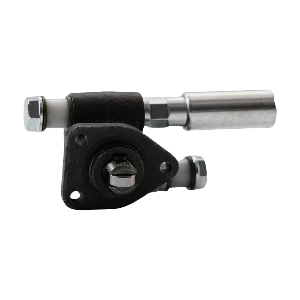
A mechanical fuel pump uses engine-driven mechanisms, such as cams or levers, to move fuel from the tank to the carburetor. Mechanical fuel pumps operate without electrical power, relying on the engine's motion to generate suction and pressure. These fuel pumps are common in older generator engines and carbureted systems. Mechanical fuel pumps offer simplicity and durability, making them ideal for environments where electrical reliability is a concern. However, mechanical fuel pump failure can occur due to wear or contamination, so regular inspection is essential.
What Is an Electric Fuel Pump?
An electric fuel pump uses an electric motor to move fuel from the tank to the engine. Electric fuel pumps provide consistent fuel delivery, especially in modern generators and high-demand applications. These fuel pumps can be mounted near the fuel tank, reducing the risk of vapor lock and improving efficiency. Electric fuel pumps are favored for their precision and adaptability, especially in setups requiring variable fuel pressure. Engineers often recommend electric fuel pumps for generators with electronic fuel injection or advanced control systems.
Tip: Always match the fuel pump type to your generator's engine design and operational needs.
Mechanical Fuel Pump Overview
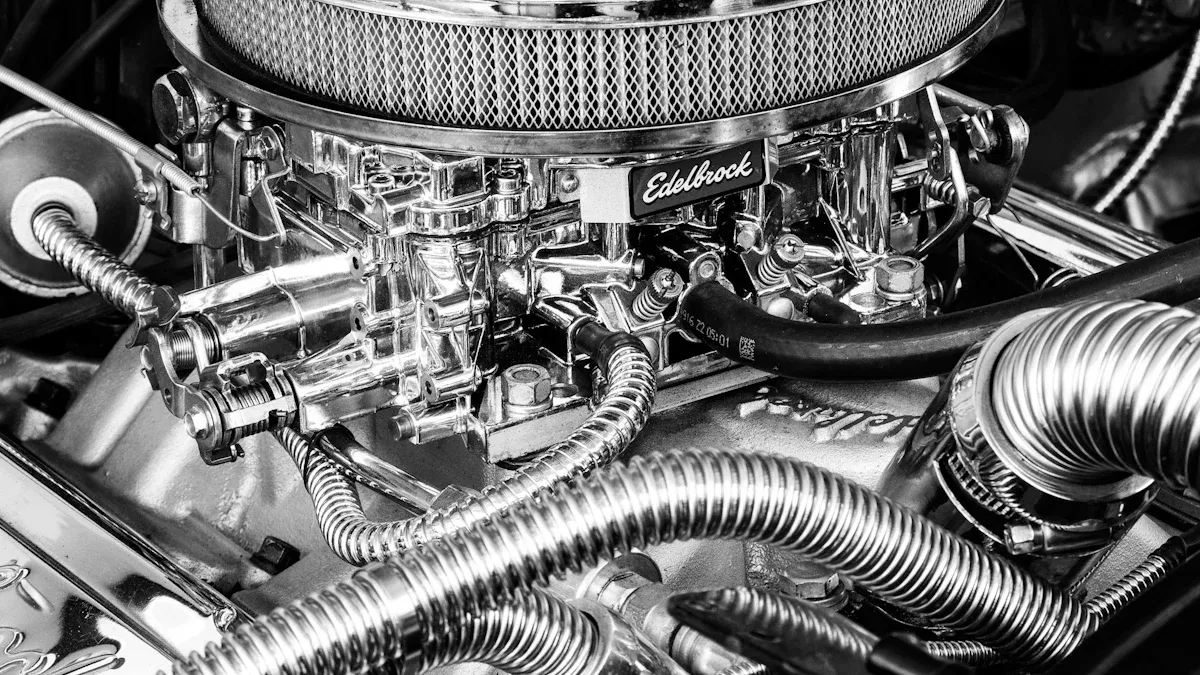
How Mechanical Fuel Pumps Work
Mechanical fuel pumps play a vital role in generator engines, especially those with carbureted systems. These fuel pumps operate using the engine's motion, typically driven by a camshaft or crankshaft. The mechanical fuel pump uses a diaphragm and lever mechanism to create suction, drawing fuel from the tank and delivering it to the carburetor. This process ensures a steady supply of fuel, even when electrical power is unavailable.
The main components of mechanical fuel pumps include:
- Housing: Protects internal parts and withstands harsh operating conditions.
- Inlet and Outlet Ports: Connect the fuel tank to the engine, allowing fuel to flow in and out.
- Pumping Mechanism: Uses a diaphragm and lever to generate pressure and move fuel.
- Check Valve: Prevents backflow, ensuring fuel moves in the correct direction.
- Pressure Regulator: Maintains consistent fuel pressure for optimal engine performance.
- Fuel Filter or Strainer: Removes contaminants from fuel before it reaches the engine.
Experienced engineers recommend regular inspection of mechanical fuel pumps to prevent mechanical fuel pump failure. Contaminants such as water, sludge, or sediment can cause blockages, leading to fuel starvation and engine stalling. In generator applications, reliability is paramount, so maintaining clean fuel and monitoring pump operation is essential.
Pros and Cons for Generators
Mechanical fuel pumps offer several advantages for generator engines:
- Dependable operation in carbureted setups.
- No reliance on electrical power, reducing risk during power outages.
- Simple design, which makes maintenance straightforward.
However, mechanical fuel pumps can face challenges:
- Susceptible to wear and contamination, especially in harsh environments.
- Limited adaptability for modern engines requiring variable fuel pressure.
- Mechanical fuel lift pump may not suit advanced generator systems with electronic fuel injection.
Technical consultants often advise using mechanical fuel pumps in traditional generator engines, such as those found in older Yanmar models. For generators exposed to frequent fuel contamination, proactive maintenance is crucial. Choosing the right fuel pumps ensures consistent performance and minimizes downtime.
Tip: Always use high-quality fuel and replace the fuel filter regularly to extend the life of mechanical fuel pumps.
Electric Fuel Pump Overview
How Electric Fuel Pumps Work
Electric fuel pumps play a critical role in modern generator engines. These fuel pumps use an electric motor to move fuel from the tank to the engine, providing consistent delivery even under varying loads. The design of electric fuel pumps impacts their efficiency in generator applications. Modern electric fuel pumps feature a pumping stage mounted directly on the motor shaft. This configuration allows the fuel itself to cool and lubricate the pump, reducing the number of moving parts and creating a compact structure. Fewer moving parts mean improved reliability and efficiency, which is essential for generator engines that must operate continuously during power outages or high-demand periods.
Engineers recommend electric fuel pumps for generator systems with electronic fuel injection or advanced control modules. These fuel pumps maintain precise fuel pressure, supporting optimal combustion and performance. In generator setups where variable fuel demand occurs, electric fuel pumps adjust delivery rates quickly. This adaptability makes them suitable for both standby and prime power generators.
Note: Always ensure the generator's electrical system is in good condition before installing an electric fuel pump. A stable power supply is necessary for reliable operation.
Pros and Cons for Generators
Electric fuel pumps offer several advantages for generator engines:
- Consistent fuel delivery under all operating conditions.
- Enhanced efficiency due to compact design and fewer moving parts.
- Precise control of fuel pressure, supporting advanced engine technologies.
However, technical reviews highlight some disadvantages:
- Replacing a failed electric fuel pump often requires draining and dropping the fuel tank or removing rear seats, leading to increased labor costs.
- The pump's operation depends on the generator's electrical system; a poor electrical system can render the pump inoperative even if the mechanical components are intact.
- Running the fuel tank near empty can cause the pump to overheat and fail prematurely, as it relies on fuel for cooling.
Experienced engineers advise regular inspection of the generator's electrical system and fuel levels to prevent electric fuel pump failure. In real-world scenarios, improper maintenance or neglecting fuel quality can lead to downtime and costly repairs. For generator owners seeking reliability and performance, electric fuel pumps provide a modern solution, especially when paired with quality parts from trusted suppliers.
Mechanical vs Electric Fuel Pump Comparison
Reliability and Performance
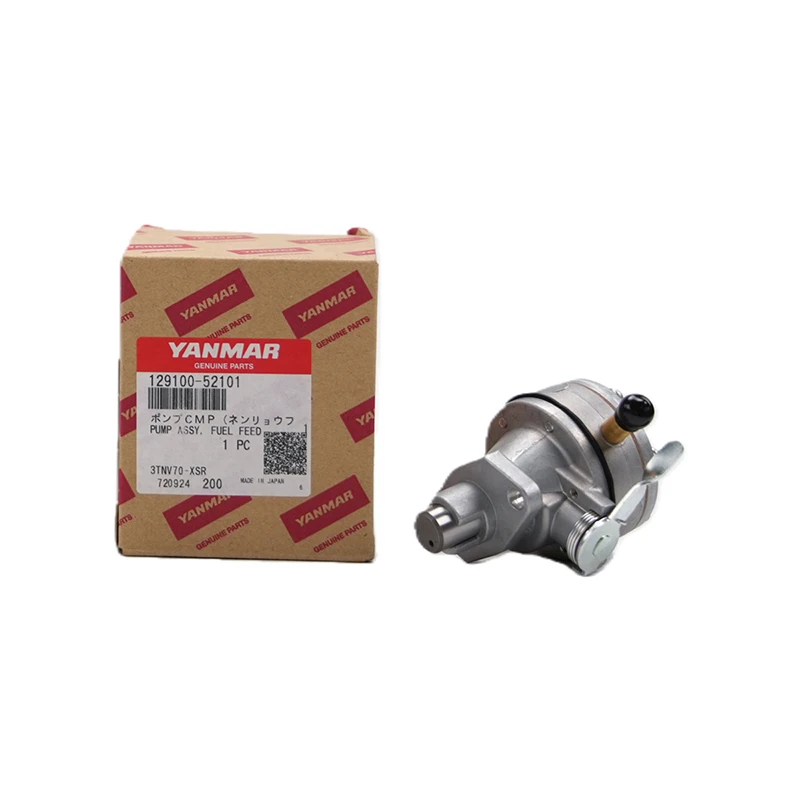
Reliability and performance remain the top priorities when evaluating mechanical vs electric fuel pump options for generator engines. Mechanical fuel pumps have a long-standing reputation for simplicity and consistent operation. These fuel pumps use direct engine motion to drive fuel delivery, which means they continue to function even if the generator's electrical system fails. Many experienced engineers trust mechanical fuel pumps for their proven durability and ability to withstand harsh environments. In older generator models, such as those using a 129100-52101 Yanmar Fuel Lift Pump for Yanmar Komatsu or a similar generator fuel lift pump, mechanical fuel pumps often deliver years of trouble-free service.
Electric fuel pumps, on the other hand, offer advanced efficiency and precise fuel delivery. These fuel pumps excel in modern generator systems that require variable fuel pressure or electronic fuel injection. Electric fuel pumps provide faster starting, especially after periods of inactivity, and maintain steady performance under fluctuating loads. The design of electric fuel pumps reduces the risk of fuel contamination entering the oil, which can be a concern with mechanical fuel pumps. Many technical consultants recommend electric fuel pumps for applications where efficiency and rapid response are critical.
Tip: Regularly inspect your fuel system for signs of contamination or wear. Preventative maintenance helps avoid unexpected generator fuel pump failures and ensures optimal performance.
The following table summarizes the long-term value and reliability factors for both types:
|
Fuel Pump Type |
Advantages |
Disadvantages |
|
Electric |
Faster starting, no risk of fuel contamination in oil, long service life |
More complex installation |
|
Mechanical |
Simplicity, reliability over time |
Potential for fuel contamination in oil |
User experiences often reflect these strengths:
- "I would go electric every single time. No risk of fuel getting dumped into your oil, long service life, reliable performance, and faster starting after sitting."
- "Mechanical every time... I've had mechanical pumps in everything I've owned 1930's-'60's old cars... never had one fail that I've bought new or rebuilt."
Both fuel pumps deliver strong performance, but the choice depends on the generator's design and operational demands. Mechanical vs electric fuel pump decisions should always consider the specific requirements of the fuel system and the expected operating environment.
Installation and Maintenance
Installation and maintenance requirements differ significantly between mechanical vs electric fuel pump options. Mechanical fuel pumps typically feature straightforward installation. Most models mount directly to the engine block, using existing hardware. This simplicity reduces installation time and minimizes the risk of errors. Routine maintenance for mechanical fuel pumps involves checking for leaks, inspecting the diaphragm, and replacing the fuel filter. These tasks are manageable for most technicians and contribute to long-term durability.
Electric fuel pumps require more complex installation procedures. These fuel pumps often mount near the fuel tank and need proper electrical connections to the generator's power system. Technicians must ensure secure wiring and correct voltage supply to prevent operational issues. Maintenance for electric fuel pumps includes monitoring electrical connections, checking for corrosion, and ensuring the pump receives adequate fuel for cooling. Running the fuel tank near empty can cause overheating and premature failure, so maintaining proper fuel levels is essential.
Note: Always disconnect the generator's power before servicing the electric fuel pumps to avoid electrical hazards.
In real-world scenarios, improper installation or neglecting routine maintenance can lead to generator fuel pump failure. For example, a poorly installed electric fuel pump may suffer from intermittent power loss, while a neglected mechanical fuel pump can develop leaks or lose suction. Technical consultants recommend following manufacturer guidelines and using quality replacement parts, such as those from Megawatts Parts, to ensure reliable operation.
Cost and Value
Cost and value play a crucial role in the mechanical vs electric fuel pump decision. Mechanical fuel pumps generally offer lower upfront cost and reduced installation expenses. Their simple design means fewer components to replace, which can lower long-term maintenance costs. For generator owners seeking a budget-friendly solution with proven reliability, mechanical fuel pumps provide excellent value.
Electric fuel pumps often involve higher initial cost due to their advanced design and additional installation requirements. However, these fuel pumps deliver superior efficiency, faster starting, and longer service life in many applications. The cost implications of electric fuel pumps include potential savings from reduced downtime and improved fuel efficiency. For generators with advanced control systems or high power demands, the investment in electric fuel pumps can pay off through enhanced performance and reliability.
The following factors influence the overall value of each option:
- Upfront cost of the fuel pump and installation.
- Ongoing maintenance cost and frequency of replacement.
- Efficiency gains from improved fuel delivery and reduced risk of contamination.
- Durability and expected service life under typical operating conditions.
- Compatibility with the generator's fuel system and power requirements.
Callout: Always evaluate the total cost of ownership, not just the purchase price, when selecting a generator fuel pump.
Mechanical vs Electric Fuel Pump for Carburetor Engines
Suitability for Different Generator Types
Electric fuel pumps offer greater adaptability for modern generator engines. These pumps excel in environments requiring precise fuel delivery and variable pressure. Urban and indoor applications often favor electric motor-powered pumps due to their low emissions and quiet operation. Diesel engine-powered pumps, while robust, are less suitable for environmentally regulated areas because of higher emissions and noise.
|
Pump Type |
Environmental Impact |
Suitability |
|
Electric Motor-Powered Pumps |
No emissions, suitable for indoor and environmentally sensitive areas. |
Commonly used in urban areas and indoor applications. |
|
Diesel Engine-Powered Pumps |
Higher emissions and noise pollution, less suitable for environmentally regulated areas. |
More appropriate for outdoor or remote applications. |
Tip: Experienced engineers recommend mechanical fuel pumps for carburetor engines in classic generator models. Electric fuel pumps are preferred for generators operating in sensitive environments or requiring advanced control.
Key Considerations
When comparing mechanical vs electric fuel pump for carburetor engines, several factors influence the decision. Cost, installation complexity, efficiency, durability, and maintenance requirements all play a role. Mechanical fuel pumps generally cost less and install easily. They offer durability in extreme conditions but require more frequent maintenance. Electric fuel pumps, while more efficient and requiring less maintenance, tend to be more expensive and less durable in high-temperature environments.
|
Factor |
Mechanical Fuel Pump |
Electric Fuel Pump |
|
Cost |
Generally less expensive |
Tends to be more expensive |
|
Installation |
Relatively simple to install |
Can be complex and time-consuming |
|
Efficiency |
Generally less efficient |
More efficient than mechanical pumps |
|
Durability |
More durable in extreme conditions |
Less durable in extreme temperatures |
|
Maintenance |
Requires more frequent maintenance |
Requires less frequent maintenance |
Real-world scenarios show that mechanical fuel pump failure often results from contamination or wear. Technical consultants advise regular inspection and timely replacement of fuel filters to prevent generator fuel lift pump issues. Electric fuel pumps, especially in carburetor engines, require careful monitoring of electrical connections and fuel levels. For yanmar fuel pump applications or fuel pump for yanmar diesel engine setups, choosing the right pump ensures reliable operation and minimizes downtime
Note: Always match the fuel pumps to the generator's carburetor design and environmental conditions. Consult trusted suppliers like Megawatts Parts for expert advice and quality parts.
Choosing the Right Generator Fuel Pump
Factors to Consider
Selecting the right generator fuel pump requires a clear understanding of your engine's needs and operational environment. Engine horsepower stands as a primary factor. Higher horsepower demands greater fuel flow, with a general guideline of 10 horsepower per gallon of fuel flow. Required fuel pressure also plays a critical role. Carbureted engines typically need 4 to 7 psi, while electronic fuel injection systems may require up to 58 psi. Supplied voltage affects the performance of fuel pumps, as most operate efficiently at 12 or 13.5 volts. Matching the voltage ensures consistent fuel delivery and prevents operational issues.
Generator type and usage patterns influence the choice between mechanical and electric fuel pumps. Mechanical pumps offer reliability for carbureted engines and environments where electrical systems may be compromised. Electric pumps provide precise fuel control for modern engines and applications with variable loads. Budget considerations matter as well. Mechanical pumps often have lower upfront costs, while electric pumps may offer long-term value through efficiency and reduced maintenance.
Practical Tips
Proper installation and maintenance extend the life of fuel pumps and reduce the risk of generator downtime. For mechanical pumps, use a quality marine fuel filter head with a water-separating element to prevent contamination. Avoid see-through inline filters, which may not meet safety standards. Electric pumps require secure wiring and corrosion-resistant connections, especially in humid or marine environments. Always maintain adequate fuel levels to prevent overheating and premature failure.
Routine inspection helps identify early signs of mechanical fuel pump failure or electrical issues. Replace fuel filters regularly and monitor for leaks or unusual noises. For specialized applications, such as Yanmar fuel pump or generator fuel lift pump setups, reference manufacturer guidelines and seek expert advice. Megawatts Parts offers both aftermarket and OEM-quality solutions, ensuring you find the precise replacement parts for your Yanmar diesel engine fuel pump or any other generator type.
Note: Prioritize total cost of ownership, not just the initial price. Reliable fuel pumps minimize downtime and protect your investment.
Choosing between mechanical and electric fuel pumps depends on generator type, operational needs, and maintenance preferences. Mechanical fuel pumps suit carbureted engines and environments where electrical reliability is critical. Electric fuel pumps deliver precise fuel control for modern generators. Industry professionals recommend the following:
- Use high-quality fuel to maximize efficiency and reduce emissions.
- Conduct regular fuel testing and consult experts for fuel analysis.
- Follow preventive maintenance schedules, including oil and filter changes.
Selecting a generator fuel pump is an investment in your system’s long-term reliability. By prioritizing total cost of ownership over initial purchase price, you protect your engine from fuel starvation, contamination, and costly unexpected failures. Megawatts Parts provides both aftermarket and OEM-quality components designed to meet the rigorous demands of industrial applications. Don't let a sub-par component be the weak link in your power backup strategy. Explore our comprehensive catalog of fuel pump parts and maintenance kits to keep your generator running at peak performance for years to come.
Previous And Next
-
Previous Post:
 BLOG
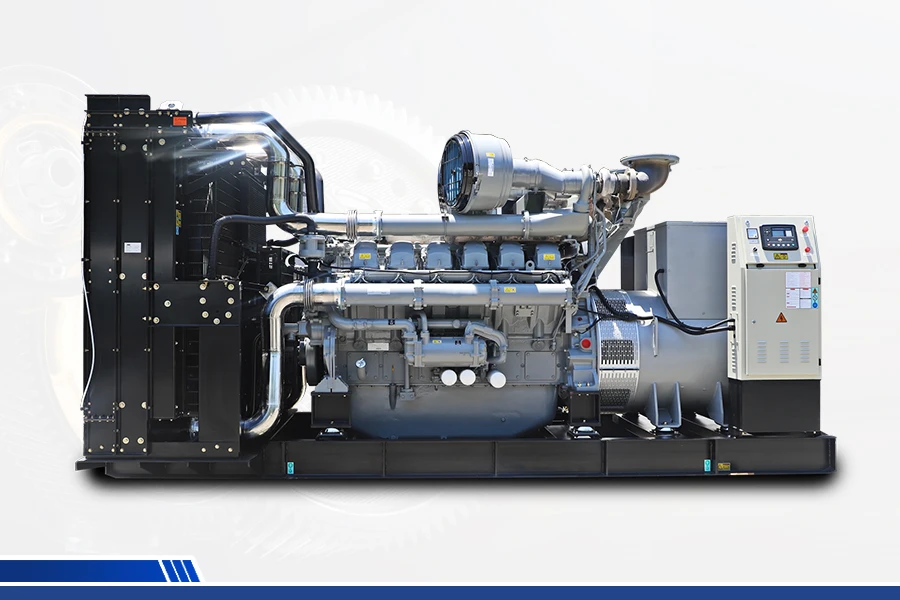
BLOG Megawatts BlogIntroducing the components of a diesel engineIntroducing the components of a diesel engine A diesel generator set is a type of internal combustion generator set and is currently one of the most widely used power generation devices in the world....
 -
Next Post:
 BLOG
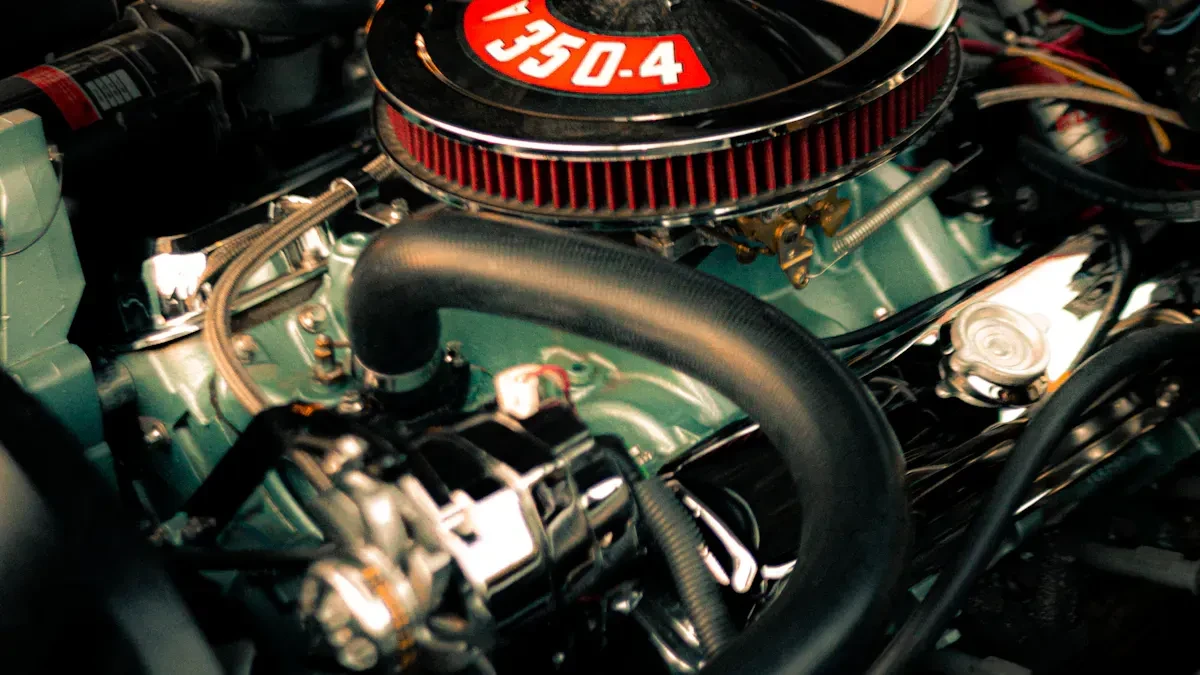
Megawatts BlogCounterfeit Parts Alert: How to Spot Fake "OEM-Quality" Filters Before They Kill Your EngineIn today's pursuit of equipment efficiency, a cheap filter might seem like a bargain, but it can quickly become a ticking time bomb for your engine. With counterfeit "OEM-quality" filters flooding the...
BLOG
Megawatts BlogCounterfeit Parts Alert: How to Spot Fake "OEM-Quality" Filters Before They Kill Your EngineIn today's pursuit of equipment efficiency, a cheap filter might seem like a bargain, but it can quickly become a ticking time bomb for your engine. With counterfeit "OEM-quality" filters flooding the...
Read More
-
 BLOG
Megawatts BlogStrategic Sourcing: How to Build a Standardized Generator Sets Parts Catalog for Mixed FleetsManaging a mixed fleet of Cummins, Perkins, and Caterpillar generators often creates a hidden financial drain through inventory duplication and fragmented procurement. When different brands use differ...
BLOG
Megawatts BlogStrategic Sourcing: How to Build a Standardized Generator Sets Parts Catalog for Mixed FleetsManaging a mixed fleet of Cummins, Perkins, and Caterpillar generators often creates a hidden financial drain through inventory duplication and fragmented procurement. When different brands use differ... -
 BLOG
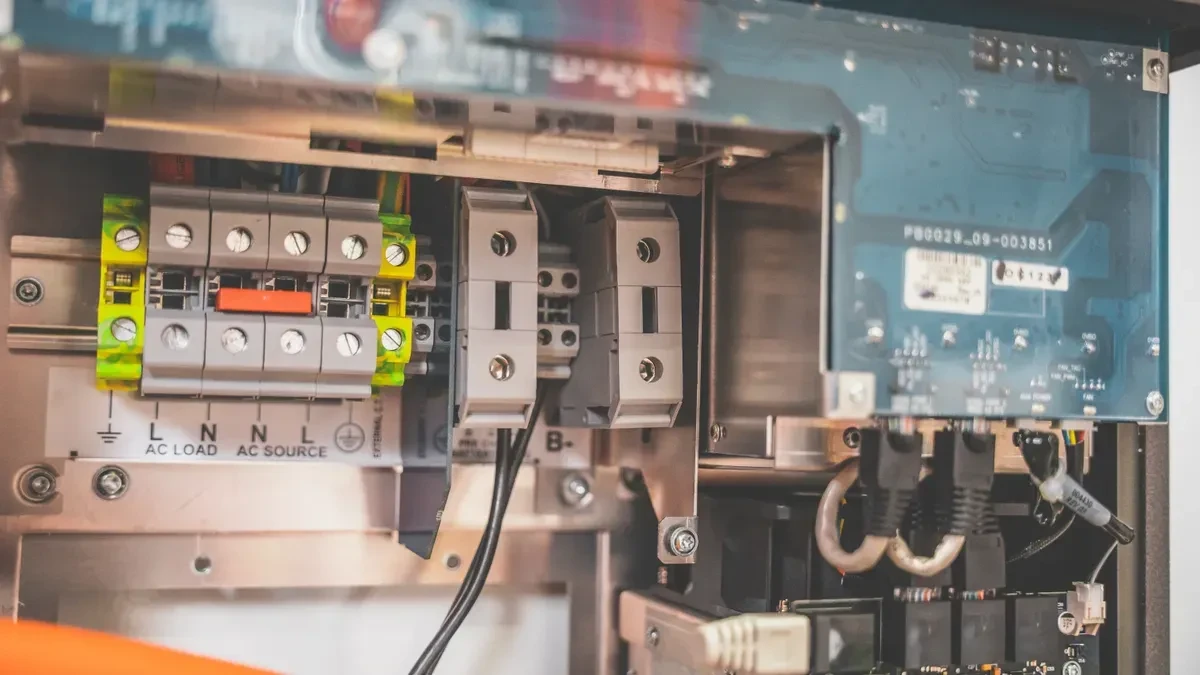
Megawatts BlogDiesel Generator Won't Crank: A Step-by-Step Electrical Diagnostic Checklist for MechanicsWhen a diesel generator won't crank, check the electrical system first. Do not chase fuel or mechanical theories yet. Low battery voltage and corroded connections cause most no-start condition calls....
BLOG
Megawatts BlogDiesel Generator Won't Crank: A Step-by-Step Electrical Diagnostic Checklist for MechanicsWhen a diesel generator won't crank, check the electrical system first. Do not chase fuel or mechanical theories yet. Low battery voltage and corroded connections cause most no-start condition calls.... -
 BLOG
Megawatts BlogMagnetic Coil Degradation: Why Your Diesel Engine Stop Solenoid Fails Under Extreme HeatExtreme heat is the primary enemy of a diesel engine stop solenoid. The heat breaks down the electrical insulation inside the magnetic coil. This degradation raises resistance and creates short circui...
BLOG
Megawatts BlogMagnetic Coil Degradation: Why Your Diesel Engine Stop Solenoid Fails Under Extreme HeatExtreme heat is the primary enemy of a diesel engine stop solenoid. The heat breaks down the electrical insulation inside the magnetic coil. This degradation raises resistance and creates short circui... -
 BLOG
Megawatts BlogThe Hidden Cost of Expired Inventory: Shelf Life and Proper Storage of Rubber Gasket Seal KitsA gasket seal kit sits untouched for five years. You paid for it. Now you pay to dispose of it. When a failure occurs, you pay a premium for emergency replacement. These hidden costs accumulate silent...
BLOG
Megawatts BlogThe Hidden Cost of Expired Inventory: Shelf Life and Proper Storage of Rubber Gasket Seal KitsA gasket seal kit sits untouched for five years. You paid for it. Now you pay to dispose of it. When a failure occurs, you pay a premium for emergency replacement. These hidden costs accumulate silent...
Subscribe to enjoy 10% off
Stay informed about new products and sales

-
INFORMATION
Contact Us
-
CHINA SALES OFFICE: No. 2-11, No. 8, Gaotai Road, Gaishan Investment Zone, Cangshan District, Fuzhou, Fujian
-
SAUDI ARABIA FACTORY: 7264 Shakra, Al Faisaliyyah, REFB3035, 3035, Riyadh 12883
-
COLOMBIA SALES OFFICE: 92-32 26th Street, 03-118, Bogota
-
NIGERIA FACTORY: Plot 5 Chivita Avenue Ajao Estate Isolo Lagos
-
Email:sales@megawattsparts.com
Follow Us


Copyright © 2025 Megawatts All Rights Reserved.



Select Previous Button or Search Directly on Search Bar!
Shop All
 English
Currency: <{ pagedata.current_currency }>(<{ pagedata.current_currency_code }>)
Are you in the right place?

You agree to MegaWatts.com's Terms of Use and Privacy Policy by subscribing. You may receive emails with useful tips, promotions, and offerings.
No, thanks. I'd rather pay full price.