




























Cavitation & Corrosion: Why Using the Wrong Water Pump Leads to Cylinder Liner Failure
by Megawatts - Updated At 2026-04-21
Selecting the wrong water pump poses a serious threat to engine integrity. Cavitation often develops when coolant flow becomes unstable, attacking the cylinder liner surface. Cylinder Liner Cavitation can result in rapid pitting and degradation of critical components. Many generator failures trace back to improper part selection, which exposes internal surfaces to corrosion and erosion.
Tip: Proactive component selection remains the most effective defense against costly cylinder damage.
Cylinder Liner Function and Importance
Role of Cylinder Liners in Diesel Engines
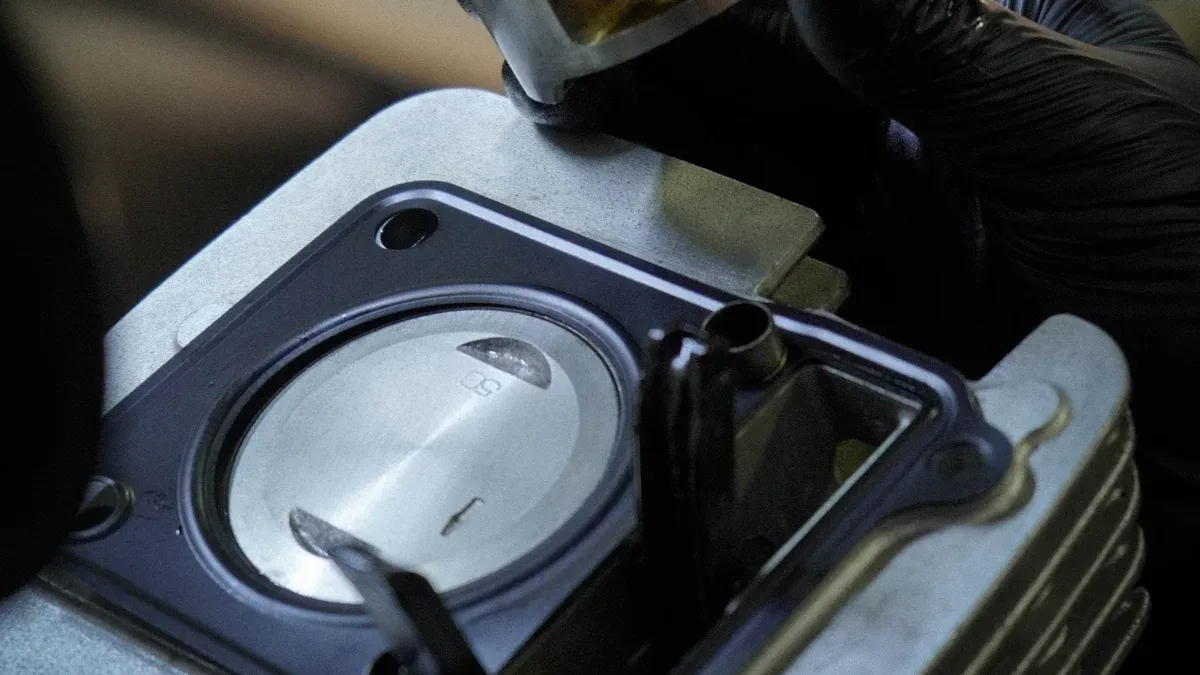
Cylinder liners play a vital role in the operation and longevity of diesel engines. These components serve as the inner walls of the engine’s cylinders, providing a durable and wear-resistant surface for the pistons to move against. Their design ensures that the engine block remains protected from direct contact with moving parts and combustion gases.
Key functions of cylinder liners include:
- Acting as a protective barrier for the engine block, preventing wear and scratches.
- Facilitating efficient heat transfer from the combustion process to the coolant, which helps maintain optimal engine temperature.
- Sealing the combustion chamber to ensure effective power generation and prevent gas leakage.
- Allowing for straightforward repairs and replacements, which reduces downtime and maintenance costs.
Most cylinder liners are made from gray cast iron due to its strength and resistance to wear. However, this material can be susceptible to cavitation if not properly treated. Surface treatments like electroless nickel-phosphorus plating can significantly improve resistance to cavitation and extend the service life of the liner.
Why Cylinder Liner Health Matters
The health of the cylinder liner directly impacts engine performance and reliability. A well-maintained liner ensures that the combustion chamber remains sealed, supporting efficient fuel combustion and power output. Regular inspections help detect early signs of wear or damage, preventing more severe engine issues.
Maintaining proper oil and coolant quality is essential for prolonging the life of the cylinder liner. Wet liners, which are in direct contact with coolant, offer superior cooling but require diligent maintenance to prevent corrosion. The use of advanced coolants, such as those with organic acid technology, can form a protective layer on the liner surface, reducing the risk of both cavitation and corrosion.
Tip: Schedule routine checks and use high-quality coolants to maximize the lifespan of your cylinder liner and avoid unexpected engine failures.
Water Pump Impact on Cylinder Liners
Coolant Flow Rate and Cylinder Liner Protection
The water pump plays a critical role in maintaining the correct coolant flow rate throughout the engine. When the flow rate is not properly matched to the engine’s requirements, several issues can arise. Cavitation often develops when the coolant moves too quickly or too slowly, causing vapor bubbles to form and collapse against the cylinder liner surface. This process erodes the liner wall, weakens its structure, and can eventually allow combustion pressure to breach the cooling system. In severe cases, coolant may enter the cylinder, resulting in catastrophic engine failure. Proper coolant circulation is essential for protecting the cylinder liner and ensuring the cooling system operates efficiently.
Water Pump Pressure Drop and Engine Damage
A significant pressure drop in the water pump can have immediate and long-term consequences for engine health. Insufficient coolant flow leads to overheating, which can cause the cylinder head to warp and the piston to scuff. Overheating also breaks down lubricating oil, increasing wear on engine components. The cooling system may trigger protective measures, reducing performance and increasing fuel consumption. Cavitation caused by inadequate cooling further erodes the cylinder liner, accelerating failure. Maintaining stable pressure and flow is vital for engine reliability.
OEM vs Aftermarket Pumps—Cavitation Risks
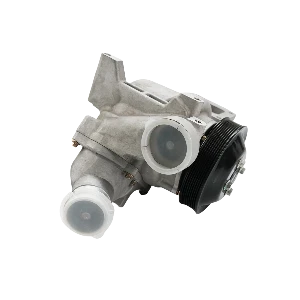
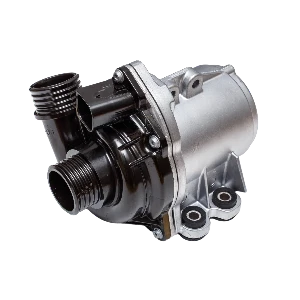
Selecting the correct water pump is essential for preventing cavitation and protecting the cylinder liner. Poor-quality aftermarket pumps or mismatched components can disrupt coolant flow and pressure, increasing the risk of cavitation. When the pump’s capacity exceeds the engine’s coolant flow requirements, low pressure at the pump inlet can cause the coolant to flash-boil, drastically reducing pump output and compromising the cooling system.
This scenario highlights the importance of choosing high-quality parts. Megawatts Parts offers aftermarket water pumps that meet or exceed OEM specifications, ensuring reliable performance and minimizing OEM water pump vs aftermarket cavitation risks. Their products provide a guaranteed fit and optimal operation, supporting the long-term health of the engine and its cylinder liners.
Cylinder Liner Cavitation Explained
What Is Cavitation on Cylinder Liners?
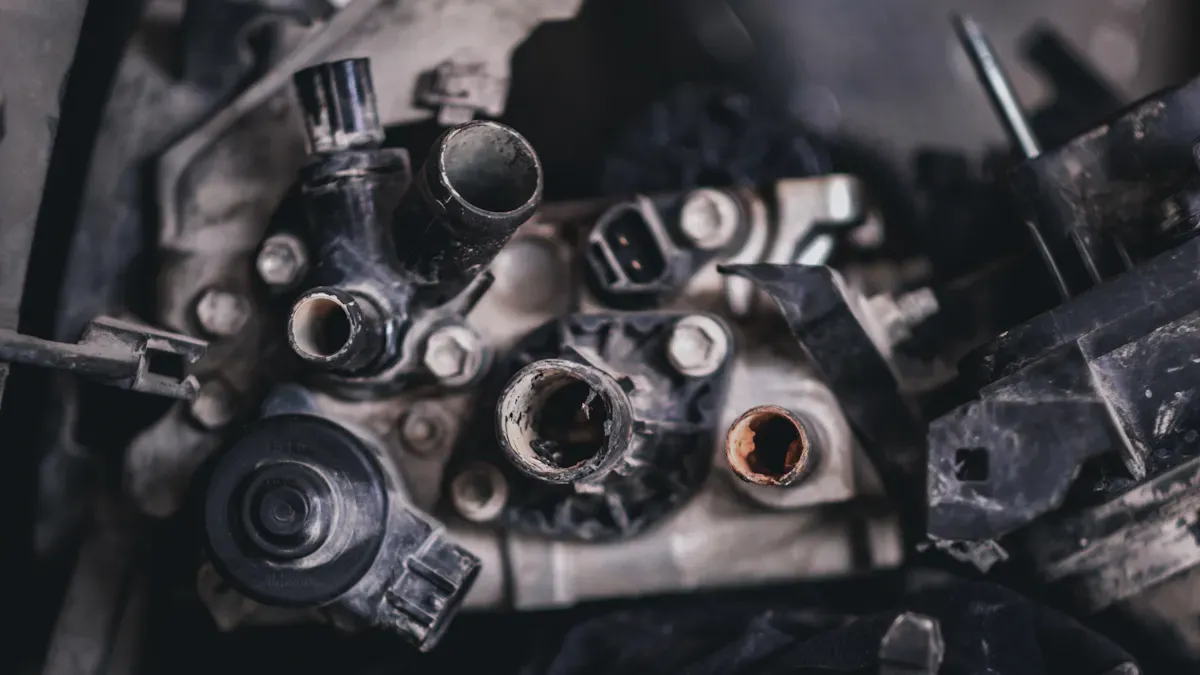
Cavitation on cylinder liners describes a destructive process where vapor bubbles form and collapse within the coolant surrounding the liner. This phenomenon occurs when the local pressure in the coolant drops below the vapor pressure, often due to improper water pump operation or design. The rapid formation and implosion of these bubbles generate intense shock waves that attack the liner surface.
Several factors can trigger cylinder liner cavitation:
- Vaporization of coolant at low-pressure zones near the liner wall.
- Air ingestion into the cooling system, which introduces additional bubble nuclei.
- Internal recirculation and flow turbulence, often caused by mismatched or faulty water pumps.
- Vane Passing Syndrome, where the pump impeller creates pressure fluctuations.
When these bubbles collapse, they produce noise, vibration, and localized damage. Over time, this leads to a loss of coolant system capacity and efficiency. The repeated impact of these micro-explosions initiates pitting and cavitation, which threaten the structural integrity of the liner.
Technical Tip: Always verify that the water pump matches the engine’s flow and pressure requirements to minimize the risk of cylinder liner cavitation.
Symptoms of Water Pump Cavitation in Diesel Engines
Detecting early signs of cavitation on cylinder liners is essential for preventing severe engine damage. Operators should remain vigilant for the following symptoms:
- Unusual knocking or clicking noises from the engine block, especially during startup or heavy load.
- Noticeable vibration in the cooling system or water pump housing.
- A sudden drop in coolant level, which may indicate internal leaks caused by pitting.
- Discolored or contaminated coolant, often a sign of liner erosion or metal fragments.
- Reduced engine performance or overheating, resulting from compromised heat transfer.
These symptoms often precede visible damage. If left unaddressed, pitting and cavitation can progress rapidly, leading to coolant leaks, oil contamination, and even cylinder liner cracks. Routine inspections and prompt action are critical to avoid costly repairs.
Expert Insight: Many cases of cylinder liner cracks and catastrophic engine failure trace back to undiagnosed cavitation. Early intervention can save significant time and expense.
How Cavitation Causes Cylinder Liner Pitting
The mechanism behind pitting and cavitation involves a complex interaction between coolant dynamics, combustion forces, and liner material properties. The process unfolds in several stages:
- Air bubbles generated by coolant vaporization or turbulence attack the protective oxide film on the cylinder wall.
- The absence of this film exposes bare metal, making it vulnerable to further bubble formation and collapse.
- During combustion, shock waves travel through the liner wall, creating voids or vacuum bubbles.
- The collapse of these bubbles produces extreme pressure and heat, scouring away metal at a microscopic level.
- This repeated action forms tiny pits on the liner surface, which grow and merge over time.
As the liner vibrates under load, fluid pressure changes cause bubbles to expand and contract. When the load reverses, bubbles collapse violently, generating shock waves that create minute fractures. This cycle of pitting and cavitation accelerates liner degradation, eventually leading to cavitation erosion and cylinder liner cracks.
The consequences of unchecked pitting include:
- Formation of cavities that allow coolant to leak into the combustion chamber.
- Oil contamination, which reduces lubrication and increases wear.
- Rapid progression to severe cavitation erosion, threatening the entire engine block.
Real-World Scenario: A generator operating with an undersized or poor-quality water pump developed severe pitting within months. The resulting cylinder liner cracks led to coolant loss and unplanned downtime, highlighting the importance of proper pump selection and maintenance.
Consultant’s Note: To prevent pitting and cavitation, always use water pumps that meet or exceed OEM specifications and monitor coolant quality regularly.
Corrosion and Liner Damage
Poor Coolant Circulation and Corrosion
Poor circulation of engine coolant creates a hazardous environment inside diesel engines. When coolant fails to move efficiently, it cannot remove heat from the cylinder liners. This leads to localized hotspots and uneven temperature distribution. As a result, the protective oxide layer on the liner surface becomes vulnerable. Cavitation often starts when air bubbles degrade this layer. Without protection, combustion vibrations generate more bubbles, which then implode and corrode the metal. Over time, these cavities can expand, causing coolant leaks and oil contamination.
Several factors contribute to this process:
- Insufficient operating temperature prevents the cooling system from building adequate pressure.
- Low pressure restricts coolant expansion, reducing circulation.
- Poor circulation creates hotspots in cylinder heads and liners, accelerating damage.
- Low temperatures stop pistons from expanding fully, increasing vibrations and liner erosion.
Proper engine coolant chemistry is essential. Inhibitors like nitrites must remain at correct levels to prevent corrosion and cavitation. If the coolant becomes acidic or loses its protective additives, it can corrode internal parts, including the water pump impeller and aluminum radiator cores.
Tip: Regularly check engine coolant quality and system pressure to maintain optimal protection against corrosion and liner damage.
Diesel Engine Coolant Pump Failure Analysis
A failing coolant pump can quickly escalate into severe engine problems. When the pump cannot maintain the required flow or pressure, the engine coolant stagnates. This stagnation allows vapor bubbles to form and collapse against metal surfaces, causing pitting and corrosion. Low-quality coolant or incorrect chemical balance further accelerates this damage.
Common signs of coolant pump failure include:
- Unusual noises or vibrations from the pump housing.
- Fluctuating engine temperatures or persistent overheating.
- Visible coolant leaks around the pump or cylinder liner area.
Coolant plays a critical role in maintaining engine heat balance. If the pump fails, the engine coolant cannot circulate properly, leading to rapid temperature spikes and increased risk of corrosion. Maintaining the correct coolant formulation and system pressure is vital for protecting all engine components.
Consultant’s Note: Always use high-quality engine coolant and monitor pump performance to prevent costly corrosion and liner failures.
Prevent Cylinder Liner Pitting and Failure
Warning Signs of Cylinder Liner Failure
Recognizing early warning signs can help prevent catastrophic cylinder liner failure. Operators should monitor for the following indicators:
- Increased oil consumption, which may signal leaks that threaten the cylinder and engine.
- Noticeable loss of power, especially when the engine struggles under load or acceleration.
- Unusual engine noises, such as knocking or clunking, often point to damaged liner seals or worn bearings.
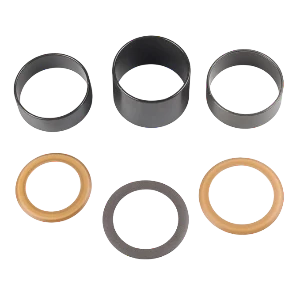
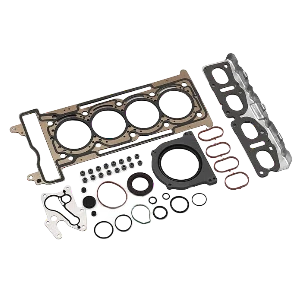
If you suspect compromised seals are contributing to the issue, installing a high-quality gasket and seal kit during your next engine overhaul will restore the combustion chamber's integrity and prevent further fluid mixing.
Prompt attention to these symptoms can reduce the risk of further damage to the piston, cylinder, and cooling system. Prompt attention to these symptoms can reduce the risk of further damage to the piston, cylinder, and cooling system.
How to Prevent Cavitation and Corrosion
Effective prevention strategies focus on both coolant selection and regular maintenance. To prevent cylinder liner pitting, consider these best practices:
- Use metallic salts in the coolant to create a sacrificial layer on the cylinder liner.
- Choose organic acid technology coolants that passivate the liner surface and protect against corrosion.
- Regularly check coolant levels, pH, and glycol concentration to maintain the correct chemical balance.
- Select diesel-specific coolants with liner protective additives. These additives form a coating that resists rust and hardens the liner surface, shielding it from bubble implosion.
- Reduce the gap between the cylinder and piston to minimize vibration and improve stability.
- Increase the flow rate and optimize the direction of cooling water to maintain even temperature distribution.
- Enhance the support stiffness of the cylinder liner and use high-quality materials to boost resistance to cavitation.
Routine cooling system maintenance, including draining and replacing coolant every two years and flushing the system, helps remove harmful deposits and maintain optimal temperature control. In addition to fluid management, establishing a comprehensive service timeline for mechanical components is vital for overall equipment health. For a detailed breakdown of how these proactive strategies translate to significant cost savings, exploring the ROI of scheduled water pump maintenance can provide valuable insights into maximizing your generator's lifespan and preventing unexpected downtime.
Choosing the Right Water Pump
Selecting and maintaining the correct water pump is essential for engine reliability. Follow these guidelines:
- Inspect water pumps every 2,000 hours of service or as recommended by the manufacturer.
- Replace water pumps between 400,000 and 500,000 miles for over-the-road applications.
- Always choose pumps that meet or exceed OEM specifications to ensure proper coolant flow and temperature regulation.
Megawatts Parts offers high-quality replacement water pumps engineered to support the cooling system and prevent cylinder liner pitting. Their products deliver reliable performance and a guaranteed fit, helping operators avoid costly engine and piston failures.
Expert Tip: Consistent cooling system maintenance and proper coolant selection are critical to maintaining stable temperature and protecting every cylinder and piston from premature wear.
Improper water pump selection directly causes cavitation and corrosion, leading to cylinder liner failure. Cylinder-liner cavitation results in catastrophic mechanical damage. Imploding bubbles force high-pressure coolant toward the liner, creating cavities that allow coolant to mix with oil and accelerate material erosion. Pitting forms small pits in the metal, compromising the cylinder wall and increasing the need for damage assessment.
Quality parts, such as Megawatt Parts, support long-term reliability. Diesel generator degradation depends on maintenance quality, operating conditions, and load usage. Qualified service technicians and genuine replacement parts reduce response times and improve damage assessment.
Proactive maintenance prevents costly engine damage. Clean dirt and debris from radiators, inspect for bent fins, and check coolant levels regularly. Replace impellers, monitor exhaust, and follow service intervals. Use high-quality fuel, oil, and replacement parts to extend engine life. Conduct professional inspections and maintain proper coolant formulation and system pressure to prevent cavitation and corrosion damage. Consistent damage assessment ensures early detection and reduces risk.
Expert insight: Routine damage assessment and the use of quality parts minimize engine damage and maximize operational longevity.
Previous And Next
-
Previous Post:
 BLOG
BLOG Megawatts BlogIntroducing the components of a diesel engineIntroducing the components of a diesel engine A diesel generator set is a type of internal combustion generator set and is currently one of the most widely used power generation devices in the world....
 -
Next Post:
 BLOG
Megawatts BlogMechanical Fuel Pump vs Electric Fuel Pump: Which Is Better for Generator Engines?When a power system fails during a critical outage, the culprit is often a compromised fuel delivery system. At the heart of this system lies the generator fuel pump, a component that dictates not jus...
BLOG
Megawatts BlogMechanical Fuel Pump vs Electric Fuel Pump: Which Is Better for Generator Engines?When a power system fails during a critical outage, the culprit is often a compromised fuel delivery system. At the heart of this system lies the generator fuel pump, a component that dictates not jus...
Read More
-
 BLOG
Megawatts BlogStrategic Sourcing: How to Build a Standardized Generator Sets Parts Catalog for Mixed FleetsManaging a mixed fleet of Cummins, Perkins, and Caterpillar generators often creates a hidden financial drain through inventory duplication and fragmented procurement. When different brands use differ...
BLOG
Megawatts BlogStrategic Sourcing: How to Build a Standardized Generator Sets Parts Catalog for Mixed FleetsManaging a mixed fleet of Cummins, Perkins, and Caterpillar generators often creates a hidden financial drain through inventory duplication and fragmented procurement. When different brands use differ... -
 BLOG
Megawatts BlogDiesel Generator Won't Crank: A Step-by-Step Electrical Diagnostic Checklist for MechanicsWhen a diesel generator won't crank, check the electrical system first. Do not chase fuel or mechanical theories yet. Low battery voltage and corroded connections cause most no-start condition calls....
BLOG
Megawatts BlogDiesel Generator Won't Crank: A Step-by-Step Electrical Diagnostic Checklist for MechanicsWhen a diesel generator won't crank, check the electrical system first. Do not chase fuel or mechanical theories yet. Low battery voltage and corroded connections cause most no-start condition calls.... -
 BLOG
Megawatts BlogMagnetic Coil Degradation: Why Your Diesel Engine Stop Solenoid Fails Under Extreme HeatExtreme heat is the primary enemy of a diesel engine stop solenoid. The heat breaks down the electrical insulation inside the magnetic coil. This degradation raises resistance and creates short circui...
BLOG
Megawatts BlogMagnetic Coil Degradation: Why Your Diesel Engine Stop Solenoid Fails Under Extreme HeatExtreme heat is the primary enemy of a diesel engine stop solenoid. The heat breaks down the electrical insulation inside the magnetic coil. This degradation raises resistance and creates short circui... -
 BLOG
Megawatts BlogThe Hidden Cost of Expired Inventory: Shelf Life and Proper Storage of Rubber Gasket Seal KitsA gasket seal kit sits untouched for five years. You paid for it. Now you pay to dispose of it. When a failure occurs, you pay a premium for emergency replacement. These hidden costs accumulate silent...
BLOG
Megawatts BlogThe Hidden Cost of Expired Inventory: Shelf Life and Proper Storage of Rubber Gasket Seal KitsA gasket seal kit sits untouched for five years. You paid for it. Now you pay to dispose of it. When a failure occurs, you pay a premium for emergency replacement. These hidden costs accumulate silent...
Subscribe to enjoy 10% off
Stay informed about new products and sales

-
INFORMATION
Contact Us
-
CHINA SALES OFFICE: No. 2-11, No. 8, Gaotai Road, Gaishan Investment Zone, Cangshan District, Fuzhou, Fujian
-
SAUDI ARABIA FACTORY: 7264 Shakra, Al Faisaliyyah, REFB3035, 3035, Riyadh 12883
-
COLOMBIA SALES OFFICE: 92-32 26th Street, 03-118, Bogota
-
NIGERIA FACTORY: Plot 5 Chivita Avenue Ajao Estate Isolo Lagos
-
Email:sales@megawattsparts.com
Follow Us


Copyright © 2025 Megawatts All Rights Reserved.



Select Previous Button or Search Directly on Search Bar!
Shop All
 English
Currency: <{ pagedata.current_currency }>(<{ pagedata.current_currency_code }>)
Are you in the right place?

You agree to MegaWatts.com's Terms of Use and Privacy Policy by subscribing. You may receive emails with useful tips, promotions, and offerings.
No, thanks. I'd rather pay full price.