









































Field Emergencies:How to Measure a Fan Belt and Safely Use Emergency Replacements
by Megawatts - Updated At 2026-05-26
A sudden fan belt failure can halt operations and create hazardous conditions. Immediate response protects both equipment and personnel. Emergency fan belt replacement often requires quick thinking and resourcefulness, especially when tools or parts are limited. Safety remains the top priority during any field repair. Temporary solutions restore function until a permanent fix becomes possible.
Emergency Actions
Safety First
When a fan belt fails in the field, immediate safety steps are essential. Shut down the vehicle or equipment to prevent further damage and reduce risk to personnel. Hazards associated with fan belt failures often include improper tension, misalignment, handling errors, hardware issues, environmental factors, and design flaws.
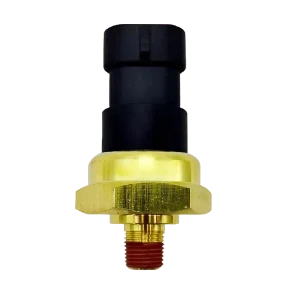
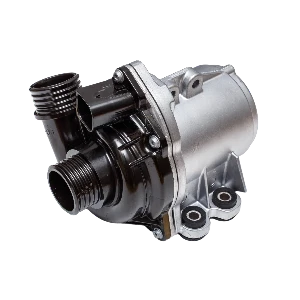
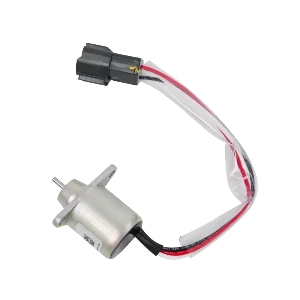
Always wear protective gloves and eye protection before inspecting the engine. Ensure the area is clear of moving parts and hot surfaces. Shut down the generator immediately when you suspect a belt failure. Your equipment relies on a responsive stop solenoid to cut the fuel supply instantly. Any delay in the shutdown sequence while the water pump is inactive will lead to rapid block damage.
Common hazards to watch for:
- Improper tension can cause the belt to slip or snap.
- Misalignment may lead to uneven wear and sudden failure.
- Handling mistakes increases the risk of injury.
- Faulty hardware can compromise belt integrity.
- Environmental factors such as dust or moisture accelerate wear.
- Design factors may affect compatibility with emergency fan belt replacement materials.
Assess the Belt Failure
Accurate assessment of the belt failure guides the next steps. Open the hood and locate the serpentine belt or fan belt. Inspect for cracks, fraying, or glazing. If any of these signs appear, replacement is necessary. Press the belt with your thumb; if it deflects more than 1/2 inch, it is too loose and must be tightened or replaced.
Expert advice: If the belt is missing, check surrounding pulleys and components for damage before proceeding with emergency fan belt replacement.
Assessment steps:
- Locate the belt and identify its path around pulleys.
- Examine for visible damage or wear.
- Test tension to determine if adjustment or replacement is needed.
Identify Belt Type
Identifying the correct belt type ensures compatibility with emergency materials and replacement kits. The main types include serpentine belts and V-belts. Serpentine belts are standard in modern vehicles, such as those with a Cummins engine 6.7L fan belt. V-belts feature a trapezoidal shape and are common in older vehicles and industrial equipment.
V-belts can be identified by part numbers, which indicate top width and length. For example, a part number like 5V500 means a 5/8” top width and a 50.0” outside length.
- V-belts can be identified through part numbers or dimensions.
- The part number designation for V-belts indicates the top width and nominal outside length.
Knowing how to measure a fan belt and recognizing adjustable fan belt options will help you select the right emergency fan belt for your application. Always verify the exact profile and dimensions before installation. Using a heavy-duty engine belt engineered specifically for your genset model guarantees proper alignment and eliminates the risk of sudden snapping under full load.
Measuring the Fan Belt

Accurate measurement is essential for successful emergency fan belt replacement. This section outlines practical methods for measuring a fan belt using common tools and materials, even in challenging field conditions.
Tools and Materials Needed
Field emergencies often require improvisation. Technicians may not always have specialized tools on hand. However, several everyday items can help measure a fan belt effectively:
- Flexible tape measure (preferred for accuracy)
- Piece of string, shoelace, or paracord
- Marker or pen
- Ruler or standard measuring tape
Keep a small emergency kit with these items in your vehicle or toolbox. Megawatts Parts offers comprehensive resources and replacement belts for various applications.
Measuring with Old Belt
If the original belt is available, use it as a reference for emergency fan belt replacement. This method provides the most reliable results and minimizes the risk of incorrect sizing.
- Lay the old belt flat on a clean surface.
- Use a flexible tape measure to determine the top (outside) length. Measure from one end to the other, following the belt’s natural curve.
- For a more precise measurement, form the belt into its natural loop and measure around the outside. This gives you the outside length (La), which is critical for selecting the correct replacement.
- Measure the top width and the belt’s depth (height) with a ruler or caliper. These dimensions help identify the correct belt profile, especially for V-belts and adjustable fan belt options.
Expert Tip: Always record the measurements and compare them with manufacturer specifications. For example, a Cummins engine 6.7L fan belt requires precise sizing to maintain optimal performance.
Measuring Without Old Belt
When the original belt is missing or too damaged to measure, technicians must determine the belt length by tracing the pulley path. This method is essential for emergency fan belt replacement in the field.
- Take a piece of string, shoelace, or paracord.
- Secure one end at the top of a pulley or where the belt would normally sit.
- Carefully wrap the string around all pulleys in the correct path, ensuring it follows the same route as the original belt.
- Mark the point where the string meets the starting end.
- Remove the string and lay it flat on a surface.
- Use a tape measure or ruler to measure the distance between the end and the mark. This measurement represents the required belt length.
Note: Double-check the pulley path before measuring. Incorrect routing can lead to improper belt fit and potential equipment damage.
Using these methods ensures that the emergency fan belt or adjustable fan belt selected will restore function until a permanent solution is available. MegaWatts Parts provides a wide range of replacement belts and technical support for field emergencies.
Real-World Scenario: In remote locations, a technician used a shoelace to measure the pulley path after a belt snapped on a generator. The improvised measurement allowed for a quick emergency fan belt replacement, preventing extended downtime and equipment overheating.
Technicians should always verify measurements and consult with trusted suppliers like Megawatts Parts to ensure compatibility and reliability. Understanding how to measure a fan belt is a vital skill for anyone responsible for equipment maintenance in the field.
Emergency Fan Belt Replacement Materials
Universal and Emergency Kits
Field technicians often rely on universal and emergency kits to restore equipment quickly. These kits provide versatile solutions for a wide range of vehicles and machinery. Universal V-belts and adjustable fan belt options are designed to fit multiple pulley configurations, making them essential for emergency fan belt replacement.
Quick-Link™ Emergency V-Belts (Gates Corporation): These belts can be assembled by hand to any required length. Their modular design allows for rapid installation without special tools. Quick-Link™ belts are a trusted choice among field engineers for their adaptability and strength.
Megawatts Parts Universal V-Belt Kits: Megawatts Parts offers a curated selection of universal and adjustable fan belt kits. These kits include high-quality, field-tested belts compatible with various makes and models, including the Cummins engine 6.7L fan belt. The kits are packaged for easy storage in service vehicles or toolboxes, ensuring readiness for unexpected failures.
Reusable Emergency Belt Kits: Brands like VICTOR provide reusable belt kits that can be cut and joined to match the required length. These kits are especially useful when the original belt size is unknown or when working in remote locations.
Expert Tip: Always keep a universal emergency kit from a reputable supplier like Megawatts Parts in your vehicle or equipment bag. This proactive step can reduce downtime and prevent costly damage.
Creative Temporary Materials
In situations where commercial kits are unavailable, technicians must improvise with materials at hand. Many everyday items can serve as temporary substitutes for a broken fan belt. These materials are not intended for long-term use but can provide enough function to reach a safe location or complete a critical task.
Common creative materials for emergency fan belt replacement:
- Shoelaces
- Cable ties
- Bungee cords
- Pantyhose or stockings
- Paracord
- Rope
- Torn rags
- String
- Wire
Real-World Scenario: An experienced engineer once used a pair of pantyhose to replace a snapped belt on a remote generator. This quick thinking allowed the equipment to run long enough for a safe shutdown, preventing overheating and further mechanical failure.
Safety Alert: Improvised materials may not withstand high tension or prolonged use. Always monitor the repair closely and replace with a proper belt as soon as possible.
Sizing and Fitting
Correct sizing and fitting are critical for any emergency fan belt replacement. An improperly sized belt can slip, break, or cause additional damage to pulleys and components.
|
Method/Material |
Description |
|
Flexible belt |
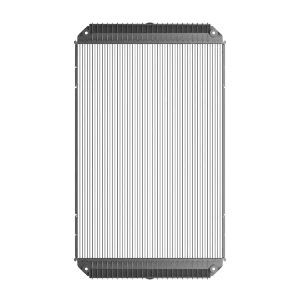
A narrow, more flexible belt can be temporarily installed without removing the radiator. |
|
Improvised materials |
Items like pantyhose, stockings, and rope can serve as temporary substitutes in emergencies. |
Steps to size and fit temporary materials:
- Measure the path around all pulleys using a string or shoelace, followingthe same route as the original belt.
- Mark the length needed and cut the substitute material to match.
- Secure the ends firmly, ensuring the material sits snugly in the pulley grooves.
- Adjust tension by tightening or loosening the material until there is minimal deflection (no more than 1/2 inch).
- Start the engine or equipment briefly to check alignment and function. Stop immediately if there are signs of slippage or abnormal noise.
Always double-check the routing and tension. Improper installation can lead to overheating, loss of power steering, or alternator failure. For critical applications, such as a Cummins engine 6.7L fan belt, use only high-quality emergency or adjustable fan belt products from trusted suppliers like Megawatts Parts.
Megawatts Parts provides detailed guides and technical support for how to measure a fan belt and select the correct emergency fan belt or adjustable fan belt for your needs. Their inventory includes both their own branded products and leading brands, ensuring reliability in the field.
After any emergency repair, monitor the belt closely and plan for a permanent replacement as soon as possible. Emergency solutions are temporary and should not be relied upon for extended operation.
Installation & Safety
Installing the Replacement
Begin the installation by ensuring all tools and materials are within reach. Place the emergency fan belt replacement or temporary material around the pulleys, following the correct routing path identified earlier. Align the belt with each pulley groove to prevent misalignment. For universal or adjustable fan belt options, connect the ends securely according to the manufacturer’s instructions. If using improvised materials, tie or fasten the ends tightly to avoid slippage. To ensure proper alignment, double-check the belt’s position before proceeding.
Always keep hands and tools clear of moving parts. Rotate the pulleys by hand to confirm smooth movement and proper alignment before starting the engine.
Adjusting Tension
Proper tension is critical for both performance and safety. Under-tensioned belts may slip, causing overheating and noise. Over-tensioned belts can damage bearings and pulleys. Field best practices include:
- Load the belt’s span and mass datain to a tension meter if available.
- Aim the sensor at the center of the belt span for an accurate reading.
- Orient the sensor parallel to the belt centerline, maintaining a small gap.
- Tap the belt gently to create vibration and obtain a tension reading.
- Adjust the belt until it does not slip or jump under load.
If a tension meter is not available, press the belt at its midpoint. A deflection of about 1/2 inch under moderate pressure usually indicates correct tension.
Safety Checks and Limits
After installation, conduct a thorough inspection. Look for cracks, fraying, or glazing on both sides of the belt. Listen for squealing noises, which may signal improper tension or misalignment. Monitor for engine overheating, battery warning lights, or loss of power. These signs indicate the need for immediate attention.
|
Safety Check |
What to Look For |
|
Visual Inspection |
Cracks, frays, rubber peeling |
|
Auditory Check |
Squealing or abnormal noises |
|
Performance Monitoring |
Overheating, power loss |
|
Indicator Lights |
Battery or warning lights |
Emergency fan belt replacement is a temporary measure. Replace with a permanent solution as soon as possible to avoid further risk.
After the Fix
Monitoring the Repair
Routine monitoring is essential after installing an emergency fan belt or adjustable fan belt. Technicians should perform visual inspections to detect early signs of damage. Look for cracks, fraying, or missing chunks. Check belt tension regularly to prevent slippage and premature wear. Confirm pulley alignment to ensure even tension and reduce the risk of further damage. Keep the belt clean and dry to avoid degradation from oil, coolant, or dust. Recording maintenance history helps identify recurring issues and optimize future repairs.
Once the engine is running, listen for abnormal noises and watch for warning lights. These indicators often signal underlying problems that require immediate attention.
Warning signs that a temporary repair is failing:
- Squealing or chirping noises from the engine bay
- Visible cracks, fraying, or chunks missing from the belt
- Battery warning light or charging system malfunction
- Stiff steering or loss of power steering assist
- Engine overheating or rising coolant temperature
- Air conditioning not cooling or compressor not engaging
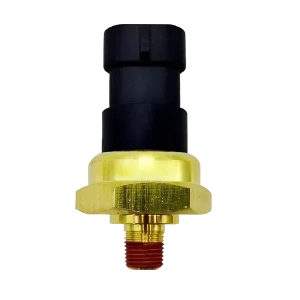
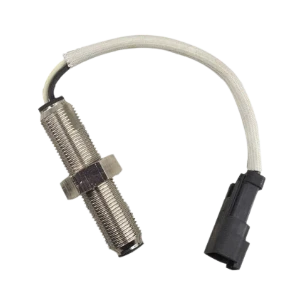
If any of these symptoms appear, technicians should stop the engine and reassess the repair.Do not ignore dashboard warnings after a temporary fix. A fully functional generator sensor is your primary defense line, providing real-time data on coolant temperature and oil pressure to prevent catastrophic overheating if the emergency belt slips.
When to Seek a Permanent Solution
Emergency fan belt repairs are temporary by design. Prompt replacement with a manufacturer-approved belt is critical for long-term reliability. For specialized applications, such as the Cummins engine 6.7L fan belt, only genuine parts ensure optimal performance and safety. Schedule permanent repairs as soon as possible to prevent costly downtime and avoid further mechanical failures.
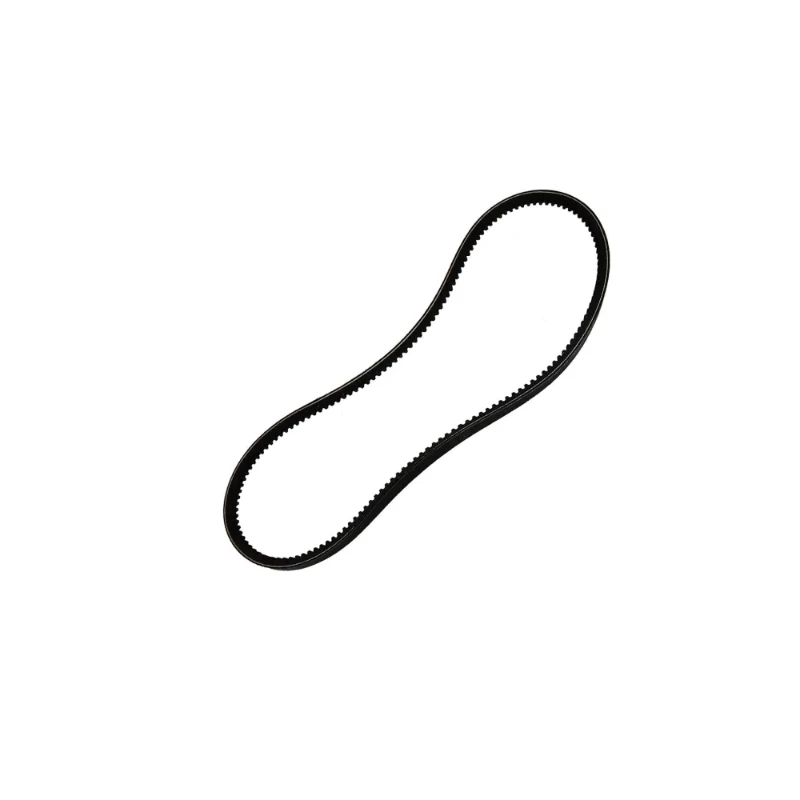
If your equipment runs on a Perkins engine, remove the temporary fix as soon as you reach a safe location. Install an exact-match 2614B652 Perkins fan belt to properly handle the heavy loads and cooling demands of the 1103 and 1104 series.
Safety Alert: Never rely on improvised materials or emergency kits for extended operation. Immediate replacement reduces risk and restores full functionality.
Preventing Future Issues
Preventive maintenance minimizes the risk of unexpected failures. Regularly inspect belts, pulleys, and tensioners. Learn how to measure a fan belt accurately to ensure proper sizing during replacements. Maintain detailed records of all repairs and replacements. These practices help technicians respond quickly to emergencies and maintain equipment reliability.
Preparation with emergency kits increases reliability. Quick thinking and the right tools can change outcomes in the field:
- Spare parts, such as serpentine belts, enable roadside repairs.
- Improvised solutions, like duct tape, provide temporary fixes.
- Emergency kits often prove more valuable than tools alone.
Emergency repairs only buy you enough time for a safe shutdown. Once your equipment is secure, replace temporary fixes with proper components immediately. Stock your toolbox with exact-match replacement belts from Megawatts Parts to minimize future downtime. Inspect your pulleys regularly and replace worn belts before they snap.
FAQ
How do I measure a fan belt if the original is missing?
Use a string or shoelace. Wrap it around the pulleys, following the original path. Mark the length, then measure with a tape. This method helps technicians select the correct emergency fan belt or adjustable fan belt in the field.
What materials can serve as temporary emergency fan belts?
Common substitutes include shoelaces, pantyhose, paracord, and bungee cords. These materials provide short-term solutions. Since this is only a temporary fix, monitor the repair closely and replace it with a proper belt, such as a Megawatts Parts universal kit, as soon as possible.
How do I know if my emergency fan belt repair is failing?
Watch for squealing noises, visible cracks, or fraying. Check for battery warning lights or overheating. To prevent severe block damage, stop the engine immediately if these signs appear. Prompt replacement prevents further damage and ensures safety.
Can I use an adjustable fan belt for a Cummins engine 6.7L fan belt emergency?
Yes, adjustable fan belts offer flexibility for various applications, including Cummins engine 6.7l fan belt emergencies. Always verify measurements and consult trusted suppliers like Megawatts Parts for compatibility and reliability.
What safety steps should I follow during emergency fan belt replacement?
Shut down the engine. Wear gloves and eye protection. Inspect pulleys for damage. Align and tension the belt properly.
Previous And Next
-
Previous Post:
 BLOG
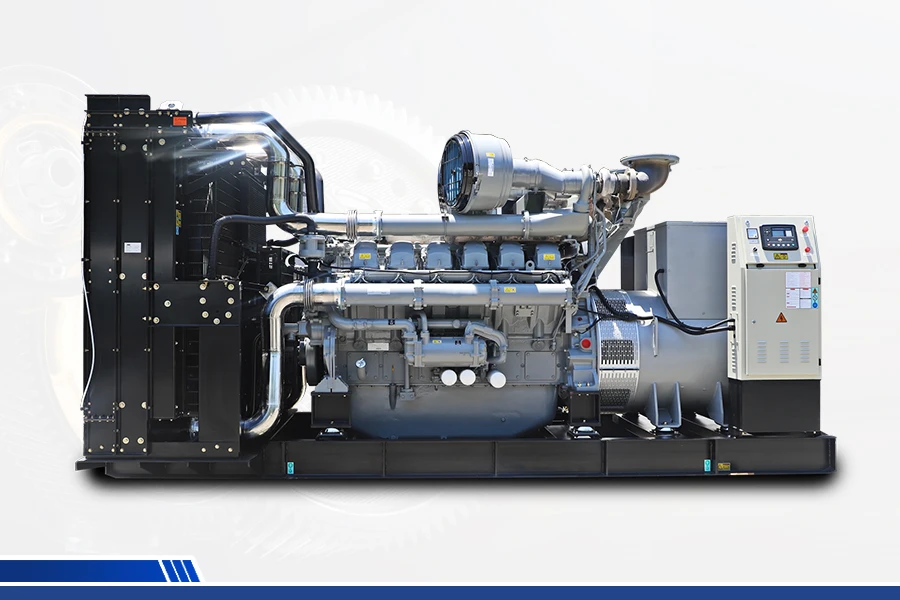
BLOG Megawatts BlogIntroducing the components of a diesel engineIntroducing the components of a diesel engine A diesel generator set is a type of internal combustion generator set and is currently one of the most widely used power generation devices in the world....
 -
Next Post:
 BLOG
Megawatts BlogDonaldson vs Fleetguard Air Filters:Which Excels in Heavy-Dust Environments?In severe heavy-dust environments like mining and construction, standard filtration media fails quickly, risking catastrophic engine damage and costly downtime. When upgrading protection, equipment op...
BLOG
Megawatts BlogDonaldson vs Fleetguard Air Filters:Which Excels in Heavy-Dust Environments?In severe heavy-dust environments like mining and construction, standard filtration media fails quickly, risking catastrophic engine damage and costly downtime. When upgrading protection, equipment op...
Read More
-
 BLOG
Megawatts BlogStrategic Sourcing: How to Build a Standardized Generator Sets Parts Catalog for Mixed FleetsManaging a mixed fleet of Cummins, Perkins, and Caterpillar generators often creates a hidden financial drain through inventory duplication and fragmented procurement. When different brands use differ...
BLOG
Megawatts BlogStrategic Sourcing: How to Build a Standardized Generator Sets Parts Catalog for Mixed FleetsManaging a mixed fleet of Cummins, Perkins, and Caterpillar generators often creates a hidden financial drain through inventory duplication and fragmented procurement. When different brands use differ... -
 BLOG
Megawatts BlogDiesel Generator Won't Crank: A Step-by-Step Electrical Diagnostic Checklist for MechanicsWhen a diesel generator won't crank, check the electrical system first. Do not chase fuel or mechanical theories yet. Low battery voltage and corroded connections cause most no-start condition calls....
BLOG
Megawatts BlogDiesel Generator Won't Crank: A Step-by-Step Electrical Diagnostic Checklist for MechanicsWhen a diesel generator won't crank, check the electrical system first. Do not chase fuel or mechanical theories yet. Low battery voltage and corroded connections cause most no-start condition calls.... -
 BLOG
Megawatts BlogMagnetic Coil Degradation: Why Your Diesel Engine Stop Solenoid Fails Under Extreme HeatExtreme heat is the primary enemy of a diesel engine stop solenoid. The heat breaks down the electrical insulation inside the magnetic coil. This degradation raises resistance and creates short circui...
BLOG
Megawatts BlogMagnetic Coil Degradation: Why Your Diesel Engine Stop Solenoid Fails Under Extreme HeatExtreme heat is the primary enemy of a diesel engine stop solenoid. The heat breaks down the electrical insulation inside the magnetic coil. This degradation raises resistance and creates short circui... -
 BLOG
Megawatts BlogThe Hidden Cost of Expired Inventory: Shelf Life and Proper Storage of Rubber Gasket Seal KitsA gasket seal kit sits untouched for five years. You paid for it. Now you pay to dispose of it. When a failure occurs, you pay a premium for emergency replacement. These hidden costs accumulate silent...
BLOG
Megawatts BlogThe Hidden Cost of Expired Inventory: Shelf Life and Proper Storage of Rubber Gasket Seal KitsA gasket seal kit sits untouched for five years. You paid for it. Now you pay to dispose of it. When a failure occurs, you pay a premium for emergency replacement. These hidden costs accumulate silent...
Subscribe to enjoy 10% off
Stay informed about new products and sales

-
INFORMATION
Contact Us
-
CHINA SALES OFFICE: No. 2-11, No. 8, Gaotai Road, Gaishan Investment Zone, Cangshan District, Fuzhou, Fujian
-
SAUDI ARABIA FACTORY: 7264 Shakra, Al Faisaliyyah, REFB3035, 3035, Riyadh 12883
-
COLOMBIA SALES OFFICE: 92-32 26th Street, 03-118, Bogota
-
NIGERIA FACTORY: Plot 5 Chivita Avenue Ajao Estate Isolo Lagos
-
Email:sales@megawattsparts.com
Follow Us


Copyright © 2025 Megawatts All Rights Reserved.



Select Previous Button or Search Directly on Search Bar!
Shop All
 English
Currency: <{ pagedata.current_currency }>(<{ pagedata.current_currency_code }>)
Are you in the right place?

You agree to MegaWatts.com's Terms of Use and Privacy Policy by subscribing. You may receive emails with useful tips, promotions, and offerings.
No, thanks. I'd rather pay full price.