










































Understanding Generator Exhaust Systems: Manifold Gaskets and Leak Prevention
by Megawatts - Updated At 2026-06-02
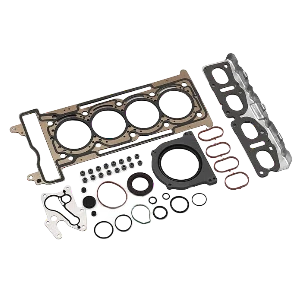
A generator exhaust manifold gasket forms a critical seal between the exhaust manifold and the engine block in a generator. This gasket prevents exhaust gases from leaking, ensuring the generator operates safely and efficiently. Leaks in the exhaust system can pose significant hazards. Escaping exhaust may lead to carbon monoxide buildup, overheating of nearby components, and damage to wiring or hoses. Reliable gaskets, such as those found in Megawatts Parts Gasket Seal Kits, help eliminate these risks by providing durable, leak-proof sealing. Proper gasket maintenance is essential for generator safety and performance.
Generator Exhaust Manifold Gasket Basics
What Is an Exhaust Manifold Gasket?
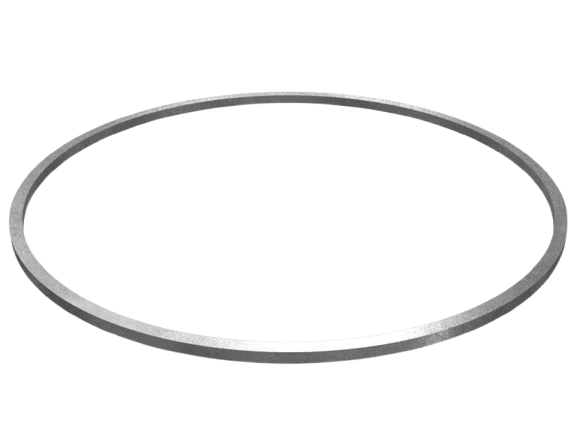
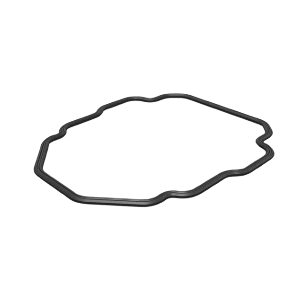
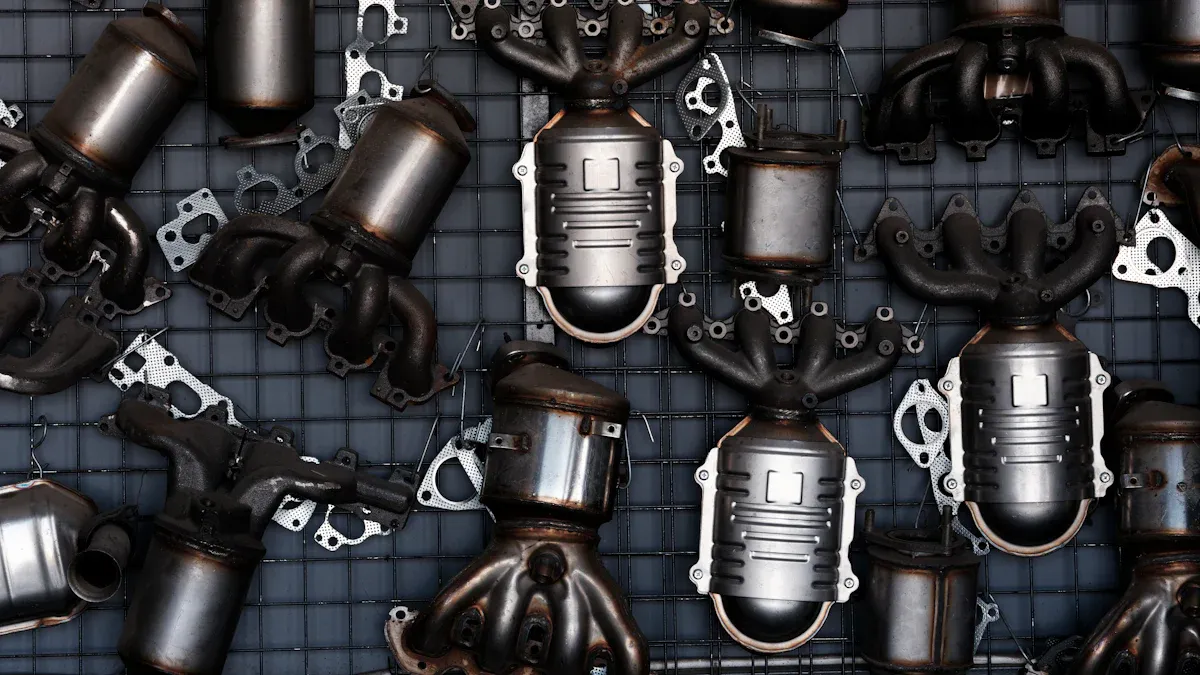
A generator exhaust manifold gasket is a specialized sealing component designed to fit between the exhaust manifold and the cylinder head of a generator engine.
This gasket is engineered from robust materials such as metal, composite, or high-temperature elastomers. Its primary function is to create a tight seal that prevents the escape of exhaust gases at the connection point. The gasket must withstand extreme heat, pressure, and constant thermal cycling. Without a reliable exhaust manifold gasket, the emission system cannot maintain proper containment of gases, leading to operational inefficiencies and safety concerns.
The gasket’s construction allows it to absorb minor imperfections between the manifold and the cylinder head. This flexibility ensures that the seal remains intact even as the engine expands and contracts during operation. High-quality gaskets often include PTFE-coated seals, which minimize twisting and cutting during installation, further reducing the risk of leaks.
Where It Fits in the Generator Exhaust System
The exhaust manifold gasket sits precisely between the exhaust manifold and the engine’s cylinder head. The manifold collects exhaust gases from each cylinder and channels them into the exhaust pipe. The gasket ensures that this junction remains sealed under all operating conditions. In a typical emission system, the manifold is bolted directly to the cylinder head, with the gasket sandwiched in between. This placement is critical because the area experiences rapid temperature changes and high-pressure pulses from the combustion process.
Tip: Always verify the compatibility of the gasket with your generator model. Megawatts Parts Gasket Seal Kits are engineered for a wide range of engines, including Caterpillar, Cummins, and Perkins, ensuring a precise fit and optimal performance.
Why Proper Gasket Sealing Matters
Proper sealing of the exhaust manifold gasket is essential for the safe and efficient operation of any generator. A well-installed gasket prevents toxic and extremely hot exhaust gases from leaking into the engine compartment. Such leaks can damage sensitive components, including oxygen sensors and wiring, and may even pose a risk of fire or carbon monoxide exposure. The gasket also helps maintain the correct backpressure in the exhaust system, which is vital for engine efficiency and emissions control.
A correctly torqued exhaust manifold gasket can withstand the intense thermal cycling that occurs during generator operation. This durability ensures that the seal remains effective over time, reducing the likelihood of performance issues or costly repairs. Using advanced gasket solutions, such as Megawatts Parts Gasket Seal Kits, provides peace of mind. These kits are manufactured to precise specifications and deliver long-lasting, leak-proof performance, supporting both safety and environmental standards.
Key Functions of the Exhaust Manifold Gasket in a Generator:
- Seals the joint between the manifold and cylinder head
- Prevents exhaust gas leaks
- Maintains optimal engine performance
- Protects sensitive engine components
- Supports emissions control
A generator exhaust manifold gasket is not just a simple part; it is a critical component that ensures the integrity of the entire generator exhaust system. Investing in high-quality gaskets and performing regular inspections can significantly extend the life of your generator and maintain its safe operation.
Manifold Gasket Function and Performance
Role in Generator Exhaust System
The exhaust manifold gasket serves as a critical interface within the generator exhaust system. This gasket forms a secure seal between the manifold and the cylinder head, preventing exhaust gases from escaping at the joint. The manifold collects exhaust from each cylinder and directs it into the generator exhaust pipe. The gasket must withstand high exhaust temperatures and constant pressure changes. When the generator operates, the manifold experiences rapid thermal expansion. The gasket compensates for these shifts, maintaining a leak-proof connection.
A properly installed exhaust manifold gasket ensures that the manifold unit channels all exhaust gases efficiently into the generator exhaust pipe. This containment protects sensitive engine components from exposure to hot gases. The gasket also prevents contamination of the engine compartment, which could otherwise damage wiring or sensors. In industrial settings, the generator exhaust system relies on the integrity of each gasket to maintain safe and reliable operation.
Note: The exhaust manifold gasket must match the specifications of the generator engine. Using a high-quality gasket reduces the risk of leaks and extends the service life of the manifold.
Impact on Engine Efficiency and Emissions
The exhaust manifold gasket directly influences engine performance and emissions control. A secure gasket seal ensures that exhaust gases flow through the intended path, supporting optimal combustion in the internal combustion engine. If the gasket fails, exhaust leaks disrupt the generator exhaust system’s pressure balance. This imbalance can reduce engine efficiency and increase fuel consumption.
Exhaust manifold gasket leaks have a measurable impact on emissions. When the gasket does not seal properly, the generator engine burns fuel less effectively. This inefficiency results in higher levels of unburned fuel and pollutants released into the environment. The following points summarize the effects of exhaust manifold gasket leaks on generator emissions:
- Inefficient routing of exhaust gases occurs.
- The engine burns fuel less effectively.
- More unburned fuel is expelled, increasing harmful emissions and pollution.
A well-maintained exhaust manifold gasket supports compliance with environmental standards. It also helps the generator operate at peak efficiency, reducing operational costs and minimizing environmental impact. Routine inspection and timely replacement of each gasket in the generator exhaust system are essential for long-term performance.
Detecting Exhaust Manifold Gasket Leaks

Common Leak Symptoms in Generators
Early detection of exhaust manifold gasket leaks is essential for maintaining generator reliability and safety. Operators and technicians should remain vigilant for several warning signs that often indicate a compromised gasket. The following symptoms frequently appear when an exhaust flange seal begins to fail:
- Loud noises coming from the engine, especially near the manifold area.
- Reduced fuel efficiency, which may be noticed during routine operation checks.
- Burning smells, often described as a sharp or acrid odor, emanating from the generator compartment.
- Reduced power or acceleration, particularly under heavy load conditions.
Experienced engineers often report that these symptoms can be subtle at first. For example, a faint ticking sound near the manifold unit may go unnoticed during routine inspections. Over time, this noise can escalate, signaling a growing leak in the exhaust manifold gasket. Ignoring these early indicators can lead to more severe problems, including carbon monoxide intrusion into the workspace.
Tip: Always investigate any unusual engine sounds or odors immediately. Early intervention can prevent costly repairs and protect personnel from hazardous exhaust exposure.
Inspection Tips for Gasket Leaks
A thorough inspection process is critical for identifying exhaust manifold gasket leaks before they escalate. Skilled technicians recommend the following steps to ensure accurate diagnosis:
- Visually inspect the manifold and surrounding area for soot deposits or discoloration. These marks often indicate exhaust escaping from a failed gasket.
- Check for loose or missing manifold bolts and hardware. Improper torque can compromise the gasket seal and allow exhaust gases to leak.
- Use a stethoscope or mechanic’s listening tool to pinpoint abnormal sounds around the manifold. A ticking or hissing noise often signals a leak at the gasket interface.
- Run the generator in a well-ventilated area and observe for any visible exhaust escaping near the manifold joint.
- Monitor for unexplained drops in engine performance or increases in fuel consumption, as these may result from a compromised exhaust manifold gasket.
A common mistake involves overlooking minor leaks during routine maintenance. Even small leaks can quickly worsen, leading to significant engine damage. Technicians with extensive field experience emphasize the importance of using high-quality gaskets and following manufacturer torque specifications during installation. This practice ensures the manifold remains securely sealed under all operating conditions.
Note: Always allow the engine to cool before inspecting the manifold or gasket. Hot exhaust components can cause severe burns.
Risks of Ignoring Leaks
Neglecting exhaust manifold gasket leaks in generators can result in serious consequences for both equipment and personnel. The risks associated with unresolved leaks include:
- Toxic gases such as carbon monoxide can escape, posing immediate health hazards to anyone nearby. Improper exhaust routing increases the risk of carbon monoxide intrusion, which can be life-threatening.
- Disrupted exhaust flow leads to decreased horsepower and poor fuel economy. The generator may struggle to deliver adequate power, especially during peak demand.
- Hot exhaust gases escaping from a failed gasket can damage nearby components, including wiring, hoses, and sensors. This damage often results in additional repair costs and extended downtime.
- Increased back pressure forces the engine to work harder, reducing overall fuel efficiency and causing overheating. Overheating can lead to premature failure of critical engine parts.
- Inefficient exhaust flow reduces power output, which is critical for generator operation in industrial and emergency settings.
Field reports highlight that many catastrophic generator failures begin with a small, overlooked exhaust manifold gasket leak. Routine inspection and prompt gasket replacement are essential for preventing these risks. Industry experts consistently recommend using robust, precision-engineered gaskets to maintain the integrity of the manifold and exhaust system.
Alert: Never underestimate the dangers of exhaust leaks. Regular maintenance and immediate attention to warning signs are vital for safe and efficient generator operation.
Gasket Leak Prevention and Maintenance
Routine Inspection for Generator Exhaust System
Routine inspection forms the foundation of effective gasket maintenance. Seasoned engineers recommend checking the emission system sealing at regular intervals. Focus on the manifold area, as this region experiences the highest thermal stress. Look for signs of soot, corrosion, or discoloration near the manifold and generator exhaust pipe. These indicators often signal early gasket failure. Weekly checks should include monitoring for warning lights, fuel levels, and leaks.
Ensure that the generator exhaust pipe remains free from obstructions to maintain proper airflow. Adequate ventilation around the generator—often ensured by knowing how to properly maintain and change your air filter—prevents overheating, which can accelerate gasket wear and compromise the manifold seal.
Tip: Consistent inspection helps detect minor issues before they escalate into costly repairs.
Best Practices for Gasket Replacement
Proper replacement of the exhaust manifold gasket is essential for maintaining a leak-free generator exhaust system. Always assess the condition of the existing gasket before starting the replacement process. Different engine models, such as Caterpillar, Cummins, or Perkins, may require specific gaskets. Refer to a gasket selection guide to ensure compatibility. Align the manifold and gasket precisely to achieve a tight seal. Secure all bolts to the manufacturer’s recommended torque settings. This practice prevents uneven pressure on the gasket and reduces the risk of leaks. Using a high-quality exhaust manifold gasket kit, like those from Megawatts Parts, ensures abrasion and compression resistance, supporting long-term reliability.
Checklist for Gasket Replacement:
- Inspect the old gasket and manifold surfaces for damage.
- Select the correct gasket for your engine model.
- Align the manifold and gasket carefully.
- Tighten bolts evenly to specified torque.
- Preventive Measures for Long-Term Performance
|
Cummins |
6.7L ISB / QSB |
3937479 / 5266422 |
Precise-Fit Gasket Seal Kit |
|
Perkins |
1104 / 1106 Series |
3681V512 |
High-Temp Composite Kit |
|
Caterpillar |
C15 / 3406E |
1S-4295 / 281-8261 |
Heavy-Duty PTFE Seal Kit |
What Is an Exhaust Manifold Gasket?
Long-term performance of the emission system sealing depends on proactive maintenance. Regularly inspect the manifold and gasket for leaks or corrosion. Follow a strict maintenance schedule, including weekly checks for system integrity. Maintain sufficient airflow around the generator to prevent overheating. Choose a gasket kit engineered for durability and compatibility with major engine brands. Megawatts Parts Gasket Seal Kits offer PTFE-coated seals that minimize installation damage and ensure a leak-proof fit. These kits help protect the manifold and generator exhaust pipe from premature failure. Adopting these preventive measures extends the lifespan of both the gasket and the entire generator exhaust system.
Note: Investing in a reliable exhaust manifold gasket and following expert maintenance practices reduces downtime and enhances generator efficiency.
Regular inspection of the manifold and gasket is essential for generator safety and efficiency. A well-maintained manifold prevents leaks, reduces safety hazards, and extends generator life. High-quality solutions, such as Megawatts Parts Gasket Seal Kits, deliver reliable sealing for every manifold connection. Routine maintenance helps technicians catch small manifold issues before they become costly repairs, ensures warranty protection, and maintains system reliability. Safety standards require thorough manifold inspections to prevent risks like carbon monoxide exposure. Prioritize ongoing generator care and keep every manifold and gasket in top condition.
Experiencing an exhaust leak? Don't risk engine damage. Browse our full catalog of precise-fit gasket seal kits for your specific engine model, or contact our engineering support team for cross-reference assistance.
Previous And Next
-
Previous Post:
 BLOG
BLOG Megawatts BlogIntroducing the components of a diesel engineIntroducing the components of a diesel engine A diesel generator set is a type of internal combustion generator set and is currently one of the most widely used power generation devices in the world....
 -
Next Post:
 BLOG
Megawatts BlogHeavy-Duty Air Filtration:Decoding Donaldson P821575 and P822686 Cross ReferencesUnderstanding the Donaldson P821575 P822686 cross reference is essential for dual-stage engine protection. Megawatts parts breaks down the differences between the P821575 primary filter and the P82268...
BLOG
Megawatts BlogHeavy-Duty Air Filtration:Decoding Donaldson P821575 and P822686 Cross ReferencesUnderstanding the Donaldson P821575 P822686 cross reference is essential for dual-stage engine protection. Megawatts parts breaks down the differences between the P821575 primary filter and the P82268...
Read More
-
 BLOG
Megawatts BlogThe Hidden Cost of Expired Inventory: Shelf Life and Proper Storage of Rubber Gasket Seal KitsA gasket seal kit sits untouched for five years. You paid for it. Now you pay to dispose of it. When a failure occurs, you pay a premium for emergency replacement. These hidden costs accumulate silent...
BLOG
Megawatts BlogThe Hidden Cost of Expired Inventory: Shelf Life and Proper Storage of Rubber Gasket Seal KitsA gasket seal kit sits untouched for five years. You paid for it. Now you pay to dispose of it. When a failure occurs, you pay a premium for emergency replacement. These hidden costs accumulate silent... -
 BLOG
Megawatts BlogCombating Diesel Bug: How Your Fuel Water Separator Filter Prevents Sludge and Microbial GrowthHave you noticed your engine struggling to start, fuel filters clogging more often, or dark sludge in the fuel system? These symptoms indicate diesel bug—microbial contamination that thrives on...
BLOG
Megawatts BlogCombating Diesel Bug: How Your Fuel Water Separator Filter Prevents Sludge and Microbial GrowthHave you noticed your engine struggling to start, fuel filters clogging more often, or dark sludge in the fuel system? These symptoms indicate diesel bug—microbial contamination that thrives on... -
 BLOG
Megawatts BlogComplete Water Pump Assemblies vs. Pressing Bearings: The Most Cost-Effective Repair StrategyFor most drivers and equipment operators, complete water pump assemblies are the most cost-effective repair for the engine's cooling system. When deciding between a full water pump replacement or pres...
BLOG
Megawatts BlogComplete Water Pump Assemblies vs. Pressing Bearings: The Most Cost-Effective Repair StrategyFor most drivers and equipment operators, complete water pump assemblies are the most cost-effective repair for the engine's cooling system. When deciding between a full water pump replacement or pres... -
 BLOG
Megawatts BlogWinter Emergencies: Why Your Diesel Generator Won't Crank in Sub-Zero TemperaturesDarkness descends as a relentless blizzard knocks out power. You shuffle to the unit, press the start button, and hear a single sluggish click. Your generator won't crank. In sub-zero temperatures, th...
BLOG
Megawatts BlogWinter Emergencies: Why Your Diesel Generator Won't Crank in Sub-Zero TemperaturesDarkness descends as a relentless blizzard knocks out power. You shuffle to the unit, press the start button, and hear a single sluggish click. Your generator won't crank. In sub-zero temperatures, th...
Subscribe to enjoy 10% off
Stay informed about new products and sales

-
INFORMATION
Contact Us
-
CHINA SALES OFFICE: No. 2-11, No. 8, Gaotai Road, Gaishan Investment Zone, Cangshan District, Fuzhou, Fujian
-
SAUDI ARABIA FACTORY: 7264 Shakra, Al Faisaliyyah, REFB3035, 3035, Riyadh 12883
-
COLOMBIA SALES OFFICE: 92-32 26th Street, 03-118, Bogota
-
NIGERIA FACTORY: Plot 5 Chivita Avenue Ajao Estate Isolo Lagos
-
Email:sales@megawattsparts.com
Follow Us


Copyright © 2025 Megawatts All Rights Reserved.



Select Previous Button or Search Directly on Search Bar!
Shop All
 English
Currency: <{ pagedata.current_currency }>(<{ pagedata.current_currency_code }>)
Are you in the right place?

You agree to MegaWatts.com's Terms of Use and Privacy Policy by subscribing. You may receive emails with useful tips, promotions, and offerings.
No, thanks. I'd rather pay full price.