




































Counterfeit Parts Alert: How to Spot Fake "OEM-Quality" Filters Before They Kill Your Engine
by Megawatts - Updated At 2026-04-28
In today's pursuit of equipment efficiency, a cheap filter might seem like a bargain, but it can quickly become a ticking time bomb for your engine. With counterfeit "OEM-quality" filters flooding the global supply chain, vehicle owners and fleet managers face unprecedented risks—from a sudden loss of power to complete engine failures costing tens of thousands of dollars. This guide reveals practical, actionable techniques to spot fake filters before they destroy both your engine and your operating budget.
The fastest way to avoid Counterfeit Engine Filters involves a few critical steps:
- Examine packaging for tampering or poor print quality.
- Verify serial numbers with the manufacturer.
- Purchase only from trusted dealers.
These actions provide strong engine protection. Always stay vigilant when buying filters. A single fake part can lead to catastrophic engine failure.
Risks of Counterfeit Engine Filters
Engine Damage and Performance Issues
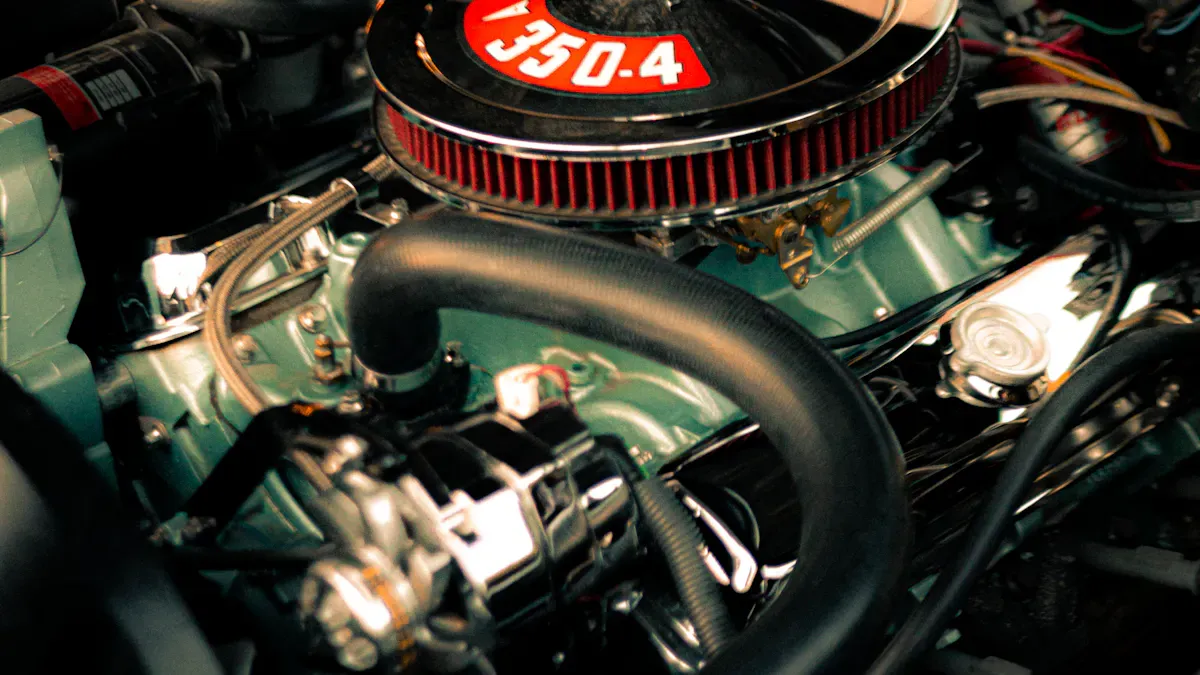
Counterfeit engine filters pose a significant threat to engine health. These filters often use substandard materials that fail to trap contaminants effectively. As a result, dirt and debris can enter the engine, causing premature wear on internal components. Many counterfeit engine filters break down quickly, leading to clogged oil passages or restricted fuel flow. This can cause overheating, loss of power, or even complete engine failure. Current trends show that the rise of counterfeit engine filters is damaging the reputation of legitimate manufacturers and putting countless engines at risk. Vehicle owners and fleet managers must remain vigilant to avoid these costly consequences.
Warranty and Safety Concerns
Using counterfeit engine filters can void your warranty and compromise safety.
- Many warranties do not cover damage caused by counterfeit parts, which can lead to significant repair costs.
- Counterfeit parts can lead to serious safety risks, including engine failure or fire, which jeopardizes safety certifications.
- Installing counterfeit parts can void manufacturer warranties and nullify insurance policies.
When a counterfeit filter is installed, the manufacturer may refuse to honor any claims related to engine damage. This leaves owners responsible for all repairs. Safety certifications may also become invalid, exposing operators to legal and financial risks.
Hidden Costs
The hidden costs of counterfeit engine filters extend far beyond the initial purchase price.
- Counterfeit parts tend to wear out much faster than genuine ones, leading to repeated repairs.
- A genuine part may last several years, while a counterfeit might fail shortly after installation.
- This results in increased downtime and higher labor costs for businesses managing vehicle fleets.
For example, using counterfeit filters can introduce micro-particles into hydraulic systems. In one case, a Komatsu excavator required a complete hydraulic system flush and parts replacement within six months due to fake filters, costing over $18,000. These hidden expenses highlight the importance of choosing authentic filters to protect both your engine and your budget.
Spotting Counterfeit Engine Filters
Counterfeit filters continue to flood the market, making it essential for operators and maintenance professionals to recognize the warning signs. Identifying fake filters before installation can prevent costly engine damage and operational downtime. The following guide outlines the most reliable methods for distinguishing genuine oem filters from counterfeits.
High-Risk Counterfeit Zones
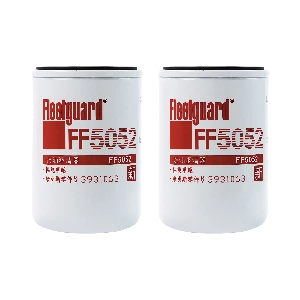
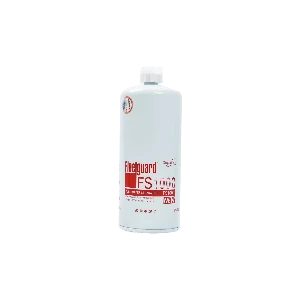
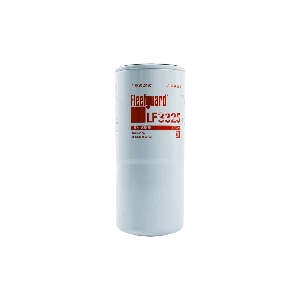
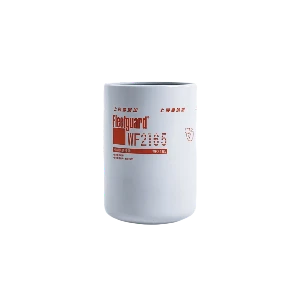
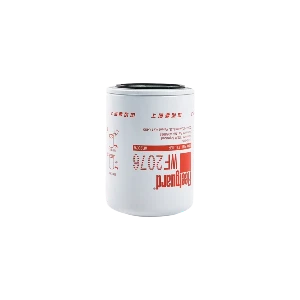
While fake parts exist across all brands, certain high-demand models have become absolute disaster zones in the aftermarket. For instance, the market is currently saturated with counterfeit Fleetguard fuel filters for 6.7 Cummins, which notoriously fail to achieve the required water separation efficiency, leaving advanced fuel injection systems vulnerable to catastrophic damage. Similarly, the industry-standard Fleetguard LF9009 oil filter is one of the most frequently copied products globally. Knock-offs of this specific model typically lack the patented Stratapore media and correct bypass valve settings, leading to rapid oil starvation in heavy-duty engines. If your fleet relies on these specific part numbers, you must exercise maximum caution during procurement.
Packaging and Logo Flaws
Packaging serves as the first line of defense against counterfeit filters. Manufacturers of genuine oem filters invest in high-quality packaging materials and precise branding. In contrast, counterfeiters often cut corners, resulting in noticeable flaws.
|
Aspect |
Genuine Engine Filters |
Counterfeit Engine Filters |
|
Packaging |
High-quality packaging with clear branding and proper details |
Poor packaging with missing information |
|
Logos |
Clear and correctly placed logos on the part |
Missing, unclear, or incorrect logos |
Tip: Always inspect the packaging for crisp logos, accurate spelling, and consistent branding. Authentic filters often include holographic security features and well-defined identification marks. If the packaging appears flimsy or the logo placement seems off, treat the filter as suspicious.
Print Quality and Missing Information
Print quality on both the packaging and the filter itself provides another strong indicator of authenticity. Genuine OEM filters display sharp, high-resolution printing and comprehensive labeling. Counterfeit filters frequently exhibit faded text, blurry graphics, or missing details.
|
Issue Type |
Description |
|
Packaging and/or product has low quality |
|
|
Missing information |
Outer box and/or labels lack details |
Operators should always consult a trusted cross reference for oil filters alongside official equipment manuals. Whether you are running an LF3345 oil filter cross reference or searching for an LF9009 cross reference, Donaldson, confirming the complete part number against official databases prevents you from falling for convincing counterfeits. Authentic filters include all necessary information, such as batch numbers, manufacturing dates, and certification marks. Missing or incomplete data often signals a counterfeit product.
Size and Dimension Differences
Physical inspection remains a critical step in identifying counterfeit filters. Even when packaging looks legitimate, subtle differences in size or construction can reveal a fake. Users have reported purchasing filters that appear identical to OEM filters but differ in dimensions or internal structure.
- Compare the suspected filter with a known genuine part. Differences in height, diameter, or thread pitch may indicate a counterfeit.
- Some experts recommend cutting open both filters to examine internal components. Genuine filters feature uniform finishes and consistent machining marks, while counterfeits often show irregularities.
- Discrepancies in pressure ratings or filtration levels, as listed in the equipment manual, can also expose a fake.
Note: OEM specifications include precise measurements and performance standards. Any deviation from these standards should raise immediate concern.
Price Red Flags
Price remains one of the most common indicators of counterfeit filters. While everyone seeks cost savings, prices that seem too good to be true often signal a problem.
- Consumers frequently overlook the importance of verifying seller authenticity, leading to counterfeit purchases.
- Many buyers neglect to compare prices with those offered by authorized retailers, increasing the risk of acquiring fake filters.
- Counterfeiters often lure buyers with steep discounts or bulk deals unavailable through official channels.
Expert Tip: Always purchase filters from reputable companies and authorized web retailers. If in doubt, contact the manufacturer directly to confirm authenticity. Exercise caution with new or unknown sellers, as they are more likely to distribute counterfeit products.
By following these guidelines, operators can significantly reduce the risk of installing counterfeit filters and protect their engine investments.
Authenticity Checks for Filters
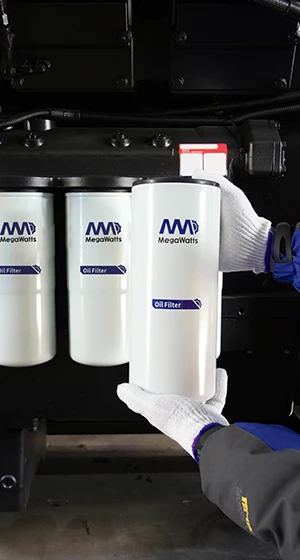
Ensuring the authenticity of engine filters is essential for protecting engines from costly failures. Counterfeit Engine Filters, including fake Fleetguard filters and imitation Caterpillar engine oil filters, can lead to severe engine damage and void warranties. Megawatts Parts stands out as a trusted provider of high-quality aftermarket and genuine filters, offering reliable solutions for Cummins, Perkins, and Caterpillar generators.
Serial Number Verification
Serial numbers serve as a primary defense against counterfeit parts. Follow these steps to verify filter authenticity:
- Request clear, close-up images of the serial number plate or stamp from multiple angles.
- Compare the engine number, model, and type with official manufacturer catalogs or cross reference for oil filters.
- Use the serial number to check build date, version, or configuration in factory documentation.
- If the serial number appears altered or damaged, ask for supporting documents such as purchase invoices or service history.
- Utilize manufacturer or third-party lookup tools to confirm the serial number matches genuine Cummins parts or genuine Fleetguard validation records.
Expert Tip: Serial numbers that do not match official records often indicate fake Fleetguard filters or other counterfeit components.
Authorized Dealer Purchases
Purchasing filters from authorized dealers like Megawatts Parts significantly reduces the risk of receiving counterfeit products. Authorized sellers provide documentation and support, ensuring that every filter meets OEM or aftermarket standards. Always verify the dealer’s credentials before making a purchase.
Comparing Genuine vs. Fake Filters
Spotting fake oil filters requires careful inspection. Compare the suspected filter with a known genuine part. Look for differences in weight, dimensions, and construction quality. Genuine filters, such as those from Megawatts Parts, feature consistent branding, precise machining, and robust materials. Take the Fleetguard LF9009 oil filter as a prime example. Checking its specific LF9009 against official sizing and weight charts is a quick and effective way to confirm you have the real deal. Counterfeit Engine Filters often display irregularities, poor print quality, or mismatched logos.
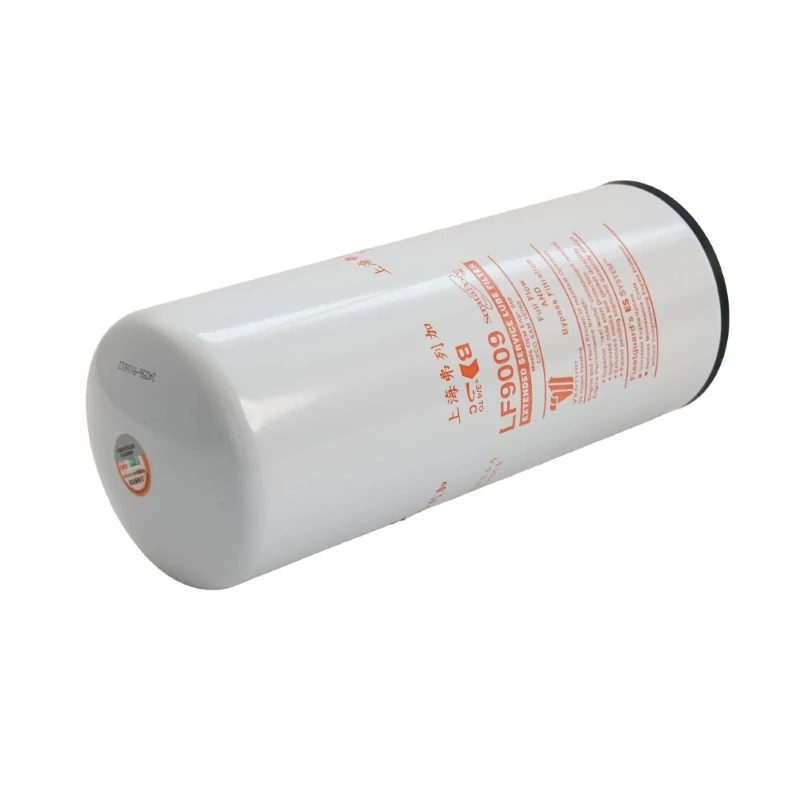
Risk Scenario: Installing a counterfeit filter can result in oil starvation, rapid wear, or catastrophic engine failure within hours of operation.
Manufacturer Validation Tools
Many manufacturers now offer digital tools to help users verify filter authenticity. For example, MANN-FILTER and other brands use secure QR codes and online validation systems. The process typically involves the following steps:
|
Step |
Description |
|
1 |
|
|
2 |
Scan the QR code with a smartphone camera. |
|
3 |
Access the product detail page and select the authenticity check option. |
|
4 |
Upload a clear photo of the Secure code for analysis. |
If the code is genuine, the system confirms authenticity. If not, users may need to retake the photo or contact support. Megawatts Parts also provides guidance on using these tools for OEM vs aftermarket filters, helping customers avoid Counterfeit Engine Filters and ensuring reliable performance.
Note: Always use manufacturer validation tools when available. This step is crucial for how to spot fake Fleetguard filters and verify genuine Cummins parts.
Real Cases of Counterfeit Filters
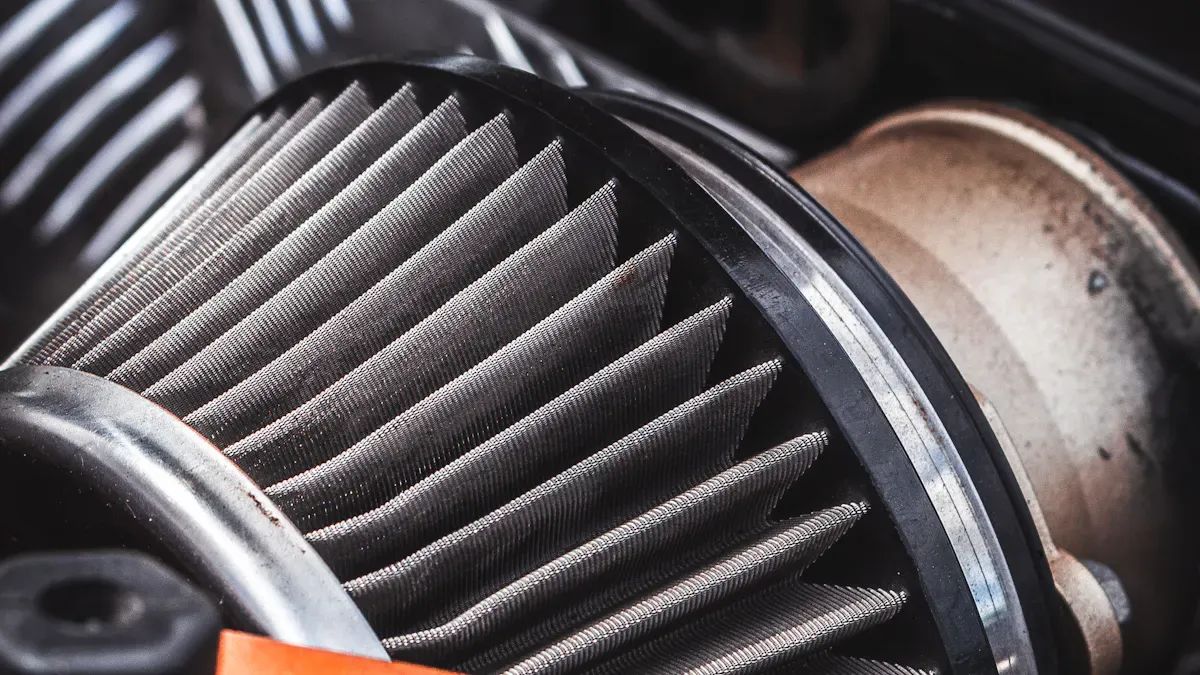
Engine Failure Stories
Counterfeit Engine Filters have caused significant damage in real-world applications. Several documented cases illustrate the consequences of using fake Fleetguard filters and imitation Caterpillar engine oil filters:
- A landscaping company installed a bargain-brand air filter. The filter collapsed after only 20 hours of use, resulting in a $7,000 engine rebuild.
- A limestone quarry fleet switched to low-cost filters. Tears developed in these filters, leading to three engine failures within six months. Each repair cost exceeded $12,000.
- Non-standard filters allowed sediment to enter the combustion chamber. This reduced engine performance and caused clogs, leading to incomplete combustion and increased emissions.
- Businesses faced regulatory fines and loss of tax deductions due to non-compliance. The reputation of organizations suffered when counterfeit parts were discovered.
Megawatts Parts provided genuine Cummins parts and OEM vs aftermarket filters to customers who previously experienced failures. After switching to Megawatts Parts, clients reported improved reliability and avoided costly repairs.
Mechanic Insights
Experienced mechanics consistently warn against the use of counterfeit engine filters. Their observations include:
- Genuine Fleetguard validation is essential for preventing engine damage.
- Counterfeit filters often fail to perform adequately, causing unplanned downtime and performance issues.
- Mechanics advise customers to avoid purchasing cheap filters online. The temptation to save money can result in high long-term costs.
- Spotting fake oil filters requires careful inspection and cross reference for oil filters with official catalogs.
Technical consultants recommend comparing suspected filters with genuine parts and using manufacturer tools to verify authenticity. These steps help prevent engine failures and maintain operational efficiency.
Lessons Learned
The risks associated with Counterfeit Engine Filters highlight several key lessons:
- Use manufacturer validation tools to spot fake Fleetguard filters and verify genuine Cummins parts.
- Regularly cross reference for oil filters and compare OEM vs aftermarket filters to ensure compatibility.
- Investing in authentic filters protects engines, reduces downtime, and preserves business reputation.
What To Do If You Suspect a Fake
Immediate Actions
If you suspect that you have purchased fake engine filters, act quickly to protect your equipment. Remove the suspected filter from service immediately. Replace it with a verified, genuine or high-quality aftermarket filter, such as those from trusted suppliers. Retain the packaging, receipts, and any documentation related to the purchase. Take clear photographs of the filter, packaging, and any serial numbers or markings. These records will support your case if you need to report the issue or seek a refund.
Tip: Do not discard the fake filter. Keeping the product and its packaging is essential for investigation and potential claims.
Reporting Counterfeits
Reporting counterfeit engine filters helps protect the industry and other consumers. Follow these steps to ensure your report reaches the right parties:
- Contact the brand owner or manufacturer directly with details and evidence.
- Notify the authorized dealer or retailer where you made the purchase.
- Report the incident to the online marketplace or platform, if applicable.
- Inform payment service providers if you suspect fraudulent transactions.
- Submit complaints to search engines or social media sites if you found the fake product through their ads or posts.
- Share information with logistics companies if you received the product via shipping services.
- Keep records of all communications and responses.
Manufacturers and authorities rely on these reports to take action against sellers of fake filters and to improve detection measures.
Returning and Replacing Filters
To resolve the issue and recover your costs, follow consumer protection guidelines:
- Clearly explain the problem, such as misrepresentation of the product as genuine.
- State your desired outcome, like a refund or replacement.
- Attach all relevant documents, including receipts and photos.
- Outline your next steps and set a reasonable deadline for response.
- Keep copies of all correspondence and send requests via certified mail when possible.
Prompt action increases the likelihood of a successful resolution and helps prevent further distribution of fake products.
The most effective way to avoid Counterfeit Engine Filters involves following industry best practices. The table below outlines proven strategies:
|
Strategy |
Description |
|
Procurement processes |
Use only OEM or OCM parts and avoid independent brokers. |
|
Chain of custody |
Require traceability documents, such as certificates of conformance and shipping records. |
|
Supply chain management |
Assess suppliers to ensure compliance with authorized sourcing. |
|
Obsolescence and parts management |
Address obsolete components to prevent counterfeit risks. |
|
Counterfeit awareness training |
Educate staff to identify and remove fake parts. |
|
Supplier surveys |
Audit suppliers for quality and production standards. |
The quality of the filter you choose directly dictates your equipment's reliability and lifespan. Substandard filters not only negate the protection of premium oils but also accelerate internal wear, ultimately leading to expensive downtime. To safeguard your engine assets, remain vigilant: always source verified authentic parts from authorized channels like Megawatts Parts, and leverage modern verification tools like serial number checks. Remember, the minor time investment in proactive authenticity checks is always a smarter business decision than paying for a catastrophic repair bill.
Previous And Next
-
Previous Post:
 BLOG
BLOG Megawatts BlogIntroducing the components of a diesel engineIntroducing the components of a diesel engine A diesel generator set is a type of internal combustion generator set and is currently one of the most widely used power generation devices in the world....
 -
Next Post:
 BLOG
Megawatts BlogUnderstanding Generator Cooling System Parts: Key Components & Their RoleA generator relies on several essential cooling system components for consistent performance. The main generator cooling system parts include the water pump, radiator, cooling fan, thermostat, coolant...
BLOG
Megawatts BlogUnderstanding Generator Cooling System Parts: Key Components & Their RoleA generator relies on several essential cooling system components for consistent performance. The main generator cooling system parts include the water pump, radiator, cooling fan, thermostat, coolant...
Read More
-
 BLOG
Megawatts BlogStrategic Sourcing: How to Build a Standardized Generator Sets Parts Catalog for Mixed FleetsManaging a mixed fleet of Cummins, Perkins, and Caterpillar generators often creates a hidden financial drain through inventory duplication and fragmented procurement. When different brands use differ...
BLOG
Megawatts BlogStrategic Sourcing: How to Build a Standardized Generator Sets Parts Catalog for Mixed FleetsManaging a mixed fleet of Cummins, Perkins, and Caterpillar generators often creates a hidden financial drain through inventory duplication and fragmented procurement. When different brands use differ... -
 BLOG
Megawatts BlogDiesel Generator Won't Crank: A Step-by-Step Electrical Diagnostic Checklist for MechanicsWhen a diesel generator won't crank, check the electrical system first. Do not chase fuel or mechanical theories yet. Low battery voltage and corroded connections cause most no-start condition calls....
BLOG
Megawatts BlogDiesel Generator Won't Crank: A Step-by-Step Electrical Diagnostic Checklist for MechanicsWhen a diesel generator won't crank, check the electrical system first. Do not chase fuel or mechanical theories yet. Low battery voltage and corroded connections cause most no-start condition calls.... -
 BLOG
Megawatts BlogMagnetic Coil Degradation: Why Your Diesel Engine Stop Solenoid Fails Under Extreme HeatExtreme heat is the primary enemy of a diesel engine stop solenoid. The heat breaks down the electrical insulation inside the magnetic coil. This degradation raises resistance and creates short circui...
BLOG
Megawatts BlogMagnetic Coil Degradation: Why Your Diesel Engine Stop Solenoid Fails Under Extreme HeatExtreme heat is the primary enemy of a diesel engine stop solenoid. The heat breaks down the electrical insulation inside the magnetic coil. This degradation raises resistance and creates short circui... -
 BLOG
Megawatts BlogThe Hidden Cost of Expired Inventory: Shelf Life and Proper Storage of Rubber Gasket Seal KitsA gasket seal kit sits untouched for five years. You paid for it. Now you pay to dispose of it. When a failure occurs, you pay a premium for emergency replacement. These hidden costs accumulate silent...
BLOG
Megawatts BlogThe Hidden Cost of Expired Inventory: Shelf Life and Proper Storage of Rubber Gasket Seal KitsA gasket seal kit sits untouched for five years. You paid for it. Now you pay to dispose of it. When a failure occurs, you pay a premium for emergency replacement. These hidden costs accumulate silent...
Subscribe to enjoy 10% off
Stay informed about new products and sales

-
INFORMATION
Contact Us
-
CHINA SALES OFFICE: No. 2-11, No. 8, Gaotai Road, Gaishan Investment Zone, Cangshan District, Fuzhou, Fujian
-
SAUDI ARABIA FACTORY: 7264 Shakra, Al Faisaliyyah, REFB3035, 3035, Riyadh 12883
-
COLOMBIA SALES OFFICE: 92-32 26th Street, 03-118, Bogota
-
NIGERIA FACTORY: Plot 5 Chivita Avenue Ajao Estate Isolo Lagos
-
Email:sales@megawattsparts.com
Follow Us


Copyright © 2025 Megawatts All Rights Reserved.



Select Previous Button or Search Directly on Search Bar!
Shop All
 English
Currency: <{ pagedata.current_currency }>(<{ pagedata.current_currency_code }>)
Are you in the right place?

You agree to MegaWatts.com's Terms of Use and Privacy Policy by subscribing. You may receive emails with useful tips, promotions, and offerings.
No, thanks. I'd rather pay full price.