













































Generator Won’t Start After Long Storage? Checklist for First-Time Restart
by Megawatts - Updated At 2026-03-05
A common issue many operators face is when a diesel generator won't start after long storage, especially when fuel systems or electrical components degrade during inactivity. Nothing frustrates more than discovering your generator won’t start after months in storage. This problem affects countless owners, especially when critical backup power is needed most. Issues often stem from low oil or fuel, clogged fuel valves, dirty spark plugs, misadjusted choke controls, clogged air filters, or battery failure. Each of these can be addressed with the right knowledge and preparation. Using high-quality Megawatts generator parts remains essential for reliable operation and long-term performance.
Why Your Generator Won’t Start After Storage
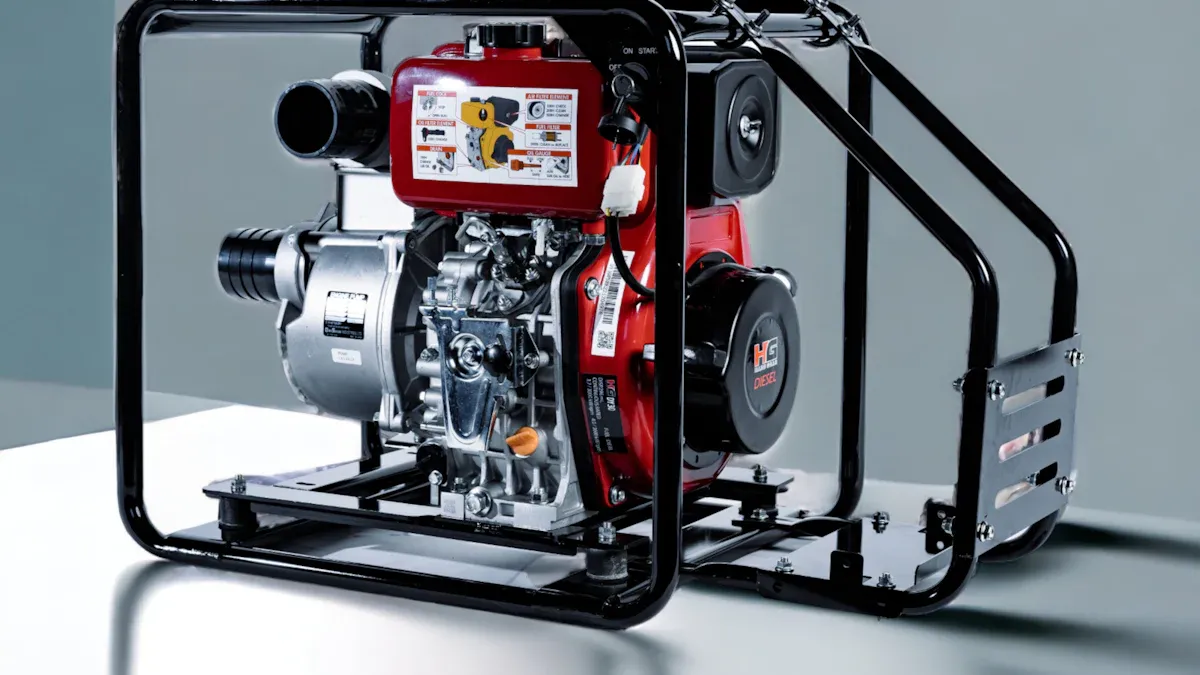
If your generator won’t start after long storage, the most common causes include stale fuel, low oil levels, clogged air filters, battery failure, or electrical wiring problems. A systematic generator troubleshooting checklist helps identify these issues quickly and restore normal operation.
1. Common Causes After Storage
A generator that won’t start after a long period of inactivity often signals underlying mechanical or electrical issues. Extended storage can lead to several common faults. The most frequent problems include dead batteries, clogged fuel lines, and errors in the control panel. These issues can prevent the generator from starting or cause erratic operation. The table below summarizes the typical faults observed after storage and their root causes:
|
Issue |
Cause(s) |
|
Failure to Start |
Dead battery, clogged fuel lines, control panel errors |
|
Power Surges |
Load imbalance, faulty wiring, failing voltage regulators |
|
Overheating |
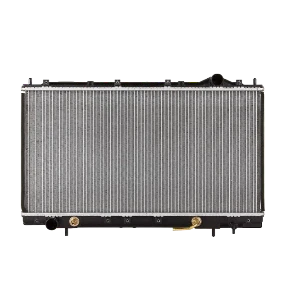
Low coolant levels, dirty radiators, poor airflow |
|
Excessive Noise/Smoke |
Mechanical wear, contaminated fuel, improper exhaust function |
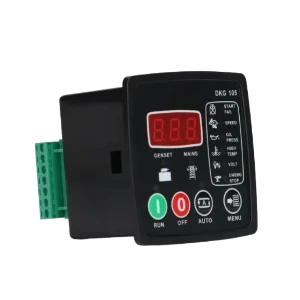
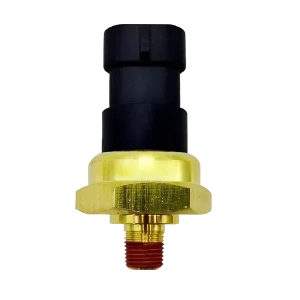
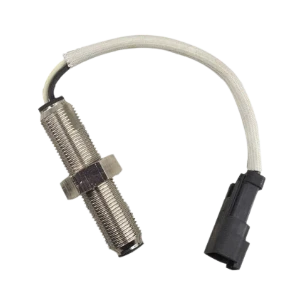
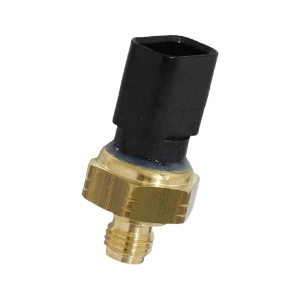
Environmental factors also play a significant role in generator reliability. Humidity during storage can cause corrosion on internal components. Moisture may affect wiring, ignition systems, and monitoring components such as generator sensors, leading to electrical faults. Damp air can clog the air filter, restricting airflow and reducing engine efficiency. These conditions often result in a generator won’t start scenario when power is needed most.
Fuel degradation is another critical concern. Old fuel left in the tank can break down and form varnish or gum, which clogs the carburetor, fuel injectors, and fuel lines. This blockage restricts the flow of fuel to the engine, making it difficult or impossible for the generator to start. The carburetor, a key component responsible for mixing air and fuel, is especially vulnerable to these deposits. Regular inspection and cleaning of the carburetor and fuel system are essential for reliable operation.
2. Safety First
Before attempting to restart a generator after storage, safety must take priority. Manufacturers recommend several precautions to protect both the equipment and the operator:
- Drain or stabilize the fuel if the generator has been stored for more than 30 days. This prevents fuel degradation and reduces the risk of carburetor clogs.
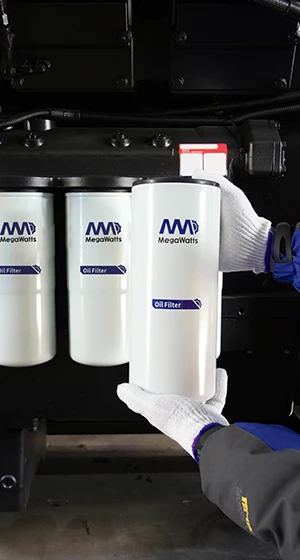
- Check and change the oil before starting the generator. Fresh oil ensures proper lubrication and prevents engine damage from contaminants.
- Remove or disconnect the battery during storage. This step prevents corrosion and ensures the battery remains in good condition.
- Run the generator every one to two months for ten to fifteen minutes. This practice keeps internal components lubricated and the battery charged.
Tip: Always inspect the generator for visible signs of damage, such as frayed wires or loose connections, before starting. Address any issues immediately to avoid further complications.
Following these guidelines reduces the risk of injury and equipment failure. A methodical approach to generator maintenance and restart procedures ensures reliable performance when backup power is essential.
Fuel System Troubleshooting When a Generator Won't Start
1. Stale Fuel Issues
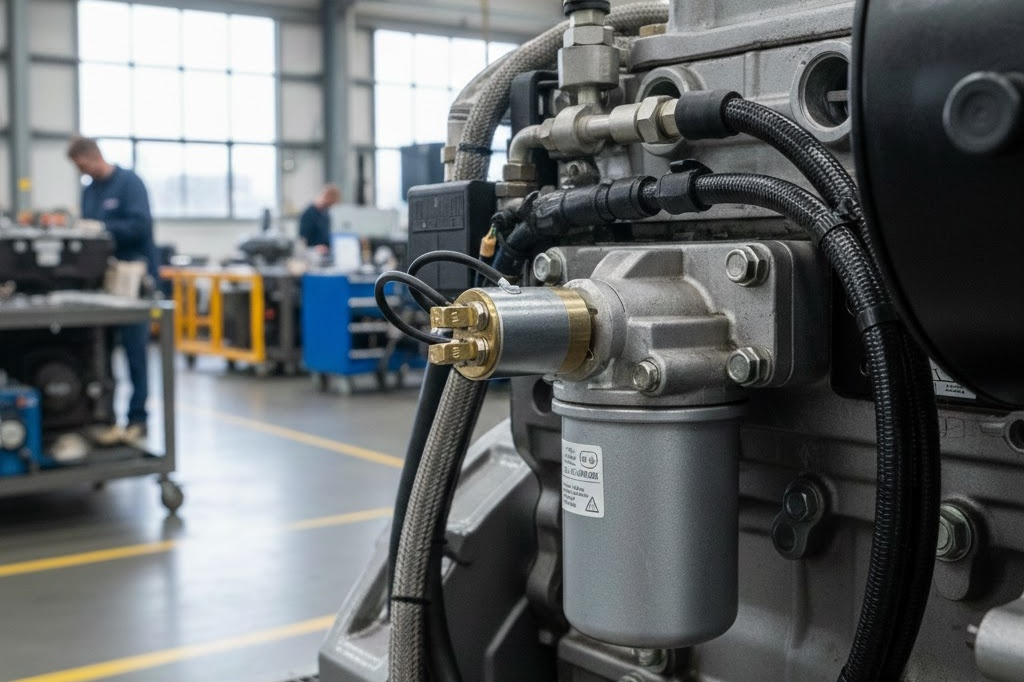
A generator often fails to start after storage due to stale fuel. Gasoline degrades over time, especially without stabilizers. The following table outlines how long gasoline remains usable in a generator:
|
Condition |
Shelf Life |
|
With fuel stabilizers |
Up to 24 months or longer |
|
Without stabilizers |
About 3 to 6 months |
Stale fuel presents several warning signs. The odor may become sour or rancid, and the color can darken. Sediment or particles may appear in the tank, which can clog fuel lines and fuel filters, restricting proper fuel flow to the engine. Difficulty starting the generator, reduced power output, sputtering, or stalling often indicate degraded fuel. These issues can lead to increased emissions and costly repairs if not addressed promptly.
Tip: Always inspect the fuel for changes in smell or appearance before attempting to start the generator after long-term storage.
2. Cleaning the Tank & Lines
Proper cleaning of the fuel tank and lines is essential for restoring generator performance. Begin by ensuring the generator is cool and positioned on a flat, ventilated surface. Disconnect the spark plug and drain all fuel into an approved container. Remove the tank and inspect for rust, sediment, or cracks using a flashlight. Rinse the tank with a fuel-safe cleaning solution, agitating gently to loosen debris. Repeat rinsing if buildup persists. Allow the tank to air dry completely before reinstallation. Securely reconnect all fuel lines and mounting hardware. Inspect and clean or replace the fuel filter to prevent future blockages. Preventive measures include using fresh fuel, draining tanks before extended storage, and adding stabilizers.
3. Carburetor Clogs
The carburetor is a critical component that mixes air and fuel for combustion, and worn generator carburetor parts can easily cause startup failures. After storage, clogs in the carburetor often prevent the generator from starting, even with fresh fuel and a clean air filter. Common symptoms include rough engine idle, flooding of the carburetor bowl, or the engine running only with the choke partially closed. To clear carburetor clogs, use a focused light source, a flat head screwdriver, and a 10mm wrench. Disconnect the fuel line and spark plug, remove the air filter, and drain any residual fuel from the carburetor bowl. Detach springs and linkages, then remove the carburetor for thorough cleaning. Use fine copper wire to clear small ports and jets, and a wire brush for stubborn deposits. Reassemble carefully to restore optimal generator function.
Oil & Battery Checks for Generator Starting Problems
1. Low Oil Level
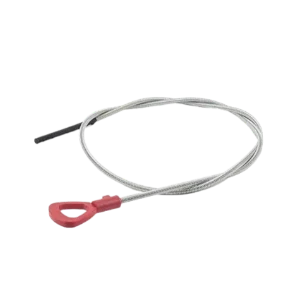
Oil serves as the lifeblood of any generator engine, ensuring that essential components like the oil pump and internal engine parts operate smoothly. Insufficient oil can cause severe damage, especially after long storage. Before attempting a restart, always check the oil level. Most manufacturers recommend the following routine for portable generators:
- Check your generator’s oil level before each use.
- Change your oil after every 50-100 hours of use, as specified in your user manual.
- If the oil hasn't been changed for 3-6 months, change it regardless of usage.
Low oil levels can prevent the generator from starting or lead to catastrophic engine failure. The table below outlines the main risks associated with inadequate oil:
|
Effect |
Description |
|
Inadequate Lubrication |
Leads to metal-to-metal contact between critical components, causing rapid wear and potential engine seizure. |
|
Overheating |
Less oil results in higher engine temperatures, risking thermal stress and damage to components. |
|
Loss of Cleaning Action |
Reduced oil volume leads to quicker saturation with contaminants, forming sludge that clogs oil passages. |
A generator with low oil may trigger a safety shutdown or fail to crank at all. Always use the recommended oil type and viscosity for your specific model. Neglecting oil checks can result in costly repairs, including damage to the carburetor or internal engine parts.
Tip: Always keep extra oil on hand and store it in a sealed container to prevent contamination.
2. Battery Charge
A fully charged battery is essential for reliable generator startup, especially after extended storage. Use a multimeter to verify the battery voltage before attempting to start the unit. The optimal voltage range for common generator batteries is as follows:
|
Battery Type |
Optimal Voltage Range |
|
12V |
12.6V - 12.8V |
|
24V |
25.2V - 25.6V |
Several factors can cause battery discharge during storage:
- Sulfation: Occurs when a battery remains partially discharged, reducing capacity.
- Vibration: Can dislodge active materials, leading to capacity loss.
- Corrosion: Terminal corrosion increases resistance and impedes current flow.
- Age: Batteries lose effectiveness over time.
- Charger Failure: Faulty chargers can undercharge or overcharge, damaging the battery.
A weak or dead battery will prevent the generator from turning over, even if the fuel system and carburetor are clean. Regular battery maintenance and periodic charging help ensure your generator is ready when needed.
Spark Plug & Air Filter Issues That Prevent Generator Start
1. Spark Plug Inspection
A generator relies on a healthy spark plug for reliable ignition. Over time, spark plugs can develop issues that prevent the engine from starting. Regular inspection is essential, especially after long storage. Remove the spark plug using the proper socket and examine it closely. Look for the following signs of wear or damage:
|
Sign of Wear/Damage |
Description |
|
Fouling |
Deposit buildup prevents strong spark generation. |
|
Wear and corrosion |
Weakens spark production, affecting ignition. |
|
Improper gap |
Incorrect gap leads to misfires or ignition failure. |
|
Black, sooty deposits |
Indicates a rich fuel mixture. |
|
White, ashy deposits |
Indicates a lean fuel mixture. |
|
Damaged electrode |
Physical damage to the spark plug electrode. |
|
Cracked porcelain insulator |
Indicates significant wear or damage requiring replacement. |
A fouled or damaged spark plug can cause hard starting, misfires, or complete failure to start. Always check the gap with a feeler gauge and adjust it to the manufacturer’s specification. Replace the spark plug if you notice corrosion, cracks, or heavy deposits. Using the correct spark plug type ensures optimal generator performance and reduces the risk of ignition problems.
Tip: Keep a spare spark plug in your maintenance kit. Quick replacement can save valuable time during emergencies.
2. Air Filter Cleaning
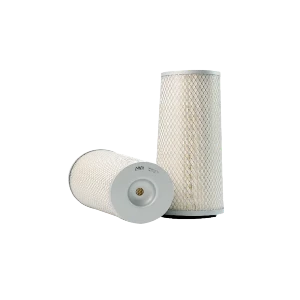
The air filters used in generator systems play a critical role in protecting the engine from dust and debris. A clogged or dirty air filter restricts airflow, making it difficult for the engine to receive the air needed for proper combustion. This restriction can lead to hard starting, increased fuel consumption, and unstable engine speed. Common symptoms of a dirty air filter include:
- Difficulty starting the generator
- Fluctuating RPM or inconsistent power output
- Increased fuel usage
- Sooty exhaust or unusual engine noise
Inspect the air filter by removing its cover and checking for dirt, dust, or damage. Clean reusable filters with compressed air or wash them according to the manufacturer’s instructions. Replace paper or damaged filters immediately. A clean air filter ensures efficient combustion, stable operation, and extends the life of your generator.
Warning: Never operate a generator without an air filter. Unfiltered air can cause severe engine damage and costly repairs.
Electrical and Wiring Problems in Generators
1. Choke Position
The choke plays a critical role in the starting process of any generator, especially after long periods of inactivity. Many first-time users overlook the importance of setting the choke correctly, which often leads to unnecessary troubleshooting. The choke restricts airflow to the carburetor, enriching the fuel mixture for easier ignition. Manufacturer guidelines recommend the following choke positions based on engine condition:
|
Engine Condition |
Choke Position |
|
Cold engine |
Fully ON / CLOSED |
|
Warm engine |
Partial choke or OFF |
|
Auto-choke |
System adjusts |
For a cold engine, always set the choke to the "CLOSED" position before attempting to start the generator. This adjustment ensures the engine receives the correct fuel-to-air ratio for ignition. Once the engine starts, allow it to run for approximately 30 seconds. Then, gradually move the choke to the "OPEN" position. Failing to adjust the choke properly can result in hard starting or engine flooding. If the generator uses an auto-choke system, the adjustment occurs automatically, reducing the risk of user error.
Tip: Never attempt to start a generator with the choke in the "OPEN" position when the engine is cold. This mistake is a common cause of startup failure after storage.
2. Wiring Damage
Wiring integrity is essential for reliable generator operation. Long-term storage can expose wiring to moisture, rodents, or physical stress, leading to insulation cracks, corrosion, or loose connections. These faults can prevent the generator from starting or cause intermittent power loss. Always inspect visible wiring for signs of wear, discoloration, or fraying. Pay close attention to battery terminals, control panel connections, and grounding points.
A simple checklist for wiring inspection includes:
- Examine all visible wires for cracks or exposed copper.
- Check connectors for tightness and corrosion.
- Inspect the control panel for burnt smells or discoloration.
- Test continuity with a multimeter if you suspect hidden faults.
Address any wiring issues before attempting to restart the generator. Neglecting these checks can result in electrical shorts, equipment damage, or even fire hazards. Routine inspection and timely repairs ensure safe and dependable generator performance.
Restart Steps & When to Get Help

1. Safe Restart Procedure
A careful approach to restarting a generator after long storage reduces the risk of damage and ensures safety. Begin by placing the generator on a stable, level surface outdoors to prevent carbon monoxide buildup. Confirm that all maintenance checks—fuel, oil, battery, spark plug, air filter, and wiring—are complete. Set the choke to the correct position for a cold start. Open the fuel valve and turn the engine switch to the "ON" position. Pull the starter cord or engage the electric starter, depending on your model. If the generator does not start after three attempts, pause for a few minutes to avoid flooding the engine.
Note: Never use starting fluid unless the manufacturer specifically recommends it. This can cause internal damage or fire hazards.
Once the generator starts, let it run for several minutes with no load. Gradually move the choke to the "OPEN" position. Monitor for unusual noises, vibrations, or warning lights. If the generator runs smoothly, connect appliances one at a time to avoid overloading the system.
2. Professional Assistance
Some generator problems require expert intervention. Persistent issues may indicate deeper faults that basic troubleshooting cannot resolve. Seek professional help if you notice any of the following:
- Abnormal smells, such as gasoline or burning odors, may signal a gas leak or electrical fault.
- Unusual noises, including rattling or squeaking, suggest internal damage.
- The generator struggles to start or fails to run consistently, even after maintenance.
- Power output is inconsistent, with flickering lights or random shutdowns.
A certified technician can diagnose complex electrical or mechanical issues and ensure safe, reliable operation. Timely professional service prevents further damage and extends the life of your generator.
Generator Parts and Maintenance Tips
1. Maintenance Checklist
A structured approach to generator upkeep prevents unexpected failures and extends equipment life. Routine inspection and timely replacement of worn components are essential. The following checklist outlines the most critical tasks for reliable operation:
- Perform daily visual inspections for physical damage or leaks.
- Check engine oil, coolant, and battery electrolyte levels.
- Inspect for signs of fuel, oil, or coolant leaks.
- Conduct weekly checks on stressed components and wiring.
- Examine the fuel system, including lines, filters, and the tank, for contamination.
- Test battery voltage and inspect terminals for corrosion.
- Review fluid levels and component conditions monthly.
- Replace dirty air, fuel, and oil filters as needed.
- Monitor coolant quality and ensure proper alternator function.
Service intervals vary by application. Commercial generators benefit from at least two professional service visits per year, while home standby units typically require annual major service. For critical power needs, schedule inspections before hurricane or winter seasons to ensure readiness.
Regular attention to these tasks reduces the risk of startup issues and costly downtime.
2. Using Quality Parts
The choice of replacement parts directly impacts generator reliability and safety. Using original or high-quality aftermarket components ensures optimal compatibility and performance. Megawatts Generator Sets Parts provide a trusted solution for both routine maintenance and urgent repairs. These parts offer a guaranteed fit, fast shipping, and responsive customer service. Competitive pricing makes them accessible for both commercial and residential users.
Key benefits of choosing Megawatts Generator Sets Parts include:
- Warranty protection that preserves equipment coverage.
- Enhanced reliability and durability, reducing the risk of breakdowns.
- Factory-level compatibility for seamless installation.
- Long-term cost savings by minimizing future repairs.
- Compliance with safety standards for peace of mind.
Prioritizing quality over short-term savings leads to fewer failures and lower total ownership costs. Consistent use of trusted components, combined with a disciplined maintenance routine, ensures your generator delivers dependable power when it matters most.
Most generator won’t start problems after storage can be solved with systematic checks and quality generator parts. Routine maintenance prevents battery failure, fuel system issues, and wiring faults. When a generator won’t start despite these steps, consider Megawatts Parts for reliable replacements. Persistent issues—such as battery sulfation, carburetor buildup, or engine wear—require professional generator repair.
For safety and long-term performance, trust expert advice and schedule service if problems persist.
Previous And Next
-
Previous Post:
 BLOG
BLOG Megawatts BlogIntroducing the components of a diesel engineIntroducing the components of a diesel engine A diesel generator set is a type of internal combustion generator set and is currently one of the most widely used power generation devices in the world....
 -
Next Post:
 BLOG
Megawatts BlogThe Field Engineer’s Strategy: Extending Genset Lifespan Through Precise Part CyclesPrecise spare part replacement cycles directly influence diesel generator lifespan and reliability. Neglecting timely generator maintenance often leads to increased operational costs and red...
BLOG
Megawatts BlogThe Field Engineer’s Strategy: Extending Genset Lifespan Through Precise Part CyclesPrecise spare part replacement cycles directly influence diesel generator lifespan and reliability. Neglecting timely generator maintenance often leads to increased operational costs and red...
Read More
-
 BLOG
Megawatts BlogStrategic Sourcing: How to Build a Standardized Generator Sets Parts Catalog for Mixed FleetsManaging a mixed fleet of Cummins, Perkins, and Caterpillar generators often creates a hidden financial drain through inventory duplication and fragmented procurement. When different brands use differ...
BLOG
Megawatts BlogStrategic Sourcing: How to Build a Standardized Generator Sets Parts Catalog for Mixed FleetsManaging a mixed fleet of Cummins, Perkins, and Caterpillar generators often creates a hidden financial drain through inventory duplication and fragmented procurement. When different brands use differ... -
 BLOG
Megawatts BlogDiesel Generator Won't Crank: A Step-by-Step Electrical Diagnostic Checklist for MechanicsWhen a diesel generator won't crank, check the electrical system first. Do not chase fuel or mechanical theories yet. Low battery voltage and corroded connections cause most no-start condition calls....
BLOG
Megawatts BlogDiesel Generator Won't Crank: A Step-by-Step Electrical Diagnostic Checklist for MechanicsWhen a diesel generator won't crank, check the electrical system first. Do not chase fuel or mechanical theories yet. Low battery voltage and corroded connections cause most no-start condition calls.... -
 BLOG
Megawatts BlogMagnetic Coil Degradation: Why Your Diesel Engine Stop Solenoid Fails Under Extreme HeatExtreme heat is the primary enemy of a diesel engine stop solenoid. The heat breaks down the electrical insulation inside the magnetic coil. This degradation raises resistance and creates short circui...
BLOG
Megawatts BlogMagnetic Coil Degradation: Why Your Diesel Engine Stop Solenoid Fails Under Extreme HeatExtreme heat is the primary enemy of a diesel engine stop solenoid. The heat breaks down the electrical insulation inside the magnetic coil. This degradation raises resistance and creates short circui... -
 BLOG
Megawatts BlogThe Hidden Cost of Expired Inventory: Shelf Life and Proper Storage of Rubber Gasket Seal KitsA gasket seal kit sits untouched for five years. You paid for it. Now you pay to dispose of it. When a failure occurs, you pay a premium for emergency replacement. These hidden costs accumulate silent...
BLOG
Megawatts BlogThe Hidden Cost of Expired Inventory: Shelf Life and Proper Storage of Rubber Gasket Seal KitsA gasket seal kit sits untouched for five years. You paid for it. Now you pay to dispose of it. When a failure occurs, you pay a premium for emergency replacement. These hidden costs accumulate silent...

Subscribe to enjoy 10% off
Stay informed about new products and sales

-
INFORMATION
Contact Us
-
CHINA SALES OFFICE: No. 2-11, No. 8, Gaotai Road, Gaishan Investment Zone, Cangshan District, Fuzhou, Fujian
-
SAUDI ARABIA FACTORY: 7264 Shakra, Al Faisaliyyah, REFB3035, 3035, Riyadh 12883
-
COLOMBIA SALES OFFICE: 92-32 26th Street, 03-118, Bogota
-
NIGERIA FACTORY: Plot 5 Chivita Avenue Ajao Estate Isolo Lagos
-
Email:sales@megawattsparts.com
Follow Us


Copyright © 2025 Megawatts All Rights Reserved.



Select Previous Button or Search Directly on Search Bar!
Shop All
 English
Currency: <{ pagedata.current_currency }>(<{ pagedata.current_currency_code }>)
Are you in the right place?

You agree to MegaWatts.com's Terms of Use and Privacy Policy by subscribing. You may receive emails with useful tips, promotions, and offerings.
No, thanks. I'd rather pay full price.