







































The Field Engineer’s Strategy: Extending Genset Lifespan Through Precise Part Cycles
by Megawatts - Updated At 2026-03-10
Precise spare part replacement cycles directly influence diesel generator lifespan and reliability. Neglecting timely generator maintenance often leads to increased operational costs and reduced energy supply, as aging equipment can cause up to an 8% rise in unmet energy demand and a 12% escalation in maintenance expenses within six years. Regular generator maintenance extends equipment life, lowers the risk of unexpected failures, and secures uptime. Routine inspections and advanced diagnostics help identify issues early, ensuring generator reliability and safety.
Why Diesel Generator Lifespan Matters

Cost of Poor Maintenance
Field engineers often encounter the consequences of neglected generator maintenance in the field. When maintenance is inconsistent, the risk of generator failure rises sharply. Most starting failures stem from battery issues. Over time, lead sulphates accumulate on battery plates, making them unusable. Even maintenance-free batteries require adherence to manufacturer guidelines to ensure proper function. Insufficient starting energy remains the leading cause of genset failure. Industry data shows that more than 80% of starting failures result from dead starting batteries. Major manufacturers, such as Cummins and Caterpillar, confirm that discharged or dry batteries are the primary reason standby generators become inoperable.
Neglecting routine maintenance can lead to:
- Unexpected downtime during critical operations
- Escalating repair costs due to major component failures
- Reduced reliability and compromised safety
Ignoring these risks shortens genset lifespan and undermines operational performance. In real-world scenarios, a single overlooked battery check can halt an entire site, causing costly delays and safety hazards.
Benefits of Proactive Spare Part Replacement Cycles
Proactive maintenance strategies transform generator reliability and operational efficiency. By following scheduled part replacement cycles, organizations avoid the pitfalls of reactive repairs. The benefits of this approach are clear:
|
Benefit |
Description |
|
Cost Efficiency |
80-90% cheaper than replacing the full system. |
|
Extended lifespan |
Adds 10-20 years to your generator's operational life. |
|
Improved reliability |
Real-time monitoring and predictive maintenance minimize downtime. |
|
Sustainability |
Supports green operations by reducing waste and enabling renewable integration. |
Implementing proactive maintenance ensures that generators start reliably and accept load without nuisance trips. Early detection of coolant, fuel, or electrical issues prevents major failures. Clean filters and properly maintained injectors improve fuel efficiency and overall performance. Documented service supports compliance, warranty claims, and increases resale value. These practices not only extend diesel generator lifespan but also contribute to synchronous generator lifespan extension and long-term asset longevity.
Proactive Generator Maintenance Planning

Scheduling Part Replacements
Effective generator maintenance begins with a disciplined approach to scheduling part replacements. Field engineers understand that every generator operates under unique conditions, but the foundation of reliability lies in adhering to a structured maintenance plan. Regular oil checks, for example, are essential. Oil degrades over time, especially under heavy loads or in harsh environments. Skipping scheduled oil changes can lead to increased friction, overheating, and premature engine wear.
Load bank testing should be part of every maintenance cycle. This process involves running the generator at or near its rated capacity, which helps clear unburned fuel and ensures the engine reaches optimal temperature. By preventing wet stacking—a condition where unburned fuel accumulates in the exhaust—engineers maintain generator performance and reduce the risk of costly repairs. Routine inspections also allow early detection of issues, supporting timely interventions and minimizing downtime.
A well-structured generator maintenance planning schedule includes not only oil and filter changes but also systematic checks of cooling systems, alternators, and electrical connections. Megawatts provides a comprehensive selection of filters, engine parts, and cooling system components, all verified to meet or exceed OEM specifications. Their fast shipping policy ensures that critical parts arrive quickly, supporting uninterrupted maintenance strategies.
Prioritizing Critical Components
Not all generator components carry the same risk of failure. Field engineers prioritize replacements by analyzing historical failure data and service records. Statistical models help predict which parts are most likely to fail based on vibration, noise, and temperature readings. This data-driven approach highlights components such as gearboxes, alternators, and batteries as high-risk items.
In practice, a generator that operates in a remote mining site may experience higher vibration levels, increasing the likelihood of gearbox failure. By focusing maintenance strategies on these critical components, engineers can prevent unexpected breakdowns and maintain operational continuity. Megawatts supports this approach by offering a wide inventory of genuine and aftermarket parts for leading brands like Cummins, Perkins, and Caterpillar. Their guaranteed fit policy ensures that replacements integrate seamlessly, reducing the risk of installation errors and supporting long-term reliability.
Using Manufacturer and Megawatts Guidelines
Adhering to manufacturer guidelines is a cornerstone of effective generator maintenance planning. These guidelines provide detailed schedules for part replacements, recommended service intervals, and specific procedures for diagnostics.
Megawatts enhances generator maintenance planning by offering clear product specifications and a 90-day return policy, allowing engineers to source parts with confidence. The combination of manufacturer protocols and Megawatts’ support helps establish a baseline condition for each generator, making it easier to track performance improvements and identify emerging issues.
Tip: Consistent documentation of all maintenance activities, including part replacements and diagnostic results, creates a valuable reference for future assessments. This practice not only supports compliance and warranty claims but also contributes to continuous improvement in generator reliability.
The integration of structured generator maintenance planning, prioritization of critical components, and adherence to trusted guidelines forms the backbone of successful generator maintenance strategies. These practices drive operational efficiency, reduce costs, and extend the lifespan of essential power assets.
Key Generator Spare Parts That Require Regular Replacement
To maintain long-term reliability, several generator components require regular inspection and scheduled replacement. These parts experience continuous wear due to heat, pressure, vibration, and fuel contamination. Replacing them at proper service intervals helps prevent unexpected failures and ensures stable generator performance.
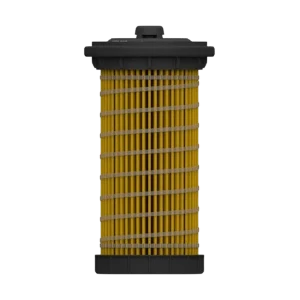
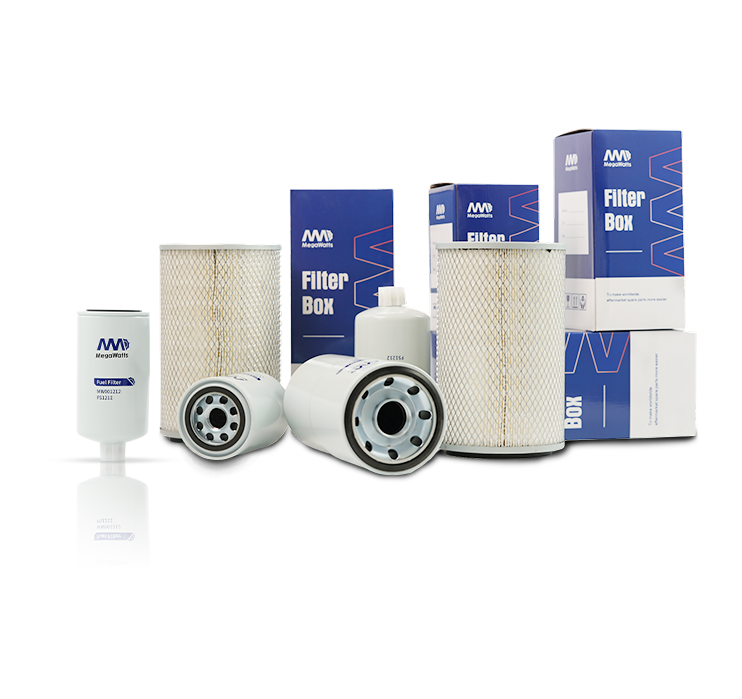
Fuel Filters
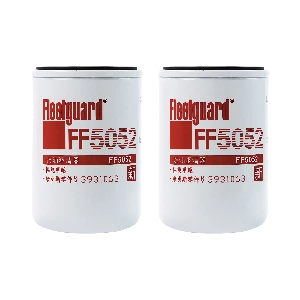
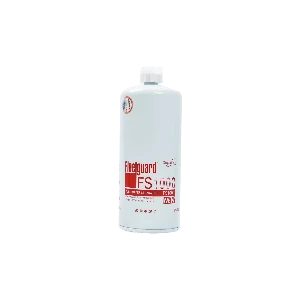
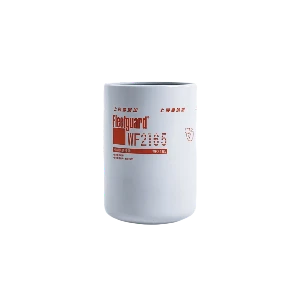
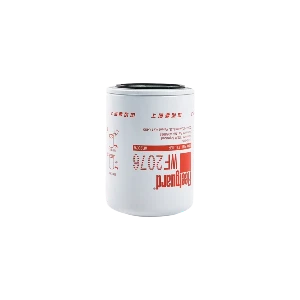
Fuel filters play a critical role in protecting the fuel system from contaminants such as dust, rust, and water. High-quality generator fuel filters ensure stable fuel delivery and protect sensitive engine components. Over time, filters become clogged, restricting fuel flow and reducing engine efficiency. Regular replacement ensures clean fuel delivery to the engine and helps protect sensitive components like injectors and fuel pumps.
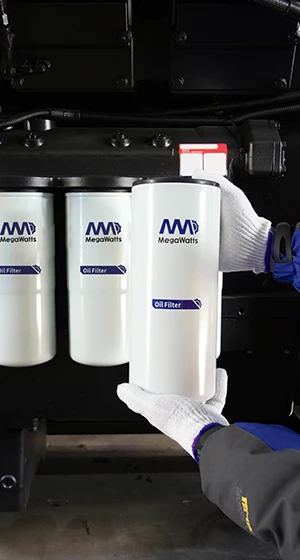
Oil Filters
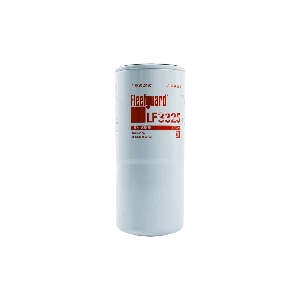
Oil filters remove metal particles, soot, and other impurities from engine oil. As the filter becomes saturated, its ability to protect internal engine components decreases. Replacing oil filters during scheduled maintenance helps maintain proper lubrication and reduces engine wear.
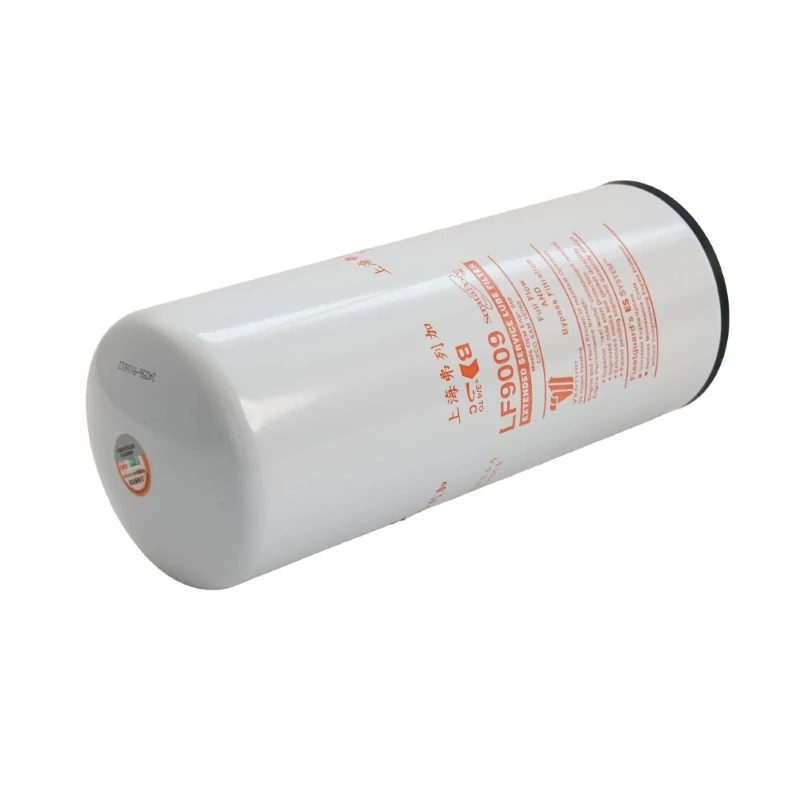
For example, the cummins filtration lf9009 oil lube filter is widely used in Cummins diesel engines such as the 6CTA8.3 series. Designed to provide high-efficiency filtration, it helps remove soot, metal particles, and other contaminants from the lubrication system, ensuring stable oil circulation and protecting critical engine components. Choosing a reliable replacement filter like the cummins filtration lf9009 oil lube filter can significantly improve engine reliability and extend maintenance intervals.
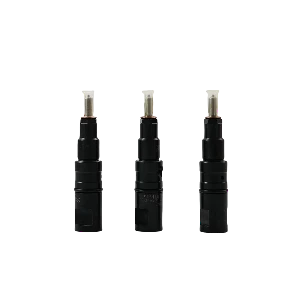
Injectors
Fuel injectors are responsible for delivering precise amounts of fuel into the combustion chamber. Reliable generator fuel injectors ensure proper fuel atomization and optimal engine performance. Carbon deposits, poor fuel quality, and long operating hours can affect injector performance. Faulty injectors may lead to poor fuel atomization, reduced power output, and higher fuel consumption.
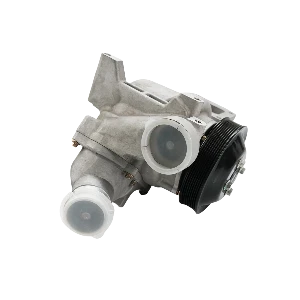
Water Pumps
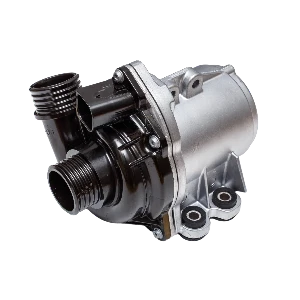
The water pump circulates coolant through the engine to regulate operating temperature. Durable generator water pumps help maintain stable engine cooling and prevent overheating.Over time, pump seals and bearings may wear out, causing leaks or reduced coolant flow. Regular inspection and timely replacement help prevent overheating and protect critical engine components.
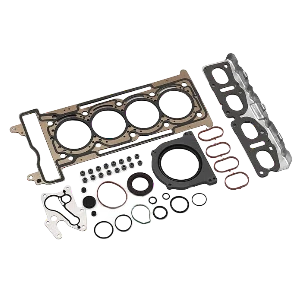
Gaskets
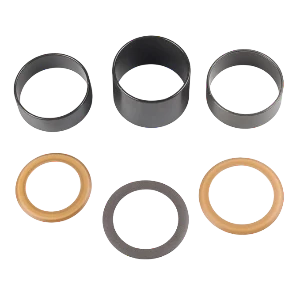
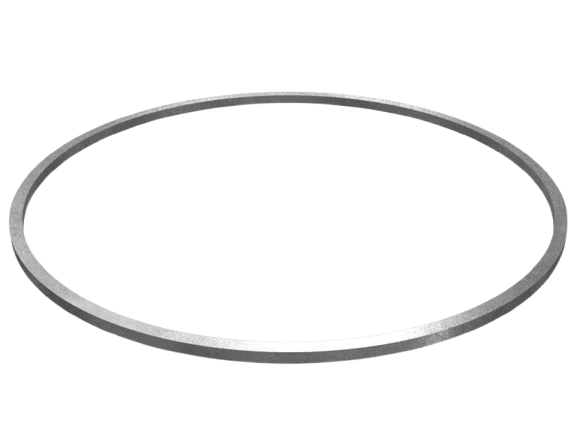
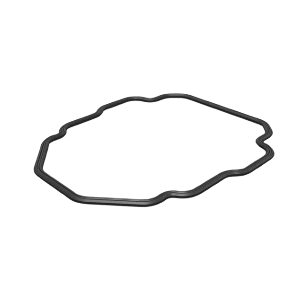
Gaskets seal joints between engine components and prevent leaks of oil, coolant, or combustion gases. Heat cycles and pressure gradually degrade gasket materials. Replacing worn gaskets during maintenance helps maintain engine compression and prevents fluid leakage that could lead to larger mechanical issues.
By monitoring these key generator spare parts and replacing them according to maintenance schedules, operators can significantly improve generator reliability and extend equipment lifespan.
For reliable replacement components, explore our complete range of genset spare parts and generator engine components designed for major engine brands.
Inspection and Diagnostics
Routine Visual Inspections
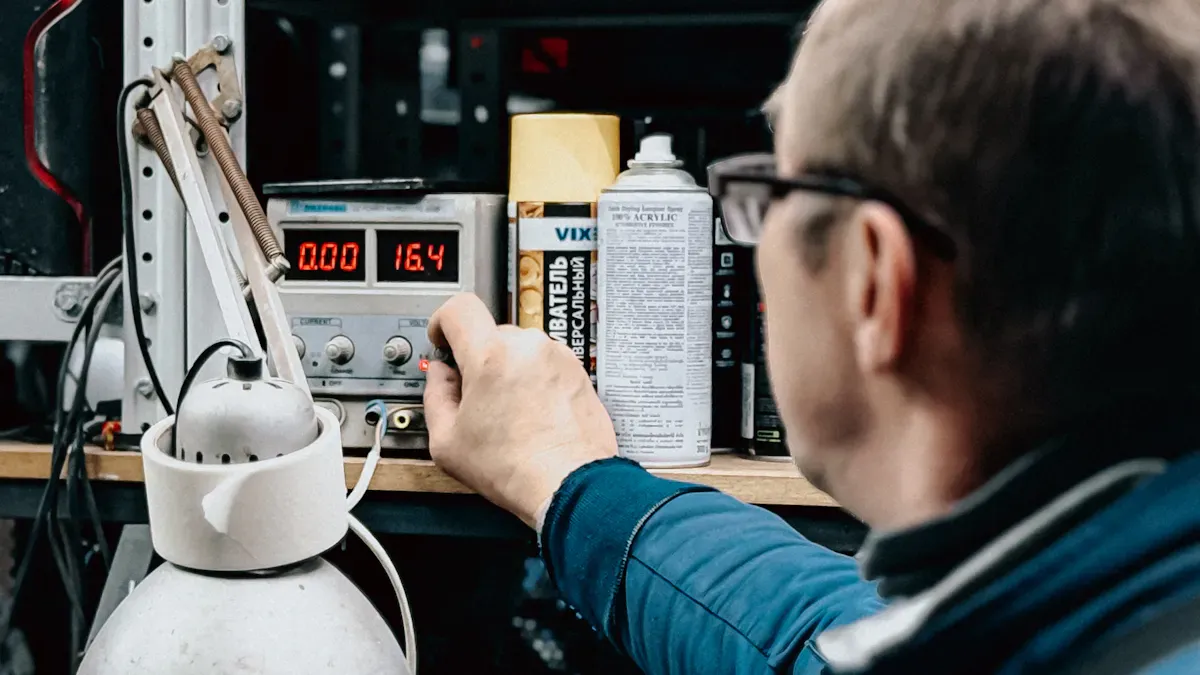
Routine inspections form the foundation of generator reliability. Field engineers conduct comprehensive inspections to identify early signs of wear or damage. Common issues discovered during routine inspections include:
- Mechanical damage, such as tiny cracks in endwindings caused by short-circuit incidents.
- General deficiencies in the stator core, often invisible without close examination.
- Heavy contamination on the core and ventilation ducts, which can obscure the source of problems.
- Core mechanical damage and looseness, indicated by dust generation and component movement.
- Issues with field windings, including coil displacements, contamination buildup, and arcing between conductors.
- Loose wedges, corona damage, and exciter component wear.
Proactively addressing loose wedges and corona damage during routine inspections enhances generator reliability. Targeted solutions prevent minor issues from escalating into major failures. Comprehensive inspections help field engineers maintain operational continuity and avoid costly downtime.
Note: Routine inspections should be scheduled at regular intervals. Neglecting these inspections increases the risk of unexpected generator failures and safety hazards.
Advanced Diagnostic Tools
Diagnostics have evolved beyond basic visual checks. Advanced diagnostic tools now play a critical role in generator maintenance. Vibration monitoring uses sensors to capture real-time data, revealing abnormal patterns that signal mechanical issues. Fast Fourier Transform (FFT) analysis converts vibration data into frequency spectra, allowing us to pinpoint abnormal frequency components. AI-driven diagnostics, powered by neural networks, continuously analyze vibration data and predict failures before they occur. These tools enable field engineers to detect early signs of part wear, reducing the likelihood of unplanned outages.
Data-Driven Wear Tracking
Data-driven wear tracking transforms generator maintenance planning. AI and machine learning analyze generator data to predict failures, ensuring maintenance occurs precisely when needed. Maintenance schedules shift from fixed intervals to condition-based timing, improving accuracy and efficiency. Field engineers rely on comprehensive inspections and diagnostics to collect actionable data, which supports targeted interventions and extends generator lifespan.
- Maintenance planning based on actual equipment condition enhances scheduling accuracy.
- Predictive analytics reduce unnecessary part replacements and optimize resource allocation.
Tip: Integrating data-driven wear tracking with routine inspections and advanced diagnostics creates a robust maintenance strategy. This approach maximizes generator reliability and minimizes operational risks.
Technology in Generator Maintenance
IoT and Remote Monitoring
Generator health monitoring has evolved with the integration of IoT and advanced remote monitoring systems. These technologies provide field engineers with instant access to critical generator data, even from remote or hazardous locations. Real-time generator health monitoring allows for immediate detection of anomalies, such as temperature spikes or voltage irregularities, which can signal early-stage component wear. Automated alerts notify teams when thresholds are breached, enabling swift action before minor issues escalate into major failures. Historical data logging supports long-term performance analysis and helps schedule maintenance based on actual generator usage rather than fixed intervals.
|
Evidence Type |
Description |
|
Real-time Data Monitoring |
Users can view critical metrics instantly, allowing for early detection of anomalies and informed decisions. |
|
Automated Alerts |
Notifications for threshold breaches help prevent minor issues from escalating into major breakdowns. |
|
Historical Data Logging |
Enables performance reviews and preventive maintenance scheduling based on long-term trends. |
|
Reduction in Downtime |
Businesses see a 30–50% reduction in unplanned downtime, contributing to extended diesel generator lifespan. |
|
Decrease in Maintenance Costs |
A 20% decrease in maintenance costs supports more efficient resource allocation for diesel generator upkeep. |
Field engineers who rely on generator health monitoring consistently report fewer emergency repairs and longer generator service life. These systems transform maintenance from a reactive process to a proactive strategy, reducing operational risks and supporting continuous uptime.
Predictive Analytics
Predictive analytics has become a cornerstone of modern generator health monitoring. By analyzing trends in generator performance data, predictive tools can forecast potential faults days or even weeks before they occur. This foresight allows maintenance teams to schedule repairs during planned outages, minimizing disruption and cost. Automated fault detection alerts engineers to emerging issues, integrating seamlessly with generator health monitoring strategies.
- Alerts maintenance teams of potential issues before equipment fails.
- Integrates alerts into a strategy for optimal repair scheduling.
Remote monitoring and predictive analytics together create a robust framework for generator maintenance. These technologies reduce unplanned downtime and extend generator lifespan by ensuring that spare part replacement cycles are based on real-world performance rather than guesswork. Field engineers who embrace these tools gain a significant advantage in reliability, safety, and cost control.
Adapting Strategies for Different Operations
Standby vs. Prime Power
Field engineers must recognize the operational differences between standby and prime power applications. Standby generator units activate only during power outages or emergencies. These units often sit idle for extended periods, which can lead to fuel degradation, battery discharge, and moisture accumulation. Prime power generators, on the other hand, run continuously or for long durations, supporting critical infrastructure or remote sites. These generators experience higher wear rates and require more frequent part cycles. Failure to adjust maintenance strategies for each application can result in unexpected downtime or catastrophic failure during peak demand.
Tip: Always review the operational profile before setting maintenance intervals. Standby units benefit from periodic test runs and fuel checks, while prime power systems demand rigorous inspection schedules and accelerated part replacement.
Environmental and Load Factors
Environmental conditions play a significant role in generator performance and longevity. High humidity, dust, extreme temperatures, and altitude all affect engine cooling, filtration, and electrical systems. For example, generators operating in coastal regions face corrosion risks, while those in mining environments contend with abrasive dust. Load factors also influence maintenance needs. Running a generator at low loads for extended periods can cause wet stacking, while frequent overloads accelerate component fatigue.
- Monitor site-specific risks such as temperature swings or airborne contaminants.
- Adjust maintenance plans to address unique environmental challenges and load profiles.
Customizing spare part replacement cycles
No single maintenance schedule fits every generator. Field engineers must customize part cycles based on operational data, site conditions, and manufacturer recommendations. Data from remote monitoring systems can reveal patterns of wear or early signs of failure. Megawatts provides access to OEM and high-quality aftermarket parts, supporting tailored maintenance strategies with fast shipping and guaranteed fit. Customizing part cycles reduces unnecessary replacements and extends generator service life.
Note: Document all adjustments to spare part replacement cycles and review them regularly. This practice ensures continuous improvement and supports compliance with industry standards.
Building Trust and Authority
Industry Standards and Best Practices
Establishing trust begins with strict adherence to recognized industry standards. Field engineers rely on best practices to ensure every generator operates safely and efficiently. These standards include using OEM guidelines to create initial maintenance schedules and consulting with maintenance teams to tailor plans for specific environments. Regular maintenance is essential for keeping generators ready during power outages. Following manufacturer guidelines supports compliance with local regulations and prevents legal complications. Neglecting maintenance can result in non-compliance, leading to fines or operational risks.
- Use OEM guidelines for maintenance scheduling.
- Consult maintenance teams and consider environmental factors.
- Follow manufacturer recommendations for compliance.
- Perform regular maintenance to ensure generator readiness.
- Avoid legal issues by maintaining compliance.
Leveraging Megawatts Expertise
Megawatts has earned a global reputation for delivering high-quality generator parts that meet or exceed OEM specifications. Their commitment to quality is evident in their guaranteed fit policy, ensuring every part integrates seamlessly with your equipment. Fast shipping and a 90-day return policy provide peace of mind for field engineers who need reliable solutions quickly. The live customer service team offers expert support, helping engineers select the right parts and resolve technical challenges. These offerings reinforce Megawatts’ authority in the industry and support field teams in maintaining operational excellence.
Megawatts’ dedication to quality and customer support helps engineers avoid common pitfalls, such as installation errors or delays in repairs. Their expertise empowers teams to maintain generators with confidence.
Continuous Improvement
Continuous improvement is vital for sustaining high standards in generator maintenance. Structured maintenance plans ensure regular inspections and testing. Advanced monitoring technologies, including remote monitoring and IoT sensors, provide real-time data for informed decision-making. Load testing verifies generator performance under actual conditions. Customizing maintenance plans for specific facilities, such as data centers or healthcare sites, addresses unique operational needs. Maintaining digital records of inspections and repairs supports compliance and enables performance analysis.
- Implement structured maintenance plans.
- Utilize remote monitoring and IoT sensors.
- Conduct load testing for performance verification.
- Customize maintenance for facility-specific needs.
- Maintain digital records for compliance and analysis.
Consistent improvement and adherence to industry standards build trust and authority, ensuring generators deliver reliable power when it matters most.
Field engineers can extend diesel generator lifespan by following these essential steps:
- Keep the generator clean to prevent contamination.
- Replace fuel filters at regular intervals.
- Test the fuel for quality.
- Test the batteries to avoid failures.
- Conduct load bank testing to verify performance.
|
Benefit |
Description |
|
Improved Equipment Availability |
Less downtime through disciplined maintenance. |
|
Reduced Maintenance Costs |
Efficient spare part replacement cycles lower expenses. |
|
Increased Efficiency |
Streamlined processes boost productivity. |
Ongoing learning remains vital. Megawatts supports field engineers with verified parts, expert-led training, and responsive customer service, helping teams achieve reliable operation and maximize diesel generator lifespan.
Previous And Next
-
Previous Post:
 BLOG
BLOG Megawatts BlogIntroducing the components of a diesel engineIntroducing the components of a diesel engine A diesel generator set is a type of internal combustion generator set and is currently one of the most widely used power generation devices in the world....
 -
Next Post:
 BLOG
Megawatts BlogLow Oil Pressure Alarm on Generator: What It Means and What to Check FirstA Low Oil Pressure Alarm signals an urgent problem that demands immediate attention. This alarm serves as a critical warning to protect your generator’s engine from severe damage. Low oil pressu...
BLOG
Megawatts BlogLow Oil Pressure Alarm on Generator: What It Means and What to Check FirstA Low Oil Pressure Alarm signals an urgent problem that demands immediate attention. This alarm serves as a critical warning to protect your generator’s engine from severe damage. Low oil pressu...
Read More
-
 BLOG
Megawatts BlogStrategic Sourcing: How to Build a Standardized Generator Sets Parts Catalog for Mixed FleetsManaging a mixed fleet of Cummins, Perkins, and Caterpillar generators often creates a hidden financial drain through inventory duplication and fragmented procurement. When different brands use differ...
BLOG
Megawatts BlogStrategic Sourcing: How to Build a Standardized Generator Sets Parts Catalog for Mixed FleetsManaging a mixed fleet of Cummins, Perkins, and Caterpillar generators often creates a hidden financial drain through inventory duplication and fragmented procurement. When different brands use differ... -
 BLOG
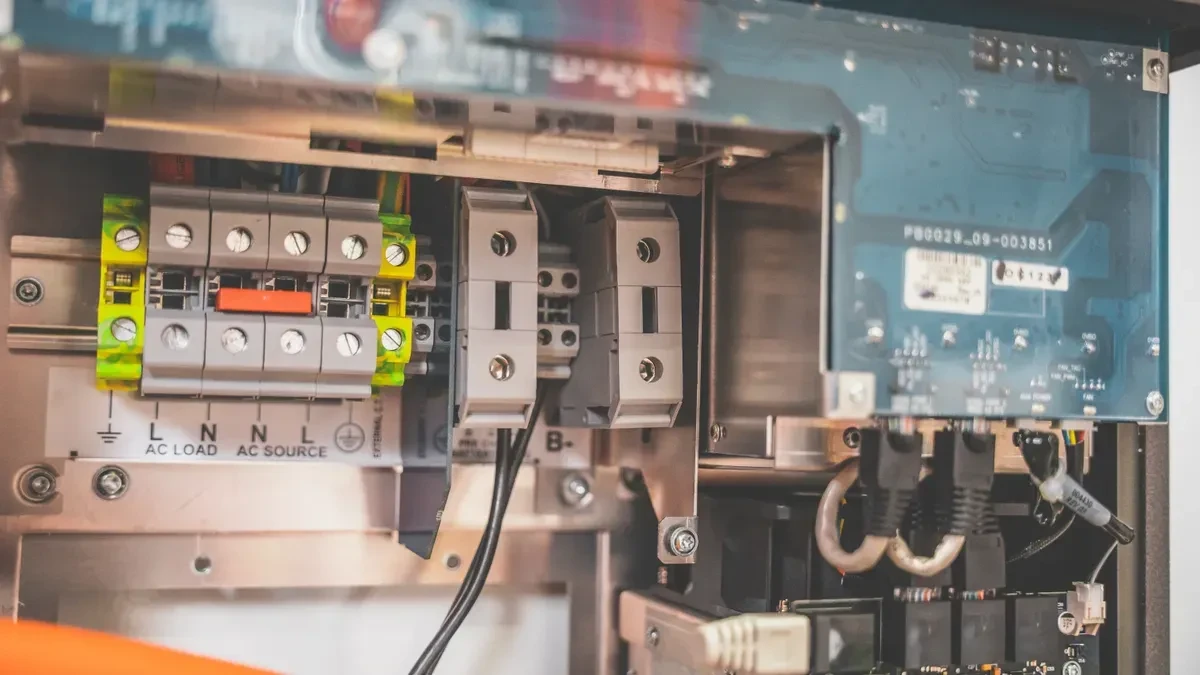
Megawatts BlogDiesel Generator Won't Crank: A Step-by-Step Electrical Diagnostic Checklist for MechanicsWhen a diesel generator won't crank, check the electrical system first. Do not chase fuel or mechanical theories yet. Low battery voltage and corroded connections cause most no-start condition calls....
BLOG
Megawatts BlogDiesel Generator Won't Crank: A Step-by-Step Electrical Diagnostic Checklist for MechanicsWhen a diesel generator won't crank, check the electrical system first. Do not chase fuel or mechanical theories yet. Low battery voltage and corroded connections cause most no-start condition calls.... -
 BLOG
Megawatts BlogMagnetic Coil Degradation: Why Your Diesel Engine Stop Solenoid Fails Under Extreme HeatExtreme heat is the primary enemy of a diesel engine stop solenoid. The heat breaks down the electrical insulation inside the magnetic coil. This degradation raises resistance and creates short circui...
BLOG
Megawatts BlogMagnetic Coil Degradation: Why Your Diesel Engine Stop Solenoid Fails Under Extreme HeatExtreme heat is the primary enemy of a diesel engine stop solenoid. The heat breaks down the electrical insulation inside the magnetic coil. This degradation raises resistance and creates short circui... -
 BLOG
Megawatts BlogThe Hidden Cost of Expired Inventory: Shelf Life and Proper Storage of Rubber Gasket Seal KitsA gasket seal kit sits untouched for five years. You paid for it. Now you pay to dispose of it. When a failure occurs, you pay a premium for emergency replacement. These hidden costs accumulate silent...
BLOG
Megawatts BlogThe Hidden Cost of Expired Inventory: Shelf Life and Proper Storage of Rubber Gasket Seal KitsA gasket seal kit sits untouched for five years. You paid for it. Now you pay to dispose of it. When a failure occurs, you pay a premium for emergency replacement. These hidden costs accumulate silent...
Subscribe to enjoy 10% off
Stay informed about new products and sales

-
INFORMATION
Contact Us
-
CHINA SALES OFFICE: No. 2-11, No. 8, Gaotai Road, Gaishan Investment Zone, Cangshan District, Fuzhou, Fujian
-
SAUDI ARABIA FACTORY: 7264 Shakra, Al Faisaliyyah, REFB3035, 3035, Riyadh 12883
-
COLOMBIA SALES OFFICE: 92-32 26th Street, 03-118, Bogota
-
NIGERIA FACTORY: Plot 5 Chivita Avenue Ajao Estate Isolo Lagos
-
Email:sales@megawattsparts.com
Follow Us


Copyright © 2025 Megawatts All Rights Reserved.



Select Previous Button or Search Directly on Search Bar!
Shop All
 English
Currency: <{ pagedata.current_currency }>(<{ pagedata.current_currency_code }>)
Are you in the right place?

You agree to MegaWatts.com's Terms of Use and Privacy Policy by subscribing. You may receive emails with useful tips, promotions, and offerings.
No, thanks. I'd rather pay full price.