



































Oil Filter Bypass Valves Explained: How Cold Starts Affect Lubrication in Diesel Engines
by Megawatts - Updated At 2026-11-06
Cold oil is thick. It resists flow, so the oil pump works harder and pressure climbs. That pressure spike can push the bypass valve open, and unfiltered oil then travels through the engine. Picture maple syrup poured from a cold bottle: it moves slowly and builds force behind it. This moment matters for engine wear. Bearings need clean oil quickly, and cold mornings delay that delivery. The result is a brief window of reduced protection. Oil Filter Bypass Valves face their hardest test on a winter morning, when a cold start forces the pressure decision before the engine warms. Every winter start repeats this sequence.
Cold Starting And Oil Viscosity

On a cold start, the engine oil pump pulls oil that thickened overnight. That oil does not pass easily through the filtration medium. Pressure builds to a high level, and the bypass valve opens to keep oil moving. This happens on every cold start, whatever grade sits in the sump. The valve is a safety path, and cold starting is when it matters most.
Why Cold Oil Is Thick
Viscosity describes how thick a fluid is and how easily it flows. Warm oil has low viscosity. It moves freely and reaches bearings fast. Cold oil behaves differently. Its viscosity rises, so resistance to flow increases. Fluid dynamics principles dictate that oil thickens in cold conditions, which delays lubrication in the first minutes after ignition. A brief maple syrup comparison helps here: cold oil pours slowly and builds pressure behind it. Conventional oil thickens more than synthetic oil in this situation. Oil with a higher viscosity at startup takes longer to reach the top of the engine. Filter media has small passages, and thick oil passes through them slowly. The pump keeps pushing, and the pressure difference across the media grows. Once that difference exceeds the spring setting, the valve opens. The thicker the oil, the harder the pump must push, and the sooner the bypass valve lifts.
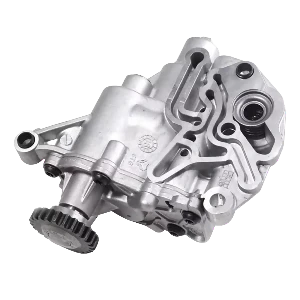
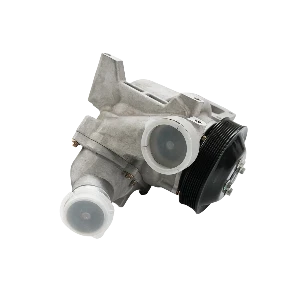
If repeated cold-weather strain has already compromised your pump's internal clearances, installing a robust replacement like the 3966840 Cummins Lubricating Oil Pump for Cummins 10 liter L10 engines will help maintain safe, reliable startup pressures.

When Viscosity Is Significantly Increased
Viscosity is significantly increased at sub-freezing temperatures. Field data shows that conventional motor oil can start to thicken significantly below -20°F, while synthetic oils generally keep flowing down to around -40°F (-40°C). That gap shapes winter behavior. A frigid cold start with conventional oil sends cold, thick oil through the filter, and the valve may stay open longer. Filtration engineering guidelines warn that cold heavy oil can hold the bypass valve open longer, sending more unfiltered oil to the engine. Engine manufacturers rely on the same spring-controlled logic: thick oil raises differential pressure across the valve, and the valve closes only as oil warms. Oil viscosity also affects gauge readings. Standard diagnostic practice notes that colder temperatures can raise oil pressure, yet churning oil may trap air bubbles and pull the gauge lower. During freezing winter mornings, the practical lesson is simple. The valve opens on every cold start regardless of grade. Cold starting with conventional oil simply keeps it open longer. In sub-freezing temperatures, conventional oil is the grade most likely to hold the valve open through warm-up. Freezing temperatures expose that difference clearly. A conventional oil rated for mild winters may not serve a driver in a cold climate. Multi-grade oils are built for this range. FRAM notes that a grade like 5W-30 performs across a wide temperature span, and the number before the W signals cold-weather flow. The viscosity index tells how much an oil changes with temperature. Warm-up also takes longer in winter, so the open period lasts longer too. Firestone Complete Auto Care points out that engines may take longer to reach optimal operating temperature in the winter months. Follow the owner's manual, and the valve does its job briefly instead of staying open through the warm-up.
Winter Demands On The Oil Filter

Flow Versus Filtration
A cold start in frigid weather creates an immediate pressure surge. The engine's oil pump pushes thick oil toward the filter, and the filter must accept that flow while still trapping debris. These two jobs pull against each other. Fine media catches more particles, yet it also restricts flow. Tribology experts explain that filter elements naturally cause flow restriction, and higher restriction produces a higher pressure drop. During a cold start, viscosity rises, so resistance through the element rises with it. The bypass valve becomes the safety path at that point. It opens, oil reaches the bearings, and filtration pauses until the oil thins.
The valve also opens when the filter becomes clogged, not only when oil is cold. A loaded element restricts flow the same way thick oil does. Both conditions raise the pressure difference across the media, and both trigger the same response. This is why a neglected filter behaves like a winter morning every day of the year.
Pressure Surges And Structural Limits
Pressure spikes on startup can push an oil filter to its structural limits. Machinery Lubrication notes that high restriction can open the bypass valve, rupture the filter element, or do both. A rupture is the worse outcome. Oil channels through the cracks, and the contaminants built up on the media can push through all at once. That mass of particles then promotes wear on the machine. Frigid cold starts therefore test the housing, the media, and the bypass valve simultaneously.
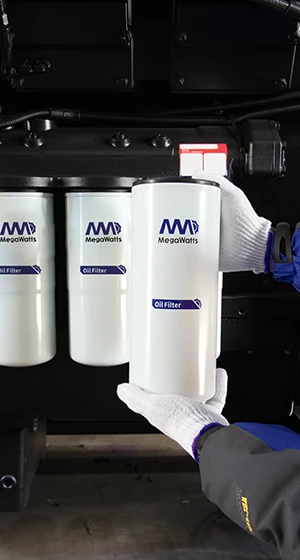
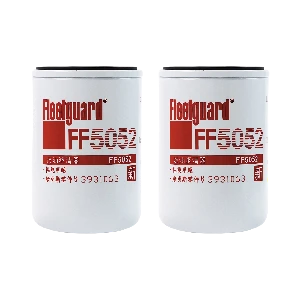
A premium industrial machine oil filter is specifically designed to absorb these surges without damage. The housing holds its shape, the media stays intact, and the valve opens and closes as designed. Freezing temperatures expose weak construction quickly. Drivers who face freezing temperatures each winter should treat filter integrity as a maintenance priority, not an afterthought.
Inside Oil Filter Bypass Valves

The valve has one job. It opens when oil is too cold to flow through the media, or when the filter is clogged, so oil keeps reaching the engine. Think of it as a pressure relief door. When the difference across the element grows too large, the door swings open and flow continues. Oil filter bypass valves therefore protect the engine from oil starvation, even at the cost of short-term filtration.
Structural Integrity Under Pressure
The housing and internals must withstand pressure surges. A cold start sends a wall of thick oil toward the filter, and the element sees the highest pressure difference of its service life. Weak housings can deform. Weak media can tear. Either failure turns a controlled bypass into an uncontrolled leak of dirty oil.
A spring-loaded bypass valve adds a second layer of control. The spring sets the pressure at which the door opens, and it closes again as oil warms and thins. A stiff spring delays opening and raises stress on the media. A soft spring opens early and lets more unfiltered oil through. Good oil filter bypass valves balance these two risks, and that balance defines oil filter functionality in cold weather.
Valving Materials And Filter Media
Construction materials matter. PartCatalog lists steel and plastic construction for a typical engine oil filter bypass valve. Steel holds its shape under pressure spikes. Plastic resists corrosion and keeps weight down. Each material suits a different part of the assembly, and the pairing supports durability across seasons.
The oil filter media shapes how long the valve stays open. Donaldson reports several effects worth knowing:
- Higher restriction: dual-media pack designs can increase pressure loss through the filter, especially during cold starts.
- Reduced protection at startup: cold heavy oil may hold the valve open longer, sending more unfiltered oil to the engine.
- Delayed efficiency: more efficient bypass media carry higher restriction, so most flow initially passes through the lower-efficiency full-flow media.
Donaldson also notes that full-flow filters using Synteq media technology minimize cold start pressure loss. Two-stage designs split flow between two media packs and suffer greater cold start pressure loss. Media choice, in short, decides how often the engine runs with oil bypassing the media.
A failing valve announces itself. FRAM lists oil pressure problems, engine knocking, and unusual noises as common symptoms. PartCatalog adds a low oil pressure warning light, a persistent knocking or ticking at startup, dirty oil circulation from a stuck-open valve, rough idle when cold, visible leaks near the filter housing, and elevated engine temperatures. Any of these signs deserves attention, because a stuck valve quietly undermines the oil pump's work and the oil filter's purpose.
Keeping The Valve Working In Cold
Practical habits keep the valve ready for winter. Match filter quality to your climate. Follow the owner's manual for grade and interval. Perform a routine engine oil filter replacement strictly on schedule, before debris loads the media. Oil filter bypass valves reward this routine. These steps cost little and protect oil filter functionality when freezing temperatures arrive.
Choosing A Quality Oil Filter
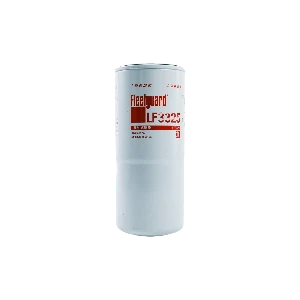
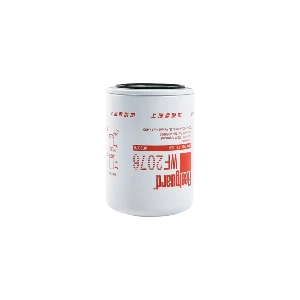
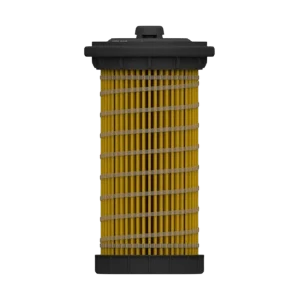
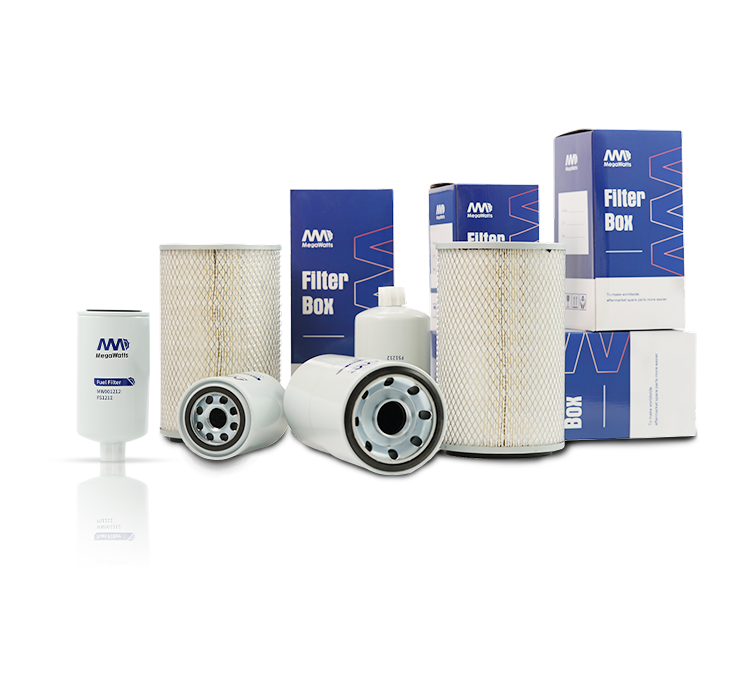
Startup in cold weather sends an initial surge of pressure through the system. Machinery Lubrication warns that this surge can compromise a filter at its weakest point. A blown-out sealing ring, a split crimp, or a burst canister can follow, and any of these can cause catastrophic engine failure. Premium filters are built and tested to withstand real-world pressure spikes. Internal valving matters too. A proper spring-loaded bypass valve lets unfiltered oil reach the engine when the element clogs. Some manufacturers substitute spring steel that may not return to its original shape after cycling, and unfiltered oil then flows for as long as the filter stays in place. Media quality closes the loop. Machinery Lubrication reports that one top-grade filter holds as much as 13 grams of debris, the equivalent of 31 standard paper clips, while still offering minimal resistance to flow. To withstand these winter pressure surges without rupturing, high-quality filtration is essential. Megawatts Parts supplies premium engine filters—such as the Fleetguard LF3325 for Cummins KTA50-G3 engines—engineered with robust, calibrated spring-loaded bypass valves to ensure your engine remains protected even on the most brutal winter mornings.
Does Synthetic Oil Help?
Oil choice matters, yet it cannot fix a bypass problem. At startup, the filter can sit mostly in bypass mode, so the oil is not being filtered regardless of oil brand. Oil choice matters, yet it cannot completely bypass the laws of physics. While synthetic oil maintains its viscosity better in extreme cold—reaching the top of the engine sooner and easing the load on the oil pump—it still passes through the exact same filter media. Because synthetic oil thins faster during warm-up, it shortens the time the bypass valve stays open, though it cannot prevent the initial pressure spike. Conventional oil, conversely, thickens significantly more in deep cold and holds the valve open longer, making it better suited for mild climates. Ultimately, the oil pump must push whatever grade sits in the sump, which is why a high-quality filter is non-negotiable regardless of the oil brand you choose.
A cold start is the highest-pressure moment in the life of an oil filter bypass valve. Thick oil forces the valve open, and a quality filter is the practical winter safeguard. Match filter quality to your climate, and follow the owner's manual for grade and change interval. These two habits carry cold weather engine protection through the season. A well-chosen filter keeps the valve ready, and your engine gets clean oil sooner on every cold morning.
💡Related Technical Issue: Extreme oil viscosity doesn't just threaten your filter during winter. Learn how temperature extremes and suction issues can also lead to oil pump cavitation and aeration in high-hour engines.
FAQ
Is it normal for the bypass valve to open on a cold morning?
Yes. Thick oil resists flow, pressure rises across the media, and the valve lifts to keep oil moving. This happens on every cold start with any grade. The valve closes as oil warms and thins. Brief opening is normal operation, not a fault.
Does synthetic oil stop the valve from opening?
No. Synthetic oil flows better in the cold, yet it still meets resistance at the filter media. The valve opens on every cold start regardless of brand. Synthetic oil shortens the open period by thinning faster during warm-up. It cannot prevent the initial pressure spike.
Can a clogged filter keep the valve open?
Yes. A loaded element restricts flow the same way thick oil does. Both raise the pressure difference across the media, and both trigger the same response. A neglected filter behaves like a winter morning every day. Replace the filter on schedule.
Why does my engine tick on freezing mornings?
A brief tick can come from oil that has not yet reached the top of the engine. Cold oil moves slowly, and the valve may be open, so unfiltered oil circulates first. Persistent knocking after warm-up deserves inspection. Check the filter and the valve.
Is conventional motor oil still acceptable in winter?
It can be, within limits. Conventional oil thickens sooner in deep cold, so the valve may stay open longer during warm-up. Synthetic oil keeps its viscosity better at low temperatures. Follow the owner's manual for the grade your climate requires. Conventional oil suits milder winters.
Read More
-
 BLOG
 Megawatts BlogCharge Air Cooler Leaks: The Hidden Cause of High Exhaust Gas TemperaturesThe fuel filters are fresh, the injectors are clean, and the turbo checks out healthy. Yet exhaust gas temperature keeps climbing. Many technicians chase fuel delivery first, and that instinct often...
-
 BLOG
Megawatts BlogOil Pump Cavitation and Aeration in High-Hour Diesel Engines: Symptoms and SolutionsOil pump cavitation and aeration look alike on a gauge, yet they start differently. Cavitation means vapor bubbles form and collapse inside the pump. Oil aeration means air enters the oil stream and t...
-
 BLOG
Megawatts BlogDiagnosing Generator End Failures: Rotating Diodes and Rectifier Bridge TestingA generator that will not build voltage sends most technicians straight to the exciter circuit. The rotating diodes and the rectifier bridge belong at the top of that list. Both components are testabl...
-
 BLOG
Megawatts BlogMagnetic Pickup (MPU) Sensors: How to Diagnose and Adjust Speed Sensor ClearancesMost speed-sensing faults on Magnetic Pickup (MPU) Sensors trace back to one thing: the air gap between the sensor tip and the target tooth. Diagnosis starts with the symptoms — no signal, errat...
Subscribe to enjoy 10% off
Stay informed about new products and sales

-
INFORMATION
Contact Us
-
CHINA SALES OFFICE: No. 2-11, No. 8, Gaotai Road, Gaishan Investment Zone, Cangshan District, Fuzhou, Fujian
-
SAUDI ARABIA FACTORY: 7264 Shakra, Al Faisaliyyah, REFB3035, 3035, Riyadh 12883
-
COLOMBIA SALES OFFICE: 92-32 26th Street, 03-118, Bogota
-
NIGERIA FACTORY: Plot 5 Chivita Avenue Ajao Estate Isolo Lagos
-
Email:sales@megawattsparts.com
Follow Us


Copyright © 2025 Megawatts All Rights Reserved.



Select Previous Button or Search Directly on Search Bar!
Shop All
 English
Currency: <{ pagedata.current_currency }>(<{ pagedata.current_currency_code }>)
Are you in the right place?

You agree to MegaWatts.com's Terms of Use and Privacy Policy by subscribing. You may receive emails with useful tips, promotions, and offerings.
No, thanks. I'd rather pay full price.