


































Oil Pump Cavitation and Aeration in High-Hour Diesel Engines: Symptoms and Solutions
by Megawatts - Updated At 2026-10-29
Oil pump cavitation and aeration look alike on a gauge, yet they start differently. Cavitation means vapor bubbles form and collapse inside the pump. Oil aeration means air enters the oil stream and turns it compressible and foamy.
High-hour diesel engines invite both problems. Inlet wear, aging seals, and degraded oil weaken the pump's grip on clean, solid fluid.
The stakes are severe. Either condition strips the oil film from main bearings and can end in bearing failure or scored cylinder walls. Experienced technicians treat oil foaming as a quiet warning, not a minor nuisance. This guide gives symptom checklists, root causes, and fix paths for each condition.
Oil Pump Cavitation and Aeration: Key Differences
What Each Condition Is
Cavitation begins with pressure, not with air. When the pressure at the suction side of the pump falls below the vapor pressure of the oil, small vapor cavities form in the fluid. These cavities travel with the flow and collapse violently as pressure rises inside the pump. Each collapse sends a shock wave against metal surfaces. Veteran technicians describe the sound as gravel moving through the housing, and they treat it as a warning of surface pitting and fatigue damage.
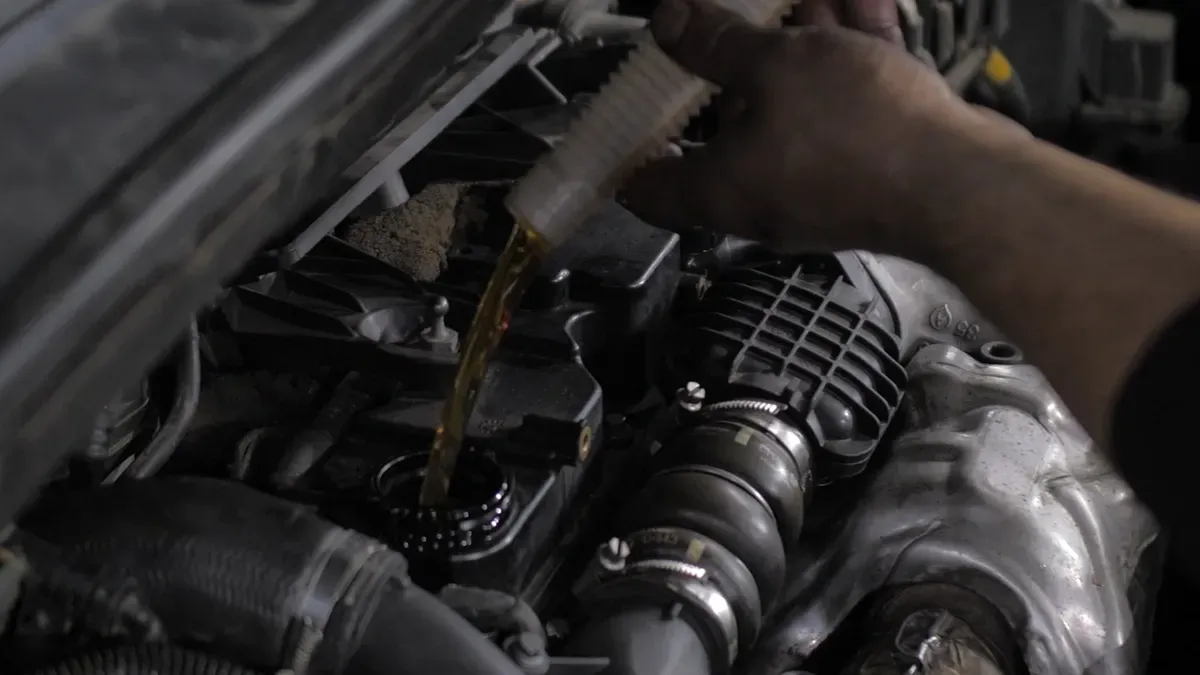
Oil aeration is a different event. Air entering the lubrication system dissolves into the oil or rides along as bubbles, and the result is a foamy, compressible mixture. A pump cannot build firm pressure on a compressible fluid. Output drops, response turns spongy, and oil foaming becomes visible in the reservoir.
The two conditions often appear together. Aeration can escalate into cavitation and pressure loss, especially in high-revving engines. Entrained air lowers the local pressure, vapor cavities follow, and the pump suffers both problems at once. Anyone who asks what is cavitation really asks how to separate vapor collapse from entrained air. The answer sits in the source of the bubbles: vapor from pressure drop, or air from outside the circuit.
Why High-Hour Engines Are at Risk
High-hour diesel engines accumulate wear and contamination in ways that favor both conditions. Inlet wear, aging seals, and degraded oil each reduce the engine's resistance. A worn inlet admits air past clearances that once sealed tight. Aging seals crack and leak at the pump shaft. Degraded oil releases bubbles slowly and lubricates poorly.
Oil condition deserves close attention in high-hour units. The table below summarizes how common degradation modes feed cavitation and aeration.
|
Degradation Mode |
Mechanism |
Link to Cavitation and Aeration |
|
Poor lubrication |
Promotes vapor formation under pressure |
Leads to cavitation, pressure fluctuations, and surface pitting |
|
Fuel dilution |
Unburned diesel lowers viscosity and weakens the film |
Raises wear and pressure instability, favoring vapor cavities |
|
Soot, carbon, sludge |
Restricts flow and raises internal temperatures |
Degrades the film and promotes vapor formation |
|
High-hour, heavy-duty operation |
Increases soot, dilution, and wear debris |
Amplifies risk and demands interval-based maintenance |
Field experience confirms the pattern. The technical team at Megawatts Parts frequently traces repeat bearing failures to a simple pinhole leak in a suction line. When a pump pulls air for weeks, oil foaming goes unnoticed, and the main bearings ultimately pay the price. Such failures are rare, yet they are deadly when they strike. High-hour engines deserve a closer look at the suction line, the oil level, and the oil itself before symptoms escalate.
Cavitation Symptoms, Causes, and Fixes
Symptoms and Root Causes
The signs of cavitation follow a recognizable pattern. Technicians hear an unusual pump noise, a steady high-pitched whine rather than a rattle. Vibration follows, pump performance drops, and oil samples can show air bubbles. A 3516 engine oil pump pulled for inspection displayed exactly this evidence, with bubbles suspended in the sample and erosion on the inlet side.
Hydraulic oil holds roughly 9 percent dissolved air. When the pump is starved of oil, that dissolved air is drawn out and later implodes in high-pressure regions, producing a steady high-pitched whine and internal damage. In early stages this sound is masked in loud plants unless an ultrasonic sensor is used, which can detect the super-high-frequency emissions before damage progresses.
The causes of cavitation center on the suction side of the pump. A plugged suction strainer, a collapsed hose, or an undersized suction line starves the inlet and drops pressure below the oil's vapor point. Excessive pump speed is the second common driver. Extreme oil temperatures, hot or cold, let vapor cavities form with less pressure drop. Cold oil raises viscosity and resists flow; hot oil thins and releases vapor easily.
Repair and Prevention
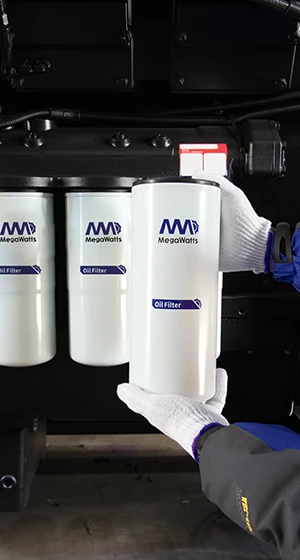
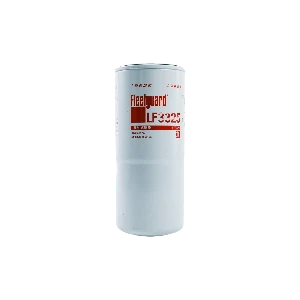
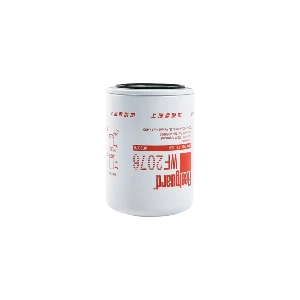
Repair starts with the suction path. Clean or replace a plugged suction strainer and your engine oil filter, then confirm the suction line is clear, correctly sized, and free of soft spots that collapse under vacuum. Reduce pump speed where the drive ratio allows. Bring oil temperature into its normal operating band before loading the engine, and hold the oil level at the full mark.
Prevention rewards routine attention. Inspect the suction line at every service interval, verify strainer condition, and check oil viscosity against the specification. In fact, most cavitation cases trace back to a single overlooked component: a plugged strainer. Early detection through oil analysis catches bubbles before the pump erodes. Left alone, cavitation pits the inlet, spreads debris through the circuit, and threatens the main bearings and cylinder walls. Treat a new whine as a stop signal, not background noise.
Oil Aeration Symptoms, Causes, and Fixes
Symptoms and Root Causes
Aeration announces itself through sound and feel. Drivers report a high-pitched whining sound from the pump area, followed by spongy cylinder response and a pressure gauge that sags under load. The reservoir tells the rest of the story. Foaming appears at the surface, the oil turns cloudy, and output falls as entrained air makes the fluid compressible.
The causes of aeration trace back to three sources. A worn or faulty pump draws air past clearances that should seal. An air leak in the suction line admits bubbles directly into the stream. Incorrect oil viscosity compounds both problems, because thin oil releases air quickly and thick oil traps it. Excessive air entering the lubrication system does more than soften pressure. It promotes rust on internal surfaces, encourages oil leakage past seals, and accelerates oil degradation.
Most severe aeration cases begin simply as a loose clamp or a cracked fitting on the suction side. The bubbles are invisible until foaming starts, and by then the bearings have run on foam for hours.
Repair and Prevention
Repair follows the source. Reseal every joint on the suction line with fresh O-rings and gasket seals, replace cracked hoses, and tighten clamps to specification. Test the pump for internal wear, then repair or replace it when clearances exceed limits. Choose a high-quality oil with good anti-foaming properties, confirm the correct viscosity for the ambient temperature, and hold the level at the full mark.
Prevention depends on routine inspection. Check the suction path at every service interval, because a small air in the suction line grows into a serious fault. Watch for the early high-pitched whining sound and treat it as a stop signal. The root cause of oil foaming is almost always found on the intake side, not inside the pump. Left unchecked, the aeration of the pump erodes output, damages bearings, and shortens the life of the entire lubrication system. Catching the causes of oil foaming early keeps oil foaming from becoming bearing failure, and it protects the pump from a full rebuild.
Diagnosing Cavitation or Aeration
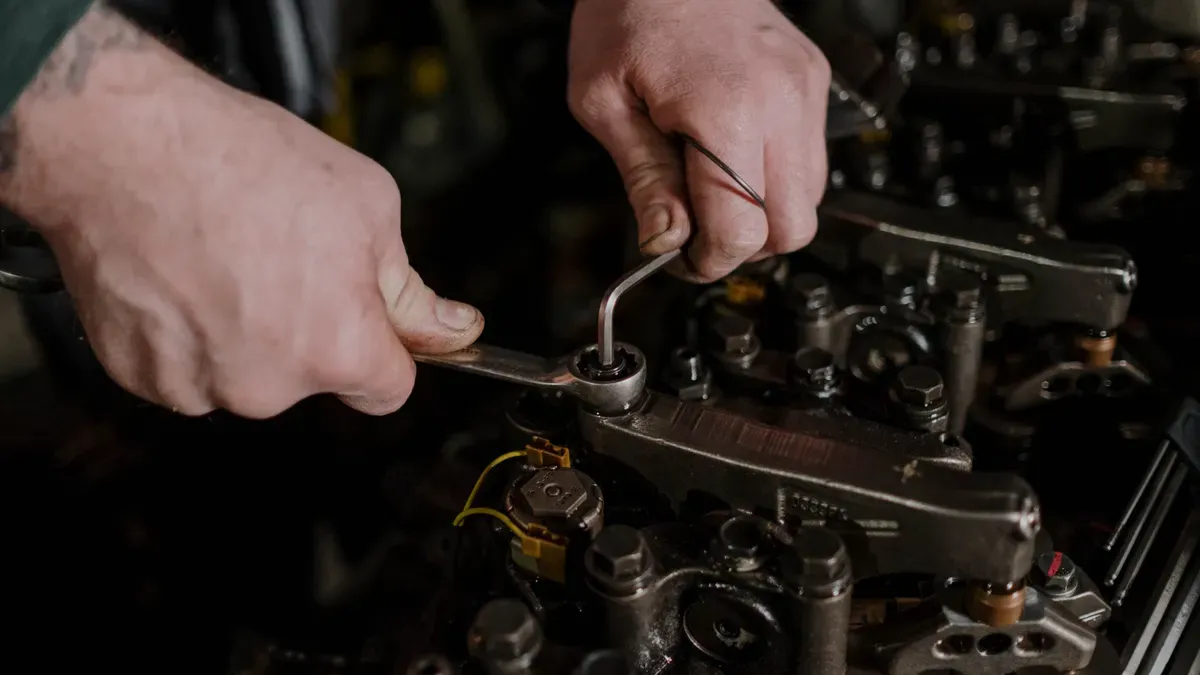
Diagnostic Steps
A structured sequence separates cavitation or aeration quickly. Start at the suction side. Inspect the suction line for loose clamps, cracked fittings, and collapsed hose sections. Check the strainer for blockage. These checks catch most air entry points before any part comes off the engine.
Move next to the oil itself. Confirm the level sits at the full mark, verify viscosity against the specification, and bring temperature into its normal band. Thin or thick oil changes how readily the pump releases vapor and entrained air.
Evaluate the pump last. Measure internal clearances, review drive speed, and listen for the whine that signals trouble. Confirm findings with oil analysis. Bubbles in a sample point to cavitation, while elevated air content points to aeration. This troubleshooting order saves time and parts.
Parts and Overhaul Path
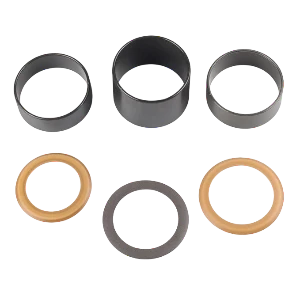
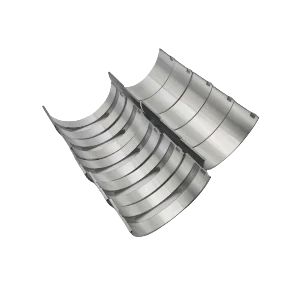
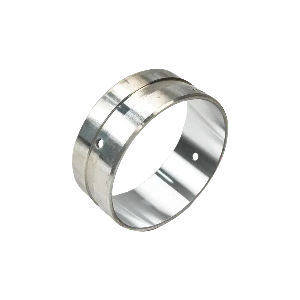
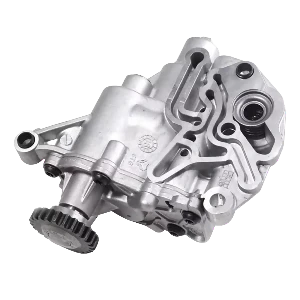
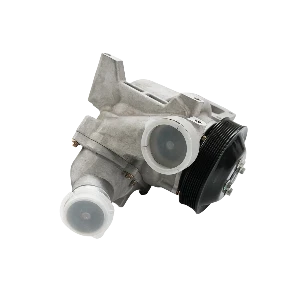
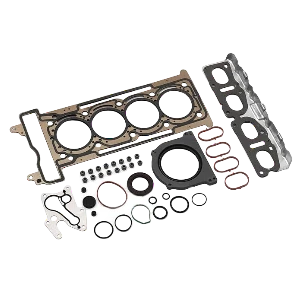
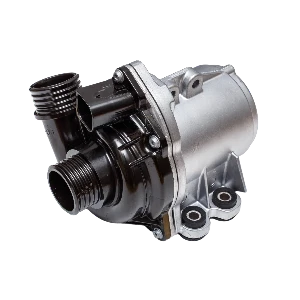
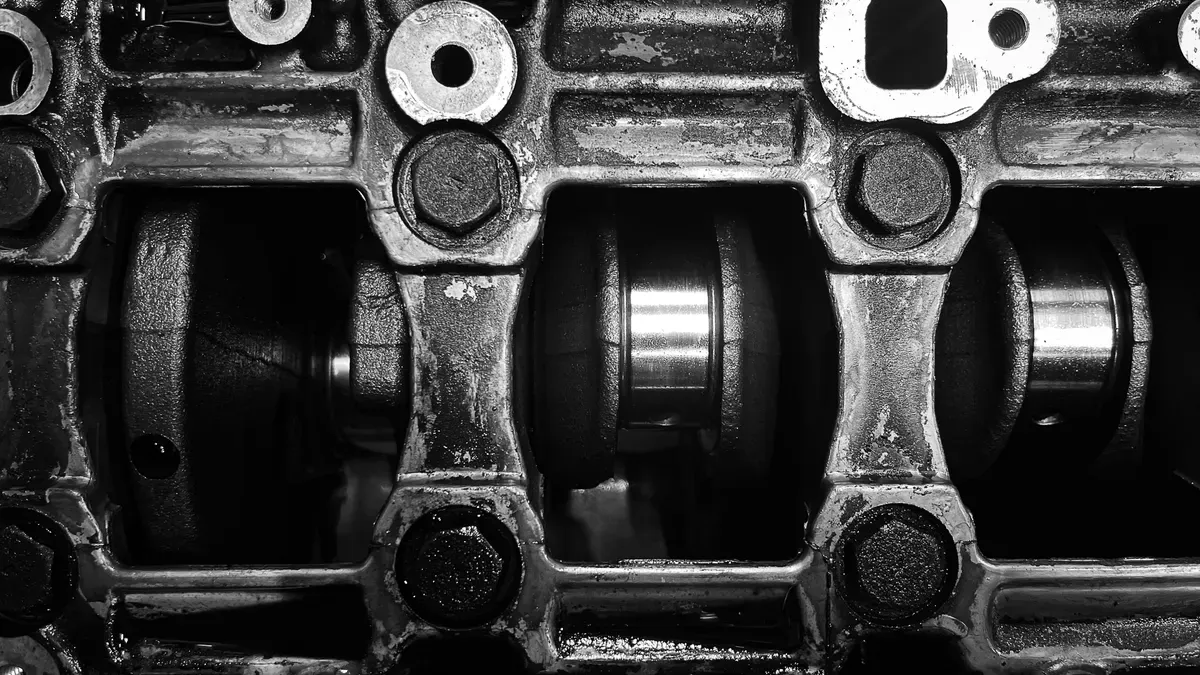
Worn pumps are a common aeration source, so weigh oil pump replacement against main bearing inspection in the same decision. When damage has spread, overhaul kits cover bearings and seals together.
Megawatts Parts supplies aftermarket oil pumps, main engine bearings, and overhaul kits for Cummins, Perkins, Caterpillar, Volvo, Weichai, and Yanmar. Genuine options suit heavy-duty cycles and original specifications. Alternative options fit tighter budgets and lighter duty. Both meet or exceed OEM specifications, and each fits a different application. Match the choice to duty cycle, not to habit.
Cavitation is vapor collapse inside the pump; oil aeration is outside air turning the oil compressible. Both starve main bearings, yet each has a distinct root cause.
Diagnose in order. Check suction restrictions and suction line leaks first, then oil viscosity and level, then pump condition. This sequence catches most oil foaming sources early.
Act before failure. Inspect the pump, verify suction integrity, confirm viscosity, and assess main bearings. Remember that suction-side leaks drive most oil foaming cases. Oil analysis detects bubbles early, protects bearings, and prevents a full overhaul.
Strategic Insight: Catching these early signs of aeration and cavitation is a key part of reducing your fleet maintenance TCO and hidden logistics costs.
FAQ
How can I tell oil pump cavitation and aeration apart?
Listen for the difference in behavior. Cavitation produces a sharp rattle from vapor collapse inside the pump. Aeration turns the oil foamy and compressible, so pressure sags and response feels spongy. Oil analysis confirms the split: vapor bubbles point one way, entrained air the other.
What causes oil foaming in a high-hour diesel engine?
Most cases trace to the intake side. A loose clamp or cracked fitting lets air into the suction line. A worn pump draws air past clearances that once sealed. Incorrect viscosity makes the oil release or trap air. Oil foaming rarely starts inside the pump itself.
Can oil foaming damage main bearings before any warning?
Yes, and the damage is quiet. Foam cannot carry load, so the oil film collapses under pressure. Bearings run metal to metal within hours. Experienced advisors treat a new whine as a stop signal. Oil analysis catches bubbles long before a gauge moves.
How do I check the suction side during service?
Inspect every joint on the suction line for loose clamps and cracked fittings. Confirm the strainer is clear and the hose does not collapse under vacuum. Verify the oil level and viscosity against specification. These checks catch most air entry points before parts come off the engine.
When should I replace the pump instead of resealing it?
Measure internal clearances first. A pump within limits often needs only new seals and a tight suction path. Clearances beyond specification call for replacement. Weigh that decision against main bearing inspection, since a worn pump and bearing wear often travel together.
Read More
-
 BLOG
 Megawatts BlogDiagnosing Generator End Failures: Rotating Diodes and Rectifier Bridge TestingA generator that will not build voltage sends most technicians straight to the exciter circuit. The rotating diodes and the rectifier bridge belong at the top of that list. Both components are testabl...
-
 BLOG
Megawatts BlogMagnetic Pickup (MPU) Sensors: How to Diagnose and Adjust Speed Sensor ClearancesMost speed-sensing faults on Magnetic Pickup (MPU) Sensors trace back to one thing: the air gap between the sensor tip and the target tooth. Diagnosis starts with the symptoms — no signal, errat...
-
 BLOG
Megawatts BlogTier 4 Final & Common Rail Systems: Why Micro-Contamination Destroys Modern Diesel InjectorsMicro-contamination destroys modern diesel injectors because Tier 4 Final common rail systems run at extreme pressure with micron-level tolerances. Debris that bypasses filtration scores precision com...
-
 BLOG
Megawatts BlogJIT Inventory vs. Safety Stock: Balancing Capital and Risk in Generator MaintenanceThe right approach is a deliberate, risk-based balance between JIT inventory and safety stock, not a pure companywide choice. Can you afford to tie up cash in every spare part, or risk a costly outage...
Subscribe to enjoy 10% off
Stay informed about new products and sales

-
INFORMATION
Contact Us
-
CHINA SALES OFFICE: No. 2-11, No. 8, Gaotai Road, Gaishan Investment Zone, Cangshan District, Fuzhou, Fujian
-
SAUDI ARABIA FACTORY: 7264 Shakra, Al Faisaliyyah, REFB3035, 3035, Riyadh 12883
-
COLOMBIA SALES OFFICE: 92-32 26th Street, 03-118, Bogota
-
NIGERIA FACTORY: Plot 5 Chivita Avenue Ajao Estate Isolo Lagos
-
Email:sales@megawattsparts.com
Follow Us


Copyright © 2025 Megawatts All Rights Reserved.



Select Previous Button or Search Directly on Search Bar!
Shop All
 English
Currency: <{ pagedata.current_currency }>(<{ pagedata.current_currency_code }>)
Are you in the right place?

You agree to MegaWatts.com's Terms of Use and Privacy Policy by subscribing. You may receive emails with useful tips, promotions, and offerings.
No, thanks. I'd rather pay full price.