









































Prevent Engine Overheating: How to Choose the Right Thermostat for Cummins and Perkins Systems
by Megawatts - Updated At 2026-02-10
Poor temperature control in diesel engines often stems from choosing the wrong thermostat, leading to inefficient cooling and potential engine failure. For Cummins and Perkins systems, precise component alignment is the key to preventing costly downtime. Utilizing premium aftermarket parts that satisfy rigorous quality standards provides a dependable safeguard for your machinery. Following expert-vetted maintenance protocols ensures your equipment stays running smoothly when it matters most.
Why Thermostats Prevent Engine Overheating
Engine Performance and Reliability
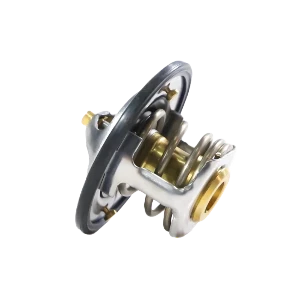
A thermostat is the heartbeat of thermal management in Cummins and Perkins engines. It acts as a gatekeeper for the cooling system, regulating the flow of coolant to maintain the proper temperature range. When the engine starts, the thermostat remains closed, allowing the engine to reach optimal operating temperature quickly. This process reduces excessive fuel consumption and ensures efficient combustion. When a thermostat fails and sticks closed, it traps heat inside the engine block, leading to warped cylinder heads and expensive repairs that could have been easily avoided.
Note: The thermostat is the engine's primary defense against overheating; once it fails to open, the cooling cycle breaks down immediately.
|
Function |
Description |
|
Temperature Regulation |
Maintains optimal engine temperature by controlling coolant flow. |
|
Bypass Shut-off Device |
Prevents unregulated coolant flow, ensuring efficient heat dissipation. |
|
Warm-up Efficiency |
Circulates coolant in a small loop to quickly raise engine temperature during start-up. |
In Cummins diesel engines, the cooling system thermostat is typically installed at the coolant outlet. This placement allows for easy access during maintenance and replacement. A properly functioning thermostat is essential for both performance and longevity. If the thermostat fails to open, the engine can overheat rapidly, risking damage to critical components. If it sticks open, the engine may run too cool, leading to poor efficiency and increased wear.
Common Temperature Ratings
Selecting the correct temperature rating is essential for ensuring that Cummins and Perkins engines reach their optimal operating conditions quickly and maintain thermal stability. These specific opening temperatures are designed to support efficient combustion and proper cooling cycles.
|
Engine |
Thermostat Opening Temperature |
Fahrenheit |
Celsius |
|
Cummins |
180 degrees |
180°F |
82°C |
|
Perkins |
71 degrees |
N/A |
71°C |
Precise temperature management directly impacts engine longevity and performance. While higher coolant temperatures can improve torque and optimize fuel consumption, maintaining the correct cylinder liner temperature is vital for protecting the engine during low-load operations. Using a thermostat with the manufacturer-recommended rating ensures the cooling system remains synchronized with the engine's mechanical demands.
Material Quality and Durability
Material selection directly impacts the reliability of a Cummins diesel engine cooling system. High-quality thermostats use corrosion-resistant metals and robust seals. These materials withstand constant exposure to coolant and extreme temperature fluctuations. Inferior materials can degrade, leading to leaks or stuck valves that disrupt coolant flow.
A real-world scenario illustrates this risk. An operator installed a low-grade thermostat in a Cummins generator. Within months, the valve corroded, restricting coolant movement. The engine overheated, resulting in costly downtime and repairs. Durable construction prevents such failures and extends the service life of the diesel engine cooling system.
When sourcing thermostats, prioritize suppliers who guarantee OEM-level quality and proven durability. Megawatts offers cummins thermostat and Cummins-compatible thermostats designed for long-term performance in demanding environments. Reliable parts ensure stable coolant flow, protect the engine, and maintain the integrity of the entire cooling system.
OEM vs. Aftermarket Options
valuating the choice between OEM and aftermarket thermostats is essential for maintaining engine integrity. High-quality aftermarket thermostats, such as those provided by Megawatts, are engineered to meet or exceed OEM specifications. our components effectively maintain ideal engine temperatures, maximize power output, and provide a robust defense against excessive mechanical wear.
|
Advantage |
Description |
|
Improved Engine Performance |
High-quality thermostats maintain the ideal engine temperature, maximizing power output and torque. |
|
Enhanced Fuel Efficiency |
Precise thermostats improve fuel efficiency by allowing the engine to reach optimal temperature faster. |
|
Protection Against Engine Wear |
High-performing thermostats help prevent excessive wear by ensuring the engine operates within the recommended temperature range. |
Relying on trusted brands ensures a guaranteed fit and consistent cooling performance, offering confidence in the engine's operational efficiency. For long-term engine health, it is a best practice to select thermostats from reputable sources and always verify compatibility through the Engine Serial Number (ESN).
The 3629205-20 Thermostat for operators using Cummins QSK45/CM500 series engines, we recommend the 3629205-20 Cummins Thermostat. This high-performance component is built with premium, corrosion-resistant metals and precision-engineered seals. It ensures a guaranteed fit and stable coolant flow, providing the ultimate defense against the severe thermal stress and "thermal lock-up" that can lead to catastrophic engine failure.
How to Choose the Right Thermostat
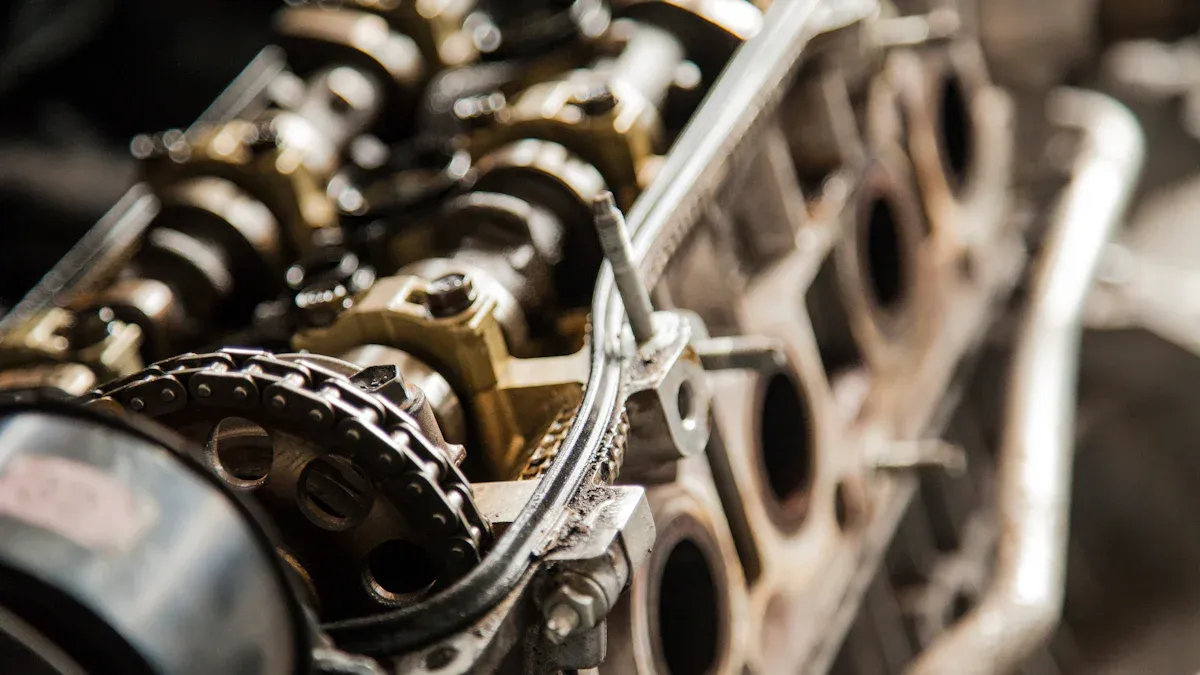
Selecting Your Thermostat: Critical Performance Benchmarks
Selecting the right thermostat for a Cummins or Perkins engine requires balancing technical precision with environmental realities. To ensure long-term reliability, focus on these four pillars:
- Precision Matching via ESN: The most reliable way to eliminate guesswork is to cross-reference the Engine Serial Number (ESN). This ensures every technical specification—from opening temperature to physical dimensions—aligns perfectly with the manufacturer’s design.
- Climate-Responsive Ratings: Thermal needs are rarely "one size fits all". Engines in frigid climates require thermostats that prioritize rapid warm-up , while those in high-heat environments need lower opening thresholds to maximize cooling flow.
- Adherence to Technical Specs: Using generic alternatives is a common pitfall. Always consult the technical manual to ensure the thermostat’s flow capacity and response time are in total sync with the cooling system's demands.
- Premium Materials, Superior Seals: High-quality thermostats utilize corrosion-resistant metals and durable seals to withstand harsh diesel engine conditions and maintain steady coolant flow. In contrast, inferior materials are prone to corrosion, which can cause valves to stick and lead to catastrophic engine overheating.
- Trusted Component Sourcing: Maintaining a generator set shouldn't be a gamble. Opting for high-performance solutions—like those in the Megawatts thermostat collection—provides a reliable alternative to original parts that meet or exceed OEM standards.
Pro-Tip: Overlooking the engine’s unique serial number or environmental workload is a fast track to chronic overheating. Investing in a precision-matched part today prevents the sting of avoidable repair bills tomorrow.
Compatibility and Serial Number Verification
Precision is the most effective safeguard against installation errors. Relying on the Engine Serial Number (ESN) eliminates guesswork, ensuring the selected thermostat matches the exact model's temperature rating, physical dimensions, and flow design. This verification process confirms that the component will synchronize perfectly with the existing cooling system layout to regulate coolant flow as intended.
To achieve optimal performance, follow these essential validation steps:
- Leverage the ESN: Use the engine serial number to match the thermostat to the specific model requirements.
- Evaluate Environment: Match the temperature rating to the actual operating climate and workload.
- Consult Technical Standards: Adhere to manufacturer guidelines and industry best practices for every installation.
- Source Guaranteed Fitment: Select high-performance parts from Megawatts, where products are engineered for a guaranteed fit and reliable service life.
Always match the thermostat to the engine’s make, model, and year. Whether you are looking for a high-performance thermostat for 5.9 Cummins engines or cooling solutions for heavy-duty industrial sets, prioritizing OEM-spec precision is essential to prevent localized overheating and maintain fuel efficiency.For Cummins diesel engines, the most common ratings are 165°F (74°C) and 180°F (82°C). The lower rating suits light-duty or cooler environments, while the higher rating is standard for heavy-duty or warmer conditions. Confirm that the thermostat fits the housing and integrates with the cooling system without modification.
Skipping these verification steps invites operational risk. An incorrectly specified thermostat may fail to regulate thermal cycles, causing engines to either overheat or run too cold. Both extremes lead to accelerated wear, reduced fuel efficiency, and avoidable mechanical stress. Prioritizing manufacturer-aligned specifications is the only way to protect equipment longevity and maintain fail-safe performance.
Thermostat Troubleshooting and Replacement
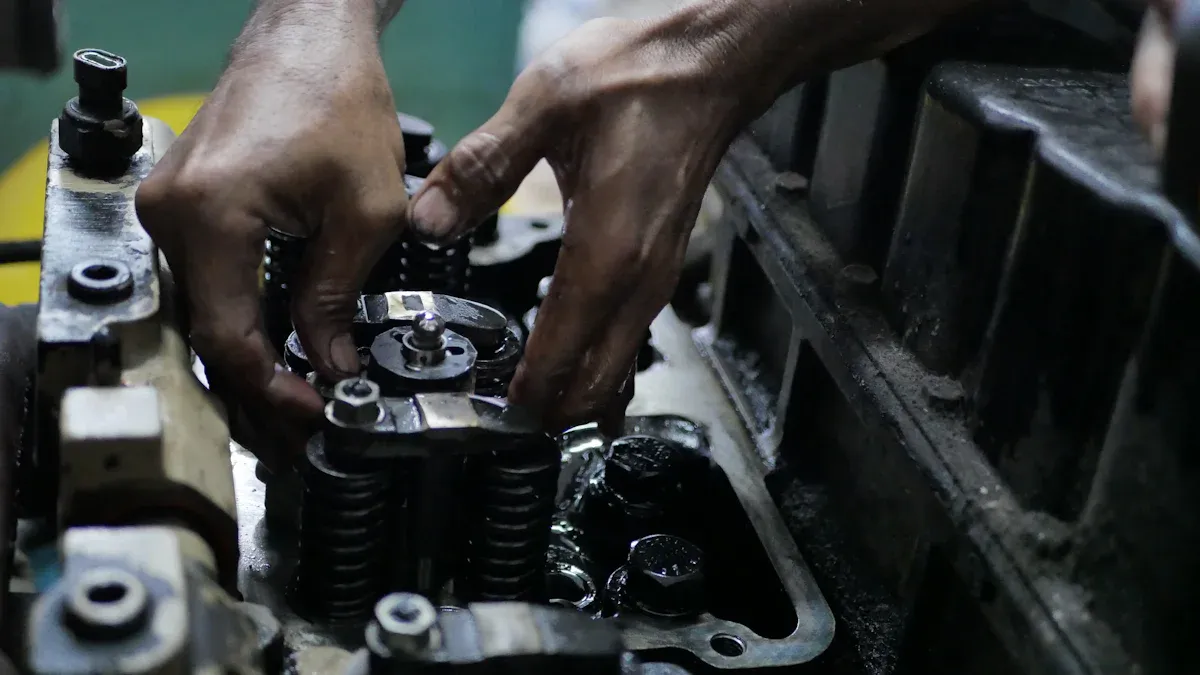
Detecting Early Warning Signs
When Cummins or Perkins engines begin to run hot, the thermostat is often the primary suspect. If the internal valve fails to open, the cooling cycle effectively becomes "paralyzed," trapping intense heat within the engine block while the radiator remains cool to the touch. This breakdown in circulation causes rapid temperature spikes and, in severe cases, steam escaping from the water outlet. Identifying these red flags early is the final line of defense against catastrophic cylinder head warping or total engine seizure.
Regular "health checks" of the cooling circuit allow operators to intercept failures before they escalate. Typical indicators of a compromised thermostat include:
- Thermal Lock-up: A thermostat stuck in the closed position traps scorching coolant inside the engine, preventing essential heat exchange.
- Circulation Failure: Without a path to the radiator, the cooling system loses its ability to shed heat, leading to a linear and rapid rise in engine temperature.
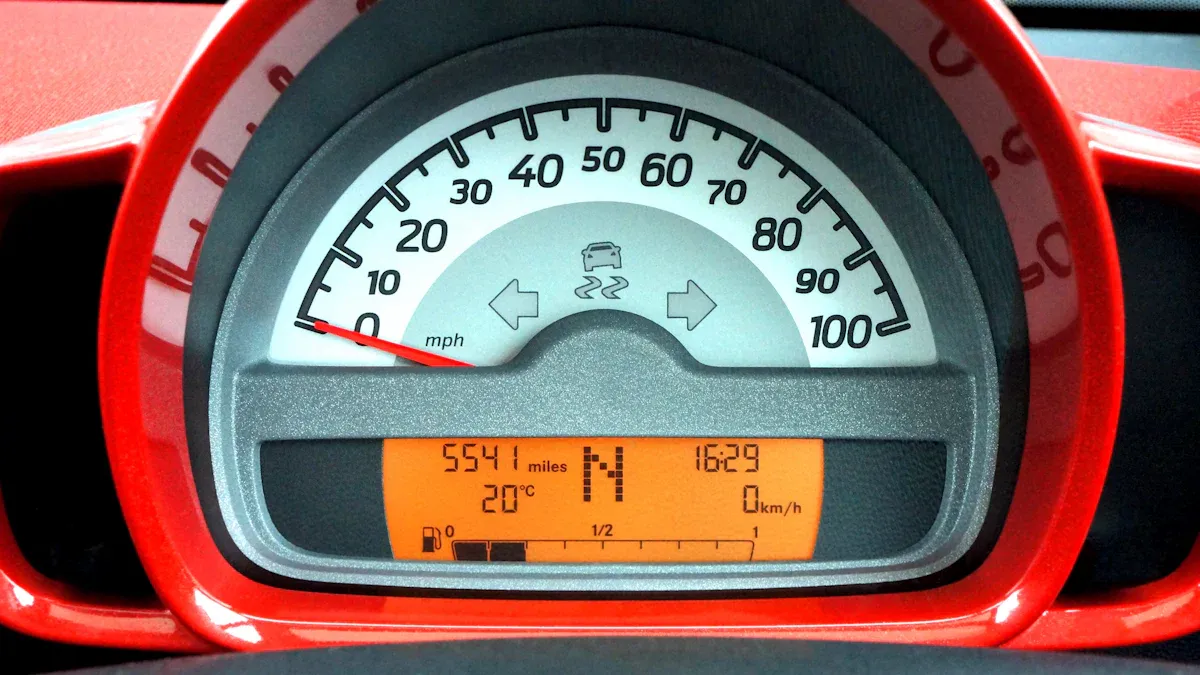
- Erratic Gauge Readings: Unstable or fluctuating temperature displays often signal that the cooling loop has lost its equilibrium.
- Pressure Alarms: Visible steam or coolant leaks at the outlet are often the system's final warning that internal pressure has reached a critical limit.
Replacement Intervals and Best Practices
To protect engine life, a disciplined cooling system service schedule is essential, requiring a thorough thermostat inspection during every maintenance interval and immediate replacement at the first sign of trouble. Swapping out the seal and gasket along with the thermostat as a complete set is a vital best practice to block leaks and keep cooling water flowing exactly as intended. By regularly testing for blockages and ensuring the thermostat maintains a normal working temperature, you can prevent the heat buildup and wear that otherwise cut an engine's life short. For the best results, always treat the thermostat, gasket and seal kit as a single unit—replacing them together ensures the system stays reliable and your engine stays cool.
Installation and Maintenance Tips
Proper installation and regular maintenance of the thermostat are essential to prevent engine overheating. Follow these steps to ensure optimal performance:
- Allow the engine to cool completely before starting any work on the cooling system.
- Drain the coolant to a safe level below the thermostat housing.
- Remove the housing and extract the old thermostat. Inspect for signs of corrosion, sticking, or damage.
- Clean the housing and mating surfaces thoroughly to prevent leaks.
- Install the new thermostat, ensuring correct orientation and seating.
- Replace the gasket or seal as required to maintain a tight fit.
- Reassemble the housing and refill the cooling system with the recommended coolant.
- Bleed air from the system to prevent air pockets, which can cause overheating.
- Start the engine and monitor temperature readings to confirm proper operation.
Thermostats should be inspected at least once a year. Engines operating in harsh environments or under heavy loads may require more frequent checks. Regular inspection helps identify early signs of malfunction, such as sticking valves or corrosion, which can lead to overheating if left unaddressed.
Regular maintenance of thermostats ensures proper coolant flow and temperature regulation. In marine diesel engines, for example, the thermostat’s role in controlling coolant movement directly prevents excessive heat buildup. A malfunctioning thermostat can either cause or indicate engine overheating, highlighting the importance of scheduled checks.
Operators should also maintain proper coolant levels and inspect for leaks or blockages in the cooling system. These practices, combined with quality parts from trusted suppliers like our brand, Megawatts, significantly reduce the risk of overheating and extend the service life of Cummins and Perkins diesel engines.
Note: Consistent maintenance and the use of high-quality thermostats are proven methods to prevent engine overheating and protect valuable equipment.
Preventing engine overheating in Cummins and Perkins engines requires a disciplined approach. Follow these best practices:
- Inspect and top up coolant regularly, checking for leaks.
- Replace worn components and clean the radiator to maintain cooling efficiency.
- Use antifreeze to prevent scaling, especially in hard water regions.
Routine checks and quality thermostats help avoid rapid temperature spikes and unexpected shutdowns. For reliable parts and expert support, trust Megawatts part to keep your generator systems running at peak performance.
Previous And Next
-
Previous Post:
 BLOG
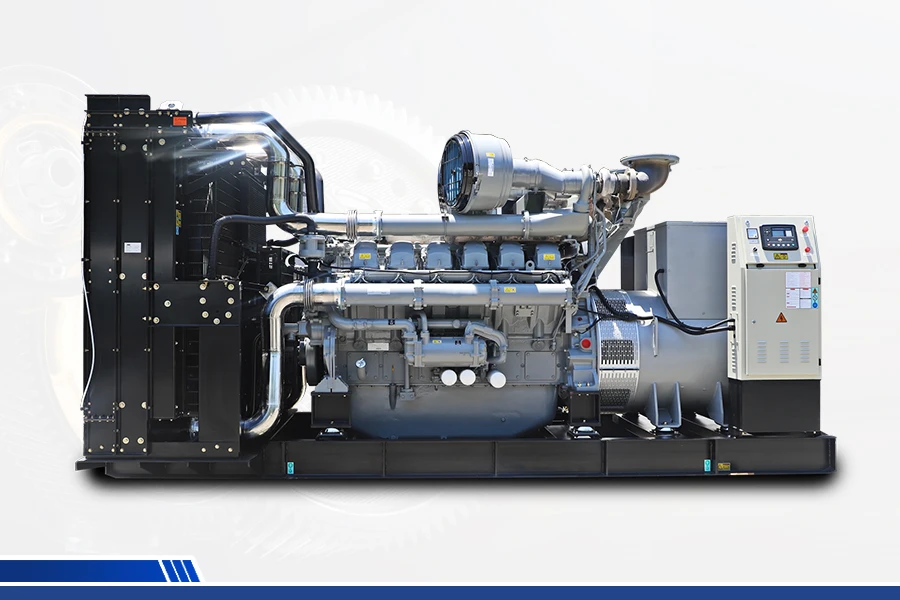
BLOG Megawatts BlogIntroducing the components of a diesel engineIntroducing the components of a diesel engine A diesel generator set is a type of internal combustion generator set and is currently one of the most widely used power generation devices in the world....
 -
Next Post:
 BLOG
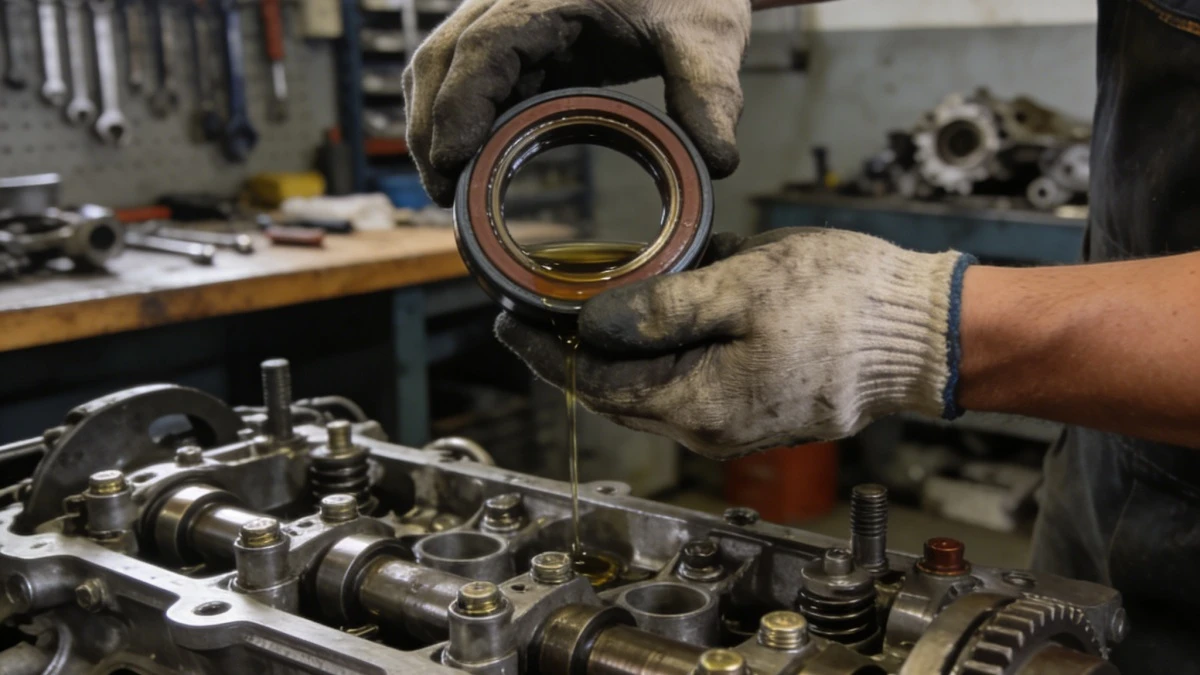
Megawatts BlogPreventing Catastrophic Engine Failure: The Importance of Proactive oil seal ReplacementIn industrial and heavy-duty applications, engine oil seals help control oil loss and contamination, both of which are common contributors to lubrication-related engine failures. Neglecting timel...
BLOG
Megawatts BlogPreventing Catastrophic Engine Failure: The Importance of Proactive oil seal ReplacementIn industrial and heavy-duty applications, engine oil seals help control oil loss and contamination, both of which are common contributors to lubrication-related engine failures. Neglecting timel...
Read More
-
 BLOG
Megawatts BlogStrategic Sourcing: How to Build a Standardized Generator Sets Parts Catalog for Mixed FleetsManaging a mixed fleet of Cummins, Perkins, and Caterpillar generators often creates a hidden financial drain through inventory duplication and fragmented procurement. When different brands use differ...
BLOG
Megawatts BlogStrategic Sourcing: How to Build a Standardized Generator Sets Parts Catalog for Mixed FleetsManaging a mixed fleet of Cummins, Perkins, and Caterpillar generators often creates a hidden financial drain through inventory duplication and fragmented procurement. When different brands use differ... -
 BLOG
Megawatts BlogDiesel Generator Won't Crank: A Step-by-Step Electrical Diagnostic Checklist for MechanicsWhen a diesel generator won't crank, check the electrical system first. Do not chase fuel or mechanical theories yet. Low battery voltage and corroded connections cause most no-start condition calls....
BLOG
Megawatts BlogDiesel Generator Won't Crank: A Step-by-Step Electrical Diagnostic Checklist for MechanicsWhen a diesel generator won't crank, check the electrical system first. Do not chase fuel or mechanical theories yet. Low battery voltage and corroded connections cause most no-start condition calls.... -
 BLOG
Megawatts BlogMagnetic Coil Degradation: Why Your Diesel Engine Stop Solenoid Fails Under Extreme HeatExtreme heat is the primary enemy of a diesel engine stop solenoid. The heat breaks down the electrical insulation inside the magnetic coil. This degradation raises resistance and creates short circui...
BLOG
Megawatts BlogMagnetic Coil Degradation: Why Your Diesel Engine Stop Solenoid Fails Under Extreme HeatExtreme heat is the primary enemy of a diesel engine stop solenoid. The heat breaks down the electrical insulation inside the magnetic coil. This degradation raises resistance and creates short circui... -
 BLOG
Megawatts BlogThe Hidden Cost of Expired Inventory: Shelf Life and Proper Storage of Rubber Gasket Seal KitsA gasket seal kit sits untouched for five years. You paid for it. Now you pay to dispose of it. When a failure occurs, you pay a premium for emergency replacement. These hidden costs accumulate silent...
BLOG
Megawatts BlogThe Hidden Cost of Expired Inventory: Shelf Life and Proper Storage of Rubber Gasket Seal KitsA gasket seal kit sits untouched for five years. You paid for it. Now you pay to dispose of it. When a failure occurs, you pay a premium for emergency replacement. These hidden costs accumulate silent...
Subscribe to enjoy 10% off
Stay informed about new products and sales

-
INFORMATION
Contact Us
-
CHINA SALES OFFICE: No. 2-11, No. 8, Gaotai Road, Gaishan Investment Zone, Cangshan District, Fuzhou, Fujian
-
SAUDI ARABIA FACTORY: 7264 Shakra, Al Faisaliyyah, REFB3035, 3035, Riyadh 12883
-
COLOMBIA SALES OFFICE: 92-32 26th Street, 03-118, Bogota
-
NIGERIA FACTORY: Plot 5 Chivita Avenue Ajao Estate Isolo Lagos
-
Email:sales@megawattsparts.com
Follow Us


Copyright © 2025 Megawatts All Rights Reserved.



Select Previous Button or Search Directly on Search Bar!
Shop All
 English
Currency: <{ pagedata.current_currency }>(<{ pagedata.current_currency_code }>)
Are you in the right place?

You agree to MegaWatts.com's Terms of Use and Privacy Policy by subscribing. You may receive emails with useful tips, promotions, and offerings.
No, thanks. I'd rather pay full price.