







































Why Your Generator Won't Shut Down: Troubleshooting Stop Solenoid Failures
by Megawatts - Updated At 2026-02-06
A generator that won’t power down as expected is more than a nuisance—it’s often a sign of a failing generator stop solenoid. Managing this challenge safely requires the right troubleshooting approach and durable replacement parts. At Megawatts, we deliver high-quality generator stop solenoids at factory prices, helping maintenance teams restore reliability and avoid costly equipment damage. Tackle engine shutdown failures with confidence and keep your operations running smoothly with our trusted solutions.
Why Your Generator Won’t Shut Down
Common Shutdown Problems
When your generator won’t shut down, you face more than just inconvenience. You risk equipment damage, fuel waste, and even safety hazards. As someone who has worked with many standby generator systems, I have seen how a simple shutdown failure can disrupt critical operations or emergency backup plans. Several issues can prevent a generator from shutting down as expected:
- Automatic safety shutdowns that override manual commands
- Low coolant levels or overheating, which trigger protective circuits
- Low oil pressure, causing the system to ignore shutdown requests
- Fuel supply issues that keep the engine running erratically
- Battery or charging problems that affect control signals
- Faulty sensors or control panel issues that miscommunicate shutdown status
- Overloading, which can lock the generator in a running state
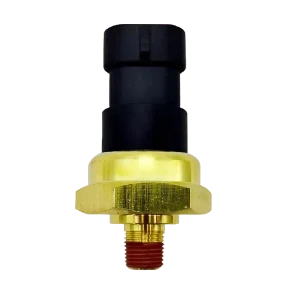
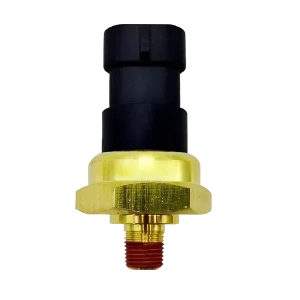
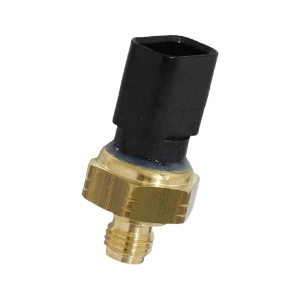
Low oil pressure, causing the system to ignore shutdown requests. While a faulty solenoid often takes the blame, the issue may actually stem from the sensors governing these signals. To ensure your control system receives accurate data, it is vital to understand how to choose the right oil pressure switch for your generator. A malfunctioning switch can misreport critical engine stats, preventing the stop solenoid from engaging even when a safety shutdown is required.
If you operate a standby generator or a diesel generator set, you need to recognize these risks early. Ignoring them can lead to costly repairs or extended downtime.
Tip: Always monitor your generator’s warning lights and alarms. Early detection of shutdown problems helps you avoid bigger failures.
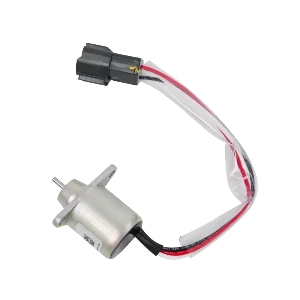
Role of the Generator Stop Solenoid
The generator stop solenoid plays a critical role in the shutdown process, especially for diesel generator set applications. When you initiate a shutdown, the solenoid receives an electrical signal and performs a precise sequence:
- Receives an electrical signal from the control panel
- Activates an internal coil to generate a magnetic field
- Moves the plunger or armature inside the solenoid
- Pulls the fuel rack to the off position, cutting fuel supply
This mechanism ensures your standby generator stops safely and immediately. The diesel engine stop solenoid is essential because diesel engines do not shut down simply by turning off a key switch. Instead, the solenoid physically moves the fuel rack to a no-fuel position, guaranteeing a complete shutdown. If the solenoid fails, you may experience a shutdown failure, leaving your generator running when you need it to stop.
Understanding how the generator stop solenoid works helps you troubleshoot and maintain your equipment more effectively. You can prevent unexpected downtime and keep your power systems reliable.
Signs of Generator Stop Solenoid Failure
Engine Won’t Shut Down
A generator that refuses to power down is a classic symptom of a faulty generator stop solenoid. Because the solenoid fails to close the fuel rack, the engine bypasses the shutdown command, risking overheating and unnecessary fuel consumption. In high-stakes diesel applications, such failures can lead to catastrophic engine damage if not addressed promptly. Recognizing these early warning signs is key to maintaining operational reliability and preventing costly, unscheduled downtime.
Note: A delayed shutdown, where the engine takes several seconds to stop after you remove the key, also points to a possible shutdown solenoid malfunction.
Unusual Noises or Stalling
Monitoring your equipment's acoustics is key to early diagnosis. A functional generator stop solenoid for diesel engine should produce a sharp, metallic "click" during the shutdown sequence. If this sound occurs but the engine remains running, the solenoid is likely failing to actuate the fuel cut-off. Furthermore, intermittent stalling at idle or erratic cranking often indicates that the solenoid can no longer maintain stable fuel regulation—a clear warning sign that a replacement is required to prevent total operational failure.
- Engine continues running after the shutdown command
- Engine takes 3–10 seconds to stop after key removal
- Unexplained stalling during light load or idle
- Audible click with no shutdown
- Engine cranks but does not start or starts then stops
Visual and Electrical Symptoms
Pinpointing a solenoid malfunction often requires a strategic look at your electrical circuit. Start by deploying a multimeter to verify power delivery at the terminals; if the display remains blank despite the ignition being active, your troubleshooting should pivot toward upstream fuses or wiring integrity. Conversely, a solenoid that receives the correct voltage but fails to engage suggests an internal coil burnout. In this scenario, replacing the unit is the only reliable path to restoring your generator’s fail-safe shutdown function.
|
Indicator Type |
Description |
|
Voltage Verification |
Check for 12V or 24V at the solenoid terminals with a voltmeter when the ignition is ON. |
|
Audible Click Test |
Listen for a click sound from the solenoid when the ignition is ON; indicates activation. |
|
No Voltage Present |
If no voltage is detected, further diagnostics on wiring or fuses are needed, not just the solenoid. |
|
No Click Heard |
If voltage is present but no click, the solenoid's internal coil may have failed, indicating replacement is necessary. |
Ignoring these signs can put your standby generator at risk for extended downtime and costly repairs. Always address generator stop solenoid problems promptly to keep your equipment ready for emergencies.
Troubleshooting Generator Stop Solenoid
Resolving a stubborn standby generator starts with a systematic deep dive into its shutdown mechanics. Instead of guessing, leverage these targeted troubleshooting strategies to pinpoint exactly why your generator stop solenoid is failing. By isolating the root cause through disciplined testing, you can restore equipment safety and operational control without unnecessary downtime or guesswork.
Safety Precautions
Prioritizing a "safety-first" mindset is vital before assessing a faulty generator stop solenoid. Immobilizing the unit—specifically by isolating the battery—prevents unintended ignition during your inspection. Beyond basic PPE like insulated gear and glasses, exercising extreme caution during live electrical analysis is paramount. Stay vigilant around rotating assemblies and heat-saturated surfaces to ensure your diagnostic process remains incident-free.
|
Lesson |
Description |
|
Mechanical safety |
Secure rotating parts, avoid hot surfaces, and handle fuel/oil with care. |
|
Electrical safety |
Use PPE for live testing and follow safe test procedures. |
|
Fuel handling |
Prevent spills and fire hazards around diesel generators. |
Tip: Keep a fire extinguisher nearby and consult your generator’s manual for specific safety instructions.
Visual Inspection
Start with a thorough visual inspection. Look for obvious signs of wear, corrosion, or damage on the generator stop solenoid and its wiring. Check for loose or disconnected wires, especially at the solenoid terminals and ground connections. A loose ground wire or a poorly crimped connector can cause intermittent failures. Examine the solenoid body for signs of overheating or moisture intrusion, which may indicate environmental stress.
|
Environmental Factor |
Effect on Solenoid Performance |
|
High temperature |
Damages coil insulation, increasing failure risk. |
|
Low temperature |
Raises oil viscosity, potentially causing solenoid overload. |
|
High humidity |
Leads to corrosion and electrical shorts, harming performance. |
Note: Environmental factors like extreme temperatures or humidity can accelerate solenoid failure. If your standby generator operates in harsh conditions, inspect it more frequently.
Multimeter Testing
A multimeter helps you confirm whether the solenoid is functioning correctly. Follow these steps:
Set your multimeter to measure resistance (Ω symbol).
- Place the probes on the solenoid terminals.
- Observe the reading. An “OL” (open loop) reading means the circuit is incomplete, and the solenoid likely needs replacement.
- Refer to the solenoid’s manual for voltage specifications. Set the multimeter to the correct voltage range.
- Connect the probes to the solenoid terminals while the generator is running.
- If the voltage matches the rated value, the solenoid is receiving power. If not, investigate further.
Callout: If you detect an “OL” reading or the voltage does not match specifications, replace the solenoid with a high-quality part. MEGAWATTS offers generator sets parts that meet or exceed OEM standards, ensuring reliable shutdown performance.
Checking Wiring and Connections
Wiring issues often cause generator stop solenoid failures. Inspect all connections for tightness and integrity. Common problems include:
- Loose ground wires on the fuel rack solenoid
- Wires that appear crimped but do not make proper contact
- Thermal switches that look functional but lack conductivity
- Incorrect solenoid replacements that do not match your generator’s specifications
Secure all connections and replace any damaged wires. Always use the correct solenoid model for your diesel generator set to avoid compatibility issues.
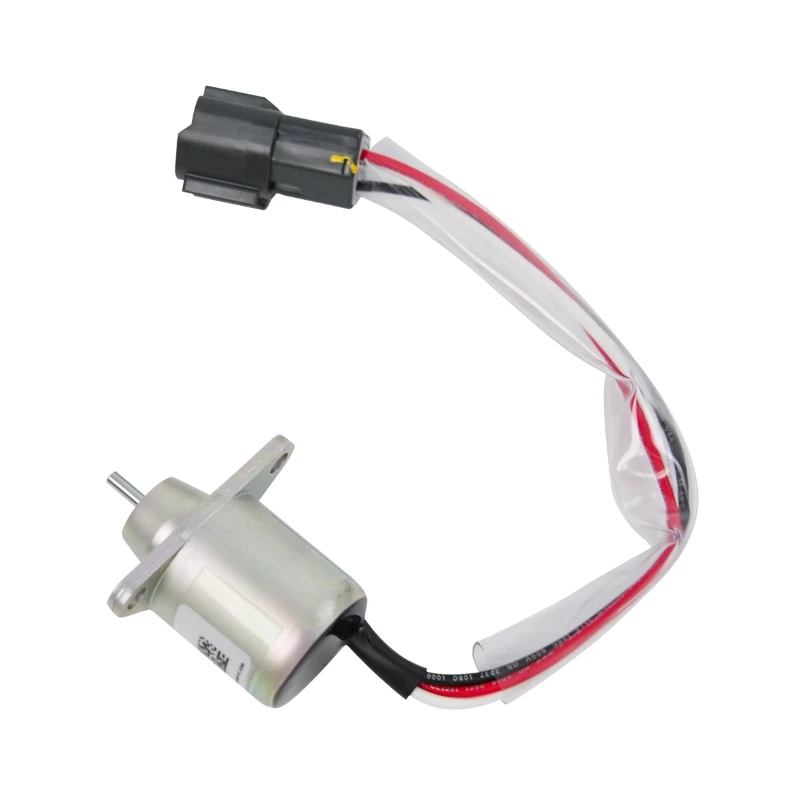
Selecting a replacement that aligns with your engine’s unique specifications is non-negotiable for long-term reliability. For instance, operators utilizing Yanmar-powered machinery often rely on the Yanmar Solenoid Valve Stopper (119233-77932), a precision-engineered component specifically designed for the 3TNV88 engine series. Choosing such brand-specific, high-caliber parts ensures that your fuel shut-off sequence remains synchronized with your controller’s signals, preventing the mechanical lag often associated with generic alternatives.
Manual Shutdown Methods
When a generator stop solenoid fails to actuate, mastering manual override techniques becomes your final line of defense. Most power sets feature a dedicated mechanical fuel shutoff lever; locating this override—or referencing your technical manual for its exact coordinates—is crucial for an immediate stop. Depending on the configuration, safety interlocks like operator-present switches or hydrostatic pedals can also be engaged to force a shutdown when the electrical path is compromised.
- Use the manual shutoff lever if available.
- Refer to the operating manual for the exact location and procedure.
- For certain models, standing up and pressing the hydrostatic pedal may trigger shutdown.
Alert: Manual shutdown methods are for emergencies only. Always repair or replace faulty components as soon as possible.
Why Quality Parts Matter
Minimizing operational risks requires more than just a quick fix; it demands high-caliber components that integrate seamlessly with your existing systems. Megawatts bridges the gap between mechanical failure and peak performance by supplying precision-engineered generator sets for industry-leading brands. Leveraging an expansive global logistics network, we ensure that critical components reach your facility with speed and accuracy, empowering you to restore standby power with absolute certainty.
Pro Tip: Always verify part compatibility before installation. Using genuine or high-quality aftermarket parts from MEGAWATTS helps maintain your generator’s reliability and extends its service life.
Mastering these diagnostic techniques ensures your standby power remains a reliable asset rather than a liability during an emergency. Eliminating generator stop solenoid failures not only prevents the stress of a non-responsive unit but also safeguards your engine’s long-term health.
Fixing Shutdown Issues and Next Steps
Repair or Replace the Stop Solenoid
When a generator fails to stop, you must decide between repair and replacement. This choice hinges on critical technical alignment: the stop solenoid must precisely match your system's voltage and current ratings while ensuring its mounting footprint is compatible. Additionally, verify that the unit can withstand the specific hydraulic fluids in your system to prevent premature failure. The table below summarizes these key considerations:
|
Factor |
Description |
|
Voltage and current ratings |
Ensure the solenoid matches your generator’s electrical system. |
|
Size and mounting |
Confirm the new part fits your existing setup. |
|
Hydraulic fluid compatibility |
Verify the solenoid works with your system’s fluids. |
If the solenoid shows internal coil failure or visible damage, replacement is usually the safest option. The cost of a new fuel solenoid typically runs around $199, which often proves more reliable than repeated repairs. Always disconnect power before attempting any work to prevent injury.
When to Seek Professional Help
Some shutdown problems require expert intervention. If your standby generator keeps shutting off within minutes of starting, contact a qualified electrician. When basic troubleshooting fails, consult your genesolenoid stoprator’s manual for error codes before restarting. In emergencies, reach out to reputable generator service technicians. Check reviews and ratings to ensure you select a trustworthy provider.
- Generator repeatedly shuts down after a few minutes
- Troubleshooting does not resolve the issue
- Emergency situations or unclear error codes
Tip: Never ignore persistent shutdown failures. Quick action can prevent costly downtime and equipment damage.
Choosing Reliable Parts and Support
Restoring your standby generator’s peak performance requires more than just a quick fix; it demands precision-engineered components. Megawatts specializes in generator set parts that meet or exceed OEM standards, ensuring a seamless fit for industry-leading brands. Our strategic logistics network—coupled with a 90-day free return policy—is designed to minimize your downtime and simplify the sourcing of compatible stop solenoids. Trust in our global expertise to keep your power systems resilient and ready for any shutdown scenario.
Ultimately, the reliability of your engine’s shutdown sequence hinges on the integrity of the diesel engine stop solenoid. Proactive troubleshooting and the use of high-quality solenoids—engineered with superior corrosion resistance and vibration protection—are vital for extending equipment longevity and preventing catastrophic failure. By prioritizing regular maintenance and sourcing dependable solutions from Megawatts Part, you ensure your standby systems are trusted by professionals worldwide. For complex diagnostics, always prioritize safety and collaborate with a certified technician to maintain operational excellence.
Previous And Next
-
Previous Post:
 BLOG
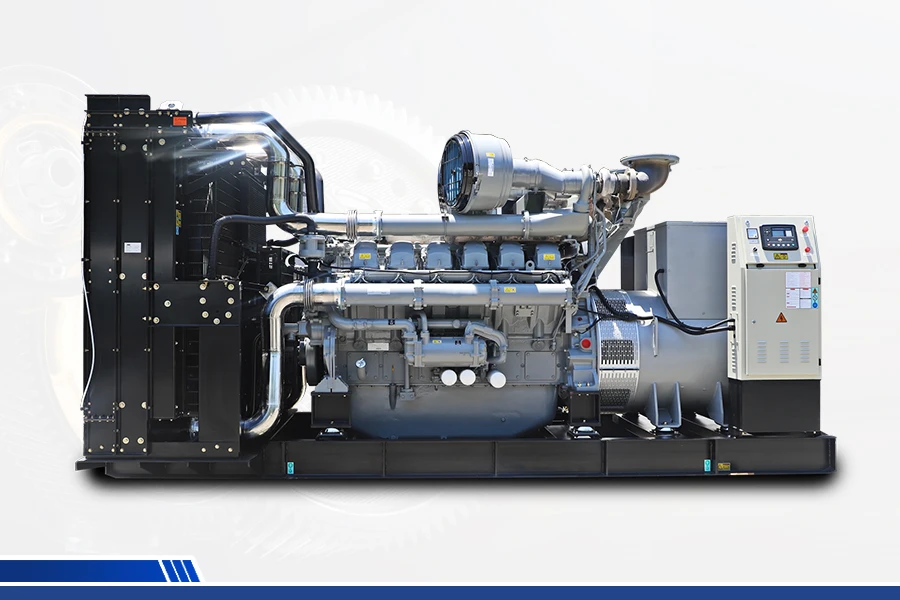
BLOG Megawatts BlogIntroducing the components of a diesel engineIntroducing the components of a diesel engine A diesel generator set is a type of internal combustion generator set and is currently one of the most widely used power generation devices in the world....
 -
Next Post:
 BLOG
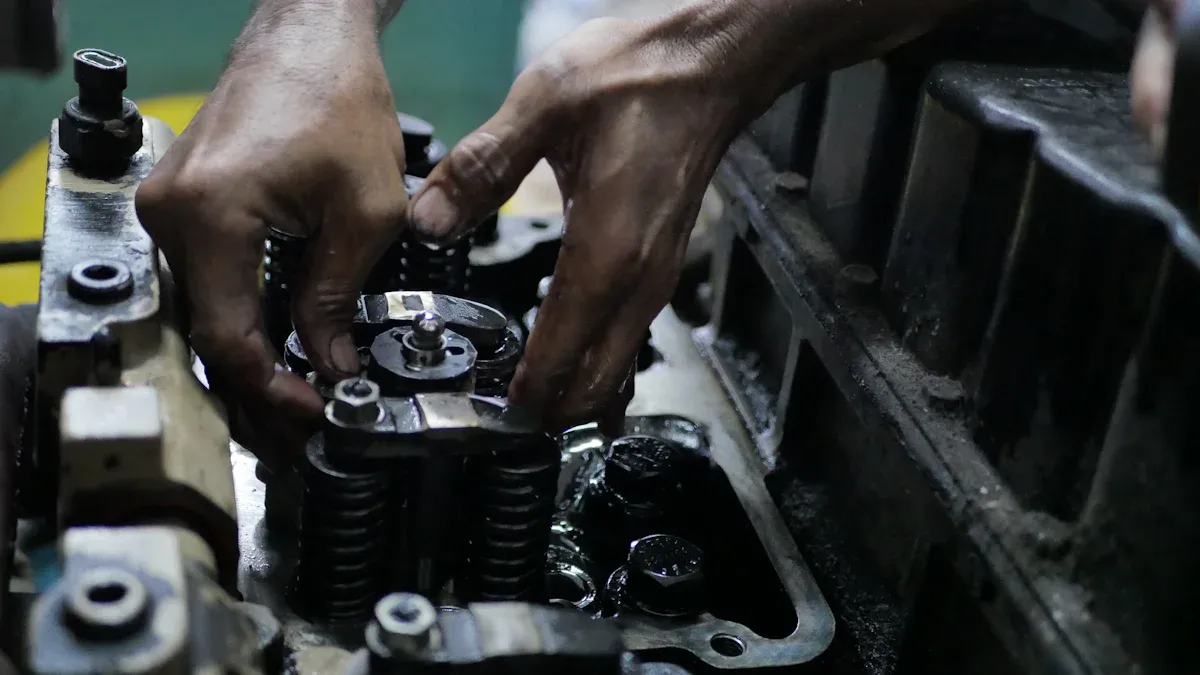
Megawatts BlogPrevent Engine Overheating: How to Choose the Right Thermostat for Cummins and Perkins SystemsPoor temperature control in diesel engines often stems from choosing the wrong thermostat, leading to inefficient cooling and potential engine failure. For Cummins and Perkins systems, precise compone...
BLOG
Megawatts BlogPrevent Engine Overheating: How to Choose the Right Thermostat for Cummins and Perkins SystemsPoor temperature control in diesel engines often stems from choosing the wrong thermostat, leading to inefficient cooling and potential engine failure. For Cummins and Perkins systems, precise compone...
Read More
-
 BLOG
Megawatts BlogStrategic Sourcing: How to Build a Standardized Generator Sets Parts Catalog for Mixed FleetsManaging a mixed fleet of Cummins, Perkins, and Caterpillar generators often creates a hidden financial drain through inventory duplication and fragmented procurement. When different brands use differ...
BLOG
Megawatts BlogStrategic Sourcing: How to Build a Standardized Generator Sets Parts Catalog for Mixed FleetsManaging a mixed fleet of Cummins, Perkins, and Caterpillar generators often creates a hidden financial drain through inventory duplication and fragmented procurement. When different brands use differ... -
 BLOG
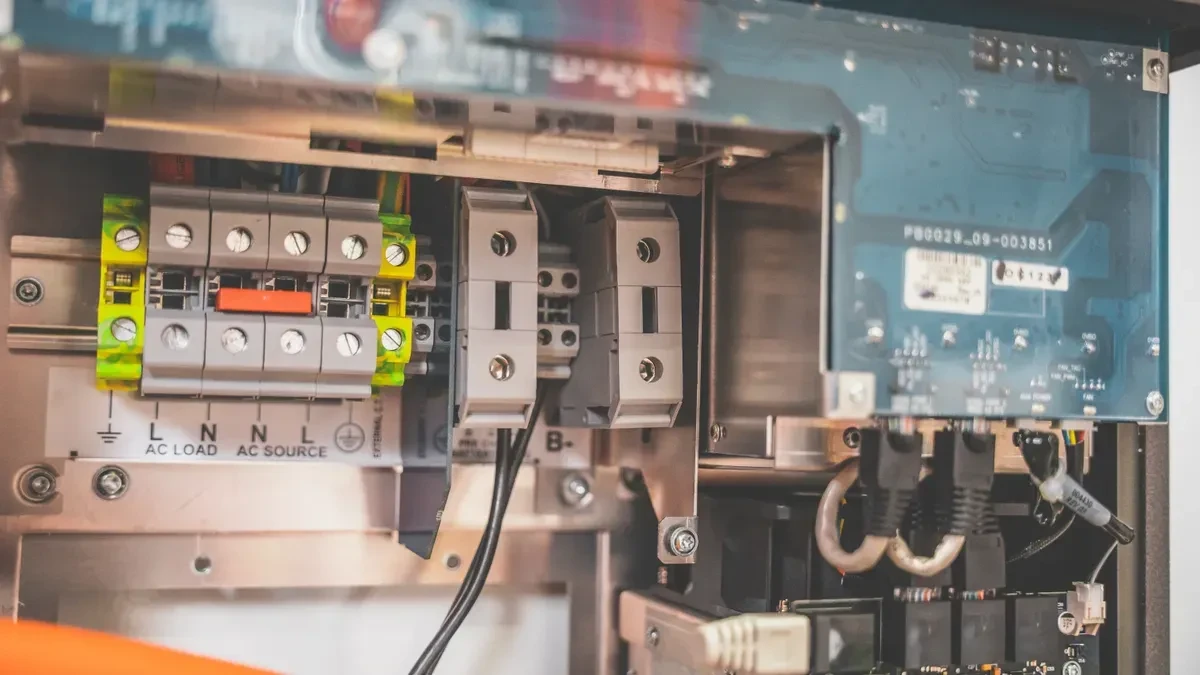
Megawatts BlogDiesel Generator Won't Crank: A Step-by-Step Electrical Diagnostic Checklist for MechanicsWhen a diesel generator won't crank, check the electrical system first. Do not chase fuel or mechanical theories yet. Low battery voltage and corroded connections cause most no-start condition calls....
BLOG
Megawatts BlogDiesel Generator Won't Crank: A Step-by-Step Electrical Diagnostic Checklist for MechanicsWhen a diesel generator won't crank, check the electrical system first. Do not chase fuel or mechanical theories yet. Low battery voltage and corroded connections cause most no-start condition calls.... -
 BLOG
Megawatts BlogMagnetic Coil Degradation: Why Your Diesel Engine Stop Solenoid Fails Under Extreme HeatExtreme heat is the primary enemy of a diesel engine stop solenoid. The heat breaks down the electrical insulation inside the magnetic coil. This degradation raises resistance and creates short circui...
BLOG
Megawatts BlogMagnetic Coil Degradation: Why Your Diesel Engine Stop Solenoid Fails Under Extreme HeatExtreme heat is the primary enemy of a diesel engine stop solenoid. The heat breaks down the electrical insulation inside the magnetic coil. This degradation raises resistance and creates short circui... -
 BLOG
Megawatts BlogThe Hidden Cost of Expired Inventory: Shelf Life and Proper Storage of Rubber Gasket Seal KitsA gasket seal kit sits untouched for five years. You paid for it. Now you pay to dispose of it. When a failure occurs, you pay a premium for emergency replacement. These hidden costs accumulate silent...
BLOG
Megawatts BlogThe Hidden Cost of Expired Inventory: Shelf Life and Proper Storage of Rubber Gasket Seal KitsA gasket seal kit sits untouched for five years. You paid for it. Now you pay to dispose of it. When a failure occurs, you pay a premium for emergency replacement. These hidden costs accumulate silent...
Subscribe to enjoy 10% off
Stay informed about new products and sales

-
INFORMATION
Contact Us
-
CHINA SALES OFFICE: No. 2-11, No. 8, Gaotai Road, Gaishan Investment Zone, Cangshan District, Fuzhou, Fujian
-
SAUDI ARABIA FACTORY: 7264 Shakra, Al Faisaliyyah, REFB3035, 3035, Riyadh 12883
-
COLOMBIA SALES OFFICE: 92-32 26th Street, 03-118, Bogota
-
NIGERIA FACTORY: Plot 5 Chivita Avenue Ajao Estate Isolo Lagos
-
Email:sales@megawattsparts.com
Follow Us


Copyright © 2025 Megawatts All Rights Reserved.



Select Previous Button or Search Directly on Search Bar!
Shop All
 English
Currency: <{ pagedata.current_currency }>(<{ pagedata.current_currency_code }>)
Are you in the right place?

You agree to MegaWatts.com's Terms of Use and Privacy Policy by subscribing. You may receive emails with useful tips, promotions, and offerings.
No, thanks. I'd rather pay full price.