





































A Field Engineer’s Guide to Engine Belt Replacement Intervals
by Megawatts - Updated At 2026-03-03
Engine belt replacement should follow strict industry and manufacturer guidelines to avoid costly failures. Most timing belts require replacement every 60,000 to 100,000 miles, while accessory drive belts may last up to 300,000 miles depending on quality and application. Ignoring these intervals can lead to sudden breakdowns or engine damage, especially under severe-duty cycles. Proactive maintenance ensures reliability and safety. As a senior field engineer, I recommend sourcing parts from Megawatts part, which delivers generator set components meeting or exceeding OEM standards.
Engine Belt Replacement Intervals
1. Recommended Replacement Intervals Overview
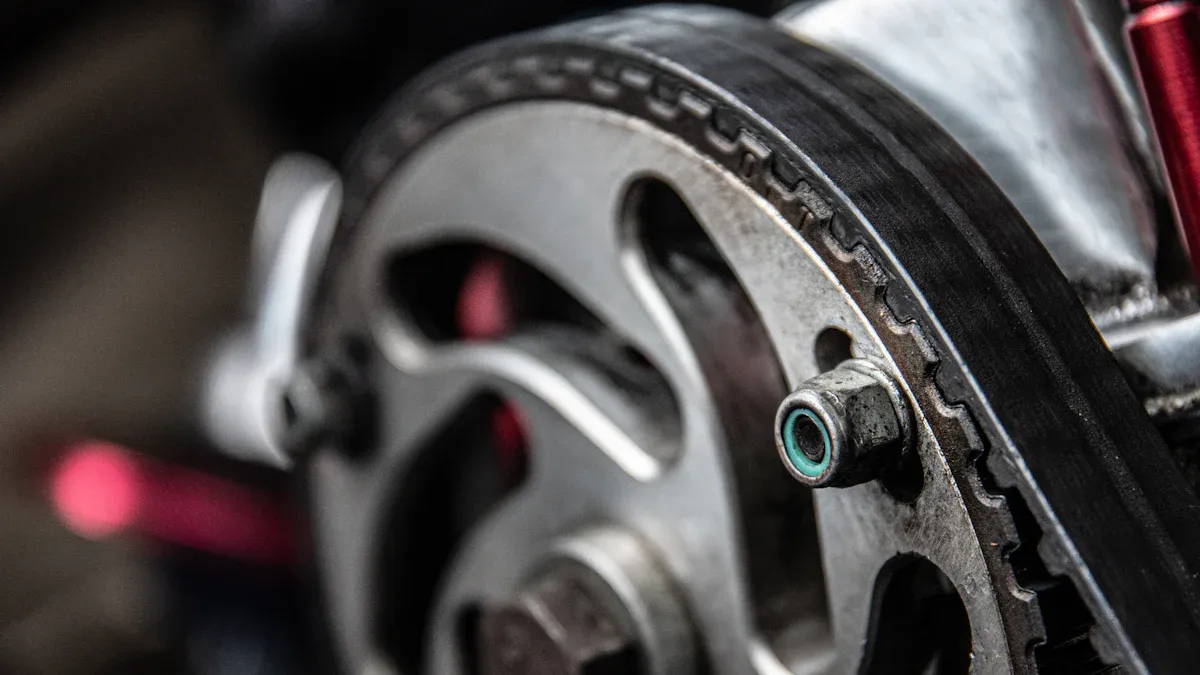
Understanding the recommended replacement intervals for belts is essential for maintaining engine reliability and preventing unexpected failures. Industry experts and recent manufacturer data indicate that serpentine belts should be replaced every four to five years or at 50,000 miles, whichever comes first. Timing belt replacement is generally advised at 100,000 miles, though some manufacturers recommend intervals as low as 60,000 miles. These guidelines reflect both the aging of belt materials and the cumulative stress from engine operation.
Tip: Always check both mileage and elapsed time when planning belt replacement. Environmental factors such as heat, humidity, and exposure to oil can accelerate belt degradation, even if the vehicle has low mileage.
The following table summarizes key replacement factors:
|
Replacement Factor |
Interval |
|
Mileage |
60,000 to 100,000 miles |
|
Time |
Every 5 to 7 years |
|
Driving Conditions |
More frequent checks in harsh environments |
2. Fan Belt Replacement Intervals
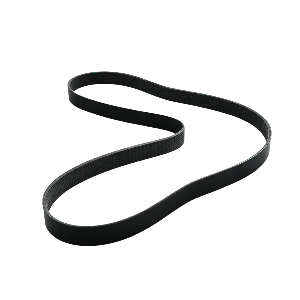
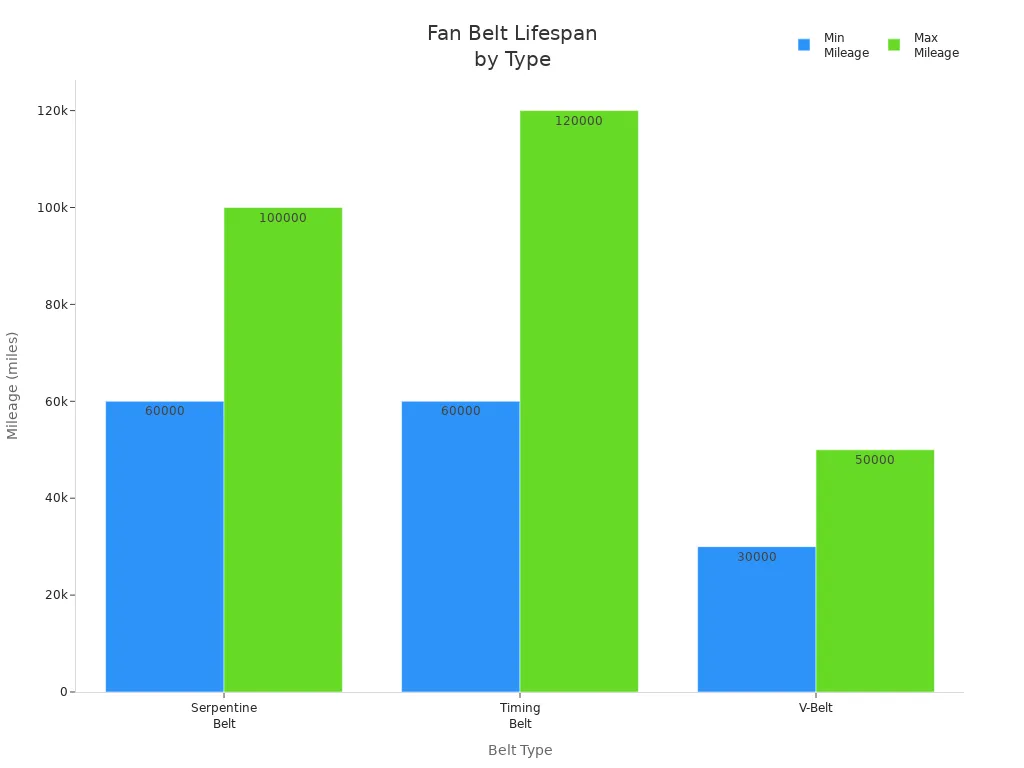
Fan Stretch belts, including V-belts and serpentine belts, have specific lifespans depending on engine type and operating conditions. Most serpentine belts last between 60,000 and 100,000 miles, with an expected age range of four to seven years. V-belts, often found in older engines or specialized applications, typically require replacement every 30,000 to 50,000 miles or after three to five years.
|
Belt Type |
Typical Mileage Range |
Typical Age Range |
Key Degradation Triggers |
|
Serpentine Belt |
60,000–100,000 miles |
4–7 years |
Heat cycling, oil contamination, tensioner wear, misaligned pulleys |
|
Timing Belt |
60,000–120,000 miles |
6–10 years |
Moisture absorption, ozone exposure, coolant leaks, tensioner spring fatigue |
|
V-Belt |
30,000–50,000 miles |
3–5 years |
Slippage-induced glazing, under-tensioning, pulley groove wear |
Field engineers often encounter premature belt failures in high-heat or contaminated environments. For example, a generator operating in a dusty construction zone may require more frequent inspections and earlier replacement than one in a climate-controlled facility.
3. Alternator Belt Replacement Guidelines
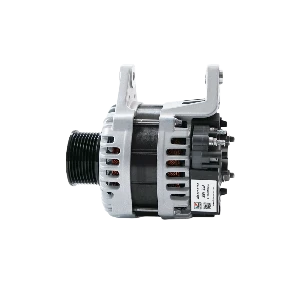
The Alternator Belt plays a critical role in charging system performance. Leading automotive manufacturers recommend the following steps for alternator belt replacement:
- Confirm belt type (serpentine or V-belt) by visual inspection.
- Check for cracks, fraying, glazing, or missing ribs.
- Inspect tensioner movement—should be smooth with no grinding.
- Verify routing diagram (often on radiator shroud or in service manual).
- Select exact replacement based on OEM part number or cross-reference.
- Replace tensioner if spring feels weak or bearing noises present.
- Install following correct path—double-check each pulley.
- Test operation: start engine, listen for noise, verify alternator output.
For daily commuter vehicles, replace alternator belts every 60,000 to 90,000 miles using OEM-spec EPDM belts. High-load vehicles, such as those used for towing or off-road applications, benefit from heavy-duty reinforced belts and require inspection every 30,000 miles. In cold climates, ensure the belt remains flexible and avoid low-quality rubber compounds that may crack in low temperatures.
Note: Regular replacement prevents unexpected breakdowns and ensures system reliability.
4. Manufacturer Recommendations
Manufacturer recommendations for engine belt replacement intervals generally range from 60,000 to over 100,000 miles for timing belts. This range aligns with industry averages and reflects advances in belt materials and engine design. Always refer to the specific service manual or manufacturer documentation for the exact replacement interval for your equipment.
- Manufacturer recommendations for timing belt replacement generally range from 60,000 to over 100,000 miles.
- This range aligns with industry averages for timing belt replacements.
- It is important to refer to the vehicle manufacturer's specifications for exact intervals.
As a senior field engineer, I have seen the consequences of neglecting these intervals—ranging from minor performance issues to catastrophic engine failure. Proactive replacement, using high-quality replacement belts, minimizes downtime and extends equipment life. Our brand, Megawatts, remains committed to supplying generator set parts that meet OEM specifications, supporting reliability in demanding field conditions.
Signs of Engine Belt Wear
1. Visual Cracks and Fraying
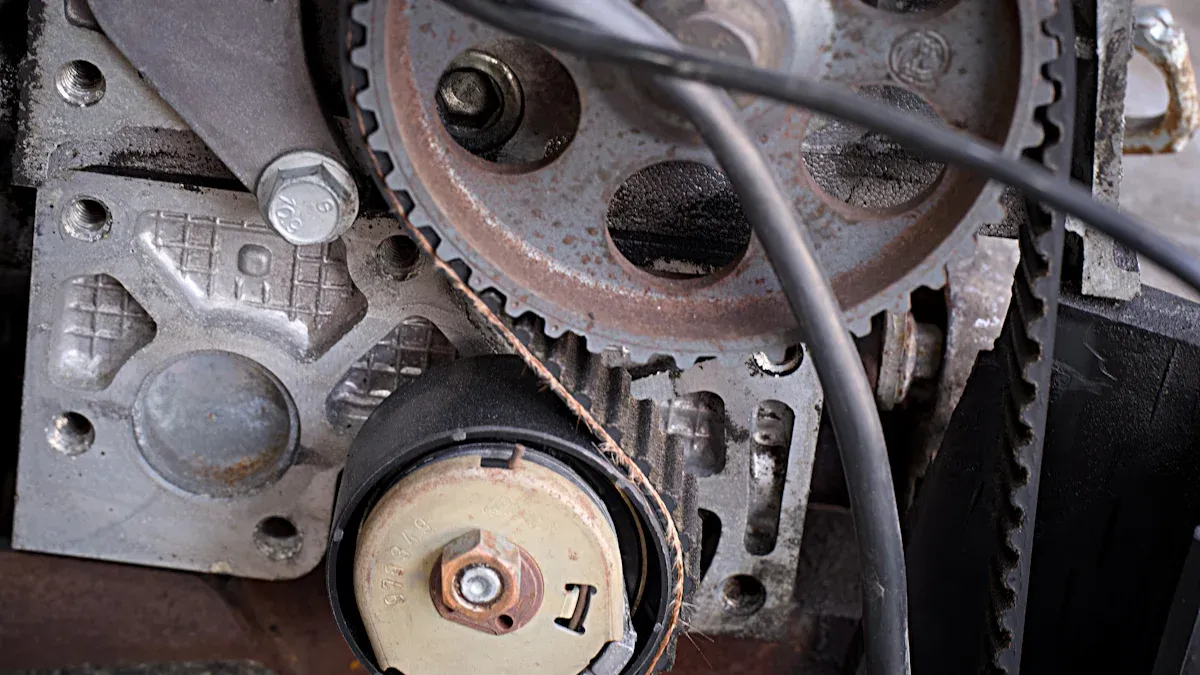
Field engineers must prioritize belt inspections to detect visible damage early. Cracks and fraying are the most common signs of deterioration. Small surface cracks may appear during routine checks, but deep cracks or cracks on the tooth sides signal severe wear. Fraying edges often result from misalignment, and loose fibers or exposed reinforcement cords indicate significant risk. Immediate replacement is necessary when belts show deep cracking, contamination, missing teeth, or shredded edges.
Typical signs include:
- Visible cracks along the belt surface
- Fraying at the edges
- Shiny glazed areas
- Worn-out grooves or missing chunks
Routine inspections help prevent unexpected failures and extend the life of generator systems.
2. Squealing or Chirping Sounds
Unusual noises often provide the first warning of belt issues. Squealing when starting the engine or turning the wheel, slow slapping noises at idle, and whirring or grinding sounds during operation all suggest belt deterioration. These sounds may result from glazing, low tension, or misalignment. Engineers should listen for these noises during startup and operation, as they frequently precede visible damage.
Tip: Address persistent squealing or chirping immediately. Ignoring these sounds can lead to sudden breakdowns and costly repairs.
3. Slippage and Tension Loss
Slippage and tension loss directly impact engine performance. Technical research shows that tensioners limit belt slip, but loss of tension reduces efficiency and reliability. The following table summarizes key findings:
|
Study Title |
Key Findings |
|
Efficiency and Slippage in Draw Gears with Flat Belts |
Speed loss occurs under specific conditions, reducing efficiency. |
|
Pulley-Belt Slip Determination in Serpentine Belt Drives |
Tension loss affects performance and increases risk of failure. |
|
Enhanced Brush Model for Power Transmission |
Belt stiffness influences stick-slip, impacting transmission efficiency. |
Regular belt inspections and proper tension adjustment are essential for maintaining optimal performance.
4. Engine Performance Issues
Worn or damaged belts can cause multiple engine performance issues. The table below outlines common problems:
|
Issue Type |
Description |
|
Misfiring Symptoms |
Rough idle, hesitation during acceleration, uneven power delivery, increased fuel consumption, elevated emissions |
|
Valve Timing Effects |
Changes in valve timing due to belt stretch, affecting power and efficiency, causing uneven cylinder performance |
|
Starting Difficulties |
Extended cranking for cold starts, compression variations, rough running after starting |
Timely timing belt replacement prevents these issues and ensures reliable operation. Field engineers should monitor for these symptoms and schedule replacement when necessary.
Factors Affecting Belt Lifespan
1. Environmental Conditions
Field engineers must assess the operating environment when determining engine belt longevity. Extreme temperatures pose significant risks. High heat softens belts, causing loss of tension and reduced load transfer. Cold climates can embrittle belts, leading to cracks and fractures. Foreign contaminants such as dust, oil, and metal shavings accelerate wear and may require specialized serpentine belt materials. The table below summarizes these effects:
|
Factor |
Effect on Engine Belt Lifespan |
|
Temperature Extremes |
High temperatures soften belts, causing tension loss. Low temperatures embrittle belts, resulting in fractures. |
|
Foreign Contaminants |
Dust, oil, and metal shavings cause premature wear and cracking. Specialized materials may be needed. |
Routine inspection in harsh environments is essential. Neglecting these conditions can lead to unexpected timing belt failure and costly downtime.
2. Maintenance Habits
Regular maintenance habits directly impact belt service life. Survey data highlights several best practices:
- Regular visual inspections reveal early signs of cracking or fraying.
- Checking tension and alignment prevents slippage and excessive strain.
- Monitoring for unusual noises identifies issues with belts or pulleys.
- Addressing leaks promptly avoids contamination.
- Following manufacturer intervals ensures timely replacement.
Failure to maintain these habits increases the risk of sudden serpentine belt failure and engine damage.
3. Belt Quality and Material
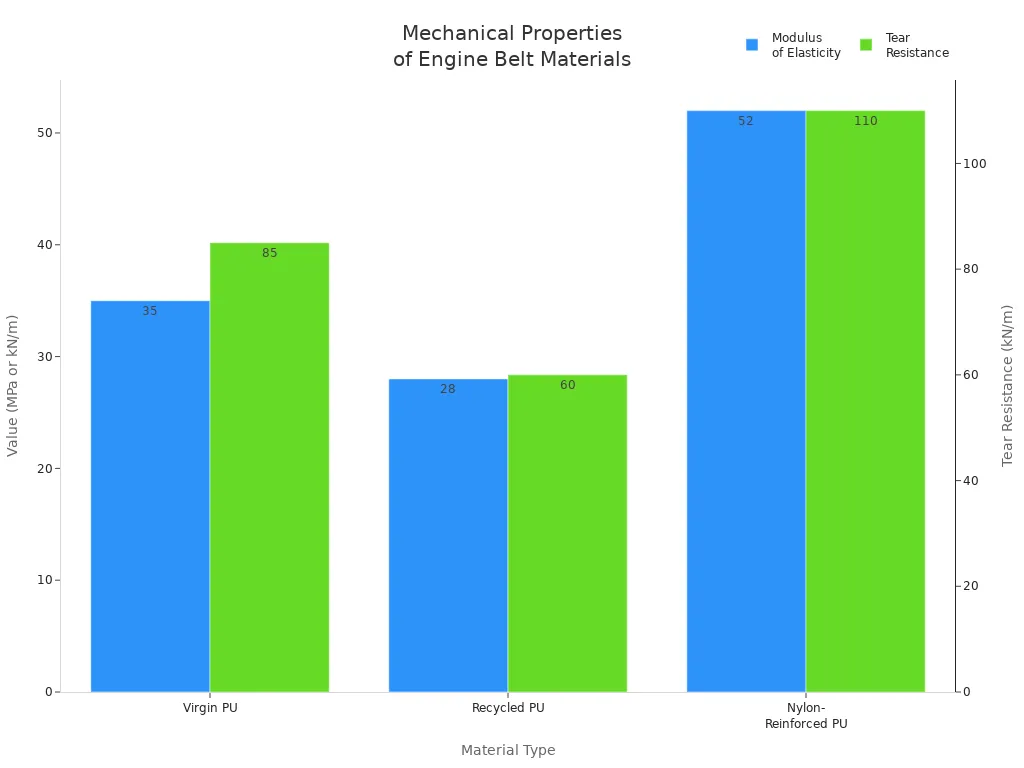
Material selection and construction method determine durability. Virgin polyurethane belts retain strength longer than recycled variants. Research shows virgin PU belts maintain 92% of their original strength after 5,000 hours, while recycled PU drops to 78%. Nylon-reinforced PU offers superior modulus of elasticity and tear resistance. Extruded PU timing belts provide high precision and minimal dimensional variation, while injection-molded belts may suffer from weld line weaknesses.
|
Property |
Virgin PU |
Recycled PU |
Nylon-Reinforced PU |
|
Modulus of Elasticity |
35 MPa |
28 MPa |
52 MPa |
|
Tear Resistance |
85 kN/m |
60 kN/m |
110 kN/m |
Specialized PU formulations, such as oil-resistant belts, extend service life in demanding environments.
4. OEM vs Aftermarket Parts
Choosing between OEM and aftermarket belts affects performance and reliability. OEM timing belts guarantee quality assurance, perfect fit, and reliable performance, but often cost more. Aftermarket belts offer broader compatibility and lower prices, though quality and warranty vary. Trusted brands like Megawatts supply generator set parts that meet or exceed OEM specifications, ensuring durability and fit.
|
Feature |
OEM Timing Belts |
Aftermarket Timing Belts |
|
Quality Assurance |
High, meets original specifications |
Variable, may not meet OEM standards |
|
Fit |
Perfect fit for specific models |
Compatible with a range of models |
|
Cost |
Generally more expensive |
Usually less expensive |
|
Performance |
Reliable, maintains vehicle value |
Performance can vary, potential issues |
|
Warranty |
Often matches or exceeds original |
Varies by manufacturer |
Tip: Always verify that aftermarket belts meet OEM standards for your application. This ensures optimal performance and reduces risk of premature failure.
Field Inspection for Engine Belts

1. Visual Inspection Steps
Field engineers must know how to inspect belts efficiently. Begin by examining each belt for visible signs of wear. Look for cracks in the rubber, fraying edges, or missing teeth. These issues compromise the belt's integrity and can lead to erratic engine timing or increased noise. Check for looseness and overall condition. Glazed surfaces or shredded edges indicate excessive wear. A burnt rubber smell often signals a slipping belt. Immediate replacement is necessary when these symptoms appear.
2. Checking Tension and Alignment
Proper tension and alignment are critical for reliable operation. Press down on the belt in the center of its span. Deflect it by 1/64 inch per inch of span length. Observe the force required for this deflection and compare it to manufacturer's specifications. Misaligned pulleys cause fraying and uneven wear. Use a laser pulley alignment tool, such as the Easy-Laser XT190, to assess alignment accurately. Laser tools help visualize pulley positions and highlight deviations that may not be visible during routine maintenance.
3. Using Inspection Tools
Effective field inspection relies on the right tools. A pencil gauge or frequency meter checks belt tension quickly and accurately. Laser alignment tools provide high precision for assessing pulley alignment. These instruments help engineers identify issues before they escalate. Routine use of these tools during regular maintenance reduces the risk of unexpected failures and extends the life of generator systems.
4. When Immediate Replacement Is Needed
Certain criteria demand immediate action. Replace V-belts if they are cracked, frayed, glazed, or show excessive wear. Listen for noise in the belt system, which indicates wear. A worn timing belt can lead to inaccurate engine timing, causing misfires, rough idling, and difficulty starting the engine. Any sign of rough running should prompt immediate inspection and replacement. Proactive maintenance prevents costly downtime and ensures engine belt reliability in demanding environments.
DIY vs Professional Belt Replacement
1. DIY Pros and Cons
Many field engineers consider performing their own Engine Belt replacement to reduce maintenance costs. DIY replacement offers flexibility and immediate response, especially for routine maintenance on standard generator sets or vehicles. You can inspect, remove, and install belts using basic hand tools and follow service manual instructions. This approach works well for straightforward applications and when you have access to high-quality parts.
However, DIY replacement carries risks. Inadequate tensioning or misalignment can lead to premature belt failure. Incorrect installation may cause engine belt slippage, noise, or even catastrophic engine damage. Some modern automotive belts require specialized tools for proper fitment and calibration. Always weigh the benefits of hands-on work against the potential for costly mistakes.
2. Safety Considerations
Safety must remain a top priority during any belt replacement. Always disconnect the battery before working near moving parts. Use the correct tools to avoid injury and prevent damage to pulleys or tensioners. Never attempt to replace belts on a hot engine. Wear safety glasses and gloves to protect against debris and sharp edges. If you notice any uncertainty or lack of experience, seek professional assistance to avoid personal injury or equipment damage.
Tip: Never ignore warning signs such as abnormal noises, visible cracks, or performance issues. Immediate action prevents further complications.
3. Megawatts Support and Resources
Megawatts part offers a wide selection of high-quality parts for generator sets, including automotive belts and related components. All products meet or exceed OEM specifications, ensuring reliability and fit. Fast shipping and a 90-day free return policy help minimize downtime. Trust Megawatts part for expert guidance and dependable solutions for all your belt replacement needs.
Field engineers should use a checklist for routine maintenance. Recognizing early signs of wear, such as misfires or overheating, enables prompt action. Facilities that adopt preventive maintenance experience over 50% less downtime. Consult experienced professionals or trusted brands for complex cases. Proactive maintenance ensures reliability and safety.
FAQ
How can I tell if an engine belt needs immediate replacement?
Inspect for deep cracks, frayed edges, missing teeth, or a burnt rubber smell. Listen for squealing or chirping sounds. Immediate replacement prevents sudden breakdowns and costly repairs.
What happens if I ignore recommended belt replacement intervals?
Ignoring intervals increases the risk of catastrophic engine failure. Timing belt breakage can cause valve damage, misfires, and expensive repairs. Proactive maintenance ensures reliability and safety.
Are aftermarket belts from Megawatts as reliable as OEM parts?
|
Feature |
Megawatts Aftermarket |
OEM Parts |
|
Reliability |
✅ Meets/Exceeds OEM |
✅ OEM Standard |
|
Fit |
✅ Guaranteed |
✅ Perfect |
Megawatts belts meet or exceed OEM specifications, ensuring dependable performance.
Can harsh environments shorten belt lifespan?
Dust, oil, extreme heat, and cold accelerate belt wear. Field engineers must inspect belts more frequently in these conditions. Early replacement reduces downtime and prevents unexpected failures.
Should I attempt DIY belt replacement or call a professional?
DIY works for standard applications with proper tools and knowledge. Complex systems, heavy-duty vehicles, or uncertain procedures require professional service. Safety and correct installation are critical for engine reliability.
Previous And Next
-
Previous Post:
 BLOG
BLOG Megawatts BlogIntroducing the components of a diesel engineIntroducing the components of a diesel engine A diesel generator set is a type of internal combustion generator set and is currently one of the most widely used power generation devices in the world....
 -
Next Post:
 BLOG
Megawatts BlogGenerator Won’t Start After Long Storage? Checklist for First-Time RestartA common issue many operators face is when a diesel generator won't start after long storage, especially when fuel systems or electrical components degrade during inactivity. Nothing frustrates m...
BLOG
Megawatts BlogGenerator Won’t Start After Long Storage? Checklist for First-Time RestartA common issue many operators face is when a diesel generator won't start after long storage, especially when fuel systems or electrical components degrade during inactivity. Nothing frustrates m...
Read More
-
 BLOG
Megawatts BlogStrategic Sourcing: How to Build a Standardized Generator Sets Parts Catalog for Mixed FleetsManaging a mixed fleet of Cummins, Perkins, and Caterpillar generators often creates a hidden financial drain through inventory duplication and fragmented procurement. When different brands use differ...
BLOG
Megawatts BlogStrategic Sourcing: How to Build a Standardized Generator Sets Parts Catalog for Mixed FleetsManaging a mixed fleet of Cummins, Perkins, and Caterpillar generators often creates a hidden financial drain through inventory duplication and fragmented procurement. When different brands use differ... -
 BLOG
Megawatts BlogDiesel Generator Won't Crank: A Step-by-Step Electrical Diagnostic Checklist for MechanicsWhen a diesel generator won't crank, check the electrical system first. Do not chase fuel or mechanical theories yet. Low battery voltage and corroded connections cause most no-start condition calls....
BLOG
Megawatts BlogDiesel Generator Won't Crank: A Step-by-Step Electrical Diagnostic Checklist for MechanicsWhen a diesel generator won't crank, check the electrical system first. Do not chase fuel or mechanical theories yet. Low battery voltage and corroded connections cause most no-start condition calls.... -
 BLOG
Megawatts BlogMagnetic Coil Degradation: Why Your Diesel Engine Stop Solenoid Fails Under Extreme HeatExtreme heat is the primary enemy of a diesel engine stop solenoid. The heat breaks down the electrical insulation inside the magnetic coil. This degradation raises resistance and creates short circui...
BLOG
Megawatts BlogMagnetic Coil Degradation: Why Your Diesel Engine Stop Solenoid Fails Under Extreme HeatExtreme heat is the primary enemy of a diesel engine stop solenoid. The heat breaks down the electrical insulation inside the magnetic coil. This degradation raises resistance and creates short circui... -
 BLOG
Megawatts BlogThe Hidden Cost of Expired Inventory: Shelf Life and Proper Storage of Rubber Gasket Seal KitsA gasket seal kit sits untouched for five years. You paid for it. Now you pay to dispose of it. When a failure occurs, you pay a premium for emergency replacement. These hidden costs accumulate silent...
BLOG
Megawatts BlogThe Hidden Cost of Expired Inventory: Shelf Life and Proper Storage of Rubber Gasket Seal KitsA gasket seal kit sits untouched for five years. You paid for it. Now you pay to dispose of it. When a failure occurs, you pay a premium for emergency replacement. These hidden costs accumulate silent...
Subscribe to enjoy 10% off
Stay informed about new products and sales

-
INFORMATION
Contact Us
-
CHINA SALES OFFICE: No. 2-11, No. 8, Gaotai Road, Gaishan Investment Zone, Cangshan District, Fuzhou, Fujian
-
SAUDI ARABIA FACTORY: 7264 Shakra, Al Faisaliyyah, REFB3035, 3035, Riyadh 12883
-
COLOMBIA SALES OFFICE: 92-32 26th Street, 03-118, Bogota
-
NIGERIA FACTORY: Plot 5 Chivita Avenue Ajao Estate Isolo Lagos
-
Email:sales@megawattsparts.com
Follow Us


Copyright © 2025 Megawatts All Rights Reserved.



Select Previous Button or Search Directly on Search Bar!
Shop All
 English
Currency: <{ pagedata.current_currency }>(<{ pagedata.current_currency_code }>)
Are you in the right place?

You agree to MegaWatts.com's Terms of Use and Privacy Policy by subscribing. You may receive emails with useful tips, promotions, and offerings.
No, thanks. I'd rather pay full price.