






































The Ultimate 1,000-Hour Generator Maintenance Checklist for Industrial Sites
by Megawatts - Updated At 2026-05-21
1000 Hour Generator Maintenance Overview
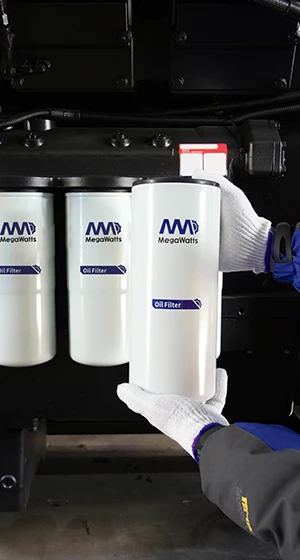
Key Maintenance TasksThe 1000 hour generator maintenance checklist serves as a structured protocol to safeguard industrial generator reliability and operational continuity. According to the National Fire Protection Association, 23% of emergency generator failures during utility outages stem from inadequate maintenance. Skipping scheduled maintenance at this interval increases risks such as engine overheating, accelerated wear, and severe breakdowns. Routine oil and filter changes, along with coolant system checks, remain essential for compliance and equipment longevity.
The 1000 hour generator maintenance interval marks a significant milestone in the operational life of industrial generators. At this stage, a comprehensive checklist ensures that all critical systems receive attention. Technicians focus on the engine, fuel system, cooling system, filters, and electrical output. Each task targets potential points of failure that could compromise generator reliability.
Regular maintenance at this interval prevents unexpected downtime and extends equipment lifespan.
The following table outlines the main systems and tasks included in a typical 1000 hour generator maintenance checklist:
|
Maintenance Task |
Description |
|
Checking engine oil |
Ensures proper lubrication and engine function. |
|
Inspecting fuel systems |
Verifies fuel delivery and prevents issues. |
|
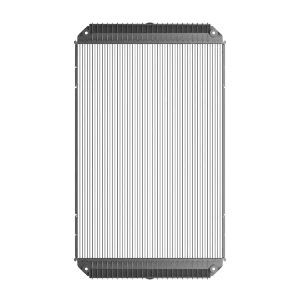
Maintaining cooling systems |
Keeps the generator from overheating. |
|
Cleaning filters |
Ensures air and fuel flow are unobstructed. |
|
Testing electrical output |
Confirms the generator is producing the correct power. |
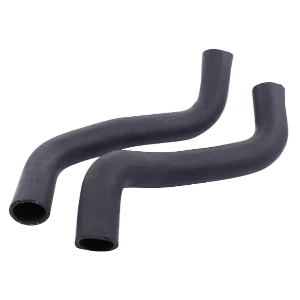
Technicians also inspect belts, hoses, and connections. They replace worn parts and clean debris from the generator housing. Load bank testing verifies performance under real-world conditions.
Why 1,000 Hours Is Critical
The 1000 hour generator maintenance interval is essential for preventing costly failures. Industrial generators operate in demanding environments. After 1,000 hours, internal components experience wear that can lead to breakdowns if neglected. Oil loses its effectiveness, filters become clogged, and cooling systems may develop leaks.
A thorough checklist at this stage identifies issues before they escalate. Scheduled maintenance supports compliance with industry standards and safety regulations. It also protects investments by maximizing generator reliability and minimizing operational risks.
Generator Servicing Checklist by System
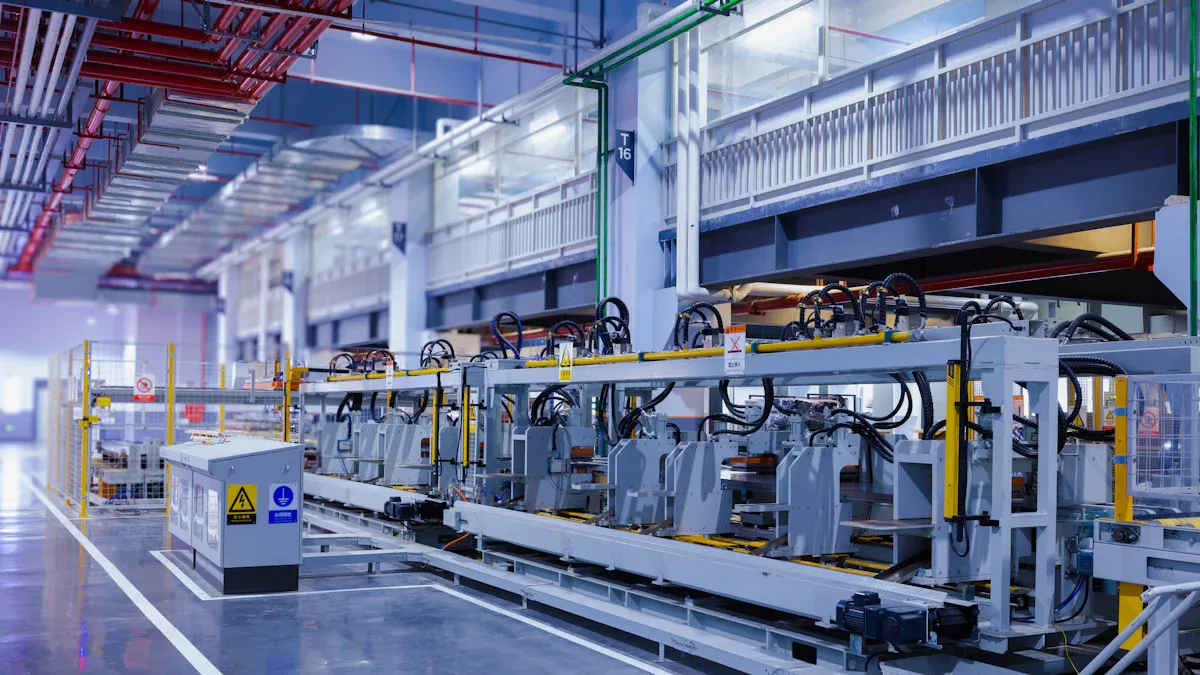
A robust generator servicing checklist ensures every subsystem receives focused attention at the 1000 hour generator maintenance interval. This approach minimizes the risk of oversight and supports generator reliability across industrial sites. The following breakdown details each critical area of the maintenance checklist.
Engine Inspection and Service
A thorough engine inspection forms the foundation of any generator servicing checklist. Key tasks at the 1,000-hour mark include:
- Inspect and service all engine fluids, including oil and coolant, to maintain optimal operation.
- Test the battery system by cleaning terminals, performing load tests, checking electrolyte levels, and verifying charger output. Replace batteries with less than 75% capacity.
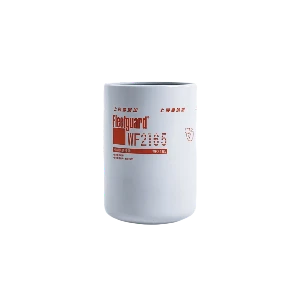
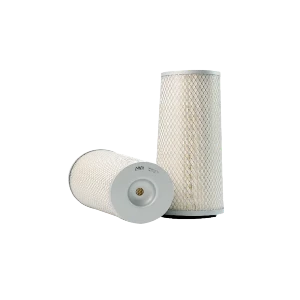
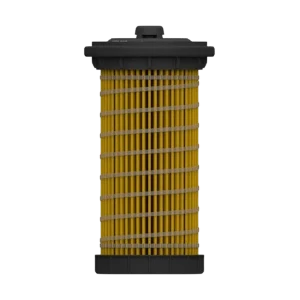
- Examine and replace air filters as needed to ensure proper airflow and prevent dirt ingestion.
- Inspect the exhaust system for leaks, corrosion, and loose connections to prevent hazardous gas exposure.
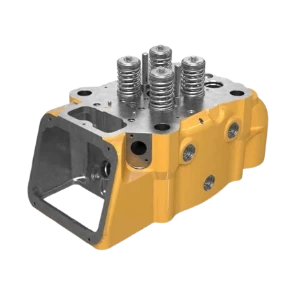
- Adjust valve lash to maintain correct engine timing and compression. This adjustment is typically required every 1,000 to 2,000 hours and should be performed by a qualified technician.
Regular engine servicing improves performance and efficiency, increases reliability, and extends the generator’s lifespan. Clean components such as air filters and spark plugs enhance power output, while early identification of issues reduces the risk of breakdowns.
Cooling System Checks
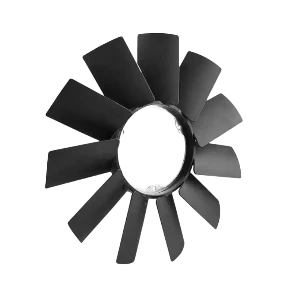
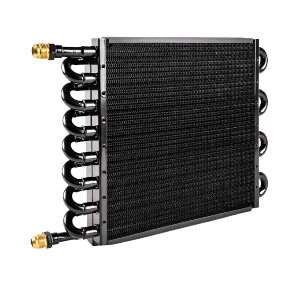
Cooling system failures account for 15% of generator downtime in industrial environments. The generator servicing checklist for cooling systems at 1,000 hours should include:
- Complete all 500-hour and intermediate service tasks, such as fuel filter and fan belt checks.
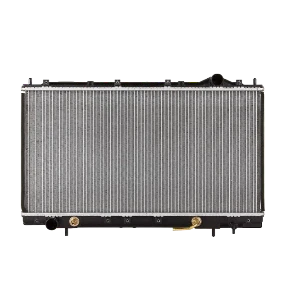
- Drain, flush, and replace coolant using a 50/50 ethylene glycol mix. Inspect for leaks while the system is empty.
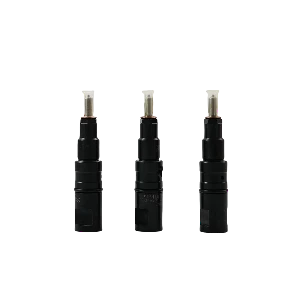
- Check and adjust injectors or send them for testing if spray patterns are poor.
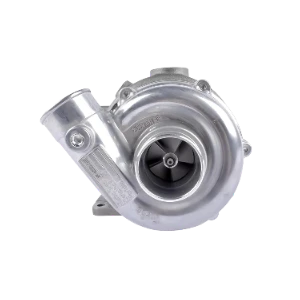
- Inspect the turbocharger for shaft play and oil leaks.
- Replace the inner air filter element.
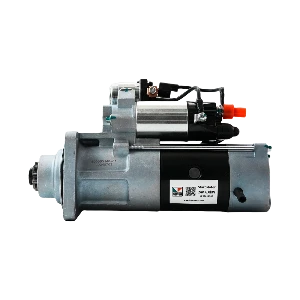
- Inspect the starter motor and solenoid for wear.
- Document all findings and update the maintenance log.
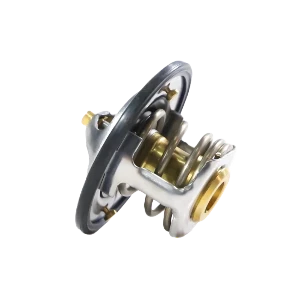
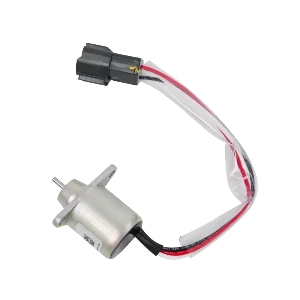
Routine cooling system servicing prevents overheating, coolant leaks, and thermostat failures, all of which can lead to costly downtime.Inspect the starting motor and stop solenoid for wear. Sourcing reliable stop solenoids from Megawatts Parts guarantees immediate fuel cut-off during critical emergency shutdowns, preventing severe internal engine damage.
Electrical System Review
Electrical faults are a leading cause of generator malfunctions. The generator servicing checklist must address the following:
|
Problem |
Check |
Solution |
|
ATS Won't Transfer |
Transfer switch contacts for pitting/arcing |
Clean contacts; replace if pitted >1mm |
|
Control Board Fault |
Fault codes on display; blown fuses |
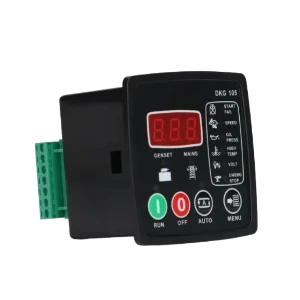
Reset controller; replace if persistent |
|
Voltage/Frequency Off |
Output (±5% rated) and frequency (60Hz ±0.5Hz) |
Adjust AVR; check governor |
|
Sensor Failure |
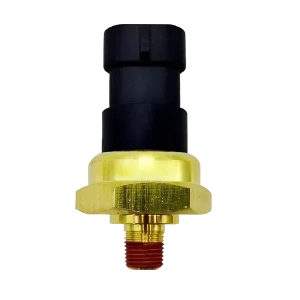
Resistance/voltage against spec; wiring check |
Replace sensor; repair wiring |
|
Ground Fault |
Insulation resistance (>1MΩ) |
Locate and repair insulation damage |
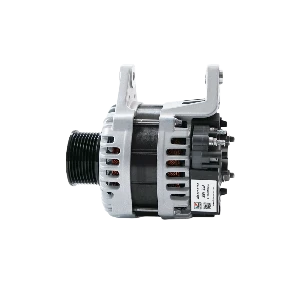
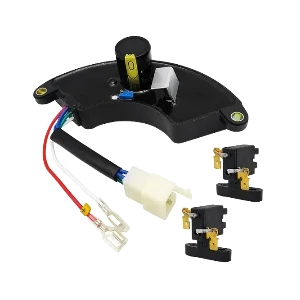
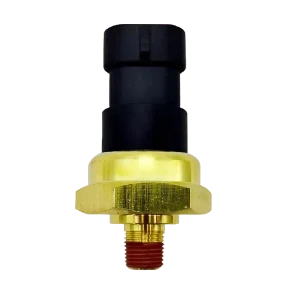
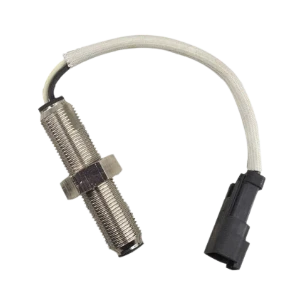
Visual inspections can reveal rust, corroded battery terminals, or damaged wires. These signs indicate the need for immediate servicing to prevent safety hazards. When resolving voltage or frequency inconsistencies identified in the control panel, technicians must closely inspect the generator AVR and related speed sensors. Maintaining stable voltage output requires precise adjustments, and replacing a faulty control board with verified Megawatts Parts components restores grid synchronization rapidly.
Fuel System Maintenance
A comprehensive generator servicing checklist must include fuel system maintenance to prevent failures caused by degraded fuel. Steps include:
- Implement fuel quality management protocols.
- Conduct fuel polishing every 6-12 months to remove water and sediment.
- Perform annual fuel sampling and laboratory analysis to detect contamination.
- Replace fuel filters annually, regardless of runtime.
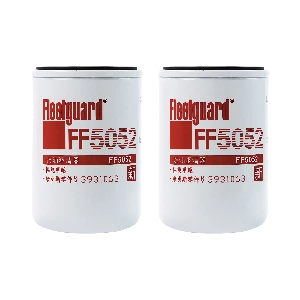
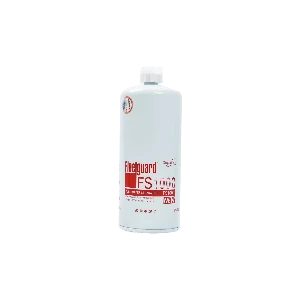
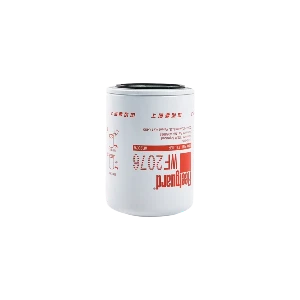
Contaminants such as water, microbial growth, sediments, and oxidation byproducts can clog injectors, increase engine deposits, and cause unstable RPMs. These issues reduce generator performance and reliability. Replace fuel filters and the fuel water separator annually, regardless of runtime. High-quality filtration captures contaminants like water, microbial growth, and oxidation byproducts before they clog fuel injectors or cause unstable RPMs.
Lubrication and Oil Change
Proper lubrication is essential for generator longevity. The generator servicing checklist for lubrication and oil changes should cover:
- Use only manufacturer-approved oil grades and specifications.
- Warm the engine before draining oil to suspend contaminants.
- Replace crush washers or seals on drain plugs as specified.
- Collect oil samples for laboratory analysis on high-value generators.
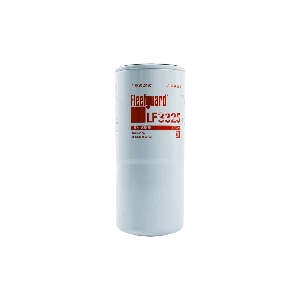
Consistent oil changes prevent premature wear and protect engine components from friction and overheating.
Air Intake and Filter Replacement
The air intake system must remain unobstructed for efficient generator operation. The generator servicing checklist includes:
- Inspect and replace air filters based on environmental conditions.
- Check for blockages or debris in the intake system.
- Ensure all connections are secure and free of leaks.
Clean air filters prevent dirt ingestion, which can cause engine damage and reduce efficiency.
Load Bank Testing
Load bank testing is a critical part of the 1000 hour generator maintenance process. The generator servicing checklist for load testing involves:
- Prepare by checking oil, fuel, and coolant levels. Ensure the circuit breaker is open and safety ground is connected.
- Start the generator and allow coolant temperature and oil pressure to stabilize.
- Apply load in increments, monitoring kW load, voltage, frequency, oil pressure, and coolant temperature.
- Remove load in reverse steps and allow the engine to idle before shutdown.
- Document all test data, including start and end times, technician details, and any deficiencies.
Load bank testing verifies generator performance under real-world conditions, identifies potential issues, and ensures readiness for emergencies. Regular testing also extends generator lifespan and complies with industry standards.
Visual and Physical Inspections
A detailed visual and physical inspection is a vital part of the generator servicing checklist. Key inspection points include:
|
Inspection Point |
Description |
|
Visual Inspection |
Check for leaks, loose wiring, corrosion, and physical damage. |
|
Battery Voltage |
Measure with a multimeter; 12.6-13.2V for 12V systems. |
|
Coolant Level |
Verify in the expansion tank; low levels may indicate leaks. |
|
Engine Oil Level |
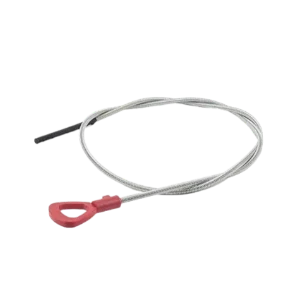
Use dipstick; ensure oil is between ADD and FULL marks. |
|
Fuel Level |
Inspect tanks and document weekly to identify leaks. |
|
Control Panel |
Review for alarm indicators and faults. |
|
Exhaust System |
Inspect for leaks, corrosion, and muffler condition. |
|
Valve Lash Adjustment |
Required every 1,000-2,000 hours for optimal performance. |
|
Alternator Insulation Testing |
Use megohmmeter; below 1 megohm indicates insulation issues. |
These inspections help identify developing problems before they escalate.
Cleaning and Debris Removal
A clean generator operates more efficiently and safely. The generator servicing checklist should include:
- Remove dust, dirt, and debris from the generator exterior and vents.
- Maintain the enclosure and surrounding area, especially after storms.
- Trim vegetation and remove flammable materials to reduce fire risk.
- Seal gaps in the housing to prevent rodent activity.
- Establish a cleaning schedule based on usage and environment.
Regular cleaning prevents overheating, ensures proper airflow, and reduces the risk of malfunctions.
Tip: Consistent use of a generator servicing checklist at the 1,000-hour mark, along with monthly generator servicing checklist, quarterly generator servicing checklist, and annual generator servicing checklist, creates a comprehensive maintenance program that maximizes generator reliability and performance.
Preventive Safety and Compliance Checks
Emergency Shutdown Testing
Emergency shutdown systems protect personnel and equipment from unexpected hazards. Preventive testing of these systems ensures that the generator will stop safely during critical events. Technicians must simulate emergency conditions and verify that the shutdown sequence activates without delay. They should check all sensors, switches, and wiring for proper function. A missed weekly inspection can lead to significant liability. Preventive measures reduce safety risks and help avoid costly incidents.
Fire Suppression Equipment
Industrial sites must equip generator enclosures with fire suppression systems. Preventive checks include inspecting fire extinguishers, verifying pressure gauges, and confirming that suppression agents are within expiration dates. Staff should test alarms and automatic triggers to ensure immediate response during a fire event. Removing debris and flammable materials from the generator area forms part of a comprehensive preventive strategy. These steps protect both personnel and assets.
Regulatory Compliance Review
Regulatory agencies require strict adherence to generator maintenance and testing protocols. Preventive reviews of documentation and procedures help avoid violations. The most common compliance issues identified during inspections include incomplete records, failed load testing, and expired permits. The table below summarizes these findings:
|
Violation Category |
|
|
Incomplete or missing test records |
45% |
|
Failed load testing requirements |
30% |
|
Expired permits or certifications |
25% |
Falsified load bank reports can trigger compliance issues. In addition, 20-30% of backup generators fail to start due to minor preventive oversights. Compliance is critical for life safety and infrastructure protection. Routine preventive checks ensure that all records are accurate and up to date, supporting both operational reliability and regulatory requirements.
Common Generator Maintenance Mistakes
Skipping Load Bank Testing
Skipping load bank testing is a frequent mistake in generator maintenance. This test simulates real-world electrical loads, revealing hidden issues before emergencies occur. Neglecting this step can result in non-compliance with NFPA standards and increased liability. The consequences extend beyond regulatory penalties. Unreliable generators may fail to support life-safety systems during outages. The following table highlights the risks associated with skipping load bank testing:
|
Consequence |
Description |
|
Downtime and Revenue Losses |
Unplanned downtime can lead to significant revenue losses, especially during outages. |
|
Equipment Damage |
Failure to perform load tests can result in unstable power, damaging sensitive machinery. |
|
Safety Risks |
Unreliable generators can create serious safety hazards, particularly for essential safety equipment. |
Additional issues include:
- Accumulation of carbon deposits and corroded components.
- Inefficient operation leading to failure to ramp up to full power during outages.
- Undetected problems such as battery failure or fuel system defects.
Overlooking Minor Wear
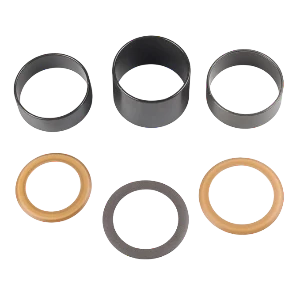
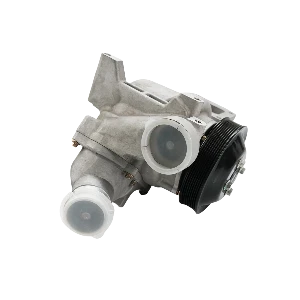
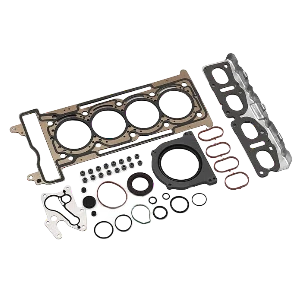
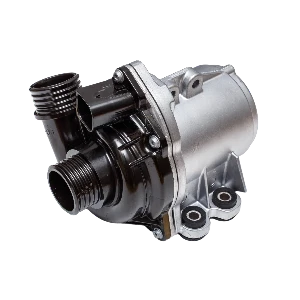
Minor wear often goes unnoticed during generator maintenance. Small issues, such as a weeping water pump or degrading seals, can escalate into catastrophic engine overheating if ignored. Proactively replacing vulnerable components using high-quality gasket seal kits from Megawatts Parts minimizes the risk of unexpected fluid pressure loss and avoids costly corrective maintenance.
Using incorrect parts during generator maintenance can compromise system integrity. Parts that do not meet manufacturer specifications may cause operational failures. This mistake often leads to repeated corrective maintenance and increased downtime. Technicians must verify part compatibility and follow recommended guidelines. Proper parts selection is essential for maintaining generator reliability and avoiding unnecessary corrective repairs.
Incomplete Documentation
Incomplete documentation is a common oversight in generator maintenance. Accurate records are vital for tracking service history and planning future maintenance. Missing information can hinder troubleshooting and delay corrective actions. Comprehensive documentation supports compliance and ensures that all maintenance tasks, including corrective maintenance, are performed as required. Reliable records help maintain generator performance and reduce operational risks.
Tip: Establish a routine for updating maintenance logs after every generator service. Consistent documentation streamlines corrective processes and supports regulatory compliance.
Maintenance Planning Tips
Scheduling and Downtime
A well-structured maintenance schedule is essential for minimizing downtime and maximizing generator reliability. Industrial sites should prioritize preventive maintenance to address potential issues before they disrupt operations. The best approach involves aligning maintenance schedules with actual generator run hours, not just calendar dates. Assigning maintenance tasks to specific individuals increases accountability and ensures timely completion.
Plants that achieve over 85% preventive maintenance compliance report fewer unplanned stoppages and improved operational efficiency.
To optimize scheduling and reduce downtime, follow these steps:
- Pull manufacturer-recommended service intervals for each generator.
- Load these intervals into a calendar based on run hours.
- Assign tasks to designated personnel.
- Review compliance weekly.
- Coordinate maintenance windows with production teams to align with periods of low demand.
This process supports predictive maintenance strategies and reduces the risk of unexpected outages.
Record Keeping
Effective record keeping is a cornerstone of generator maintenance. Electronic logs provide a reliable record of inspections, tests, and repairs. These logs are crucial for regulatory compliance and warranty claims. Systematic tracking of maintenance schedules and activities helps identify trends and predict potential issues.
- Electronic logs maintain inspection and repair history.
- Systematic tracking improves communication among maintenance teams.
- Detailed logs support audits and regulatory reviews.
Accurate records help spot patterns and enable predictive maintenance, enhancing long-term generator performance.
Staff Training
Proper staff training ensures safe and efficient generator maintenance. Training topics should cover installation procedures, carbon monoxide safety, hearing protection, and safe fuel handling. Staff must learn to minimize moisture exposure and implement generator safety protocols. Investing in remote monitoring systems and keeping filters clean are also essential.
|
Training Topic |
Importance |
|
Installation procedures |
Prevents setup errors |
|
Carbon monoxide safety |
Protects personnel |
|
Hearing protection |
Reduces noise-related injuries |
|
Safe fuel handling |
Prevents spills and hazards |
|
Moisture control |
Avoids electrical faults |
|
Safety training procedures |
Ensures emergency readiness |
|
Remote monitoring |
Enables predictive maintenance |
|
Filter maintenance |
Maintains generator efficiency |
|
Routine maintenance |
Extends equipment lifespan |
Routine training updates keep staff informed about new technologies and regulatory requirements. Well-trained personnel contribute to safer, more reliable generator operation.
When to Call a Professional

Advanced Diagnostics
Certain generator issues require expertise beyond routine checks. Advanced diagnostics become necessary when inspections reveal persistent faults or when performance drops unexpectedly. Specialized tools, such as borescopes and robotic rotor end methods, allow professionals to examine internal components without disassembly. These methods can uncover hidden problems like end winding connection wear, core anomalies, or exciter component degradation. In-situ robotic inspections provide non-invasive assessments, making it possible to detect loose wedges or corona damage early. Data collected during these inspections helps predict future service needs and optimize generator schedules. Routine inspections remain essential, but advanced diagnostics ensure that critical issues do not escalate into costly failures.
Note: Early detection of internal wear through advanced diagnostics can prevent extensive repairs and unplanned downtime.
Choosing Service Providers
Selecting the right professional for generator service is crucial for industrial sites. Qualified providers should demonstrate a thorough understanding of your power requirements. They must assess your facility’s load to avoid under-sizing the generator. A reliable provider will explain the installation timeline and answer technical questions with confidence. Proper site preparation is another key factor. This includes foundation engineering, fuel system infrastructure, exhaust routing, and electrical integration. Providers should also manage the permitting process and ensure compliance with local building codes. Experience with local regulations reduces the risk of costly mistakes, such as foundation failures or code violations.
When evaluating service providers, consider the following:
- Assess their approach to load analysis and site preparation.
- Confirm their experience with regulatory compliance and permitting.
- Ensure they offer clear communication and are willing to address your concerns.
Choosing a qualified professional ensures that generator installation and maintenance meet industry standards, supporting long-term reliability and safety.
Following a 1,000-hour generator maintenance checklist ensures consistent performance and reduces the risk of unexpected failures. Regular servicing supports a reliable power supply, protects personnel, and meets regulatory standards. Always consult qualified professionals for complex issues. Maintain detailed records to track service history and support future inspections.Equip your maintenance teams with precision-engineered components from Megawatts Parts to guarantee your site remains powered under the most severe conditions.
FAQ
What is the main benefit of following a 1,000-hour generator maintenance checklist for industrial users?
Industrial users gain reliable power and reduced risk of unexpected breakdowns. This checklist helps maintain compliance, improves safety, and supports extended equipment lifespan. Consistent maintenance also protects investments and ensures operational continuity.
How does regular generator maintenance impact equipment lifespan?
Routine maintenance prevents excessive wear and tear. It keeps components clean and lubricated. This practice directly contributes to equipment lifespan by reducing the likelihood of failures and optimizing performance.
Why should industrial users prioritize load bank testing?
Load bank testing verifies generator performance under real conditions. Industrial users avoid production downtime by identifying issues early. This test ensures generators can handle required loads during emergencies.
What are the consequences of neglecting generator maintenance for industrial users?
Neglecting maintenance increases the risk of unexpected breakdowns. Industrial users may face production downtime, safety hazards, and costly repairs. Proper servicing minimizes these risks and supports reliable operation.
How does generator maintenance support extended equipment lifespan for industrial users?
Maintenance tasks such as oil changes, filter replacements, and system inspections help industrial users achieve extended equipment lifespan. These actions prevent damage, improve efficiency, and reduce the frequency of major repairs.
Previous And Next
-
Previous Post:
 BLOG
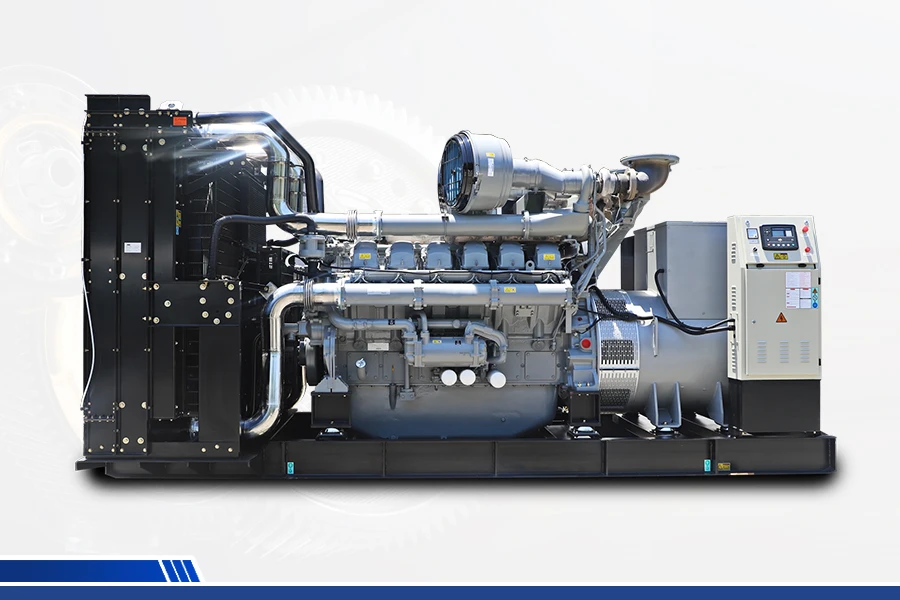
BLOG Megawatts BlogIntroducing the components of a diesel engineIntroducing the components of a diesel engine A diesel generator set is a type of internal combustion generator set and is currently one of the most widely used power generation devices in the world....
 -
Next Post:
 BLOG
Megawatts BlogField Emergencies:How to Measure a Fan Belt and Safely Use Emergency ReplacementsA sudden fan belt failure can halt operations and create hazardous conditions. Immediate response protects both equipment and personnel. Emergency fan belt replacement often requires quick thinking an...
BLOG
Megawatts BlogField Emergencies:How to Measure a Fan Belt and Safely Use Emergency ReplacementsA sudden fan belt failure can halt operations and create hazardous conditions. Immediate response protects both equipment and personnel. Emergency fan belt replacement often requires quick thinking an...
Read More
-
 BLOG
Megawatts BlogStrategic Sourcing: How to Build a Standardized Generator Sets Parts Catalog for Mixed FleetsManaging a mixed fleet of Cummins, Perkins, and Caterpillar generators often creates a hidden financial drain through inventory duplication and fragmented procurement. When different brands use differ...
BLOG
Megawatts BlogStrategic Sourcing: How to Build a Standardized Generator Sets Parts Catalog for Mixed FleetsManaging a mixed fleet of Cummins, Perkins, and Caterpillar generators often creates a hidden financial drain through inventory duplication and fragmented procurement. When different brands use differ... -
 BLOG
Megawatts BlogDiesel Generator Won't Crank: A Step-by-Step Electrical Diagnostic Checklist for MechanicsWhen a diesel generator won't crank, check the electrical system first. Do not chase fuel or mechanical theories yet. Low battery voltage and corroded connections cause most no-start condition calls....
BLOG
Megawatts BlogDiesel Generator Won't Crank: A Step-by-Step Electrical Diagnostic Checklist for MechanicsWhen a diesel generator won't crank, check the electrical system first. Do not chase fuel or mechanical theories yet. Low battery voltage and corroded connections cause most no-start condition calls.... -
 BLOG
Megawatts BlogMagnetic Coil Degradation: Why Your Diesel Engine Stop Solenoid Fails Under Extreme HeatExtreme heat is the primary enemy of a diesel engine stop solenoid. The heat breaks down the electrical insulation inside the magnetic coil. This degradation raises resistance and creates short circui...
BLOG
Megawatts BlogMagnetic Coil Degradation: Why Your Diesel Engine Stop Solenoid Fails Under Extreme HeatExtreme heat is the primary enemy of a diesel engine stop solenoid. The heat breaks down the electrical insulation inside the magnetic coil. This degradation raises resistance and creates short circui... -
 BLOG
Megawatts BlogThe Hidden Cost of Expired Inventory: Shelf Life and Proper Storage of Rubber Gasket Seal KitsA gasket seal kit sits untouched for five years. You paid for it. Now you pay to dispose of it. When a failure occurs, you pay a premium for emergency replacement. These hidden costs accumulate silent...
BLOG
Megawatts BlogThe Hidden Cost of Expired Inventory: Shelf Life and Proper Storage of Rubber Gasket Seal KitsA gasket seal kit sits untouched for five years. You paid for it. Now you pay to dispose of it. When a failure occurs, you pay a premium for emergency replacement. These hidden costs accumulate silent...
Subscribe to enjoy 10% off
Stay informed about new products and sales

-
INFORMATION
Contact Us
-
CHINA SALES OFFICE: No. 2-11, No. 8, Gaotai Road, Gaishan Investment Zone, Cangshan District, Fuzhou, Fujian
-
SAUDI ARABIA FACTORY: 7264 Shakra, Al Faisaliyyah, REFB3035, 3035, Riyadh 12883
-
COLOMBIA SALES OFFICE: 92-32 26th Street, 03-118, Bogota
-
NIGERIA FACTORY: Plot 5 Chivita Avenue Ajao Estate Isolo Lagos
-
Email:sales@megawattsparts.com
Follow Us


Copyright © 2025 Megawatts All Rights Reserved.



Select Previous Button or Search Directly on Search Bar!
Shop All
 English
Currency: <{ pagedata.current_currency }>(<{ pagedata.current_currency_code }>)
Are you in the right place?

You agree to MegaWatts.com's Terms of Use and Privacy Policy by subscribing. You may receive emails with useful tips, promotions, and offerings.
No, thanks. I'd rather pay full price.