





































Anatomy of a Breakdown: Warning Signs Your Engine Driven Water Pump is Failing Before It Leaks
by Megawatts - Updated At 2026-10-09
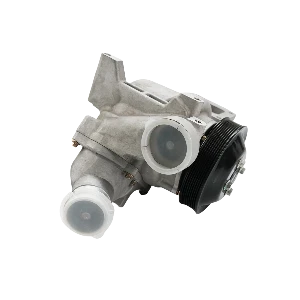
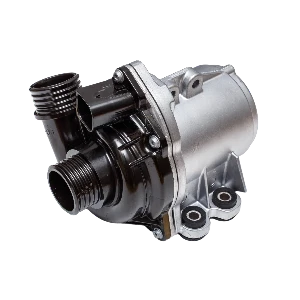
An engine-driven water pump typically broadcasts failure well before it drips. The pre-leak danger window is that brief period when noise, odor, temperature swings, or residue appear but no puddle forms. A pump often lasts 8,000 to 10,000 hours in heavy-duty service, so these early warning signs matter. Veteran technicians group them into four categories: what you hear, what you smell, what you see, and what you feel. Do not wait for the puddle; a failed pump can take your engine with it. Coolant loss is the final symptom, not the first. Sourcing reliable water pumps for engines from the start is your best defense against unexpected downtime.
Listen for Common Signs of a Bad Water Pump
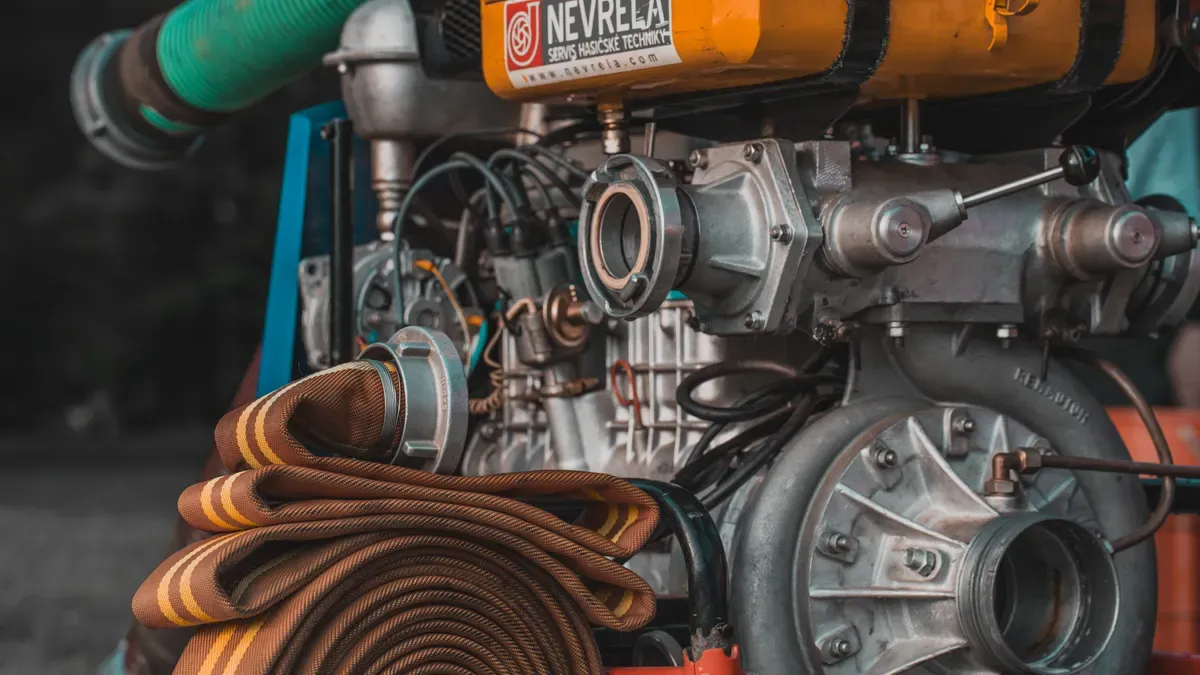
Sound is the earliest diagnostic channel available to an inspector. A water pump is responsible for circulating coolant, and its bearings and impeller spin continuously whenever the engine runs. Long before a seal fails and drips onto the ground, the rotating assembly announces its distress through distinct noises. Catching these sounds requires only a trained ear and a few minutes at idle.
Whining, Grinding, and Bearing Trouble
A high-pitched whining or grinding sound that rises and falls with engine speed is the classic symptom of a failing water pump bearing. At idle, the noise may be faint. Under light revs, the pitch climbs. This changing pitch separates bearing noise from steady belt squeal. Squealing noises emanating from the front of your engine often trace back to bearing wear, and they rank among the first signals of pump deterioration. The whine can mimic a serpentine belt issue, especially when pump failure has begun affecting other driven components.
Grinding carries a more urgent message. A whining or grinding noise from the engine that appears only at startup and fades afterward points to early-stage bearing wear or debris in the pump intake. The pump may keep working, but wear accelerates from that point. Grinding or humming that grows louder over time indicates bearing distress is advancing. Left unaddressed, a failing bearing can damage the shaft, impeller, or housing. Cavitation produces a separate sound, often described as marbles rattling through the pump housing. An inspector who hears any of these signs of a failing water pump should flag the unit for immediate review.
Chirping, Clicking, and Belt Noise
Chirping and clicking originate from the engine belt drive rather than the pump internals, but they still signal trouble in the pump system.
|
Noise Type |
Common Cause |
Potential Solution |
|
Chirping |
Misalignment, friction |
Realign pulleys; re-tension the belt; monitor belt tracking |
|
Clicking + Grinding |
Debris or worn teeth |
Clean the drive; implement contamination prevention measures; inspect components for wear |
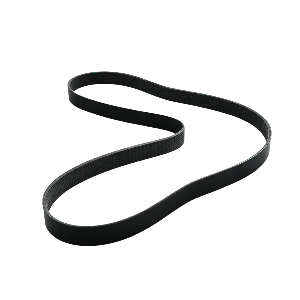
Chirping usually indicates that a belt isn't tracking properly and is rubbing against other components or pulley flanges, often caused by misalignment, improper tension, or side friction. Clicking or grinding noises can indicate contamination, potentially leading to belt and pulley wear. When dust, scraps, or shavings get into pulley grooves, they create a tick as the pulley rotates and the belt teeth engage. Clicking can also be caused by worn or damaged belt teeth that no longer mesh smoothly with the pulley.
Isolating the source prevents misdiagnosis. Place a mechanic's stethoscope or a long screwdriver against the pump housing and your ear to pinpoint the sound. As an alternative, briefly remove the belt and spin the pulleys by hand to check for roughness. A veteran technician once traced a persistent chirp to a misaligned tensioner pulley on a Cummins generator set. The pump itself was sound, but the belt wear had begun stressing the pump shaft. That is a common signs of a bad water pump scenario that rewards careful listening. When a water pump is failing, the noise almost always precedes the leak.
Watch for Water Pump Warning Signs Before the Puddle
A water pump rarely fails without notice. It seeps, it smells, and it leaves traces long before a puddle forms on the shop floor. Inspectors who recognize these early clues can schedule replacement during planned downtime instead of reacting to a roadside breakdown.
Sweet Coolant Smell and Steam Under the Hood
The weep hole on a water pump housing sits between the seal and the bearing. It serves as a drainage path and an early alert system. The mechanical seal requires a thin film of coolant for lubrication, so a tiny amount of moisture seeps past the seal during normal operation. The weep hole vents this moisture as a fine mist or vapor rather than a liquid stream. That vapor produces a faintly sweet smell after engine shutdown. Ethylene glycol coolant emits a distinct sweet aroma when it contacts hot engine parts such as the engine block or exhaust manifold. A technician who notices this odor during a walkaround should treat it as a symptom of a failing water pump seal.
Steam rising from the engine bay is another early clue. Coolant is dyed in vivid colors such as orange, yellow, green, or pink, which makes it distinguishable from oil or fuel. When this coolant contacts hot surfaces, it vaporizes and escapes as steam. A faintly sweet smell combined with low coolant levels in the reservoir points to seepage that has not yet produced a visible drip. The coolant reservoir level may keep dropping even when no puddle is visible on the driveway. Inspectors should check the overflow bottle during every pre-trip inspection. A slow decline in coolant volume without an obvious external leak is one of the most reliable warning signs of a failing water pump.
Rust Streaks, Corrosion, and Cracks Around the Pump
Visual inspection reveals what smell alone cannot confirm. Chalky pink or white residue below the pump pulley is the clearest early sign of seepage. This crust forms when coolant vapor escapes through the weep hole and crystallizes on the housing surface. A visible trail can appear long before the bearing becomes noisy. Rust-colored streaks running down from the pump area tell a similar story. Visible rust or corrosion on a water pump housing is not merely cosmetic; it is a diagnostic warning that the pump is deteriorating and may soon fail.
The table below summarizes physical signs and their meaning.
|
Physical Sign |
What It Indicates |
|
Visible cracks or splits in exposed casing |
Clear indicators of problems below ground as well |
|
Corrosion holes |
Clear indicators of problems below ground as well |
|
Heavy rust on steel casing exteriors |
Advanced corrosion; if the outside looks bad, the inside is likely worse |
Hose connections deserve equal attention. Brightly colored puddles or dried, crusty residue near hose fittings can indicate an active coolant leak. A loose clamp or degraded hose may mimic a pump failure, so inspectors should verify both before ordering parts. If rust or corrosion is visible on the pump housing, the pump should be replaced within the next 30 days rather than waiting for complete failure. These visible symptoms give maintenance teams a clear window to act.
Notice Temperature and Vibration From a Failing Water Pump
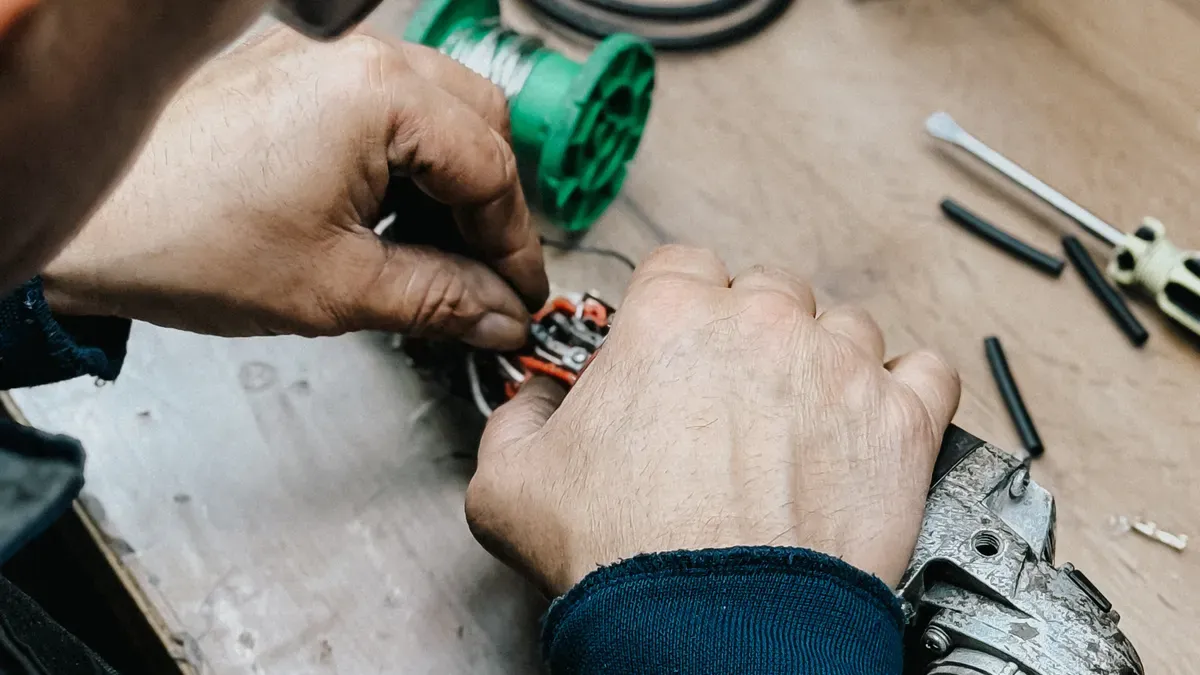
Temperature changes and vibration often appear after noise and smell but before any puddle forms. These warning signs tell an inspector that the pump is losing its ability to move coolant efficiently.
Gauge Fluctuations and Weak Heater
The water pump is responsible for circulating coolant through the engine and heater core. When a water pump is failing, coolant flow becomes erratic. Heat removal happens unevenly. The temperature gauge may wander or spike during idle and low-speed operation. An operator or technician might notice the temperature gauge climbing higher than normal, then dropping back without explanation. This pattern repeats because the pump cannot circulate the coolant properly at all engine speeds.
Weak cabin heat is another reliable indicator. An impeller that slips on its shaft reduces flow to the heater core. The vents blow lukewarm air even when the engine is hot. Heater output may fade at idle or during temperature swings. These visible symptoms point to a circulation problem, not a thermostat issue.
Intermittent overheating follows the same logic. The engine starts to overheat under extended idling, highway driving, or climbing grades. After a restart, the gauge may return to normal. The engine starts to overheat quickly under high demand, then recovers when the load drops. This fluctuating pattern is classic failing water pump behavior. When the engine overheats repeatedly, head gasket damage becomes a real risk.
Pulley Wobble and Idle Vibration
A visible wobble in the pump pulley means the shaft bearing has worn. Shaft play allows the pulley to rock side to side. At idle, this movement produces a vibration felt through the engine block or seen at the belt. Under revs, the wobble worsens.
Excessive radial shaft play: 0.015 inches of measurable play at the outer end of an engine-driven water pump shaft is considered excessive. Most ball bearings allow only about 1/10th of that amount in radial runout, and new water pump bearing assemblies should have no measurable play.
Any detectable play warrants pump replacement. Excessive vibration near the pump at idle is another red flag. This symptom often appears before a leak develops. An inspector who feels unusual vibration during a walkaround should check the pulley for wobble immediately.
Confirm a Failing Water Pump Early
Check Shaft Play and Weep Hole Residue
A hands-on inspection confirms what noise and smell suggest. The engine must be off and cool before touching any component. Follow these steps to check for radial shaft play:
- Firmly grip the water pump pulley by hand.
- Attempt to rock the pulley radially by pushing it forward and pulling it back, then trying side-to-side motion.
- Observe for any detectable play. Any perceptible movement is abnormal because a healthy bearing should have zero play.
- Note that even approximately 010 inch of radial play can produce noise and signals a bearing likely to fail soon.
If play is present, replace the pump. While inspecting, look for residue around the weep hole. Crusty coolant deposits or rust-colored streaks confirm seal seepage. A veteran technician once found a pump with slight play and dried residue on a Cummins generator set. The pump had not yet leaked onto the floor, but replacement was scheduled immediately. That decision prevented a mid-shift breakdown.
Pressure Test and Inspect Belt and Tensioner
A cooling-system pressure tester is an optional next step. Let the engine cool, attach the tester per the manufacturer's instructions, and pump to the specified pressure level for the engine or generator set.
Visually inspect all cooling system components for leaks. A rapid pressure drop may indicate a leak or faulty component.
No pressure test should exceed the psi marked on the cap. So if the cap is marked 15lbs you test at or below 15 psi.
Replace the water pump, belt, and tensioner together as preventive maintenance. The water pump is typically driven by the timing belt and sits behind the same covers. Replacing it with the belt and tensioner avoids paying the same labor twice. A failed pump bearing can lock up and shred the timing belt on interference engines, which can bend valves and destroy the engine. A bad tensioner can also come apart and shred the belt. Many mechanics recommend this combined replacement as insurance. A failing water pump can cause rapid overheating. Catching a failing water pump early saves money and prevents catastrophic engine damage. The pump costs only a fraction of the labor required to reach it. For example, replacing a failing unit with a genuine LP00045635 water pump for Lister Petter engines is a high-return investment that protects your entire generator set.
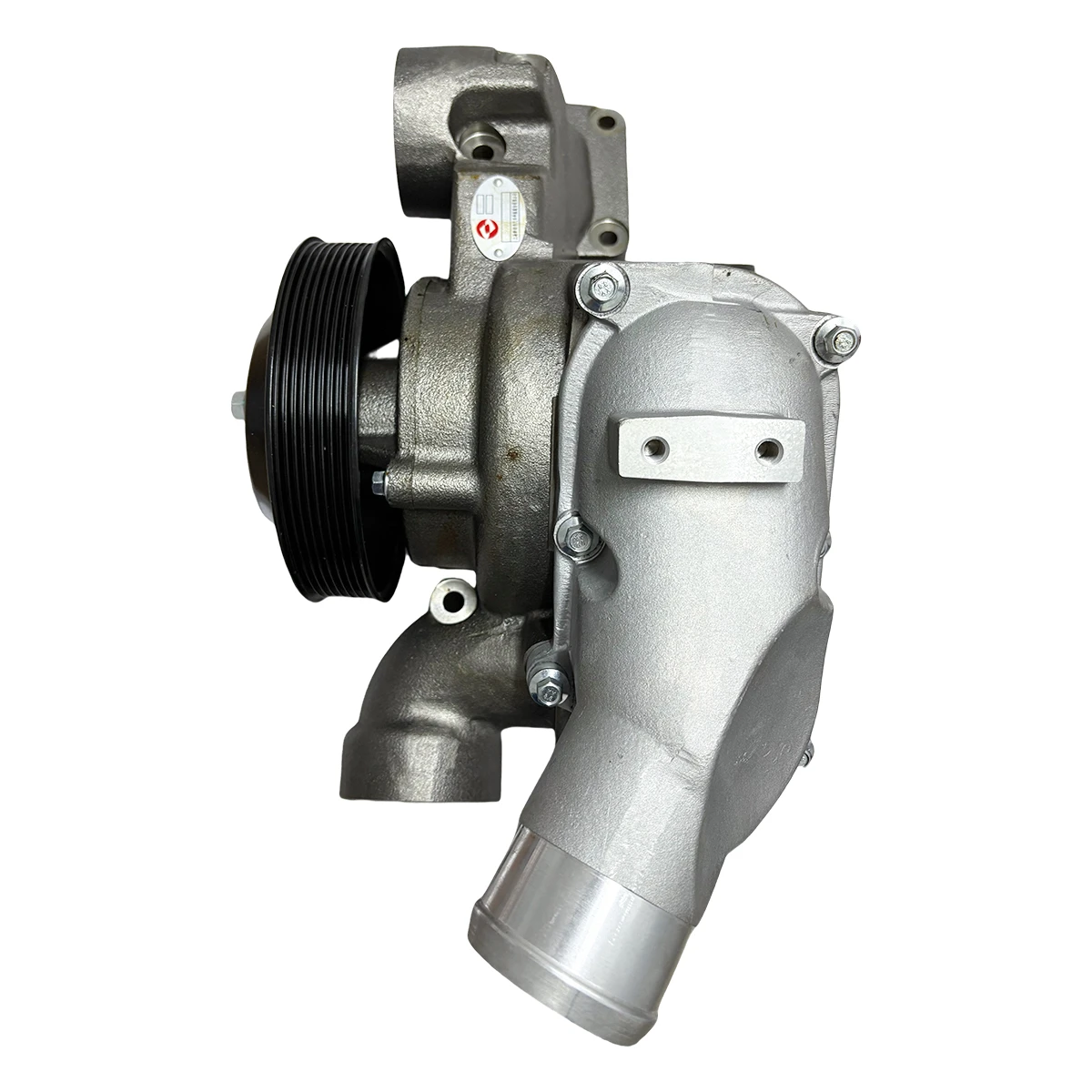
Build Water Pump Checks Into Fleet Maintenance
Add Bearing Noise and Shaft Play to Walkaround Inspections
Maintenance crews should treat water pump inspection as a standard part of every daily or pre-trip walkaround. The goal is simple: catch a failing water pump before it becomes a roadside breakdown. A cold start offers the best listening opportunity. A high-pitched squeal from the front of the engine can indicate pulley or internal bearing wear. Grinding or growling noises suggest metal-on-metal friction and a pump near failure. Chirping or whining points to belt misalignment or pump wobble.
With the engine off, inspect the pulley by hand. A crooked, loose, or wiggling pulley signals internal bearing failure. Check for coolant residue around the weep hole near the pulley. Even a small crust of dried coolant confirms seal seepage. These checks take less than two minutes and can reveal a failing water pump long before a puddle forms.
Related Reading: Discover how proactive inspections translate into bottom-line savings in our guide to maximizing generator lifespan and the ROI of scheduled water pump maintenance.
|
Pre-Trip Inspection Check |
What to Listen/Look For |
Early Failure Indicator Detected |
|
Listen at cold start |
High-pitched squealing from front of engine |
Pulley or internal bearings wearing out |
|
Listen while engine runs |
Grinding or growling noise |
Internal bearings worn, metal-on-metal friction |
|
Listen for rhythmic sounds |
Chirping or whining |
Belt misalignment or pump wobble |
|
Visual check with engine OFF |
Pulley looks crooked, wiggles, or is loose |
Internal bearing failure causing pulley instability |
Replace the Pump Before It Leaks
Early detection delivers measurable operational benefits. Advance warning of 30 or more days allows maintenance teams to schedule service during planned downtime windows. A regional delivery fleet used early detection of elevated coolant temperature and longer fan run times to plan overnight service, pre-order parts, and inspect components before peak season. This proactive approach lowers unplanned downtime, improves safety, and increases asset utilization.
Megawatts Parts serves as a one-stop aftermarket source for replacement water pumps, belts, tensioners, seals, and gasket sets. The catalog covers compatibility with Cummins, Perkins, Caterpillar, Deutz, Komatsu, Volvo, and more. Every order includes a guaranteed fit policy, a 90-day free return program, and fast dispatch within two business days. Replacing the pump, belt, and tensioner together prevents repeat labor and protects the engine from catastrophic damage.
The warning signs in this article are the pump's way of telling you to act now. The anatomy follows a clear sequence: noise first, then smell, then temperature changes, then visible residue. The leak is the final act, not the opening one. Fixing the water pump early is cheap. Ignoring the signs can cause overheating, warp the head, or seize the engine. Inspect the pump, replace it before the puddle, and drive with confidence.
FAQ
How long does an engine-driven water pump typically last?
Heavy-duty water pumps often reach 8,000 to 10,000 hours of service. Beyond that window, bearing wear and seal degradation accelerate. Inspectors should treat those hours as a benchmark, not a guarantee. Operating conditions, coolant quality, and belt tension all influence actual pump life.
Does a water pump always leak before it fails?
No. Noise, smell, and temperature swings usually appear first. The weep hole vents vapor before liquid drips form. A veteran technician once replaced a pump with only dried residue and slight shaft play. That unit had not yet leaked. Waiting for a puddle risks a roadside breakdown.
What does radial shaft play tell me about pump condition?
Radial shaft play measures side-to-side movement in the pump pulley. Any detectable play is abnormal. The evidence shows 0.015 inches is considered excessive, while healthy bearings should have none. Play at that level produces noise and signals imminent bearing failure. Replace the pump immediately.
Should I replace the water pump before it leaks?
Yes. Early replacement costs far less than a catastrophic failure. Overheating can warp the head or seize the engine. Replace the pump, belt, and tensioner together to avoid repeat labor. Megawatts Parts offers guaranteed fit, 90-day free returns, and dispatch within two business days.
Read More
-
 BLOG
BLOG Megawatts BlogStrategic Sourcing: How to Build a Standardized Generator Sets Parts Catalog for Mixed FleetsManaging a mixed fleet of Cummins, Perkins, and Caterpillar generators often creates a hidden financial drain through inventory duplication and fragmented procurement. When different brands use differ...
 -
 BLOG
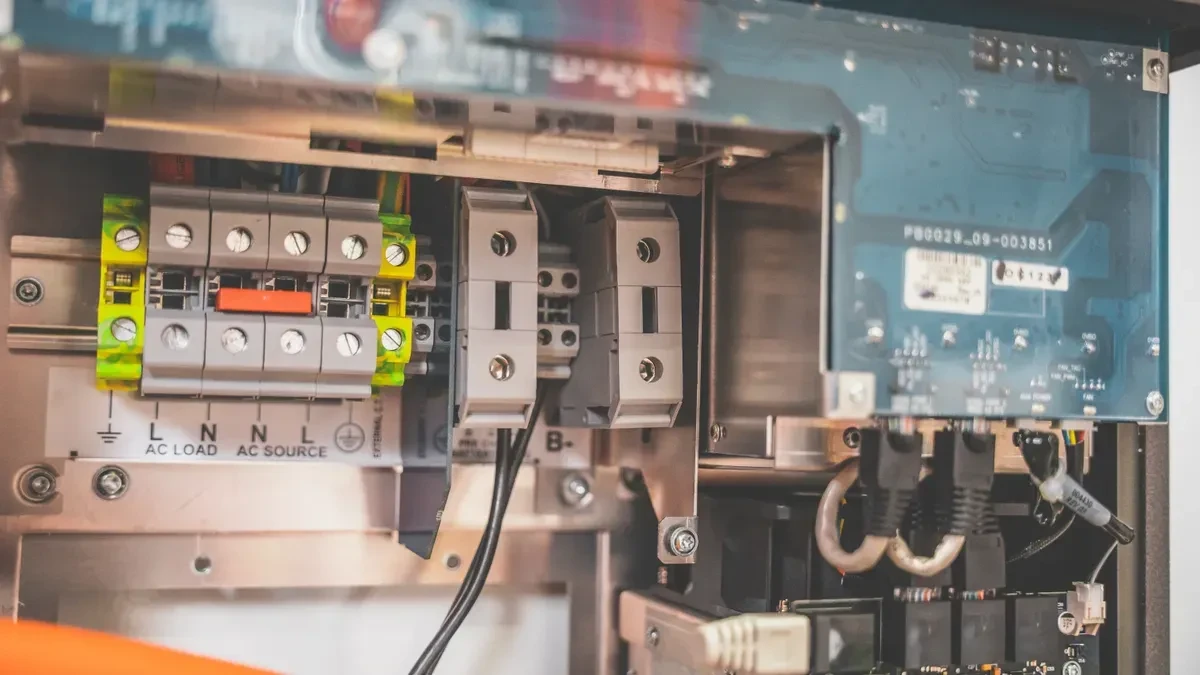
Megawatts BlogDiesel Generator Won't Crank: A Step-by-Step Electrical Diagnostic Checklist for MechanicsWhen a diesel generator won't crank, check the electrical system first. Do not chase fuel or mechanical theories yet. Low battery voltage and corroded connections cause most no-start condition calls....
BLOG
Megawatts BlogDiesel Generator Won't Crank: A Step-by-Step Electrical Diagnostic Checklist for MechanicsWhen a diesel generator won't crank, check the electrical system first. Do not chase fuel or mechanical theories yet. Low battery voltage and corroded connections cause most no-start condition calls.... -
 BLOG
Megawatts BlogMagnetic Coil Degradation: Why Your Diesel Engine Stop Solenoid Fails Under Extreme HeatExtreme heat is the primary enemy of a diesel engine stop solenoid. The heat breaks down the electrical insulation inside the magnetic coil. This degradation raises resistance and creates short circui...
BLOG
Megawatts BlogMagnetic Coil Degradation: Why Your Diesel Engine Stop Solenoid Fails Under Extreme HeatExtreme heat is the primary enemy of a diesel engine stop solenoid. The heat breaks down the electrical insulation inside the magnetic coil. This degradation raises resistance and creates short circui... -
 BLOG
Megawatts BlogThe Hidden Cost of Expired Inventory: Shelf Life and Proper Storage of Rubber Gasket Seal KitsA gasket seal kit sits untouched for five years. You paid for it. Now you pay to dispose of it. When a failure occurs, you pay a premium for emergency replacement. These hidden costs accumulate silent...
BLOG
Megawatts BlogThe Hidden Cost of Expired Inventory: Shelf Life and Proper Storage of Rubber Gasket Seal KitsA gasket seal kit sits untouched for five years. You paid for it. Now you pay to dispose of it. When a failure occurs, you pay a premium for emergency replacement. These hidden costs accumulate silent...
Subscribe to enjoy 10% off
Stay informed about new products and sales

-
INFORMATION
Contact Us
-
CHINA SALES OFFICE: No. 2-11, No. 8, Gaotai Road, Gaishan Investment Zone, Cangshan District, Fuzhou, Fujian
-
SAUDI ARABIA FACTORY: 7264 Shakra, Al Faisaliyyah, REFB3035, 3035, Riyadh 12883
-
COLOMBIA SALES OFFICE: 92-32 26th Street, 03-118, Bogota
-
NIGERIA FACTORY: Plot 5 Chivita Avenue Ajao Estate Isolo Lagos
-
Email:sales@megawattsparts.com
Follow Us


Copyright © 2025 Megawatts All Rights Reserved.



Select Previous Button or Search Directly on Search Bar!
Shop All
 English
Currency: <{ pagedata.current_currency }>(<{ pagedata.current_currency_code }>)
Are you in the right place?

You agree to MegaWatts.com's Terms of Use and Privacy Policy by subscribing. You may receive emails with useful tips, promotions, and offerings.
No, thanks. I'd rather pay full price.