







































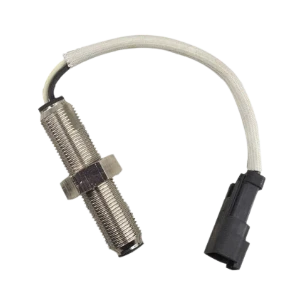
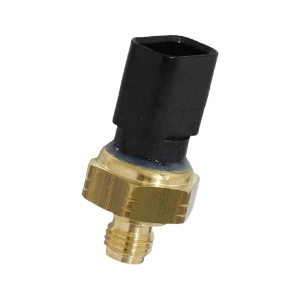


Magnetic Coil Degradation: Why Your Diesel Engine Stop Solenoid Fails Under Extreme Heat
by Megawatts - Updated At 2026-09-22
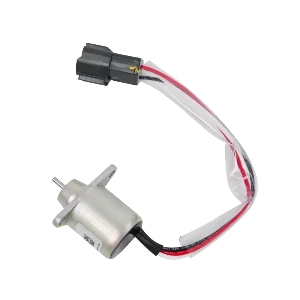
Extreme heat is the primary enemy of a diesel engine stop solenoid. The heat breaks down the electrical insulation inside the magnetic coil. This degradation raises resistance and creates short circuits or open circuits. The solenoid then cannot generate the magnetic force needed to shut off fuel flow.
A faulty fuel shut-off solenoid often results from this heat damage. The failure prevents the engine from starting or shutting off correctly. Understanding this mechanism is key for troubleshooting no-start or no-shut-off issues. A faulty fuel shut off solenoid or a faulty solenoid valve must be replaced with a heat-resistant unit. Proper diagnosis of a faulty solenoid ensures the right replacement part—whether for heavy machinery or a specific Stop Solenoid for Generator—is chosen.
How The Stop Solenoid Works

Diesel engines rely on a fuel shut-off solenoid to stop the engine. Unlike petrol engines that interrupt the spark, diesel engines cut fuel delivery entirely. This fundamental difference makes the fuel shut-off solenoid a critical component for safe operation. Without this device, the engine would continue running even after the key turns off.
The Magnetic Coil And Engine Shutdown
The core of the stop solenoid is a magnetic coil. Battery voltage energizes this coil when the operator turns the ignition key. The resulting magnetic field pulls a plunger into a specific position. This action opens the fuel path and allows the diesel engine to run. The plunger remains in this position as long as the coil stays energized. The magnetic field holds the fuel system open without additional mechanical input.
Turning the key off de-energizes the coil. The magnetic field collapses immediately. A return spring forces the plunger back to its resting position. The fuel shut off solenoid then blocks fuel flow and stops the engine. A properly operating fuel shut off solenoid requires consistent magnetic force. The coil windings create this force through precise electrical resistance. Even a slight change in resistance reduces the magnetic pull on the plunger. The plunger may then fail to move fully or stay in position.
A solenoid valve of this type must perform under demanding conditions. The plunger moves thousands of times during normal service life. Each cycle requires the same magnetic force to ensure complete fuel shutoff. Any degradation in the coil affects this performance directly. Consistent operation depends on maintaining the original electrical properties of the wire windings.
The Hostile Environment Of A Diesel Engine
The manufacturer installs this component near the engine block. Common locations include areas beside the exhaust manifold or turbocharger. These zones expose the unit to extreme radiant heat during operation. The engine compartment temperature rises rapidly after startup and remains high during extended use. The solenoid faces this heat from multiple directions simultaneously.
Diesel engines generate substantial thermal energy during combustion. The coil body absorbs this heat continuously throughout operation. Surface temperatures around the coil can exceed the safe operating limits of standard insulation. The constant thermal cycling between hot and cold states stresses the internal components. This stress accelerates the aging of materials inside the solenoid.
An incorrect voltage situation can accelerate the heat problem. If the electrical system delivers voltage outside specifications, the coil draws more current than designed. Higher current generates additional heat inside the windings. This heat adds to the ambient temperature from the engine compartment. The combination creates a thermal environment that quickly degrades coil insulation.
Standard coils lack the thermal tolerance to survive this environment long-term. The insulation degrades progressively with each heat cycle. Understanding this degradation mechanism helps explain the common failure patterns discussed in the next section.
How Extreme Heat Degrades Magnetic Coils

The magnetic coil inside a stop solenoid consists of fine copper wire wrapped in a thin insulating enamel layer. This insulation prevents adjacent windings from touching each other. It also maintains the precise electrical resistance needed for proper magnetic field generation. When extreme heat surrounds the coil, this insulation begins to deteriorate at a molecular level. The degradation process follows predictable stages that ultimately destroy the component.
Insulation Breakdown And Thermal Aging
Thermal aging represents the core failure mechanism for enameled wire insulation. When exposed to high temperatures for extended periods, the insulating polymer film undergoes irreversible physical and chemical deterioration. This process causes the enamel to harden and develop micro-cracks, which significantly reduces its dielectric strength. Over time, the wire loses flexibility and becomes brittle, ultimately leading to turn-to-turn short circuits and complete insulation breakdown.
Experienced technicians often observe a puzzling pattern when diagnosing a faulty fuel shut-off solenoid. The component tests within specification when the diesel engine is cold. The same unit fails completely once the engine reaches operating temperature. This "fail hot, not cold" behavior occurs because thermal expansion changes the physical dimensions of the coil windings. The insulation gaps narrow as materials expand. Increased resistance at high temperatures reduces current flow through the coil. The weakened magnetic field cannot pull the plunger against spring pressure. The solenoid valve then fails to open or close properly.
A voltage drop in the electrical circuit creates a vicious cycle inside the coil. Lower voltage forces the solenoid to draw higher current to maintain magnetic force. This additional current generates more heat within the windings. The extra heat accelerates insulation degradation further. The cycle continues until the insulation fails completely. Technicians should always check circuit voltage under load conditions. Poor grounding connections represent a common source of this problem.
Oxidation And Thermal Expansion Effects
Copper wire oxidizes rapidly when extreme heat compromises the enamel barrier. Oxidation creates resistive surface layers on the wire. These layers increase the overall resistance of the coil. The magnetic field weakens proportionally as resistance rises. The plunger movement becomes sluggish and unreliable.
Thermal expansion affects the coil structure in multiple ways. The copper wire expands at a different rate than the surrounding insulation material. This mismatch creates mechanical stress at the interface between materials. Repeated heating and cooling cycles cause the insulation to crack and separate from the wire. Moisture enters these cracks during engine cooldown periods. The trapped moisture accelerates corrosion and further degrades the insulation.
Excessive heat eventually causes the coil wire insulation to melt completely. Molten insulation allows adjacent windings to contact each other directly. This contact creates a short circuit within the coil. The shorted section draws excessive current and generates intense localized heating. The solenoid may burn out entirely or trip protective breakers in the circuit. A shorted fuel shut off solenoid often shows visible signs of overheating, including discolored windings and a distinctive burnt smell. Replacement becomes the only viable option once this stage is reached.
Progression Of A Faulty Fuel Shut-Off Solenoid

Solenoid failure does not happen instantly. The component passes through distinct stages as heat damage accumulates. Recognizing each stage helps technicians predict remaining service life and plan replacements before a complete breakdown occurs.
Increased Resistance And Weak Magnetism
Stage one begins when extreme heat starts oxidizing the copper windings. Oxide layers form on the wire surfaces and reduce the effective conductive path. The fuel shut-off solenoid then exhibits higher electrical resistance than its design specification. This resistance change triggers a predictable chain of events inside the coil.
- Rising temperatures cause an increase in the electrical resistance of the solenoid coil.
- Higher resistance reduces the current flowing through the coil when the supply voltage is fixed.
- The reduced current weakens the magnetic field generated by the coil.
- A weaker magnetic field produces less force to pull the plunger, resulting in reduced magnetic pull force in the fuel shut-off valve.
The plunger movement becomes sluggish during this stage. The fuel shut off solenoid may still open and close, but response times lengthen noticeably. A faulty fuel shut-off solenoid at this point often causes hard starting because the plunger cannot fully retract against spring pressure. The engine may crank for extended periods before fuel flows adequately.
Core materials lose magnetic strength when pushed beyond their ideal temperature range. Some alloys lose permeability as the heat rises, reducing the force that moves the plunger. This material property change compounds the electrical resistance problem. A solenoid valve operating in this condition draws more current to compensate for weak magnetism. The additional current generates more internal heat, accelerating the degradation cycle.
Short Circuits And Open Circuits
Stage two marks the point of no return for the component. Continued heat exposure causes the enamel insulation on individual windings to melt or crack. Adjacent wire turns then contact each other directly. This contact creates a short circuit within the coil. The shorted section draws excessive current and produces intense localized heating. A faulty fuel shut off solenoid in this condition may trip protective breakers in the electrical circuit. The sudden current spike can also damage upstream wiring or control modules.
A short circuit often burns out the solenoid completely. Visible signs include discolored windings, melted potting compound, and a distinctive burnt smell. The component cannot generate any useful magnetic field once the windings short together. Replacement becomes the only option.
An open circuit represents the opposite failure mode. A wire breaks completely due to thermal fatigue or oxidation. No current flows through the coil at all. The fuel shut off solenoid produces no magnetic force and no audible click when energized. A faulty solenoid with an open circuit causes a complete no-start condition. The engine receives no fuel because the plunger remains in the closed position permanently.
Experienced technicians recommend testing resistance both cold and hot to catch early-stage degradation. A solenoid that tests within specification when cold but shows significantly higher resistance when hot is already in stage one. Replacing it before stage two develops prevents sudden engine shutdown during critical operations. The risk of unexpected engine shutdown increases dramatically once short circuits begin forming. Regular testing and prompt replacement remain the most reliable strategies for avoiding these failure stages.
Symptoms Of A Failing Fuel Shut Off Solenoid
Engine Won't Shut Off Or Hard Starting
Several symptoms point to a failing stop solenoid, most notably the engine continuing to run after the key is turned off due to a stuck plunger. Hard starting is another common sign; if the valve doesn't open the fuel path fully, the diesel engine will crank without firing, leading to extended startup times. As degradation progresses, you might also experience random engine stalling because the weakened magnetic force briefly cuts fuel delivery. Interestingly, a compromised unit often tests fine when cold, but the problems appear under heat. Troubleshooting should always begin with checking electrical connections and measuring coil resistance at both cold and hot states. A cold reading within specification does not rule out heat-related failure. Technicians must also verify voltage under load, as a weak battery or poor ground accelerates coil wear. If resistance fluctuates significantly with temperature, the entire assembly requires replacement.
Related Reading: Need more help diagnosing why your equipment keeps running? Check out our step-by-step diagnostic guide: Why Your Generator Won't Shut Down: Troubleshooting Stop Solenoid Failures.
Intermittent Failures And Heat-Soak Problems
Intermittent failures frustrate many operators. The stop solenoid works normally at startup. After the engine reaches operating temperature, the problem appears. The engine may stall when idling in traffic. This engine stalling results from weakening magnetism as heat rises. A damaged or malfunctioning solenoid demonstrates erratic behavior. It may shut off the engine suddenly without key input. This sudden engine shutdown creates a safety hazard. Physical signs include the absence of a click sound when energizing. Overheating of the coil body can be felt after the engine stops. The unit may be too hot to touch. Heat soak is a specific scenario. After driving hard, the operator stops and shuts down. The engine stops normally. But attempting to restart while hot fails. The coil temperature remains high enough to increase resistance beyond operation limits. The valve not opening or closing correctly prevents fuel flow. The engine cannot start until the unit cools. This condition indicates insulation damage from extreme heat. A faulty fuel shut off solenoid causes these heat-related failures. Troubleshooting heat-soak problems requires testing the device immediately after the engine stops. A multimeter shows higher resistance than specification. Replacing the fuel shut-off solenoid with a high-temperature-rated unit prevents recurrence. Proper troubleshooting includes checking voltage drops and inspecting wiring for heat damage. Customers report engine stalling as a key symptom of coil degradation. The intermittent nature of these failures makes diagnosis challenging. Logging symptoms and conditions helps pinpoint the root cause.
Preventing Fuel Shut-Off Solenoid Failure
Standard stop solenoids fail quickly under extreme heat. A standard fuel shut off solenoid cannot withstand prolonged exposure. A proactive approach prevents unexpected breakdowns. Operators must upgrade to heat-resistant components and implement protective measures. These steps extend service life and reduce costly downtime.
Upgrading To High-Temperature-Rated Coils
Replacing a standard fuel shut-off solenoid with a high-temperature-rated unit is the most effective solution. These coils use advanced insulation materials. The insulation resists thermal aging and maintains electrical integrity at high temperatures. A quality high-temperature coil keeps resistance values stable during prolonged heat exposure. This stability ensures consistent magnetic force throughout the duty cycle.
This is where investing in quality aftermarket components pays off. High-temperature-rated replacements, like those supplied by Megawatts Parts for Cummins, Caterpillar, and Perkins engines, are engineered to meet or exceed OEM thermal specifications. Each component undergoes rigorous testing to survive the exact engine bay temperatures that routinely destroy standard units. When selecting a replacement, technicians must verify that the new unit matches the original voltage and current ratings perfectly. A mismatched rating accelerates wear and reduces service life, but sourcing a guaranteed-fit, thermally robust unit eliminates these chronic heat-related failures.
One operator eliminated chronic failures after switching to a high-temperature unit. The upgraded component survived engine bay temperatures that destroyed three standard units. This real scenario demonstrates the value of selecting the right voltage and current rating. Technicians must verify that the replacement matches original specifications. Troubleshooting these details prevents costly mistakes. A mismatched rating accelerates wear and reduces service life.
Heat Shields And Maintenance Practices
Installing a heat shield or reflective wrap around the solenoid valve reduces radiant heat exposure. These barriers deflect thermal energy away from the coil
body. The component operates at a lower ambient temperature. Insulation degradation slows down considerably.
Proper electrical maintenance prevents the overheating cycle. An incorrect voltage supply forces the coil to draw more current. Technicians must check for high resistance in the circuit. A drop exceeding one volt indicates a problem. They must also ensure proper grounding. A poor ground forces the fuel shut off solenoid to draw higher current. This higher current generates additional heat inside the windings.
Regular electrical testing—detailed in our Stop Solenoid Wiring and Testing: A Field Guide for Heavy Machinery—helps identify problems before they cause a breakdown. Diesel engines produce substantial heat during normal operation. High temperatures accelerate wear on all components. Operators who combine heat shields, high-temperature coils, and regular electrical checks extend service life dramatically.
Extreme heat drives magnetic coil degradation, and insulation failure is the root cause of solenoid death. Thermal aging cracks the enamel, resistance climbs, and the magnetic field weakens until the unit can no longer actuate. Standard solenoids rarely survive the temperatures found beside an exhaust manifold or turbocharger. A high-temperature-rated replacement is therefore a necessary investment, not an optional upgrade. Inspect the fuel shut-off solenoid for discolored windings, a burnt smell, or heat-soak starting problems. A faulty fuel shut-off solenoid will not improve on its own. Fit a reflective heat shield, verify voltage under load, and confirm solid grounding. These steps protect the fuel shut off solenoid, prevent unexpected engine shutdown, and keep diesel engines starting and stopping reliably.
Ready to eliminate heat-related breakdowns? Shop Stop Solenoid Replacement at Factory Price today and secure reliable, high-temperature-rated components for your fleet
FAQ
Why does my fuel shut-off solenoid work when cold but fail when hot?
Thermal expansion changes the coil dimensions as temperatures rise. The insulation gaps narrow and resistance increases. The weakened magnetic field cannot pull the plunger against spring pressure. This heat-soak pattern indicates early-stage insulation degradation. Technicians recommend testing resistance both cold and hot to confirm this condition.
Can a failing fuel shut-off solenoid damage other engine components?
Yes. A short circuit inside the coil draws excessive current. This current spike can trip breakers or damage upstream wiring and control modules. An open circuit causes a complete no-start condition. Both failure modes require immediate replacement to prevent further electrical system damage.
How do I test a fuel shut-off solenoid for heat damage?
Measure resistance with a multimeter when the engine is cold. Record the reading. Run the engine to operating temperature and measure again. A significant resistance increase indicates thermal degradation. Also check for voltage drops exceeding one volt and verify solid grounding connections.
What causes a solenoid to lose magnetic force over time?
Repeated thermal cycling cracks the enamel insulation on the copper windings. Oxidation creates resistive layers that reduce current flow. The magnetic field weakens proportionally. Core materials may also lose permeability at elevated temperatures. These combined effects reduce plunger pull force until the component fails completely.
Is a high-temperature-rated solenoid worth the extra cost?
Absolutely. Standard solenoids rarely survive the temperatures beside an exhaust manifold or turbocharger. High-temperature-rated coils use advanced insulation materials that resist thermal aging. This investment prevents repeated failures, reduces downtime, and extends service life significantly in demanding diesel engine applications.
Read More
-
 BLOG
BLOG Megawatts BlogThe Hidden Cost of Expired Inventory: Shelf Life and Proper Storage of Rubber Gasket Seal KitsA gasket seal kit sits untouched for five years. You paid for it. Now you pay to dispose of it. When a failure occurs, you pay a premium for emergency replacement. These hidden costs accumulate silent...
 -
 BLOG
Megawatts BlogCombating Diesel Bug: How Your Fuel Water Separator Filter Prevents Sludge and Microbial GrowthHave you noticed your engine struggling to start, fuel filters clogging more often, or dark sludge in the fuel system? These symptoms indicate diesel bug—microbial contamination that thrives on...
BLOG
Megawatts BlogCombating Diesel Bug: How Your Fuel Water Separator Filter Prevents Sludge and Microbial GrowthHave you noticed your engine struggling to start, fuel filters clogging more often, or dark sludge in the fuel system? These symptoms indicate diesel bug—microbial contamination that thrives on... -
 BLOG
Megawatts BlogComplete Water Pump Assemblies vs. Pressing Bearings: The Most Cost-Effective Repair StrategyFor most drivers and equipment operators, complete water pump assemblies are the most cost-effective repair for the engine's cooling system. When deciding between a full water pump replacement or pres...
BLOG
Megawatts BlogComplete Water Pump Assemblies vs. Pressing Bearings: The Most Cost-Effective Repair StrategyFor most drivers and equipment operators, complete water pump assemblies are the most cost-effective repair for the engine's cooling system. When deciding between a full water pump replacement or pres... -
 BLOG
Megawatts BlogWinter Emergencies: Why Your Diesel Generator Won't Crank in Sub-Zero TemperaturesDarkness descends as a relentless blizzard knocks out power. You shuffle to the unit, press the start button, and hear a single sluggish click. Your generator won't crank. In sub-zero temperatures, th...
BLOG
Megawatts BlogWinter Emergencies: Why Your Diesel Generator Won't Crank in Sub-Zero TemperaturesDarkness descends as a relentless blizzard knocks out power. You shuffle to the unit, press the start button, and hear a single sluggish click. Your generator won't crank. In sub-zero temperatures, th...
Subscribe to enjoy 10% off
Stay informed about new products and sales

-
INFORMATION
Contact Us
-
CHINA SALES OFFICE: No. 2-11, No. 8, Gaotai Road, Gaishan Investment Zone, Cangshan District, Fuzhou, Fujian
-
SAUDI ARABIA FACTORY: 7264 Shakra, Al Faisaliyyah, REFB3035, 3035, Riyadh 12883
-
COLOMBIA SALES OFFICE: 92-32 26th Street, 03-118, Bogota
-
NIGERIA FACTORY: Plot 5 Chivita Avenue Ajao Estate Isolo Lagos
-
Email:sales@megawattsparts.com
Follow Us


Copyright © 2025 Megawatts All Rights Reserved.



Select Previous Button or Search Directly on Search Bar!
Shop All
 English
Currency: <{ pagedata.current_currency }>(<{ pagedata.current_currency_code }>)
Are you in the right place?

You agree to MegaWatts.com's Terms of Use and Privacy Policy by subscribing. You may receive emails with useful tips, promotions, and offerings.
No, thanks. I'd rather pay full price.