





















Strategic Sourcing: How to Build a Standardized Generator Sets Parts Catalog for Mixed Fleets
by Megawatts - Updated At 2026-09-29
Managing a mixed fleet of Cummins, Perkins, and Caterpillar generators often creates a hidden financial drain through inventory duplication and fragmented procurement. When different brands use different naming conventions for identical components, maintenance teams face constant delays while capital is tied up in redundant stock. The solution is shifting from tactical purchasing to strategic sourcing by building a standardized generator sets parts catalog. By normalizing data, establishing a unified taxonomy, and enabling ERP integration, procurement managers can eliminate inefficiencies. Megawatts Parts supports this transition by offering expert cross-matching and a deep multi-brand inventory, helping organizations reduce costs and improve operational readiness.
Define Mixed Fleet Scope for Standardization
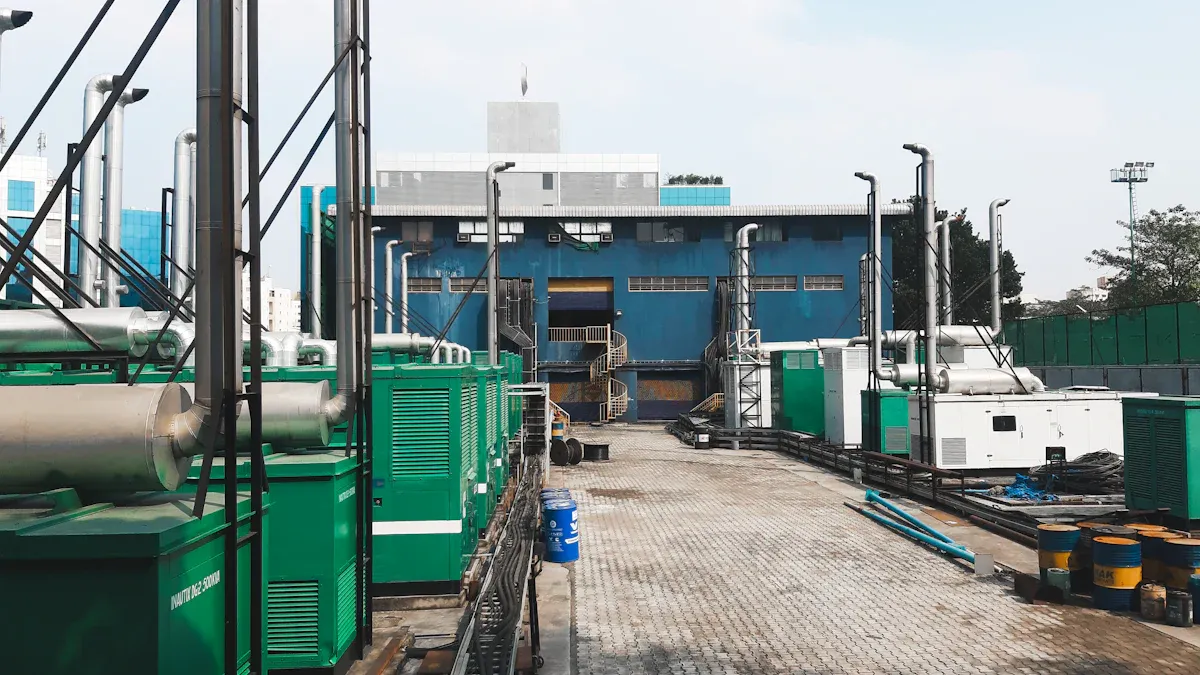
The foundation of any standardization effort begins with a complete audit of every generator set within the operation. Procurement teams must document each brand, model, and configuration present across mixed fleets. This register serves as the single source of truth for the entire catalog effort. Without this baseline, cross-referencing efforts remain incomplete, and inventory duplication persists.
Essential data fields for each unit include:
- Make (Cummins, Perkins, Caterpillar, MTU, or others)
- Model designation
- Serial number
- kW rating
- Automatic Transfer Switch (ATS) type
- Fuel type (diesel, natural gas, or dual-fuel)
- Install date
- QR code identifier
This information allows teams to identify standardization opportunities across the fleet. Similar models with multiple configurations may share common components that the system can consolidate.
Inventory Brands and Models
A thorough inventory covers every brand and model in the mixed fleet. Many operations run three or more brands simultaneously, creating complexity that a simple spreadsheet cannot manage. Each entry should capture the full model name, including the suffix that indicates generator end type or control panel variant. Teams must also note any aftermarket modifications that affect parts fitment. A generator set supplier directory serves best as a qualification tool rather than a price list. The directory helps teams verify which suppliers stock parts for specific model years and configurations before making procurement commitments.
Collect Existing Parts Data
Data collection draws from multiple sources to create a complete picture. OEM manuals provide original part numbers and recommended service intervals. Supplier portals reveal current pricing and availability for aftermarket alternatives. Maintenance logs show actual replacement history, including parts that frequently fail or require scheduled changeouts. Existing inventory systems contain stock levels and bin locations. Megawatts Parts serves customers globally with branches in China, Saudi Arabia, Colombia, and Nigeria, making the company a reliable partner for multi-brand fleets. This global presence ensures that teams across the fleet can source data and parts without delays. The collected data forms the backbone of the standardization process and enables accurate cross-referencing in later stages.
Standardize Part Attributes Across Brands
Standardization requires common naming conventions, units of measure, and criticality codes for every part across the fleet. Without these shared attributes, parts identification becomes unreliable. A technician searching for a fuel filter may find six different descriptions for the same component. This inconsistency creates duplicate stock, missed orders, and delayed repairs.
Set Naming Conventions
A naming convention defines how every part appears in the catalog. The format should include category, function, fitment, and key dimensions. For example, a fuel filter for a Cummins QSK23 might read: Fuel Filter, Spin-On, 10 micron, Cummins QSK23. This structure allows any team member to locate the correct part without guessing.
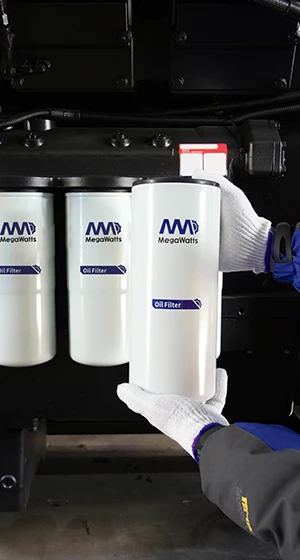
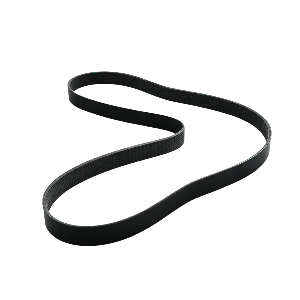
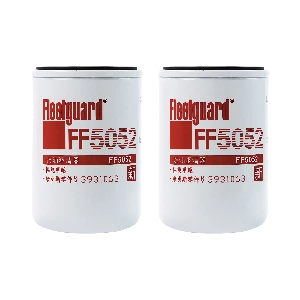
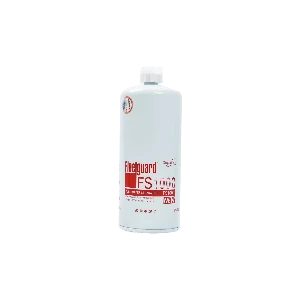
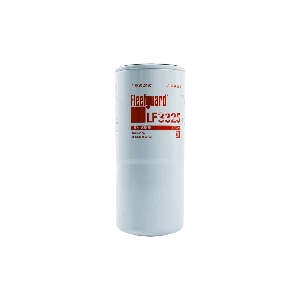
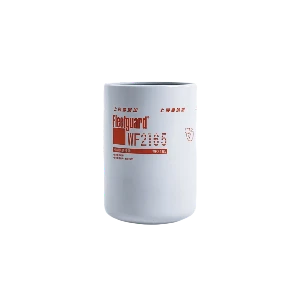
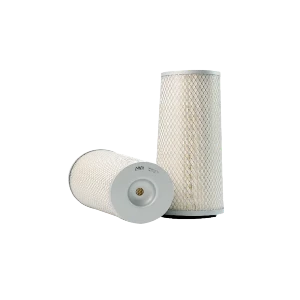
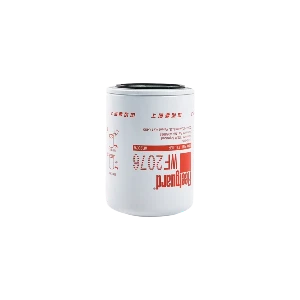
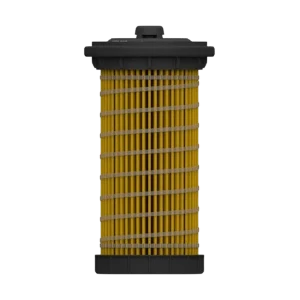
Common consumables illustrate why this matters. Common consumables like engine filters—spanning fuel, oil, coolant, and air applications—as well as belts and fuel water separators appear across every generator brand. Each brand may use different terminology for the same item. One OEM calls it a "fuel water separator"; another calls it a "water-in-fuel sensor." A unified naming convention resolves this confusion.
Consider a real-world scenario. A maintenance team stocks three types of oil filters because each brand uses a different description. The inventory system lists them as "Oil Filter Perkins," "Perkins Oil Element," and "Filter, Lubricating Oil." All three are the same part. The team ties up capital in duplicate stock and still experiences stockouts because the system cannot recognize the overlap. Proper naming eliminates this waste.
A standardized catalog treats every part name as a precise search key. If different team members cannot locate the same component using identical terms, the naming convention has failed, highlighting the critical need for consistency.
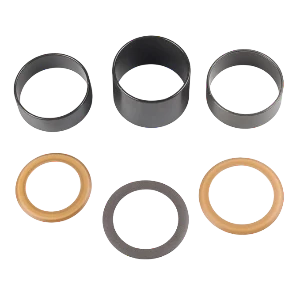
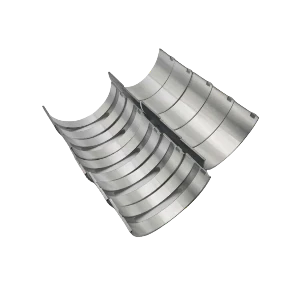
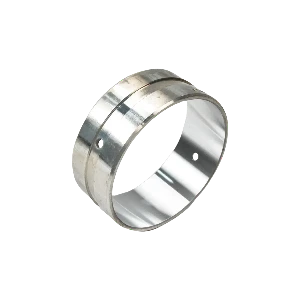
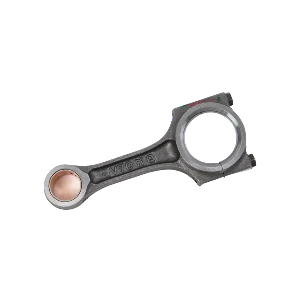
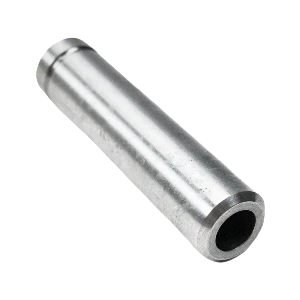
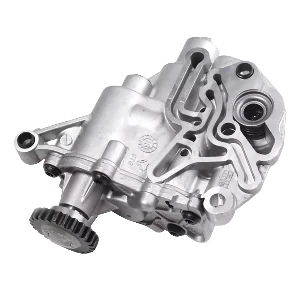
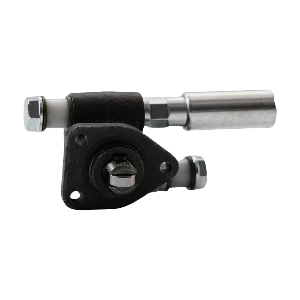
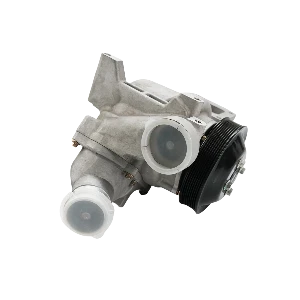
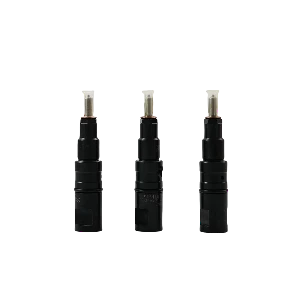
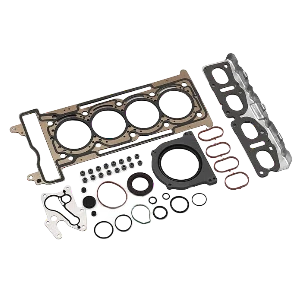
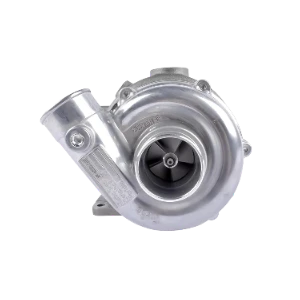
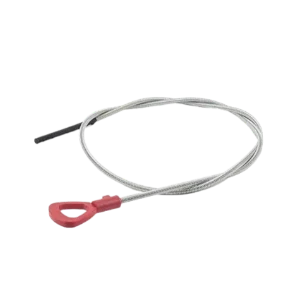
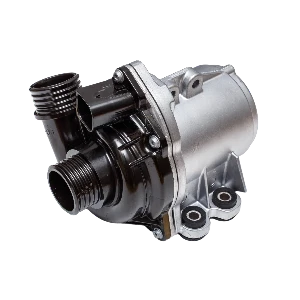
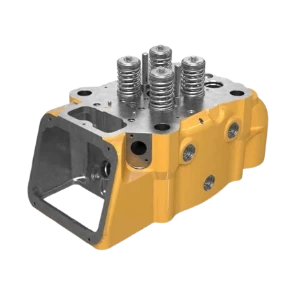
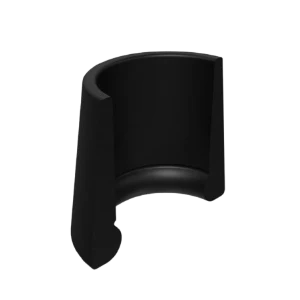
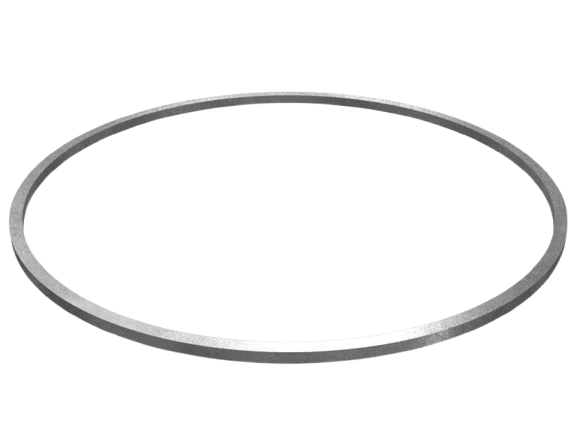
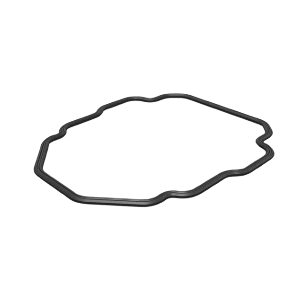
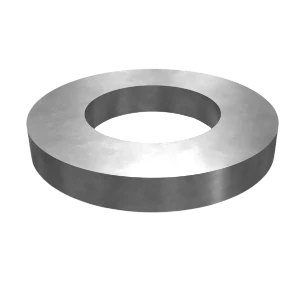
Megawatts Parts offers a comprehensive range of high-quality components that fit this standardized approach. The product line includes cylinder liner and piston kits, engine bearings, bushings, connecting rods, valves, oil pumps, fuel pumps, water pumps, fuel injectors, gasket seal kits, and turbochargers. Each part arrives with clear identification that supports catalog integration.
Assign Criticality Codes
Criticality codes prioritize inventory decisions across mixed fleets. A uniform scale standardizes min/max policies, safety stock, and approval workflows enterprise-wide. The tier is converted into a score tied to the parent asset's criticality, supplier lead time, and replaceability, then wired into an automatic stocking policy rather than a static label.
|
Criticality Tier |
Operational Impact |
Inventory Investment Implication |
|
Vital (V) |
Failure immediately halts operations or compromises safety |
Requires high-priority stocking and continuous monitoring; capital must be allocated to guarantee availability |
|
Semi-Critical (SC) |
Minimum inventory level is sufficient; longer lead times tolerable |
Moderate stocking levels; investment balanced against acceptable delay risk |
|
Non-Critical (NC) |
Failure does not stop operations; can be deferred |
Minimal stocking; avoid tying up capital in parts whose absence has no operational consequence |
ABC analysis prioritizes parts by value and usage frequency. VED analysis classifies parts as Vital, Essential, or Desirable. Combining both ensures budget and attention focus on the items that matter most. A critical generator sensor may be be both an A item and Vital because the generator cannot run without it. Cosmetic trim may be Desirable but easy to source locally.
Coverage targets only make sense once parts are sorted by criticality. Set a Minimum floor that must never be breached. For critical spares, set it high enough to cover worst-case lead time. Set an Optimal target that balances availability against carrying cost. Set a Maximum ceiling to prevent overstocking. Use fleet-wide coverage reports to prioritize replenishment across the entire fleet.
Build Master Classification Hierarchy for Generator Sets Parts
A master classification hierarchy organizes every component for generator sets parts. This structure groups components by system, function, and fitment attributes. Standardization becomes achievable when each part has a defined location within the system.
Create Top-Level Categories
The hierarchy begins with top-level categories derived from generator subsystems. Common classifications include engine, alternator, cooling system, fuel system, electrical system, and exhaust system. The standardization process starts with defining these categories. Each category contains subcategories that refine part types further. The fuel system subcategories include fuel injectors, fuel pumps, and fuel filters for diesel generator sets. This organization ensures that any technician can locate a component without ambiguous labels.
Each top-level category applies uniformly across all brands in the fleet. A Cummins fuel injector and a Perkins fuel injector both reside under the fuel system category. The hierarchy absorbs brand differences at the attribute level rather than the category level. This design eliminates duplicate categories and simplifies inventory management across multiple configurations.
Best practices in taxonomy design suggest keeping hierarchies simple. Developing five to seven top-level categories while relying on attribute fields for detailed specifications ensures long-term scalability and ease of use.
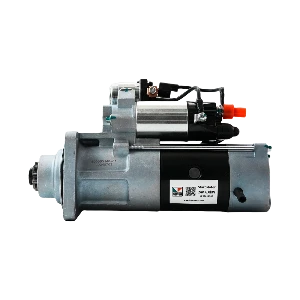
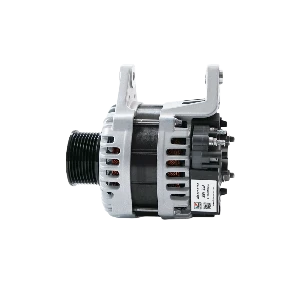
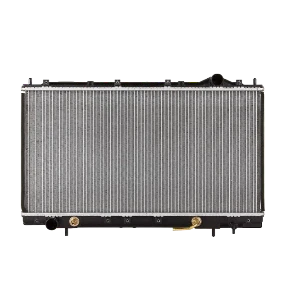
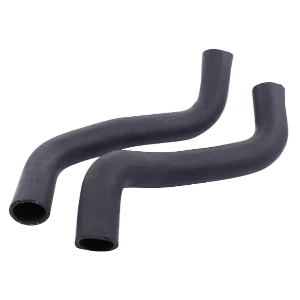
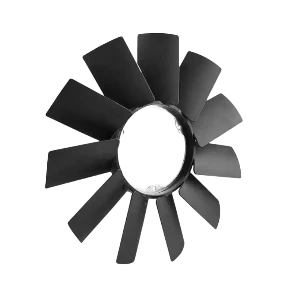
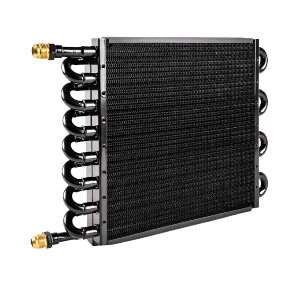
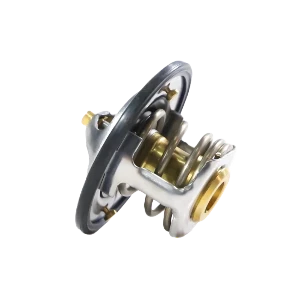
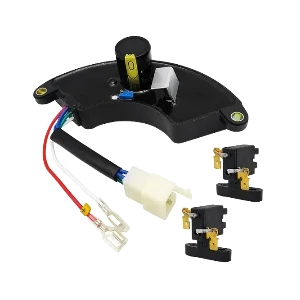
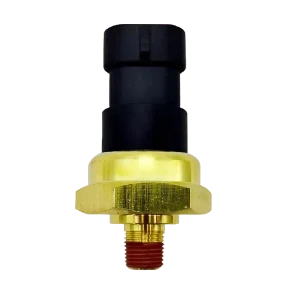
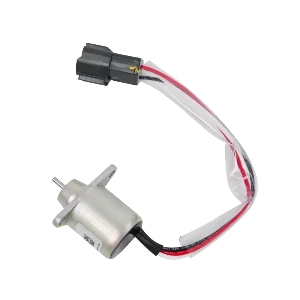
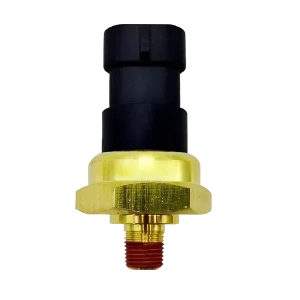
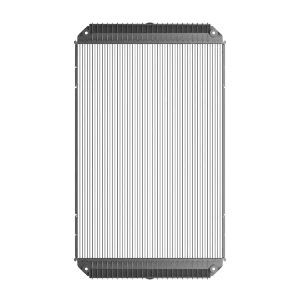
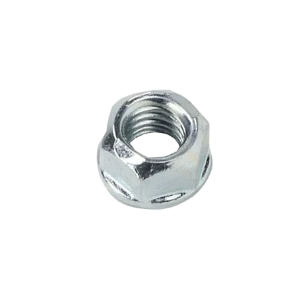
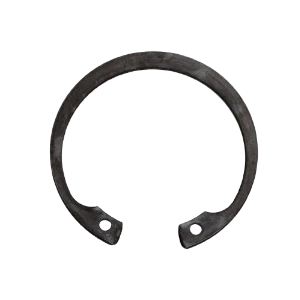
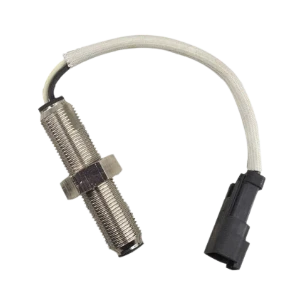
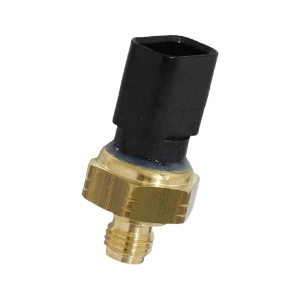
Megawatts Parts carries components that fit these categories naturally. Our inventory includes starter motor assemblies, alternators, generator AVRs, sensors, breakers, radiators, radiator hoses, fans, oil coolers, thermostats, seals, gaskets, O-rings, hardware, and bearings. Each component maps to a specific category, enabling rapid parts identification.
Generate Unique Part Numbers
Unique part numbers transform the hierarchy into a functional generator parts catalog. A well-designed numbering scheme allows team members to decode a part identity without external documentation. This system reduces errors and accelerates parts lookup across the generator parts catalog.
Consider a fuel filter that fits a specific engine model. The part number encodes category, function, and fitment attributes. This identifier begins with a code for the fuel system category. A function code follows for the filter type. A fitment code indicates the engine series. This structure ensures distinct identifiers for similar parts that serve different applications.
The system assigns unique SKUs to every component based on this scheme. The numbering scheme supports standardization across the operation. These SKUs serve as the single reference for procurement, inventory, and maintenance workflows. Teams search the catalog using these identifiers alone. This approach streamlines generator parts identification across the operation and supports efficient procurement.
Cross-Reference OEM and Generic Parts with Serial Number-Based Parts Lookup
Cross-referencing maps original equipment manufacturer part numbers to aftermarket equivalents. This process eliminates duplicate inventory and expands sourcing options for mixed fleets. A serial number-based parts lookup provides the foundation for accurate mapping. Each generator serial number links to a specific build configuration. This link reveals the exact OEM part numbers installed at the factory. Teams then match those numbers to aftermarket alternatives with identical specifications.
Map OEM to Aftermarket Parts
The mapping process begins with cross-reference tables. These tables list OEM part numbers alongside verified aftermarket equivalents. Mapping tools automate the comparison by matching attributes such as dimensions, materials, and performance ratings. Supplier catalogs provide additional validation by confirming which aftermarket parts fit specific generator models. A well-maintained generator parts catalog stores these mappings for instant retrieval.
Component supersessions complicate this process. Manufacturers frequently update part numbers when designs change. A supersession management protocol tracks these changes and updates the catalog accordingly. Without this protocol, teams order obsolete parts or miss available upgrades. Cross-brand compatibility adds another layer. A fuel filter for a Cummins engine may also fit a Perkins model with the same thread pitch and micron rating. Documenting these overlaps reduces stock keeping units across the fleet.
Interchangeability depends on technical compatibility. Two parts may share dimensions but differ in material composition or pressure ratings. The catalog must flag these differences to prevent mismatched installations. Parts cross-referencing requires disciplined data entry and regular audits. Teams should verify each mapping against supplier documentation before adding it to the catalog.
Validate Fitment and Quality
Validation prevents costly errors. A mismatched part can destroy an engine within minutes. Consider a fuel injector with incorrect spray patterns. The wrong injector causes incomplete combustion, raises exhaust temperatures, and melts pistons. Repair costs reach thousands of dollars, and the generator remains offline for weeks. Downtime costs compound the financial damage.
Quality assurance metrics separate reliable suppliers from risky ones. ISO 9001 certification confirms a quality management system exists. IATF 16949 compliance adds automotive-specific requirements. CAPA certification validates dimensional accuracy, material performance, and vehicle fit through independent testing. ASTM and SAE testing protocols cover these same criteria. PPAP provides formal qualification for production parts. FMVSS compliance documentation verifies safety-relevant components. A published supplier warranty offers formal recourse against defects.
However, cross-referencing data should always be validated through physical fitment checks. Measuring critical dimensions and comparing material specifications upon initial receipt prevents installation failures and avoids costly unexpected downtime.
Megawatts Parts provides expert-level parts cross-matching for Cummins, Perkins, Caterpillar, and other major brands. Every cross-referenced part carries a guaranteed fit and a 90-day free return policy. This commitment removes the risk from aftermarket sourcing. Procurement managers can request a free fleet parts integration audit or large-account wholesale pricing to begin standardizing their generator sets parts inventory.
Integrate Catalog into ERP with Power Generator Parts Catalog Software
A standardized catalog delivers full value only when integrated into procurement and enterprise resource planning (ERP) systems. Specialized catalog software bridges the gap between the classification hierarchy and daily operations... Without proper integration, the database remains a static document that teams ignore. A reliable digital platform transforms it into a living resource that drives procurement decisions.
Set Data Governance Rules
Data governance protocols maintain catalog accuracy over time. A well-maintained catalog drives procurement efficiency. A designated data owner reviews every change before it reaches the live system. Version control tracks all modifications. Supersession management ensures obsolete part numbers redirect to current equivalents automatically. Real-time bom updates propagate changes across all connected systems instantly. Quality cataloging systems enforce these rules through configurable workflows. The platform also provides audit trails for every modification, supporting compliance efforts.
A common vulnerability in data governance is overly broad write access. Restricting edit permissions to a specialized master data team and requiring multi-level approvals for catalog changes effectively mitigates the risk of widespread data corruption.
The generator parts catalog software enforces these rules automatically. Teams define approval chains for different change types within the system. A new part addition requires engineering review. A price update moves through procurement only. This structure maintains data integrity without creating bottlenecks. Real-time bom updates ensure maintenance planners always work with current part numbers and configurations. Proper data governance supports this continuous accuracy.
Connect to Procurement Workflows
Integration connects the parts database directly to purchasing, inventory, and maintenance operations. When a technician selects a part during repair planning, the system checks stock levels and initiates purchase requests automatically. This workflow eliminates manual data entry. The system manages supplier relationships efficiently, linking each component to preferred vendors, lead times, and pricing tiers.
Procurement teams set reorder points based on criticality codes. The system generates purchase orders when stock falls below minimum levels. Advanced ERP integration supports blanket orders for high-volume consumables. This approach ensures consistent pricing across the fleet. Inventory management becomes proactive rather than reactive.
The platform provides visibility into stock across multiple warehouses. Teams consolidate slow-moving parts and eliminate duplicate items. Maintenance planners verify parts lookup results before committing to repairs. This connectivity accelerates the entire repair planning process.
Transforming a fragmented cross-brand inventory into a standardized generator sets parts catalog fundamentally shifts procurement from a reactive task to a strategic advantage. By systematically defining the fleet scope, standardizing part attributes, and executing accurate cross-referencing, organizations can eliminate ordering errors and cut carrying costs across all mixed fleets.
However, a standardized database requires a reliable supply chain to execute. Megawatts Parts supports your vendor consolidation efforts with expert parts cross-matching, deep multi-brand availability, and rapid fulfillment from branches in China, Saudi Arabia, Colombia, and Nigeria. Every component comes with a guaranteed fit and a 90-day free return policy, removing the financial risk from aftermarket sourcing. Contact Megawatts Parts today to request a free fleet parts integration audit or to secure large-account wholesale pricing, and take the first step toward a fully optimized, single-source procurement platform.
FAQ
What is the most common mistake in cross-brand parts inventory management?
Relying on brand-specific naming conventions. A fuel filter for a Cummins differs in name from a Perkins equivalent. A standardized parts catalog eliminates this confusion by enforcing uniform attributes across the entire generator sets parts inventory.
How does serial number-based parts lookup improve accuracy?
It links a generator serial number to its exact factory build. This reveals the precise OEM part numbers installed. Matching those to aftermarket equivalents becomes reliable, eliminating guesswork and returns.
Is a parts catalog standardization effort only for large fleets?
No. Any operation with two or more brands benefits. A standardized generator sets parts catalog reduces duplicate stock and ordering errors, regardless of fleet size.
What does a fleet parts integration audit from Megawatts Parts include?
Experts review your current inventory and procurement data. They identify standardization opportunities within your cross-brand parts inventory and outline the integration path to your ERP system.
Read More
-
 BLOG
BLOG Megawatts BlogDiesel Generator Won't Crank: A Step-by-Step Electrical Diagnostic Checklist for MechanicsWhen a diesel generator won't crank, check the electrical system first. Do not chase fuel or mechanical theories yet. Low battery voltage and corroded connections cause most no-start condition calls....
 -
 BLOG
Megawatts BlogMagnetic Coil Degradation: Why Your Diesel Engine Stop Solenoid Fails Under Extreme HeatExtreme heat is the primary enemy of a diesel engine stop solenoid. The heat breaks down the electrical insulation inside the magnetic coil. This degradation raises resistance and creates short circui...
BLOG
Megawatts BlogMagnetic Coil Degradation: Why Your Diesel Engine Stop Solenoid Fails Under Extreme HeatExtreme heat is the primary enemy of a diesel engine stop solenoid. The heat breaks down the electrical insulation inside the magnetic coil. This degradation raises resistance and creates short circui... -
 BLOG
Megawatts BlogThe Hidden Cost of Expired Inventory: Shelf Life and Proper Storage of Rubber Gasket Seal KitsA gasket seal kit sits untouched for five years. You paid for it. Now you pay to dispose of it. When a failure occurs, you pay a premium for emergency replacement. These hidden costs accumulate silent...
BLOG
Megawatts BlogThe Hidden Cost of Expired Inventory: Shelf Life and Proper Storage of Rubber Gasket Seal KitsA gasket seal kit sits untouched for five years. You paid for it. Now you pay to dispose of it. When a failure occurs, you pay a premium for emergency replacement. These hidden costs accumulate silent... -
 BLOG
Megawatts BlogCombating Diesel Bug: How Your Fuel Water Separator Filter Prevents Sludge and Microbial GrowthHave you noticed your engine struggling to start, fuel filters clogging more often, or dark sludge in the fuel system? These symptoms indicate diesel bug—microbial contamination that thrives on...
BLOG
Megawatts BlogCombating Diesel Bug: How Your Fuel Water Separator Filter Prevents Sludge and Microbial GrowthHave you noticed your engine struggling to start, fuel filters clogging more often, or dark sludge in the fuel system? These symptoms indicate diesel bug—microbial contamination that thrives on...
Subscribe to enjoy 10% off
Stay informed about new products and sales

-
INFORMATION
Contact Us
-
CHINA SALES OFFICE: No. 2-11, No. 8, Gaotai Road, Gaishan Investment Zone, Cangshan District, Fuzhou, Fujian
-
SAUDI ARABIA FACTORY: 7264 Shakra, Al Faisaliyyah, REFB3035, 3035, Riyadh 12883
-
COLOMBIA SALES OFFICE: 92-32 26th Street, 03-118, Bogota
-
NIGERIA FACTORY: Plot 5 Chivita Avenue Ajao Estate Isolo Lagos
-
Email:sales@megawattsparts.com
Follow Us


Copyright © 2025 Megawatts All Rights Reserved.



Select Previous Button or Search Directly on Search Bar!
Shop All
 English
Currency: <{ pagedata.current_currency }>(<{ pagedata.current_currency_code }>)
Are you in the right place?

You agree to MegaWatts.com's Terms of Use and Privacy Policy by subscribing. You may receive emails with useful tips, promotions, and offerings.
No, thanks. I'd rather pay full price.