





































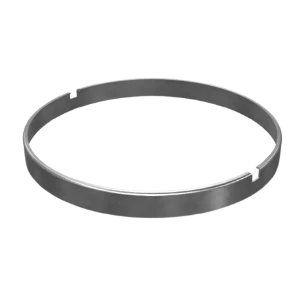

Defeating Marine Corrosion: Essential Generator Cooling and Sealing Upgrades for Coastal & Offshore Rigs
by Megawatts - Updated At 2026-07-17
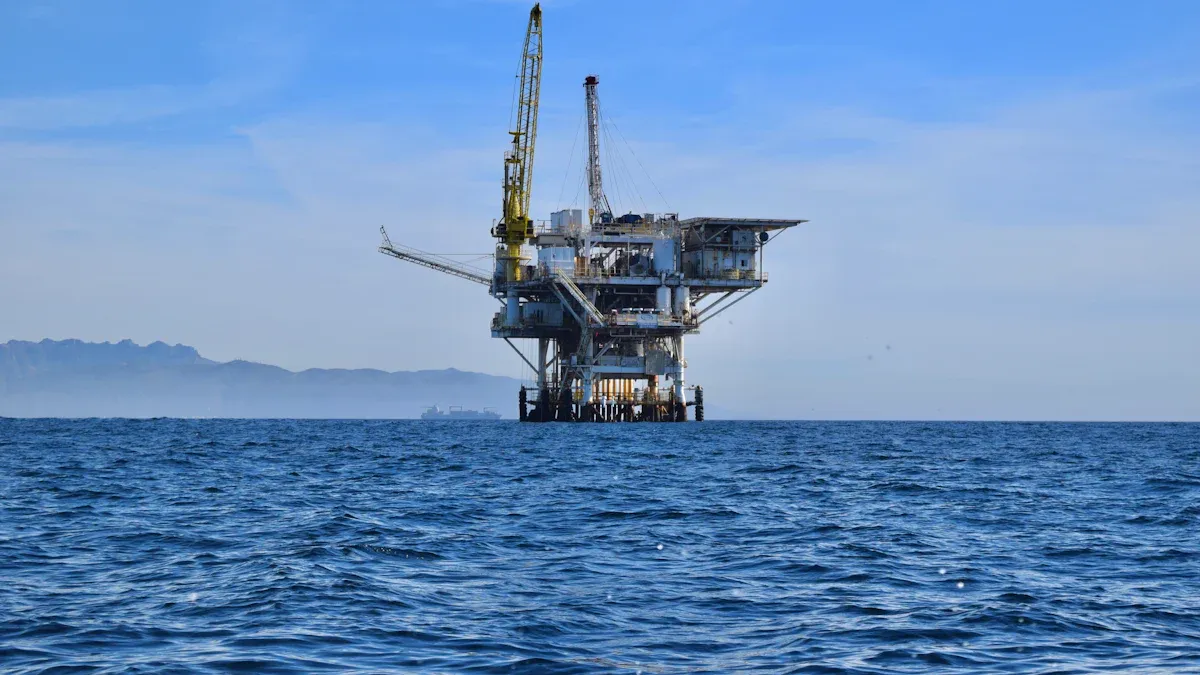
Generator cooling and sealing upgrades provide a robust defense against marine generator corrosion in coastal and offshore rigs. These environments expose equipment to relentless salt spray, high humidity, and corrosive contaminants, accelerating wear and failure. Operators face significant risk from downtime and asset loss. Upgrades such as corrosion-resistant pumps and advanced sealing kits offer proven solutions.
- Protect critical generator assets through seamless barriers that resist corrosion and abrasion.
- Minimize marine growth for longer service intervals and reduced maintenance costs.
- Prevent coolant contamination and galvanic cell formation in mixed-metal systems.
- Experienced engineers recommend regular inspection and timely replacement of vulnerable components to ensure consistent protection and operational reliability.
How Cooling and Sealing Upgrades Prevent Marine Generator Corrosion
Direct Benefits for Equipment Longevity
Cooling and sealing upgrades play a vital role in extending the lifespan of marine generators. Saltwater environments accelerate corrosion, which can quickly degrade metal components and compromise system integrity. Upgrading to corrosion-resistant pump impellers and advanced sealing kits creates a robust barrier against salt, moisture, and airborne contaminants. These upgrades help prevent marine generator corrosion by reducing the risk of electrochemical reactions that eat away at exposed surfaces.
Operators often encounter several challenges when implementing these upgrades:
- Marine engines operate in confined spaces, which limits ventilation and increases the risk of overheating.
- Dual-circuit cooling systems introduce multiple potential failure points, making maintenance and troubleshooting more complex.
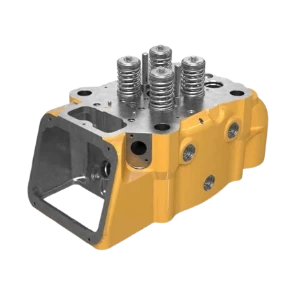
- Overheating can cause catastrophic engine damage, including warped cylinder heads and compromised seals.
By addressing these issues, cooling and sealing upgrades help maintain optimal operating temperatures and prevent the formation of corrosion cells. Regular inspection and timely replacement of vulnerable gaskets and seals further reduce the risk of leaks and contamination. These measures ensure that marine generator corrosion does not shorten equipment life or lead to unexpected failures.
Tip: Experienced engineers recommend using corrosion-resistant materials and scheduling routine maintenance to maximize the longevity of generator components.
Impact on Operational Reliability
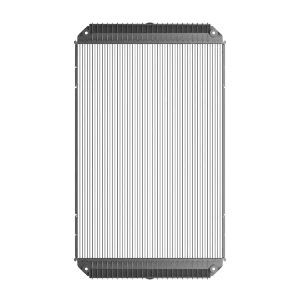
Operational reliability is critical for coastal and offshore rigs. Marine generator corrosion can cause sudden breakdowns, leading to costly downtime and safety hazards. Upgraded cooling systems, such as robust radiator cores and epoxy-coated surfaces, provide consistent protection against saltwater intrusion and abrasive particles. These features help maintain stable coolant flow and prevent blockages that could trigger overheating.
Routine cleaning of radiator cooling systems is essential to prevent dust accumulation, which can restrict airflow and elevate temperatures. Coil cooler systems require a continuous supply of clean cooling water, and their maintenance demands careful attention to detail. Failure to address these needs can result in overheating, which damages seals and increases the risk of marine generator corrosion.
A well-maintained sealing system also plays a key role in operational reliability. Advanced gasket materials and specialized seal kits keep moisture and contaminants out, reducing the likelihood of corrosion-related failures. Technical consultants often highlight the importance of early detection and prompt replacement of worn components to avoid unplanned outages.
- Regular cleaning prevents dust blockage in radiator systems.
- Continuous monitoring ensures coil coolers receive adequate water supply.
- Early intervention reduces the risk of catastrophic engine damage.
By investing in cooling and sealing upgrades, operators can safeguard their assets, minimize maintenance costs, and ensure uninterrupted power generation. These strategies provide a strong defense against marine generator corrosion, supporting long-term operational success.
Why Marine Generator Corrosion Is a Critical Threat
Salt, Moisture, and Environmental Factors
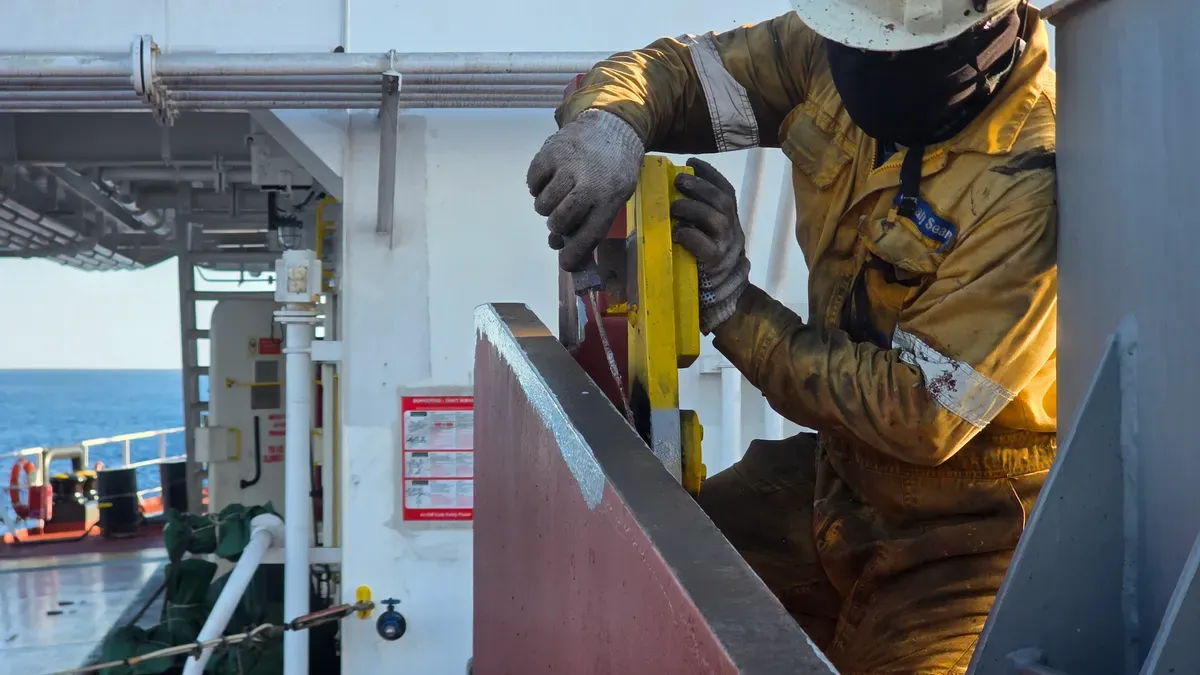
Marine generator systems operate in some of the harshest environments on the planet. Saltwater, high humidity, and salt spray create a perfect storm for corrosion. These factors accelerate the breakdown of metal components and threaten the reliability of power generation assets.
- Saltwater acts as a strong electrolyte, speeding up electrochemical reactions that cause corrosion.
- High salinity and humid air constantly attack exposed surfaces.
- Chloride ions in salt spray penetrate protective coatings and initiate rapid metal deterioration.
Corrosion rates in marine environments can be four to five times higher than those found inland.
Experienced engineers emphasize the importance of using corrosion-resistant materials and advanced sealing solutions. These measures help protect critical generator components from the relentless assault of salt and moisture. While coastal rigs battle relentless saltwater corrosion, fleets operating in coastal mining, quarrying, or arid earth-moving operations face an equally destructive airborne enemy: abrasive mineral dust.
If your heavy machinery operates in high-particulate or dual-hazard environments, read our technical guide on Heavy Dust Defense: How Mining Fleets Protect Engine Cylinders and Turbochargers to learn about complete abrasive wear prevention.
Consequences for Marine Diesel Generators
Unchecked corrosion leads to severe operational risks and costly failures in marine diesel generators. The most common failure modes include electrical and mechanical breakdowns that can halt operations without warning.
|
Failure Mode |
Cause of Failure |
|
Moisture ingress leading to intermittent faults and voltage regulation instability. |
|
|
Accelerated corrosion on components |
Wiring and connectors deteriorate faster in the marine environment, contributing to overall generator failure. |
Technical consultants often report that corrosion in control boards results in unpredictable shutdowns and safety hazards. Damaged wiring and connectors increase the risk of electrical fires and system-wide outages. Regular inspection and timely upgrades of cooling and sealing systems are essential for preventing these failures.
Tip: Schedule routine maintenance and use specialized sealing kits to reduce the risk of corrosion-related breakdowns.
Key Corrosion Mechanisms in Marine Generators
Galvanic and Crevice Corrosion
Marine generator systems face unique threats from galvanic and crevice corrosion. Saltwater acts as a powerful electrolyte, accelerating the breakdown of metals. High humidity in marine environments increases the risk of rust and further weakens generator components. These conditions often lead to severe deterioration, impacting both reliability and efficiency.
Galvanic corrosion occurs when dissimilar metals come into contact in the presence of an electrolyte, such as seawater. This process causes one metal to corrode faster than it would alone.
Crevice corrosion develops in areas where oxygen is restricted, such as under gaskets or within tight joints. Stainless steel components are especially vulnerable in these locations.
Biological deposits, including barnacles, can create stagnant zones rich in chlorides. These deposits accelerate localized corrosion on parts like propeller shafts and blades.
Differential aeration cells form within crevices, disrupting the protective oxide layer on metals. This leads to rapid corrosion and potential structural failure.
Experienced engineers recommend regular inspection of all joints and fasteners. Early detection and replacement of affected components can prevent unexpected failures.
Erosion and Electrochemical Risks
Erosion and electrochemical reactions present additional challenges for marine generator cooling systems. The combination of high-velocity fluid flow and saltwater increases the rate of material loss and system degradation.
|
Factor |
Description |
|
Erosion |
Continuous wall-thinning of metal pipes due to mechanical interactions with fluid flow. |
|
Corrosion |
Electrochemical reactions accelerate wall-thinning, especially in the presence of NaCl. |
|
Flow-Accelerated Corrosion (FAC) |
Increased fluid flow reduces the mass transfer boundary layer, enhancing corrosion rates. |
|
Synergistic Effects |
The combination of NaCl concentration and fluid flow significantly increases corrosion rates compared to physical erosion alone. |
Technical consultants often highlight the importance of using corrosion-resistant materials and advanced coatings. These upgrades help protect against both mechanical and chemical damage. Routine maintenance and timely upgrades remain essential for long-term generator performance.
Tip: Schedule regular cleaning and inspection of cooling system pipes to detect early signs of corrosion and erosion. This proactive approach minimizes downtime and extends equipment life.
Cooling System Protection Strategies
Upgrading Raw Water and Closed Cooling Systems
Upgrading raw water cooling and closed cooling systems forms the foundation of effective cooling system protection. In marine environments, raw water cooling systems use seawater to absorb engine heat. This method offers a simple design and lower initial cost. However, it exposes internal components to salt, increasing the risk of corrosion and scaling. Closed cooling system management uses a sealed loop with freshwater and antifreeze, preventing direct contact with saltwater. This approach reduces corrosion and extends engine life.
|
Feature |
Raw Water Cooling System |
Enclosed Cooling System |
|
Pros |
Simple design, lower initial cost, no risk of antifreeze leaks. |
Superior engine protection, better temperature control, higher efficiency, longer engine life. |
|
Cons |
Prone to internal corrosion and scaling in saltwater, lower efficiency, risk of major engine damage from clogs. |
More complex, higher initial cost, requires more maintenance (coolant, anodes). |
Modern upgrades improve coolant circulation, prevent overheating, and often include freshwater flush options to remove corrosive debris. Technical consultants recommend regular inspection and replacement of vulnerable gaskets and seals to maintain critical cooling system protection.
Robust Radiator Cores and Epoxy Coatings
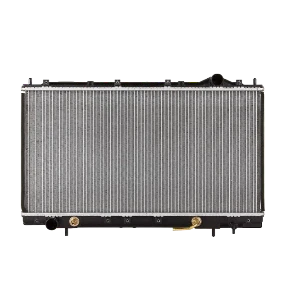
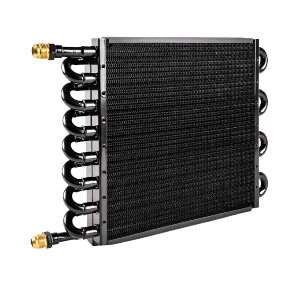
Robust radiator cores and advanced coatings are essential strategies for long-term cooling system protection. All-aluminum radiators with marine-grade epoxy coatings withstand harsh conditions and maximize cooling efficiency. These coatings resist corrosion, ultraviolet rays, and moisture, extending service intervals by thousands of hours. Epoxy-coated cores provide an extra barrier in copper-brass assemblies, making them cost-effective for coastal operations. The ES2 pigments in these coatings use high-performance stainless alloys, offering superior resistance to saltwater exposure.
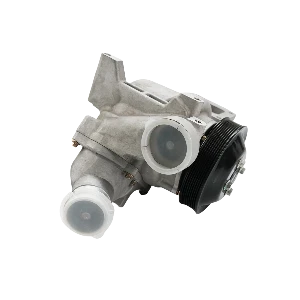
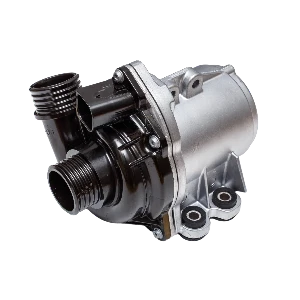
To withstand the aggressive erosion and galvanic attack of marine environments, relying on standard raw water pumps is a recipe for premature failure. Explore our premium selection of corrosion-resistant marine water pumps from Megawatts Parts, specifically engineered to maintain optimal heat transfer and shield your cooling system from catastrophic saltwater degradation.
Tip: Experienced engineers advise using epoxy-coated radiators and corrosion-resistant impellers for maximum cooling system protection in high-salinity areas.
Engine Room Ventilation for Corrosion Control
Proper engine room ventilation is a key strategy for controlling corrosion in marine generator installations. High humidity and heat accelerate corrosion inside exhaust system components, including mufflers, reducers, and exhaust manifolds. Improved ventilation keeps the environment dry, protecting these parts from moisture damage. Technical consultants note that improper ventilation increases the risk of corrosion and can lead to costly repairs.
Routine monitoring of ventilation systems helps reduce moisture accumulation and supports the effectiveness of other cooling strategies. Operators should prioritize regular checks to ensure optimal airflow and minimize corrosion risks.
Note: Consistent airflow and humidity control are vital for extending the life of generator cooling systems in marine environments.
Sealing and Gasket Solutions for Saltwater Defense
Advanced Gasket Materials and Seal Kits
Saltwater environments present a constant threat to generator reliability. Traditional gaskets and seals often fail under prolonged exposure to salt spray and humidity. Modern advancements in gasket technology now offer operators a significant advantage in the fight against corrosion. Manufacturers have developed materials that withstand aggressive marine conditions and extend service intervals.
The table below summarizes the latest options for marine generator sealing:
|
Material Type |
Benefits |
|
Advanced Alloys |
Improved corrosion resistance in saltwater |
|
Specialized Polymers |
Superior chemical resistance and longevity |
|
Composites |
Enhanced durability in harsh marine conditions |
Advanced alloys resist pitting and surface breakdown, even in high-salinity zones. Specialized polymers maintain flexibility and sealing integrity, reducing the risk of leaks that can accelerate corrosion. Composite materials combine strength and resilience, making them ideal for critical joints and flanges.
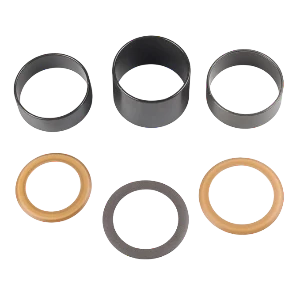
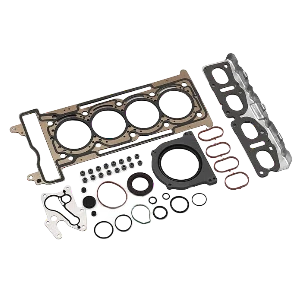
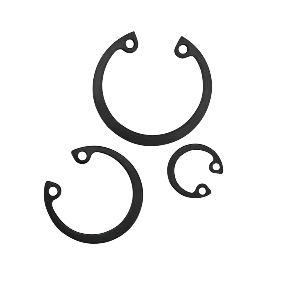
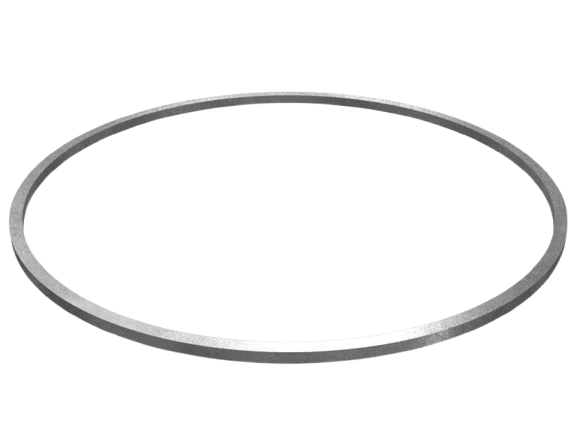
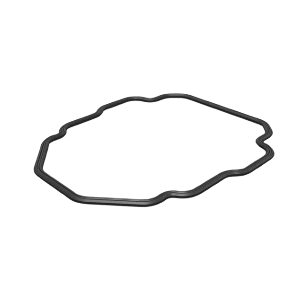
A single compromised seal can allow saltwater to breach critical engine cavities, accelerating internal corrosion and leading to massive electrical or mechanical failures. Shop our comprehensive range of heavy-duty seals, gaskets, and O-rings to ensure every vulnerable joint and flange on your rig receives uncompromising, marine-grade protection during your next scheduled overhaul.
Protective Enclosures and Specialized Tapes
Protective enclosures and specialized tapes add another layer of defense for marine generators. Enclosures shield sensitive components from direct salt spray and airborne contaminants. High-performance tapes seal cable entries, panel seams, and access points, blocking moisture intrusion that can trigger corrosion.
Operators often see rapid deterioration in unprotected connectors and wiring. A single breach in a seal can allow saltwater to penetrate, leading to electrical shorts and accelerated corrosion. Routine inspection of enclosures and tape integrity helps identify weak spots before they become critical failures.
- Inspect all sealed areas during each maintenance cycle.
- Replace worn or damaged tapes immediately.
- Upgrade to marine-grade enclosures for maximum corrosion protection.
Experienced engineers emphasize the importance of a layered approach. Combining advanced gasket materials, robust seal kits, and physical barriers delivers comprehensive corrosion defense for coastal and offshore rigs.
Maintenance for Critical Cooling System Protection
Routine Inspection and Cleaning
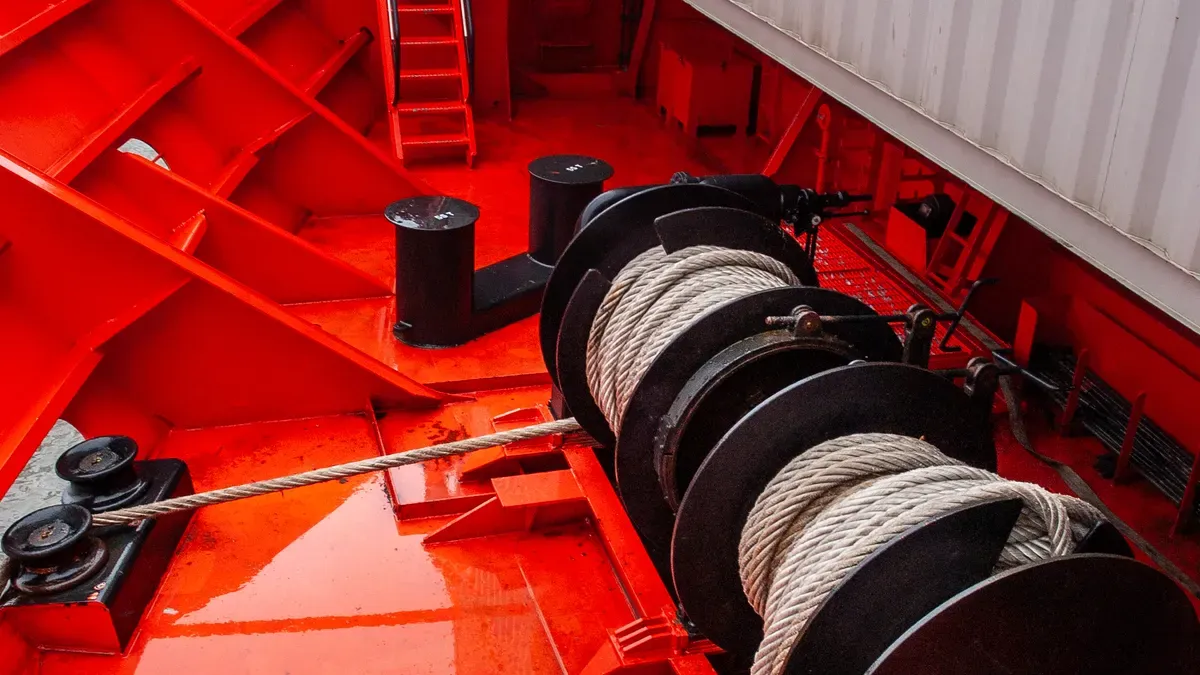
Routine inspection and cleaning form the backbone of any effective corrosion protection strategy for marine diesel generators. Salt exposure, seawater spray, and high humidity create a hostile environment for engine components. Operators must implement a preventive maintenance program essentials checklist to ensure reliable performance.
- Inspect coolant levels and quality. Clear, brightly colored coolant signals a healthy system. Murky or rusty coolant indicates salt contamination or corrosion risks.
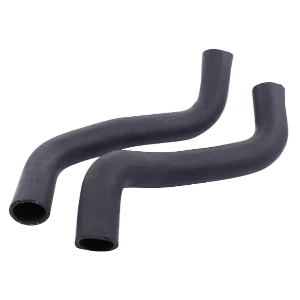
- Check hoses for cracks and leaks, especially near clamps. Salt accelerates hose degradation.
- Clean sea strainers regularly. Debris from seawater can block flow and reduce engine cooling efficiency.
- Inspect and replace sacrificial anodes when 50% consumed. These provide cathodic protection systems against marine diesel corrosion.
- Check water pump impellers for wear. Cracks or missing blades can disrupt engine cooling.
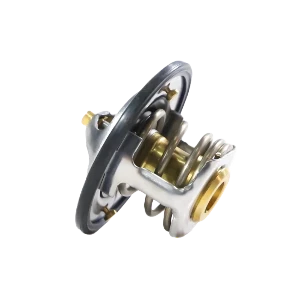
- Test thermostat operation to maintain optimal engine temperature.
- Flush the system every two years or 500 hours with distilled water to remove salt buildup.
Daily inspection and cleaning routines help identify corrosion early, preventing catastrophic diesel engine failure. Visual checks and cleaning maintain generator integrity and extend service life.
Monitoring, Documentation, and Early Detection
Systematic monitoring and documentation are essential for early detection of marine diesel corrosion and salt water corrosion. Modern marine engine maintenance programs use advanced tools to track system health and corrosion protection status.
|
Evidence Type |
Description |
|
Regular oil sampling detects wear and contamination, providing early warnings of potential failures. |
|
|
Vibration Monitoring |
Sensors identify issues before failures, allowing for timely repairs during maintenance windows. |
|
Thermographic Inspection |
Infrared surveys reveal electrical and mechanical issues, preventing failures and enhancing safety. |
Accurate records of inspection, cleaning, and repairs support comprehensive corrosion protection. Early detection reduces the risk of salt-induced generator breakdowns and supports long-term engine reliability.
Professional Servicing and Scheduled Upgrades
Professional servicing and scheduled upgrades are critical for effective corrosion protection in marine diesel generators. Experienced engineers recommend annual overhauls to catch deep wear before it becomes catastrophic. The application of industrial-grade coatings and specialized sealing products delivers superior corrosion protection, maintenance reduction, and overall durability.
|
Benefit |
Description |
|
Corrosion Protection |
Industrial-grade coatings provide maximum protection and corrosion resistance in marine environments. |
|
Maintenance Reduction |
Specialized coatings are designed to reduce maintenance needs, extending the lifespan of marine equipment. |
|
Overall Durability |
Coatings enhance the durability of surfaces, ensuring they withstand harsh marine conditions. |
Diligent maintenance minimizes the corrosive impact of salt and seawater on diesel engine systems. Consistent upkeep ensures reliability, improves fuel efficiency, and reduces emissions. Preventive maintenance, combined with scheduled upgrades, delivers comprehensive corrosion protection for marine diesel generators.
Tip: Schedule professional servicing and use advanced coatings and sealing kits to maximize engine protection and minimize saltwater corrosion risks.
Defeating marine generator corrosion requires a strategic approach. Operators should focus on specialized protective coatings, marine-grade materials, and increased maintenance frequency. Proactive upgrades and regular inspections optimize performance, extend equipment lifespan, and reduce unexpected failures. Cost-effective strategies include tailored chemical treatments, advanced monitoring technologies, and targeted programs for corrosion and microbial control. These actions deliver lasting protection, minimize downtime, and ensure reliable power generation.
When marine corrosion threatens your offshore assets, compromising on replacement quality is simply not an option. Visit the Megawatts Parts official website to access our complete catalog of OEM-grade cooling and sealing solutions, supported by a global logistics network designed to deliver critical components directly to your coastal or offshore operations with zero unnecessary downtime.
FAQ
What are the primary drivers of marine generator corrosion?
Marine generator corrosion is primarily driven by continuous exposure to saltwater, high humidity, and airborne chloride ions. These environmental factors act as powerful electrolytes that accelerate electrochemical and galvanic reactions on metal surfaces, rapidly degrading raw water cooling loops, pipe walls, and structural components.
What is the recommended inspection interval for generator cooling and sealing systems in offshore environments?
Technical consultants and marine engineers recommend conducting visual and diagnostic inspections on a monthly basis, supplemented by thorough system evaluations every 500 operating hours. Consistent monitoring of coolant cleanliness, sacrificial anode depletion, and seal integrity is critical to identifying localized crevice corrosion before catastrophic failure occurs.
Which cooling system upgrades provide the most effective defense against saltwater degradation?
Installing corrosion-resistant marine water pumps, all-aluminum radiators with marine-grade epoxy coatings, and enclosed freshwater cooling loops offers superior protection. These hardware upgrades create both physical and chemical barriers against saltwater intrusion, flow-accelerated corrosion (FAC), and internal scaling.
How does proactive maintenance impact long-term marine generator reliability?
Proactive maintenance—including scheduled coolant flushing, anode replacement, and oil analysis—significantly mitigates the risk of unexpected electrical and mechanical breakdowns. Adherence to structured preventive maintenance programs reduces operational downtime, prevents overheating, and extends the overall service life of coastal power generation assets.
Why are marine-grade sealing kits essential for coastal and offshore rigs?
Standard gaskets rapidly deteriorate when exposed to aggressive salt spray and continuous high humidity. Specialized marine sealing kits utilize advanced alloys, resilient composites, and high-performance polymers to prevent moisture ingress into critical engine cavities and control boards, thereby avoiding localized corrosion and electrical shorts.
Previous And Next
-
Previous Post:
 BLOG
BLOG Megawatts BlogIntroducing the components of a diesel engineIntroducing the components of a diesel engine A diesel generator set is a type of internal combustion generator set and is currently one of the most widely used power generation devices in the world....
 -
Next Post:
 BLOG
Megawatts BlogHigh-Altitude Diesel Engine Tuning: Solving Combustion Starvation and Actuator Lag Over 3,000 MetersCombustion starvation and actuator lag in diesel engines above 3,000 meters can be resolved by optimizing fuel injection timing and upgrading engine management systems. High-altitude diesel engin...
BLOG
Megawatts BlogHigh-Altitude Diesel Engine Tuning: Solving Combustion Starvation and Actuator Lag Over 3,000 MetersCombustion starvation and actuator lag in diesel engines above 3,000 meters can be resolved by optimizing fuel injection timing and upgrading engine management systems. High-altitude diesel engin...
Read More
-
 BLOG
Megawatts BlogStrategic Sourcing: How to Build a Standardized Generator Sets Parts Catalog for Mixed FleetsManaging a mixed fleet of Cummins, Perkins, and Caterpillar generators often creates a hidden financial drain through inventory duplication and fragmented procurement. When different brands use differ...
BLOG
Megawatts BlogStrategic Sourcing: How to Build a Standardized Generator Sets Parts Catalog for Mixed FleetsManaging a mixed fleet of Cummins, Perkins, and Caterpillar generators often creates a hidden financial drain through inventory duplication and fragmented procurement. When different brands use differ... -
 BLOG
Megawatts BlogDiesel Generator Won't Crank: A Step-by-Step Electrical Diagnostic Checklist for MechanicsWhen a diesel generator won't crank, check the electrical system first. Do not chase fuel or mechanical theories yet. Low battery voltage and corroded connections cause most no-start condition calls....
BLOG
Megawatts BlogDiesel Generator Won't Crank: A Step-by-Step Electrical Diagnostic Checklist for MechanicsWhen a diesel generator won't crank, check the electrical system first. Do not chase fuel or mechanical theories yet. Low battery voltage and corroded connections cause most no-start condition calls.... -
 BLOG
Megawatts BlogMagnetic Coil Degradation: Why Your Diesel Engine Stop Solenoid Fails Under Extreme HeatExtreme heat is the primary enemy of a diesel engine stop solenoid. The heat breaks down the electrical insulation inside the magnetic coil. This degradation raises resistance and creates short circui...
BLOG
Megawatts BlogMagnetic Coil Degradation: Why Your Diesel Engine Stop Solenoid Fails Under Extreme HeatExtreme heat is the primary enemy of a diesel engine stop solenoid. The heat breaks down the electrical insulation inside the magnetic coil. This degradation raises resistance and creates short circui... -
 BLOG
Megawatts BlogThe Hidden Cost of Expired Inventory: Shelf Life and Proper Storage of Rubber Gasket Seal KitsA gasket seal kit sits untouched for five years. You paid for it. Now you pay to dispose of it. When a failure occurs, you pay a premium for emergency replacement. These hidden costs accumulate silent...
BLOG
Megawatts BlogThe Hidden Cost of Expired Inventory: Shelf Life and Proper Storage of Rubber Gasket Seal KitsA gasket seal kit sits untouched for five years. You paid for it. Now you pay to dispose of it. When a failure occurs, you pay a premium for emergency replacement. These hidden costs accumulate silent...
Subscribe to enjoy 10% off
Stay informed about new products and sales

-
INFORMATION
Contact Us
-
CHINA SALES OFFICE: No. 2-11, No. 8, Gaotai Road, Gaishan Investment Zone, Cangshan District, Fuzhou, Fujian
-
SAUDI ARABIA FACTORY: 7264 Shakra, Al Faisaliyyah, REFB3035, 3035, Riyadh 12883
-
COLOMBIA SALES OFFICE: 92-32 26th Street, 03-118, Bogota
-
NIGERIA FACTORY: Plot 5 Chivita Avenue Ajao Estate Isolo Lagos
-
Email:sales@megawattsparts.com
Follow Us


Copyright © 2025 Megawatts All Rights Reserved.



Select Previous Button or Search Directly on Search Bar!
Shop All
 English
Currency: <{ pagedata.current_currency }>(<{ pagedata.current_currency_code }>)
Are you in the right place?

You agree to MegaWatts.com's Terms of Use and Privacy Policy by subscribing. You may receive emails with useful tips, promotions, and offerings.
No, thanks. I'd rather pay full price.