





































Low Oil Pressure at Idle: Diagnosing Worn Engine Oil Pumps vs. Failing Bearings
by Megawatts - Updated At 2026-07-09
Low oil pressure at idle is a critical warning for any engine. This condition often signals a failing oil pump or worn engine bearings. Oil plays a vital role in reducing friction, cooling components, and preventing damage. When oil pressure drops, the engine loses essential protection and faces increased risk of costly damage. Ignoring a warning like low oil pressure can lead to severe engine failure. Immediate diagnosis of the underlying issue—whether related to engine oil delivery or internal wear—is essential. Trustworthy parts suppliers, such as Megawatts Parts, provide the quality components needed to restore oil pressure and safeguard engine performance.
Why Low Oil Pressure at Idle Matters
Engine Health and Oil Pressure
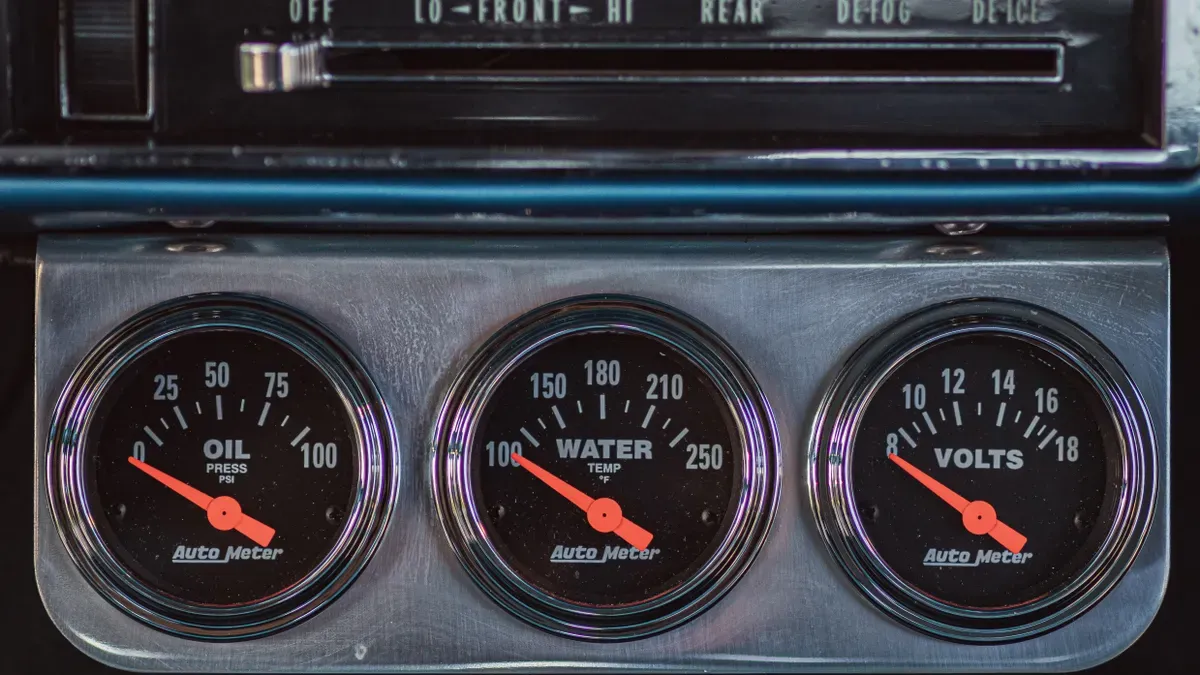
Oil pressure is a fundamental factor in maintaining engine health. The oil system circulates engine oil to lubricate moving parts, reduce friction, and dissipate heat. When the pressure drops, especially at idle, the flow of oil slows down. This reduction in oil flow means critical components, such as bearings and camshafts, may not receive adequate lubrication. Insufficient lubrication increases metal-to-metal contact, which accelerates wear and shortens the lifespan of engine parts.
Experienced engineers emphasize that consistent oil pressure ensures the engine oil forms a protective film between surfaces. This film prevents direct contact and minimizes the risk of overheating. Without proper oil pressure, even high-quality engine oil cannot protect against rapid wear. The dangers of low engine oil pressure become more pronounced during idle, as the engine operates at lower speeds and relies heavily on the oil pump to maintain circulation.
Risks of Ignoring Low Oil Pressure
Ignoring a warning related to low oil pressure at idle can result in severe engine damage. The consequences of neglecting this issue include:
- Bearing failure, which can lead to knocking noises and loss of engine performance
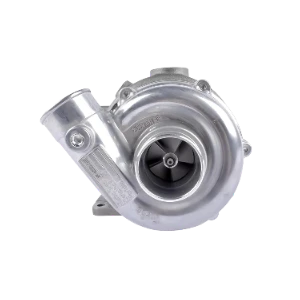
- Damage to turbocharger bearings due to delayed oil delivery
- Potential engine seizure, which may require a complete engine rebuild or replacement
These types of engine damage often occur silently at first. Drivers may not notice immediate symptoms beyond the initial warning light. However, prolonged operation with low oil pressure increases the risk of catastrophic engine failure. The cost of repairs escalates quickly once internal components suffer from inadequate lubrication.Since they operate at extreme speeds, turbochargers are often the first critical parts to be destroyed by oil starvation. If you suspect your engine has been running dry, read our complete guide on the Top 5 Warning Signs of Diesel Generator Turbocharger Failure before the damage spreads.
Tip: If you notice a low oil pressure warning at idle, shut off the engine immediately and check the oil level. Continuing to drive can turn a minor issue into a major repair.
Understanding the risks and acting promptly protects both your engine and your investment. Regular maintenance and attention to oil pressure warnings help prevent the most common forms of engine damage.
Causes of Low Oil Pressure at Idle
Faulty Oil Pump
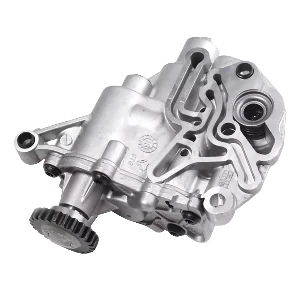
A faulty oil pump stands as one of the primary causes of low oil pressure at idle. The pump is responsible for maintaining consistent oil circulation throughout the engine. When the pump wears out or suffers internal damage, it cannot generate the necessary pressure. This leads to insufficient lubrication, especially at low RPMs. Oil pump problems often result in rapid engine wear and increased risk of engine failure. Experienced engineers recommend immediate inspection if you suspect pump issues.
Worn Engine Bearings
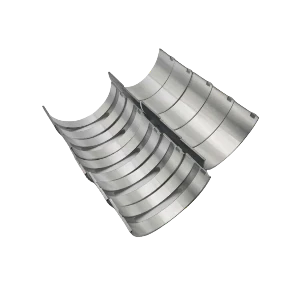
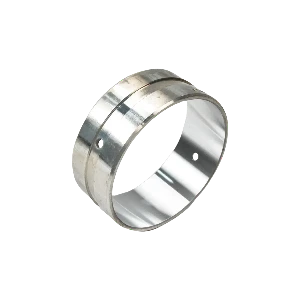
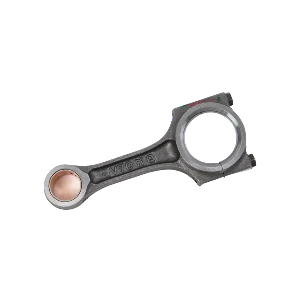
Worn engine bearings create excessive clearance between moving parts. This increased gap allows oil to escape more easily, reducing pressure within the system. As a result, the engine oil cannot form an adequate protective film, exposing metal surfaces to direct contact. The dangers of low engine oil pressure become evident as bearings deteriorate, leading to noise, vibration, and eventual engine damage. Addressing worn engine bearings promptly prevents catastrophic failure and extends engine life. Using reliable replacement bearings from Megawatts Parts ensures proper fit and long-term durability.
Other Common Causes
Several other factors can contribute to low oil pressure at idle:
Plugged oil pickup: Debris can block the pickup screen, restricting oil flow to the pump.
- Incorrect oil viscosity:Using oil that is too thin or thick for your engine reduces pressure and impairs lubrication.
- Low oil level: Insufficient oil volume prevents the pump from maintaining proper pressure.
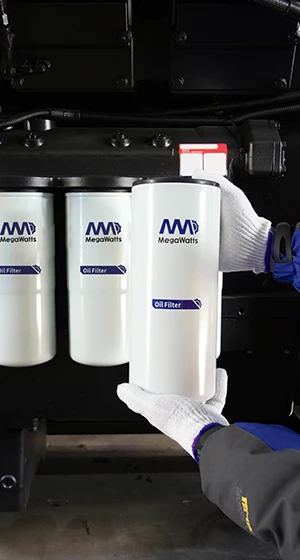
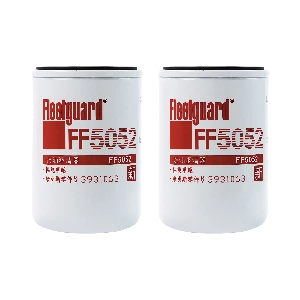
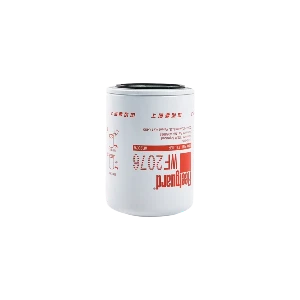
- Clogged oil filter: A blocked filter restricts oil flow, causing pressure to drop.
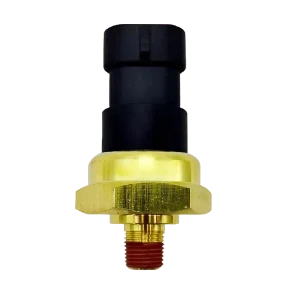
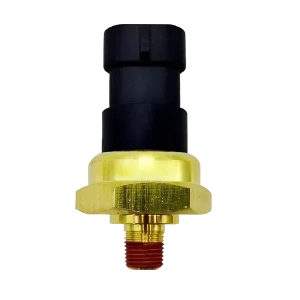
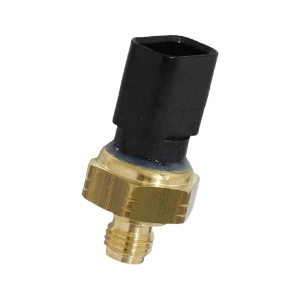
- Defective oil pressure sensor: Faulty readings may trigger false warnings or mask real issues.
- Malfunctioning pressure relief valve:If stuck open, this valve allows oil to bypass the system, reducing pressure.
Tip: Always use engine oil and filters that meet manufacturer specifications. Megawatts Parts offers a wide selection of OEM and aftermarket components to address these issues efficiently.
Promptly diagnosing and repairing the root cause of low oil pressure prevents engine damage and costly repairs. Reliable parts and expert guidance are essential for restoring optimal oil pressure and engine performance.
Diagnosing Low Oil Pressure Issues
Symptoms of a Faulty Oil Pump
A faulty oil pump often leads to a rapid drop in oil pressure, especially noticeable at idle. When the pump cannot circulate oil effectively, the engine loses critical lubrication. Common symptoms include:
- The oil pressure warning light illuminates on the dashboard, particularly at low RPMs.
- Audible ticking or knocking noises from the engine, caused by insufficient oil reaching moving parts.
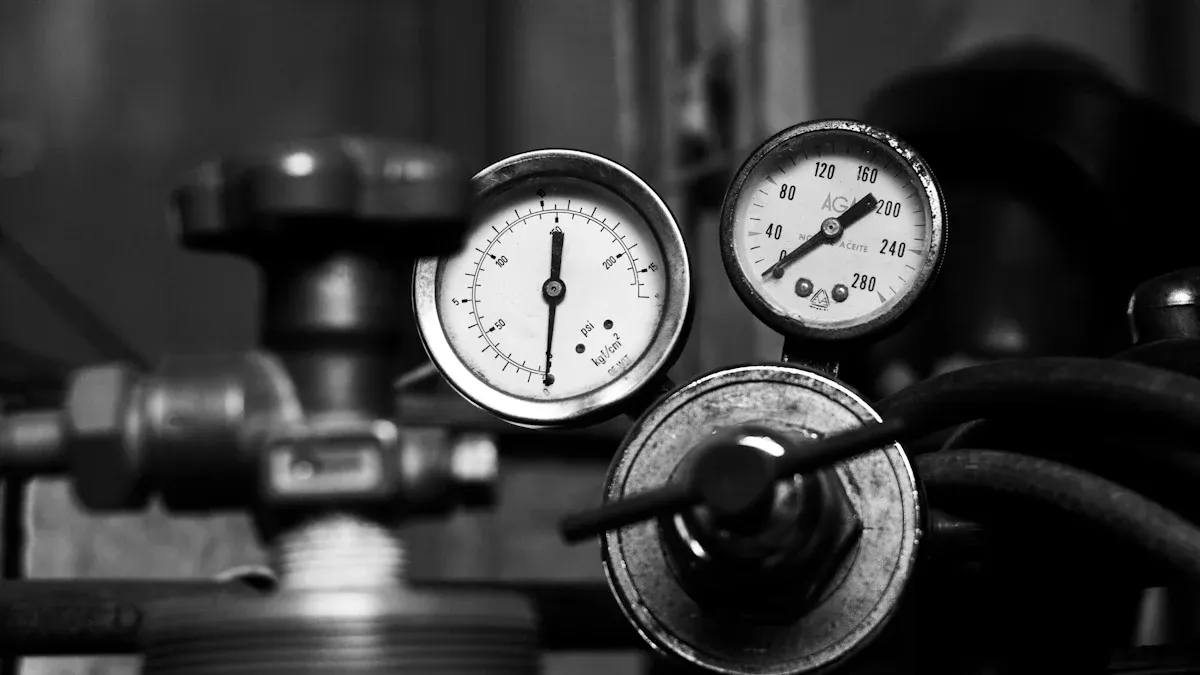
- Fluctuating or consistently low readings on the oil pressure gauge.
- Increased engine temperature due to reduced oil flow and cooling.
Oil pump problems may also cause delayed oil delivery after startup. This delay can result in brief metallic sounds as components operate without adequate lubrication. If you notice these symptoms, immediate inspection is necessary to prevent further engine damage.
Note: Oil pump failure can occur suddenly or develop over time. Regular maintenance and monitoring of oil pressure help detect issues early.
Signs of Bearing Wear in the Engine
Worn engine bearings create excessive clearance between the bearing surfaces and the crankshaft. This increased gap allows oil to escape, reducing pressure throughout the system. Key signs of bearing wear include:
- Persistent low oil pressure, even after replacing the oil and filter.
- Deep knocking or rumbling noises from the lower part of the engine, often described as a "rod knock."
- Visible metal shavings or glitter in the engine oil during oil changes, indicating internal wear.
- Gradual loss of engine performance, such as reduced power or rough idling.
Bearing failure can lead to catastrophic engine damage if not addressed promptly. Experienced engineers recommend checking for these signs whenever low oil pressure persists after routine maintenance.
Step-by-Step Diagnostic Process
Diagnosing low oil pressure at idle requires a systematic approach. Both oil pump and bearing issues can present similar symptoms, so careful testing is essential. Use the following steps and tools to identify the root cause:
Check Oil Level and Condition
- Park the vehicle on a level surface and let the engine cool.
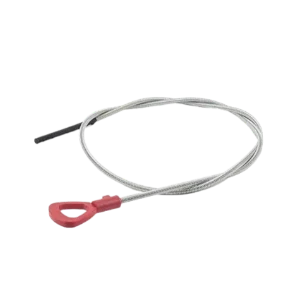
- Use the dipstick to check oil level. Low oil can cause pressure loss.
- Inspect the oil for contamination, discoloration, or metal particles.
Inspect the Oil Filter and Pickup
- Replace the oil filter if clogged or overdue for service.
- If possible, inspect the oil pickup screen for debris that could restrict flow.
Verify Oil Viscosity
- Confirm that the correct engine oil viscosity is being used, as specified by the manufacturer.
- Oil that is too thin or thick can affect pressure and lubrication.
Test Oil Pressure with a Mechanical Gauge
- Install a mechanical oil pressure gauge in place of the oil pressure sensor.
- Start the engine and record pressure readings at idle and higher RPMs.
- Compare readings to manufacturer specifications.
Evaluate Oil Pump Performance
- If pressure remains low with correct oil level and viscosity, suspect oil pump problems.
- Listen for abnormal noises from the pump area.
- Inspect for external leaks or signs of oil pump failure.
Assess for Bearing Wear
- If the oil pump is functioning and pressure is still low, consider worn engine bearings.
- Look for persistent knocking noises and check for metal debris in the oil.
- Severe bearing wear often requires engine disassembly for confirmation.
|
Diagnostic Step |
Tool Needed |
What to Look For |
|
Check oil level/condition |
Dipstick, oil catch pan |
Low oil, contamination, metal shavings |
|
Inspect filter/pickup |
Wrench, flashlight |
Clogged filter, blocked pickup |
|
Verify oil viscosity |
Oil spec sheet, oil bottle |
Correct grade and type |
|
Test oil pressure |
Mechanical gauge |
Pressure at idle and under load |
|
Evaluate oil pump |
Stethoscope, visual check |
Noises, leaks, delayed oil delivery |
|
Assess bearing wear |
Visual, oil analysis |
Knocking, metal in oil, performance loss |
Tip: Both oil pump and bearing issues can cause low oil pressure at idle. Accurate diagnosis prevents unnecessary repairs and ensures the right solution.
Careful attention to each step helps distinguish between oil pump failure and bearing failure. Using quality diagnostic tools and following a methodical process ensures reliable results. If uncertainty remains after these checks, consult a professional technician for further evaluation.
How to Fix Low Oil Pressure
Repairing or Replacing a Faulty Oil Pump
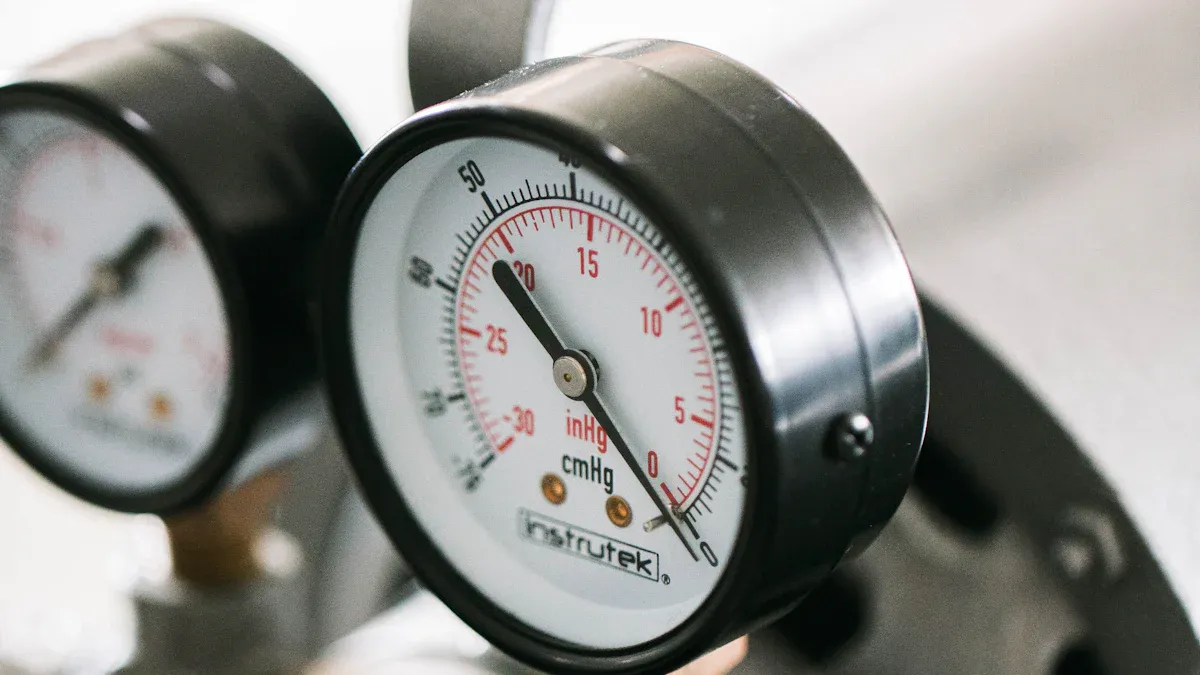
When low oil pressure occurs, the oil pump often stands out as a primary suspect. Experienced engineers recommend inspecting the pump for wear, internal scoring, or external leaks. If the pump shows signs of damage or cannot maintain proper pressure, replacing the unit immediately is critical. Browse our premium selection of replacement oil pumps to find the exact OEM-grade match for your engine and restore optimal circulation. Always use a high-quality replacement that meets or exceeds OEM standards. Megawatts Parts offers both branded and third-party engine components, ensuring a reliable fit for your machinery. Their inventory includes pumps compatible with major brands like CATERPILLAR and CUMMINS. After installation, check for leaks and verify pressure with a mechanical gauge. Changing the oil filter during this process helps prevent debris from circulating and causing further damage.
Addressing Worn Engine Bearings
Addressing worn bearings requires careful assessment. Excessive clearance between bearings and the crankshaft allows oil to escape, reducing pressure and increasing the risk of engine failure. If you detect persistent knocking noises or find metal shavings in the engine oil, immediate action is critical. Replacing worn bearings often involves partial or complete engine disassembly. Use only precision-fit bearings from trusted suppliers. Megawatts Parts provides a wide selection of engine bearings designed for durability and optimal oil flow. Proper installation restores pressure and extends engine life.
When to Seek Professional Help
Some low oil pressure issues demand advanced diagnostic tools and technical expertise. If replacing the oil pump or addressing worn bearings does not resolve the problem, consult a professional technician. Persistent oil pressure warning light signals, unexplained pressure drops, or suspected internal engine damage require expert evaluation. Technicians can also assist with replacing the oil pressure sensor and verifying correct engine oil viscosity. Timely intervention prevents catastrophic failure and protects your investment.
Tip: Always use engine oil and filters that match manufacturer specifications. Reliable suppliers like Megawatts Parts help ensure the right components for every repair.
Diagnosing low oil pressure at idle requires careful inspection of the oil level, oil pump, and engine bearings. Continuing to operate machinery under these conditions rapidly escalates the risk of bearing failure, turbocharger damage, and catastrophic engine seizure. For time-critical repairs, sourcing replacement components from trusted suppliers is essential to minimize downtime. Megawatts Parts ensures reliable system restoration, supported by a streamlined global logistics network with over 1,200 access points. This operational efficiency guarantees consistent parts availability and rapid delivery, keeping your critical industrial engines running at peak performance.
Experienced engineers recommend regular oil checks and prompt response to any warning.
FAQ
What causes low oil pressure at idle?
Low oil pressure at idle often results from a worn oil pump, degraded engine bearings, or incorrect engine oil viscosity. Debris blocking the oil pickup or a clogged filter can also restrict oil flow. Immediate diagnostic intervention is necessary to protect the engine from severe mechanical damage.
How can a failing oil pump be identified?
A failing oil pump frequently triggers the oil pressure warning light, particularly during idle operation. Audible ticking noises from the engine block, fluctuating oil pressure gauge readings, and delayed oil delivery immediately following startup are also primary indicators of pump degradation.
Does incorrect engine oil viscosity affect oil pressure?
Yes. Utilizing engine oil with an incorrect viscosity significantly alters system pressure. Oil that is too thin fails to maintain adequate pressure limits, whereas oil that is too thick restricts proper flow. It is critical to exclusively use oil grades that strictly meet OEM specifications.
What are the risks of operating with low oil pressure?
Operating an engine with low oil pressure leads to rapid component wear, bearing failure, and eventual engine seizure. Experienced engineers warn that continued operation without adequate lubrication invariably results in catastrophic internal damage and excessive repair costs.
When is professional field assistance required for oil pressure issues?
Professional diagnosis is required if oil pressure remains low after verifying the oil level, filter condition, and oil viscosity. Persistent warning lights, deep engine knocking (rod knock), or visible metal shavings in the oil demand immediate expert evaluation. Certified technicians possess the advanced diagnostic tools necessary to accurately assess internal engine wear.
Previous And Next
-
Previous Post:
 BLOG
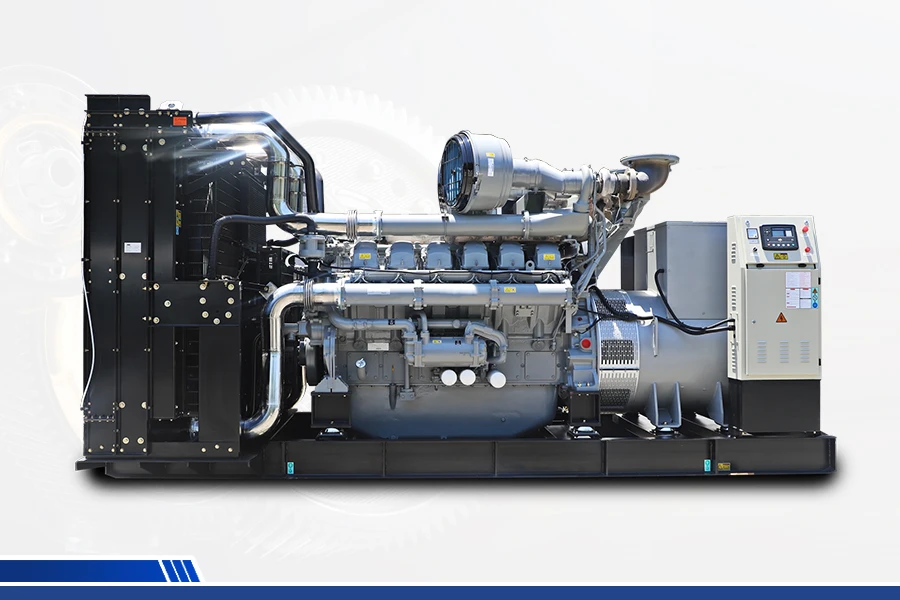
BLOG Megawatts BlogIntroducing the components of a diesel engineIntroducing the components of a diesel engine A diesel generator set is a type of internal combustion generator set and is currently one of the most widely used power generation devices in the world....
 -
Next Post:
 BLOG
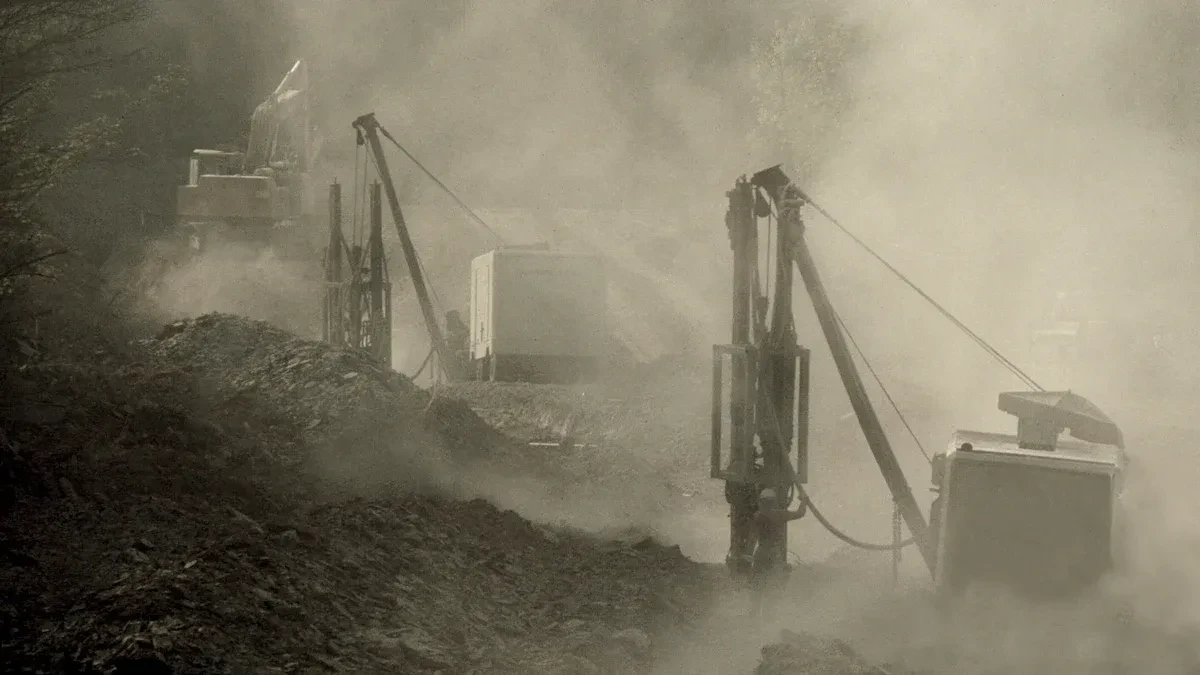
Megawatts BlogHeavy Dust Defense: How Mining Fleets Protect Engine Cylinders and Turbochargers from Abrasive WearMining fleets operate in hostile environments where dust constantly threatens engine reliability. maintenance and cutting-edge monitoring, provide the foundation for effective defense. Trusted supplie...
BLOG
Megawatts BlogHeavy Dust Defense: How Mining Fleets Protect Engine Cylinders and Turbochargers from Abrasive WearMining fleets operate in hostile environments where dust constantly threatens engine reliability. maintenance and cutting-edge monitoring, provide the foundation for effective defense. Trusted supplie...
Read More
-
 BLOG
Megawatts BlogTotal Cost of Ownership (TCO) in Fleet Maintenance: Hidden Logistics Costs of Sourcing Multiple OEMsWhat hidden logistics costs emerge when sourcing multiple OEMs? How heavily do they weigh on Total Cost of Ownership (TCO) in Fleet Maintenance? A fleet manager compares two identical parts at differe...
BLOG
Megawatts BlogTotal Cost of Ownership (TCO) in Fleet Maintenance: Hidden Logistics Costs of Sourcing Multiple OEMsWhat hidden logistics costs emerge when sourcing multiple OEMs? How heavily do they weigh on Total Cost of Ownership (TCO) in Fleet Maintenance? A fleet manager compares two identical parts at differe... -
 BLOG
Megawatts BlogAnatomy of a Breakdown: Warning Signs Your Engine Driven Water Pump is Failing Before It LeaksAn engine-driven water pump typically broadcasts failure well before it drips. The pre-leak danger window is that brief period when noise, odor, temperature swings, or residue appear but no puddle for...
BLOG
Megawatts BlogAnatomy of a Breakdown: Warning Signs Your Engine Driven Water Pump is Failing Before It LeaksAn engine-driven water pump typically broadcasts failure well before it drips. The pre-leak danger window is that brief period when noise, odor, temperature swings, or residue appear but no puddle for... -
 BLOG
Megawatts BlogStrategic Sourcing: How to Build a Standardized Generator Sets Parts Catalog for Mixed FleetsManaging a mixed fleet of Cummins, Perkins, and Caterpillar generators often creates a hidden financial drain through inventory duplication and fragmented procurement. When different brands use differ...
BLOG
Megawatts BlogStrategic Sourcing: How to Build a Standardized Generator Sets Parts Catalog for Mixed FleetsManaging a mixed fleet of Cummins, Perkins, and Caterpillar generators often creates a hidden financial drain through inventory duplication and fragmented procurement. When different brands use differ... -
 BLOG
Megawatts BlogDiesel Generator Won't Crank: A Step-by-Step Electrical Diagnostic Checklist for MechanicsWhen a diesel generator won't crank, check the electrical system first. Do not chase fuel or mechanical theories yet. Low battery voltage and corroded connections cause most no-start condition calls....
BLOG
Megawatts BlogDiesel Generator Won't Crank: A Step-by-Step Electrical Diagnostic Checklist for MechanicsWhen a diesel generator won't crank, check the electrical system first. Do not chase fuel or mechanical theories yet. Low battery voltage and corroded connections cause most no-start condition calls....
Subscribe to enjoy 10% off
Stay informed about new products and sales

-
INFORMATION
Contact Us
-
CHINA SALES OFFICE: No. 2-11, No. 8, Gaotai Road, Gaishan Investment Zone, Cangshan District, Fuzhou, Fujian
-
SAUDI ARABIA FACTORY: 7264 Shakra, Al Faisaliyyah, REFB3035, 3035, Riyadh 12883
-
COLOMBIA SALES OFFICE: 92-32 26th Street, 03-118, Bogota
-
NIGERIA FACTORY: Plot 5 Chivita Avenue Ajao Estate Isolo Lagos
-
Email:sales@megawattsparts.com
Follow Us


Copyright © 2025 Megawatts All Rights Reserved.



Select Previous Button or Search Directly on Search Bar!
Shop All
 English
Currency: <{ pagedata.current_currency }>(<{ pagedata.current_currency_code }>)
Are you in the right place?

You agree to MegaWatts.com's Terms of Use and Privacy Policy by subscribing. You may receive emails with useful tips, promotions, and offerings.
No, thanks. I'd rather pay full price.