





































The Truth About Oil Leak Sealers: Temporary Fixes vs. Rear Main Seal Replacement
by Megawatts - Updated At 2026-07-07
Rear main seal leaks pose a severe threat to engine reliability, leaving many operators torn between quick chemical sealers and mechanical repairs. While oil leak sealers may offer a temporary bandage for minor drips, they cannot fix physical seal damage. For a permanent solution that prevents catastrophic oil loss and costly downtime, a professional replacement using premium components from Megawatts Parts remains the only guaranteed strategy.
What Are Oil Leak Sealers?
How Oil Leak Sealers Work
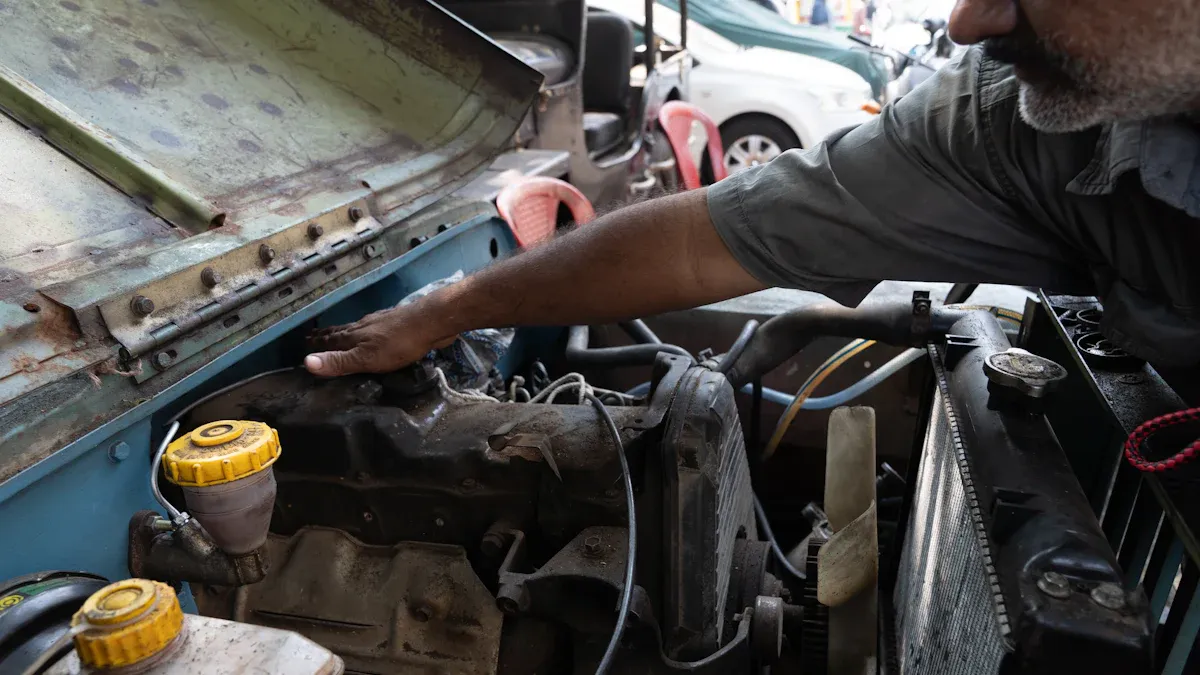
Oil leak sealers are chemical additives designed to address minor leaks in engine systems. These products target the seals and gaskets that prevent oil from escaping critical engine areas. When introduced into the engine, oil leak sealers interact with aged rubber seals and gaskets, restoring their elasticity and flexibility. This process helps seal minor leaks and can temporarily improve oil retention.
- Oil stop leak additives chemically interact with aged rubber seals and gaskets, restoring their elasticity to seal minor leaks.
- These products contain plasticizers that penetrate seal material, softening elastomers and causing them to swell, which closes gaps between seals and engine components.
- The sealing process involves diffusion of active compounds into the rubber seals, followed by a chemical reaction that expands the seal material, creating a tighter fit and halting leaks.
Experienced engineers caution that oil leak sealers only work on small leaks. They do not repair mechanical damage or replace worn-out parts. The effectiveness depends on the condition of the seal and the severity of the leak. In cases where oil loss is rapid or the seal is physically damaged, a sealer will not provide a reliable solution.
Intended Use and Limitations
Manufacturers formulate oil leak sealers using specialized chemicals. The main components include nitrile butadiene rubber, fluorine rubber (FKM), polytetrafluoroethylene, EPDM, and VMQ (silicone). Each material offers unique properties that influence performance and compatibility with engine oil.
|
Chemical Component |
Properties |
|
Nitrile Butadiene Rubber |
Good resistance to oils and greases; suitable for -35 °C to 100 °C; not resistant to acids. |
|
Fluorine rubber (FKM) |
Withstands temperatures up to 180 °C; resistant to strong acids and bases. |
|
Polytetrafluoroethylene |
Excellent chemical resistance; temperature range -80 °C to 200 °C; low frictional resistance. |
|
EPDM |
Resists low temperatures down to -50 °C; suitable for hot water and steam applications. |
|
VMQ (silicone) |
Can withstand -60 °C to 200 °C; lower mechanical strength and wear-resistance. |
Oil leak sealers serve as a temporary fix. They are best used for minor leaks where immediate replacement is not feasible. Technical consultants recommend monitoring oil levels closely after using a sealer. If the leak persists or worsens, replacement of the rear main seal becomes necessary. Relying on sealers for major leaks can lead to engine damage and costly repairs. Always consult a trusted mechanic before deciding on a solution.
Oil Leak Sealers: Pros and Cons
Benefits for Minor Oil Leaks
Oil leak sealers have become a popular choice for vehicle owners and machinery operators seeking a quick oil leak repair. These products offer several advantages when addressing a small leak in the engine. Many users report positive outcomes, especially when the leak is minor and the engine oil loss is not severe.
- Preventive maintenance: Oil leak sealers help keep seals conditioned and flexible, reducing the risk of future leaks.
- Cost-effective solution: A single bottle of oil stop leak can delay expensive engine repairs for months or even years.
- Easy application: No need to disassemble engine components or perform complex oil leak repair procedures.
|
Benefit |
Description |
|
Ease of Use |
Simplifies the process of maintaining your vehicle and addressing oil leaks. |
|
Compatibility |
Works with all types of vehicles, including gasoline and diesel engines. |
|
Effectiveness |
Seals small leaks without requiring extensive repairs. |
Oil leak sealers are versatile. They work with gasoline and diesel engines, making them suitable for a wide range of vehicles and machinery. Many owners appreciate the simplicity of adding oil stop leak to the engine oil. This process does not require specialized tools or technical expertise. The bluedevil rear main sealer is one example of a product that can restore seal elasticity and stop oil leaks quickly.
Tip: For minor oil leaks, oil leak sealers can provide a temporary fix that prevents further oil loss and protects the engine from damage. Always monitor oil levels after application to ensure the leak does not worsen.
Oil leak sealers are effective in sealing small leaks. They save money by delaying costly repairs and reducing downtime. The bluedevil rear main sealer is often recommended for preventive maintenance, especially when the leak is not severe.
Drawbacks and Limitations
Despite their benefits, oil leak sealers have limitations that must be considered before relying on them for oil leak repair. Experienced engineers and technical consultants warn that these products are not suitable for all types of leaks or engine conditions.
- The seal may be damaged during installation, especially if the engine has excessive crankcase pressure.
- The effectiveness of oil leak sealers depends on the condition of the sealing surfaces. Severely worn or mechanically damaged seals will not respond to chemical treatments.
- Oil leak sealers cannot repair physical damage to the rear main seal or other engine components. They only address leaks caused by aging or minor deterioration.
The bluedevil rear main sealer and similar products are designed for temporary use. They do not provide a permanent solution for rear main seal leaks. If the leak persists or oil loss increases, a full replacement of the rear main seal is necessary. Oil leak sealers may mask underlying issues, leading to further engine oil loss and potential engine damage.
Note: Relying on oil leak sealers for major leaks can result in engine failure. Consult a trusted mechanic or technical consultant before deciding on oil leak repair methods. Always consider the severity of the leak and the value of the vehicle or machinery.
Oil leak sealers are not recommended for engines with excessive crankcase pressure or severely damaged seals. The bluedevil rear main sealer works best for preventive maintenance and minor leaks. For lasting oil leak repair, replacement of the rear main seal with high-quality parts is essential.
Rear Main Seal: Permanent Solution
Why Replacement Is Necessary
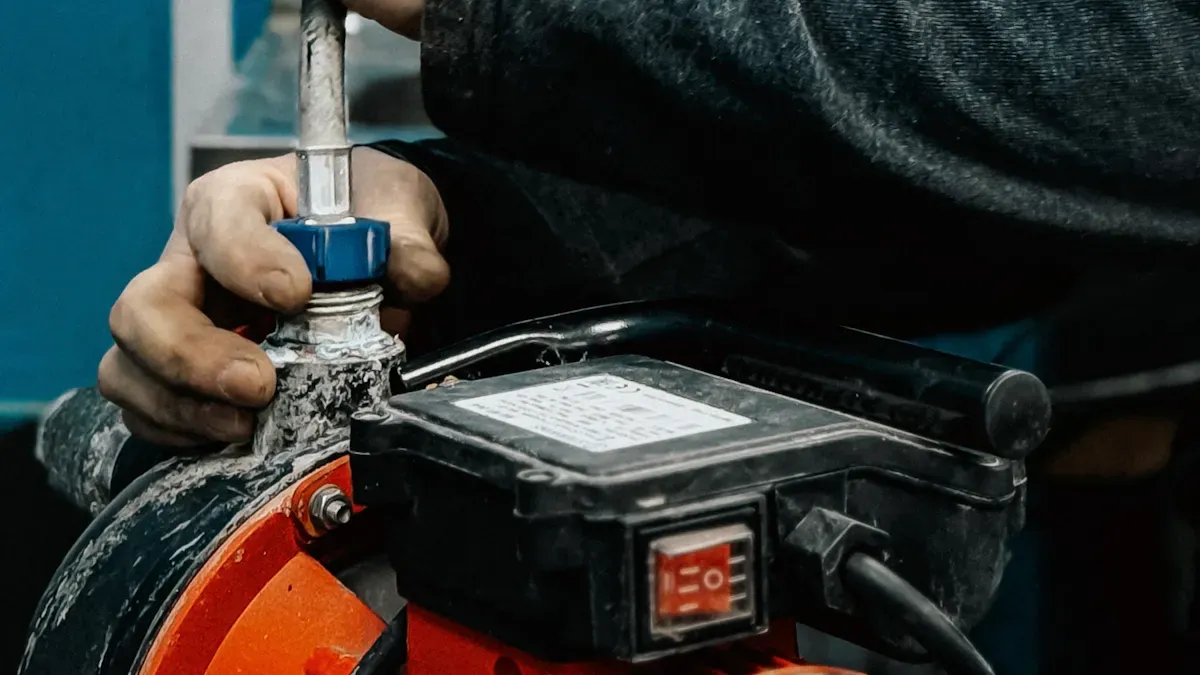
The rear main seal plays a critical role in preventing oil from leaking out of the engine. This seal sits at the back of the crankshaft, where the engine connects to the transmission. Over time, the rear main seal can wear out due to heat, friction, and exposure to engine oil. When this happens, oil begins to leak, which can lead to significant engine damage if not addressed promptly.
Experienced engineers often see engines with severe oil leaks caused by a failed rear main seal. These leaks can result in low engine oil levels, increased friction, and even catastrophic engine failure. Oil leak sealers may offer a temporary fix, but they cannot restore the integrity of a physically damaged or worn rear main seal. Replacement remains the only permanent solution.
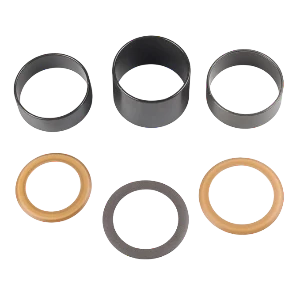
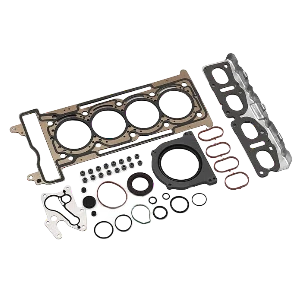
A compromised rear main seal allows oil to escape, which can contaminate the clutch or flywheel in manual transmissions, or the torque converter in automatic transmissions. This contamination can lead to additional repairs and increased costs. Technical consultants recommend immediate action when a rear main seal leak is detected. Delaying replacement increases the risk of engine failure and higher repair bills.When performing this critical repair, utilizing comprehensive gasket seal kits ensures that all related mating surfaces are properly sealed, preventing any secondary leaks from occurring after reassembly.
Tip: Always address a rear main seal leak as soon as possible. Ignoring the problem can result in engine oil starvation and irreversible engine damage.
Process and Cost Overview
Replacing the rear main seal is a complex procedure that requires specialized tools and technical expertise. The process involves removing the transmission to access the rear main seal, which is located at the back of the engine. Mechanics must also disconnect the driveshaft, exhaust system, and sometimes the oil pan. This labor-intensive process explains the high cost associated with rear main seal replacement.
The average cost for rear main seal replacement in passenger vehicles and light trucks varies widely. Some quotes reach $3,200, primarily due to labor expenses. Other estimates show labor alone costing $1,425, with total costs around $1,650 when including parts and taxes. The price reflects the time and skill required to complete the job correctly.
|
Step |
Description |
|
Diagnosis |
Confirm the source of the oil leak is the rear main seal. |
|
Disassembly |
Remove the transmission, driveshaft, and related components. |
|
Seal Replacement |
Extract the old rear main seal and install a new, high-quality seal. |
|
Reassembly |
Reinstall all removed parts and refill with high-quality engine fluids to ensure optimal lubrication and seal conditioning. |
|
Testing |
Run the engine to ensure the leak has been resolved and all systems function. |
Selecting reliable parts is essential for a lasting repair. Megawatts Parts stands out as a trusted source for high-quality rear main seal replacements and related engine parts.
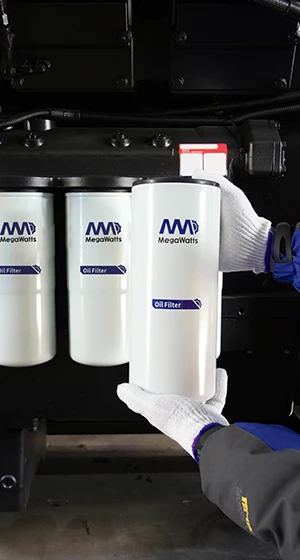
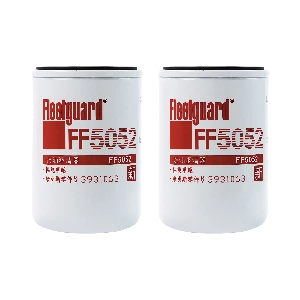
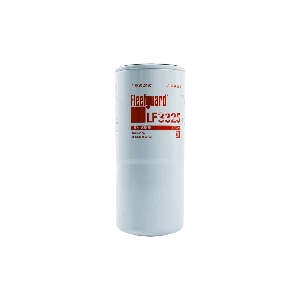
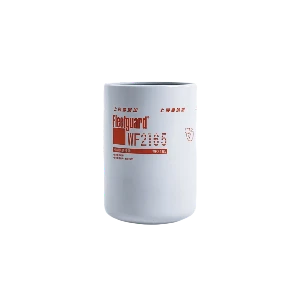
Megawatts Parts stands out as a trusted source for high-quality rear main seal replacements and related engine parts. Their inventory includes components that meet or exceed OEM specifications, ensuring durability and performance. Additionally, completing the repair by installing fresh oil filters guarantees that no contaminants from the previous leak cycle circulate through the newly sealed engine. Customers benefit from fast shipping, live support, and a hassle-free return policy, making Megawatts Parts a preferred choice for professionals and machinery operators worldwide.
Note: Using genuine or high-quality aftermarket rear main seals from reputable suppliers like Megawatts Parts reduces the risk of future leaks and protects your engine investment.
Real-world scenarios highlight the risks of neglecting rear main seal replacement. Some operators attempt to rely on oil leak sealers for major leaks, only to experience sudden engine failure on the job site or road. Technical consultants advise against shortcuts. Investing in a proper rear main seal replacement with quality parts ensures long-term reliability and peace of mind.
Risks of Relying on Oil Leak Sealers
Potential Engine Damage
Relying on oil leak sealers for engine oil leak repair can introduce significant risks. Many owners notice that these products only address the surface symptoms of a rear main seal leak. They do not resolve the underlying mechanical issues. Oil leak sealers often cause seals to swell. This swelling may create new problems in other engine components, especially if the engine already has worn or brittle seals.
- Oil leak sealers may only provide a temporary solution, failing to address the root cause of leaks.
- They can cause seals to swell, potentially leading to new issues with other engine components.
- These products are most effective on very small leaks from aging seals, but not on damaged gaskets or cracked oil pans.
A major leak will not respond to oil stop leak additives. Attempting to fix a severe engine oil leak with bluedevil rear main sealer can result in rapid oil loss and engine failure. Technical consultants have observed cases where engines suffered additional damage after repeated use of oil stop leak products. The risk increases when operators ignore oil leak symptoms or delay proper oil leak repair. Always monitor engine oil levels and seek professional advice if leaks persist.
Note: Ignoring oil leak symptoms can lead to catastrophic engine damage. Early detection and prompt action are essential for effective rear main seal solutions.
Warranty and Long-Term Issues
Using oil stop leak products like Blue Devil rear main sealer may void engine warranties. Manufacturers often specify that chemical additives should not be used as substitutes for mechanical repairs. If an engine fails after using these products, warranty claims may be denied. This can result in higher out-of-pocket expenses for oil leak repair.
Long-term reliance on oil leak sealers can mask the true condition of the engine. Small leak repairs may seem successful at first, but hidden damage can worsen over time. Experienced engineers recommend addressing the root cause of any leak rather than relying on temporary fixes. For lasting results, choose high-quality parts and trusted rear main seal solutions.
|
Risk Factor |
Impact on Engine and Warranty |
|
Use of oil stop leak |
May void warranty; masks underlying issues |
|
bluedevil rear main sealer |
Temporary fix; not for major leak |
|
Delayed oil leak repair |
Increases risk of engine failure |
The best approach involves early diagnosis, professional consultation, and the use of reliable parts. Megawatts Parts offers trusted solutions for those seeking permanent repairs.
When to Use Oil Leak Sealers vs. Replace Rear Main Seal
Guidelines Based on Leak Severity
Choosing between an oil stop leak product and a full rear main seal replacement depends on the severity of the leak and the condition of the engine. Experienced engineers recommend a careful assessment of the symptoms of a rear main seal leak before deciding on a repair strategy.
Minor Leaks:
If you notice a small oil spot under your vehicle or machinery, and the engine oil level drops slowly, a product like bluedevil rear main sealer may offer a temporary solution. These additives work best when the leak results from aging seals that have lost flexibility but are not physically damaged. Monitor the oil level closely after application. If the leak stops or slows significantly, continue to check for any changes in performance or new symptoms.
Moderate to Severe Leaks:
When the leak becomes more pronounced, such as visible oil streaming from the bell housing or rapid engine oil loss, chemical sealers will not provide a reliable fix. In these cases, the rear main seal likely has mechanical damage or excessive wear. Attempting to use bluedevil rear main sealer or similar products may only delay the inevitable and could lead to further engine damage.
Recurring Leaks:
If you have already used an oil stop leak additive and the problem returns, this indicates that the underlying issue remains unresolved. At this stage, a professional oil leak repair is necessary. Replacement of the rear main seal with a high-quality part is the only permanent solution.
Tip: Always consult a qualified mechanic or technical consultant when you detect an engine oil leak. Early intervention can prevent costly repairs and extend the life of your engine.
Considering Vehicle Value and Budget
The decision to use bluedevil rear main sealer or invest in a full rear main seal replacement also depends on the value of your vehicle or machinery and your available budget. Here are some practical considerations:
|
Scenario |
Recommended Action |
|
Older vehicle with low value |
Try bluedevil rear main sealer for minor leaks |
|
High-value or critical machinery |
Replace rear main seal with quality parts |
|
Limited repair budget |
Use oil stop leak as a short-term measure |
|
Planning to keep vehicle long-term |
Invest in permanent rear main seal solutions |
Owners of older vehicles or equipment with limited resale value may choose a temporary fix to extend usability. However, for high-value assets or machinery critical to operations, investing in a permanent repair is the best approach. Using genuine or high-quality aftermarket parts from trusted suppliers like Megawatts Parts ensures durability and reliability. Megawatts Parts offers a wide selection of engine components that meet or exceed OEM standards, supporting long-term performance and reducing the risk of future leaks.
Experienced technical consultants emphasize that ignoring a severe leak or relying on temporary fixes can result in catastrophic engine failure. The cost of a proper rear main seal replacement is often much less than the expense of repairing major engine damage. Make informed decisions by weighing the severity of the leak, the value of your equipment, and the long-term costs.
Call to Action:For lasting results, consult with professionals and choose trusted suppliers like Megawatts Parts for your rear main seal solutions. Protect your investment by addressing leaks promptly and using reliable engine parts.
Real-World Oil Leak Scenarios
Temporary Fix with Oil Leak Sealer
Many owners of older vehicles and machinery turn to oil leak sealers as a quick solution. These products are often used when a minor leak appears due to worn seals or gaskets. Operators may choose this approach when immediate mechanical intervention is not practical. Common scenarios include:
- Application in aging vehicles where the cost of repair outweighs the asset value.
- Use for minor leaks that do not cause rapid oil loss.
- Temporary fixes to delay repairs until scheduled maintenance.
However, oil stop leak products are not suitable for major engine issues such as a malfunctioning oil pump or a cracked oil pan. Repeated use can lead to complications, including potential clogging within the engine. These products should be used with caution and only for short-term relief.
A real-world example involves a generator that operated without oil leaks for 6,600 hours. After a temporary fix, oil misting began and escalated to oil being thrown around the enclosure within 200 hours. The sealer reduced the leak rate briefly, but a new rear main seal was still required.
Successful Rear Main Seal Replacement
Permanent resolution of engine oil leaks often requires rear main seal replacement. Mechanics with decades of experience report that most rear main seals fail due to age or neglect rather than excessive wear. Success rates for replacements are high, especially when the repair is performed with the engine removed from the vehicle. One seasoned mechanic noted never having a leaker after replacement, highlighting the reliability of this approach.
The method of replacement matters. In-car repairs have a higher failure rate—estimated at 25-50% more—compared to out-of-car procedures. Using high-quality parts and following proper installation techniques ensures long-term engine protection and leak prevention.
Lessons from Both Approaches
Automotive professionals have learned that while oil leak sealers offer low cost and convenience, their effectiveness varies. Risks include further engine damage and the masking of underlying problems. In contrast, permanent rear main seal replacement provides reliable, lasting results. The key lesson is to weigh short-term savings against long-term reliability and potential repair costs. Consulting experienced engineers and using trusted parts suppliers can help avoid common pitfalls and protect valuable equipment.
Choosing between an oil leak sealer and a rear main seal replacement depends on the severity of the leak and your long-term goals. Oil leak sealers offer a temporary, cost-effective fix for minor leaks, especially in older vehicles. However, only a rear main seal replacement provides a permanent solution and protects against future oil loss.
|
Option |
Cost |
Reliability |
Best Use Case |
|
Oil Leak Sealers (e.g., BlueDevil) |
Cheaper |
Temporary solution |
Minor leaks in older/high-mileage vehicles |
|
Rear Main Seal Replacement |
More expensive |
Long-term reliable fix |
Severe leaks or valuable vehicles |
Industry experts recommend the following:
- Consult a professional before attempting repairs.
- Use oil additives for minor leaks.
- Address leaks quickly to prevent engine damage.
Ultimately, relying on chemical sealers for a compromised rear main seal is a dangerous gamble with your engine's lifespan. While temporary fixes might buy you limited time, a mechanical replacement is the only way to ensure long-term operational security. Don't risk catastrophic engine failure—choose high-quality, OEM-standard replacement components from Megawatts Parts to permanently resolve leaks, protect your investment, and keep your heavy machinery running at peak performance.
Previous And Next
-
Previous Post:
 BLOG
BLOG Megawatts BlogIntroducing the components of a diesel engineIntroducing the components of a diesel engine A diesel generator set is a type of internal combustion generator set and is currently one of the most widely used power generation devices in the world....
 -
Next Post:
 BLOG
Megawatts BlogLow Oil Pressure at Idle: Diagnosing Worn Engine Oil Pumps vs. Failing BearingsLow oil pressure at idle is a critical warning for any engine. This condition often signals a failing oil pump or worn engine bearings. Oil plays a vital role in reducing friction, cooling components,...
BLOG
Megawatts BlogLow Oil Pressure at Idle: Diagnosing Worn Engine Oil Pumps vs. Failing BearingsLow oil pressure at idle is a critical warning for any engine. This condition often signals a failing oil pump or worn engine bearings. Oil plays a vital role in reducing friction, cooling components,...
Read More
-
 BLOG
Megawatts BlogStrategic Sourcing: How to Build a Standardized Generator Sets Parts Catalog for Mixed FleetsManaging a mixed fleet of Cummins, Perkins, and Caterpillar generators often creates a hidden financial drain through inventory duplication and fragmented procurement. When different brands use differ...
BLOG
Megawatts BlogStrategic Sourcing: How to Build a Standardized Generator Sets Parts Catalog for Mixed FleetsManaging a mixed fleet of Cummins, Perkins, and Caterpillar generators often creates a hidden financial drain through inventory duplication and fragmented procurement. When different brands use differ... -
 BLOG
Megawatts BlogDiesel Generator Won't Crank: A Step-by-Step Electrical Diagnostic Checklist for MechanicsWhen a diesel generator won't crank, check the electrical system first. Do not chase fuel or mechanical theories yet. Low battery voltage and corroded connections cause most no-start condition calls....
BLOG
Megawatts BlogDiesel Generator Won't Crank: A Step-by-Step Electrical Diagnostic Checklist for MechanicsWhen a diesel generator won't crank, check the electrical system first. Do not chase fuel or mechanical theories yet. Low battery voltage and corroded connections cause most no-start condition calls.... -
 BLOG
Megawatts BlogMagnetic Coil Degradation: Why Your Diesel Engine Stop Solenoid Fails Under Extreme HeatExtreme heat is the primary enemy of a diesel engine stop solenoid. The heat breaks down the electrical insulation inside the magnetic coil. This degradation raises resistance and creates short circui...
BLOG
Megawatts BlogMagnetic Coil Degradation: Why Your Diesel Engine Stop Solenoid Fails Under Extreme HeatExtreme heat is the primary enemy of a diesel engine stop solenoid. The heat breaks down the electrical insulation inside the magnetic coil. This degradation raises resistance and creates short circui... -
 BLOG
Megawatts BlogThe Hidden Cost of Expired Inventory: Shelf Life and Proper Storage of Rubber Gasket Seal KitsA gasket seal kit sits untouched for five years. You paid for it. Now you pay to dispose of it. When a failure occurs, you pay a premium for emergency replacement. These hidden costs accumulate silent...
BLOG
Megawatts BlogThe Hidden Cost of Expired Inventory: Shelf Life and Proper Storage of Rubber Gasket Seal KitsA gasket seal kit sits untouched for five years. You paid for it. Now you pay to dispose of it. When a failure occurs, you pay a premium for emergency replacement. These hidden costs accumulate silent...
Subscribe to enjoy 10% off
Stay informed about new products and sales

-
INFORMATION
Contact Us
-
CHINA SALES OFFICE: No. 2-11, No. 8, Gaotai Road, Gaishan Investment Zone, Cangshan District, Fuzhou, Fujian
-
SAUDI ARABIA FACTORY: 7264 Shakra, Al Faisaliyyah, REFB3035, 3035, Riyadh 12883
-
COLOMBIA SALES OFFICE: 92-32 26th Street, 03-118, Bogota
-
NIGERIA FACTORY: Plot 5 Chivita Avenue Ajao Estate Isolo Lagos
-
Email:sales@megawattsparts.com
Follow Us


Copyright © 2025 Megawatts All Rights Reserved.



Select Previous Button or Search Directly on Search Bar!
Shop All
 English
Currency: <{ pagedata.current_currency }>(<{ pagedata.current_currency_code }>)
Are you in the right place?

You agree to MegaWatts.com's Terms of Use and Privacy Policy by subscribing. You may receive emails with useful tips, promotions, and offerings.
No, thanks. I'd rather pay full price.