









































Heavy Dust Defense: How Mining Fleets Protect Engine Cylinders and Turbochargers from Abrasive Wear
by Megawatts - Updated At 2026-07-15
Mining fleets operate in hostile environments where dust constantly threatens engine reliability. maintenance and cutting-edge monitoring, provide the foundation for effective defense. Trusted suppliers like Megawatts Parts offer holistic solutions, ensuring every stage from filtration to engine overhaul is optimized for lasting protection.
Dust Threats to Mining Engines
Sources of Abrasive Dust
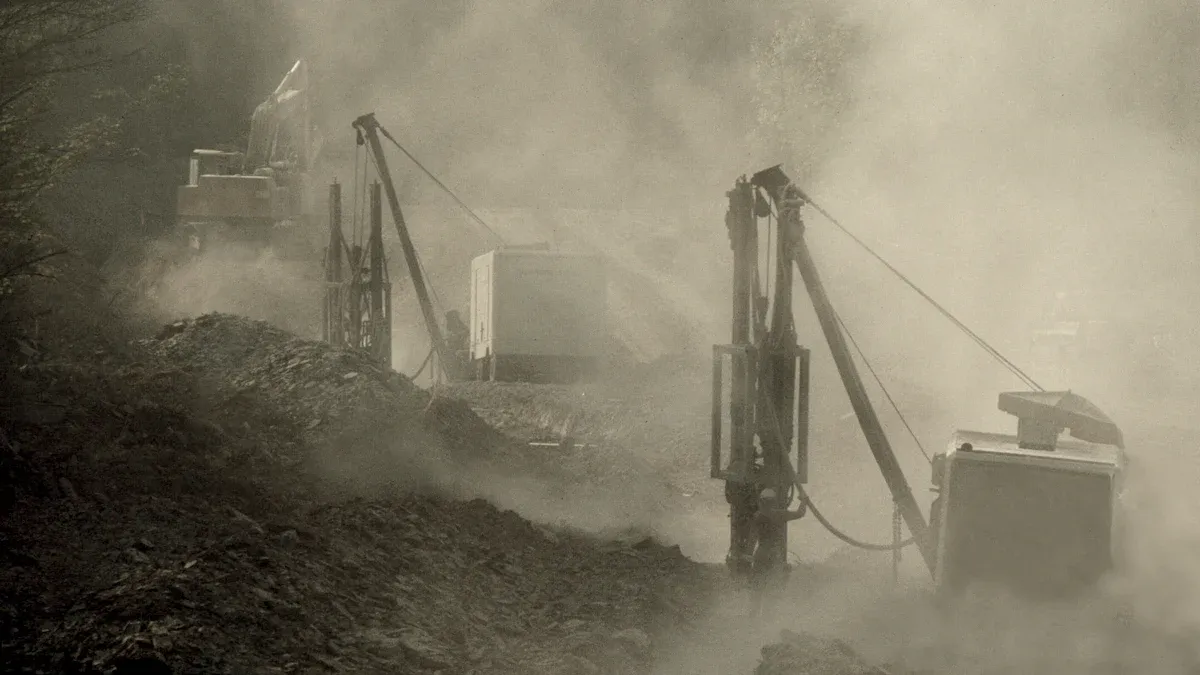
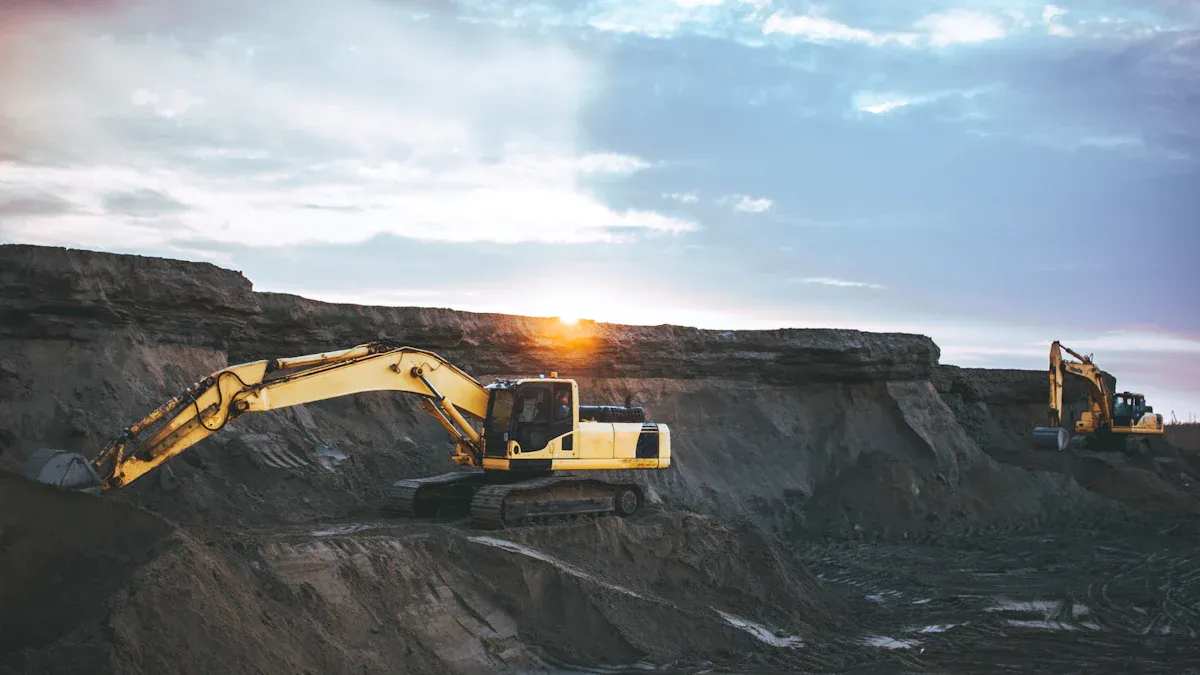
Mining operations generate dust from several key activities. Drilling and blasting release clouds filled with abrasive minerals that settle on equipment and contaminate the air. Loading and hauling create dust as heavy machinery moves across rough terrain. Crushing and grinding processes break down rocks, producing fine particles that linger in the atmosphere. These sources combine to create a heavy dust environment that threatens engine reliability and increases maintenance demands. Experienced engineers often warn that even brief exposure to airborne dust can accelerate engine abrasive wear, leading to costly repairs and downtime.
Engine Abrasive Wear Effects
Engine abrasive wear occurs when dust particles infiltrate the intake system and reach the cylinders. Two primary types of abrasion affect mining engines:
|
Type of Abrasion |
Description |
|
Two-body abrasion |
Fixed hard particles scratch or gouge softer surfaces, common in grinding. |
|
Three-body abrasion |
Loose hard particles roll or slide between surfaces, causing cutting damage. |
Both forms of wear degrade cylinder walls, pistons, and rings. Over time, abrasive dust causes loss of compression, increased oil consumption, and reduced engine performance.
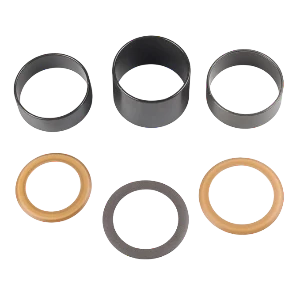
When abrasive dust causes severe cylinder wall scoring, loss of compression, and excessive oil consumption, surface maintenance is no longer viable. To permanently resolve internal wear and restore peak combustion efficiency, explore our premium selection of Cylinder Liner and Piston Kits engineered specifically to withstand extreme mining environments.
Impact on Turbochargers
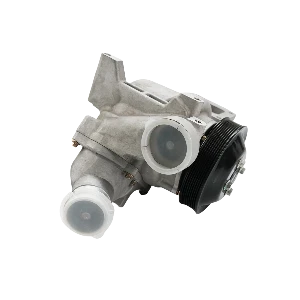
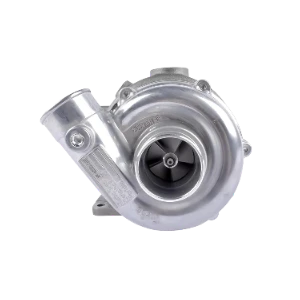
Turbochargers face unique risks in heavy dust environments. Abrasive dust erodes compressor blades, reducing efficiency and increasing failure rates. The operating burden rises when filters become loaded with fine particles. Poor sealing allows dust to enter the compressor, accelerating wear and causing rotor imbalance. These issues are common on mining support roads and construction routes. Fleet managers report that blocked filters and gradual efficiency loss often lead to unexpected downtime and expensive turbocharger replacements. Operating with eroded compressor blades or compromised rotor balance inevitably leads to catastrophic failure and unexpected downtime. When unit replacement becomes necessary, shop our robust, OEM-grade diesel generator turbochargers built for superior sealing and maximum dust defense.
Key Vulnerable Components
Engine Cylinders Protection
Engine cylinders face relentless exposure to abrasive dust in mining environments. Even a small breach in the intake system can lead to rapid cylinder wear, resulting in loss of compression and increased oil consumption. To maximize engine protection, mining fleets employ a range of physical barriers and protective measures during assembly and maintenance. The following table outlines common solutions used to shield critical cylinder components from dust and debris:
|
Protective Measure |
Description |
Application Area |
|
Threaded plastic caps |
Shields threaded parts from dust, dirt, and moisture |
Cylinder block assembly |
|
Die-cut masking tape |
Quick application for tight spaces; removes cleanly |
Cylinder block assembly |
|
Center pull plugs |
Fast removal for various inner diameters; available in PE and TPR |
Cylinder head assembly |
|
Threaded caps and plugs |
Blocks dirt from threaded ports; multiple material options |
Cylinder head assembly, Flywheel |
|
Side-pull plugs |
Easy removal with side pull-tab; acid-resistant options |
Flywheel |
|
Driveshaft protection caps |
Guards driveshafts and bearings |
Flywheel |
|
Tapered caps and plugs |
Versatile fit for multiple diameters |
Cylinder block, Cylinder head assembly |
|
Fluid absorption plugs |
Controls excess fluid in drained assemblies |
Cylinder block, Cylinder head assembly |
Experienced engineers recommend using these protective solutions throughout the engine assembly process. This approach reduces the risk of dust ingress and extends the service life of each cylinder.
Turbocharger Dust Defense
Turbocharger reliability is critical for mining fleet performance. Silica dust poses a severe threat, as it can infiltrate the engine and cause catastrophic turbocharger failure. Proper air filtration and leak prevention in the intake system are essential for engine protection. When engines operate, negative pressure in the intake system can draw in unfiltered air through even the smallest leaks, such as loose clamps or cracked pipes. This scenario can lead to rapid wear of turbocharger blades and other engine components, sometimes reducing operational life to just a few days if silica is ingested.
Routine preventative maintenance, including laboratory fluid analysis, helps detect contaminants early. Fleet managers should prioritize regular inspections and immediate repair of any intake system leaks. These practices ensure that only clean air reaches the turbocharger, safeguarding both performance and durability.
Hydraulic Cylinder Safeguards
Hydraulic cylinders are vital for heavy equipment operation in mining. Abrasive dust can cause several types of failures, including seal damage, rod scoring, piston damage, and fluid contamination. The table below summarizes the most common failure modes:
|
Type of Failure |
Description |
|
Seal Damage |
Abrasive particles scratch and wear seals, leading to leaks and pressure loss |
|
Rod Scoring |
Dust and debris score the piston rod, increasing failure risk |
|
Piston Damage |
Contaminants scratch the piston, reducing effectiveness |
|
Contaminated Fluid |
Dust leads to premature wear and clogging in the hydraulic system |
To enhance engine protection and extend hydraulic cylinder life, advanced sealing technologies are recommended. Seal Saver sleeves and FCS protective boots provide robust barriers against dust, minimize contamination risks, and can significantly reduce downtime and maintenance costs. These solutions are proven to triple the lifespan of hydraulic cylinders in demanding mining environments.
Air Filtration Systems and Technologies
High-Efficiency Air Filter Solutions
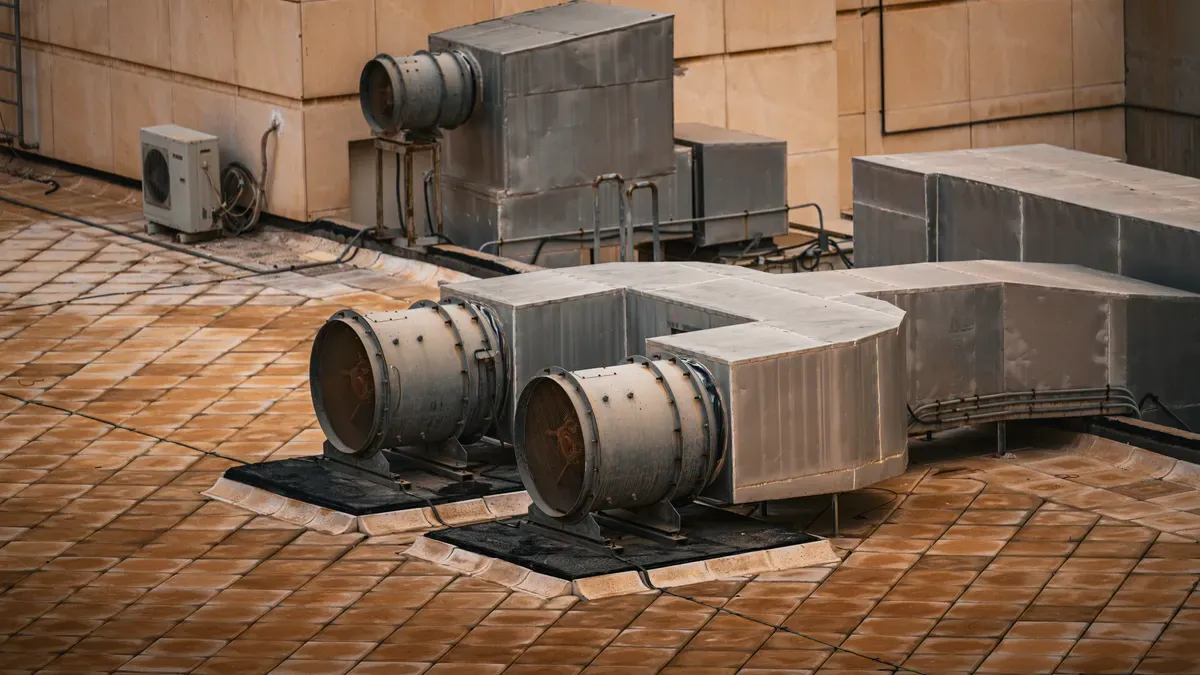
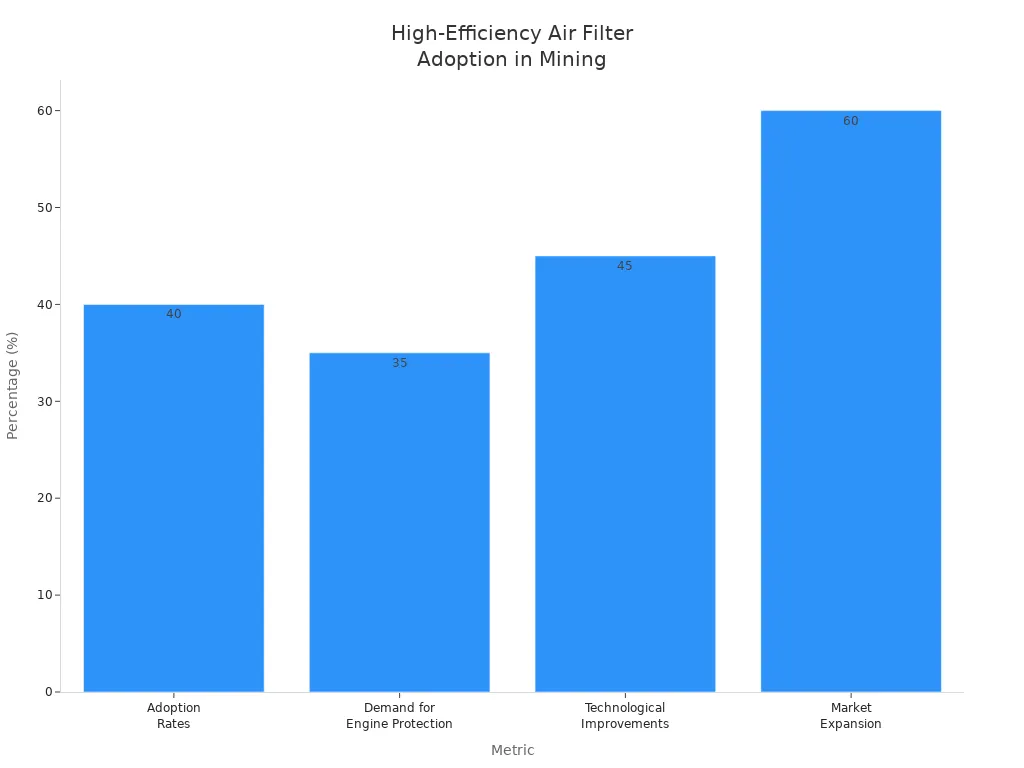
Mining fleets require robust air filtration systems to defend engines against relentless dust exposure. Recent advancements in high-efficiency air filter solutions have transformed engine protection strategies. The adoption of these technologies has surged, with over 40% of heavy machinery now utilizing advanced filters. Nearly 35% of mining operators have shifted to these systems to reduce wear and tear, while 45% of new installations feature designs that maximize filtration performance and engine reliability. Market investment continues to grow, with 60% of stakeholders expanding their use of these solutions.
|
Evidence Type |
Details |
|
Adoption Rates |
Over 40% adoption rates in heavy machinery indicate a significant shift towards high-efficiency filters. |
|
Demand for Engine Protection |
Nearly 35% of operators in mining are using advanced filters to reduce wear and tear. |
|
Technological Improvements |
45% of installations now feature high-efficiency designs that enhance performance. |
|
Market Expansion |
60% of stakeholders are increasing investments in air filter solutions for better efficiency. |
|
Recent Developments |
Innovative air filtration technology launched in January 2022 enhances engine protection. |
|
New Generation Filters |
Introduced in April 2024, these filters improve filtration efficiency and service life. |
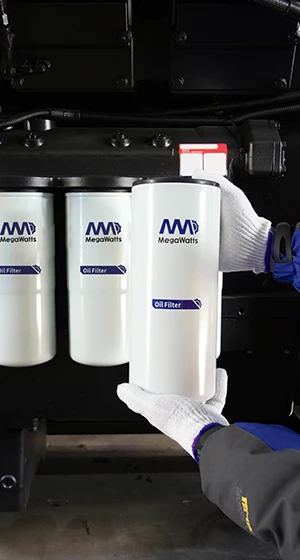
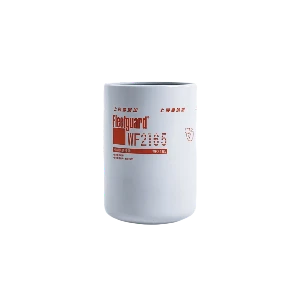
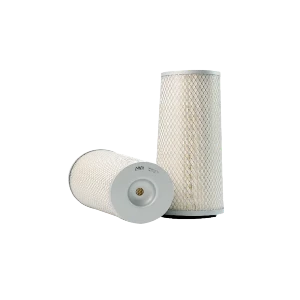
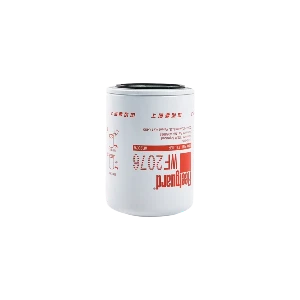
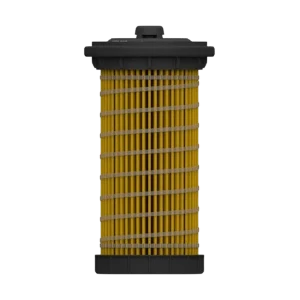
New generation filters, introduced in April 2024, deliver improved filtration performance and longer service intervals. In mining applications, MERV 16 filters strike a balance between efficiency and service life. While HEPA filters can remove at least 99.97% of particles as small as 0.3 microns, MERV 16 filters allow greater airflow and require less frequent replacement. In mining applications, selecting the right filter media is critical for balancing airflow with filtration efficiency. (To understand how top heavy-duty filter brands perform under extreme particulate loads, read our comprehensive guide: Donaldson vs Fleetguard Air Filters in Heavy-Dust Environments.) Fleet managers report that these filters maintain engine performance while providing reliable dust control.
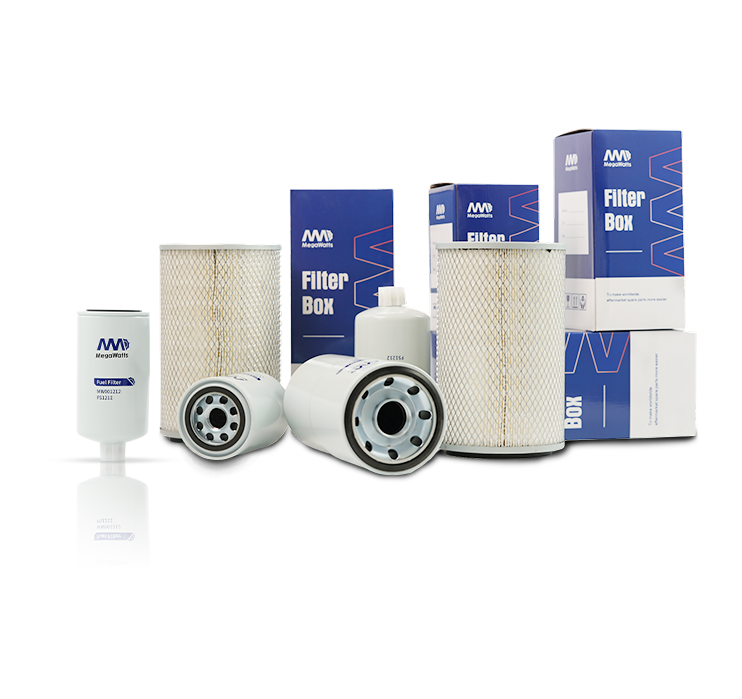
Megawatts Parts supplies a comprehensive range of high-efficiency air filtration systems tailored for mining environments. Relying on high-efficiency filtration is the single most effective way to prevent silica ingestion and extend engine service life. Browse Megawatts Parts' extensive inventory of high-performance replacement filters to ensure your heavy machinery receives continuous, uncompromised protection.
Magnetic Filtration for Engine Protection
Magnetic filtration represents a significant advancement in engine protection for mining fleets. These systems continuously capture ferrous wear particles from the fluid stream, targeting fine and ultra-fine debris that traditional filters often miss. The following table summarizes the key features of magnetic filtration:
|
Feature |
Description |
|
Continuous Capture |
Magnetic filtration continuously captures ferrous wear particles from the fluid stream. |
|
Fine Debris Targeting |
It specifically targets fine and ultra-fine debris that conventional filters struggle to remove. |
|
Compatibility |
Works in-line or in parallel with existing filter arrangements without restricting flow. |
|
Wear Reduction |
Helps reduce abrasive wear when dust loads spike. |
|
Stabilization |
Stabilizes wear rates across dust impact periods. |
|
Filter Life Extension |
Extends the useful life of standard filter elements. |
|
Maintenance Support |
Supports longer component life and more predictable maintenance intervals. |
Mining operations have reported substantial benefits from integrating magnetic filtration. For example, the ADD-Vantage 9000 system enabled oil change intervals to increase from 250 hours to 1000 hours. This extension reduced maintenance downtime and improved engine longevity. Cleaner oil resulted in enhanced engine performance, while rebuild intervals lengthened due to reduced component wear. One mine documented annual savings of $1,450,000, demonstrating the financial impact of advanced filtration performance.
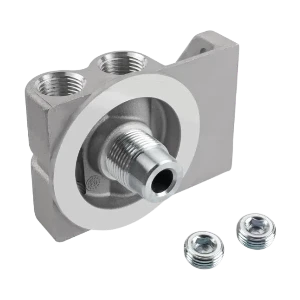
Megawatts Parts offers magnetic filtration solutions that integrate seamlessly with existing air filtration systems. These products support longer maintenance intervals and help mining fleets achieve greater reliability and cost efficiency.
Real-Time Dust Monitoring Sensors
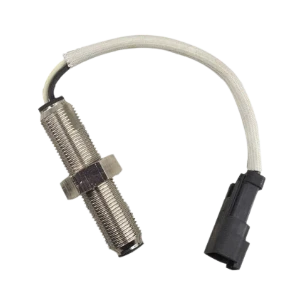
Real-time dust monitoring sensors have become essential tools for predictive maintenance in mining engines. These sensors provide continuous tracking of particulate matter, enabling early detection of harmful dust levels. This proactive approach helps prevent equipment failures and reduces maintenance costs. The integration of IoT technology and machine learning allows for accurate prediction of pollutant concentrations, supporting sustainable mining practices and improved operational efficiency.
Modern sensors, such as the Sensirion SPS30, measure a range of particulate sizes, including PM10, PM4.0, PM2.5, and PM1.0. Laser scattering technology ensures high accuracy and reliability, even in challenging mining environments. These sensors operate effectively at temperatures up to 63°C and maintain long-term stability. Recommended operating conditions include temperatures from 10°C to 40°C and humidity levels between 20% and 80% RH.
Tip: Experienced engineers recommend installing real-time dust monitoring sensors at critical points in the intake system. This practice enables immediate response to rising dust levels, minimizing the risk of engine damage and unplanned downtime.
Megawatts Parts provides advanced sensor solutions that integrate with air filtration systems, giving fleet managers the data needed to optimize filtration performance and protect valuable assets.
Maintenance and Best Practices
Scheduled Engine Inspections
Routine maintenance is the foundation of engine reliability in mining fleets. Dust exposure can quickly lead to damage if inspections are neglected. Experienced engineers recommend a strict inspection schedule to catch early signs of wear and prevent unexpected failure. The table below outlines recommended intervals for key service components in high-dust environments:
|
Service Component |
250 hrs |
500 hrs |
1000 hrs |
2000 hrs |
|
Engine Oil & Filter |
✓ |
✓ |
✓ |
✓ |
|
Air Filtration |
✓ |
✓ |
✓ |
✓ |
|
Hydraulic Systems |
I |
✓ |
✓ |
✓ |
|
Cooling System |
I |
I |
✓ |
✓ |
|
Undercarriage/Tracks |
I |
A |
✓ |
✓ |
|
Fuel System |
I |
✓ |
✓ |
✓ |
|
Safety Systems |
✓ |
✓ |
✓ |
✓ |
|
Wear Components |
I |
M |
✓ |
R |
Regular checks ensure clean air reaches the engine, reducing the risk of abrasive wear and catastrophic damage. Missed inspections often result in rapid performance decline and costly downtime.
Lubricant Cleanliness and Corrosion Inhibitors
Clean lubricants are essential for protecting engine components from dust-related damage. Contaminated oil accelerates wear, leading to premature failure. The following table highlights the benefits of maintaining lubricant cleanliness:
|
Benefit of Clean Lubricant |
Explanation |
|
Longer component and equipment life |
Clean, dry oil minimizes wear on critical components, extending their service life. |
|
Fewer unplanned stops and failures |
Maintaining stable oil cleanliness prevents issues like sticking valves and pump breakdowns, which can halt production. |
|
Reduced oil consumption and waste generation |
Cleaner oil remains effective longer, reducing the frequency of oil changes and minimizing waste. |
Corrosion inhibitors further enhance engine protection. These additives form a barrier on metal surfaces, maintain lubricant viscosity, and suspend dust particles to prevent direct contact with metal.
- Corrosion inhibitors create a protective barrier on metal surfaces, which is crucial for machinery in abrasive and wet environments.
- These additives help maintain the viscosity and film strength of lubricants, enhancing their protective properties.
- They assist in suspending dust and dirt particles within the lubricant, preventing contact with metal surfaces and reducing corrosion.
Safe Storage and Transport Procedures
Proper storage and transport practices are critical for long-term engine reliability. Poor fuel management can introduce contaminants, leading to engine damage and failure. The table below summarizes key impacts:
|
Evidence Type |
Description |
|
Fuel Quality Management |
Proper handling and storage practices protect fuel integrity, reducing contamination and equipment failure. |
|
Supply Chain Disruptions |
Delays in fuel deliveries can lead to unplanned downtime, affecting engine performance and reliability. |
|
Safety Risks |
Unstable fuel logistics can lead to improvised solutions, increasing the likelihood of spills and injuries. |
Tip: Always store engines and fuel in clean, dry environments. Use sealed containers and monitor for leaks or contamination. These steps help maintain clean air intake and prevent dust-related damage during storage and transport.
Innovations in Dust Defense
Emerging Materials and Technologies
Mining fleets now benefit from advanced materials and technologies that set new standards for dust defense. Manufacturers have introduced nano-fiber filter media, which trap ultra-fine particles without restricting airflow. These filters maintain high efficiency even in extreme dust conditions. Engineers also use self-cleaning filter systems that automatically remove accumulated dust, reducing manual intervention and extending service intervals. Ceramic coatings on engine components provide an extra layer of protection against abrasive wear. These innovations help mining operators reduce maintenance frequency and improve overall equipment reliability.
Data-Driven Maintenance
Data-driven maintenance strategies have transformed how mining fleets manage dust-related risks. Sensors and telematics systems monitor engine health in real time, providing actionable insights for maintenance teams. When equipment thresholds are exceeded, the system alerts personnel to intervene before failures occur. This proactive approach allows for timely replacement of critical parts, such as bearings, and prevents costly downtime.
|
Impact of Dust on Equipment |
Consequence |
|
Accelerated bearing and ring wear |
Increased maintenance needs |
|
Higher operating temperatures |
Reduced efficiency |
|
Increased injector and pump clearances |
More frequent repairs |
|
Reduced component life |
Increased downtime |
- Reduced output
- Unplanned repairs from late-stage failures
- Compromised worker safety
- Wasted labor and energy cost
Fleet managers report that predictive analytics help optimize maintenance schedules and resource allocation. Technical consultants emphasize that early intervention minimizes risk and maximizes equipment lifespan.
Supplier Partnerships for Engine Protection
Strong supplier partnerships play a vital role in dust defense for mining fleets. Trusted suppliers, such as Megawatts Parts, offer access to the latest filtration technologies and expert support. These partnerships ensure that fleets receive tailored solutions for their specific operating environments. Suppliers provide training, technical guidance, and rapid access to replacement parts. Experienced engineers recommend working closely with suppliers to stay ahead of emerging threats and maintain peak engine performance. This collaborative approach builds resilience and trust across the mining industry.
- Mining fleets achieve optimal engine protection by combining high-efficiency air filtration, disciplined maintenance, and innovative dust defense technologies.
- Advanced filters and real-time sensors prevent abrasive wear.
- Scheduled inspections and clean lubricants extend equipment life.
- Supplier partnerships, such as Megawatts Parts, ensure access to proven solutions.
Experienced engineers recommend a closed-loop strategy—from filtration to overhaul—to minimize risk and maximize reliability.
FAQ
What causes rapid abrasive wear in mining engine cylinders?
Abrasive wear occurs when airborne mineral dust, particularly silica, breaches the air intake system and infiltrates the combustion chamber. These hard particles create two-body and three-body abrasion against cylinder walls, pistons, and rings, leading to severe cylinder scoring, compression loss, and high oil consumption.
Why do industry experts strongly advise against cleaning and reusing heavy-duty air filters?
Attempting to clean used filter elements with compressed air or washing fluids damages the microscopic structure of the filter media. High-pressure air tears the delicate cellulose or nano-fiber webs, creating invisible micro-punctures that allow fine silica dust to pass directly into the engine and turbocharger. Standard mining protocol mandates a strictly "replace-only" policy for primary and secondary air filters.
How does dust ingestion impact diesel generator turbochargers?
Silica dust acts as a sandblasting medium when drawn into the turbocharger at high rotational speeds. This erosion degrades compressor blades, causes rotor imbalance, and compromises shaft sealing, which can destroy a turbocharger within days if left unaddressed.
What is the recommended inspection interval for filtration systems in high-dust mining environments?
In heavy-dust mining operations, technical consultants recommend inspecting air intake systems and pre-cleaners every 250 operating hours. Continuous monitoring with real-time particulate sensors is also recommended to detect unexpected intake leaks or filter loading before severe component wear occurs.
What is the correct procedure when an engine shows signs of advanced abrasive wear?
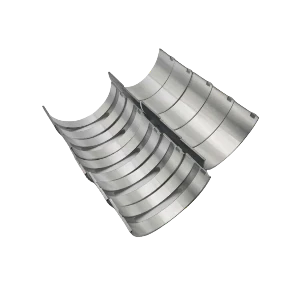
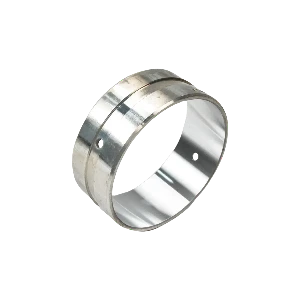
When oil analysis or visual inspections reveal metal shavings, persistent rod knock, or severe compression loss, superficial maintenance is no longer effective. The engine requires a comprehensive overhaul utilizing precision-fit replacement components, such as new cylinder liner and piston kits, to restore structural integrity and performance.
Previous And Next
-
Previous Post:
 BLOG
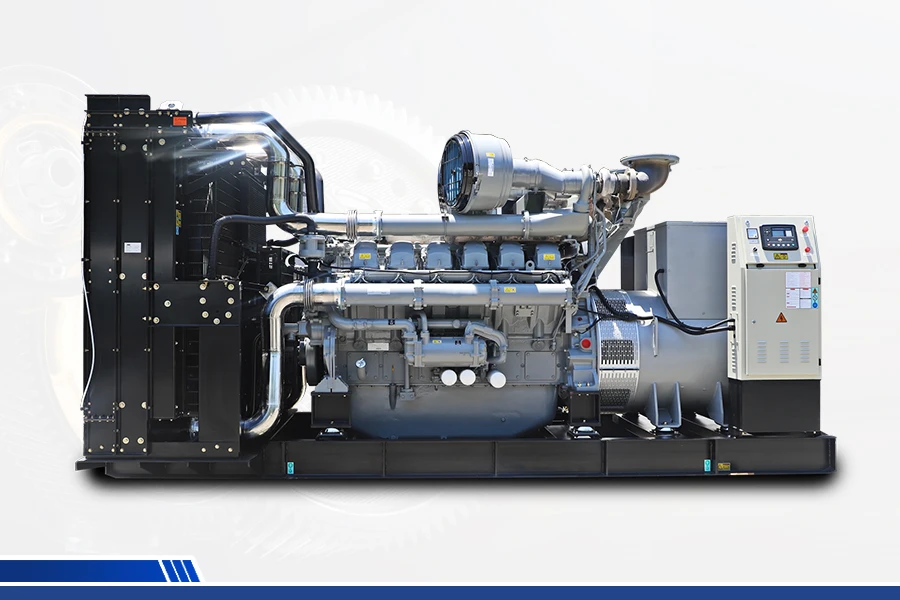
BLOG Megawatts BlogIntroducing the components of a diesel engineIntroducing the components of a diesel engine A diesel generator set is a type of internal combustion generator set and is currently one of the most widely used power generation devices in the world....
 -
Next Post:
 BLOG
Megawatts BlogDefeating Marine Corrosion: Essential Generator Cooling and Sealing Upgrades for Coastal & Offshore RigsGenerator cooling and sealing upgrades provide a robust defense against marine generator corrosion in coastal and offshore rigs. These environments expose equipment to relentless salt spray, high humi...
BLOG
Megawatts BlogDefeating Marine Corrosion: Essential Generator Cooling and Sealing Upgrades for Coastal & Offshore RigsGenerator cooling and sealing upgrades provide a robust defense against marine generator corrosion in coastal and offshore rigs. These environments expose equipment to relentless salt spray, high humi...
Read More
-
 BLOG
Megawatts BlogStrategic Sourcing: How to Build a Standardized Generator Sets Parts Catalog for Mixed FleetsManaging a mixed fleet of Cummins, Perkins, and Caterpillar generators often creates a hidden financial drain through inventory duplication and fragmented procurement. When different brands use differ...
BLOG
Megawatts BlogStrategic Sourcing: How to Build a Standardized Generator Sets Parts Catalog for Mixed FleetsManaging a mixed fleet of Cummins, Perkins, and Caterpillar generators often creates a hidden financial drain through inventory duplication and fragmented procurement. When different brands use differ... -
 BLOG
Megawatts BlogDiesel Generator Won't Crank: A Step-by-Step Electrical Diagnostic Checklist for MechanicsWhen a diesel generator won't crank, check the electrical system first. Do not chase fuel or mechanical theories yet. Low battery voltage and corroded connections cause most no-start condition calls....
BLOG
Megawatts BlogDiesel Generator Won't Crank: A Step-by-Step Electrical Diagnostic Checklist for MechanicsWhen a diesel generator won't crank, check the electrical system first. Do not chase fuel or mechanical theories yet. Low battery voltage and corroded connections cause most no-start condition calls.... -
 BLOG
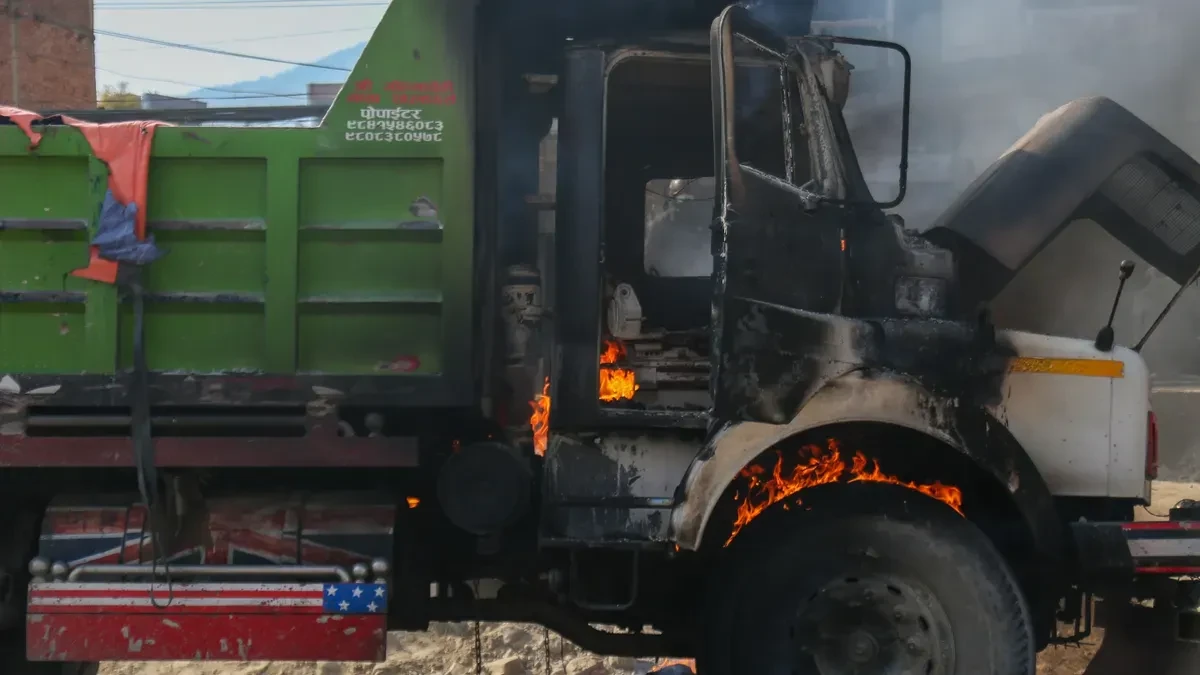
Megawatts BlogMagnetic Coil Degradation: Why Your Diesel Engine Stop Solenoid Fails Under Extreme HeatExtreme heat is the primary enemy of a diesel engine stop solenoid. The heat breaks down the electrical insulation inside the magnetic coil. This degradation raises resistance and creates short circui...
BLOG
Megawatts BlogMagnetic Coil Degradation: Why Your Diesel Engine Stop Solenoid Fails Under Extreme HeatExtreme heat is the primary enemy of a diesel engine stop solenoid. The heat breaks down the electrical insulation inside the magnetic coil. This degradation raises resistance and creates short circui... -
 BLOG
Megawatts BlogThe Hidden Cost of Expired Inventory: Shelf Life and Proper Storage of Rubber Gasket Seal KitsA gasket seal kit sits untouched for five years. You paid for it. Now you pay to dispose of it. When a failure occurs, you pay a premium for emergency replacement. These hidden costs accumulate silent...
BLOG
Megawatts BlogThe Hidden Cost of Expired Inventory: Shelf Life and Proper Storage of Rubber Gasket Seal KitsA gasket seal kit sits untouched for five years. You paid for it. Now you pay to dispose of it. When a failure occurs, you pay a premium for emergency replacement. These hidden costs accumulate silent...
Subscribe to enjoy 10% off
Stay informed about new products and sales

-
INFORMATION
Contact Us
-
CHINA SALES OFFICE: No. 2-11, No. 8, Gaotai Road, Gaishan Investment Zone, Cangshan District, Fuzhou, Fujian
-
SAUDI ARABIA FACTORY: 7264 Shakra, Al Faisaliyyah, REFB3035, 3035, Riyadh 12883
-
COLOMBIA SALES OFFICE: 92-32 26th Street, 03-118, Bogota
-
NIGERIA FACTORY: Plot 5 Chivita Avenue Ajao Estate Isolo Lagos
-
Email:sales@megawattsparts.com
Follow Us


Copyright © 2025 Megawatts All Rights Reserved.



Select Previous Button or Search Directly on Search Bar!
Shop All
 English
Currency: <{ pagedata.current_currency }>(<{ pagedata.current_currency_code }>)
Are you in the right place?

You agree to MegaWatts.com's Terms of Use and Privacy Policy by subscribing. You may receive emails with useful tips, promotions, and offerings.
No, thanks. I'd rather pay full price.