













































Diesel Generator Turbocharger Failure: Top 5 Warning Signs and Prevention
by Megawatts - Updated At 2026-05-14
Operators often notice these five warning signs before Diesel Generator Turbocharger Failure occurs:
- Loss of power or sluggish performance
- Excessive exhaust smoke
- Unusual noises from the turbocharger assembly
- Oil leaks or increased oil consumption
- Noticeable drop in boost pressure on the monitoring panel
Early detection prevents major engine damage and costly downtime. Experienced engineers stress the need to act quickly when these symptoms appear. This article shares expert advice, practical prevention strategies, and immediate steps to protect your equipment.
Top 5 Signs of Diesel Generator Turbocharger Failure
Loss of Power and Acceleration
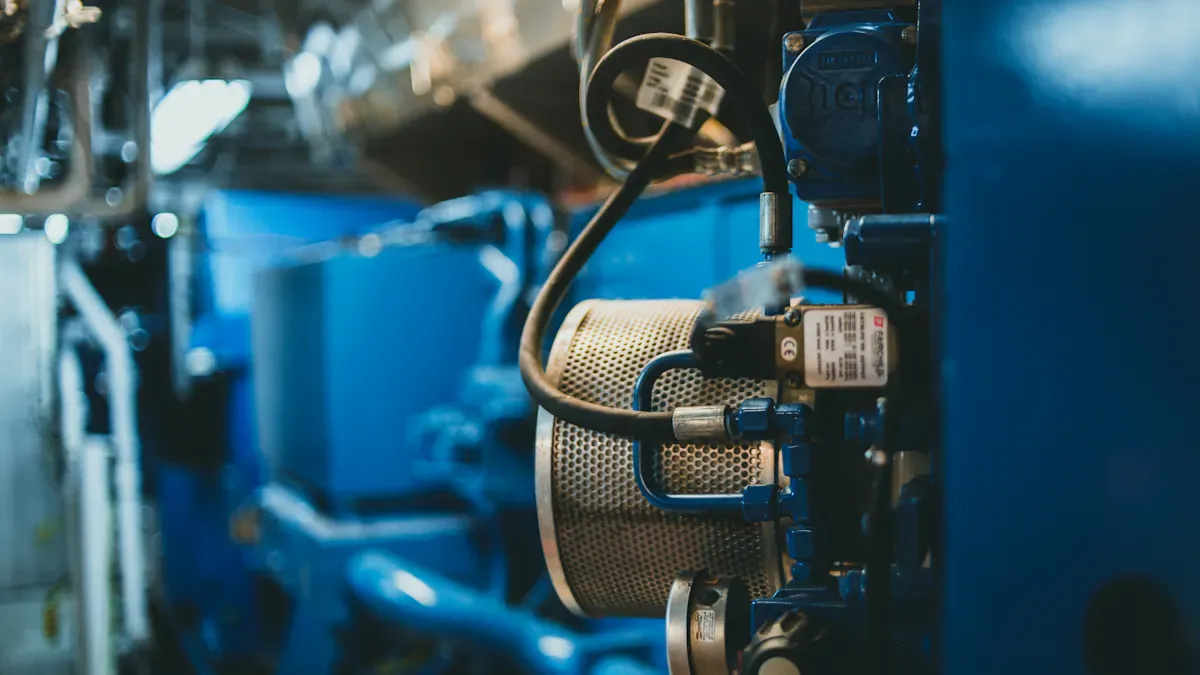
Loss of power stands as one of the earliest and most critical signs of diesel generator turbocharger failure. Operators often report that the generator struggles to respond to throttle input, especially under heavy loads or when climbing slopes. This power loss can lead to higher fuel consumption and occasional black smoke from the exhaust. When a generator cannot deliver its usual performance, it signals that the turbo may not be supplying enough air for efficient combustion. Experienced engineers often say, “Weak power today means a dead engine tomorrow.” Early recognition of this symptom can prevent more severe engine damage and costly downtime.
Tip: Always monitor for sluggish performance or slow response to throttle. These are early warnings that should never be ignored.
Excessive Exhaust Smoke
Excessive exhaust smoke is a visible indicator of turbocharger issues. When the turbo fails to supply the correct air-fuel mixture, incomplete combustion occurs, resulting in abnormal smoke. Black smoke often points to unburned fuel, while blue smoke may indicate oil burning due to internal leaks. Both scenarios suggest that the turbo is not functioning as designed. Facility managers should treat any sudden change in exhaust smoke color or volume as a sign of potential turbo failure. Addressing this symptom quickly can help avoid escalation to more severe generator problems.
Unusual diesel turbocharger Noises
Unusual noises from the turbo are a common warning sign of impending failure. Operators frequently notice sounds such as whining, grinding, or hissing coming from the diesel turbocharger area. These noises often result from worn bearings, damaged blades, or air leaks within the diesel turbocharger system. Any new or abnormal sound should prompt immediate inspection. Ignoring these noises can lead to catastrophic turbocharger failure and unplanned generator outages.
Alert: Never dismiss new sounds from the turbo. Early detection can save the generator from major engine failures.
Oil Leaks and Consumption
Oil leaks around the turbocharger or increased oil consumption are serious warning signs. Worn turbo seals often cause oil to leak into the intake or exhaust system, leading to blue smoke from the exhaust and oil accumulation near the turbo housing. Internal seal failure can result in burning oil, which is a clear indicator of a problem. Regularly checking for oil spots or drops in oil levels can help operators catch these issues before they lead to complete turbo failure. Addressing oil leaks promptly reduces the risk of further damage to the generator and prevents costly repairs.
Slow Acceleration or Reduced Pulling Power
Slow acceleration and reduced pulling power are direct results of turbocharger malfunction. When the diesel turbocharger cannot generate sufficient intake pressure, combustion efficiency drops, causing the generator to accelerate slowly and struggle under load. Reduced pulling power often manifests as a decrease in engine speed and lower inlet pressure. Common causes include wear of the rotor shaft and bearing, damage to the seal ring, or air leaks in the intake and exhaust systems. These symptoms are among the most common diesel generator engine failures and should be addressed immediately to prevent total generator shutdown.
Note: If the generator cannot keep up with demand or shows slow acceleration, investigate the turbo system for faults. Early intervention can prevent more extensive failures.
Facility managers and operators must remain vigilant for these five signs. Recognizing symptoms early and understanding the common causes of turbocharger failure can help avoid unplanned downtime and extend the life of the generator.
Understanding Turbocharger Failure Signs
What Loss of Power Means
Loss of power is one of the most noticeable symptoms of diesel generator turbocharger failure. Operators often observe that the generator struggles to accelerate or maintain output, especially under load. The engine may require more effort to climb inclines or handle heavy equipment. A worn turbo fails to deliver the necessary compressed air, resulting in weak combustion and reduced engine performance.
- Noticeable reduction in engine power
- Generator struggles to accelerate
- Increased difficulty when climbing or towing
These signs indicate that the turbo is not supplying enough air, which is a common cause of turbocharger failure.
Causes of Exhaust Smoke
Excessive exhaust smoke provides valuable clues about the health of the diesel turbocharger. Black smoke often points to incomplete combustion, usually caused by insufficient air from a failing turbo. Blue smoke suggests oil is entering the combustion chamber, often due to internal turbo seal damage. Exhaust smoke analysis helps technicians determine if airflow restrictions or turbocharger issues are present. Any sudden change in smoke color or volume should prompt immediate inspection to prevent further generator damage.
Identifying diesel turbocharger Noises
Unusual noises from the turbo are clear indicators of trouble.
- Whining sounds may signal compressor side failure, often from an unbalanced shaft or damaged blades.
- Hissing sounds suggest leaks in the exhaust side.
- Whistling noises can result from leaks in the charge air ducts.
Operators should treat any new or abnormal turbo noise as a warning. Early detection can prevent common diesel generator engine failures and reduce the risk of catastrophic breakdowns.
Oil Issues and Turbo Failure
Oil-related problems are among the most common causes of turbocharger failure. High-quality oil ensures proper lubrication and cooling for the turbo. Poor oil quality or infrequent oil changes can lead to abrasive damage and early turbo failure. Warning signs include:
- Oil leaks beneath the generator
- Low oil level warnings
- Blue or white smoke from the exhaust
- Turbo noise or whining
- Reduced turbo boost or sluggish performance
- Oil smell in the engine bay
preventative maintenance, including timely oil changes and filter replacements, is essential for preventing these issues and extending turbocharger lifespan.
Impact of Slow Acceleration
Slow acceleration or reduced pulling power often signals a failing diesel turbocharger. When the turbo cannot generate enough intake pressure, the engine loses efficiency and struggles under load. This symptom is frequently reported by experienced engineers as an early warning of turbo failure. Addressing slow acceleration promptly can prevent more severe generator problems and avoid costly downtime.
Expert Tip: Regularly monitor generator performance and investigate any changes in acceleration or power output. Early action can save significant repair costs and extend equipment life.
Preventing Turbocharger Failure
Regular Maintenance
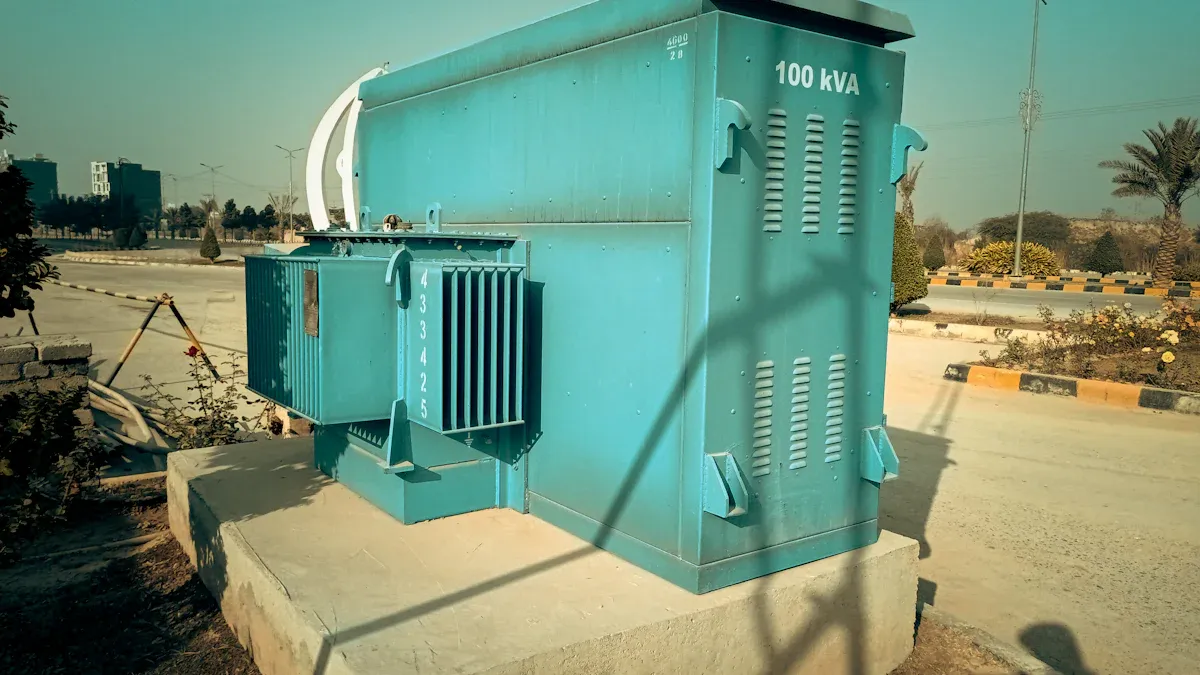
preventative maintenance is the foundation for preventing turbocharger failure in diesel generators. Experienced engineers recommend following a strict scheduled maintenance plan to avoid common diesel generator engine failures. Operators should:
- Change oil at recommended interval to prevent contamination and starvation.
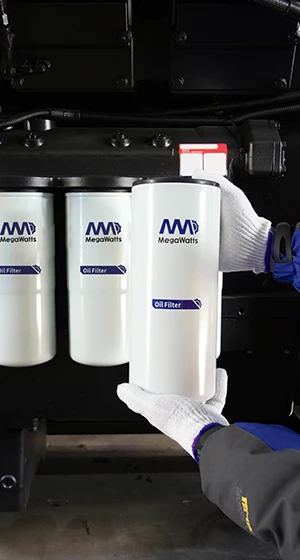
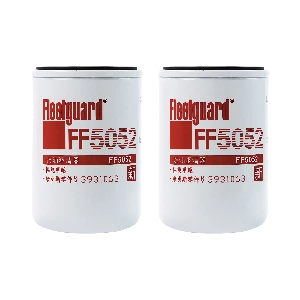
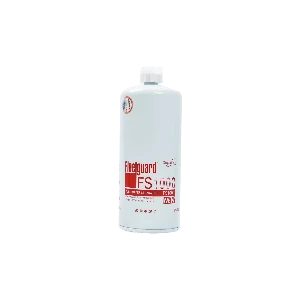
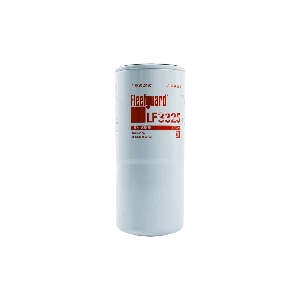
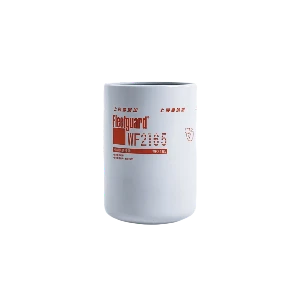
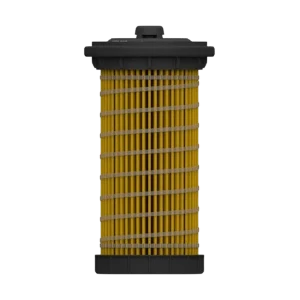
- Replace oil filters regularly to ensure proper filtration and protect the turbo.
- Inspect air intake systems for blockages or leaks to maintain optimal performance.
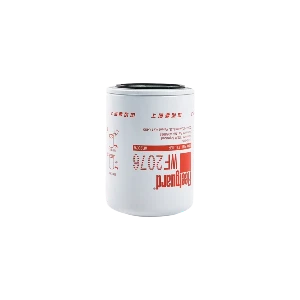
Tip: Consistent maintenance reduces risk and extends generator life. Megawatts Parts offers premium, high-efficiency oil filters. These filters trap abrasive micro-particles and carbon deposits before they can score the turbocharger's delicate shaft bearings, which operate at extreme rotational speeds and temperatures.
Quality Lubricants and Fuel
Using high-quality lubricants and fuel is essential for turbocharger longevity. Oil treatments such as X-tra Lube provide enhanced protection by applying micrometallic particles to metal surfaces. Operators should idle the engine for several minutes before shutdown, allowing the turbo to slow down gradually and preventing damage from sudden oil flow cessation. Megawatts Parts supplies premium lubricants and fuel additives, ensuring optimal turbo performance and prevention of turbo failure.
Monitoring Turbo Conditions
Modern monitoring technologies help operators detect symptoms early and avoid failure. The table below summarizes key methods:
|
Monitoring Technology |
Description |
Detects |
|
Oil Analysis |
Analyzes samples for metal particles, viscosity changes, and contamination. Continuous monitoring available. |
Internal wear, contamination, lubrication failure |
|
Thermal Monitoring |
Uses temperature sensors to detect overheating and issues in various engine components. |
Overheating, cooling failures, combustion issues |
|
Pressure & Flow Monitoring |
Tracks pressures and flow rates to identify blockages and leaks. |
Leaks, blockages, pump wear, injector faults |
|
Acoustic Emission & Ultrasonic Monitoring |
Detects stress waves from cracks and leaks, and measures component thickness. |
Crack propagation, gas/steam leaks, electrical faults |
Alert: Early detection through monitoring prevents costly downtime and supports reliable power generation.
Air Filter Care
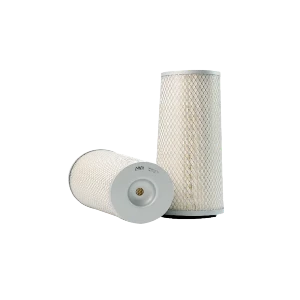
Maintaining clean air filters is vital for turbo health. Dirty or clogged filters restrict airflow, causing the turbo to work harder and increasing the risk of failure. Operators should inspect and replace air filters during scheduled maintenance. Upgrading to industrial-grade air filters prevents silica dust and environmental debris from bypassing the intake and pitting the fast-spinning compressor blades. Clean filtration guarantees maximum volumetric efficiency and significantly extends the operational lifespan of the entire turbo system. Megawatts Parts stocks OEM and aftermarket air filters for various generator models, helping operators maintain optimal performance.
Professional Inspections
Regular inspection by qualified technicians ensures early identification of symptoms and prevents turbocharger failure. Technical consultants recommend annual inspections to check for leaks, abnormal noises, and wear. Megawatts Parts provides expert support and genuine aftermarket generator parts, trusted by facility managers for prevention and maintenance solutions.
Expert Advice: Partner with reputable suppliers like Megawatts Parts for quality parts and technical guidance. This approach minimizes risk and maximizes generator reliability.
What to Do If You Notice Turbo Signs
Immediate Actions
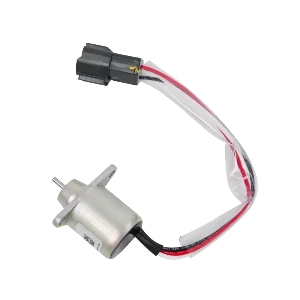
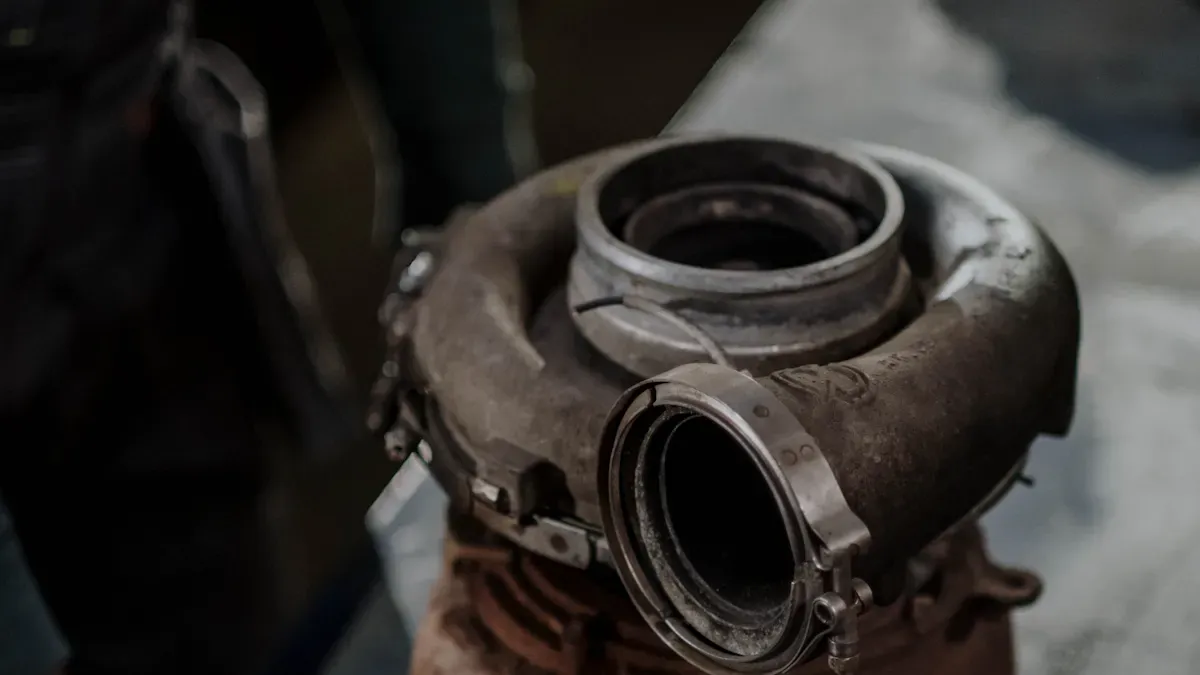
Operators must act quickly when they observe turbo symptoms. First, reduce the generator load to prevent further engine damage. Shut down the generator if you notice severe loss of engine power, excessive smoke, or loud turbo noises. In critical failure scenarios where a blown turbo seal leaks engine oil directly into the intake manifold, the engine may uncontrollably accelerate. In such emergencies, a responsive and high-quality stop solenoid acts as your last line of defense, instantly cutting off the fuel supply to prevent catastrophic total engine destruction.
Allow the engine to idle for several minutes before switching off. This step helps the turbo cool down and prevents oil coking. Record all observed symptoms and the operating conditions. This information will assist in later diagnostic work. Immediate action can prevent a minor turbo issue from escalating into a complete diesel generator turbocharger failure.
Expert Tip: Never ignore sudden changes in turbo behavior. Early intervention often saves thousands in repair costs.
Troubleshooting Steps
Begin with a visual inspection. Check for oil leaks around the turbo and listen for abnormal noises. Inspect air filters for blockages and ensure all hoses are secure. Review recent maintenance records to identify missed service intervals. Use a diagnostic tool to scan for engine fault codes if available. Compare current engine performance with baseline data. If you detect a drop in turbo boost or persistent smoke, do not continue operating the generator. These steps help isolate the cause of turbo failure and reduce the risk of total engine failure.
- Inspect for oil leaks and loose connections
- Listen for whining, grinding, or hissing sounds
- Check air filters and intake system
- Review maintenance logs for overdue service
- Use diagnostic tools for fault codes
- When to Call a Professional
Some turbo issues require specialized knowledge and equipment. Contact a certified technician if you find metal debris in the intake, persistent oil leaks, or repeated engine shutdowns. Technical consultants recommend professional assessment when basic troubleshooting does not resolve the problem. Attempting complex repairs without proper training can worsen turbocharger damage and lead to generator downtime. Schedule a comprehensive inspection if you suspect internal turbo damage or if the generator fails to regain normal operation after basic checks. Trust experienced professionals to restore safe and reliable engine performance.
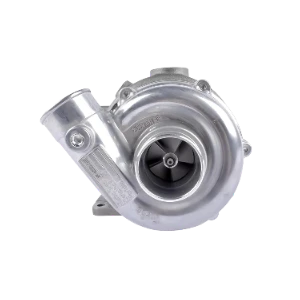
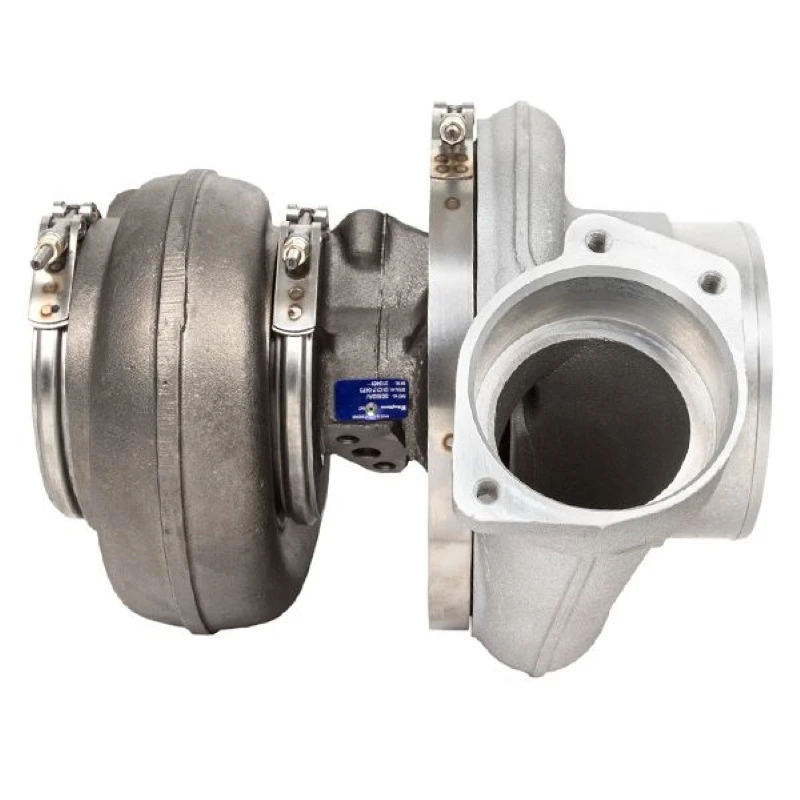
If the inspection confirms a seized bearing, snapped shaft, or shattered turbine wheel, a complete replacement is mandatory. Installing factory-balanced replacement turbochargers is the most effective way to restore the correct air-fuel ratio, ensuring your generator can confidently handle heavy loads without efficiency loss.
For high-capacity industrial applications, specifically those utilizing the Perkins 4000 Series, precision engineering is non-negotiable. Selecting a genuine SE652AV Perkins turbocharger ensures that your engine maintains its original emission standards and thermal efficiency. This specialized assembly is designed to withstand the intense operational rigors of large-scale standby power systems, offering a direct-fit solution that eliminates the risks associated with generic alternatives.
Note: Partnering with trusted service providers ensures accurate diagnostics and long-term reliability.
Operators must recognize the top five warning signs of diesel generator turbocharger failure. Early detection of symptoms protects the generator from severe engine damage. Regular maintenance remains the best defense against unexpected failure. Facility managers should schedule maintenance, monitor generator performance, and address engine issues quickly. Expert engineers recommend immediate action if symptoms appear. Prioritize generator health with consistent maintenance to ensure reliable operation and reduce costs.
A turbocharger failure rarely happens without warning. By acting quickly on power loss, abnormal smoke, or unusual noises, operators can prevent catastrophic engine damage. Preventative maintenance and utilizing industrial-grade components are non-negotiable for long-term reliability. For expert technical support and quality aftermarket generator parts, partner with Megawatts Parts to secure your power generation needs.
FAQ: Diesel Generator Turbocharger Failure
1. Can an industrial diesel generator run with a blown turbocharger?
Running a generator with a blown turbocharger is highly destructive. The engine will experience severe power loss and generate extreme exhaust temperatures. Furthermore, metal fragments from shattered turbine blades can enter the engine cylinders, causing catastrophic internal damage. You must shut the unit down immediately if the turbo fails.
2. How does prolonged engine idling cause turbocharger failure?
Running an industrial diesel generator at low idle for extended periods prevents the exhaust from reaching temperatures high enough to burn off fuel and oil residues. This condition leads to severe carbon buildup (coking) on the turbine blades and within the center housing. Over time, this hardened carbon throws the high-speed turbine wheel out of balance, ultimately destroying the internal bearings. To prevent premature turbo failure, operators must ensure the generator runs at a minimum of 30% of its rated capacity to maintain proper exhaust temperatures and proper seal expansion.
3. What causes a generator turbocharger to leak oil into the exhaust?
Oil leaking into the exhaust system usually points to failed turbine shaft seals. This failure is commonly caused by excessive exhaust backpressure, restricted oil drain lines, or prolonged engine idling, which prevents the internal seals from expanding and seating correctly. It requires immediate mechanical inspection to avoid complete bearing seizure.
4. How long should a diesel generator turbocharger last under continuous load?
Under proper operating conditions, a commercial diesel turbocharger should last between 8,000 and 12,000 operating hours. Reaching this target requires strict adherence to oil and filter change intervals, maintaining clean air intake systems, and enforcing a 3-to-5-minute idle cool-down period before shutting down the generator to prevent oil coking inside the bearings.
5. Can I rebuild a failing generator diesel turbocharger instead of buying a new one?
You can rebuild a turbocharger only if the central housing and compressor cover remain structurally intact. If the main shaft has snapped or the compressor wheel has scraped the inner housing, a complete replacement is mandatory. For critical backup power applications, installing a new, factory-balanced turbocharger is the safest and most reliable option.
Previous And Next
-
Previous Post:
 BLOG
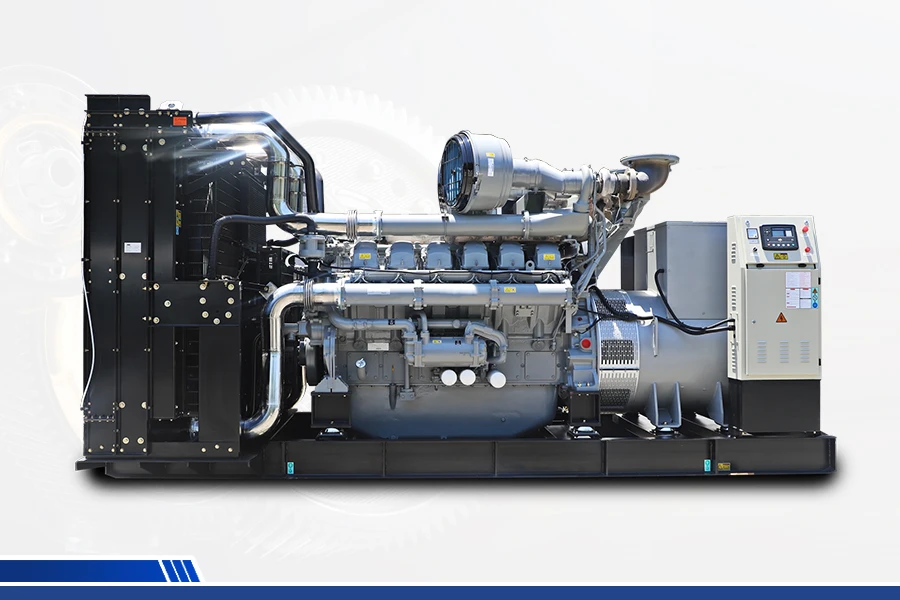
BLOG Megawatts BlogIntroducing the components of a diesel engineIntroducing the components of a diesel engine A diesel generator set is a type of internal combustion generator set and is currently one of the most widely used power generation devices in the world....
 -
Next Post:
 BLOG
Megawatts BlogCost-Per-Hour Analysis: Why Cheap Aftermarket Filters Drain Fleet BudgetsCheap aftermarket filters often lure fleet managers with the promise of immediate savings, but the true cost is much higher. Cost-per-hour analysis reveals how these filters drive up fleet expenses by...
BLOG
Megawatts BlogCost-Per-Hour Analysis: Why Cheap Aftermarket Filters Drain Fleet BudgetsCheap aftermarket filters often lure fleet managers with the promise of immediate savings, but the true cost is much higher. Cost-per-hour analysis reveals how these filters drive up fleet expenses by...
Read More
-
 BLOG
Megawatts BlogStrategic Sourcing: How to Build a Standardized Generator Sets Parts Catalog for Mixed FleetsManaging a mixed fleet of Cummins, Perkins, and Caterpillar generators often creates a hidden financial drain through inventory duplication and fragmented procurement. When different brands use differ...
BLOG
Megawatts BlogStrategic Sourcing: How to Build a Standardized Generator Sets Parts Catalog for Mixed FleetsManaging a mixed fleet of Cummins, Perkins, and Caterpillar generators often creates a hidden financial drain through inventory duplication and fragmented procurement. When different brands use differ... -
 BLOG
Megawatts BlogDiesel Generator Won't Crank: A Step-by-Step Electrical Diagnostic Checklist for MechanicsWhen a diesel generator won't crank, check the electrical system first. Do not chase fuel or mechanical theories yet. Low battery voltage and corroded connections cause most no-start condition calls....
BLOG
Megawatts BlogDiesel Generator Won't Crank: A Step-by-Step Electrical Diagnostic Checklist for MechanicsWhen a diesel generator won't crank, check the electrical system first. Do not chase fuel or mechanical theories yet. Low battery voltage and corroded connections cause most no-start condition calls.... -
 BLOG
Megawatts BlogMagnetic Coil Degradation: Why Your Diesel Engine Stop Solenoid Fails Under Extreme HeatExtreme heat is the primary enemy of a diesel engine stop solenoid. The heat breaks down the electrical insulation inside the magnetic coil. This degradation raises resistance and creates short circui...
BLOG
Megawatts BlogMagnetic Coil Degradation: Why Your Diesel Engine Stop Solenoid Fails Under Extreme HeatExtreme heat is the primary enemy of a diesel engine stop solenoid. The heat breaks down the electrical insulation inside the magnetic coil. This degradation raises resistance and creates short circui... -
 BLOG
Megawatts BlogThe Hidden Cost of Expired Inventory: Shelf Life and Proper Storage of Rubber Gasket Seal KitsA gasket seal kit sits untouched for five years. You paid for it. Now you pay to dispose of it. When a failure occurs, you pay a premium for emergency replacement. These hidden costs accumulate silent...
BLOG
Megawatts BlogThe Hidden Cost of Expired Inventory: Shelf Life and Proper Storage of Rubber Gasket Seal KitsA gasket seal kit sits untouched for five years. You paid for it. Now you pay to dispose of it. When a failure occurs, you pay a premium for emergency replacement. These hidden costs accumulate silent...

Subscribe to enjoy 10% off
Stay informed about new products and sales

-
INFORMATION
Contact Us
-
CHINA SALES OFFICE: No. 2-11, No. 8, Gaotai Road, Gaishan Investment Zone, Cangshan District, Fuzhou, Fujian
-
SAUDI ARABIA FACTORY: 7264 Shakra, Al Faisaliyyah, REFB3035, 3035, Riyadh 12883
-
COLOMBIA SALES OFFICE: 92-32 26th Street, 03-118, Bogota
-
NIGERIA FACTORY: Plot 5 Chivita Avenue Ajao Estate Isolo Lagos
-
Email:sales@megawattsparts.com
Follow Us


Copyright © 2025 Megawatts All Rights Reserved.



Select Previous Button or Search Directly on Search Bar!
Shop All
 English
Currency: <{ pagedata.current_currency }>(<{ pagedata.current_currency_code }>)
Are you in the right place?

You agree to MegaWatts.com's Terms of Use and Privacy Policy by subscribing. You may receive emails with useful tips, promotions, and offerings.
No, thanks. I'd rather pay full price.