









































Multimeter Diagnostics: Step-by-Step Testing for Generator AVR testing
by Megawatts - Updated At 2026-05-12
Generator AVR testing with a multimeter ensures stable voltage regulation and optimal performance. Diagnostics help prevent costly repairs and maintain reliability. Neglecting regular AVR maintenance can lead to unstable voltage, reduced efficiency, and shortened generator lifespan. The table below highlights the risks associated with insufficient AVR testing:
|
Consequence |
Impact on Generator Lifespan and Performance |
|
Unstable voltage |
Can damage sensitive electronics and devices. |
|
Reduced generator efficiency |
Increases fuel consumption and causes premature wear on components. |
|
Potential damage to alternator |
Overheating of alternator windings leading to costly repairs. |
|
Compromised reliability of backup power |
Risk of failure during outages, leading to loss of power. |
|
Shortened overall lifespan |
Neglecting AVR maintenance can significantly reduce lifespan. |
|
Increased total cost of ownership |
Small fixes can prevent larger, more expensive damages. |
Experienced engineers recommend routine testing to avoid these pitfalls and protect your investment.
To understand exactly how voltage spikes and unregulated power compromise connected equipment, read our in-depth analysis on how a faulty AVR destroys your electronics. Recognizing these silent threats early can save thousands in operational costs and prevent catastrophic system failures.
Essential Tools and Safety for Generator AVR Testing
Tools Needed for Diagnostics
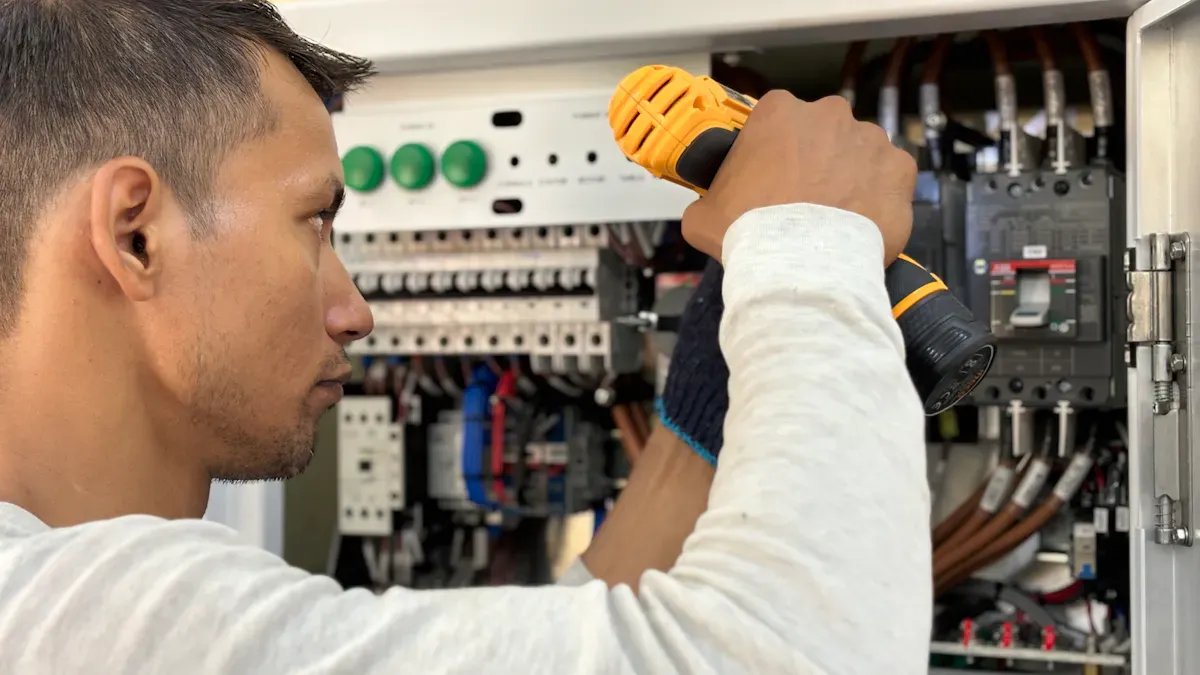
Accurate generator AVR diagnostics require a set of reliable tools. The most critical instrument is the multimeter, which measures voltage, resistance, and continuity. This device allows technicians to verify electrical parameters and pinpoint faults in the AVR circuit. For continuity checks, a digital multimeter with an audible alert streamlines the process, ensuring that wiring and connections are intact.
A basic toolkit should also include insulated screwdrivers, needle-nose pliers, and a flashlight for inspecting hard-to-reach areas. Electrical tape and replacement fuses can help address minor issues discovered during testing. For those seeking high-quality engine parts or diagnostic accessories, Megawatts Parts offers a comprehensive selection. The company supplies both its own branded components and parts from other leading manufacturers, supporting professionals and DIY users in maintaining generator reliability.
Tip: Always use tools rated for the voltage and current levels present in your generator system. This reduces the risk of accidental shorts or equipment damage.
Safety Precautions Before Testing
Safety remains the top priority during generator AVR testing. Before starting any diagnostic procedure, turn off the generator and allow it to cool completely. For gasoline-powered models, disconnect the spark plug wire to prevent accidental engine starts. Always consult the operator’s manual for model-specific safety instructions.
Wear insulated gloves and safety glasses to protect against electrical hazards. Ensure the work area is dry and free from conductive materials. When performing continuity tests, confirm that all power sources are disconnected to avoid false readings or potential shock. Experienced engineers recommend double-checking all connections before applying power, as improper setup can lead to equipment failure or personal injury.
Note: Following these safety standards not only protects you but also ensures accurate continuity measurements and reliable diagnostics.
Visual Inspection and Preparation
Inspect AVR and Wiring
A thorough visual inspection forms the foundation of reliable generator AVR testing. Begin by examining the Automatic Voltage Regulator and all associated wiring for any signs of wear or damage. Common issues often appear as:
- Corroded or frayed wiring, which can disrupt electrical continuity and lead to erratic voltage regulation.
- Cracks in housings or connection points, indicating physical stress or impact that may compromise performance.
- A burning smell, which frequently signals overheating or imminent component failure.
- Visible damage, such as burnt components or melted wires, points to severe electrical faults.
Technicians should also check for dust accumulation, as excessive build-up can interfere with heat dissipation and cause overheating. The table below summarizes key signs to watch for during inspection:
|
Sign of Damage |
Description |
|
Physical Damage |
Cracks, dents, or other damage to the AVR casing. |
|
Overheating Evidence |
Discoloration, melting, or burnt areas indicating overheating. |
|
Dust Accumulation |
Excessive dust build-up that can interfere with operation. |
Tip: Experienced engineers recommend addressing any visible defects before proceeding with multimeter diagnostics. Ignoring these warning signs can result in inaccurate readings or further equipment damage.
Prepare Generator for Testing
Preparation ensures both safety and accuracy during generator AVR testing. Start by disconnecting the generator from all loads and external power sources. Allow the unit to cool completely to prevent accidental burns. Remove any covers or panels that obstruct access to the AVR and wiring, using insulated tools to avoid electrical hazards.
Verify that the work area remains dry and well-lit. Organize all necessary tools, including the multimeter, insulated screwdrivers, and safety gear. Confirm that the generator’s battery is disconnected if applicable, as residual voltage can pose a risk during diagnostics.
Note: Proper preparation not only protects the technician but also ensures that multimeter diagnostics yield reliable results. Skipping these steps increases the risk of injury and may lead to misdiagnosis of AVR faults.
How to Test AVRs on Generators
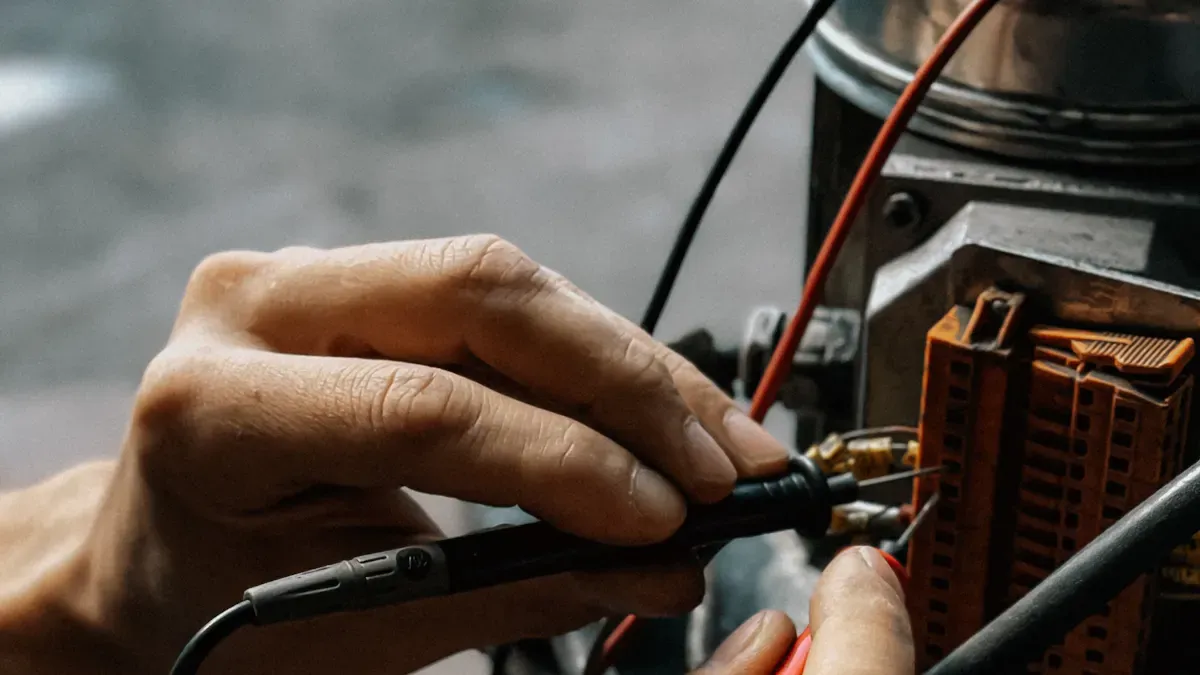
Generator AVR testing requires a systematic approach to ensure accurate diagnostics and reliable performance. This section outlines the essential steps for using a multimeter to test AVRs on generators, including checking input and output voltages and evaluating performance under load.
Check AVR Input Voltage
Begin by verifying the input voltage supplied to the automatic voltage regulator. This step ensures the AVR receives the correct electrical parameters before further testing.
- Set the digital multimeter to the appropriate AC voltage range.
- Identify the input terminals on the AVR, referencing the generator’s wiring diagram.
- Connect the multimeter probes to the input terminals, ensuring a secure and stable connection.
- Power on the generator and observe the voltage reading on the multimeter display.
- Compare the measured value with the generator’s rated input voltage, typically found in the technical manual.
Tip: Always confirm that the generator is running at its rated speed before taking measurements. Incorrect speed can lead to false readings and misdiagnosis.
If the input voltage falls outside the expected range, investigate upstream components such as the main electrical bar and excitation system. Loose connections or damaged wiring often cause abnormal readings.
Measure AVR Output Voltage
Accurate measurement of AVR output voltage is critical for assessing the health of the voltage regulation system. Follow these steps to measure AC voltage output:
- Switch the multimeter to the DC voltage setting.
- Locate the AVR output terminals, which usually connect to the exciter field winding.
- Attach the multimeter probes between the output terminals, observing polarity.
- Start the generator and allow it to stabilize.
- Record the voltage output displayed on the multimeter.
Compare your readings with the generator’s rated values. The table below summarizes typical AVR output voltage values under different conditions:
|
Condition |
Output Voltage (V) |
|
Loaded Condition |
90-95 V DC |
|
Ideal Condition |
60-65 V DC |
|
Exciter Stator |
13-60 V DC |
If the measured voltage output deviates significantly from these values, further investigation is required. Common issues include no voltage output due to loss of residual magnetism or unstable voltage caused by incorrect stability adjustment. In such cases, check for loose connections, blown fuses, or faulty AVR components.
Note: Experienced engineers recommend regular voltage testing as part of annual maintenance to detect early signs of AVR degradation.
Test Under Load Conditions
Testing AC output under simulated load conditions provides a comprehensive assessment of AVR performance. This process helps identify faults that may not appear during no-load operation.
Follow these steps to simulate and monitor load conditions:
- Review priority circuits, such as HVAC, refrigeration, and medical devices, to determine critical loads.
- Apply a staged load using connected circuits or a calibrated load bank.
- Monitor key parameters, including voltage, frequency, and temperature, throughout the test.
- Observe the generator’s response to increasing load, noting any voltage drops or irregular performance.
- Troubleshoot issues as they arise, such as voltage instability or excessive temperature rise.
- Implement a load-shedding strategy if necessary, prioritizing essential circuits to maintain stable operation.
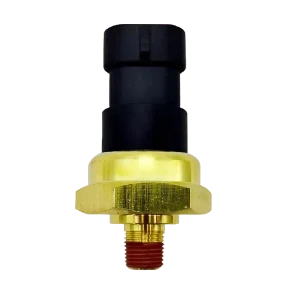
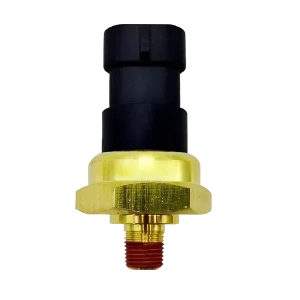
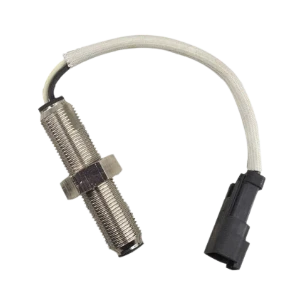
Accurate load testing relies entirely on precise data collection from the engine block. Ensure your generator sensors, particularly oil pressure and temperature senders, are functioning correctly before applying full load. Faulty sensors may trigger false engine shutdowns during the diagnostic process, complicating your AVR troubleshooting.
During this process, measure AC voltage output at each stage to ensure the AVR maintains consistent regulation. Fluctuations or drops in voltage output under load often indicate underlying faults, such as worn excitation brushes or a failing AVR.
Pro Tip: Always document voltage readings at each load stage. This practice helps track performance trends and supports troubleshooting if problems develop later.
Routine generator AVR testing under load conditions not only verifies the effectiveness of the voltage regulator but also extends the lifespan of the generator by preventing undetected faults.
AVR Diagnostics and Troubleshooting
Identify Faulty AVR Symptoms
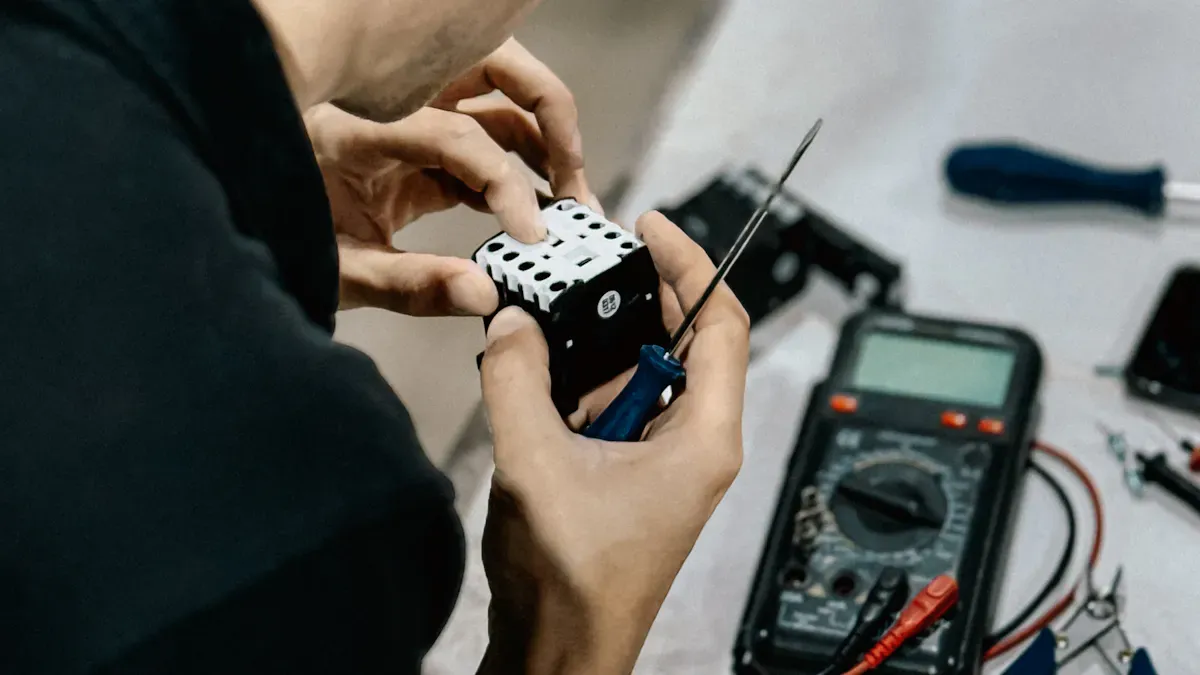
Field technicians emphasize the importance of recognizing early signs of a faulty AVR. Prompt identification prevents extensive damage and costly repairs. Common symptoms include erratic voltage, complete loss of power, and a burning smell near the alternator. These issues often signal underlying faults that require immediate attention. Technicians recommend basic diagnostics to confirm the presence of these symptoms before proceeding with further testing.
|
Symptoms of Faulty AVR |
Description |
|
No Power Output |
The engine runs, but there is no electricity at the outlets. |
|
Wildly Fluctuating Voltage |
Multimeter readings are erratic, and lights flicker intensely. |
|
Incorrect Voltage |
Output is dangerously high (e.g., 150V+) or consistently too low. |
|
Engine Surging |
The engine struggles or surges under load due to excitation issues. |
|
Burning Smell |
Distinct odor indicating overheating AVR, requiring immediate attention. |
Experienced engineers advise addressing these symptoms promptly to avoid further generator damage.
Rule Out Other Generator Faults
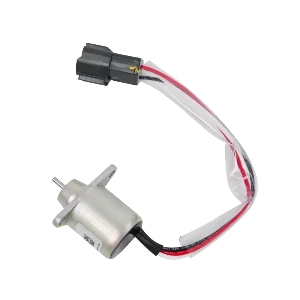
Effective diagnostics require ruling out faults unrelated to the AVR unit. Technicians recommend checking fuel and oil levels, inspecting wiring for continuity, and verifying that all connections are secure. Often, what appears to be an electrical output issue actually stems from a fuel delivery failure. Before condemning the voltage regulator, verify the functionality of your stop solenoid. A malfunctioning shut-off solenoid will prevent the diesel engine from maintaining proper RPM, directly causing erratic voltage output and mimicking an AVR failure.
Many generator failures stem from issues such as broken circuits or improper maintenance. Regular inspections and timely replacement of faulty components help maintain reliable operation.
|
Challenge |
Solution |
|
Signs of a failing AVR |
Regular inspections and testing |
|
Broken circuit indications |
Timely replacement of faulty components |
|
Major failures and costly damage |
Early detection through regular testing |
Tip: Always perform basic diagnostics on fuel and oil systems before you install or troubleshoot the AVR unit.
Interpret Multimeter Results
Accurate interpretation of multimeter readings is essential for confirming a faulty AVR. Measure the output voltage and compare it to the generator’s specifications. If the voltage falls outside the range of 115 to 240 volts, the AVR may require repair or replacement. Erratic readings or dangerously high output indicate malfunction. Technicians rely on these results to determine whether to proceed with further testing or replace the unit.
- Measure output voltage with a multimeter.
- Compare readings to generator specifications.
- Voltage outside 115–240 volts suggests a faulty AVR.
Note: Consistent voltage readings within the specified range confirm proper operation. Deviations signal the need for immediate diagnostic action.
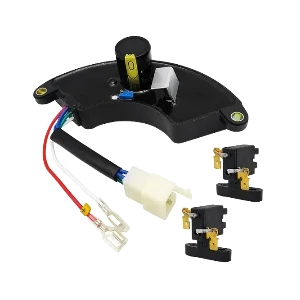
If your multimeter readings confirm that the regulator has failed, continuing to run the generator risks severe alternator winding damage. Upgrading to a high-quality replacement generator AVR guarantees stable excitation voltage and restores your power system's reliability. Megawatts Parts provides exact-fit replacements designed to meet rigorous industrial specifications.
Diesel Generator AVR Testing Procedure
Key Steps for Diesel Generators
Testing the Automatic Voltage Regulator on a diesel generator requires a systematic approach. Technicians follow these steps to ensure accurate diagnostics and reliable operation:
Confirm the generator is switched off and has cooled down. This prevents accidental injury and ensures safe handling.
- Attach the multimeter’s black lead to a solid ground point on the chassis. A secure connection is essential for accurate readings.
- Inspect the starting battery. The voltage should exceed 12.4V, indicating sufficient charge for operation.
- Start the generator and allow it to reach normal operating temperature. Stable conditions yield consistent test results.
- Set the multimeter to AC voltage mode. Connect the red lead to a main output terminal.
- For a 120V system, expect readings between 115 and 125 volts. Deviations may signal underlying faults.
Analyze the voltage readings:
- Values below 100V or no voltage indicate a problem in the AVR or wiring.
- Readings above 130V suggest AVR
- Fluctuating voltage points to regulation failure.
- Reference the wiring diagram to locate exciter field winding terminals.
- Switch the multimeter to DC voltage mode. Connect the probes to the exciter terminals.
- Observe the DC voltage. Typical values range from a few volts up to 20–30V DC, depending on load and generator design.
- If no DC voltage appears or the voltage remains at maximum or minimum, the AVR is not regulating properly.
Experienced engineers recommend documenting each step and voltage reading. This practice helps identify trends and supports troubleshooting.
Measure AVR Excitation Voltage
Accurate measurement of excitation voltage is critical for assessing AVR performance. Technicians compare observed values to manufacturer specifications to determine system health. The table below outlines typical excitation voltage ranges for diesel generator AVRs:
|
Condition |
Voltage Range |
|
Exciter Stator |
13Vdc - 60Vdc |
|
Loaded Condition |
90V - 95V DC |
|
Ideal Condition |
60V - 65V DC |
If the excitation voltage falls outside these ranges, technicians investigate potential causes such as faulty wiring, defective AVR components, or issues with the exciter field. Prompt action prevents further damage and ensures reliable generator operation.
Tip: Always consult the generator’s technical manual for model-specific voltage ranges and diagnostic procedures. This reduces the risk of misdiagnosis and costly repairs.
- Inspect the AVRand wiring for visible faults.
- Prepare the generator and ensure all safety measures are in place.
- Use a multimeter to check input and output voltages, then test under load conditions.
- Interpret results and troubleshoot based on expert recommendations.
Experienced engineers advise documenting each step and consulting technical manuals to avoid common diagnostic errors.
Following these steps improves reliability and protects your investment. Accurate testing is only half the job. If your multimeter points to a failed AVR, prompt replacement is critical to prevent further alternator damage. Megawatts Parts supplies exact-fit AVRs and essential engine components to get your generator back to stable, reliable operation.
Previous And Next
-
Previous Post:
 BLOG
BLOG Megawatts BlogIntroducing the components of a diesel engineIntroducing the components of a diesel engine A diesel generator set is a type of internal combustion generator set and is currently one of the most widely used power generation devices in the world....
 -
Next Post:
 BLOG
Megawatts BlogDiesel Generator Turbocharger Failure: Top 5 Warning Signs and PreventionOperators often notice these five warning signs before Diesel Generator Turbocharger Failure occurs: Loss of power or sluggish performance Excessive exhaust smoke Unusual noises from the turbocha...
BLOG
Megawatts BlogDiesel Generator Turbocharger Failure: Top 5 Warning Signs and PreventionOperators often notice these five warning signs before Diesel Generator Turbocharger Failure occurs: Loss of power or sluggish performance Excessive exhaust smoke Unusual noises from the turbocha...
Read More
-
 BLOG
Megawatts BlogStrategic Sourcing: How to Build a Standardized Generator Sets Parts Catalog for Mixed FleetsManaging a mixed fleet of Cummins, Perkins, and Caterpillar generators often creates a hidden financial drain through inventory duplication and fragmented procurement. When different brands use differ...
BLOG
Megawatts BlogStrategic Sourcing: How to Build a Standardized Generator Sets Parts Catalog for Mixed FleetsManaging a mixed fleet of Cummins, Perkins, and Caterpillar generators often creates a hidden financial drain through inventory duplication and fragmented procurement. When different brands use differ... -
 BLOG
Megawatts BlogDiesel Generator Won't Crank: A Step-by-Step Electrical Diagnostic Checklist for MechanicsWhen a diesel generator won't crank, check the electrical system first. Do not chase fuel or mechanical theories yet. Low battery voltage and corroded connections cause most no-start condition calls....
BLOG
Megawatts BlogDiesel Generator Won't Crank: A Step-by-Step Electrical Diagnostic Checklist for MechanicsWhen a diesel generator won't crank, check the electrical system first. Do not chase fuel or mechanical theories yet. Low battery voltage and corroded connections cause most no-start condition calls.... -
 BLOG
Megawatts BlogMagnetic Coil Degradation: Why Your Diesel Engine Stop Solenoid Fails Under Extreme HeatExtreme heat is the primary enemy of a diesel engine stop solenoid. The heat breaks down the electrical insulation inside the magnetic coil. This degradation raises resistance and creates short circui...
BLOG
Megawatts BlogMagnetic Coil Degradation: Why Your Diesel Engine Stop Solenoid Fails Under Extreme HeatExtreme heat is the primary enemy of a diesel engine stop solenoid. The heat breaks down the electrical insulation inside the magnetic coil. This degradation raises resistance and creates short circui... -
 BLOG
Megawatts BlogThe Hidden Cost of Expired Inventory: Shelf Life and Proper Storage of Rubber Gasket Seal KitsA gasket seal kit sits untouched for five years. You paid for it. Now you pay to dispose of it. When a failure occurs, you pay a premium for emergency replacement. These hidden costs accumulate silent...
BLOG
Megawatts BlogThe Hidden Cost of Expired Inventory: Shelf Life and Proper Storage of Rubber Gasket Seal KitsA gasket seal kit sits untouched for five years. You paid for it. Now you pay to dispose of it. When a failure occurs, you pay a premium for emergency replacement. These hidden costs accumulate silent...
Subscribe to enjoy 10% off
Stay informed about new products and sales

-
INFORMATION
Contact Us
-
CHINA SALES OFFICE: No. 2-11, No. 8, Gaotai Road, Gaishan Investment Zone, Cangshan District, Fuzhou, Fujian
-
SAUDI ARABIA FACTORY: 7264 Shakra, Al Faisaliyyah, REFB3035, 3035, Riyadh 12883
-
COLOMBIA SALES OFFICE: 92-32 26th Street, 03-118, Bogota
-
NIGERIA FACTORY: Plot 5 Chivita Avenue Ajao Estate Isolo Lagos
-
Email:sales@megawattsparts.com
Follow Us


Copyright © 2025 Megawatts All Rights Reserved.



Select Previous Button or Search Directly on Search Bar!
Shop All
 English
Currency: <{ pagedata.current_currency }>(<{ pagedata.current_currency_code }>)
Are you in the right place?

You agree to MegaWatts.com's Terms of Use and Privacy Policy by subscribing. You may receive emails with useful tips, promotions, and offerings.
No, thanks. I'd rather pay full price.