





































Wet Stacking in Diesel Generators: Causes, Symptoms, and Load Bank Solutions
by Megawatts - Updated At 2026-05-09
Wet stacking occurs when unburned fuel and carbon accumulate in a diesel generator's exhaust system, often due to prolonged low-load operation. This condition poses a serious threat to generator health. It can reduce engine efficiency, accelerate wear on components, and demand more frequent maintenance.
|
Effect |
Description |
|
Increased back pressure from unburned fuel lowers power output and fuel economy. |
|
|
Accelerated wear and tear |
Carbon deposits speed up the deterioration of parts like piston rings. |
|
Increased maintenance |
Oil changes and exhaust cleaning become necessary more often. |
|
Potential for engine failure |
Severe cases may lead to hydrolock and catastrophic engine damage. |
Early detection of wet stacking symptoms can prevent costly repairs and downtime. Expert engineers recommend routine checks and the use of quality aftermarket parts, such as those from Megawatts Parts, to maintain optimal generator performance.
Wet Stacking Overview
What Is Wet Stacking?
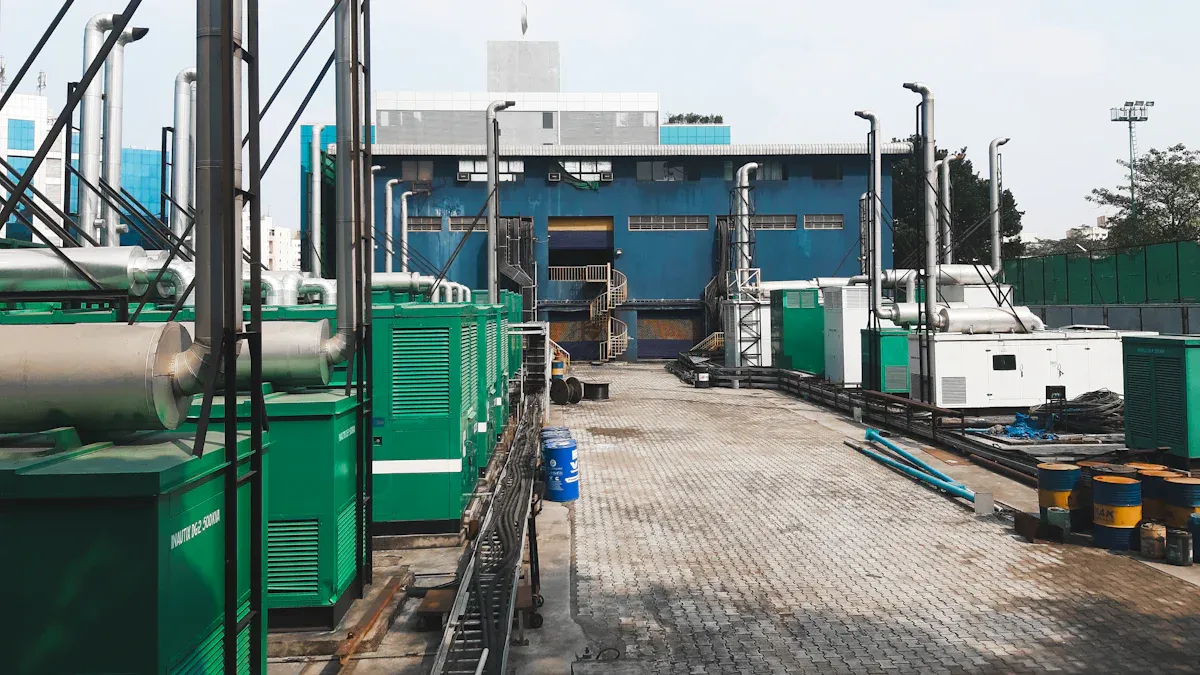
Wet stacking describes a condition where unburned fuel, carbon, and soot accumulate in the exhaust system of a diesel generator. This issue often arises when the engine operates at low loads for extended periods, preventing it from reaching the optimal temperature required for complete combustion. As a result, fuel does not burn fully, and a thick, black liquid—sometimes called "exhaust slobber"—leaks from exhaust joints. This mixture consists of carbon particles, unburned fuel, and lubricating oil, resembling used oil.
- Wet stacking typically occurs when generators run below 60% of their rated power for long durations.
- Extended inactivity followed by a restart can also trigger wet stacking.
- The condition leads to excessive deposits, causing backpressure in the exhaust system.
- Piston rings may fail to seal properly, allowing unburned fuel to dilute engine oil and accelerate wear.
- Over time, scarring and erosion of critical engine surfaces can develop.
Operators sometimes believe that running a generator on no-load keeps it healthy. In reality, continuous low-load operation causes wet stacking, carbon buildup, and poor combustion efficiency. Combustion temperature drops, cylinder pressure remains low, and unburned fuel and oil pass into the exhaust.
Why Wet Stacking Matters
Wet stacking poses significant risks to generator reliability and long-term performance. The consequences extend beyond simple maintenance concerns.
|
Issue |
Impact |
|
Long-term Damage |
Poor performance and reduced engine life over time |
|
Increased Maintenance Costs |
More frequent servicing and higher operating expenses |
|
Reduced Engine Performance |
Loss of efficiency due to unburned fuel and carbon deposits |
Fouled injectors, carbon deposits on exhaust valves, and turbocharger issues can all result from wet stacking. Backpressure from exhaust buildup further reduces engine efficiency. Over time, wet stacking can shorten the lifespan of a generator, leading to more frequent replacements and increased costs.
Expert Tip: Experienced engineers recommend regular load testing and preventive maintenance to avoid wet stacking. Addressing the issue early helps prevent costly repairs and ensures reliable operation.
Real-world failures often occur in standby power systems where generators remain idle or run at light loads. When called upon during emergencies, these units may underperform or fail due to accumulated deposits. Recognizing and addressing wet stacking early protects both equipment and investments.
Wet Stacking Causes
Low Load Operation
Low load operation stands as the primary cause of wet stacking in a diesel engine. When a generator runs below 30% of its rated capacity for long periods, the engine cannot reach the necessary temperature for complete fuel combustion. This underutilization leads to the accumulation of unburned fuel and carbon in the exhaust system. Operators sometimes believe that running a generator at minimal load preserves its lifespan. In reality, this practice increases the risk of wet stacking and reduces overall reliability.
- Generators operating at low loads for extended periods are most susceptible.
- Cold weather can further prevent the diesel engine from achieving optimal temperature.
- Frequent start-stop cycles without sufficient run time also contribute to the problem.
Expert Tip: Always ensure your diesel engine operates at or above 60% of its rated load during routine testing to minimize wet stacking risk.
Incomplete Combustion
Incomplete combustion occurs when the diesel engine does not burn all the fuel during each cycle. This situation often results from low operating temperatures, which are common during light load conditions. Unburned hydrocarbons and soot then accumulate in the exhaust, forming the characteristic black residue associated with wet stacking. Over time, these deposits can foul injectors, clog exhaust passages, and reduce engine efficiency.
- Operating below optimal capacity leads to incomplete combustion.
- Environmental factors, such as low ambient temperatures, can worsen the issue.
- Unburned fuel and oil in the exhaust system signal incomplete combustion.
Maintenance and Fuel Issues
Maintenance practices and fuel quality play a critical role in preventing wet stacking in a diesel engine. Poor maintenance allows deposits to build up, while low-quality diesel fuel decreases combustion efficiency. Regular operation is essential; if a generator is not used daily, it should be started every few days to prevent unwanted residue. High-quality diesel fuel with the correct cetane rating ensures complete combustion and reduces the risk of wet stacking.
- Poor fuel quality leads to incomplete burning and residue buildup.
- Infrequent operation allows deposits to accumulate on engine parts.
- Consistent preventive maintenance and quality fuel are essential for diesel engine health.
Note: Routine inspections and using premium aftermarket parts can help maintain optimal performance and prevent wet stacking.
Wet Stacking Symptoms
Visual Signs
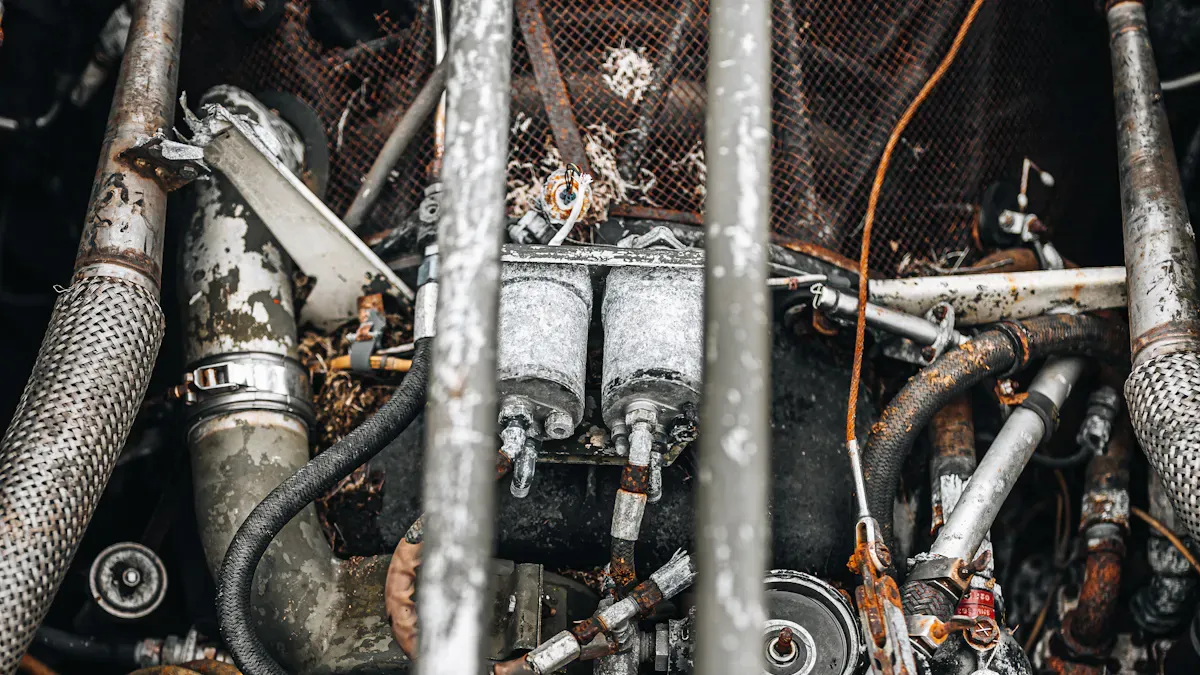
Operators can often identify wet stacking in a diesel engine through clear visual cues. One of the most common symptoms is the presence of thick, black liquid seeping from exhaust joints or the tailpipe. This residue, a mixture of unburned fuel, oil, and carbon, signals incomplete combustion. Black smoke from the exhaust also indicates that the diesel engine is not burning fuel efficiently. Over time, these deposits can stain surrounding components and create a noticeable odor. Technicians may observe oily drips or carbon buildup around the exhaust manifold, which points to ongoing wet stacking.
Performance Issues
Wet stacking directly impacts the performance of a diesel engine. The following issues often appear during operation:
- Reduced power output makes it difficult for the generator to meet heavy-duty demands.
- The engine may fail to reach its designed RPM, resulting in sluggish acceleration and poor response.
- Increased fuel consumption raises operational costs, as the engine requires more fuel to deliver the same power.
- The generator may struggle to maintain stable voltage and frequency under load.
These symptoms not only decrease efficiency but also increase the risk of unplanned downtime. If left untreated, wet stacking can lead to permanent engine damage or even complete failure.
Maintenance Findings
Routine inspections often reveal additional symptoms of wet stacking in a diesel engine. Technicians may find:
- Excessive oil consumption, as unburned fuel mixes with lubricating oil.
- Exhaust leaks caused by carbon and oil buildup, which can lead to mechanical failures and safety hazards.
- Black smoke during test runs, confirming incomplete combustion.
- Noticeable drops in power output and overall reliability.
|
Consequence |
Description |
|
Fuel Waste |
Unburned diesel leads to higher operational costs and wasted energy. |
|
Engine Wear |
Carbon buildup reduces efficiency, increases friction, and shortens lifespan. |
|
Frequent Breakdowns |
Continuous fouling causes unplanned downtime and costly maintenance. |
|
Environmental Damage |
Excessive emissions contribute to air pollution and regulatory issues. |
|
Regulatory Risks |
Businesses may face fines for exceeding emission levels. |
Expert Tip: Addressing wet stacking symptoms early helps prevent severe engine wear and regulatory penalties. Regular monitoring and prompt maintenance protect both equipment and investments.
Load Bank Solutions
How Load Banks Work
Load banks play a critical role in maintaining the health of a diesel engine. These devices simulate electrical demand by absorbing energy from the generator and converting it into heat. This process allows engineers to test the generator under controlled conditions, ensuring that the engine reaches optimal combustion temperatures. When a load bank applies a substantial electrical load, the diesel engine operates at higher temperatures, which helps burn off carbon deposits and unburned fuel. This method prevents the accumulation of residues that lead to wet stacking.
- A load bank absorbs electrical energy and safely dissipates it as heat.
- Technicians gradually increase the load, monitoring engine temperature, voltage, and fuel consumption.
- Proper load application ensures complete combustion and reduces the risk of carbon buildup.
Load bank testing simulates real-world operating conditions without connecting to actual facility systems. This approach allows for accurate measurement of performance metrics, such as voltage stability and fuel efficiency, which are essential for reliability assessments. By subjecting the diesel engine to full or partial loads, operators can identify hidden weaknesses and ensure the generator is ready for emergency situations.
Expert Tip: Regular load bank testing is essential for standby generators that rarely operate at full capacity. This practice helps maintain engine health and prevents unexpected failures during critical events.
Using Load Banks to Prevent Wet Stacking
Wet stacking occurs most frequently when a diesel engine operates at low loads for extended periods. Load bank solutions address this issue by forcing the engine to work at higher loads, raising combustion temperatures and burning off accumulated deposits. The following table summarizes the effectiveness of load bank testing in preventing wet stacking:
|
Evidence |
Description |
|
Load Bank Testing |
Raises combustion temperatures to burn off deposits and restore engine health. |
|
Professional Maintenance |
Determines if the engine requires an overhaul by burning off unburned fuel. |
|
NFPA 110 Recommendation |
Annual load testing for 1.5 to 2 hours prevents wet stacking. |
Industry standards recommend specific testing frequencies and load percentages to minimize the risk of wet stacking:
|
Frequency |
Requirement |
|
Monthly |
Test at least once a month under a 30% load for 30 minutes. |
|
Annual |
If monthly testing is not feasible, conduct an annual test under 50% load for 30 minutes and 75% load for 1 hour. |
|
Load Percentage |
Duration |
|
30% |
30 minutes |
|
50% |
30 minutes (annual) |
|
75% or more |
1 hour (annual) |
Step-by-Step Guidance for Load Bank Testing:
- Inspect the diesel engine and generator for leaks or maintenance issues before testing.
- Connect the load bank according to manufacturer guidelines.
- Gradually apply load, starting at 30% of rated capacity for 30 minutes.
- Increase to 50% load for another 30 minutes if performing annual testing.
- Raise the load to 75% or higher for at least 1 hour to ensure complete combustion.
- Monitor engine temperature, exhaust color, and fuel consumption throughout the test.
- Record all performance data and address any anomalies immediately.
Regular load bank testing not only prevents wet stacking but also verifies the generator’s ability to deliver its rated output. This process identifies weaknesses that may not appear under light loads and ensures compliance with operational standards, especially in critical environments like hospitals and data centers.
Real-World Scenario: A hospital experienced generator failure during a power outage because the diesel engine had not undergone regular load bank testing. Carbon buildup from wet stacking caused the engine to stall, resulting in costly downtime and safety risks.
Preventive Maintenance Tips
Effective preventive maintenance extends beyond load bank solutions. Routine inspections, quality fuel, and trusted aftermarket parts are essential for optimal diesel engine performance. The following table outlines corrective actions for generators affected by wet stacking:
|
Corrective Action |
Description |
|
Regular Load Bank Testing |
Applies sufficient load to burn off residues and restore engine health. |
|
Routine Maintenance |
Detects early signs of wet stacking and enables timely intervention. |
|
Good-Quality Fuel |
Reduces the risk of unburned fuel accumulation and carbon deposits. |
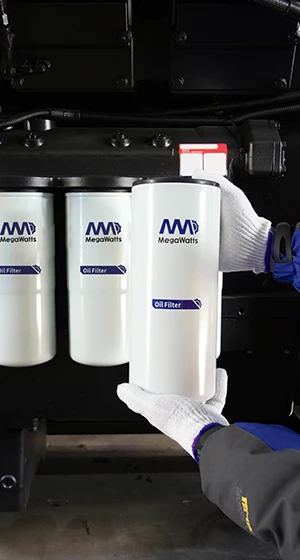
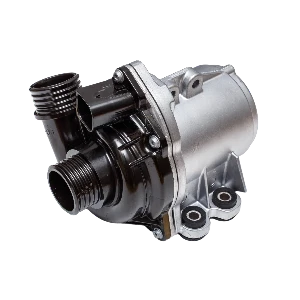
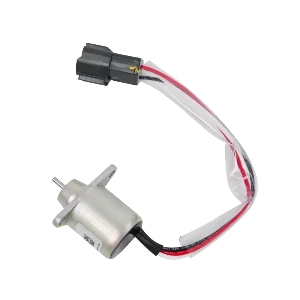
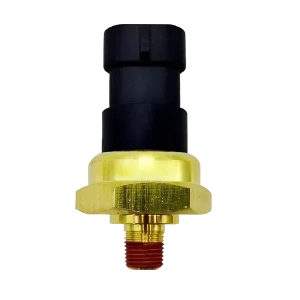
Integrating high-quality aftermarket parts, such as those from Megawatts Parts, further enhances generator reliability. Megawatts Parts offers components that meet or exceed OEM specifications, including engine parts, filters, stop-solenoid, and alternators. These products ensure a perfect fit and optimal performance for a wide range of generator models. Customers benefit from improved long-term health of their diesel engine, reduced operational issues, and minimized risk of wet stacking.
- Trusted aftermarket brands provide superior support and reliability.
- Quality parts help maintain combustion efficiency and reduce unused fuel.
- Reputable suppliers like Megawatts Parts offer competitive pricing and exceptional customer service.
Expert Tip: Combine regular load bank testing with premium aftermarket parts to maximize generator lifespan and performance. This approach protects your investment and ensures readiness for any emergency.
Routine maintenance and operational adjustments are vital for preventing wet stacking. Operators should schedule load bank testing according to industry guidelines and use only high-quality fuel and parts. These practices guarantee that the diesel engine remains efficient, reliable, and compliant with regulatory standards.
Understanding wet stacking is essential for maintaining diesel generator reliability. Regular load bank testing and quality maintenance help prevent wet stacking and reduce costly repairs. Industry experience highlights these best practices:
- Maintain appropriate load levels to avoid wet stacking.
- Exercise generators weekly at 60% load or higher.
- Use professional support for inspections and load bank tests.
- Monitor for black exhaust smoke and carbon buildup.
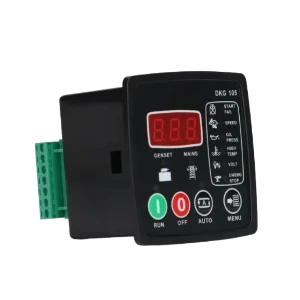
For long-term generator health, invest in trusted aftermarket parts and consider advanced monitoring systems. Explore industry guidelines and proactive maintenance resources to ensure your equipment remains dependable.
Previous And Next
-
Previous Post:
 BLOG
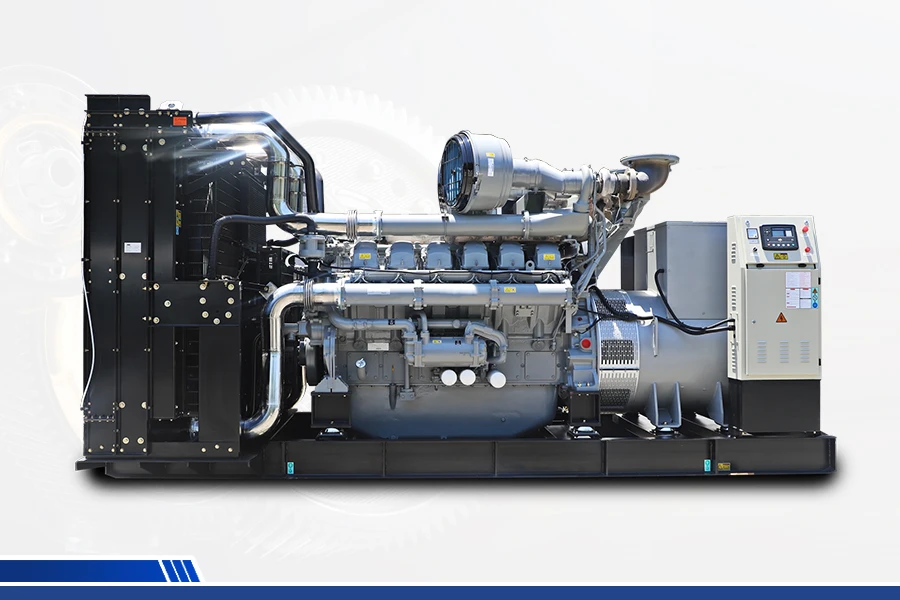
BLOG Megawatts BlogIntroducing the components of a diesel engineIntroducing the components of a diesel engine A diesel generator set is a type of internal combustion generator set and is currently one of the most widely used power generation devices in the world....
 -
Next Post:
 BLOG
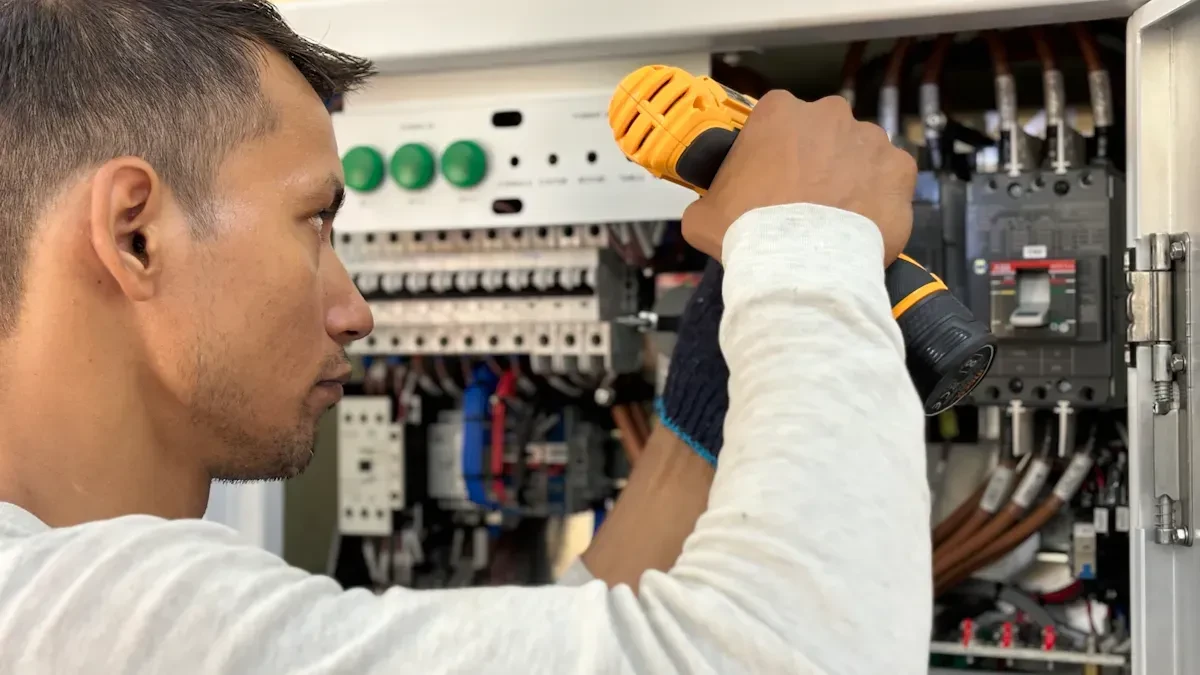
Megawatts BlogMultimeter Diagnostics: Step-by-Step Testing for Generator AVR testingGenerator AVR testing with a multimeter ensures stable voltage regulation and optimal performance. Diagnostics help prevent costly repairs and maintain reliability. Neglecting regular AVR ma...
BLOG
Megawatts BlogMultimeter Diagnostics: Step-by-Step Testing for Generator AVR testingGenerator AVR testing with a multimeter ensures stable voltage regulation and optimal performance. Diagnostics help prevent costly repairs and maintain reliability. Neglecting regular AVR ma...
Read More
-
 BLOG
Megawatts BlogStrategic Sourcing: How to Build a Standardized Generator Sets Parts Catalog for Mixed FleetsManaging a mixed fleet of Cummins, Perkins, and Caterpillar generators often creates a hidden financial drain through inventory duplication and fragmented procurement. When different brands use differ...
BLOG
Megawatts BlogStrategic Sourcing: How to Build a Standardized Generator Sets Parts Catalog for Mixed FleetsManaging a mixed fleet of Cummins, Perkins, and Caterpillar generators often creates a hidden financial drain through inventory duplication and fragmented procurement. When different brands use differ... -
 BLOG
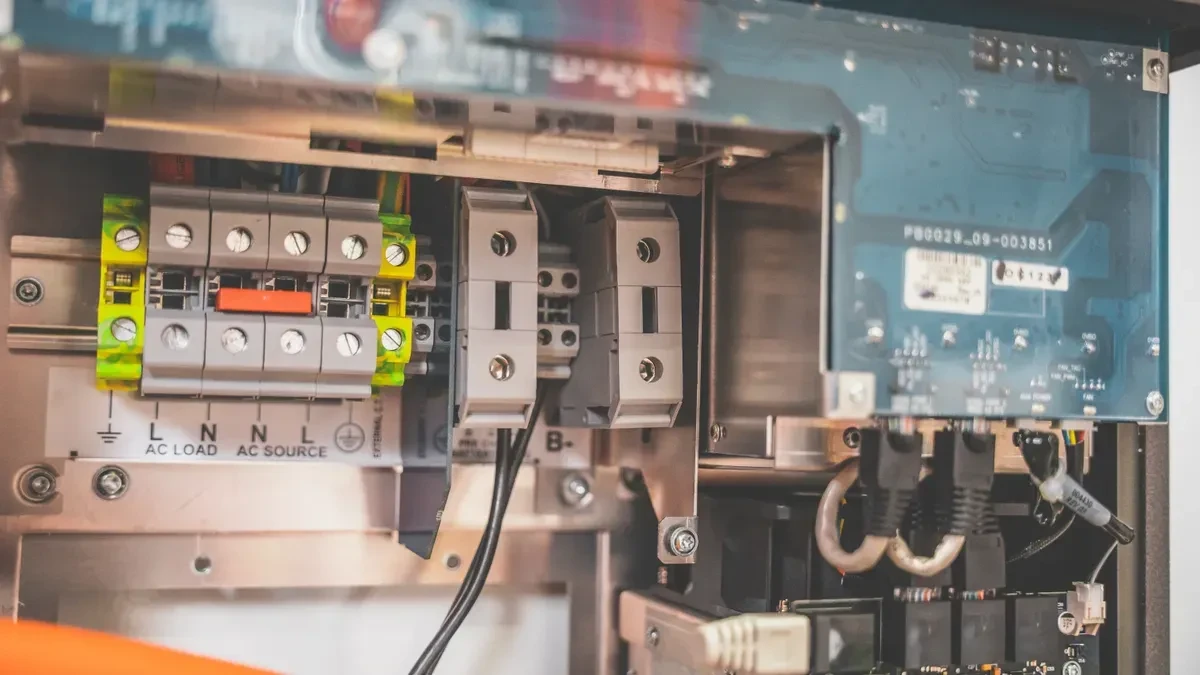
Megawatts BlogDiesel Generator Won't Crank: A Step-by-Step Electrical Diagnostic Checklist for MechanicsWhen a diesel generator won't crank, check the electrical system first. Do not chase fuel or mechanical theories yet. Low battery voltage and corroded connections cause most no-start condition calls....
BLOG
Megawatts BlogDiesel Generator Won't Crank: A Step-by-Step Electrical Diagnostic Checklist for MechanicsWhen a diesel generator won't crank, check the electrical system first. Do not chase fuel or mechanical theories yet. Low battery voltage and corroded connections cause most no-start condition calls.... -
 BLOG
Megawatts BlogMagnetic Coil Degradation: Why Your Diesel Engine Stop Solenoid Fails Under Extreme HeatExtreme heat is the primary enemy of a diesel engine stop solenoid. The heat breaks down the electrical insulation inside the magnetic coil. This degradation raises resistance and creates short circui...
BLOG
Megawatts BlogMagnetic Coil Degradation: Why Your Diesel Engine Stop Solenoid Fails Under Extreme HeatExtreme heat is the primary enemy of a diesel engine stop solenoid. The heat breaks down the electrical insulation inside the magnetic coil. This degradation raises resistance and creates short circui... -
 BLOG
Megawatts BlogThe Hidden Cost of Expired Inventory: Shelf Life and Proper Storage of Rubber Gasket Seal KitsA gasket seal kit sits untouched for five years. You paid for it. Now you pay to dispose of it. When a failure occurs, you pay a premium for emergency replacement. These hidden costs accumulate silent...
BLOG
Megawatts BlogThe Hidden Cost of Expired Inventory: Shelf Life and Proper Storage of Rubber Gasket Seal KitsA gasket seal kit sits untouched for five years. You paid for it. Now you pay to dispose of it. When a failure occurs, you pay a premium for emergency replacement. These hidden costs accumulate silent...
Subscribe to enjoy 10% off
Stay informed about new products and sales

-
INFORMATION
Contact Us
-
CHINA SALES OFFICE: No. 2-11, No. 8, Gaotai Road, Gaishan Investment Zone, Cangshan District, Fuzhou, Fujian
-
SAUDI ARABIA FACTORY: 7264 Shakra, Al Faisaliyyah, REFB3035, 3035, Riyadh 12883
-
COLOMBIA SALES OFFICE: 92-32 26th Street, 03-118, Bogota
-
NIGERIA FACTORY: Plot 5 Chivita Avenue Ajao Estate Isolo Lagos
-
Email:sales@megawattsparts.com
Follow Us


Copyright © 2025 Megawatts All Rights Reserved.



Select Previous Button or Search Directly on Search Bar!
Shop All
 English
Currency: <{ pagedata.current_currency }>(<{ pagedata.current_currency_code }>)
Are you in the right place?

You agree to MegaWatts.com's Terms of Use and Privacy Policy by subscribing. You may receive emails with useful tips, promotions, and offerings.
No, thanks. I'd rather pay full price.