








































Understanding Generator Cooling System Parts: Key Components & Their Role
by Megawatts - Updated At 2026-04-30
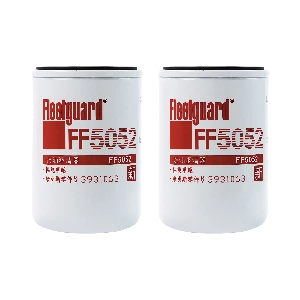
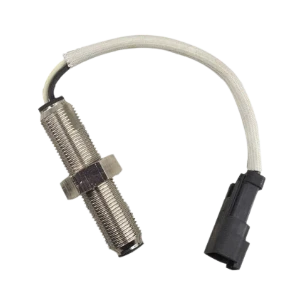
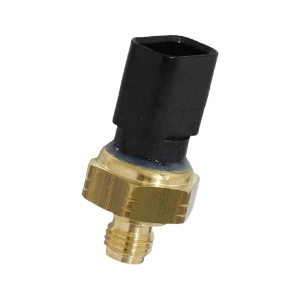
A generator relies on several essential cooling system components for consistent performance. The main generator cooling system parts include the water pump, radiator, cooling fan, thermostat, coolant, hoses, heat exchangers, and temperature sensors. Each part ensures the generator operates within safe temperature limits. The water pump circulates coolant, while the radiator and cooling fan dissipate heat. The thermostat regulates coolant flow, and hoses connect these components. Temperature sensors monitor system status. The table below highlights common issues affecting these parts:
|
Common Cooling System Parts |
Issues Leading to Failures |
|
Coolant |
Leaks |
|
Thermostat |
Faulty operation |
|
Radiator |
Blockages |
Overheating can cause severe generator damage. Regular maintenance and dependable parts are crucial. Megawatts Parts provides high-quality aftermarket solutions for leading brands, ensuring long-term reliability.
Generator Cooling System Parts Overview
Purpose of Cooling Systems
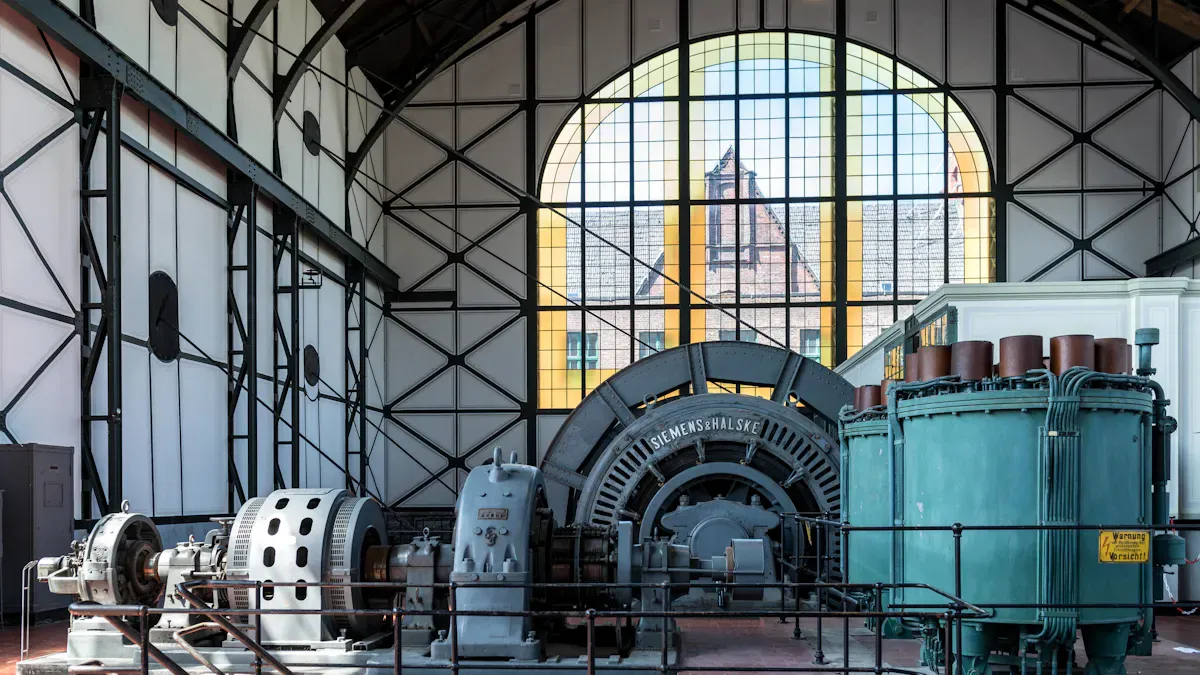
A generator produces significant heat during operation. The cooling system maintains optimal temperature, preventing overheating and ensuring efficient performance. This process extends the generator's lifetime and reduces the risk of costly repairs. The diesel generator cooling system uses a closed-loop design, which keeps temperature consistent and minimizes coolant loss. Coolant circulates through cooling system components such as the pump, radiator, thermostat, and pipes. This circulation enables effective heat exchange and maintains proper pressure.
Tip: Regular inspection of cooling system components, including coolant filters and radiator hoses for generators, helps prevent engine overheating and ensures reliable operation.
The diesel generator cooling system is essential for commercial generator applications. It supports continuous operation in demanding environments by keeping the generator within safe temperature limits. Proper cooling also protects generator parts from thermal stress and corrosion.
Main Components List
The generator cooling system parts work together to deliver consistent cooling. Each component plays a specific role in maintaining system efficiency and reliability. The following table outlines the main cooling system components and their contributions:
|
Component |
Contribution to Efficiency |
|
Coolant |
Absorbs heat, prevents freezing and boiling, inhibits corrosion. |
|
Radiator |
Dissipates heat from coolant, enhances heat transfer. |
|
Water Pump |
Circulates coolant, ensures steady flow for heat absorption. |
|
Fans |
Increases airflow, improves heat dissipation. |
|
Thermostat |
Regulates coolant temperature, maintains optimal conditions. |
|
Hoses and Pipes |
Provides channels for coolant flow, maintains pressure and temperature. |
|
Expansion/Overflow Tank |
Accommodates coolant expansion, prevents system stress. |
|
Heat Exchanger |
Transfers heat to secondary cooling agent, facilitates effective removal. |
|
Temperature Sensors |
Monitors system status, triggers alerts for abnormal conditions. |
Megawatts Parts offers high-quality aftermarket generator cooling system parts compatible with major brands. Their commitment to genuine and reliable parts ensures compatibility and performance for diesel generator cooling system maintenance. Choosing trusted generator parts supports long-term reliability in commercial generator applications.
Key Parts and Their Functions

Radiator
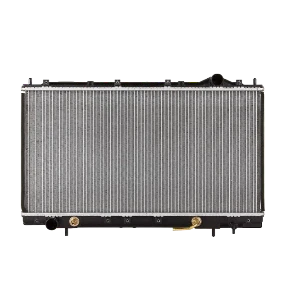
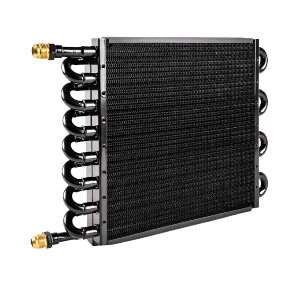
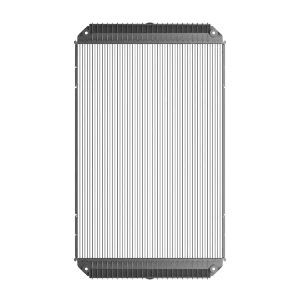
The radiator serves as the primary heat exchanger in the diesel generator cooling system. It receives hot coolant from the engine and dissipates heat into the surrounding air. This process prevents engine overheating and maintains optimal operating temperatures. Radiators in industrial generators often use materials such as aluminum or copper for efficient heat transfer. Common issues include corrosion, blockages, and leaks, which can compromise cooling performance. Regular cleaning and inspection are essential to ensure unobstructed airflow and effective operation. Radiators from Megawatts Parts are engineered for compatibility with Cummins, Caterpillar, and Perkins generator sets, supporting both primary and backup power systems. The competitive Perkins radiator market highlights the importance of selecting quality generator radiator components for reliable performance.
Tip: Inspect for symptoms of a clogged radiator, such as reduced coolant flow or rising engine temperatures, to prevent unexpected shutdowns.
Cooling Fan
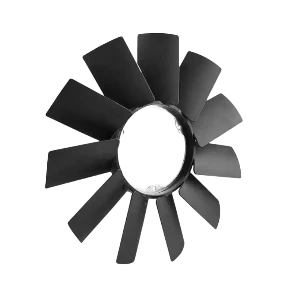
The cooling fan increases airflow through the radiator, enhancing the removal of heat from the coolant. In air-cooled and liquid-cooled generator systems, the fan plays a critical role in maintaining stable temperatures during continuous operation. Larger or faster fans can significantly improve cooling efficiency, especially in heavy-duty applications. Failure of the fan can lead to inadequate heat dissipation and potential damage to generator windings. Megawatts Parts supplies heavy duty cooling fans and pulley fan belt assemblies compatible with major brands, ensuring optimal airflow and system reliability. Proper fan belt tension is crucial; knowing how to measure a fan belt and keeping an emergency fan belt on hand can minimize downtime.
Water Pump
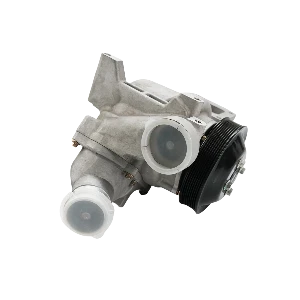
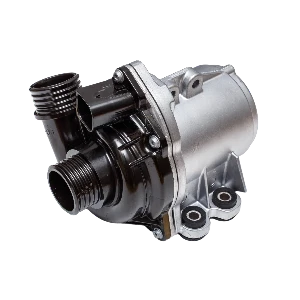
The water pump is the driving force behind coolant circulation in the diesel generator cooling system. It draws coolant from the radiator and pushes it through the engine, absorbing heat before returning to the radiator. A well-functioning engine driven water pump prevents overheating and ensures consistent temperature control. Signs of water pump failure include coolant leaks, whining noises from the water pump pulley, and engine overheating water pump symptoms. Regular inspection and timely replacement, such as Cummins water pump replacement, are vital for system integrity. Megawatts Parts offers both diesel engine water pump and engine driven water pump options, designed for seamless integration with Cummins, Caterpillar, and Perkins generators.
|
Component |
Importance |
Maintenance Tip |
|
Water Pump |
Circulates coolant throughout the engine, essential for temperature control. |
Replace if there are signs of wear or leaks. |
|
Thermostat |
Regulates coolant flow based on temperature, crucial for preventing overheating. |
Test and replace as needed to maintain optimal temperature. |
|
Radiator |
Dissipates heat from the coolant, preventing engine overheating. |
Clean regularly to ensure airflow is not obstructed. |
|
Fans |
Aid in air circulation for cooling systems, vital for maintaining temperature. |
Inspect for wear and ensure proper functioning. |
Thermostat
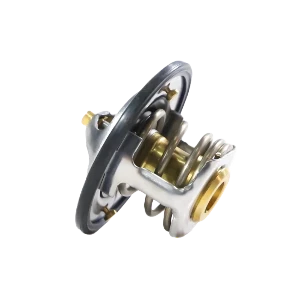
The thermostat regulates coolant flow within the diesel generator cooling system. It remains closed during engine warm-up, allowing the engine to reach operating temperature quickly. Once the desired temperature is achieved, the thermostat opens, permitting coolant to circulate through the radiator. A malfunctioning thermostat, such as a stuck closed diesel engine thermostat or Perkins engine thermostat, can cause overheating or inefficient cooling. Routine testing and replacement are recommended to maintain system performance. Megawatts Parts provides thermostats compatible with a wide range of generator models, ensuring precise temperature regulation.
Coolant
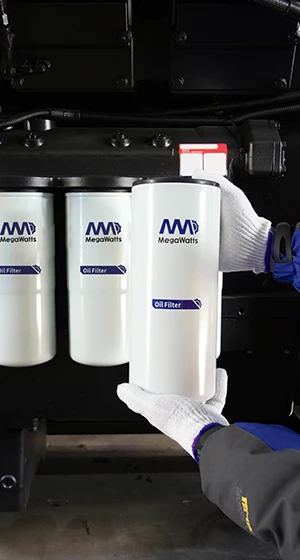
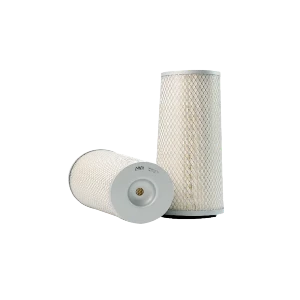
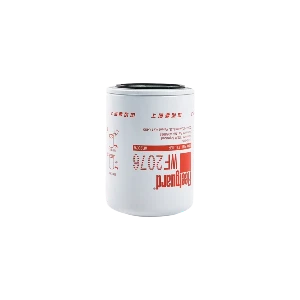
Coolant is the working fluid that absorbs and transfers heat away from the engine. In most diesel generator cooling system designs, a mixture of water and antifreeze is used for superior thermal regulation and freeze protection. Advanced coolants, such as nanofluids, offer enhanced heat transfer properties for high-performance applications. The choice of coolant directly impacts heat transfer efficiency and corrosion resistance. Regular checks and replacement of generator coolant filters help maintain fluid quality and prevent blockages. Megawatts Parts supplies coolants and filters suitable for commercial generator installations, supporting both standard and advanced cooling system requirements.
|
Coolant Type |
Properties |
Heat Transfer Efficiency |
|
Nanofluids |
Colloidal suspensions of nanoparticles in a base liquid |
Excellent thermal and heat transfer properties, increases cooling efficiency |
|
Water mixed with antifreeze |
Standard coolant for liquid-cooled systems |
Superior thermal regulation, especially in industrial generators above 20 kW |
Hoses
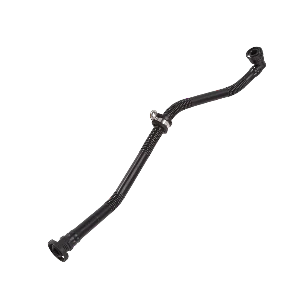
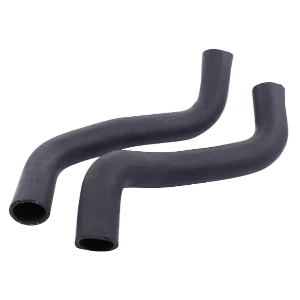
Hoses connect the various generator cooling system parts, providing channels for coolant flow between the engine, radiator, and heat exchanger. High-quality radiator hoses for generators are typically made from rubber or silicone. Rubber hoses offer flexibility and resistance to oil and chemicals, while silicone hoses withstand higher temperatures and resist cracking. Over time, hoses can harden, crack, or swell, leading to leaks and reduced cooling efficiency. Regular inspection and timely replacement of hoses and clamps are essential for maintaining pressure and preventing coolant loss. Megawatts Parts offers durable hoses compatible with Cummins, Caterpillar, and Perkins generator parts, ensuring long-term reliability.
|
Hose Type |
Function |
Material Type |
Pros |
Cons |
|
Radiator |
Moves coolant between the engine and the radiator to regulate temperature |
Rubber |
Cheap, flexible, resistant to oil and chemicals |
Can harden and crack over time, may swell if in contact with oil |
|
|
|
Silicone |
More durable, withstands higher temperatures, resistant to cracking |
More expensive than rubber |
Heat Exchanger
The heat exchanger is a specialized component in advanced diesel generator cooling system designs. It transfers heat from the primary coolant to a secondary cooling agent, such as water or air, which then carries the heat away to the radiator. This process is essential for maintaining optimal generator temperatures, especially in high-capacity or hydrogen-cooled systems. Efficient heat exchangers improve overall cooling performance and support continuous operation in demanding environments. Megawatts Parts supplies heat exchangers engineered for compatibility with leading generator brands, ensuring effective integration and enhanced thermal management.
Temperature Sensors
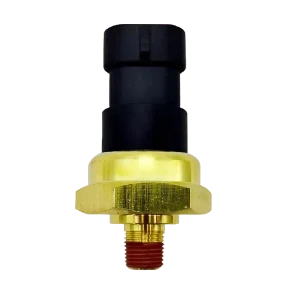
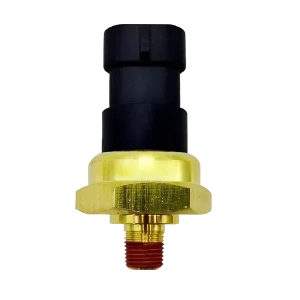
Temperature sensors monitor the performance of the diesel generator cooling system in real time. These sensors detect abnormal temperature rises and trigger alarms or automatic shutdowns to protect the generator from damage. Technologies include fluorescent fiber optic sensors for high-voltage environments, distributed temperature sensing for large generators, and wireless sensors for retrofitting. PT100 sensors are common in smaller, low-voltage applications. Accurate temperature monitoring enables proactive maintenance and reduces the risk of catastrophic failure. Megawatts Parts offers a range of temperature sensors compatible with Cummins, Caterpillar, and Perkins generator cooling system parts, supporting both new installations and upgrades.
Note: Integrating advanced temperature sensors with generator control systems enhances safety and operational efficiency.
By understanding the function and importance of each component, operators can optimize the performance and longevity of their generator cooling system parts. Selecting high-quality, compatible parts from trusted suppliers like Megawatts Parts ensures reliable operation across a wide range of generator applications.
System Operation & Interaction
Coolant Flow Path
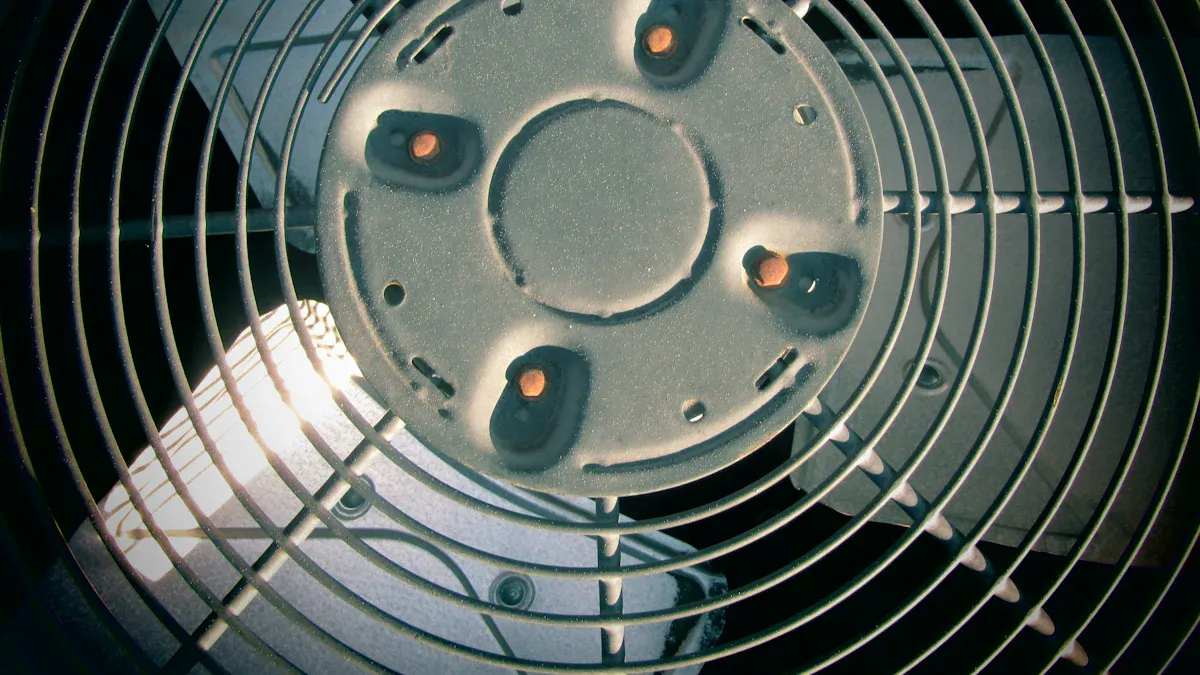
The diesel generator cooling system relies on a precise coolant flow path to maintain stable temperatures. Coolant absorbs heat from the engine block and cylinder head during combustion and friction. Heated coolant travels through pipes to the radiator or an external cooling unit. Airflow or fluid exchange at the radiator removes heat, lowering the coolant temperature. The cooled liquid then returns to the engine, repeating the cycle. This process ensures the generator operates within safe limits and prevents overheating.
- The flow rate of coolant is critical for cooling efficiency.
- Consistent flow maintains temperature control and prevents engine overheating water pump issues.
- Proper flow avoids overcooling, which can impact generator performance and emissions.
Routine inspection of cooling system components for generators, such as generator radiator components and radiator hoses for generators, helps identify symptoms of clogged radiator or leaks. Technicians recommend checking generator coolant filters and monitoring the water pump pulley for signs of wear. Knowing how to measure a fan belt and keeping an emergency fan belt available reduces downtime.
Component Coordination
Effective cooling depends on the coordinated operation of all parts in the diesel generator cooling system. Each component interacts to regulate temperature and ensure reliability. The table below illustrates how key parts work together:
|
Component |
Interaction Description |
|
Chiller |
Directly influences the average reservoir temperature through its in- and outflows. |
|
Cooling Tower |
Works in conjunction with the chiller to manage temperature levels based on outdoor conditions. |
|
Cooling Reservoir |
Serves as the main temperature control unit, charged by cooling generators to maintain optimal temperatures. |
|
Control Logic |
Activates components based on temperature thresholds to ensure efficient operation of the cooling system. |
Control logic monitors temperature sensors and activates heavy duty cooling fans or adjusts the perkins engine thermostat as needed. The engine driven water pump and diesel engine water pump circulate coolant, while Cummins water pump replacement ensures system integrity. Coordinated operation prevents thermal stress and supports continuous generator function. Experienced engineers recommend regular maintenance of pulley fan belt assemblies and diesel engine thermostat to avoid common pitfalls.
Tip: Schedule routine checks for all cooling parts to maximize generator lifespan and minimize unexpected failures.
Common Issues & Maintenance
Typical Problems
Generator cooling systems in commercial generator applications face several recurring challenges. Coolant leaks often develop at hose connections or radiator seams. Low coolant levels can trigger alarms or automatic shutdowns, protecting the generator from overheating. Blockages in the cooling circuit, such as debris in generator radiator components or clogged generator coolant filters, restrict flow and reduce efficiency. Malfunctioning parts, including a faulty diesel engine thermostat or a worn water pump pulley, can disrupt temperature regulation.
|
Problem |
Diagnosis Method |
|
Coolant leaks |
Inspect hoses and radiator fins for visible leaks. |
|
Low coolant levels |
Monitor coolant levels and check for frequent refills. |
|
Overheating |
Conduct routine temperature monitoring during load tests. |
If a diesel generator cooling system requires frequent coolant additions, this may indicate leaks that, if ignored, can damage critical parts such as the alternator and bearings. Overheating can result from a stuck perkins engine thermostat, symptoms of clogged radiator, or engine overheating water pump issues. Regular monitoring helps detect these problems early.
Maintenance Tips
Routine maintenance is essential for reliable cooling system operation and extended generator lifespan. Technicians recommend the following best practices:
- Regularly check coolant levels and top off as needed.
- Inspect radiator hoses for generators and connections for leaks or cracks.
- Flush the diesel generator cooling system every two years or after 500 hours of operation to remove debris and prevent blockages.
- Ensure the radiator remains free of dust and obstructions to maintain airflow for heavy duty cooling fans.
- Replace coolant, hoses, belts, and thermostat every three years to maintain system integrity.
- Test the generator under real-world conditions monthly to verify performance.
- Schedule semi-annual and annual maintenance by licensed professionals, including comprehensive checks of engine driven water pump, diesel engine water pump, and generator radiator components.
Tip: Use manufacturer-recommended coolant types and conduct laboratory analysis to detect internal issues early. Keeping an emergency fan belt and knowing how to measure a fan belt can minimize downtime during unexpected failures.
Industry studies confirm that regular maintenance prevents corrosion, plugging, and flow restrictions, which can otherwise lead to excessive temperatures and reduced generator reliability. Proactive care of cooling system components for generators ensures optimal performance and minimizes costly repairs.
Understanding each generator cooling system part is essential for maintaining reliable operation, whether for a marine generator cooling system or industrial applications. Regular maintenance of generator coolant and other components prevents overheating and extends equipment life. High-quality aftermarket parts from trusted suppliers like Megawatts Parts offer several advantages:
- Competitive performance when sourced from reputable manufacturers
- Potential for lower total cost of ownership compared to some OEM options
Proactive care reduces downtime and minimizes costly repairs, ensuring your generator remains dependable in demanding environments.
Previous And Next
-
Previous Post:
 BLOG
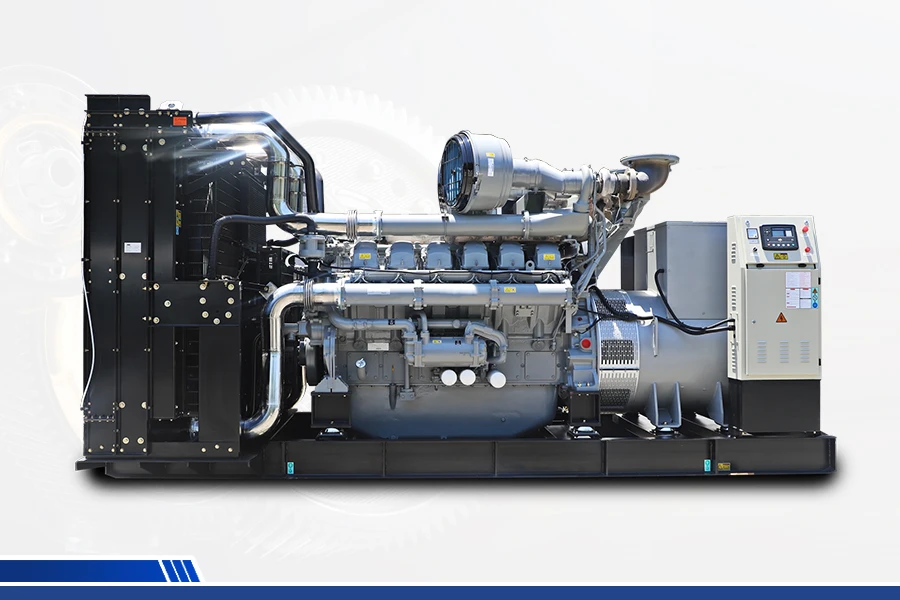
BLOG Megawatts BlogIntroducing the components of a diesel engineIntroducing the components of a diesel engine A diesel generator set is a type of internal combustion generator set and is currently one of the most widely used power generation devices in the world....
 -
Next Post:
 BLOG
Megawatts BlogHow to Bleed Air from a Diesel Generator Fuel System After a Filter ChangeBleeding air from a diesel generator fuel system after a filter change is essential for maintaining engine reliability. Air trapped in the system is the most common reason why a generator won't start...
BLOG
Megawatts BlogHow to Bleed Air from a Diesel Generator Fuel System After a Filter ChangeBleeding air from a diesel generator fuel system after a filter change is essential for maintaining engine reliability. Air trapped in the system is the most common reason why a generator won't start...
Read More
-
 BLOG
Megawatts BlogStrategic Sourcing: How to Build a Standardized Generator Sets Parts Catalog for Mixed FleetsManaging a mixed fleet of Cummins, Perkins, and Caterpillar generators often creates a hidden financial drain through inventory duplication and fragmented procurement. When different brands use differ...
BLOG
Megawatts BlogStrategic Sourcing: How to Build a Standardized Generator Sets Parts Catalog for Mixed FleetsManaging a mixed fleet of Cummins, Perkins, and Caterpillar generators often creates a hidden financial drain through inventory duplication and fragmented procurement. When different brands use differ... -
 BLOG
Megawatts BlogDiesel Generator Won't Crank: A Step-by-Step Electrical Diagnostic Checklist for MechanicsWhen a diesel generator won't crank, check the electrical system first. Do not chase fuel or mechanical theories yet. Low battery voltage and corroded connections cause most no-start condition calls....
BLOG
Megawatts BlogDiesel Generator Won't Crank: A Step-by-Step Electrical Diagnostic Checklist for MechanicsWhen a diesel generator won't crank, check the electrical system first. Do not chase fuel or mechanical theories yet. Low battery voltage and corroded connections cause most no-start condition calls.... -
 BLOG
Megawatts BlogMagnetic Coil Degradation: Why Your Diesel Engine Stop Solenoid Fails Under Extreme HeatExtreme heat is the primary enemy of a diesel engine stop solenoid. The heat breaks down the electrical insulation inside the magnetic coil. This degradation raises resistance and creates short circui...
BLOG
Megawatts BlogMagnetic Coil Degradation: Why Your Diesel Engine Stop Solenoid Fails Under Extreme HeatExtreme heat is the primary enemy of a diesel engine stop solenoid. The heat breaks down the electrical insulation inside the magnetic coil. This degradation raises resistance and creates short circui... -
 BLOG
Megawatts BlogThe Hidden Cost of Expired Inventory: Shelf Life and Proper Storage of Rubber Gasket Seal KitsA gasket seal kit sits untouched for five years. You paid for it. Now you pay to dispose of it. When a failure occurs, you pay a premium for emergency replacement. These hidden costs accumulate silent...
BLOG
Megawatts BlogThe Hidden Cost of Expired Inventory: Shelf Life and Proper Storage of Rubber Gasket Seal KitsA gasket seal kit sits untouched for five years. You paid for it. Now you pay to dispose of it. When a failure occurs, you pay a premium for emergency replacement. These hidden costs accumulate silent...
Subscribe to enjoy 10% off
Stay informed about new products and sales

-
INFORMATION
Contact Us
-
CHINA SALES OFFICE: No. 2-11, No. 8, Gaotai Road, Gaishan Investment Zone, Cangshan District, Fuzhou, Fujian
-
SAUDI ARABIA FACTORY: 7264 Shakra, Al Faisaliyyah, REFB3035, 3035, Riyadh 12883
-
COLOMBIA SALES OFFICE: 92-32 26th Street, 03-118, Bogota
-
NIGERIA FACTORY: Plot 5 Chivita Avenue Ajao Estate Isolo Lagos
-
Email:sales@megawattsparts.com
Follow Us


Copyright © 2025 Megawatts All Rights Reserved.



Select Previous Button or Search Directly on Search Bar!
Shop All
 English
Currency: <{ pagedata.current_currency }>(<{ pagedata.current_currency_code }>)
Are you in the right place?

You agree to MegaWatts.com's Terms of Use and Privacy Policy by subscribing. You may receive emails with useful tips, promotions, and offerings.
No, thanks. I'd rather pay full price.