







































How to Bleed Air from a Diesel Generator Fuel System After a Filter Change
by Megawatts - Updated At 2026-05-07
Bleeding air from a diesel generator fuel system after a filter change is essential for maintaining engine reliability. Air trapped in the system is the most common reason why a generator won't start after filter change, causing the engine to crank without starting,stall unexpectedly,or run roughly.
|
Symptoms of Air in Fuel |
Risks Associated |
|
Engine cranks but will not start |
No start condition |
|
Starts briefly and then stalls |
Hard starting |
|
Unstable or rough running |
Power loss |
|
Loss of power under load |
Sudden shutdown |
|
Visible air bubbles in fuel lines |
Operational risk in critical applications |
Excess air in the fuel system leads to poor performance and higher fuel consumption. Safety and reliability depend on proper procedures to bleed diesel fuel system. Megawatts Parts offers high-quality aftermarket parts and expert support, ensuring your generator operates at peak efficiency.
Tools for Bleeding Diesel Fuel System
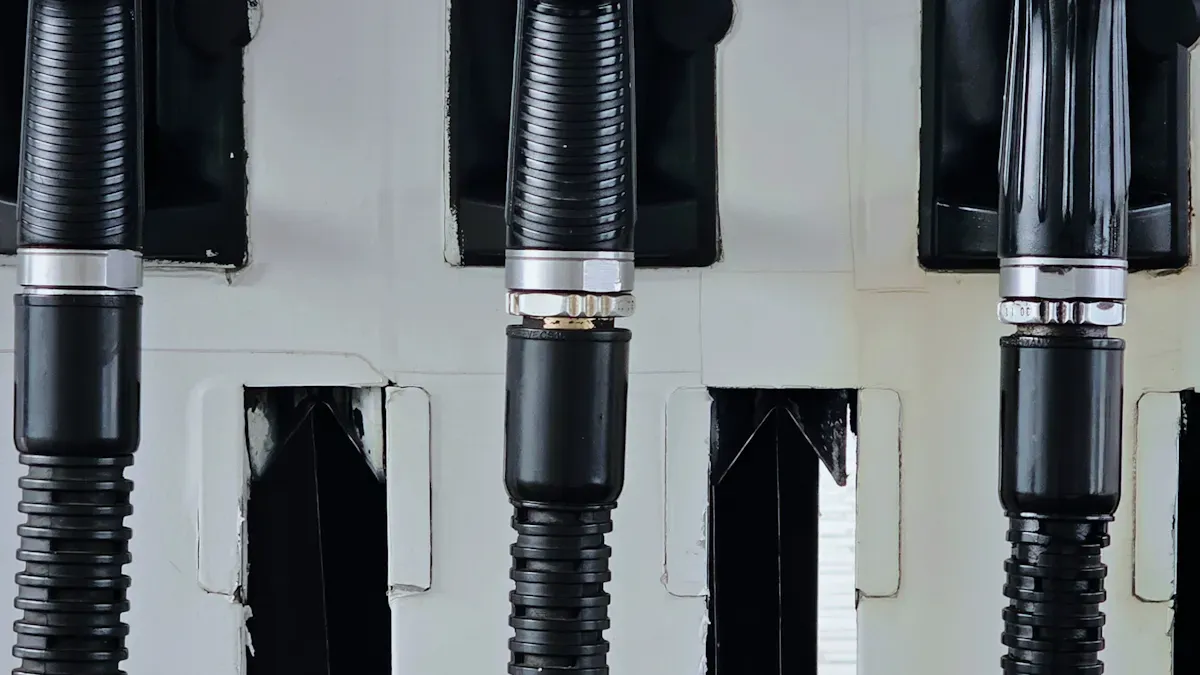
Essential Tools
Selecting the right tools is critical for effective air bleeding after fuel filter replacements. Using quality aftermarket parts from Megawatts Parts ensures compatibility and durability, reducing the risk of leaks or improper fitment. The following items are necessary for the process:
- Wrench or socket set for loosening and tightening fuel system components
- Bleeder screw key or wrench to access bleed points
- Clean rags or towels for wiping spills and maintaining cleanliness
- Safety goggles to protect eyes from fuel splashes
- Diesel fuel for priming and topping off the system
Technicians should always verify tool compatibility with their generator model. Megawatts Parts offers a comprehensive selection of aftermarket tools and parts, including filters and engine components from trusted brands such as Cummins, Caterpillar, and Perkins. Investing in reliable tools minimizes downtime and ensures a smooth maintenance process.
Expert Tip: Always keep spare rags and a backup wrench on hand. Unexpected spills or stubborn fittings can delay the process if you are unprepared.
Safety Precautions
Proper safety measures protect personnel and equipment during generator maintenance. Industry standards require strict adherence to handling and storage protocols for diesel fuel. The following practices are recommended:
- Store diesel fuel in clearly labeled, sealed containers.
- Regularly check for water accumulation in tanks to prevent microbial threats.
- Follow proper waste management practices to handle fuel and oil safely.
|
Safety Standard |
Description |
|
OSHA |
Ensures safe operation of generator systems and mitigates potential hazards to personnel and property. |
|
NFPA |
Provides guidelines for fire safety related to fuel handling and storage. |
Technicians should wear safety goggles and gloves at all times. Diesel fuel can deteriorate within six to twelve months, leading to contamination from oxidation and microbial growth. Maintaining fuel quality is essential, especially for standby generators that may store fuel for extended periods.
Proper waste management practices include secondary containment systems for fuel and oil storage, spill prevention and countermeasure plans, and clearly labeled, sealed containers for collecting and segregating waste streams.
Real-world risk scenario: Failure to follow safety standards can result in fuel spills, fire hazards, or environmental contamination. Always consult your generator’s manual and adhere to OSHA and NFPA guidelines.
Prepare Diesel Fuel System
Locate Filter and Bleed Points
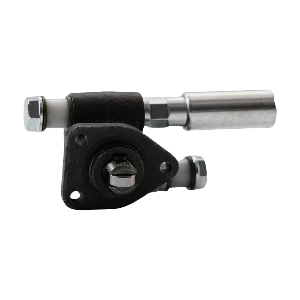
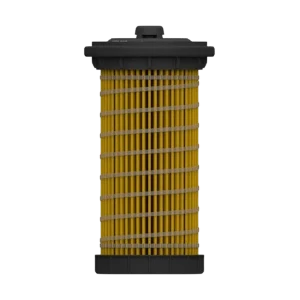
Identifying the correct fuel system components is the first step in preparing the diesel fuel system for air bleeding. Locate the fuel filter, which is typically mounted near the engine or along the frame. Examine the filter housing for bleed screws or valves. These points allow trapped air to escape during the bleeding process. Many diesel generators also feature a hand primer pump, usually positioned close to the filter or injection pump. This pump assists in moving fuel through the system and expelling air.
Technicians should consult the generator manual to confirm the exact location of these components. Each model may have unique configurations. Accurate identification prevents unnecessary disassembly and reduces the risk of damaging sensitive parts. Megawatts Parts offers replacement fuel filter assemblies and primer pumps compatible with a wide range of generator models, ensuring reliable fuel supply and efficient maintenance.
Expert Tip: Mark the location of bleed screws and primer pumps with colored tape or tags. This practice streamlines future maintenance and minimizes confusion during emergency repairs.
Fill Fuel Tank
A full fuel tank is essential for maintaining proper fuel supply and preventing air from re-entering the diesel fuel system. Before starting the air bleeding process, refill the tank to its maximum capacity. This step ensures that the fuel pickup remains submerged, reducing the risk of drawing air, sediment, or water into the fuel filter.
- Prevents air from being drawn back into the diesel fuel system.
- Avoids starting problems or rough engine operation.
- Reduces the chance of fuel pickup sucking in sediment and water.
Failure to fill the tank can lead to operational issues. Engines may struggle to start or run poorly if air enters the diesel fuel system. Contaminants such as sediment and water can cause additional complications, requiring further maintenance.
Follow these steps for optimal preparation:
- Refill the fuel tank completely.
- Open bleed screws on the fuel filter or injection pump.
- Use the hand primer to pump fuel until it flows without bubbles.
Real-world risk scenario: Skipping the tank refill step can result in air pockets, leading to engine stalling and increased wear on fuel system components. Always verify fuel levels before beginning any maintenance.
Bleed Diesel Fuel System
Properly removing air from the fuel system is essential for reliable generator operation. Knowing how to bleed air from diesel engine components is critical. The following standard fuel system bleeding procedure ensures optimal performance and prevents engine stalling.
Bleed at Filter
Start by identifying your fuel filter and water separator setup. Most diesel generators utilize a primary water separating fuel filter along with a secondary filter closer to the engine. Follow these steps to bleed air from the filter assembly:
- Locate the bleed screw on the primary filter or water separator. This is usually positioned at the top of the filter housing.
- Open the bleed screw using the appropriate wrench. Place a clean rag beneath the screw to catch any fuel spills.
- Use the hand primer pump to push fuel through the system. Pump steadily until you see a continuous stream of fuel without bubbles escaping from the bleed screw.
- Close the bleed screw securely once bubble-free fuel flows. Repeat this process at the secondary filter if your system includes one.
This method ensures that trapped air does not remain in the filter housing. Always work from the filter closest to the fuel tank toward the engine. If the generator has multiple bleed points, address each one in sequence. Completing this process helps maintain consistent fuel delivery and reduces the risk of engine stalling.
Expert Tip: Always clean the area around the filter before opening any bleed screws. Contaminants can enter the system and cause further issues.
Bleed at Injectors
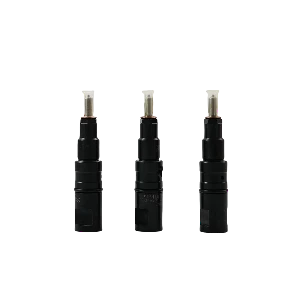
After bleeding the filters, some air may still be present in the lines leading to the injectors. Bleeding your diesel engine at the injector stage is critical for complete air removal. Use the following procedure:
- Identify the injector bleed screws or the injection pipe union nuts on the nozzle holder side.
- Loosen each screw or nut about one turn. This allows air to escape when fuel is forced through the lines.
- Operate the hand primer pump or crank the engine briefly. Watch for fuel flowing steadily without bubbles from each loosened connection.
- Tighten each screw or nut as soon as bubble-free fuel appears.
This step ensures that the injectors receive a solid column of fuel, which is vital for proper combustion. Incomplete bleeding at this stage can cause misfiring, rough running, or hard starting. If the engine fails to start or runs unevenly, repeat the process until all air is expelled.
Real-World Risk: Failing to bleed diesel fuel system at the injectors can result in persistent air pockets. These pockets may cause the engine to crank without firing or stall under load.
Prime and Restart
Once all bleed points have been addressed, the system must be primed and the engine restarted. Follow these steps:
- Double-check that all bleed screws and injector connections are tight. Loose fittings can allow air to re-enter the system.
- Use the hand primer pump to build pressure in the fuel system. Continue priming until resistance is felt and no air bubbles are visible in the fuel lines.
- Attempt to start the engine. It may take several cranking cycles for the engine to fire as remaining traces of air are purged.
- Observe the engine as it runs. Listen for smooth operation and watch for any signs of roughness or stalling.
If the engine does not start or runs poorly, repeat the bleeding process at the injectors. Persistent issues may indicate that air remains trapped or that a connection is not fully sealed.
|
Scenario |
Average Time Required |
|
Airlock from a filter change (with bleed screws) |
10–20 minutes |
|
Complete bleed after running tank dry |
30–60 minutes |
|
Self-bleeding common rail systems |
5–10 minutes |
Common Mistakes to Avoid:
- Not bleeding completely: Always ensure every component is free of air.
- Not checking the fuel tank: Confirm adequate fuel and inspect for impurities.
- Improper operation of the primer pump: Use steady, consistent strokes to build pressure.
- Not tightening bleed screws properly: Secure all screws to prevent air leaks.
Bleed diesel fuel system thoroughly to maintain engine reliability. Bleed air from every component, including filters and injectors, to prevent operational issues. Bleeding your diesel engine correctly after a filter change ensures smooth restarts and extends the life of your generator.
Check for Leaks and Operation
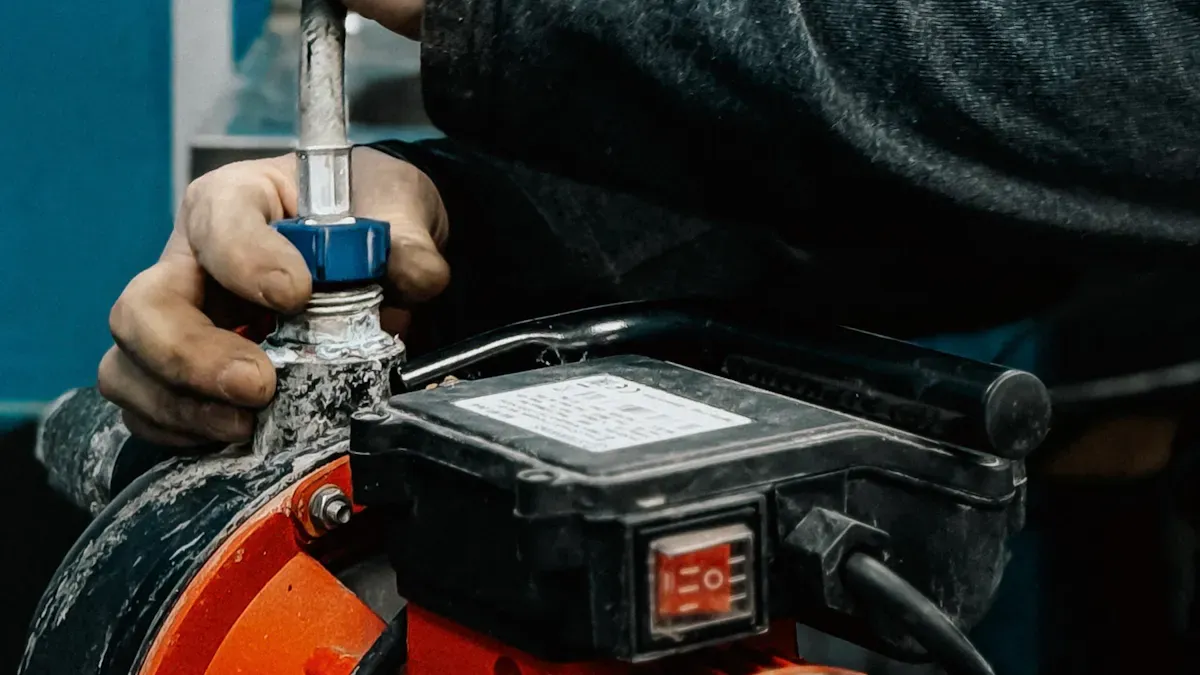
Inspect Connections
After you bleed air from the diesel generator fuel system, inspect all fuel line connections. Use a clean rag to wipe each fitting and joint. Look for any signs of wetness or fuel seepage. Even a small leak can introduce air back into the system or cause fuel loss. Tighten any loose fittings with the correct tool, but avoid over-tightening, which can damage threads or crush seals.
Expert Tip: Shine a flashlight along the fuel lines and around the filter housing. This helps you spot small leaks that may not be visible in normal lighting.
A systematic approach ensures no connection is overlooked. Use this checklist for reference:
- Check the fuel filter housing and bleed screws.
- Inspect injector line unions.
- Examine primer pump fittings.
- Review all hose clamps and quick-connects.
If you find persistent leaks, do not reuse old seals. Replace them immediately with precision-fit o-rings and gaskets (available through Megawatts) to permanently restore system integrity.
|
Common Leak Points |
Recommended Action |
|
Bleed screw threads |
Reseat or replace washer |
|
Injector unions |
Retighten or reseal |
|
Primer pump connections |
Inspect and replace O-rings |
Confirm System Bleeding
Start the diesel generator and let it idle. Observe the engine for smooth operation. Listen for irregular sounds, such as sputtering or knocking, which may indicate remaining air in the system. Watch the exhaust for excessive smoke, a sign of incomplete combustion due to air pockets.
Real-World Risk: Failure to confirm complete bleeding can result in engine stalling during critical operations. This can lead to downtime and increased maintenance costs.
Monitor the fuel lines for new bubbles or leaks while the engine runs. If you notice any, shut down the generator and repeat the bleeding process. Consistent engine performance and clear fuel lines confirm that you have successfully bled the diesel fuel system.
For ongoing reliability, use Megawatts Parts aftermarket parts for all maintenance tasks. Quality components help prevent future air intrusion and ensure your generator operates at peak efficiency.
Maintenance Tips for Diesel Fuel System
Preventive Maintenance
Routine maintenance is the foundation of a reliable diesel generator fuel system. Consistent care prevents air entry, contamination, and unexpected failures. Technicians should follow these best practices:
- Fuel Top Off: Keep the fuel tank full to reduce condensation and limit microbial growth.
- Water Separator Draining: Drain the water separator regularly to prevent water accumulation and protect injectors.
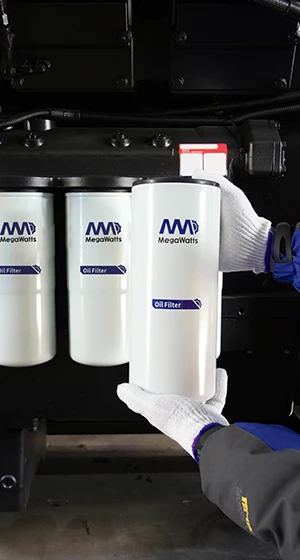
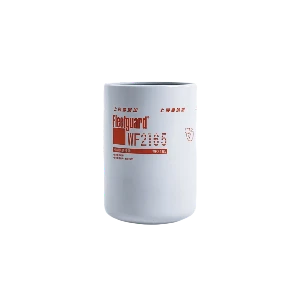
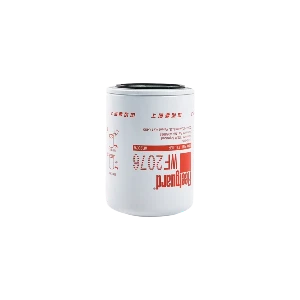
- Change Fuel Filters: Replace primary and secondary fuel filters at recommended intervals. Fill new filters with clean diesel before installation to minimize air entry.
- Prime the System: Always prime the fuel system according to the manufacturer’s instructions before starting the engine.
- Monitor Fuel Quality: Sample fuel periodically to check for water and microbial contamination.
|
Maintenance Practice |
Description |
|
Fuel Filter Replacement |
Replace filters regularly and pre-fill with clean fuel to prevent air entry. |
|
Fuel System Priming |
Prime the system before engine start to ensure proper fuel delivery. |
|
Water Separator Draining |
Drain water separator daily or weekly to avoid injector damage. |
Regular maintenance enhances engine compression, protects the fuel system from contaminants, and prevents corrosion. Emergency repairs often cost several times more than preventive maintenance. Using Megawatts Parts aftermarket parts ensures compatibility and durability, reducing the risk of failures and extending generator lifespan.
Expert Tip: Maintain detailed inspection reports and service logs. Documentation helps track maintenance history, identify trends, and comply with regulations.
Troubleshooting
Persistent air issues in a diesel generator fuel system require a systematic approach:
- Check Fuel Filters and Components: Inspect filters, injectors, and lines for clogging or contamination.
- Fix Leaks and Faulty Components: Examine all connections and seals. Repair or replace any leaking parts.
- Bleed the Fuel System: Locate bleed screws and use the primer pump until fuel flows without bubbles.
- Use Fuel Additives: Add stabilizers to prevent future air-related problems.
If air problems persist, review service records and maintenance logs. Incomplete documentation can hinder troubleshooting and delay repairs. If air problems persist despite proper bleeding, you likely have a failing component. Check our Megawatts replacement fuel pipes and primer pumps to eliminate the source of the air leak.
Real-World Risk: Skipping routine maintenance or using low-quality parts can lead to generator failure during critical operations, resulting in costly downtime and business interruptions.
Proper air bleeding after a diesel generator filter change is vital for system reliability and longevity. Even minimal air contamination can cause hard starts, rough operation, and increased maintenance costs. Neglecting this step may void warranties and lead to engine failure. For best results, always follow the outlined procedures and consult your generator manual. Need replacement filters or fuel system components before your next maintenance run? Browse the Megawatts aftermarket catalog for reliable, factory-spec solutions.
Routine maintenance and proper air bleeding extend generator life and ensure reliable operation in critical moments.
Previous And Next
-
Previous Post:
 BLOG
BLOG Megawatts BlogIntroducing the components of a diesel engineIntroducing the components of a diesel engine A diesel generator set is a type of internal combustion generator set and is currently one of the most widely used power generation devices in the world....
 -
Next Post:
 BLOG
Megawatts BlogWet Stacking in Diesel Generators: Causes, Symptoms, and Load Bank SolutionsWet stacking occurs when unburned fuel and carbon accumulate in a diesel generator's exhaust system, often due to prolonged low-load operation. This condition poses a serious threat to generator healt...
BLOG
Megawatts BlogWet Stacking in Diesel Generators: Causes, Symptoms, and Load Bank SolutionsWet stacking occurs when unburned fuel and carbon accumulate in a diesel generator's exhaust system, often due to prolonged low-load operation. This condition poses a serious threat to generator healt...
Read More
-
 BLOG
Megawatts BlogStrategic Sourcing: How to Build a Standardized Generator Sets Parts Catalog for Mixed FleetsManaging a mixed fleet of Cummins, Perkins, and Caterpillar generators often creates a hidden financial drain through inventory duplication and fragmented procurement. When different brands use differ...
BLOG
Megawatts BlogStrategic Sourcing: How to Build a Standardized Generator Sets Parts Catalog for Mixed FleetsManaging a mixed fleet of Cummins, Perkins, and Caterpillar generators often creates a hidden financial drain through inventory duplication and fragmented procurement. When different brands use differ... -
 BLOG
Megawatts BlogDiesel Generator Won't Crank: A Step-by-Step Electrical Diagnostic Checklist for MechanicsWhen a diesel generator won't crank, check the electrical system first. Do not chase fuel or mechanical theories yet. Low battery voltage and corroded connections cause most no-start condition calls....
BLOG
Megawatts BlogDiesel Generator Won't Crank: A Step-by-Step Electrical Diagnostic Checklist for MechanicsWhen a diesel generator won't crank, check the electrical system first. Do not chase fuel or mechanical theories yet. Low battery voltage and corroded connections cause most no-start condition calls.... -
 BLOG
Megawatts BlogMagnetic Coil Degradation: Why Your Diesel Engine Stop Solenoid Fails Under Extreme HeatExtreme heat is the primary enemy of a diesel engine stop solenoid. The heat breaks down the electrical insulation inside the magnetic coil. This degradation raises resistance and creates short circui...
BLOG
Megawatts BlogMagnetic Coil Degradation: Why Your Diesel Engine Stop Solenoid Fails Under Extreme HeatExtreme heat is the primary enemy of a diesel engine stop solenoid. The heat breaks down the electrical insulation inside the magnetic coil. This degradation raises resistance and creates short circui... -
 BLOG
Megawatts BlogThe Hidden Cost of Expired Inventory: Shelf Life and Proper Storage of Rubber Gasket Seal KitsA gasket seal kit sits untouched for five years. You paid for it. Now you pay to dispose of it. When a failure occurs, you pay a premium for emergency replacement. These hidden costs accumulate silent...
BLOG
Megawatts BlogThe Hidden Cost of Expired Inventory: Shelf Life and Proper Storage of Rubber Gasket Seal KitsA gasket seal kit sits untouched for five years. You paid for it. Now you pay to dispose of it. When a failure occurs, you pay a premium for emergency replacement. These hidden costs accumulate silent...
Subscribe to enjoy 10% off
Stay informed about new products and sales

-
INFORMATION
Contact Us
-
CHINA SALES OFFICE: No. 2-11, No. 8, Gaotai Road, Gaishan Investment Zone, Cangshan District, Fuzhou, Fujian
-
SAUDI ARABIA FACTORY: 7264 Shakra, Al Faisaliyyah, REFB3035, 3035, Riyadh 12883
-
COLOMBIA SALES OFFICE: 92-32 26th Street, 03-118, Bogota
-
NIGERIA FACTORY: Plot 5 Chivita Avenue Ajao Estate Isolo Lagos
-
Email:sales@megawattsparts.com
Follow Us


Copyright © 2025 Megawatts All Rights Reserved.



Select Previous Button or Search Directly on Search Bar!
Shop All
 English
Currency: <{ pagedata.current_currency }>(<{ pagedata.current_currency_code }>)
Are you in the right place?

You agree to MegaWatts.com's Terms of Use and Privacy Policy by subscribing. You may receive emails with useful tips, promotions, and offerings.
No, thanks. I'd rather pay full price.