







































Fuel Filter vs Fuel Water Separator: What’s the Difference in Generator Engines?
by Megawatts - Updated At 2026-03-17
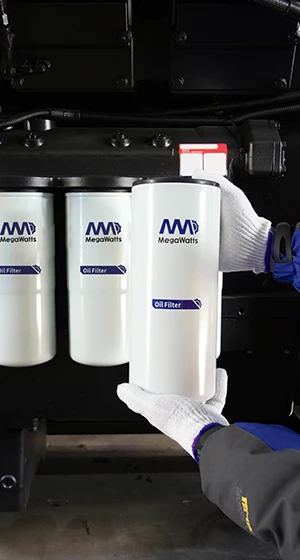
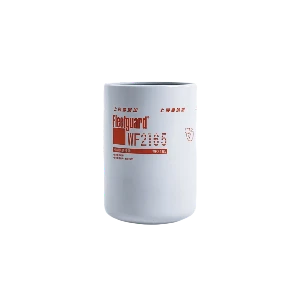
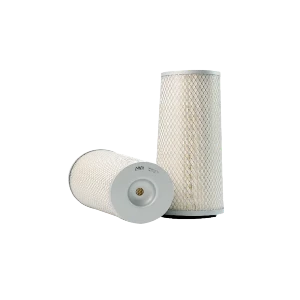
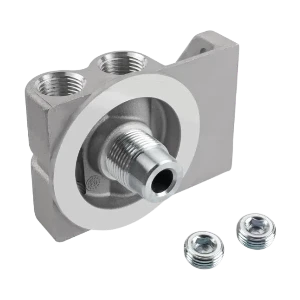
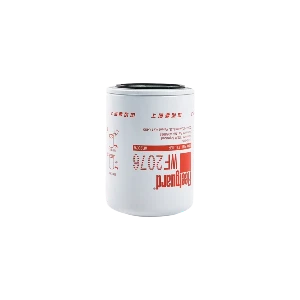
The main difference between a fuel filter vs fuel water separator in industrial generator engines lies in the type of contaminants each targets. The fuel filter removes solid particles that can clog injectors and reduce engine performance, while the generator fuel separator eliminates water, which can cause microbial growth and corrosion, risking engine failure. Many diesel generators use combined units, but understanding the distinct roles of a fuel filter vs fuel water separator helps avoid costly mistakes. Neglecting either component can shorten engine life, increase fuel consumption, and lead to unexpected downtime. For those looking to understand the full range of filtration components used in generator systems, it is helpful to explore different types of engine filters used in modern gensets.
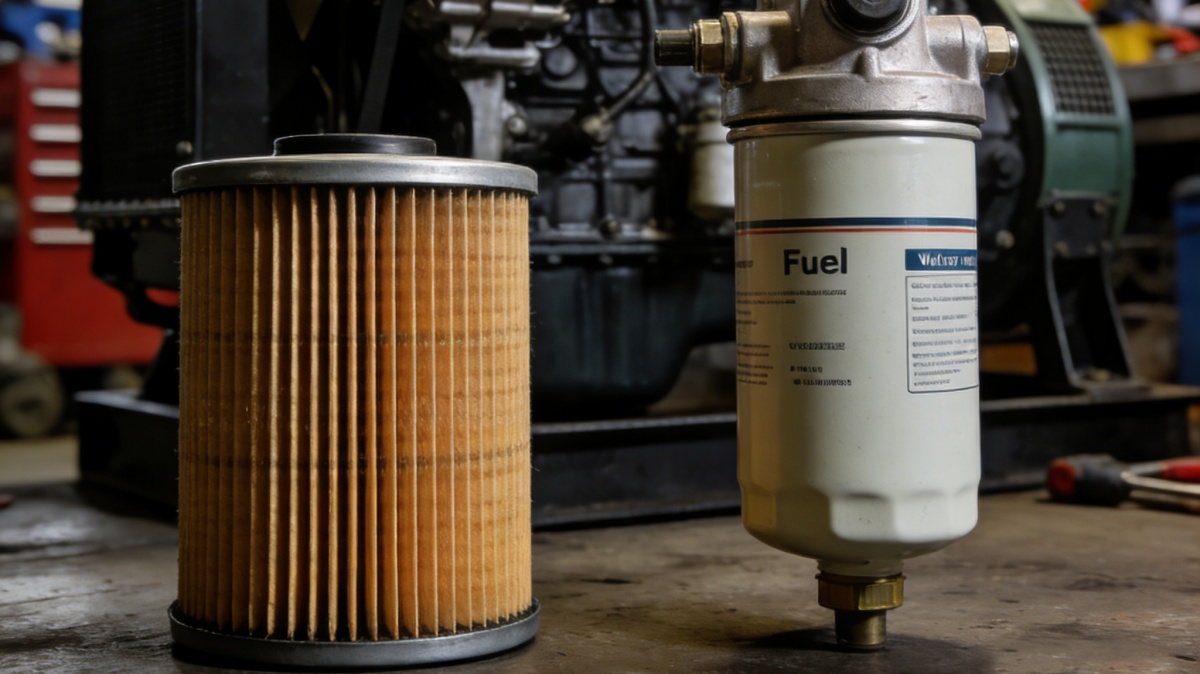
What Is a Fuel Filter?
Definition and Role
A primary fuel filter is a critical component in industrial generator engines. Its main job is to protect the engine by removing contaminants from diesel fuel before the fuel reaches sensitive engine parts. The primary fuel filter acts as the first line of defense, ensuring that only clean fuel enters the injection system. This process helps maintain stable combustion and reliable engine performance. Most generator manufacturers specify that the primary fuel filter must eliminate both water and solid contaminants to prevent damage and ensure smooth operation.
The primary fuel filter's main functions include:
- Eliminating water and contaminants from diesel fuel before it reaches the injection system.
- Maintaining stable combustion for reliable engine performance.
- Preventing moisture-related issues and protecting injection components from wear.
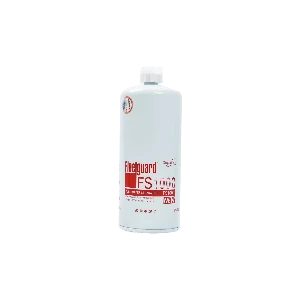
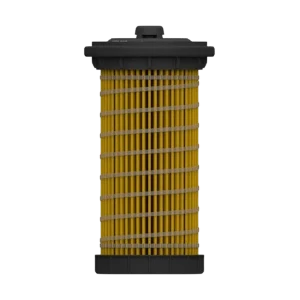
For instance, the Fleetguard fuel filter FS1280 is commonly used in diesel generator fuel systems to remove harmful particles such as dust, rust, and debris before the fuel reaches the injection system. High-efficiency filtration provided by the Fleetguard FS1280 helps maintain clean fuel delivery, supports stable combustion, and reduces the risk of injector clogging in generator engines. Megawatts Parts supplies this model as part of its range of reliable filtration components designed for industrial generator maintenance and replacement needs.
XPJA001A106-MW
Particulate Removal Process
The primary fuel filter targets a range of particulates that can harm generator engines. These filters are designed to trap both solid and non-solid fractions commonly found in diesel fuel. The table below shows the types of particulates most often removed by a primary fuel filter:
|
Type of Particulate |
Description |
|
Solid Particulate Matter |
Includes elemental carbon (soot) and black smoke emissions. |
|
Non-Solid Fractions |
Includes organic fractions and sulfates, which are less effectively controlled by DPFs. |
When particulates pass through the primary fuel filter, they are captured and prevented from reaching the injectors. This process reduces the risk of clogging and wear, which can lead to costly repairs.
Importance in Diesel Fuel Filtration
The importance of the primary fuel filter in diesel fuel filtration cannot be overstated. If particulate contamination is not controlled, several problems can occur:
|
Effect of Particulate Contamination |
Description |
|
Clogging of Injectors |
Contaminated fuel clogs the injectors, leading to reduced fuel flow. |
|
Deterioration of Injector Valves |
The injector valves begin to wear down due to the contaminated fuel. |
|
Decreased Fuel Pressure and Volume |
As injectors clog, fuel pressure and volume decrease, affecting engine performance. |
|
Increased Fuel Load by ECU |
The Engine Control Unit compensates for reduced flow by increasing fuel load. |
|
Reduced Fuel Atomization |
Poor atomization leads to inefficient combustion. |
|
Soot Accumulation in Cylinder |
Inefficient combustion results in soot buildup, affecting engine health. |
|
Increased Exhaust Emissions |
More soot leads to higher emissions, indicating poor engine performance. |
|
Power Loss |
Partial injection failure results in a loss of power. |
|
Increased Fuel Consumption |
The engine works harder, leading to higher fuel usage. |
|
Signs of Engine Distress |
Visible and audible signs indicate engine problems. |
|
Full Injection Failure |
Eventually, injectors may fail completely, leading to engine shutdown. |
Tip from experienced engineers: Always check the primary fuel filter at regular intervals. Ignoring this step can lead to sudden engine shutdowns, especially during peak demand. Many technical consultants recommend keeping spare filters on hand to avoid unexpected downtime.
Regular inspection and timely replacement of filtration components are essential for maintaining stable generator performance. Using high-quality diesel fuel filters designed for industrial generator engines helps prevent particulate contamination from reaching injectors and fuel pumps. Reliable filtration solutions not only improve combustion efficiency but also reduce the risk of unexpected downtime. At Megawatts Parts, a wide range of diesel fuel filters is available to support consistent fuel cleanliness and long-term generator reliability.
What Is a Fuel Water Separator?
Definition and Function
A fuel water separator is a small filtering device designed to remove water from fuel before it reaches the sensitive parts of a generator engine. This device ensures that only clean fuel enters the engine, which is essential for reliable operation. In industrial generator systems, the fuel water separator plays a vital role in protecting the engine from water, sediment, and other contaminants. Many generator manufacturers recommend installing a generator fuel separator to maintain performance and extend the life of the equipment.
For example, the Yanmar fuel water separator 129335-55701 is widely used in diesel generator fuel systems where reliable water removal is essential for stable engine operation. By separating water and impurities from diesel fuel before it reaches sensitive components, the fuel water separator 129335-55701 helps protect injectors and fuel pumps from corrosion, microbial growth, and premature wear. At Megawatts Parts, this model is available as part of our generator filtration solutions designed to support dependable fuel quality in demanding industrial environments.
XYMA001A008
Diesel fuel water separators are also common in marine applications, where water contamination is a frequent risk. Marine fuel water separators help prevent engine problems caused by water in the fuel, especially in harsh environments.
Water Separation Mechanism
The fuel water separator works by using the difference in specific gravity between diesel fuel and water. Diesel fuel is lighter than water, so water droplets tend to settle at the bottom of a container. However, in a running generator, fuel moves quickly, and water droplets remain suspended. The water removing filter uses a coalescing media to capture these fine water droplets. As the droplets pass through the separator, they merge into larger drops. Gravity then pulls these larger drops to the bottom of the separator, where they can be drained away. This process ensures that water does not reach the injection system. Diesel fuel water separators and marine fuel water separators both use this principle to keep engines safe from water damage.
Why Water Removal Matters
Water in diesel fuel can cause serious problems for generator engines rely on effective filtration. Some of the main risks include:
- Corrosion of metal part such as injectors, tanks, and fuel lines.
- Reduced cetane number, which leads to poor combustion and hard starting.
- Microbial growth, since water creates a breeding ground for bacteria and fungi.
- Fuel injector failure, as water can cause rust or cavitation in precision parts.
Tip: Experienced engineers recommend checking the fuel water separator regularly and draining any collected water. Ignoring this step can lead to unexpected engine shutdowns and costly repairs.
Because water contamination can lead to corrosion, microbial growth, and fuel system damage, removing moisture from diesel fuel is a critical part of generator maintenance. Installing reliable fuel water separators ensures that water is removed before the fuel reaches sensitive engine components. Proper separation technology helps maintain fuel quality, protect injectors, and extend the lifespan of generator engines operating in demanding industrial environments. Megawatts Parts provides a range of fuel water separators designed to support dependable fuel system protection.
Fuel Filter vs Fuel Water Separator: Key Differences
Function and Operation
The fuel filter vs fuel water separator debate centers on their unique roles in generator engines. A fuel filter focuses on removing solid particles and impurities from diesel fuel. It traps contaminants like dust, rust, and debris before they reach sensitive engine parts. In contrast, a fuel water separator targets water contamination. It uses coalescing technology to gather tiny water droplets, allowing them to settle and be drained away. This process prevents water from entering the injection system, where it could cause corrosion or microbial growth.
The table below highlights the main operational differences:
|
Component |
Function |
Mechanism |
|
Fuel Water Separator |
Removes water from diesel fuel |
Uses coalescing media to aggregate water droplets for effective separation |
|
Fuel Filter |
Filters out particulates and contaminants |
Traps solid particles and impurities in the fuel |
Modern generator engines often use advanced systems that combine both functions. Some units feature multi-stage filtration, where a primary filter removes larger debris, a secondary fuel filter captures finer particles, and a built-in separator eliminates water. This approach improves fuel reliability and engine protection.
Tip: Experienced engineers recommend checking both the fuel filter and the fuel water separator during preventive maintenance. Overlooking either can lead to unexpected engine shutdowns, especially in harsh industrial environments.
Placement in Generator Systems
Placement of the fuel filter vs fuel water separator is critical for optimal performance. Typically, the fuel water separator sits upstream in the fuel line, closest to the fuel tank. Its job is to remove water and large contaminants before the fuel reaches the engine. The primary fuel filter follows, capturing smaller particles. The secondary fuel filter, if present, sits just before the fuel injectors and provides the final layer of protection.
A typical industrial generator setup may look like this:
- Fuel tank
- Fuel water separator (removes water and large debris)
- Primary fuel filter (removes medium-sized particles)
- Secondary fuel filter (removes fine particles)
- Fuel pump and injectors
Some modern diesel engines use integrated filter-separator units. These systems save space and simplify maintenance, but understanding the individual roles remains important for troubleshooting and replacement.
Note: Always ensure that replacement filters and separators match the generator’s flow rate and pressure requirements. Using incompatible parts can reduce filtration efficiency and risk engine damage.
Types of Contaminants Addressed
The fuel filter vs fuel water separator comparison becomes clear when looking at the types of contaminants each addresses:
- Fuel filters primarily target solid particulates. These include dust, rust, metal shavings, and other debris that can clog injectors or cause wear.
- Fuel water separators specifically remove water contamination. Water can enter fuel tanks through condensation, poor storage, or during refueling.
A secondary fuel filter provides an extra layer of defense against the smallest particles. This is especially important in environments with high dust or where fuel quality is inconsistent.
Recent advancements in generator filtration technology have improved contaminant removal. Multi-stage fuel filtration systems, such as those using coalescing technology, now achieve higher cleanliness standards. Some separators feature automated water detection and self-cleaning capabilities, reducing manual maintenance and improving reliability.
Callout: In regions with unreliable grid infrastructure, power generation facilities increasingly rely on advanced fuel water separators to maintain consistent fuel quality and prevent costly downtime.
The fuel filter vs fuel water separator distinction is essential for anyone responsible for generator maintenance. Both components play a vital role in protecting engines from different threats. Neglecting either can result in injector failure, corrosion, or even total engine shutdown.
Importance for Industrial Generator Engines
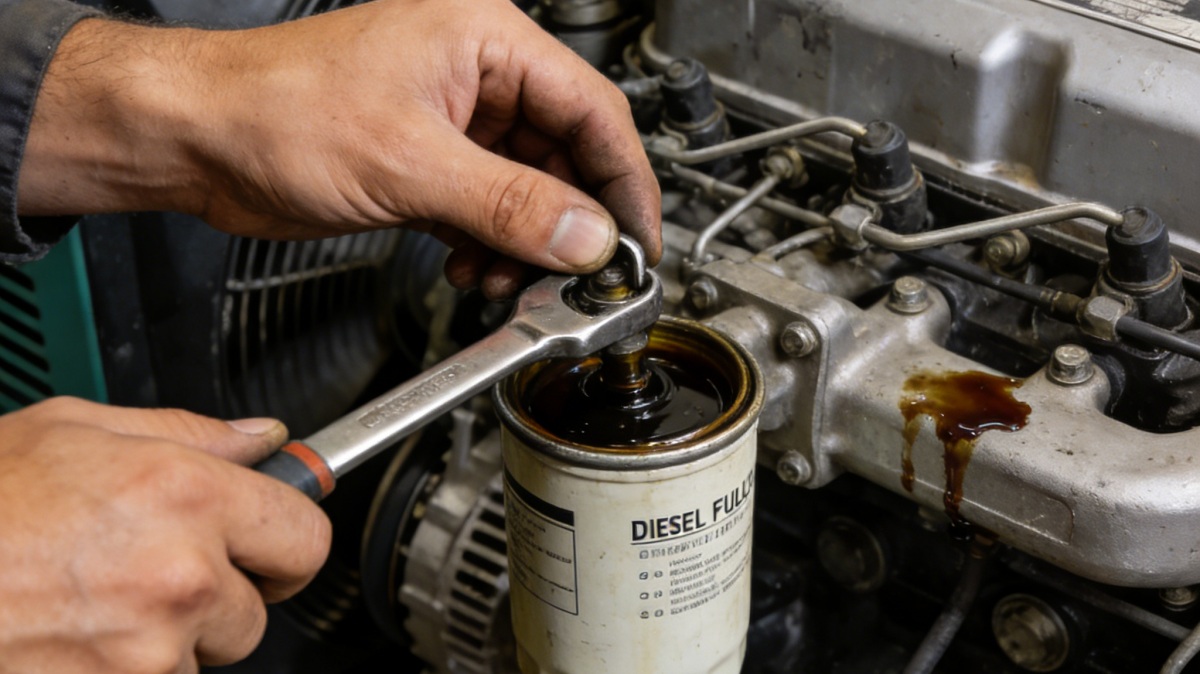
Risks of Inadequate Filtration
Industrial generator engines rely on effective diesel fuel filtration to maintain clean fuel throughout the fuel system. When filtration is inadequate, several risks can threaten both the environment and the engine itself. Poor diesel fuel filtration allows water and particulates to enter the engine, leading to corrosion, injector clogging, and increased emissions. These issues can cause unexpected shutdowns and expensive repairs.
The table below summarizes the environmental and operational impacts of improper filtration and water separation:
|
Environmental Impact |
Description |
|
Increased Emissions |
Poor diesel fuel filtration leads to higher emissions, contributing to air pollution. |
|
Soil and Water Contamination |
Water and contaminants can leak into soil and water sources, harming the environment. |
|
Damage to Fuel System Components |
Corrosion and wear from water and particulates can damage the fuel system, causing further issues. |
Engine Protection and Longevity
Both fuel filters and fuel water separators are essential for protecting diesel generator engines and extending their lifespan. Clean fuel ensures that injectors, pumps, and other components operate efficiently. Consistent diesel fuel filtration removes particulates, while water separators prevent rust and microbial growth.
The following table highlights how these components contribute to engine longevity:
|
Description |
Impact on Engine Longevity |
|
A water separator removes water and contaminants from fuel before reaching the engine. |
Prevents damage and improves efficiency. |
|
Water in the fuel system can cause corrosion and rusting of engine components. |
Ensures smooth and efficient engine operation. |
|
Diesel engines with water-contaminated fuel face accelerated wear and tear. |
Extends the life of the engine and its components. |
|
Regular use of a water separator reduces costly repairs and downtime. |
Essential for maintaining performance and reliability. |
Harsh industrial conditions, such as extreme temperatures and high contaminant loads, can quickly saturate filters and degrade materials. Regular inspection and timely replacement are critical. Technical consultants recommend sourcing high-quality filters and separators designed for industrial generator applications.
For reliable diesel fuel filtration solutions, Megawatts Parts offers a comprehensive range of fuel filters and fuel water separators tailored for industrial generator engines. Their products help maintain clean fuel and protect your equipment in demanding environments.
Maintenance and Replacement
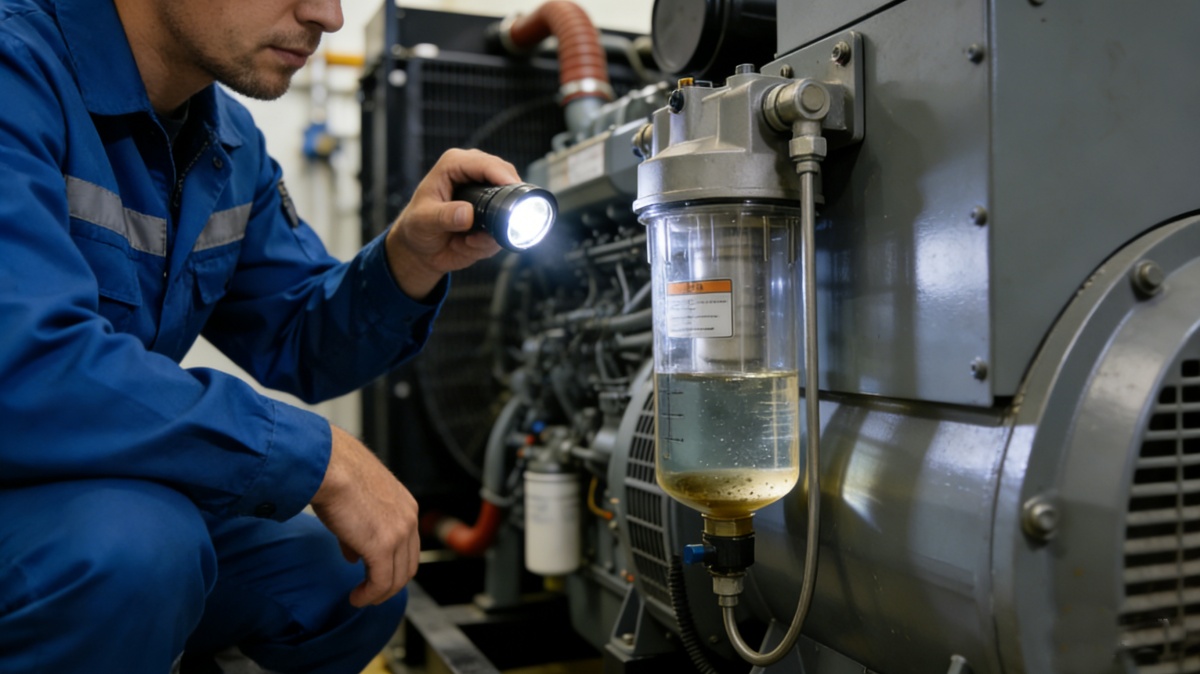
Fuel Filter Care
Proper care of the fuel filter is essential for any industrial generator’s fuel filtration system. Routine inspection and timely replacement help prevent engine damage and costly downtime. Industry standards recommend inspecting filters every 25-50 hours in dusty or humid environments, which is about half the standard interval. At high load capacities, check filters every 50 hours. Always shut down and cool the generator before maintenance. Relieve fuel pressure, use a drain pan for residual fuel, and replace the filter with a manufacturer-approved unit. Cleaning is not recommended—replacement ensures the highest filtration efficiency.
|
Maintenance Aspect |
Recommendation |
|
Replacement Interval |
Inspect every 25-50 hours in harsh conditions |
|
Load Capacity |
Inspect every 50 hours at high loads |
|
Filtration Standards |
Use filters with 2-10 micron precision and water separation |
Tip: Never ignore a clogged filter. It can lead to injector failure and increased emissions.
Fuel Water Separator Maintenance
Fuel water separators require regular draining and sensor checks. Draining removes free and emulsified water, which prevents rust, microbial growth, and corrosion. Inspect the separator frequently and clean or replace the element as needed. For continuous power needs, consider a duplex assembly, which allows maintenance without shutting down the generator. Always ensure the separator matches the generator’s flow rate and fuel type for optimal filtration.
- Install the separator between the tank and engine.
- Regularly inspect and drain water.
- Use compatible units for your generator’s fuel system.
Signs of Failure
Early detection of filtration issues can save the engine. Common signs include black or neutral-colored slime, a sour odor, or cloudy water in the separator bowl. Leopard-spotting on the filter element and visible clumps also indicate problems. If the generator shows reduced power, increased temperature, or erratic operation, check the filtration components immediately.
Service Intervals and Best Practices
Service intervals depend on generator type and environment:
|
Generator Type |
Service Interval |
|
Portable Gasoline Units |
Every 100 hours or annually |
|
Standby Diesel Systems |
Every 200-250 hours or semi-annual |
|
Dusty/Humid Environments |
50% shorter intervals |
Best practices include regular draining, sensor checks, and using filters compatible with the generator’s fuel pump flow rate. Preventive maintenance costs less than major repairs and avoids unplanned shutdowns.
Note: Consistent filtration maintenance ensures reliable operation and extends engine life.
Fuel filters and fuel water separators serve distinct but equally vital roles in industrial generator engines. Fuel filters remove solid impurities, while water separators prevent water-related damage. Both are essential for engine health and reliability.
Regular maintenance reduces risks like clogged filters, microbial growth, and costly downtime. Experienced engineers recommend annual filter replacement and frequent inspections, especially in harsh environments.
For compatible parts and expert support, Megawatts Parts offers solutions that help maintain clean fuel and protect your generator investment.
Previous And Next
-
Previous Post:
 BLOG
BLOG Megawatts BlogIntroducing the components of a diesel engineIntroducing the components of a diesel engine A diesel generator set is a type of internal combustion generator set and is currently one of the most widely used power generation devices in the world....
 -
Next Post:
 BLOG
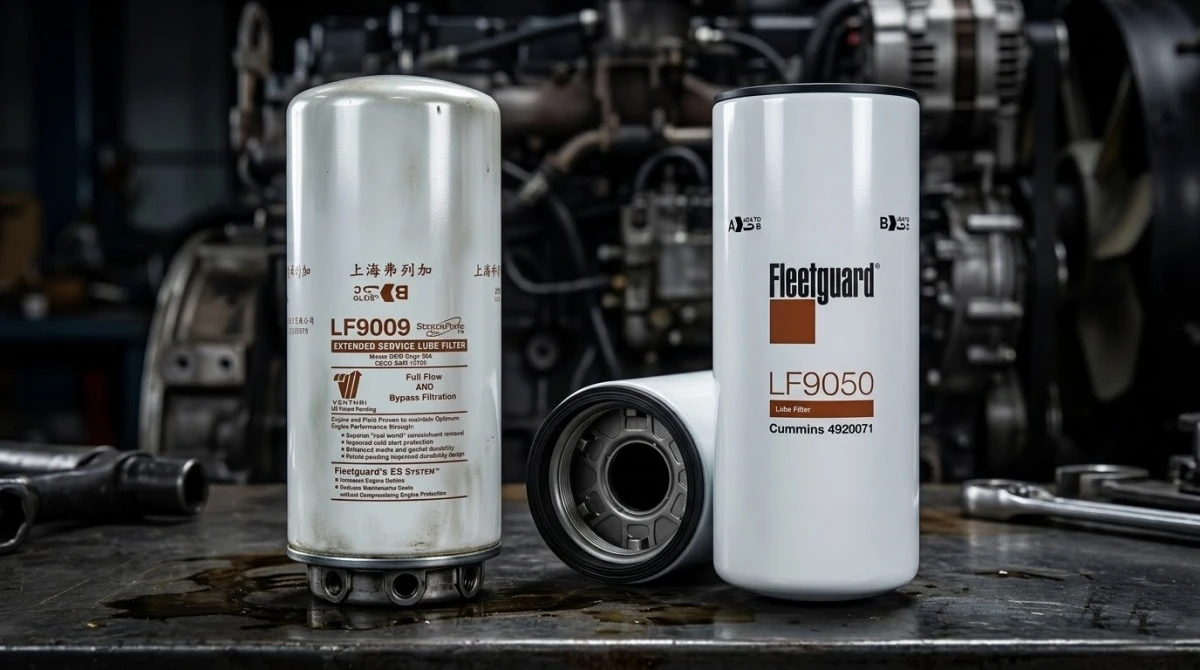
Megawatts BlogLF9009 vs. LF9050: Choosing the Righ Oil Lube Filter for Your Cummins EngineKey Features of LF9009 and LF9050 Explore the differences between LF9009 and LF9050 filters. Features Fleetguard LF9009 Oil Filter Fleetguard LF9050 Oil F...
BLOG
Megawatts BlogLF9009 vs. LF9050: Choosing the Righ Oil Lube Filter for Your Cummins EngineKey Features of LF9009 and LF9050 Explore the differences between LF9009 and LF9050 filters. Features Fleetguard LF9009 Oil Filter Fleetguard LF9050 Oil F...
Read More
-
 BLOG
Megawatts BlogStrategic Sourcing: How to Build a Standardized Generator Sets Parts Catalog for Mixed FleetsManaging a mixed fleet of Cummins, Perkins, and Caterpillar generators often creates a hidden financial drain through inventory duplication and fragmented procurement. When different brands use differ...
BLOG
Megawatts BlogStrategic Sourcing: How to Build a Standardized Generator Sets Parts Catalog for Mixed FleetsManaging a mixed fleet of Cummins, Perkins, and Caterpillar generators often creates a hidden financial drain through inventory duplication and fragmented procurement. When different brands use differ... -
 BLOG
Megawatts BlogDiesel Generator Won't Crank: A Step-by-Step Electrical Diagnostic Checklist for MechanicsWhen a diesel generator won't crank, check the electrical system first. Do not chase fuel or mechanical theories yet. Low battery voltage and corroded connections cause most no-start condition calls....
BLOG
Megawatts BlogDiesel Generator Won't Crank: A Step-by-Step Electrical Diagnostic Checklist for MechanicsWhen a diesel generator won't crank, check the electrical system first. Do not chase fuel or mechanical theories yet. Low battery voltage and corroded connections cause most no-start condition calls.... -
 BLOG
Megawatts BlogMagnetic Coil Degradation: Why Your Diesel Engine Stop Solenoid Fails Under Extreme HeatExtreme heat is the primary enemy of a diesel engine stop solenoid. The heat breaks down the electrical insulation inside the magnetic coil. This degradation raises resistance and creates short circui...
BLOG
Megawatts BlogMagnetic Coil Degradation: Why Your Diesel Engine Stop Solenoid Fails Under Extreme HeatExtreme heat is the primary enemy of a diesel engine stop solenoid. The heat breaks down the electrical insulation inside the magnetic coil. This degradation raises resistance and creates short circui... -
 BLOG
Megawatts BlogThe Hidden Cost of Expired Inventory: Shelf Life and Proper Storage of Rubber Gasket Seal KitsA gasket seal kit sits untouched for five years. You paid for it. Now you pay to dispose of it. When a failure occurs, you pay a premium for emergency replacement. These hidden costs accumulate silent...
BLOG
Megawatts BlogThe Hidden Cost of Expired Inventory: Shelf Life and Proper Storage of Rubber Gasket Seal KitsA gasket seal kit sits untouched for five years. You paid for it. Now you pay to dispose of it. When a failure occurs, you pay a premium for emergency replacement. These hidden costs accumulate silent...
Subscribe to enjoy 10% off
Stay informed about new products and sales

-
INFORMATION
Contact Us
-
CHINA SALES OFFICE: No. 2-11, No. 8, Gaotai Road, Gaishan Investment Zone, Cangshan District, Fuzhou, Fujian
-
SAUDI ARABIA FACTORY: 7264 Shakra, Al Faisaliyyah, REFB3035, 3035, Riyadh 12883
-
COLOMBIA SALES OFFICE: 92-32 26th Street, 03-118, Bogota
-
NIGERIA FACTORY: Plot 5 Chivita Avenue Ajao Estate Isolo Lagos
-
Email:sales@megawattsparts.com
Follow Us


Copyright © 2025 Megawatts All Rights Reserved.



Select Previous Button or Search Directly on Search Bar!
Shop All
 English
Currency: <{ pagedata.current_currency }>(<{ pagedata.current_currency_code }>)
Are you in the right place?

You agree to MegaWatts.com's Terms of Use and Privacy Policy by subscribing. You may receive emails with useful tips, promotions, and offerings.
No, thanks. I'd rather pay full price.