

































Fuel Injection Pump Timing: Symptoms of Retarded vs. Advanced Timing in Mechanical Diesels
by Megawatts - Updated At 2026-11-12
Advanced fuel injection pump timing makes a diesel engine loud. Expect a hard metallic knock, a rough idle, white smoke, and overheating. Retarded fuel injection pump timing makes the same engine hot, smoky, and lazy. Hard starting, black smoke, power loss, high exhaust gas temperatures, and poor fuel economy are the usual clues. A simple rule separates the two: noise versus heat. An engine that runs unusually quiet may be slightly retarded. These fuel injection pump timing symptoms apply to mechanical fuel injection pump systems on engines such as certain Perkins and Cummins models. Read the diesel injection pump timing symptoms below and match them to your engine before adjusting anything.
What Fuel Injection Pump Timing Controls
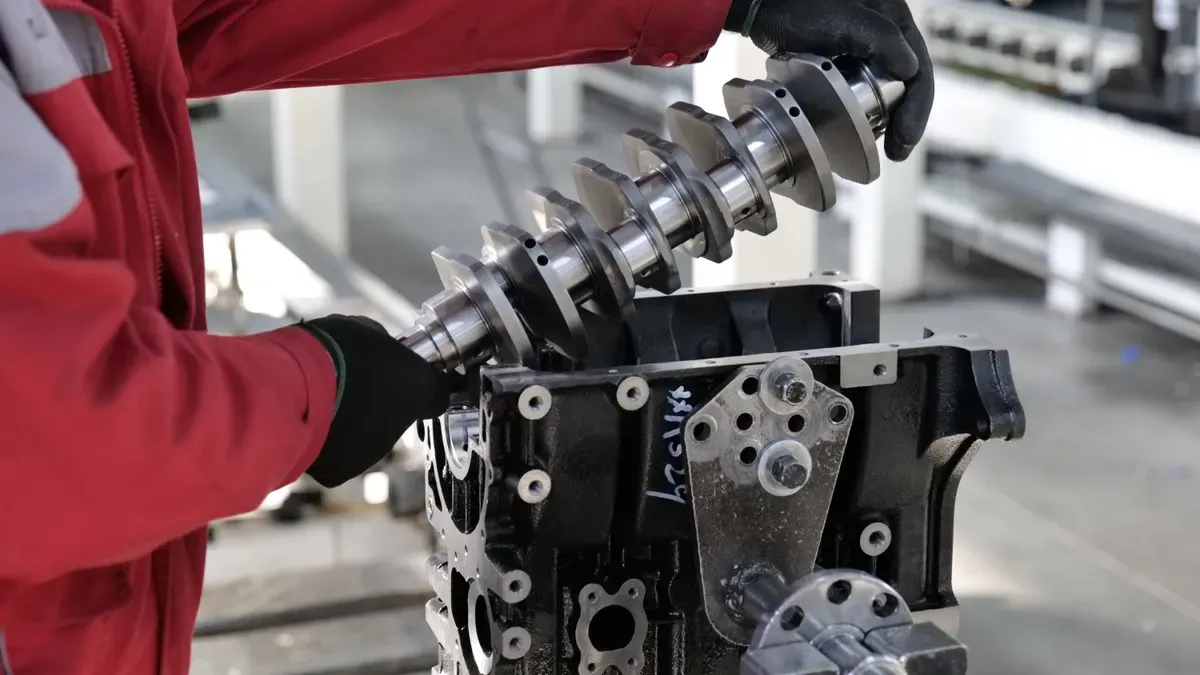
Timing controls when fuel enters the combustion chamber. On a mechanical diesel, the fuel injection pump pressurizes fuel and sends it to each fuel injector at a precise moment in the piston's travel. That moment is the whole game. Set it early, and combustion begins before the piston reaches the top. Set it late, and combustion chases a piston that is already moving down. Everything else in this article flows from that single relationship.
Fuel Delivery and Piston Position
Top dead center, or TDC, is the highest point the piston reaches in the cylinder. The fuel injection pump must deliver fuel shortly before TDC so the fuel can mix with hot compressed air and ignite at the right instant. The injection pump does not fire at TDC itself. It fires ahead of TDC, and the gap between injection and TDC is the injection timing value.
Advanced timing moves injection earlier in the stroke. Combustion starts sooner, closer to TDC, while cylinder pressure is still building. Retarded timing moves injection later. Combustion starts after TDC, and peak cylinder pressure drops because the piston is already traveling downward. A diesel with an injection pump out of time will show one of these two patterns, never both at once.
Why a Few Degrees Matter
Degrees of advance describe crankshaft rotation. One degree is a tiny slice of one revolution, yet a few degrees of error change combustion significantly. The piston moves fast near TDC, so a small shift in injection timing moves ignition to a very different point in the stroke.
This is why diesel engine timing adjustment demands precision. Correct injection timing places peak pressure just after TDC, where the connecting rod and crankshaft convert force into torque most effectively. Retarding timing from that point lowers pressure and wastes heat into the exhaust. Advancing timing raises pressure too early and loads the piston and rod bearings. Spill timing and pump-to-engine timing checks exist precisely because a few degrees decide whether the engine runs clean or runs into trouble. Timing diagnosis starts with understanding this narrow window.
Symptoms of Advanced Timing
An engine with advanced timing announces itself before any gauge does. It is louder than normal, it vibrates more, and it sounds sharper at every speed. These symptoms of advanced timing follow directly from combustion that begins too early in the piston stroke. On classic heavy-duty mechanical diesel platforms, the pattern is consistent and easy to recognize once you know what to listen for.
Hard Knock and Rough Idle
The signature complaint is a hard metallic knock under load. Fuel arrives too early, so cylinder pressure spikes while the piston is still rising toward top dead center. That spike hits the piston crown like a hammer blow, and the result is a sharp, ringing sound that grows louder as load increases. A healthy mechanical diesel has a steady combustion rattle. Over-advanced timing turns that rattle into a distinct metallic crack.
The idle tells the same story. Combustion that starts too soon fights the piston on its upward travel, and the engine rocks unevenly at low speed. Rough idle, shaking, and a nervous exhaust note often appear together. Left uncorrected, over-advanced timing can crack or fracture a piston crown, because repeated early pressure peaks concentrate stress on the piston top. This is the most serious outcome in the whole timing diagnosis picture, and it develops quietly over time.
White Smoke, Overheating, and Higher NOx
Advanced timing also changes what leaves the tailpipe and how hot the engine runs. Early combustion raises peak cylinder temperature, and that heat drives nitrogen oxide formation upward. Higher NOx emissions are a well-known consequence of timing too advanced for the engine's design. White smoke may appear at cold start or light load, since early injection sprays fuel into air that has not compressed fully. Visible smoke can increase across the operating range as the condition worsens.
Overheating is another marker. Heat that should become torque instead loads the piston, the head, and the cooling system. Coolant temperature climbs under load, and the engine feels strained rather than strong.
Not every advance is harmful. Mild advance can raise power and efficiency, and many engines run best with a few degrees ahead of the baseline setting. Correct injection timing places peak pressure just after top dead center, where it produces torque without punishing the piston. The goal is the manufacturer's specification, not the earliest possible setting. A fuel injection pump set slightly ahead of stock may run well; a pump set far ahead will knock, smoke, and overheat. The distinction matters during any diesel engine timing adjustment, and it is why the pump should be set to spec rather than tuned by ear.
Symptoms of Retarded Timing
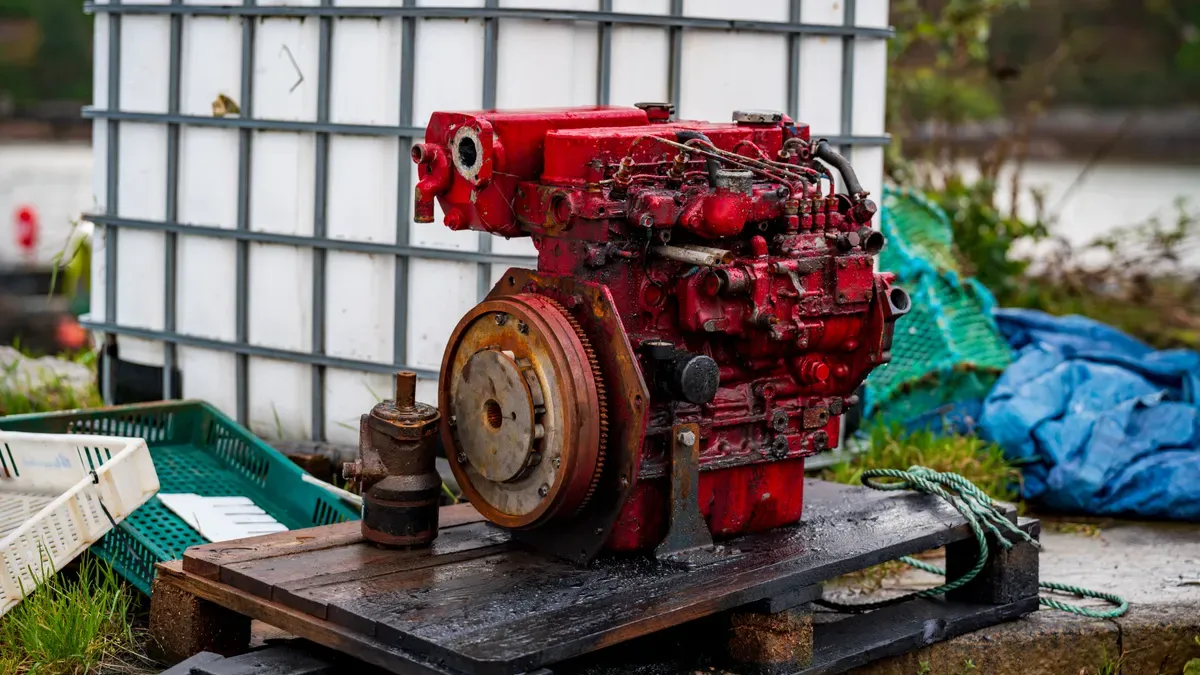
A retarded engine runs hot, smoky, and lazy. Exhaust gas temperatures climb, the tailpipe smokes, and power fades under load. These symptoms of retarded timing form a consistent pattern on mechanical diesels, and each one traces back to combustion that begins after top dead center. Many legacy commercial engines show this pattern clearly once the pump drifts late.
Hard Starting, Black Smoke, and Low Power
Hard starting is often the first complaint. Late injection sends fuel into air that has already lost compression heat, so cold starts take longer cranking and may need extra throttle. Once running, the engine produces heavy black smoke under load. Unburned fuel leaves the cylinder as soot because combustion finishes too late to burn it fully. The same condition causes missing under load, where one cylinder fails to fire cleanly and the engine stutters. Power loss follows directly. Peak cylinder pressure drops, torque falls, and the machine feels lazy on grades or under heavy demand. Fuel economy worsens as well, since more fuel goes out the stack instead of making power. Heavy black smoke under load and poor fuel economy usually appear together on a retarded diesel.
High EGTs, Poor Fuel Economy, and a Too-Quiet Engine
Exhaust gas temperature is the most telling gauge reading. Late combustion dumps heat into the exhaust stream instead of converting it to torque, so EGTs run abnormally high. Sustained high EGTs can damage turbochargers and exhaust valves over time. Fuel economy suffers for the same reason: energy that should push the piston leaves as heat.
The quiet tell deserves attention. A retarded engine often idles smoothly and runs quieter than a correctly timed one. Owners sometimes mistake this smoothness for health. In timing diagnosis, an engine that sounds too soft and lacks crisp response is a candidate for retarding timing error. The correct injection timing setting restores the normal combustion rattle and sharp throttle response.
|
Symptom |
Advanced Timing |
Retarded Timing |
|
Noise |
Hard metallic knock, rough idle |
Smooth, sometimes too quiet |
|
Smoke |
White smoke, increased smoke |
Black smoke, heavy under load |
|
Starting |
Usually normal |
Hard starting, long cranking |
|
Power |
Strong but harsh |
Low power, lazy response |
|
Exhaust temperature |
High from early pressure spikes |
High from late combustion heat |
|
Fuel economy |
Can improve slightly at mild advance |
Poor |
This table gives a fast reference during any diesel engine timing adjustment. Match the dominant symptom to the correct column before touching the fuel injection pump.
Related Diagnostic: If your mechanical timing is perfectly set to spec but you still suffer from dangerous exhaust temperatures, the issue might be an intake density loss. Read our guide on how hidden charge air cooler leaks can also cause high EGTs to complete your troubleshooting.
Diesel Injection Pump Timing Symptoms: A Quick Comparison
Noise Versus Heat
The fastest diagnostic rule for diesel injection pump timing symptoms is simple: advanced timing gets loud, retarded timing gets hot, smoky, and lazy. An engine with advanced timing produces a hard metallic knock and a rough idle. An engine with retarded timing runs quietly but smokes heavily and loses power. This single distinction guides most timing diagnosis on mechanical diesels.
Listen first, then read the gauges. Noise points to advanced timing. Heat, smoke, and sluggish response point to retarded timing. A technician can confirm the direction with a timing light or spill timing check before any diesel engine timing adjustment begins.
Overlapping Symptoms to Watch
Some symptoms appear in both conditions, so they cannot stand alone as evidence. White smoke and black smoke both indicate a timing problem, but white smoke leans toward advanced timing and black smoke leans toward retarded timing. Hard starting is usually a retarded timing symptom, yet an over-advanced engine can also struggle when cold.
Exhaust gas temperature and power output separate the two patterns. Advanced timing raises EGTs through early pressure spikes. Retarded timing raises EGTs through late combustion heat. Power feels harsh with advanced timing and weak with retarded timing. These diesel injection pump timing symptoms overlap on smoke and starting, so always weigh noise, EGTs, and power together. The injection pump timing symptoms table above remains the best quick reference for this comparison.
Injection Pump Timing: Causes, Consequences, and Fixes
Wear, Installation Errors, and Sensor Failures
Timing drifts on mechanical pumps for three common reasons. Wear in gears, couplings, and linkages lets the pump rotate slightly off its set position over many hours of service. Incorrect installation after a rebuild leaves the pump out of time from the first start. A skipped tooth on the timing gear train shifts pump-to-engine timing by a large, sudden amount. Any of these faults produces an injection pump out of time, and the resulting symptoms match the advanced or retarded patterns described above.
Common rail systems lose timing differently. A failed crankshaft or camshaft position sensor can upset injection timing even when the pump itself is sound. Readers with newer engines should check sensors before condemning hardware.
Piston Damage, Turbo Failure, and Shop Correction
The consequences depend on direction. Over-advanced timing hammers piston crowns with early pressure peaks and can crack them. Retarding timing sends heat down the exhaust, and sustained high EGTs damage turbochargers and valves. Many mechanical pump assemblies are prone to drift as they age, so owners of these engines should watch for symptoms early.
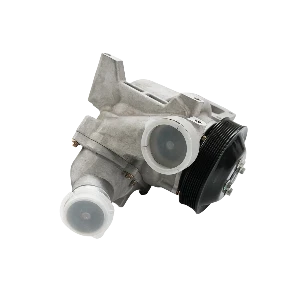
Proper timing diagnosis uses a timing light, spill timing checks, or a dial indicator on the pump plunger. Spill timing adjustment and diesel engine timing adjustment are shop tasks, and costs vary by engine and access. When internal component wear causes irreversible timing drift, rebuilding is not always the safest or most cost-effective route. Megawatts Parts supplies premium direct-fit replacement fuel injection pumps and timing gear components to ensure your engine returns to exact factory timing specs.
Knock, white smoke, and overheating point to advanced timing. Hard starting, black smoke, high EGTs, and lost power point to retarded timing. Apply the noise-versus-heat rule first, then confirm with a shop before damage spreads. Early correction protects pistons from pressure spikes and turbochargers from excess heat.
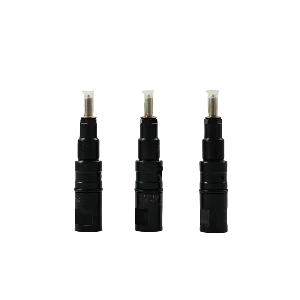
A technician with a timing light, spill timing tools, or a dial indicator can verify and reset injection pump timing to specification. When wear is the cause, quality replacement fuel injection pump units, fuel injectors, and timing gear components restore correct diesel injection pump timing symptoms to a healthy baseline. Treat any injection pump timing symptoms as urgent, and the engine will reward you with clean starts, steady power, and normal temperatures.
FAQ
How do I tell advanced timing from retarded timing quickly?
Listen first, then read the gauges. Advanced timing produces a hard metallic knock and a rough idle. Retarded timing runs quiet but hot, smoky, and lazy. This noise-versus-heat rule settles most timing questions before any tool comes out.
Can a diesel run well with timing slightly off specification?
A mild advance can raise power and efficiency, so a small offset may feel fine. Correct injection pump timing still matters. The manufacturer's setting places peak pressure just after top dead center. A pump tuned by ear drifts away from that target over time.
Which symptoms overlap between the two conditions?
Smoke and hard starting appear in both patterns. White smoke leans toward advanced timing. Black smoke leans toward retarded timing. Exhaust gas temperature and power output separate the two. Harsh power points to early combustion. Weak power points to late combustion. Weigh noise, heat, and response together.
What happens if I ignore these symptoms?
Advanced timing hammers piston crowns with early pressure peaks and can crack them. Retarded timing sends heat down the exhaust and damages turbochargers and valves. Both outcomes cost far more than a timing check. Treat any diesel timing warning as urgent.
Who can verify and reset pump timing?
A qualified diesel technician equipped with a timing light, spill timing tools, or a dial indicator should perform the verification and reset. If their diagnostic reveals a worn pump that cannot hold its setting, Megawatts Parts provides the necessary replacement fuel injection pumps and timing gear components to complete the repair reliably.
Read More
-
 BLOG
 Megawatts BlogBeyond Purchase Price: 4 Essential KPIs to Track Aftermarket Generator Parts PerformanceA low unit price on an aftermarket generator part looks like a win on the purchase order. The real bill arrives later. Leading reliability journals report that emergency parts cost 30% to 40% more t...
-
 BLOG
Megawatts BlogOil Filter Bypass Valves Explained: How Cold Starts Affect Lubrication in Diesel EnginesCold oil is thick. It resists flow, so the oil pump works harder and pressure climbs. That pressure spike can push the bypass valve open, and unfiltered oil then travels through the engine. Picture...
-
 BLOG
Megawatts BlogCharge Air Cooler Leaks: The Hidden Cause of High Exhaust Gas TemperaturesThe fuel filters are fresh, the injectors are clean, and the turbo checks out healthy. Yet exhaust gas temperature keeps climbing. Many technicians chase fuel delivery first, and that instinct often...
-
 BLOG
Megawatts BlogOil Pump Cavitation and Aeration in High-Hour Diesel Engines: Symptoms and SolutionsOil pump cavitation and aeration look alike on a gauge, yet they start differently. Cavitation means vapor bubbles form and collapse inside the pump. Oil aeration means air enters the oil stream and t...
Subscribe to enjoy 10% off
Stay informed about new products and sales

-
INFORMATION
Contact Us
-
CHINA SALES OFFICE: No. 2-11, No. 8, Gaotai Road, Gaishan Investment Zone, Cangshan District, Fuzhou, Fujian
-
SAUDI ARABIA FACTORY: 7264 Shakra, Al Faisaliyyah, REFB3035, 3035, Riyadh 12883
-
COLOMBIA SALES OFFICE: 92-32 26th Street, 03-118, Bogota
-
NIGERIA FACTORY: Plot 5 Chivita Avenue Ajao Estate Isolo Lagos
-
Email:sales@megawattsparts.com
Follow Us


Copyright © 2025 Megawatts All Rights Reserved.



Select Previous Button or Search Directly on Search Bar!
Shop All
 English
Currency: <{ pagedata.current_currency }>(<{ pagedata.current_currency_code }>)
Are you in the right place?

You agree to MegaWatts.com's Terms of Use and Privacy Policy by subscribing. You may receive emails with useful tips, promotions, and offerings.
No, thanks. I'd rather pay full price.