







































Engine Oil Cooler Leaks: Why There is Oil in Your Generator's Coolant
by Megawatts - Updated At 2026-06-30
Oil in coolant is a warning sign that engineers cannot ignore. An engine oil cooler leak is the most frequent cause, but other failures can also lead to oil mixing with coolant. The "pulp orange" phenomenon, where milky oil appears in coolant, signals severe risks to engine health.
When a cracked head gasket exists, coolant can leak into the oil pan and mix with the oil, creating a milky, light brown, or even frothy substance. This contamination reduces the oil's lubrication properties and can severely damage the engine.
Immediate action is essential.This contamination reduces the oil's lubrication properties and can severely damage the engine. Immediate action is essential. Megawatts Parts offers reliable replacement engine oil coolers to restore generator performance and protect your equipment from catastrophic failure.
Oil and Coolant Interaction
How Systems Work Together
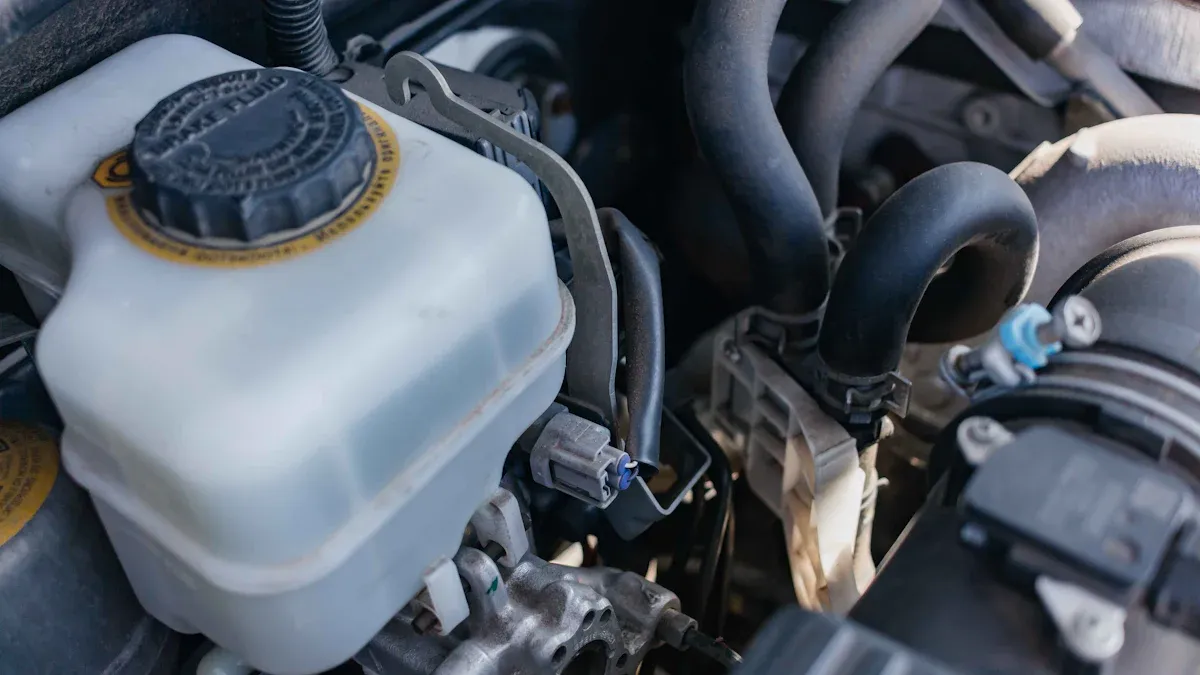
The diesel engine cooling system plays a critical role in maintaining optimal operating temperatures. Oil lubricates moving parts, reducing friction and wear. Coolant circulates through the engine, absorbing heat and preventing overheating. These two fluids operate in separate circuits, each designed for a specific purpose. In a well-maintained diesel engine, the cooling system issues rarely arise, and both oil and coolant remain isolated.
Experienced engineers emphasize the importance of regular maintenance to prevent coolant contamination. When oil and coolant mix, the chemical effectiveness of both engine fluids diminishes rapidly. This can lead to localized overheating, reduced boundary lubrication, and severe internal engine component damage. Diesel generator oil coolers are engineered to keep these fluids apart, but a failure in the oil cooler or other components can result in milky engine coolant—a clear sign of contamination.
Expert Tip: Always monitor fluid levels and appearance. Milky engine coolant or frothy oil signals a potential engine oil cooler leak and demands immediate attention.
Where Mixing Can Occur
Several points in a diesel engine cooling system can allow oil and coolant to mix. Common causes include:
- Broken or damaged head gasket: This allows coolant to seep into oil passages, leading to coolant contamination.
- Cracked engine block or cylinder head: Overheating or accidents can create pathways for mixing.
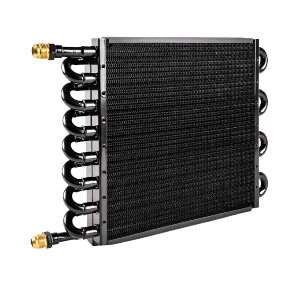
- Damaged oil cooler: A compromised diesel generator oil cooler is a frequent source of oil in coolant causes.
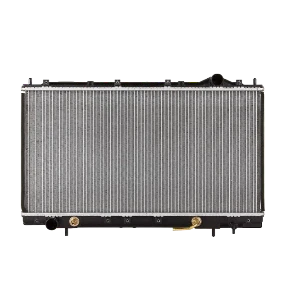
- Leaking generator radiator: Internal core cracks or tank seal faults here may also directly contribute to severe cooling system cross-contamination issues.
Symptoms of mixing include milky engine coolant, white smoke from the exhaust, and reduced lubrication efficiency. Ignoring these signs can result in major engine damage and increased oil cooler replacement cost. Engineers recommend prompt diagnosis and repair to avoid catastrophic failure.
Real-World Scenario: A generator with coolant contamination often suffers from overheating and severe internal wear. Immediate intervention prevents costly repairs and downtime.
Main Causes of Oil in Coolant
The appearance of milky oil in coolant, often referred to as the "pulp orange" phenomenon, signals a critical fault in generator engines. Engineers recognize this as a severe risk because it indicates that oil and coolant have mixed, compromising both lubrication and cooling. This contamination can lead to rapid internal wear, overheating, and eventual engine failure. Immediate diagnosis and intervention are essential to prevent costly repairs and extended downtime.
Engine Oil Cooler Leak
An engine oil cooler leak stands as the most frequent cause of oil entering coolant in generator systems. The engine oil cooler is designed to keep oil and coolant in separate circuits, ensuring optimal performance and protection. When the internal barrier of the engine oil cooler fails, coolant mixes with oil, resulting in milky or contaminated oil. This reduces lubrication effectiveness and increases the risk of overheating.
- Signs of an engine oil cooler leak include:
- Milky oil, which indicates coolant contamination.
- Unexplained coolant loss, often pointing to internal leakage.
- External oil leaks, sometimes occurring alongside coolant loss.
- Persistent overheating, as the cooling system loses efficiency.
- Oil present in the coolant reservoir, confirming a breach in the engine oil cooler.
Experienced engineers advise monitoring fluid levels and appearance regularly. Early detection of oil cooler leaks can prevent catastrophic engine damage. Oil cooler failure may occur without immediate performance issues, making it easy to mistake for other faults. Prompt action is necessary to avoid escalating repair costs.
Blown Head Gasket
A blown head gasket is another major cause of oil in coolant. The head gasket seals the engine block and cylinder head, preventing oil and coolant from mixing. When a blown head gasket occurs, oil leaks into cooling passages, leading to contamination and visible sludge in the coolant. This issue often presents as a milky, light brown, or frothy substance in the coolant reservoir.
The consequences of a blown head gasket are severe. Lubrication properties diminish, increasing friction and internal wear. Overheating becomes more likely, and engine performance drops. Engineers often find that a blown head gasket leads to rapid deterioration of engine components. Immediate repair is crucial to prevent further damage.
Other Possible Causes
While engine oil cooler leaks and blown head gasket failures are the most common, other causes can also result in oil mixing with coolant. Cracked engine blocks or cylinder heads may create pathways for oil and coolant to mix. Leaking transmission coolers can introduce transmission fluid into the cooling system, producing a distinct pink and foamy appearance. Faulty radiators and damaged seals may also contribute to contamination.
The table below summarizes the primary causes of oil entering coolant in generator engines:
|
Cause |
Description |
|
Blown Head Gasket |
Oil leaks into cooling passages, leading to contamination and visible sludge in coolant. |
|
Engine Oil Cooler Leak |
Internal barrier failure allows coolant to mix with oil, often mistaken for a blown head gasket. |
|
Leaking Transmission Cooler |
Cracks mix transmission fluid with coolant, resulting in a pink and foamy appearance. |
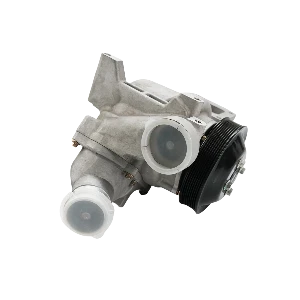
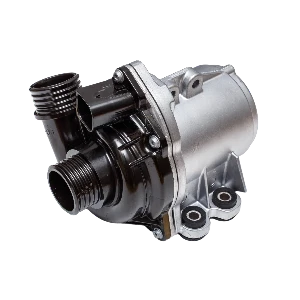
Expert Advice: Engineers recommend regular inspection of the engine oil cooler, head gasket, and cooling system components. Because thick, emulsified sludge quickly destroys internal shaft seals, verifying the condition of your heavy-duty water pump during troubleshooting is essential to prevent sudden circulation failure. Early detection of leaks and contamination can prevent severe engine damage and reduce oil cooler replacement cost.
Real-world scenarios show that ignoring milky engine coolant or unexplained coolant loss often leads to expensive repairs and extended generator downtime. Experienced technical consultants stress the importance of addressing oil in coolant causes promptly. Maintaining the integrity of the engine oil cooler and head gasket is vital for reliable generator operation.
Finding the Leak Source
Symptoms to Watch For
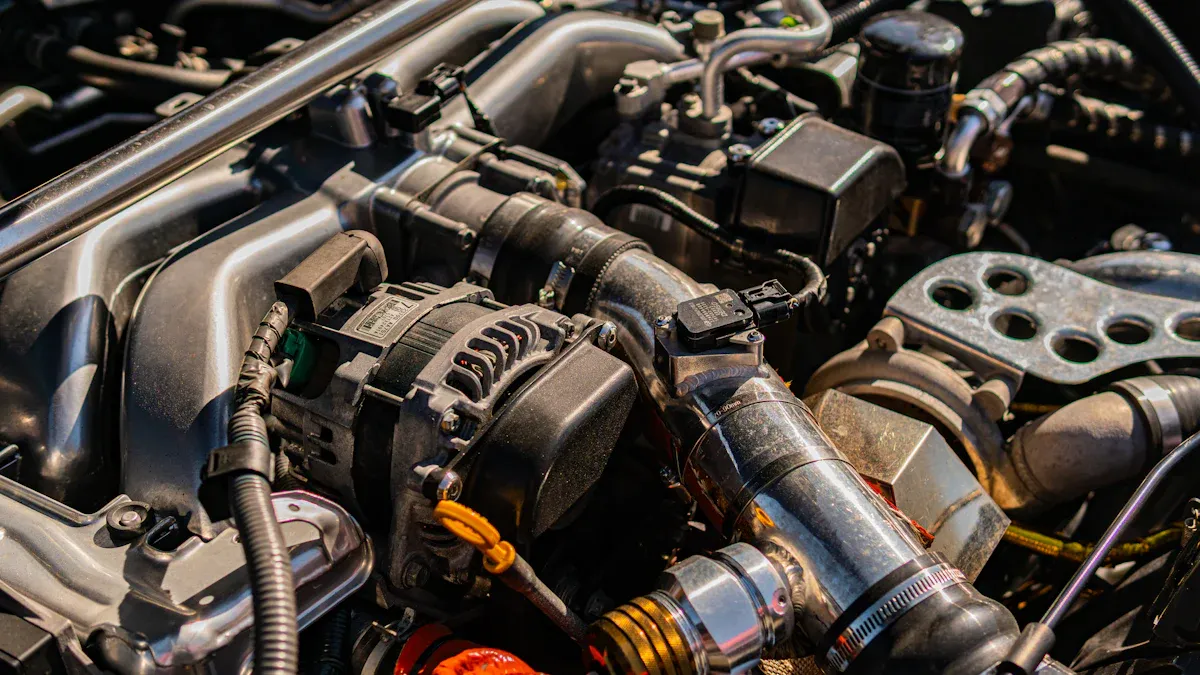
Early detection of oil and coolant mixing is critical for preventing severe engine damage. Engineers and technicians should remain vigilant for signs of potential problems. Common symptoms indicating an oil cooler leak include:
- Brown milky sludge in the coolant, which points to oil contamination.
- Oily sheen on top of the coolant, especially in the early stages of a leak.
- Engine overheating, which may occur if these symptoms are overlooked.
An oil cooler leak can cause oil to mix with coolant, creating a critical issue. Unlike a blown head gasket, the engine may continue to operate normally, making it essential to identify the root cause before further damage occurs. The presence of brown milky sludge in the coolant is a common visual indicator of oil contamination. In the initial stages, an oily sheen may be visible, which can escalate to overheating and additional cooling system failures if not addressed promptly.
Expert Tip: Regularly inspect the coolant reservoir and radiator for unusual color or texture. Early identification of oil leaks can prevent costly repairs and extended downtime.
Diagnostic Steps
Accurate diagnosis is essential for resolving oil in coolant issues. Technicians rely on a combination of visual inspection, sample analysis, and targeted testing to pinpoint the source of the leak. The following table outlines effective diagnostic methods:
|
Diagnostic Method |
Benefits |
|
Oil & Coolant Sample Analysis |
Detects contamination from fuel dilution, coolant intrusion, and dirt ingestion. |
|
Regular Sampling and Lab Analysis |
Reveals wear metals and contamination before catastrophic failure occurs, preventing costly repairs. |
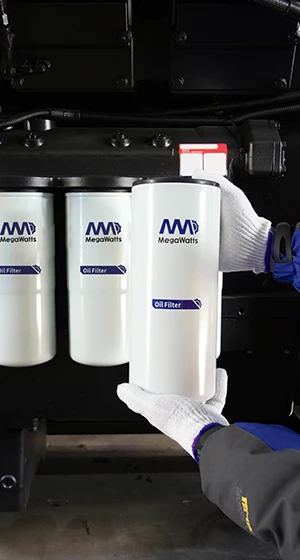
Visual inspections can reveal brownish or milky coolant, confirming oil contamination. Sample analysis helps verify the presence of oil in the coolant. Identifying symptoms such as brown sludge or an oily sheen can indicate ongoing leaks. For suspected head gasket failures, technicians often perform a compression test. If the test confirms a blown head gasket, replacement and a thorough cooling system flush are required to resolve contamination. Following any extensive flushing procedure, deploying fresh engine filters is a mandatory step to trap residual debris and protect the newly introduced oil and coolant loops.
Note: Timely diagnosis and intervention are crucial. Delayed action can increase oil cooler replacement cost and lead to extensive engine repairs.
Technicians and experienced engineers recommend routine monitoring of coolant and oil conditions. This proactive approach helps prevent unexpected failures and ensures reliable generator operation.
Repair and Prevention
Fixing an Engine Oil Cooler Leak
Addressing an engine oil cooler leak in a generator requires a systematic approach. Technicians begin by visually inspecting the cooler lines and external fittings for wet spots or oil residue. They check the oil level and condition, looking for discoloration that signals contamination. During and after engine operation, monitoring for leaks with a clean cloth helps confirm the leak rate. To pinpoint the exact source, a fluorescent dye or pressure test may be used.
Once the internal breach is confirmed, replacing the faulty assembly is the most effective repair. Megawatts Parts offers heavy-duty oil cooler replacements that meet or exceed OEM standards, ensuring reliable performance and compatibility with a wide range of generator models. These premium components help maintain optimal oil temperatures, which is critical for engine efficiency and longevity.
Other Repair Options & Cost Factors
If diagnostic tests confirm the oil cooler core is intact, technicians must investigate other severe faults, such as a blown head gasket or a cracked engine block, which can also force oil into the coolant passages. Repairing these internal engine failures requires extensive teardowns.
The overall cost for oil cooler replacement or related cooling system repairs in heavy-duty generators can vary significantly based on industrial factors:
|
Service Type |
Estimated Cost Range |
Key Factors Affecting Cost |
|
Engine Oil Cooler Line / Hose Replacement |
$200 - $600 |
Genset enclosure design, field service travel time, OEM parts quality, and component accessibility within the canopy. |
|
Complete Engine Oil Cooler Assembly Replacement |
$400 - $1,500 |
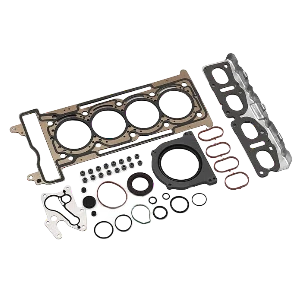
Generator capacity (kW/kVA), engine complexity, remote site location, and necessary supplementary parts (gaskets, seals, O-rings). |
Note: These are estimated industrial service costs. Prolonged downtime often costs facilities far more than the parts themselves.
Using high-quality, OEM-grade parts is non-negotiable for industrial power systems. Megawatts Parts provides heavy-duty generator oil cooler solutions with fast global shipping, expert technical support, and a guaranteed fit policy—drastically reducing your equipment downtime and ensuring long-term operational peace of mind.
Preventing Future Leaks
Preventive maintenance is key to avoiding future oil cooler core leaks and costly repairs. Regular inspections of the generator, oil cooler core, and coolant system help identify issues early. Monitoring oil levels and ensuring proper lubrication at all times reduces the risk of leaks. Routine checks for wear on gaskets and seals are also important. Industry experts recommend inspecting the generator coolant and oil system every 100–150 hours or annually. Annual coolant sampling during PM2 service, or more frequently if contamination is suspected, helps maintain system health. Using quality replacement parts, such as those from Megawatts Parts, ensures the oil cooler core dissipates heat effectively, protecting the engine from excessive wear and extending its lifespan.
Expert Advice: Consistent maintenance and the use of trusted generator oil cooler core replacements are the best defense against unexpected engine failures.
Industry experts emphasize that ignoring oil in coolant causes, such as an engine oil cooler leak or blown head gasket, can result in severe engine damage. Immediate diagnosis and repair are critical to prevent risks like:
- Bearing failure
- Increased engine wear
- Overheating
- Corrosion inside the engine
- Reduced oil pressure
- Complete engine failure
Quality replacement parts, including diesel generator oil coolers from Megawatts Parts, help prevent milky engine coolant and reduce oil cooler replacement cost. For persistent issues, consult a professional technician for inspection and maintenance.
FAQ
What is the most common cause of oil in coolant in generators?
Engine oil cooler leak is the leading cause. This fault allows oil to mix with coolant, resulting in milky engine coolant. Immediate repair prevents severe engine damage and reduces oil cooler replacement cost.
How can I identify a diesel generator oil cooler leak?
Look for milky engine coolant, unexplained coolant loss, or oily residue in the coolant reservoir. Experienced engineers recommend regular inspections to catch oil in coolant causes early.
What risks arise from ignoring oil in coolant causes?
Ignoring contamination can lead to bearing failure, overheating, and complete engine breakdown. Technical consultants advise prompt diagnosis and replacement of faulty diesel generator oil coolers.
How much does oil cooler replacement cost?
Oil cooler replacement cost varies by generator model and labor rates. Using quality parts from trusted suppliers like Megawatts Parts ensures reliable performance and minimizes downtime.
Can regular maintenance prevent engine oil cooler leaks?
Routine checks of coolant and oil systems help detect leaks early. Industry experts recommend annual sampling and using high-quality replacement parts to prevent milky engine coolant and extend generator lifespan.
Previous And Next
-
Previous Post:
 BLOG
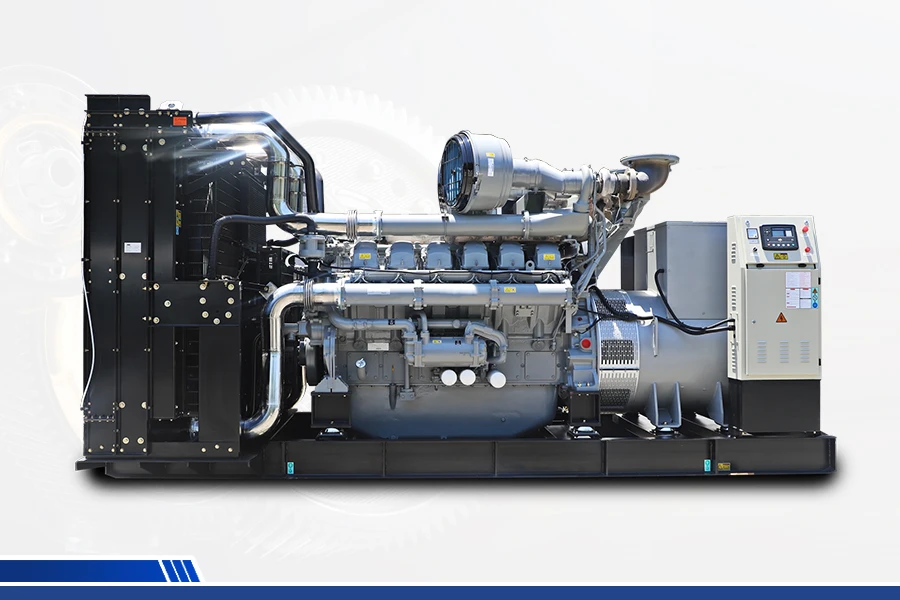
BLOG Megawatts BlogIntroducing the components of a diesel engineIntroducing the components of a diesel engine A diesel generator set is a type of internal combustion generator set and is currently one of the most widely used power generation devices in the world....
 -
Next Post:
 BLOG
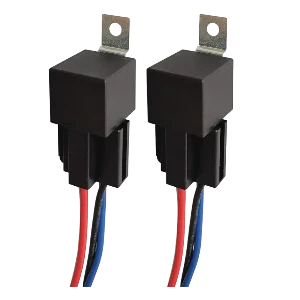
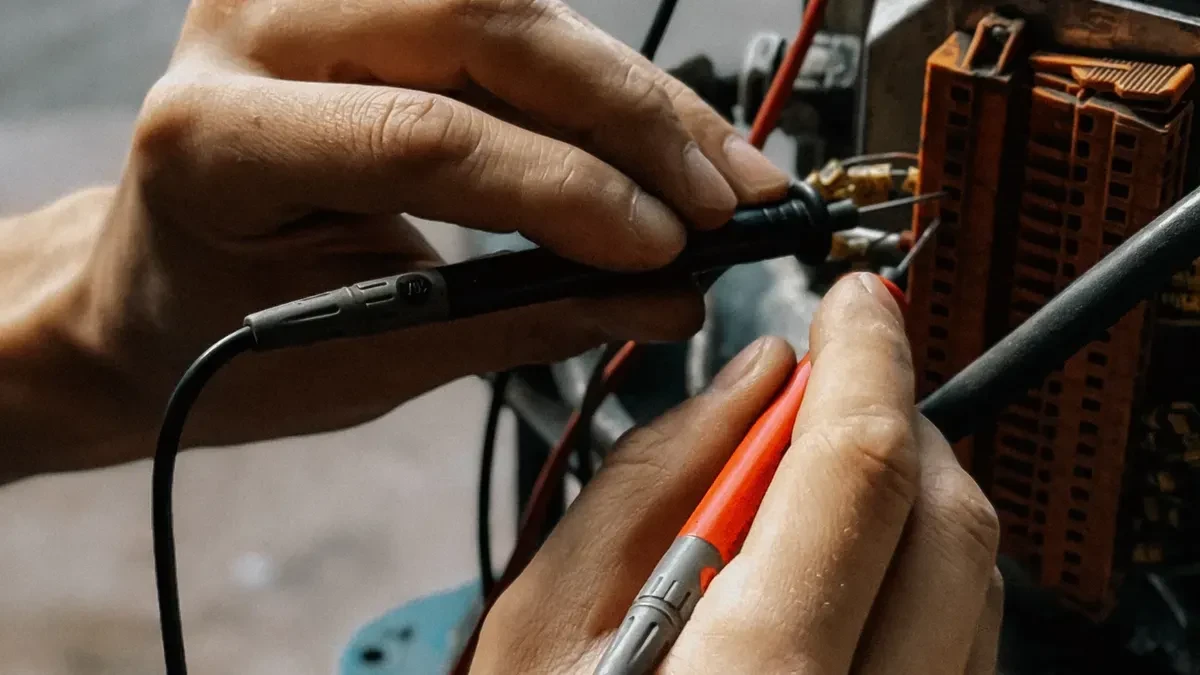
Megawatts BlogGenerator Control Panel Failures: How to Test and Replace Faulty RelaysGenerator control panel relay failures can instantly halt operations and disrupt critical industrial systems. When these control relays malfunction, facilities face the immediate risk of unexpected do...
BLOG
Megawatts BlogGenerator Control Panel Failures: How to Test and Replace Faulty RelaysGenerator control panel relay failures can instantly halt operations and disrupt critical industrial systems. When these control relays malfunction, facilities face the immediate risk of unexpected do...
Read More
-
 BLOG
Megawatts BlogStrategic Sourcing: How to Build a Standardized Generator Sets Parts Catalog for Mixed FleetsManaging a mixed fleet of Cummins, Perkins, and Caterpillar generators often creates a hidden financial drain through inventory duplication and fragmented procurement. When different brands use differ...
BLOG
Megawatts BlogStrategic Sourcing: How to Build a Standardized Generator Sets Parts Catalog for Mixed FleetsManaging a mixed fleet of Cummins, Perkins, and Caterpillar generators often creates a hidden financial drain through inventory duplication and fragmented procurement. When different brands use differ... -
 BLOG
Megawatts BlogDiesel Generator Won't Crank: A Step-by-Step Electrical Diagnostic Checklist for MechanicsWhen a diesel generator won't crank, check the electrical system first. Do not chase fuel or mechanical theories yet. Low battery voltage and corroded connections cause most no-start condition calls....
BLOG
Megawatts BlogDiesel Generator Won't Crank: A Step-by-Step Electrical Diagnostic Checklist for MechanicsWhen a diesel generator won't crank, check the electrical system first. Do not chase fuel or mechanical theories yet. Low battery voltage and corroded connections cause most no-start condition calls.... -
 BLOG
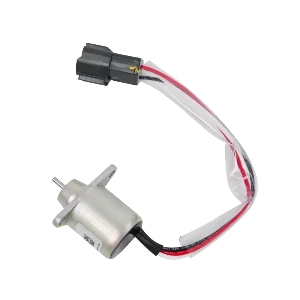
Megawatts BlogMagnetic Coil Degradation: Why Your Diesel Engine Stop Solenoid Fails Under Extreme HeatExtreme heat is the primary enemy of a diesel engine stop solenoid. The heat breaks down the electrical insulation inside the magnetic coil. This degradation raises resistance and creates short circui...
BLOG
Megawatts BlogMagnetic Coil Degradation: Why Your Diesel Engine Stop Solenoid Fails Under Extreme HeatExtreme heat is the primary enemy of a diesel engine stop solenoid. The heat breaks down the electrical insulation inside the magnetic coil. This degradation raises resistance and creates short circui... -
 BLOG
Megawatts BlogThe Hidden Cost of Expired Inventory: Shelf Life and Proper Storage of Rubber Gasket Seal KitsA gasket seal kit sits untouched for five years. You paid for it. Now you pay to dispose of it. When a failure occurs, you pay a premium for emergency replacement. These hidden costs accumulate silent...
BLOG
Megawatts BlogThe Hidden Cost of Expired Inventory: Shelf Life and Proper Storage of Rubber Gasket Seal KitsA gasket seal kit sits untouched for five years. You paid for it. Now you pay to dispose of it. When a failure occurs, you pay a premium for emergency replacement. These hidden costs accumulate silent...
Subscribe to enjoy 10% off
Stay informed about new products and sales

-
INFORMATION
Contact Us
-
CHINA SALES OFFICE: No. 2-11, No. 8, Gaotai Road, Gaishan Investment Zone, Cangshan District, Fuzhou, Fujian
-
SAUDI ARABIA FACTORY: 7264 Shakra, Al Faisaliyyah, REFB3035, 3035, Riyadh 12883
-
COLOMBIA SALES OFFICE: 92-32 26th Street, 03-118, Bogota
-
NIGERIA FACTORY: Plot 5 Chivita Avenue Ajao Estate Isolo Lagos
-
Email:sales@megawattsparts.com
Follow Us


Copyright © 2025 Megawatts All Rights Reserved.



Select Previous Button or Search Directly on Search Bar!
Shop All
 English
Currency: <{ pagedata.current_currency }>(<{ pagedata.current_currency_code }>)
Are you in the right place?

You agree to MegaWatts.com's Terms of Use and Privacy Policy by subscribing. You may receive emails with useful tips, promotions, and offerings.
No, thanks. I'd rather pay full price.