

































Heavy-Duty Starter Motor Failures: Solenoid Clicks vs. Pinion Gear Engagement Issues
by Megawatts - Updated At 2026-11-17
A single click with no crank usually points to the solenoid or a voltage supply problem. Grinding or a silent no-crank points to pinion gear or flywheel ring gear engagement. These two patterns separate most heavy-duty starter motor failures before any part comes off the machine. Each symptom leads to a specific test, and each test confirms or clears a specific component. That order matters. A starter can fail to crank the engine for reasons far removed from the starter itself, including a weak battery or a corroded cable end. Repeated failed crank attempts heat-damage the brushes and commutator, so a correct diagnosis protects the whole starter. Once your tests isolate the exact fault, sourcing direct-fit replacement solenoids, drives, or complete starter assemblies from Megawatts Parts gets your engine cranking again without paying for components you do not need.
Solenoid Click Symptoms and Causes
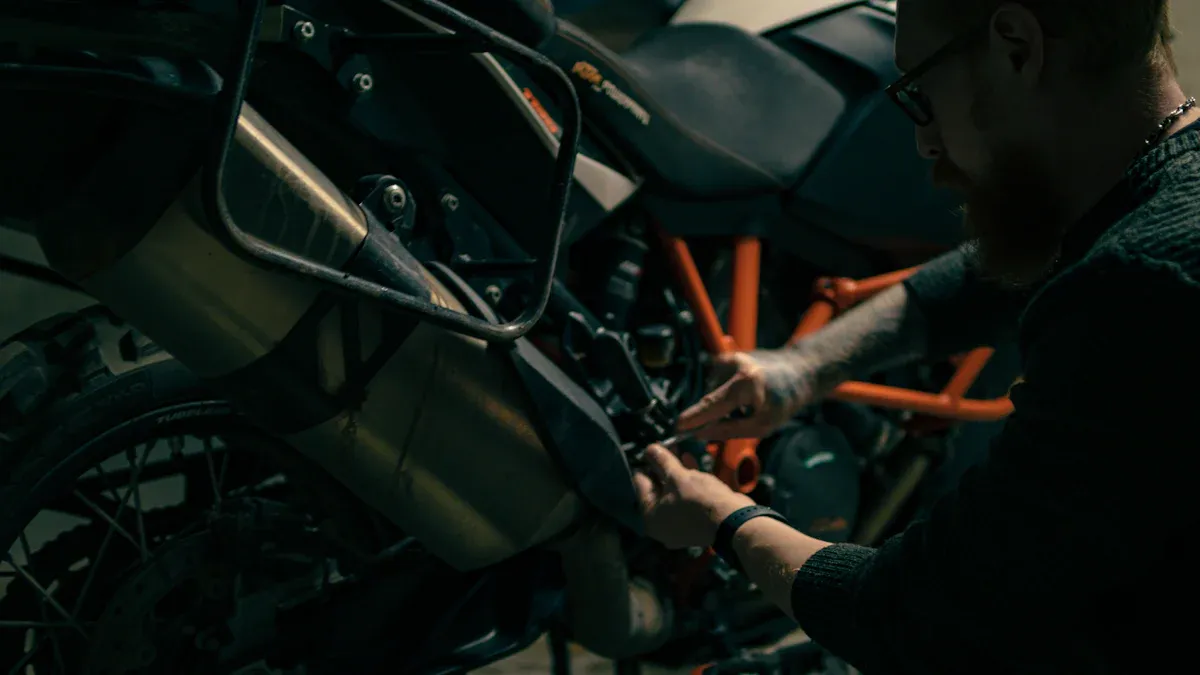
The solenoid must click for the starter to operate. That click confirms the control circuit reached the coil. A single click with no crank usually means the solenoid or a voltage supply problem, not a failed motor winding.
Reading the Click
Listen to the click pattern first. One sharp, solid click followed by silence suggests the plunger moved but the contacts did not close, or the battery could not deliver current. Rapid chatter points to low battery voltage or a control circuit that cannot hold the coil engaged. Slow cranking with a repeated clicking noise often traces to loose, dirty or corroded connections at the battery terminals, ground strap, or solenoid stud. A healthy battery holds its voltage during the crank attempt.
A voltage drop test separates these causes. Measure from the battery positive post to the starter terminal while a helper holds the key. A reading above roughly half a volt under load signals excessive voltage drop in the cable or connections. Clean and tighten the terminals, then repeat the test before condemning the unit.
Common Solenoid Faults
Burned contacts produce a distinctive pattern: a clear click, no crank, and no motor rotation. The coil pulls the plunger, the plunger strikes the contacts, and the contacts no longer carry current. Confirm this by measuring voltage drop across the two large terminals during a crank attempt. A healthy contact set shows almost no drop; a burned set shows a large drop or full battery voltage. A jumper from the battery positive to the starter terminal bypasses the assembly. If the starter spins freely on that jumper, the motor is sound and the contacts are the fault.
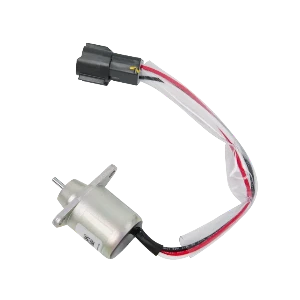
Sporadic faults come from a bad internal winding or a bad spot on the starter commutator. These faults appear and disappear between attempts. A direct starter solenoid replacement fits a confirmed contact or coil failure.Control-circuit repair fits a unit that clicks weakly or not at all despite good voltage at its small terminal. Test that terminal before ordering parts.
Pinion Gear Engagement Symptoms and Causes
Grinding and No-Crank Signs
Grinding during starter operation indicates a pinion gear or engagement depth problem. The drive extends toward the flywheel, the teeth meet at the wrong depth, and the two surfaces scrape instead of locking. A shimmed or misaligned starter mount produces the same noise. Inspect the mounting face and the drive travel before assuming the gear is worn.
A starter rotating without turning the engine points to the engagement mechanism, not the solenoid. The motor spins freely, the drive fails to extend, and the engine never turns. A worn Bendix drive often produces this pattern: the operator hears a click, the starter does not crank, and the drive never reaches the flywheel. Remove the unit and inspect the drive for a sticky sleeve, a broken return spring, or a chewed drive gear. A dry or galled sleeve stops the drive from traveling its full stroke.
Pinion and Flywheel Wear
Damaged or worn ring gear teeth prevent the pinion from catching. Missing, chipped, or flattened teeth leave a gap at the mesh point, and the drive skips across the surface. Rotate the engine by hand and inspect the full circumference of the flywheel or flexplate ring gear. Damage often clusters in one arc, which explains an intermittent starter engagement complaint.
Pinion gear teeth damage follows the same logic on the drive side. A rounded or chipped drive gear will not hold under load, even when the ring gear teeth look clean. Confirm that the pinion gear meshes properly by checking mesh depth and tooth contact pattern. Replace the drive when the teeth show wear, and replace the ring gear when the damage spans several teeth. A correct repair restores reliable engagement and protects the starter from repeat failures.
Comparing Heavy-Duty Starter Motor Failures
Symptoms, Tests, and Fixes
The two failure families overlap at the key switch, so a structured comparison keeps the diagnosis honest. The table below maps each symptom to its confirming test and its typical repair.
|
Symptom |
Likely Fault |
Confirming Test |
Typical Fix |
|
One solid click, no crank |
Solenoid contacts or coil |
Voltage drop across the two large solenoid terminals during a crank attempt |
Replace the solenoid |
|
Rapid chatter, slow crank |
Low battery voltage or poor connections |
Voltage drop from battery positive post to starter terminal |
Clean and tighten cables and grounds |
|
Starter spins, engine does not turn |
Bendix drive or engagement mechanism |
Inspect drive travel and sleeve condition |
Replace the drive |
|
Grinding during crank |
Pinion depth or worn teeth |
Inspect mesh depth and tooth contact pattern |
Reshim the mount or replace the drive |
|
Intermittent no-crank at one crank angle |
Bad commutator spot or damaged ring gear teeth |
Rotate the engine by hand and inspect the full ring gear circumference |
Replace the starter or the ring gear |
Testing the Starter Solenoid
Voltage drop testing confirms the circuit before any part is ordered. Load the circuit, measure, and compare the reading against the acceptable limit stated earlier in this guide. A high reading on the cable side means the cable or connection is at fault. A high reading across the solenoid terminals means the contacts are burned. Excessive voltage drop at either point explains a weak crank without condemning the motor.
A bench test settles the question. Clamp the starter in a vise, connect a known-good battery, and trigger the solenoid terminal. Watch three things: the drive should snap out, the motor should spin, and the current draw should stay within the manufacturer's specification. A drive that extends without spinning points to the motor. A motor that spins without extending points to the drive. Starter current that climbs well above spec suggests a dragging armature or worn bushings.
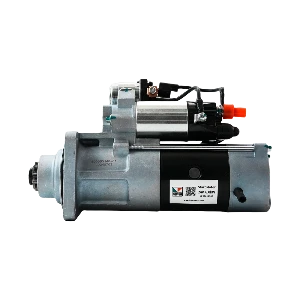
Replacement parts fit different situations. Complete aftermarket starter motor assemblies suit high-hour machines where the whole unit is tired, and they typically meet or exceed OEM specifications at a lower price point. Genuine assemblies fit late-model equipment still under warranty or fleets standardized on factory parts. Solenoid-only replacement fits a confirmed contact or coil failure on an otherwise healthy motor.
Matching the exact replacement part to the application is critical to protecting the flywheel; a starter with the wrong drive ratio or engagement depth will quickly chew up ring gear teeth. Always confirm the part number against the engine serial number before ordering, and evaluate your supplier using core aftermarket generator parts KPIs like initial defect rate and MTBF to prevent premature repeat failures. To support a precise repair, Megawatts Parts supplies both OEM-spec aftermarket and genuine starter motor assemblies and solenoids for Cummins, CAT, Kubota, and other heavy-duty platforms, backed by a 90-day free return policy to eliminate fitment risk
Starter Troubleshooting Checklist
Step-by-Step Fault Isolation
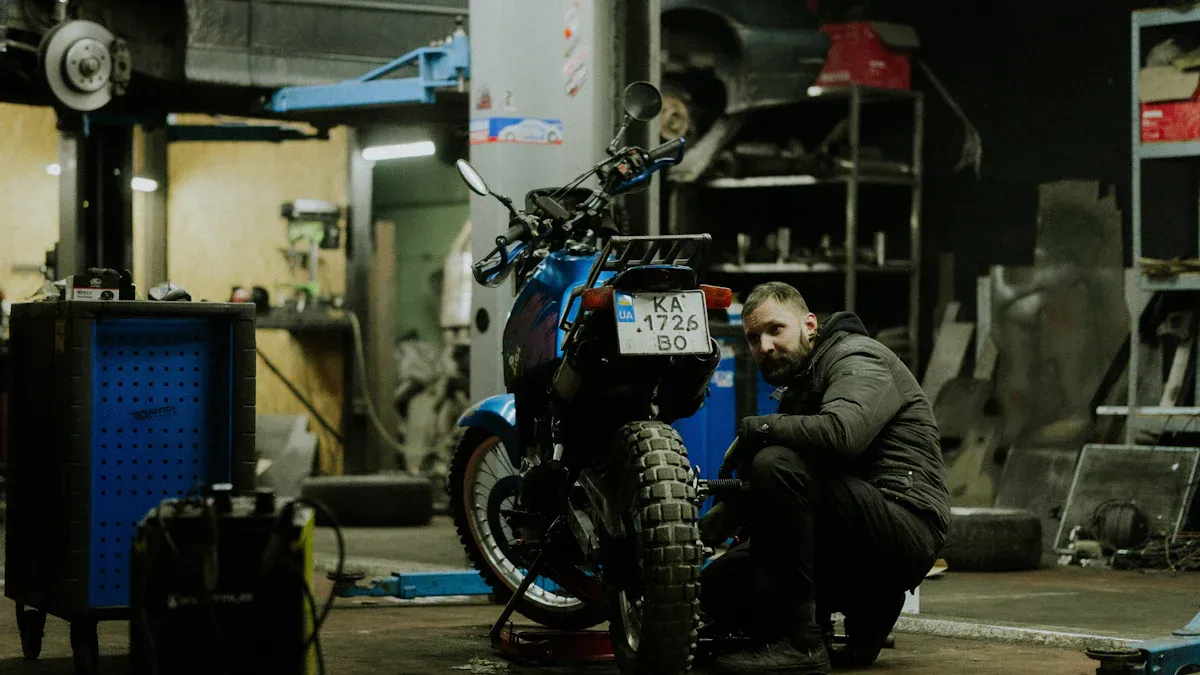
Work through the starting system in a fixed order. Each step clears one layer before the next test begins.
Measure battery voltage at rest and during a crank attempt. A battery that collapses under load cannot support the starter.
Inspect and clean the battery terminals, ground strap, and solenoid studs. Perform a voltage drop test from the battery positive post to the starter terminal under load.
Trigger the key and listen for the solenoid click. One solid click with no crank points to the contacts; silence points to the control circuit.
Run a starting system control circuit voltage drop test on the small solenoid terminal. Confirm the circuit delivers full voltage before condemning the solenoid.
Remove the starter and inspect pinion travel, sleeve condition, and tooth wear. Rotate the engine by hand and check the full ring gear circumference.
A starting system current draw test on the bench closes the loop. Compare the reading against the manufacturer's specification. This starter current diagnosis separates a dragging armature from a healthy motor.
Heat Damage from Bad Starts
Every failed crank attempt pushes high current through the brushes and commutator without rotation to cool them. Heat builds at the brush faces and the commutator bars. Repeated attempts compound the damage. Brush faces glaze, commutator bars discolor, and solder at the commutator risers can soften.
Note that if your starter cranks at full speed but requires prolonged cranking that overheats the brushes, the root cause may actually be fuel-related, such as retarded fuel injection pump timing causing hard starts.
This damage raises the cost of a delayed diagnosis. A solenoid contact fault caught early needs only a solenoid. The same fault left in service can destroy the brushes, the commutator, and eventually the armature. Starter amperage draw climbs as internal resistance rises, and the whole starter motor assembly then needs replacement instead of a minor repair. Sound starter troubleshooting protects the flywheel and the starter alike. Confirm the fault with voltage drop and bench tests, and order parts once. Careful diagnostics cost less than a second repair.
A voltmeter and a bench test take the guesswork out of starter diagnostics. Separate electrical clicks from mechanical gear issues before turning a wrench, verify the exact part number against your engine serial, and you will fix the no-crank on the first try without risking the flywheel.
When replacement is required, match the correct starter motor assembly or solenoid to the application. Correct fitment protects the flywheel and prevents repeat failures. Careful diagnosis of heavy-duty starter motor failures keeps the starter, the ring gear, and the budget intact.
Never pull a heavy-duty starter without testing the circuit and inspecting the ring gear first. When the bench test finally condemns the unit, Megawatts Parts has your repair covered with tested starter motor assemblies and solenoids for Cummins, CAT, Perkins, and Kubota engines. With fast global dispatch and a 90-day free return policy, you can lock in the exact fitment and get your machine back on the job on the first try.
FAQ
How can I tell a solenoid fault from a pinion fault?
A single click with no crank points to the solenoid or a voltage supply problem. Grinding or a silent no-crank points to pinion or ring gear engagement. Confirm each pattern with a voltage drop test and a visual inspection of the drive.
Why does a starter grind only at some crank angles?
Ring gear damage often clusters in one arc. The starter pinion skips across the damaged section and catches on clean teeth elsewhere. Rotate the engine by hand and inspect the full circumference before replacing the starter.
What causes a starter to spin without turning the engine?
The engagement mechanism has failed. A worn or sticky drive does not extend to the flywheel, so the starter motor spins freely. Inspect drive travel and sleeve condition, then replace the drive if it binds.
Should I replace the whole starter or only the failed component?
A confirmed contact or coil failure on a healthy motor needs only that component. A high-hour starter with worn brushes, a tired drive, and a damaged commutator is better served by a complete assembly. Bench test first.
How many failed crank attempts are too many?
Stop after two or three. Each attempt pushes high current through the brushes without rotation to cool them. Heat glazes brush faces and discolors commutator bars, and the starter then needs a full rebuild instead of a minor repair.
Read More
-
 BLOG
 Megawatts BlogFuel Injection Pump Timing: Symptoms of Retarded vs. Advanced Timing in Mechanical DieselsAdvanced fuel injection pump timing makes a diesel engine loud. Expect a hard metallic knock, a rough idle, white smoke, and overheating. Retarded fuel injection pump timing makes the same engine ho...
-
 BLOG
Megawatts BlogBeyond Purchase Price: 4 Essential KPIs to Track Aftermarket Generator Parts PerformanceA low unit price on an aftermarket generator part looks like a win on the purchase order. The real bill arrives later. Leading reliability journals report that emergency parts cost 30% to 40% more t...
-
 BLOG
Megawatts BlogOil Filter Bypass Valves Explained: How Cold Starts Affect Lubrication in Diesel EnginesCold oil is thick. It resists flow, so the oil pump works harder and pressure climbs. That pressure spike can push the bypass valve open, and unfiltered oil then travels through the engine. Picture...
-
 BLOG
Megawatts BlogCharge Air Cooler Leaks: The Hidden Cause of High Exhaust Gas TemperaturesThe fuel filters are fresh, the injectors are clean, and the turbo checks out healthy. Yet exhaust gas temperature keeps climbing. Many technicians chase fuel delivery first, and that instinct often...
Subscribe to enjoy 10% off
Stay informed about new products and sales

-
INFORMATION
Contact Us
-
CHINA SALES OFFICE: No. 2-11, No. 8, Gaotai Road, Gaishan Investment Zone, Cangshan District, Fuzhou, Fujian
-
SAUDI ARABIA FACTORY: 7264 Shakra, Al Faisaliyyah, REFB3035, 3035, Riyadh 12883
-
COLOMBIA SALES OFFICE: 92-32 26th Street, 03-118, Bogota
-
NIGERIA FACTORY: Plot 5 Chivita Avenue Ajao Estate Isolo Lagos
-
Email:sales@megawattsparts.com
Follow Us


Copyright © 2025 Megawatts All Rights Reserved.



Select Previous Button or Search Directly on Search Bar!
Shop All
 English
Currency: <{ pagedata.current_currency }>(<{ pagedata.current_currency_code }>)
Are you in the right place?

You agree to MegaWatts.com's Terms of Use and Privacy Policy by subscribing. You may receive emails with useful tips, promotions, and offerings.
No, thanks. I'd rather pay full price.