








































Low Oil Pressure Alarm on Generator: What It Means and What to Check First
by Megawatts - Updated At 2026-03-12
A Low Oil Pressure Alarm signals an urgent problem that demands immediate attention. This alarm serves as a critical warning to protect your generator’s engine from severe damage. Low oil pressure can lead to catastrophic failures, including generator engine seizure or costly repairs. Generator owners must act quickly to diagnose the cause. Megawatts stands behind operators by offering quality parts and expert maintenance support, helping ensure reliable performance and peace of mind.
What Does a Low Oil Pressure Alarm Mean?
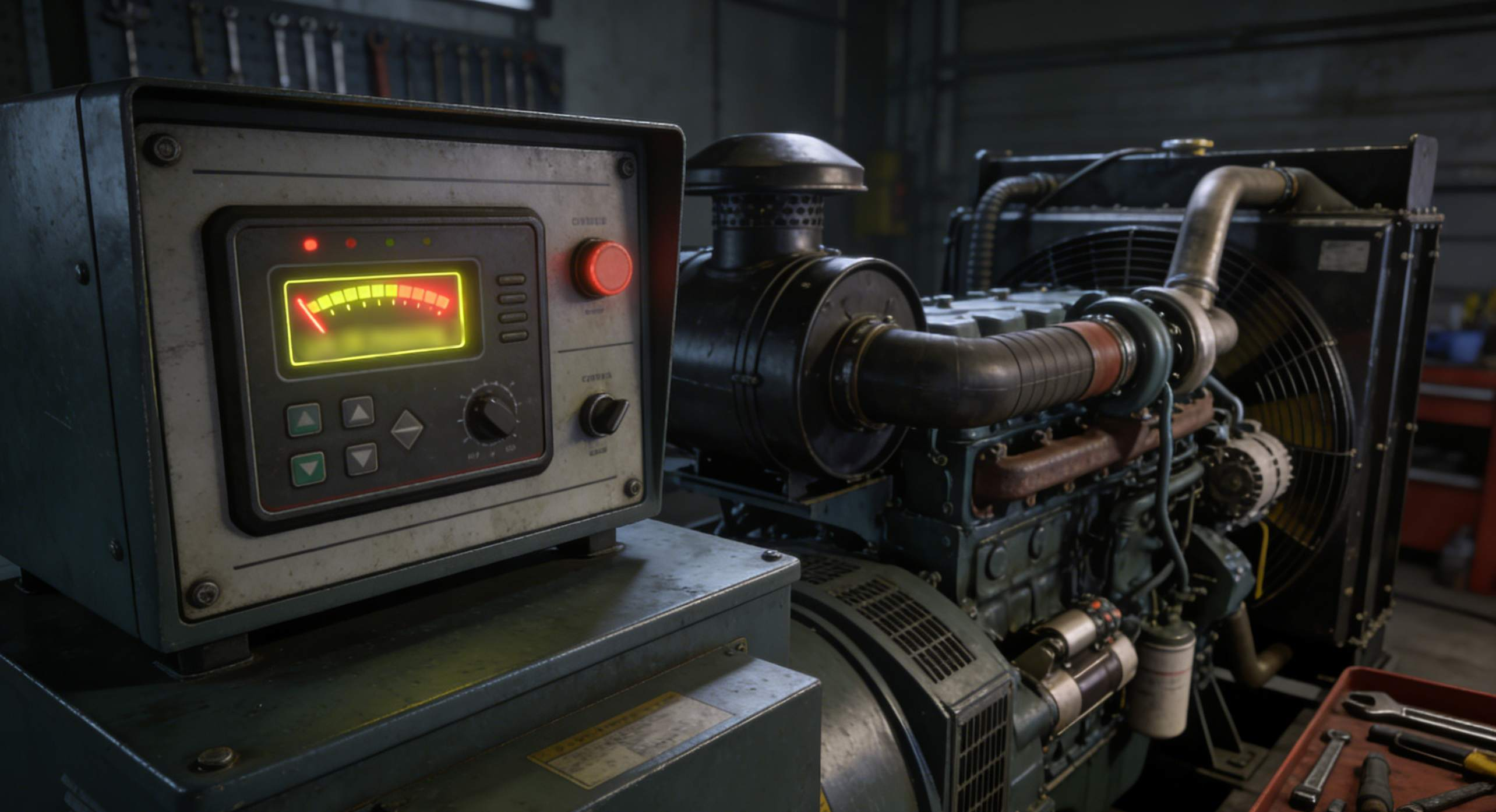
A low oil pressure alarm on a generator is not just a simple indicator light or sound. It is a critical warning system designed to alert operators to a potentially severe issue within the generator engine. When this alarm activates, it signals that the generator oil pressure has dropped below the safe operating threshold. This situation requires immediate attention to prevent generator engine damage and ensure the continued reliability of your generator.
Oil Pressure’s Role in Generator Health
Oil pressure plays a vital role in maintaining the health and longevity of a generator’s engine. Proper oil pressure ensures that all moving parts receive adequate lubrication. This lubrication reduces friction and dissipates heat, preventing premature wear and overheating. When the generator oil pressure drops, the generator engine loses this protective barrier. Increased friction and rising temperatures can quickly damage internal components.
Tip: Regular oil changes, using the correct oil viscosity, and early recognition of low oil pressure signs are essential practices for keeping your generator in peak condition.
A well-maintained generator with stable oil pressure will deliver consistent performance and a longer service life. Neglecting generator oil pressure maintenance can lead to costly repairs and unexpected downtime.
A generator that experiences generator engine failure during an emergency can compromise safety and disrupt essential services. Operators must treat every low oil pressure alarm as a high-priority issue.
Why Immediate Action Matters
Immediate action is essential when a low oil pressure alarm sounds. Delaying a response increases the risk of catastrophic engine failure. Addressing the warning promptly can prevent further damage and reduce repair costs.
Note: It is critical to address the low oil pressure warning as soon as it appears to avoid catastrophic failures and ensure the generator remains reliable.
Megawatts understands the importance of timely maintenance and quality parts in generator operation. The company offers a comprehensive range of aftermarket parts, including filters and generator engine components, to help operators resolve low oil pressure issues quickly and effectively. Megawatts’ commitment to customer support and fast shipping ensures that you have access to the right solutions when you need them most.
A low oil pressure alarm should never be ignored or reset without a thorough inspection. Taking immediate action protects your investment and ensures your generator is ready when you need it most.
First Steps for Low Oil Pressure Alarm
A low oil pressure alarm on a generator requires immediate and systematic troubleshooting. Addressing the issue quickly can prevent generator engine damage and costly downtime. Follow this step-by-step checklist to identify the root cause and restore safe operation.
Check Generator Oil Level
- Shut down the generator immediately to prevent further damage.
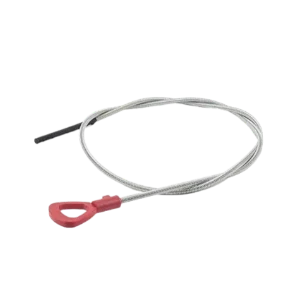
- Allow the engine to cool, then locate the dipstick.
- Check oil level using the dipstick. The oil should be between the "MIN" and "MAX" marks.
- If the oil is below the minimum, add the correct type of oil slowly. Avoid overfilling.
- If the oil level is adequate but the alarm persists, further investigation is necessary.
Regularly checking oil levels is essential for generator maintenance. Even after recent servicing, a low oil level can occur due to leaks or consumption. Diligence in this step helps prevent unexpected failures.
Inspect for Leaks and Oil Quality
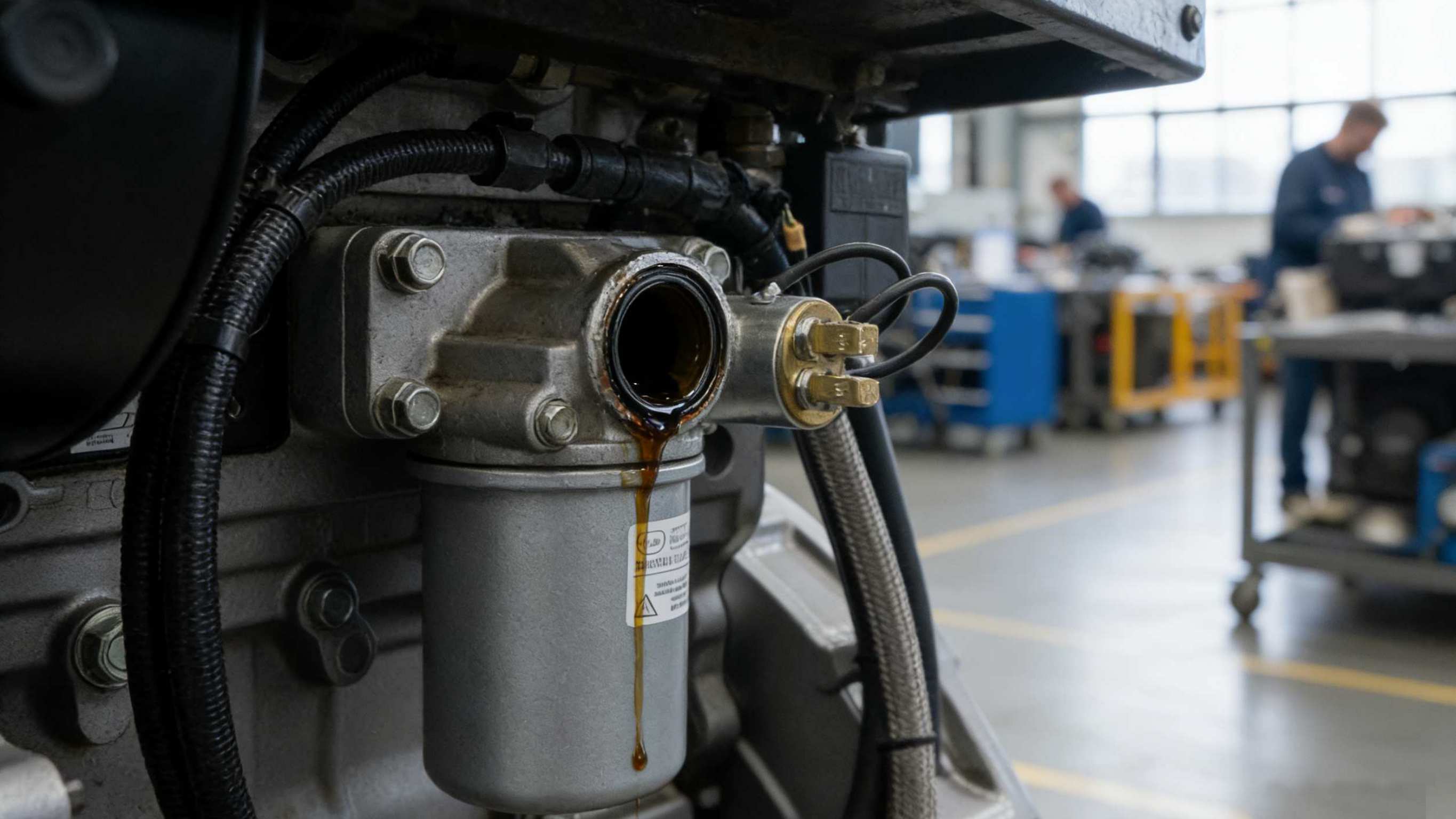
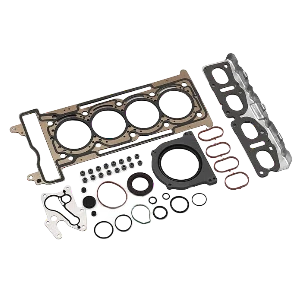
After confirming the oil level, inspect for visible leaks around seals, gaskets, and hoses. Oil leaks often result from worn engine components, damaged seals, or clogged oil filters. If you find oil pooling beneath the generator, it often indicates a compromised seal. Replacing worn Gaskets is a critical step in restoring system integrity and preventing further pressure loss.If you find oil pooling beneath the generator or residue on engine surfaces, address these leaks before restarting.
Next, assess oil quality. Poor oil quality can cause low oil pressure and accelerate engine wear. Use the table below to identify signs of oil contamination:
|
Sign of Poor Oil Quality |
Description |
|
Dark or Black Oil |
Indicates combustion contamination or overdue change interval. |
|
Oil Smells Like Fuel |
Suggests fuel dilution from injector leakage or incomplete combustion. |
|
Metal Particles in Oil |
Reveals abnormal wear of internal components through visible flakes on the drain plug or filter. |
|
Oil Level Dropping |
Suggests consumption from worn rings or leaks due to frequent need to add oil. |
If the oil appears dark, sludgy, or contaminated, change it immediately. Use only oil that meets the manufacturer’s specifications.
Examine Generator Oil Pressure Sensor and Wiring
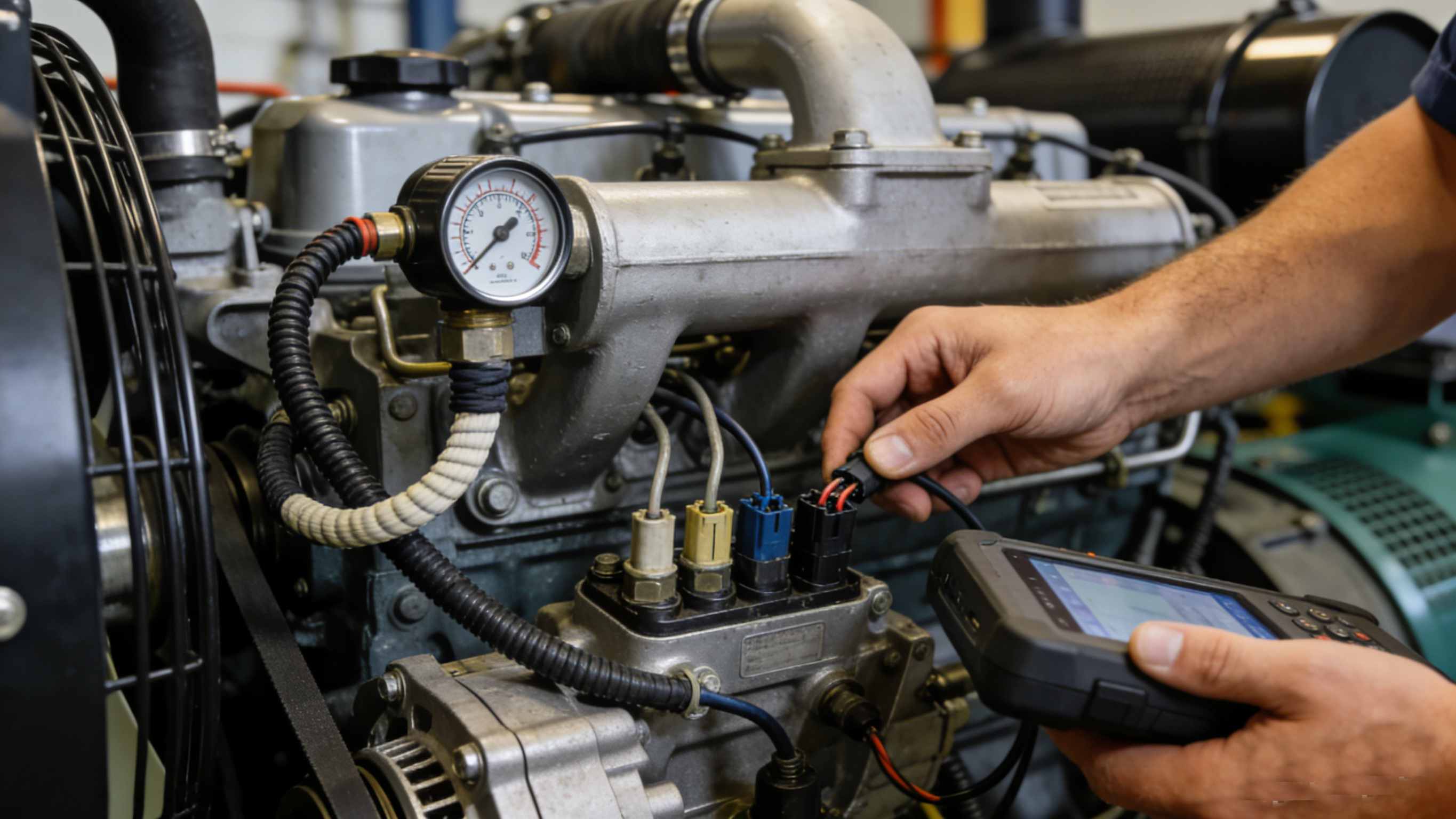
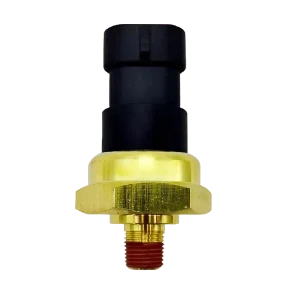
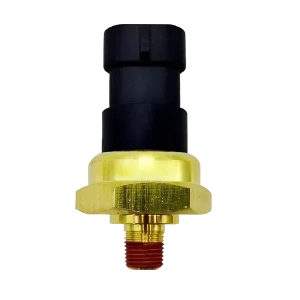
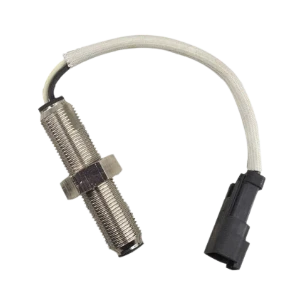
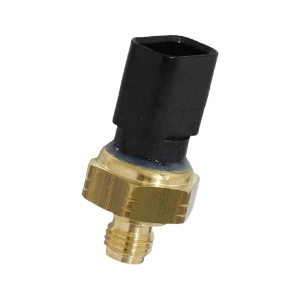
A faulty oil pressure sensor or damaged wiring can trigger a false alarm. Begin with a visual inspection of the sensor for cracks, deformities, or oil leaks. Check connectors and wiring for corrosion, loose pins, or frayed wires. Dirt or moisture near connection points can cause erratic readings.
Tip: Cleaning corrosion and ensuring secure connections improves sensor accuracy. If you have access to diagnostic tools, use a manual pressure gauge or multimeter to verify sensor output against manufacturer specifications.
If the sensor or wiring is faulty, replace them with OEM-spec parts. Megawatts offers a range of compatible sensors and wiring components that meet or exceed OEM standards, ensuring reliable generator performance.
Assess Oil Filter and Oil Pump
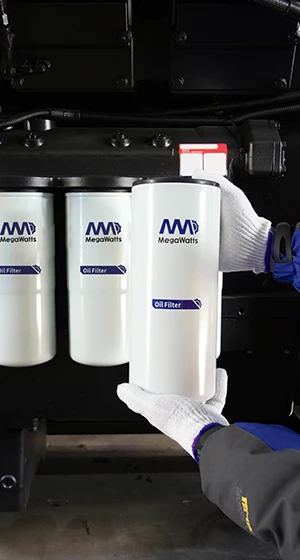
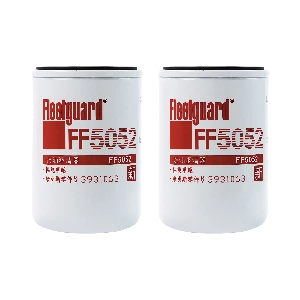
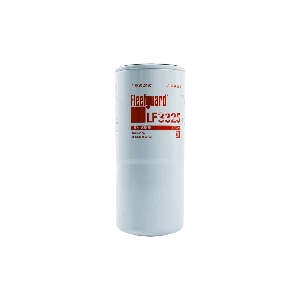
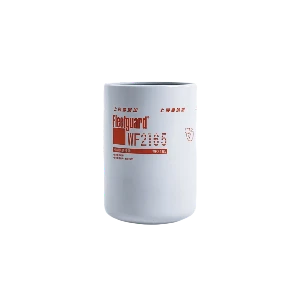
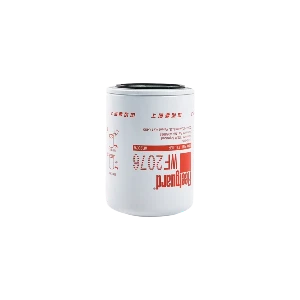
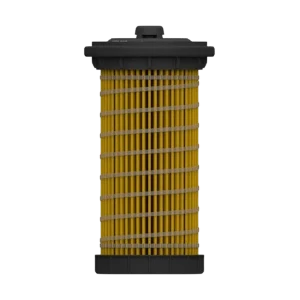
A clogged oil filter restricts oil flow and can cause low oil pressure. Remove the filter and inspect it for debris or sludge. Replace dirty or clogged filters with high-quality options.
If the oil filter is clean but the problem persists, assess the oil pump. Listen for unusual noises from the engine, which may indicate internal wear or oil flow issues. For a thorough inspection, check the pump’s clearances and gear mesh as specified in the service manual. If you suspect oil pump failure, consult a generator professional.
Note: Always document your findings and maintenance actions in a log. This practice supports ongoing generator maintenance and helps identify recurring issues.
By following these steps, you can address the most common causes of low oil pressure alarms. Using Megawatts OEM-spec filters ensures your generator receives the highest level of protection and performance.
Common Causes of Low Oil Pressure
Low or Contaminated Oil
Low or contaminated oil remains one of the most common reasons for a generator to display a low oil pressure alarm. When oil levels drop below the recommended range, the engine cannot maintain proper lubrication. Contaminated oil, filled with debris or sludge, restricts oil flow and accelerates wear on engine parts. Operators may notice dark, gritty oil or a burning smell during inspection.
- Contaminated oil can restrict oil flow.
- Dirty oil collects debris and contaminants.
- Low oil pressure can lead to faster wear of generator engine
Routine oil checks and timely oil changes help prevent these issues. Always use oil that meets the manufacturer’s specifications for your generator.
Oil Leaks or Consumption
Oil leaks or excessive oil consumption can quickly reduce oil pressure in a generator. Leaks often occur at gaskets, seals, or hoses. In older generators, worn piston rings or valve guides may cause the engine to burn oil. Operators should inspect for oil spots under the generator or visible residue on engine components. Addressing leaks promptly helps maintain stable oil pressure and prevents further damage.
Faulty Sensor or Wiring
A faulty oil pressure sensor or damaged wiring can trigger false alarms in a generator. These electrical issues are more common than many operators realize.
- Faulty oil pressure sensors can trigger low oil pressure alarms.
- Loose or damaged wiring connections can also lead to these alarms.
- Regular inspection of sensors and wiring ensures accurate readings and reliable generator operation.
Clogged Filter or Failing Pump
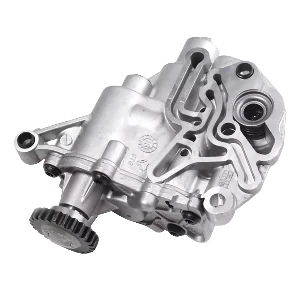
A clogged oil filter or failing oil pump can severely impact oil pressure. The oil pump is responsible for circulating oil throughout the generator engine. If it fails, moving parts do not receive adequate lubrication, which can cause rapid generator engine damage.
A clogged filter obstructs oil flow, making the pressure drop even if the oil level is correct. Replacing filters at recommended intervals and monitoring pump performance are critical steps in generator maintenance.
To ensure your engine remains protected, never settle for substandard components. Installing a high-performance Oil Pump that meets OEM standards is the best insurance against sudden pressure drops during critical operations.
Proactive maintenance and early detection of these issues can extend the life of your generator and reduce the risk of unexpected breakdowns.
|
Common Cause |
Typical Symptoms |
|
Low or Contaminated Oil |
Dark oil, engine noise, burning smell |
|
Oil Leaks or Consumption |
Oil spots, low oil level, residue |
|
Faulty Sensor or Wiring |
False alarms, erratic readings |
|
Clogged Filter or Failing Pump |
Low pressure despite correct oil level |
What Not to Do with a Low Oil Pressure Alarm
When a generator triggers a low oil pressure alarm, the next steps are critical. Mistakes at this stage can lead to severe generator engine damage or even total failure. Operators should avoid these common pitfalls to protect their equipment and ensure safe operation.
Don’t Ignore or Reset the Alarm
Ignoring a low oil pressure alarm or simply resetting it without investigation can have disastrous consequences. The oil warning light and alarm exist to alert you to a real threat. If you continue running the generator under these conditions, you risk:
- Catastrophic engine damage that may be irreversible.
- Overheating and accelerated wear of internal components.
- Complete engine failure, which can make generator repairs extremely costly or even impossible.
A warning should always prompt immediate action. Never assume the alarm is a false signal. Always investigate the root cause before restarting the generator.
Don’t Add Oil Without Inspection
Adding oil without a thorough inspection may seem like a quick fix, but it can mask underlying problems. Low oil pressure can result from leaks, worn parts, or contaminated oil. Simply topping off the oil does not address these issues. Always check for visible leaks, inspect oil quality, and confirm that the oil filter and pump are functioning correctly. Skipping these steps can lead to repeated alarms and further damage.
Don’t Attempt Major Repairs Unprepared
Attempting major repairs without proper tools, knowledge, or parts can worsen the situation. Complex issues such as oil pump failure or internal engine wear require specialized expertise. Unprepared repairs may void warranties or introduce new faults. If you are unsure about the cause or solution, consult a qualified technician or refer to your generator’s service manual. Professional support ensures repairs are completed safely and effectively.
Tip: Document every alarm event and maintenance action. This record helps identify patterns and supports future troubleshooting.
By avoiding these common mistakes, you protect your generator from unnecessary risks and ensure reliable performance during critical operations.
When to Call a Generator Professional
Knowing when to involve a generator specialist can prevent minor issues from pipeline into major failures. Some problems require advanced diagnostics, specialized tools, or immediate intervention. Timely action ensures the safety and reliability of your equipment.
Persistent Low Oil Pressure Issues
If troubleshooting steps do not resolve the low oil pressure alarm, professional assistance becomes essential. Persistent low oil pressure can indicate deeper mechanical faults or hidden leaks. Operators should watch for these warning signs:
- Engine noise, such as knocking or ticking, often signals increased friction from poor lubrication.
- Excessive oil consumption, requiring frequent top-ups, may point to internal leaks or worn components.
- Blue exhaust smoke can reveal oil entering the combustion chamber, a serious malfunction.
- A persistent oil warning light, even after sensor checks, suggests unresolved pressure problems.
A low oil pressure alarm on your diesel generator is a critical warning that demands immediate attention to prevent severe engine damage. Do not ignore or repeatedly reset a low oil pressure alarm.
If these symptoms persist, contact a professional for emergency generator repair. This step protects your investment and ensures continued operation during critical periods.
Signs of Engine Damage
Certain symptoms indicate that engine damage may have already occurred. Immediate professional evaluation is necessary if you observe any of the following:
|
Symptom |
Explanation |
|
Decreased Engine Performance |
Reduced acceleration or sluggishness may result from poor lubrication. |
|
Oil Warning Light |
Continuous activation signals potential engine damage. |
|
Smoke from Exhaust or Engine Bay |
Emission of smoke suggests overheating or burning components. |
|
Seized Engine |
A seized engine means catastrophic internal damage from lack of oil. |
|
Burnt or Unusual Smell |
A burnt smell can indicate overheating oil and possible engine failure. |
These issues often require emergency generator repair to prevent further loss and restore safe operation.
Unresolved Electrical Problems
Electrical faults can also trigger low oil pressure alarms. If you encounter any of the following, seek professional help:
- Faulty sensors or wiring that cause false alarms.
- Corroded connectors or damaged harnesses.
- Uncertainty about correct repair procedures.
A qualified technician can diagnose and resolve complex electrical issues, ensuring the generator operates safely and reliably. Prompt intervention reduces downtime and prevents escalation of minor faults into major breakdowns.
Prompt action when a diesel generator triggers a low oil pressure alarm protects your investment and prevents severe generator engine damage.
- Regular maintenance of your diesel generator ensures efficient operation, extends lifespan, and reduces unexpected failures.
- Consistent oil and filter changes for your diesel generator remove impurities and help avoid costly repairs.
- Following manufacturer guidelines for your diesel generator supports optimal performance and reliability.
Running a diesel generator with low oil pressure can cause irreversible engine damage and costly failures.
When in doubt, consult a professional to safeguard your diesel generator and ensure your generator remains dependable.
A low generator oil pressure alarm is the final safeguard between routine maintenance and total engine failure. Addressing the root cause—whether it’s a faulty sensor, a clogged filter, or an internal leak—is essential to protecting your equipment and avoiding catastrophic repair costs. Relying on components that meet strict industry standards ensures your power system remains ready for any emergency. For a full range of verified generator components and expert technical support, visit Megawatts part to safeguard your power investment.
Previous And Next
-
Previous Post:
 BLOG
BLOG Megawatts BlogIntroducing the components of a diesel engineIntroducing the components of a diesel engine A diesel generator set is a type of internal combustion generator set and is currently one of the most widely used power generation devices in the world....
 -
Next Post:
 BLOG
Megawatts BlogFuel Filter vs Fuel Water Separator: What’s the Difference in Generator Engines?The main difference between a fuel filter vs fuel water separator in industrial generator engines lies in the type of contaminants each targets. The fuel filter removes solid particles that can clog i...
BLOG
Megawatts BlogFuel Filter vs Fuel Water Separator: What’s the Difference in Generator Engines?The main difference between a fuel filter vs fuel water separator in industrial generator engines lies in the type of contaminants each targets. The fuel filter removes solid particles that can clog i...
Read More
-
 BLOG
Megawatts BlogStrategic Sourcing: How to Build a Standardized Generator Sets Parts Catalog for Mixed FleetsManaging a mixed fleet of Cummins, Perkins, and Caterpillar generators often creates a hidden financial drain through inventory duplication and fragmented procurement. When different brands use differ...
BLOG
Megawatts BlogStrategic Sourcing: How to Build a Standardized Generator Sets Parts Catalog for Mixed FleetsManaging a mixed fleet of Cummins, Perkins, and Caterpillar generators often creates a hidden financial drain through inventory duplication and fragmented procurement. When different brands use differ... -
 BLOG
Megawatts BlogDiesel Generator Won't Crank: A Step-by-Step Electrical Diagnostic Checklist for MechanicsWhen a diesel generator won't crank, check the electrical system first. Do not chase fuel or mechanical theories yet. Low battery voltage and corroded connections cause most no-start condition calls....
BLOG
Megawatts BlogDiesel Generator Won't Crank: A Step-by-Step Electrical Diagnostic Checklist for MechanicsWhen a diesel generator won't crank, check the electrical system first. Do not chase fuel or mechanical theories yet. Low battery voltage and corroded connections cause most no-start condition calls.... -
 BLOG
Megawatts BlogMagnetic Coil Degradation: Why Your Diesel Engine Stop Solenoid Fails Under Extreme HeatExtreme heat is the primary enemy of a diesel engine stop solenoid. The heat breaks down the electrical insulation inside the magnetic coil. This degradation raises resistance and creates short circui...
BLOG
Megawatts BlogMagnetic Coil Degradation: Why Your Diesel Engine Stop Solenoid Fails Under Extreme HeatExtreme heat is the primary enemy of a diesel engine stop solenoid. The heat breaks down the electrical insulation inside the magnetic coil. This degradation raises resistance and creates short circui... -
 BLOG
Megawatts BlogThe Hidden Cost of Expired Inventory: Shelf Life and Proper Storage of Rubber Gasket Seal KitsA gasket seal kit sits untouched for five years. You paid for it. Now you pay to dispose of it. When a failure occurs, you pay a premium for emergency replacement. These hidden costs accumulate silent...
BLOG
Megawatts BlogThe Hidden Cost of Expired Inventory: Shelf Life and Proper Storage of Rubber Gasket Seal KitsA gasket seal kit sits untouched for five years. You paid for it. Now you pay to dispose of it. When a failure occurs, you pay a premium for emergency replacement. These hidden costs accumulate silent...
Subscribe to enjoy 10% off
Stay informed about new products and sales

-
INFORMATION
Contact Us
-
CHINA SALES OFFICE: No. 2-11, No. 8, Gaotai Road, Gaishan Investment Zone, Cangshan District, Fuzhou, Fujian
-
SAUDI ARABIA FACTORY: 7264 Shakra, Al Faisaliyyah, REFB3035, 3035, Riyadh 12883
-
COLOMBIA SALES OFFICE: 92-32 26th Street, 03-118, Bogota
-
NIGERIA FACTORY: Plot 5 Chivita Avenue Ajao Estate Isolo Lagos
-
Email:sales@megawattsparts.com
Follow Us


Copyright © 2025 Megawatts All Rights Reserved.



Select Previous Button or Search Directly on Search Bar!
Shop All
 English
Currency: <{ pagedata.current_currency }>(<{ pagedata.current_currency_code }>)
Are you in the right place?

You agree to MegaWatts.com's Terms of Use and Privacy Policy by subscribing. You may receive emails with useful tips, promotions, and offerings.
No, thanks. I'd rather pay full price.