







































Maximizing Fuel Efficiency: A Deep Dive into Fuel Injector
by Megawatts - Updated At 2026-01-08
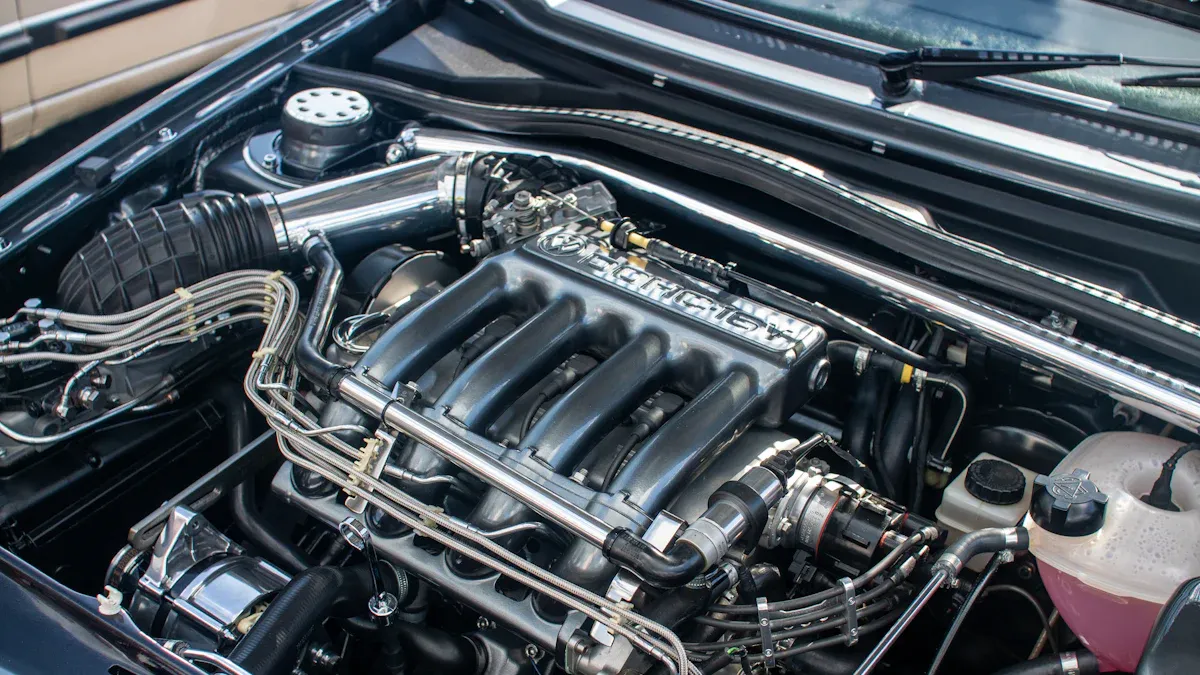
In the world of high-performance power generation, a fuel injector is the "precision heart" of your engine. Whether you are operating a fleet of heavy-duty machinery in Riyadh or maintaining a backup diesel generator in Lagos, maximizing fuel efficiency starts with the integrity of your fuel delivery system. For critical platforms like fuel injectors, even a microscopic blockage in the fuel injector filter can lead to incomplete combustion and soaring operational costs. At Megawatts Parts, our specialized fuel injector collection—including everything from the fuel injector pump to the smallest fuel injector plug—is engineered to meet the rigorous demands of industrial engines, ensuring that every drop of diesel translates into peak KVA output.
Fuel Injector Basics and Engine Performance
1. What Is a Fuel Injector?
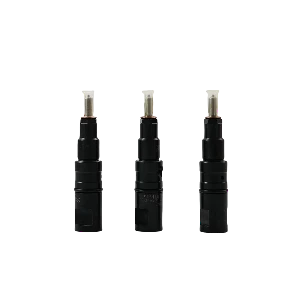
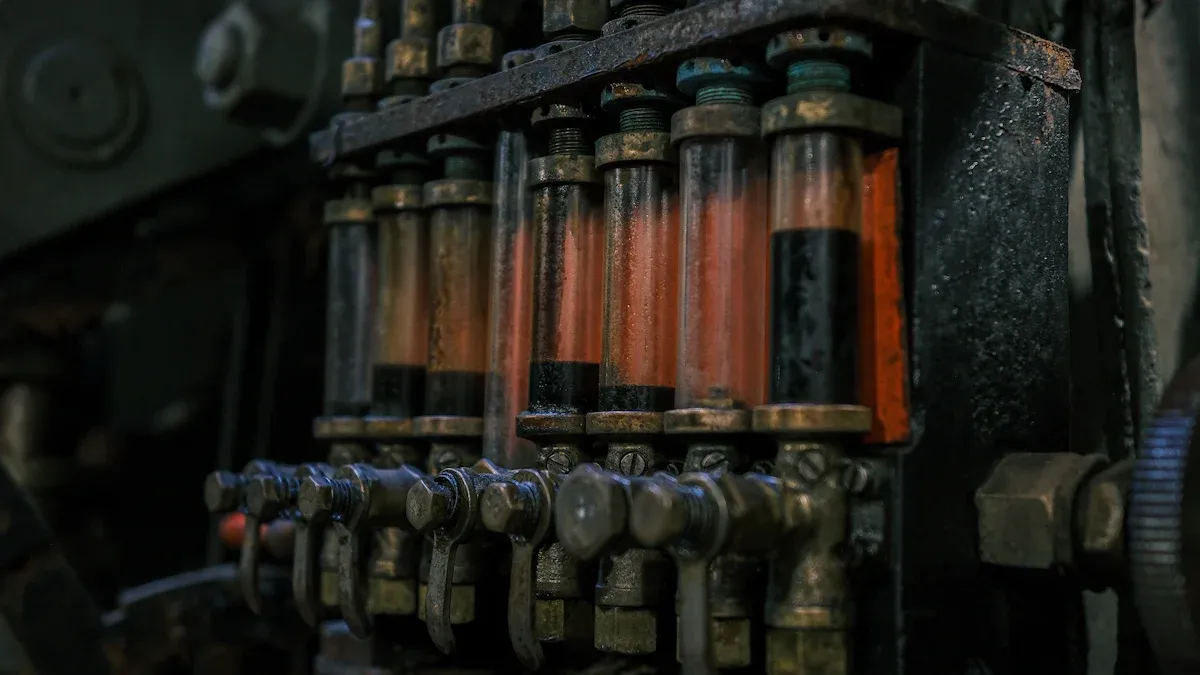
You rely on a fuel injector to deliver the right amount of fuel into your engine’s combustion chamber. In industrial engines and diesel generators, the injector uses high pressure to spray fuel as a fine mist. This process ensures that fuel mixes thoroughly with air, which is essential for fuel efficiency and outstanding engine performance. The main components of a fuel injector work together to control the flow, timing, and atomization of fuel. Here is a quick overview of the core parts and their functions:
| Component/Principle | Description |
| Nozzle | Injects fuel into the combustion chamber through tiny holes, affecting the flow rate. |
| Spray Plate | Controls atomization and injection angle through multiple spray holes. |
| Valve Body | Protects internal components and houses the injector nozzle. |
| Drive Mechanism (Actuator) | Controls the injection process, can be electromagnetic, pressure, or mechanical. |
| Electromagnet (Solenoid) | Generates a magnetic field to control the valve body and fuel injection. |
| Control System Interface | Connects to the engine’s control system for precise fuel control. |
| Fuel Supply | Receives fuel from the tank and sends it into the injector. |
| Fuel Pressure | Pressurized by the fuel pump to facilitate flow and injection. |
| Atomization Effect | Controls fuel pressure and nozzle size for better mixing with air, improving combustion efficiency. |
| Control and Timing | Requires precise timing controlled by the engine system for optimal fuel injection. |
2. How Fuel Injectors Affect Combustion
Fuel injectors play a direct role in how efficiently your engine burns fuel. When you use a high-quality injector, you get precise control over the amount of fuel entering the combustion chamber. This accuracy leads to more complete combustion, which boosts fuel efficiency and reduces waste. You also benefit from stable torque and lower soot formation. The injector’s nozzle atomizes the fuel, creating tiny droplets that mix easily with air. This process supports cleaner emissions and better engine performance. If you use a Cummins fuel injector or maintain your fuel injector filter, you help your engine achieve maximum efficiency.
Tip: Regularly check your fuel injector plug and fuel injector pump to ensure consistent fuel delivery and optimal efficiency.
3. Industrial Applications of Fuel Injectors
Industrial engines and diesel generators demand robust fuel injectors designed for continuous, heavy-duty operation. Unlike automotive injectors, industrial injectors must handle higher pressures and larger fuel volumes. You need injectors that can withstand long hours and variable loads without sacrificing fuel efficiency or engine performance. In industrial settings, the focus stays on reliability, durability, and maximizing efficiency to reduce operational costs. By choosing the right injector and maintaining it properly, you ensure your equipment delivers peak performance and fuel efficiency every day.
Fuel Efficiency and Injector Technology
1. Precision Fuel Delivery
You achieve fuel efficiency in industrial engines by using injectors that deliver fuel with remarkable precision. Modern injectors ensure your engine receives the exact amount of fuel at the right time. This process supports complete combustion and reduces fuel waste. Improved atomization and spray patterns help fuel mix thoroughly with air, which stabilizes combustion and boosts efficiency. You notice less soot and lower emissions, which means your equipment runs cleaner and more economically.
- Precision fuel delivery ensures your engine operates at peak performance.
- Consistent fuel flow limits unnecessary fuel consumption and supports emissions control.
- Advanced fuel injection systems, such as those found in Cummins fuel injector solutions, help you maintain exceptional fuel efficiency in demanding industrial environments.
2. Direct Injection Advances
Direct injection technology has transformed fuel efficiency in diesel generators and industrial engines. You benefit from systems that send fuel directly into the combustion chamber, which enhances combustion efficiency and power output. This method allows for better atomization and precise fuel delivery, resulting in improved fuel economy and lower emissions.
- Direct injection supports higher combustion efficiency, which means you get more power from every drop of fuel.
- You experience reduced emissions and better emissions control, which helps meet regulatory standards.
- Modern direct injection systems, including electronic fuel injection, work with fuel injector filter and fuel injector pump components to optimize engine performance and fuel efficiency.
3. Common Issues Impacting Fuel Efficiency
You face several challenges that can reduce fuel efficiency in industrial engines. Contaminated fuel is a major issue, introducing dirt and water that block injectors and harm performance. Poor-quality fuel accelerates injector wear, leading to efficiency loss and increased emissions. Water in fuel causes corrosion and bacterial growth, which clogs filters and injectors.
Tip: Regularly inspect your fuel injector plug and fuel injector filter to prevent blockages and maintain optimal fuel efficiency.
| Issue | Impact on Efficiency | Impact on Emissions |
| Contaminated Fuel | Reduces efficiency | Increases emissions |
| Poor-Quality Fuel | Accelerates wear | Raises emissions |
| Water in Fuel | Causes corrosion | Promotes emissions |
You protect your engine and fuel economy by choosing quality fuel and maintaining your injectors. Megawatts offers solutions designed for industrial applications, helping you achieve reliable performance and exceptional fuel efficiency.
Maximizing Fuel Economy with Maintenance

1. Importance of Fuel Injector Filter
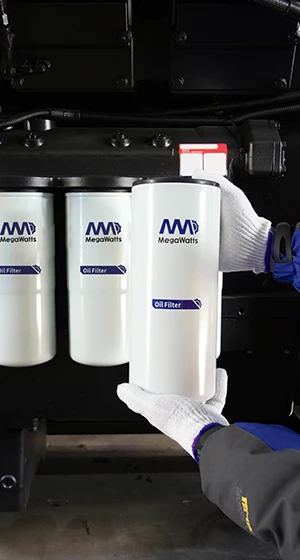
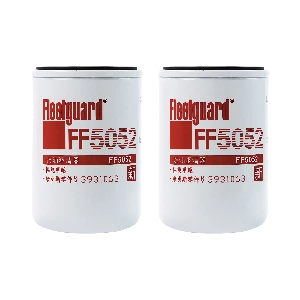
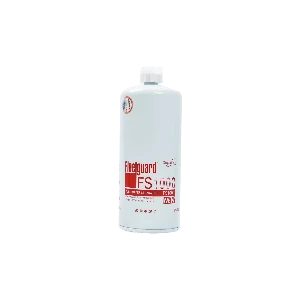
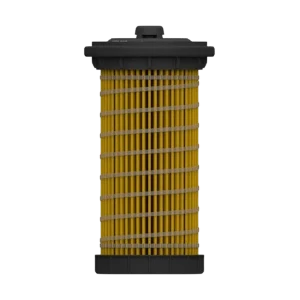
You play a key role in keeping your industrial engine running at peak efficiency. The fuel injector filter stands as your first line of defense against contaminants that can harm fuel injectors. When you replace or clean the fuel injector filter regularly, you prevent dirt, water, and debris from reaching the injectors. This simple step helps maintain fuel efficiency and supports maximum fuel economy in diesel generators.
- Cleaning fuel injectors can resolve issues like poor atomization and fuel puddling. These problems often lead to reduced engine performance.
- Regular maintenance, including filter changes, keeps your engine operating smoothly. The benefits for fuel economy depend on the condition of your injectors and the quality of your fuel.
- You should always use high-quality diesel fuel to minimize the risk of contamination.
Tip: Schedule filter inspections as part of your regularly scheduled maintenance routine. This habit helps you avoid costly repairs and supports energy-saving improvements.
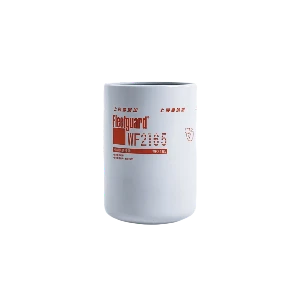
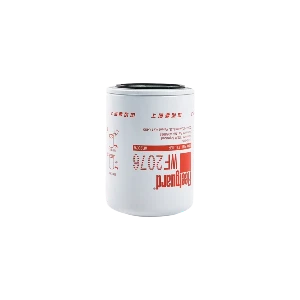
Megawatts offers a wide selection of fuel injector filters designed for industrial engines. You can explore the Fuel Injector category for solutions that match your equipment’s needs.
2. Diagnosing and Replacing Injectors
You need to identify faulty fuel injectors early to protect fuel efficiency and fuel economy. Several diagnostic steps help you spot problems before they escalate:
- Visual inspection: Look for external fuel leaks and signs of contamination around the fuel filter.
- Listen to the engine: Unusual sounds may indicate injector issues.
- Use an OBD-II scan tool: Read diagnostic trouble codes related to injectors.
- Perform an injector balance rate test: Measure fuel delivery from each injector.
- Conduct a cylinder contribution test: Assess power output from each cylinder.
- Run a fuel pressure test: Check for pressure drops that signal injector or pump problems.
- Complete a compression test: Rule out other engine issues that mimic injector symptoms.
If you ignore early signs of injector failure, you risk much higher costs. Delayed replacement can lead to repairs that are 10-25 times more expensive than preventive action. The average cost to replace a fuel injector ranges from $742 to $953, but waiting can result in extensive engine damage.
3. Routine Care for Longevity
You extend the life of your fuel injectors and maximize fuel efficiency by following a few proven maintenance practices. These steps help you achieve fuel-efficient machinery and support long-term energy-saving improvements:
- Use clean, high-quality diesel fuel. This choice reduces the risk of contaminants that block injectors.
- Replace fuel filters. Clean filters ensure smooth fuel flow and protect injectors.
- Drain water separators often. Water in diesel can cause corrosion and injector problems.
- Use fuel stabilizers if your generator sits unused for long periods. Stabilizers maintain fuel quality and prevent deposits.
- Add approved diesel fuel additives. These products help keep fuel injectors clean and improve efficiency.
- Avoid long periods of idling. Excessive idling leads to carbon buildup in the fuel system.
| Maintenance Step | Benefit for Fuel Economy and Efficiency |
| Use high-quality fuel | Prevents injector clogging, supports efficiency |
| Replace fuel filters | Maintains clean fuel flow, boosts fuel economy |
| Drain water separators | Prevents corrosion, extends injector lifespan |
| Use fuel stabilizers | Maintains fuel quality, supports efficiency |
| Add diesel fuel additives | Keeps fuel injectors clean, improves performance |
| Limit engine idling | Reduces carbon buildup, supports efficiency |
You should also monitor the condition of your fuel injector plug and fuel injector pump. These components contribute to overall system efficiency by delivering precise amounts of fuel at the correct timing and pressure. Enhanced engine responsiveness and improved combustion efficiency result from proper maintenance of these parts.
Reminder: Proper maintenance and regularly scheduled maintenance routines help you achieve maximum fuel efficiency and fuel economy in your industrial engines and diesel generators. You protect your investment and ensure reliable, fuel-efficient machinery for years to come.
Supporting Factors for Optimal Fuel Efficiency
1. Engine System Maintenance
You maximize fuel efficiency in your industrial engine by following a comprehensive maintenance routine. Regular maintenance keeps your engine running smoothly and prevents costly breakdowns. You should focus on these key practices:
- Schedule maintenance checks to catch issues early.
- Keep filters clean to support unrestricted airflow and complete combustion.
- Replace fuel filters and inspect the fuel pump and injectors to prevent clogs.
- Maintain the air intake system by inspecting and replacing air filters, checking for leaks, and ensuring sensors work properly.
Clean injectors help your engine deliver consistent power and reduce emissions. Neglecting maintenance can lead to clogged injectors, inefficient combustion, and higher fuel costs.
2. Fuel Quality and Cleanliness
You protect your engine and fuel injectors by using high-quality fuel and keeping the fuel system clean. Poor fuel introduces impurities that damage injectors and disrupt spray patterns. Studies show that injector fouling can reduce fuel flow rate by up to 6.1% and increase spray penetration length by 11.6%, which lowers combustion efficiency. High-quality fuels often contain detergents that prevent deposit buildup on injector nozzles. Improper fuel storage can cause deposits that clog injectors and harm your engine.
| Factor | Impact on Engine and Fuel Efficiency |
| Fuel Quality | Prevents injector damage and supports clean spray |
| Fuel Flow Rate | Maintains optimal combustion and engine power |
| Additives | Reduce deposit buildup and keep injectors clean |
| Proper Storage | Avoids clogging and maintains fuel integrity |
You can explore Megawatts’ fuel injector and cummins fuel injector solutions for reliable performance.
3. Operator Best Practices
You play a vital role in maximizing fuel efficiency through your daily habits. You should:
- Avoid overloading equipment to prevent excess fuel consumption.
- Use the right machinery for each task to optimize engine performance.
- Schedule work during cooler times for better engine efficiency.
- Accelerate and decelerate smoothly to minimize fuel use.
- Reduce idle time by turning off engines during long waits.
- Use the correct gear to maintain engine efficiency.
- Monitor fuel usage to identify and fix inefficiencies.
- Train operators in efficient driving techniques.
You can further improve results by investing in preventive maintenance and using quality parts like the fuel injector plug and fuel injector pump. For more tips, visit the Megawatts blog or review external resources such as the Diesel Technology Forum.
Tip: Consistent engine care and smart operator habits help you achieve optimal fuel efficiency, lower emissions, and extend equipment life.
You maximize fuel efficiency in diesel generators and industrial engines by following these steps:
- Use clean, high-quality fuel and replace your fuel injector filter as recommended.
- Inspect fuel injectors, fuel injector plugs, and fuel injector pump regularly for leaks or spray pattern issues.
- Monitor engine performance and schedule routine cleaning to prevent carbon buildup.
Tip: Consistent care extends injector life and reduces operational costs.
FAQ
What signs show you need to replace a fuel injector?
You notice rough engine operation, increased fuel consumption, or black smoke. These signs often mean your fuel injector needs attention. Quick replacement helps you maintain fuel efficiency in diesel generators and industrial engines.
How often should you change the fuel injector filter?
You should inspect and replace the fuel injector filter every 250–500 hours of operation. Clean filters protect injectors from contaminants and support optimal fuel economy.
Can you use a Cummins fuel injector in any industrial engine?
You must check compatibility with your engine model. Cummins fuel injector products work best in engines designed for them. Always follow manufacturer guidelines for safe installation.
What role does the fuel injector plug play?
The fuel injector plug connects the injector to the engine’s electrical system. Reliable plugs ensure precise fuel delivery and stable engine performance in industrial applications.
Why is the fuel injector pump important for diesel generators?
The fuel injector pump supplies pressurized fuel to the injectors. You need a well-maintained pump to achieve consistent atomization, efficient combustion, and lower fuel costs.
Previous And Next
-
Previous Post:
 BLOG
BLOG Megawatts BlogIntroducing the components of a diesel engineIntroducing the components of a diesel engine A diesel generator set is a type of internal combustion generator set and is currently one of the most widely used power generation devices in the world....
 -
Next Post:
 BLOG
Megawatts BlogHow to Choose the Right Oil Pressure Switch for Your Generator?In the demanding world of industrial power, a generator engine is a massive investment that requires fail-safe protection. Among the various safety components, the oil pressure switch acts as the sile...
BLOG
Megawatts BlogHow to Choose the Right Oil Pressure Switch for Your Generator?In the demanding world of industrial power, a generator engine is a massive investment that requires fail-safe protection. Among the various safety components, the oil pressure switch acts as the sile...
Read More
-
 BLOG
Megawatts BlogHeavy Dust Defense: How Mining Fleets Protect Engine Cylinders and Turbochargers from Abrasive WearMining fleets operate in hostile environments where dust constantly threatens engine reliability. maintenance and cutting-edge monitoring, provide the foundation for effective defense. Trusted supplie...
BLOG
Megawatts BlogHeavy Dust Defense: How Mining Fleets Protect Engine Cylinders and Turbochargers from Abrasive WearMining fleets operate in hostile environments where dust constantly threatens engine reliability. maintenance and cutting-edge monitoring, provide the foundation for effective defense. Trusted supplie... -
 BLOG
Megawatts BlogLow Oil Pressure at Idle: Diagnosing Worn Engine Oil Pumps vs. Failing BearingsLow oil pressure at idle is a critical warning for any engine. This condition often signals a failing oil pump or worn engine bearings. Oil plays a vital role in reducing friction, cooling components,...
BLOG
Megawatts BlogLow Oil Pressure at Idle: Diagnosing Worn Engine Oil Pumps vs. Failing BearingsLow oil pressure at idle is a critical warning for any engine. This condition often signals a failing oil pump or worn engine bearings. Oil plays a vital role in reducing friction, cooling components,... -
 BLOG
Megawatts BlogThe Truth About Oil Leak Sealers: Temporary Fixes vs. Rear Main Seal ReplacementRear main seal leaks pose a severe threat to engine reliability, leaving many operators torn between quick chemical sealers and mechanical repairs. While oil leak sealers may offer a temporary bandage...
BLOG
Megawatts BlogThe Truth About Oil Leak Sealers: Temporary Fixes vs. Rear Main Seal ReplacementRear main seal leaks pose a severe threat to engine reliability, leaving many operators torn between quick chemical sealers and mechanical repairs. While oil leak sealers may offer a temporary bandage... -
 BLOG
Megawatts BlogGenerator Control Panel Failures: How to Test and Replace Faulty RelaysGenerator control panel relay failures can instantly halt operations and disrupt critical industrial systems. When these control relays malfunction, facilities face the immediate risk of unexpected do...
BLOG
Megawatts BlogGenerator Control Panel Failures: How to Test and Replace Faulty RelaysGenerator control panel relay failures can instantly halt operations and disrupt critical industrial systems. When these control relays malfunction, facilities face the immediate risk of unexpected do...
Subscribe to enjoy 10% off
Stay informed about new products and sales

-
INFORMATION
Contact Us
-
CHINA SALES OFFICE: No. 2-11, No. 8, Gaotai Road, Gaishan Investment Zone, Cangshan District, Fuzhou, Fujian
-
SAUDI ARABIA FACTORY: 7264 Shakra, Al Faisaliyyah, REFB3035, 3035, Riyadh 12883
-
COLOMBIA SALES OFFICE: 92-32 26th Street, 03-118, Bogota
-
NIGERIA FACTORY: Plot 5 Chivita Avenue Ajao Estate Isolo Lagos
-
Email:sales@megawattsparts.com
Follow Us


Copyright © 2025 Megawatts All Rights Reserved.



Select Previous Button or Search Directly on Search Bar!
Shop All
 English
Currency: <{ pagedata.current_currency }>(<{ pagedata.current_currency_code }>)
Are you in the right place?

You agree to MegaWatts.com's Terms of Use and Privacy Policy by subscribing. You may receive emails with useful tips, promotions, and offerings.
No, thanks. I'd rather pay full price.