







































Preventing Catastrophic Engine Failure: The Importance of Proactive oil seal Replacement
by Megawatts - Updated At 2026-02-12
In industrial and heavy-duty applications, engine oil seals help control oil loss and contamination, both of which are common contributors to lubrication-related engine failures. Neglecting timely oil seal replacement can quietly put an engine at risk. What starts as a minor oil leak can escalate into severe engine damage, unexpected shutdowns, and costly repairs. In many cases, replacing failed critical seals after the fact can drive repair expenses beyond $7,800, far more than the cost of proactive maintenance.
|
Seal Type |
Total Cost Range |
|
Rear Crankshaft Seal |
$2,000 - $7,800+ |
|
Oil Pan Gasket |
$700 - $2,900 |
|
Valve Cover Gasket |
$400 - $1,500 |
Using high-quality aftermarket parts from trusted oil seal suppliers like Megawatts helps protect engines from avoidable damage and long-term reliability issues. Proactive replacement strategies play a key role in keeping equipment running smoothly while minimizing the risk of expensive failures.
Why Replace Oil Seals Proactively
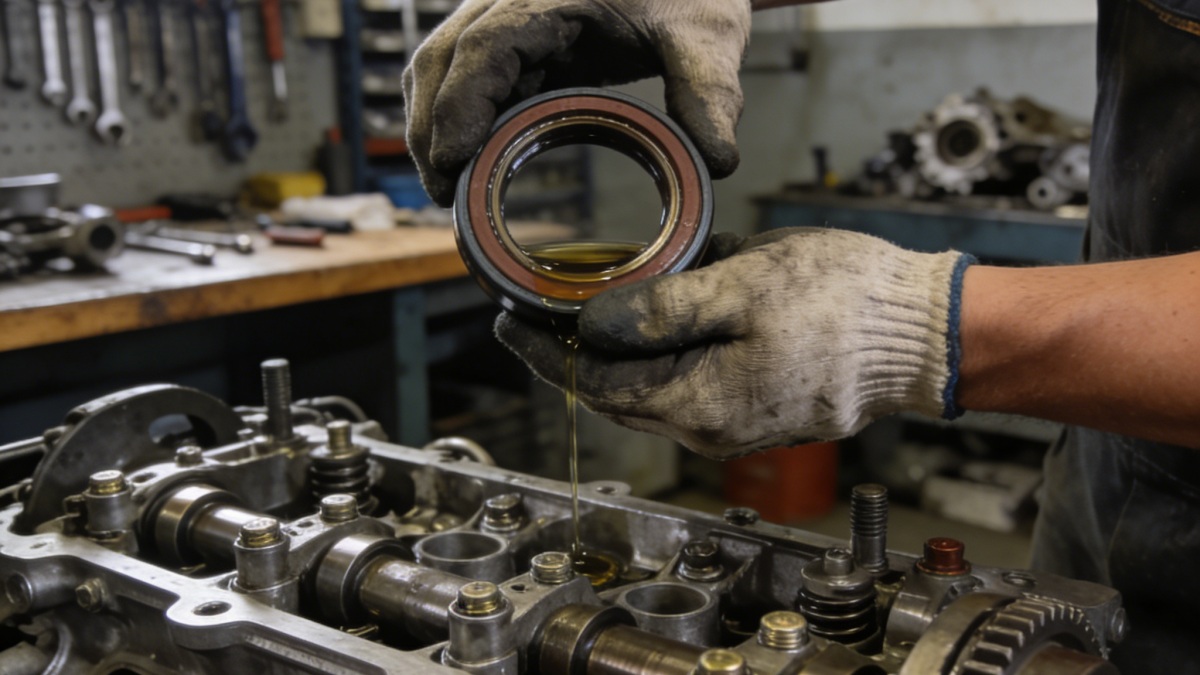
1. Oil Seal Function in Engines
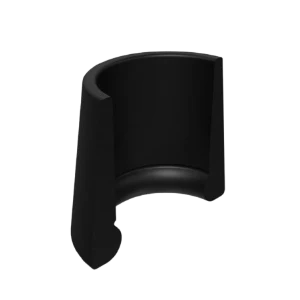
Oil seals are small components with a major impact on engine reliability. Their primary job is to keep lubricants inside the engine while blocking dirt, water, and other contaminants from entering critical areas. Located at points where rotating shafts pass through housings, oil seals allow smooth movement without leakage. Once a seal begins to fail, lubrication loss and contamination quickly accelerate internal wear, increasing the risk of serious engine damage if not addressed early.
For maintaining proper lubrication and protecting internal components from premature wear.
- Prevent leakage of lubricants or fluids outside the seal.
- Retain lubricating oil, reducing maintenance needs.
- Protect sensitive parts from damage by blocking contaminants.
- Ensure lubrication reaches necessary components while blocking external debris.
A well-maintained oil seal ensures that engines operate efficiently, minimizing the risk of unexpected breakdowns. In high-demand environments, such as construction sites or industrial facilities, even a minor oil leak can escalate into significant operational disruptions.
2. Oil Seal Failure Consequences
Failure of an oil seal can have immediate and long-term effects on engine health. The most common causes of engine oil seal degradation include incorrect material selection, improper installation, high-pressure environments, environmental contamination, and temperature fluctuations. These factors can accelerate wear and lead to seal failure.
|
Consequence |
Description |
|
Oil Leakage |
Oil seals can fail due to wear, aging, or damage, leading to oil escaping from the engine. |
|
Contamination of Engine Components |
Oil leakage can allow contaminants to enter the engine, affecting performance and longevity. |
|
Increased Wear and Tear |
Insufficient lubrication from oil leakage can cause parts to wear out faster, leading to damage. |
|
Reduced Lubrication Efficiency |
Oil seal failure can compromise the engine's lubrication system, increasing the risk of overheating. |
|
Engine Damage |
Prolonged oil seal failure can ultimately result in severe engine damage, necessitating repairs. |
Tip: Early detection and proactive replacement of oil seals can prevent these costly consequences and extend engine life.
3. The Importance of Proactive Replacement
Proactive oil seal replacement is essential for maintaining engine health and reliability. Regular inspection and timely replacement help avoid catastrophic failures that can result in expensive repairs and extended downtime. By addressing potential issues before they escalate, operators can ensure consistent performance and protect their investment.
Megawatts sets a high standard for quality and reliability in aftermarket parts. The company partners with top manufacturers and implements a rigorous quality control process. Each batch of oil seals, including popular models such as the Kubota oil seal 1C020-04140, undergoes multi-stage testing for material integrity, dimensional accuracy, and functionality. Only parts that pass all inspections are approved for inventory. This commitment to quality helps prevent engine failure and provides peace of mind for customers who rely on their equipment in demanding environments.
Choosing Megawatts parts for oil seal replacement, like the Kubota oil seal 1C020-04140, means selecting components that meet OEM specifications. This approach minimizes the risk of premature failure and supports long-term engine performance. Proactive maintenance, combined with high-quality components, forms the foundation of a reliable and efficient operation.
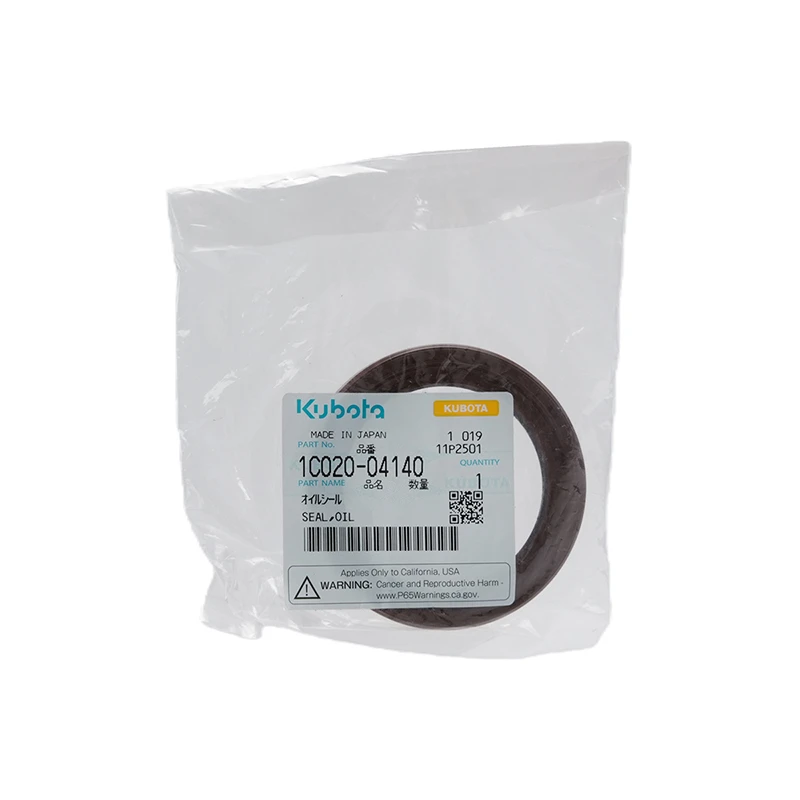
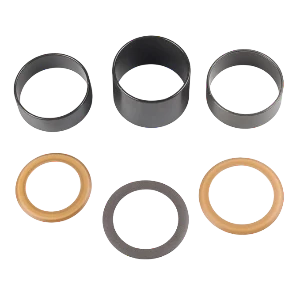
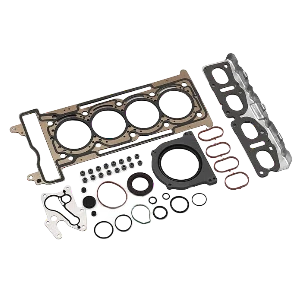
In addition to individual oil seals, Megawatts also offers a complete range of gasket seal kits. These kits provide all the necessary components to achieve a reliable and efficient seal in engines and machinery, simplifying maintenance and reducing the risk of leaks.
Spotting Oil Seal Problems Early
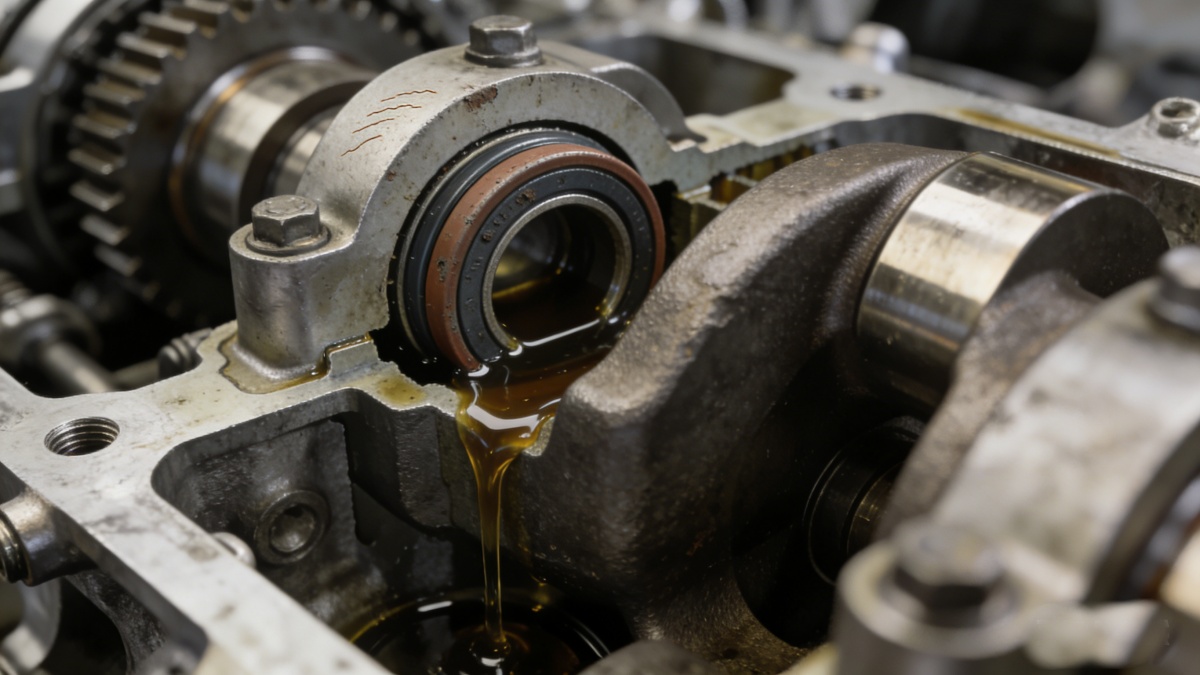
1.Signs of Oil Seal Leaks
Early detection of oil seal leaks can prevent severe engine damage and costly repairs. Recognizing the warning signs is essential for maintaining engine reliability. Common indicators include:
- Oil spots on driveways or parking lots, even small ones, signal a leak.
- A burning oil smell often means oil is dripping onto hot engine parts.
- Smoke from the engine bay suggests oil is contacting high-temperature surfaces.
- Low oil levels between changes point to a leak or excessive consumption.
- Oil visible on engine components, such as belts or pulleys, indicates active leakage.
- Engine misfires or rough running can result from oil entering spark plug wells.
- The dashboard oil light signals compromised oil pressure.
- Oil coating the undercarriage shows oil is being blown back while driving.
Note: Ignoring these signs can lead to rapid deterioration of engine components and unexpected breakdowns.
2. Inspecting for Engine Issues
Routine inspections play a vital role in identifying oil seal problems before they escalate. Regular checks help catch minor leaks and prevent them from developing into major failures. During inspections, look for:
- Oil residue around seals and gaskets.
- Unusual drops in oil levels.
- Smoke or burning smells during operation.
- Oil accumulation on the undercarriage or nearby components.
Timely oil changes and visual checks of critical engine parts can reveal early-stage leaks. Addressing these issues promptly reduces the risk of catastrophic engine failure and extends equipment life.
3. When to Get Professional Help
Some oil seal problems require expert attention. If you notice persistent leaks, unexplained oil loss, or warning lights, consult a professional mechanic. Skilled technicians can diagnose the source of the leak and recommend the best solution. Seeking professional help ensures accurate repairs and protects your engine from further damage.
Tip: Early intervention by a qualified expert can save significant repair costs and prevent prolonged downtime.
Maintenance Tips for Oil Seals
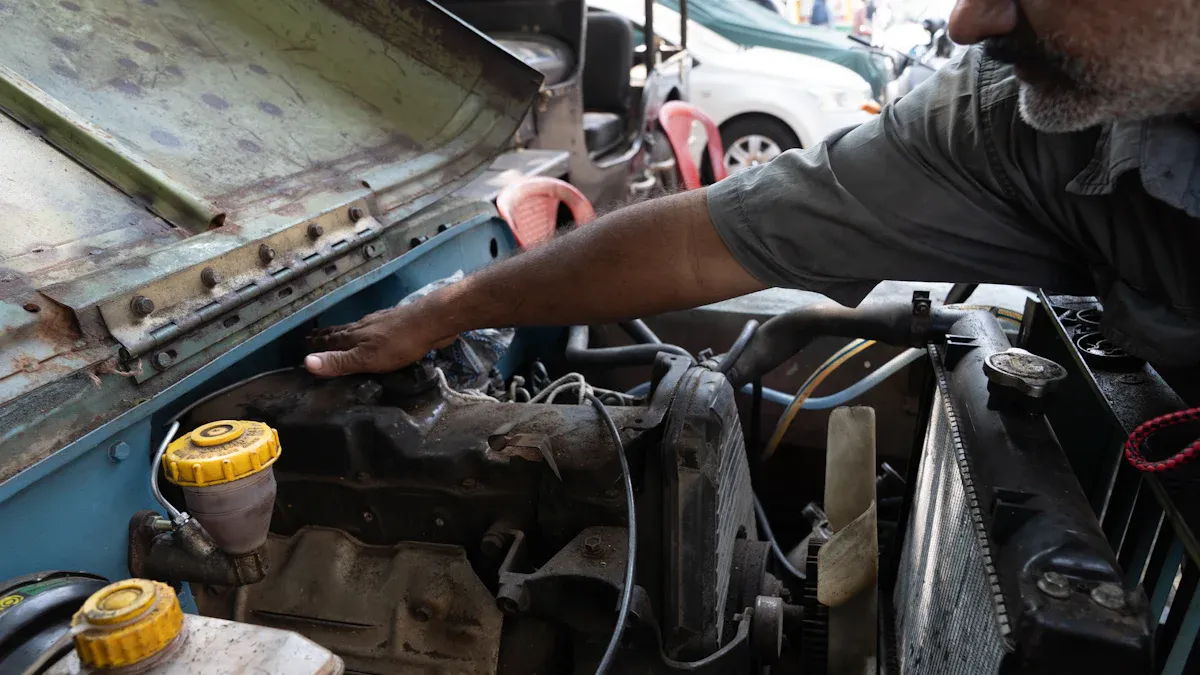
1. Replacement Intervals
Regular replacement of oil seals is essential for maintaining engine reliability. Most manufacturers recommend inspecting seals during every major service interval or at least every 60,000 to 100,000 kilometers. However, environmental factors can accelerate wear.
- High temperatures degrade seal materials, shortening their lifespan.
- Aggressive driving, such as frequent hard braking or rapid acceleration, increases heat and stress on seals.
- Off-road use or heavy hauling raises internal temperatures, causing faster deterioration.
A senior technician knows that waiting for visible leaks can lead to costly failures. Proactive replacement, especially in harsh environments, prevents unexpected downtime and extends equipment life.
2. Choosing Quality Oil Seals
Selecting the right oil seal requires attention to several technical criteria. The following table outlines key considerations:
|
Criteria |
Description |
|
Shaft Diameter & Pressure |
Match seal to shaft size and system pressure. |
|
Operating Conditions |
Assess for extreme temperatures, chemicals, or abrasives. |
|
Speed & RPM |
High-speed shafts need low-friction seals. |
|
Seal Performance |
Evaluate expected lifespan and wear resistance. |
|
Seal Type |
Choose based on application, such as radial lip for rotating shafts. |
|
Material Selection |
Nitrile rubber suits petroleum oils; fluoroelastomers handle higher temperatures and chemicals. |
|
Consulting Experts |
Seek advice from specialists and follow ISO/ASTM standards. |
Material composition directly impacts performance. Nitrile rubber offers excellent oil resistance but struggles in high heat. Fluoroelastomers maintain integrity under extreme temperatures and chemical exposure. Always inspect new seals for damage before installation and ensure proper alignment to avoid premature failure.
Megawatts offers a wide range of high-quality engine oil seals designed to ensure reliable oil sealing for engines and machinery. All parts undergo strict quality control and multi-stage testing to guarantee material integrity, dimensional accuracy, and long-lasting performance. By sourcing from trusted manufacturers, Megawatts helps operators maintain optimal engine performance and prevent leaks in demanding environments.
3. Benefits of Timely Replacement
Timely oil seal replacement delivers measurable benefits:
- Prevents oil leaks, reducing the risk of overheating and catastrophic engine failure.
- Lowers repair costs and minimizes unplanned downtime, improving productivity.
- Enhances workplace safety by reducing the chance of sudden equipment breakdowns.
A well-maintained seal can extend equipment lifespan by up to 30%. Routine maintenance and guidance from trusted suppliers like Megawatts help operators avoid common installation errors, such as forcing seals or skipping lubrication, which often lead to early failures.
Tip: Always use the correct tools and follow manufacturer recommendations during installation. Avoid reusing old seals, even if they appear undamaged.
Proactive replacement prevents catastrophic engine failure by addressing early warning signs before they escalate. The table below highlights how early detection reduces risk:
|
Warning Sign |
Implication |
|
Oil Puddles Growing Larger |
Worsening leaks can cause oil starvation and severe engine damage. |
|
Low Oil Pressure Warning Light |
Indicates inadequate lubrication, risking bearing damage and failure. |
|
Progressive Engine Damage |
Increased friction and heat lead to costly repairs or total failure. |
To protect your engine, follow these steps:
- Regularly inspect for leaks and wear.
- Schedule maintenance based on mileage or hours.
- Consult experts for tailored solutions.
Catastrophic engine failure rarely occurs without warning—it is often the result of small, overlooked issues accumulating over time. Oil seal degradation is one of those risks that can remain hidden until serious damage has already occurred. By adopting a proactive oil seal replacement strategy and using high-quality, properly matched components, operators can significantly reduce failure risk, maintain consistent engine performance, and avoid unnecessary downtime.
At Megawatts part, we support this proactive approach by providing oil seals that meet OEM specifications and are rigorously tested for durability and reliability. Combined with preventive maintenance practices, our components help protect engine health and form a solid foundation for safe, efficient, and long-term operation.
Previous And Next
-
Previous Post:
 BLOG
BLOG Megawatts BlogIntroducing the components of a diesel engineIntroducing the components of a diesel engine A diesel generator set is a type of internal combustion generator set and is currently one of the most widely used power generation devices in the world....
 -
Next Post:
 BLOG
Megawatts BlogA Field Engineer’s Guide to Engine Belt Replacement IntervalsEngine belt replacement should follow strict industry and manufacturer guidelines to avoid costly failures. Most timing belts require replacement every 60,000 to 100,000 miles, while accessory dr...
BLOG
Megawatts BlogA Field Engineer’s Guide to Engine Belt Replacement IntervalsEngine belt replacement should follow strict industry and manufacturer guidelines to avoid costly failures. Most timing belts require replacement every 60,000 to 100,000 miles, while accessory dr...
Read More
-
 BLOG
Megawatts BlogStrategic Sourcing: How to Build a Standardized Generator Sets Parts Catalog for Mixed FleetsManaging a mixed fleet of Cummins, Perkins, and Caterpillar generators often creates a hidden financial drain through inventory duplication and fragmented procurement. When different brands use differ...
BLOG
Megawatts BlogStrategic Sourcing: How to Build a Standardized Generator Sets Parts Catalog for Mixed FleetsManaging a mixed fleet of Cummins, Perkins, and Caterpillar generators often creates a hidden financial drain through inventory duplication and fragmented procurement. When different brands use differ... -
 BLOG
Megawatts BlogDiesel Generator Won't Crank: A Step-by-Step Electrical Diagnostic Checklist for MechanicsWhen a diesel generator won't crank, check the electrical system first. Do not chase fuel or mechanical theories yet. Low battery voltage and corroded connections cause most no-start condition calls....
BLOG
Megawatts BlogDiesel Generator Won't Crank: A Step-by-Step Electrical Diagnostic Checklist for MechanicsWhen a diesel generator won't crank, check the electrical system first. Do not chase fuel or mechanical theories yet. Low battery voltage and corroded connections cause most no-start condition calls.... -
 BLOG
Megawatts BlogMagnetic Coil Degradation: Why Your Diesel Engine Stop Solenoid Fails Under Extreme HeatExtreme heat is the primary enemy of a diesel engine stop solenoid. The heat breaks down the electrical insulation inside the magnetic coil. This degradation raises resistance and creates short circui...
BLOG
Megawatts BlogMagnetic Coil Degradation: Why Your Diesel Engine Stop Solenoid Fails Under Extreme HeatExtreme heat is the primary enemy of a diesel engine stop solenoid. The heat breaks down the electrical insulation inside the magnetic coil. This degradation raises resistance and creates short circui... -
 BLOG
Megawatts BlogThe Hidden Cost of Expired Inventory: Shelf Life and Proper Storage of Rubber Gasket Seal KitsA gasket seal kit sits untouched for five years. You paid for it. Now you pay to dispose of it. When a failure occurs, you pay a premium for emergency replacement. These hidden costs accumulate silent...
BLOG
Megawatts BlogThe Hidden Cost of Expired Inventory: Shelf Life and Proper Storage of Rubber Gasket Seal KitsA gasket seal kit sits untouched for five years. You paid for it. Now you pay to dispose of it. When a failure occurs, you pay a premium for emergency replacement. These hidden costs accumulate silent...
Subscribe to enjoy 10% off
Stay informed about new products and sales

-
INFORMATION
Contact Us
-
CHINA SALES OFFICE: No. 2-11, No. 8, Gaotai Road, Gaishan Investment Zone, Cangshan District, Fuzhou, Fujian
-
SAUDI ARABIA FACTORY: 7264 Shakra, Al Faisaliyyah, REFB3035, 3035, Riyadh 12883
-
COLOMBIA SALES OFFICE: 92-32 26th Street, 03-118, Bogota
-
NIGERIA FACTORY: Plot 5 Chivita Avenue Ajao Estate Isolo Lagos
-
Email:sales@megawattsparts.com
Follow Us


Copyright © 2025 Megawatts All Rights Reserved.



Select Previous Button or Search Directly on Search Bar!
Shop All
 English
Currency: <{ pagedata.current_currency }>(<{ pagedata.current_currency_code }>)
Are you in the right place?

You agree to MegaWatts.com's Terms of Use and Privacy Policy by subscribing. You may receive emails with useful tips, promotions, and offerings.
No, thanks. I'd rather pay full price.