



























JIT Inventory vs. Safety Stock: Balancing Capital and Risk in Generator Maintenance
by Megawatts - Updated At 2026-10-15
The right approach is a deliberate, risk-based balance between JIT inventory and safety stock, not a pure companywide choice. Can you afford to tie up cash in every spare part, or risk a costly outage while waiting for a backordered AVR? Supply reliability, demand variability, lead time, and downtime cost determine the answer. A generator part with a long lead time demands safety stock. A filter with next-day delivery does not. Maintenance managers must weigh capital against operational exposure. Unplanned downtime from a missing part can cost more than the part's annual carrying cost. That calculation drives every stocking decision. No single policy fits all components.
JIT Inventory and Safety Stock: The Core Trade-Off
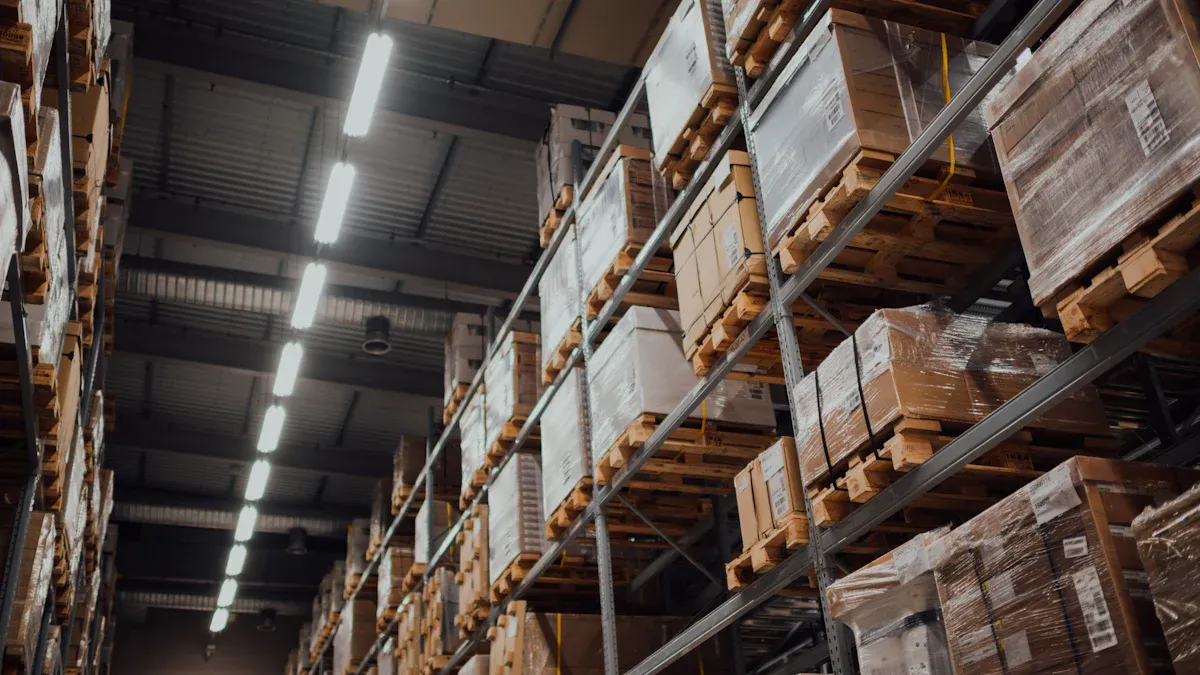
Just-in-time inventory management aligns part deliveries with scheduled maintenance windows, minimizing capital tied up in inventory. Safety stock levels maintain a buffer of critical components on-site, accepting carrying costs to reduce stockout exposure. These two philosophies represent opposite ends of the efficiency versus resilience spectrum.
Just-in-Time Frees Capital but Adds Stockout Risk
A pure JIT approach works well when suppliers deliver reliably and demand patterns remain predictable. Maintenance teams order filters, belts, and sensors only when work orders appear. This inventory strategy releases working capital for other operational needs. Warehousing costs shrink. Obsolescence risk nearly disappears.
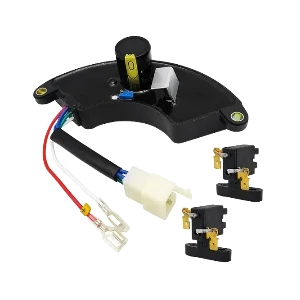
Consider an automatic voltage regulator (AVR) failure. A generator loses voltage control without warning. The maintenance team discovers the AVR is non-functional. Under a strict JIT model, no buffer stock exists. The part must ship from a supplier, adding days or weeks to the repair timeline. Meanwhile, the generator sits idle. Production stops. Revenue losses accumulate rapidly. The cost of a stockout for a critical component often dwarfs the annual carrying cost of that same part. A $2,000 AVR held in stock for one year might cost $200 in carrying expenses. A single day of generator downtime in a manufacturing facility can exceed that figure many times over. Pure JIT ignores this arithmetic. It treats all parts equally, regardless of operational impact.
Inventory Management in Maintenance: How to Choose
Selecting between just-in-time and safety stock demands a structured evaluation.
|
Evaluation Criterion |
Key Question to Assess |
Implication for JIT vs. Safety Stock |
|
Demand Predictability |
How stable and forecastable is demand? |
High predictability favors JIT; volatile demand requires safety stock. |
|
Supplier Reliability |
Are suppliers consistent and on-time? |
Reliable suppliers enable JIT; unreliable ones necessitate safety stock. |
|
Internal Process Maturity |
Are receiving, stocking, and ordering procedures standardized? |
Mature processes support JIT; immature processes increase risk, favoring safety stock. |
|
Margin for Error |
Can customer relationships withstand occasional stockouts? |
Low tolerance for stockouts favors safety stock; high tolerance allows JIT. |
|
Supply Chain Visibility |
Is there real-time data on inventory positions? |
High visibility supports JIT; low visibility requires safety stock as a buffer. |
When Safety Stock Beats JIT for Generator Parts
Safety stock wins when the cost of a stockout exceeds the annual carrying cost of the part. This golden rule guides every stocking decision. A generator part with a long lead time, unpredictable failure rate, or unreliable supplier belongs in safety stock. The cost of a stockout includes lost production, emergency shipping premiums, and reputational damage. These figures often dwarf the carrying cost of holding the part for a year. Optimized inventory levels for critical components accept higher carrying costs to prevent catastrophic downtime.
Related Reading: Explore how to structure your on-site buffer in our guide to the true cost of genset downtime and tiered inventory.
Critical Generator Parts: Safety Stock Winners
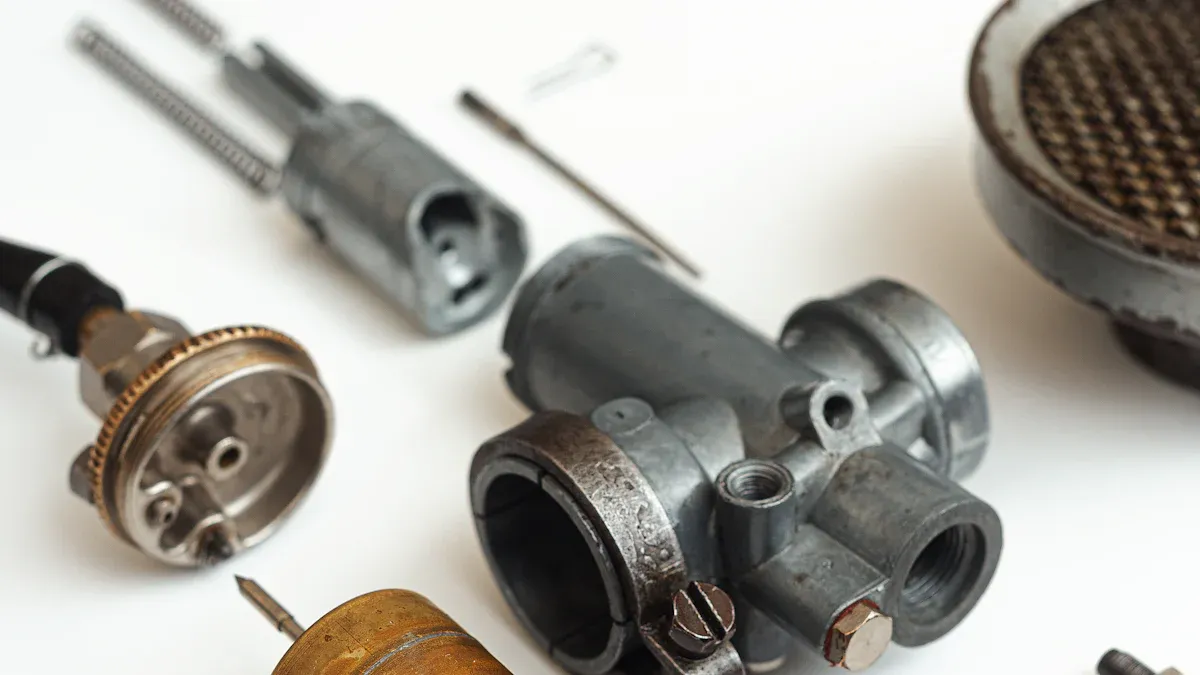
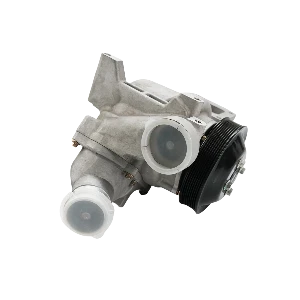
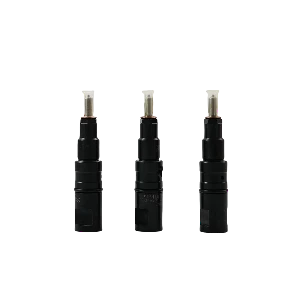
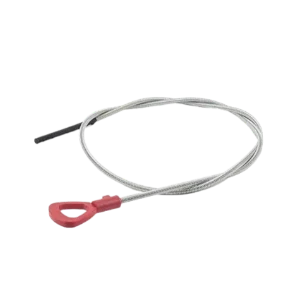
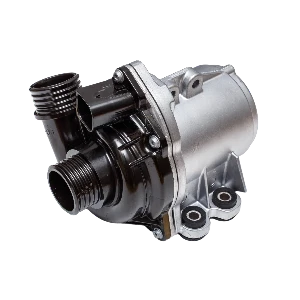
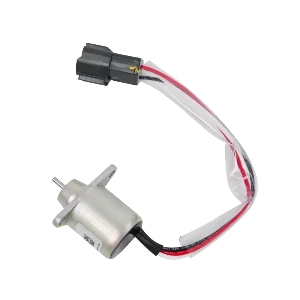
Certain generator components demand permanent on-site presence. These critical spare parts share three characteristics: long procurement lead times, unpredictable failure patterns, and catastrophic consequences when absent. The automatic voltage regulator (AVR), water pump, fuel injector, and stop solenoid all fit this profile. Each one can halt generator operation instantly. Each one carries a repair timeline measured in days or weeks, not hours. For these components, safety stock is not optional. It is the only rational inventory strategy.
AVRs, Pumps, and Other High-Risk Components
The Vital-Essential-Desirable (VED) classification system provides a practical starting point for identifying critical spare parts for essential equipment. This framework ranks each component by its operational impact. Vital parts cause immediate unit failure. Essential parts cause degraded operation or forced outage within 72 hours. Desirable parts can wait for routine replenishment.
|
Part |
VED Class |
Rationale |
Stock Policy |
|
Automatic Voltage Regulator (AVR) |
Vital (V) |
Failure causes immediate unit trip or voltage instability, preventing operation. |
Minimum 1 unit always held — no stockout acceptable |
|
Pumps (e.g., fuel, water) |
Vital (V) or Essential (E) |
Vital if single-train and failure stops the unit; Essential if failure causes degraded operation or a forced outage within 72 hours. |
Vital: zero-stockout standard; Essential: 95%+ service level, reorder at 2× lead time |
|
Fuel Injectors |
Vital (V) |
Absence prevents engine startup or causes immediate shutdown. |
Minimum 1 unit always held — no stockout acceptable |
|
Stop Solenoids |
Vital (V) |
Failure prevents safe shutdown, creating a safety risk and unit-critical condition. |
Minimum 1 unit always held — no stockout acceptable |
These stockout-critical items share a common thread. Their failure modes are sudden. Their replacement lead times stretch far beyond acceptable downtime windows. A maintenance team cannot predict when an AVR will lose voltage control. They cannot forecast when a engine water pump impeller will crack. The only defense is a physical buffer stock sitting on the shelf.
Applying the Framework to Generator Maintenance
Three fundamental questions determine whether a component belongs in critical spares inventory.
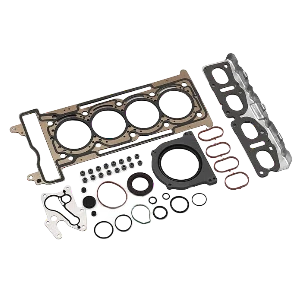
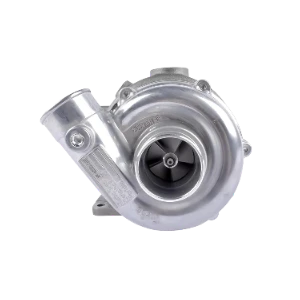
First, what is the maximum tolerable downtime in hours? Second, what is the procurement lead time for each component that can cause that downtime? Third, for any component where lead time exceeds tolerable downtime, is it stocked on-site? Major overhaul components like crankshafts or specialized alternator rotors are often identified as long-lead critical spares, carrying multi-week international shipping times, and are recommended for safety stock in remote operations. Consider a specialized turbocharger or cylinder liner kit with an 8-week OEM lead time. A facility that tolerates only 48 hours of downtime cannot wait for a factory backorder. The math is simple. The part must reside on-site before failure occurs. This same logic applies to core engine components like main bearings, oil pumps, and crankshaft seals.
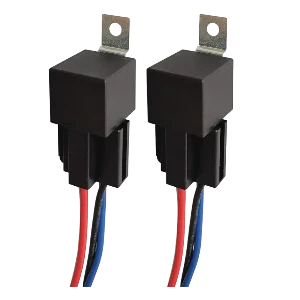
These mission-critical components require minimum stock levels with automatic reorder triggers. Electrical and switchgear components — circuit breakers, relay modules, control boards — follow the same pattern. Their failure halts operations instantly, and their lead times rarely align with acceptable downtime.
Regulatory compliance reinforces this approach. Standards such as NFPA 110 and Joint Commission requirements impose minimum spare parts stocking levels that cannot be waived by economic analysis. These mandates exist precisely because unplanned downtime in critical facilities carries consequences beyond simple revenue loss. Safety failures, regulatory penalties, and reputational damage all factor into the equation.
Long-Tail Parts That Fit Just-in-Time Inventory
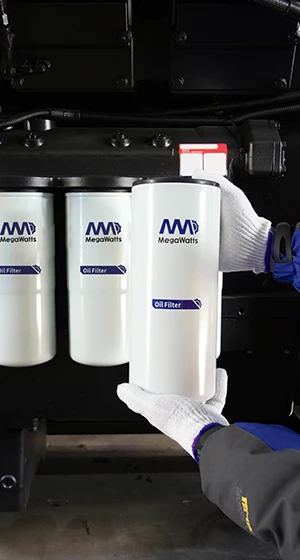
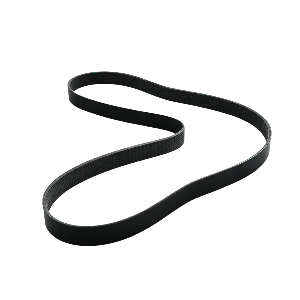
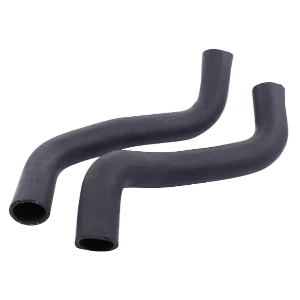
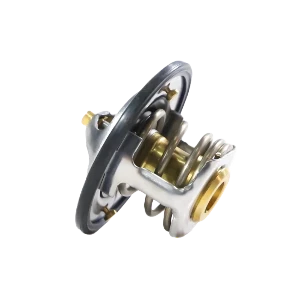
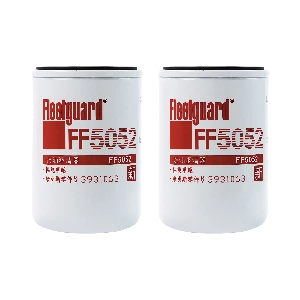
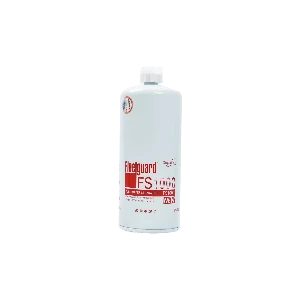
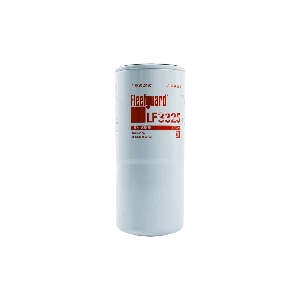
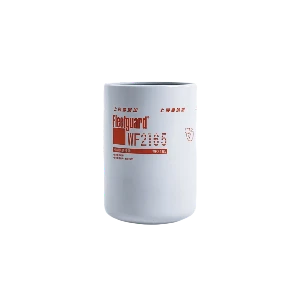
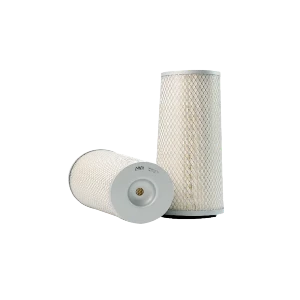
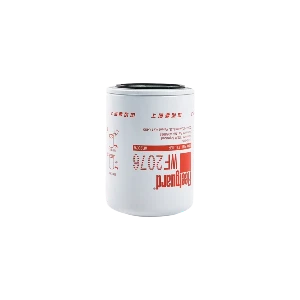
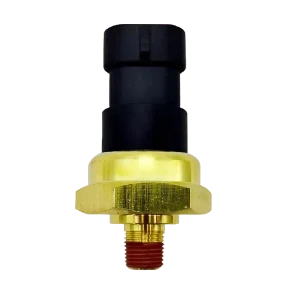
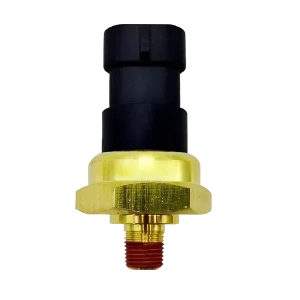
Not every generator component demands permanent on-site storage. Long-tail parts — filters, belts, hoses, thermostats, and sensors — behave differently from AVRs and fuel injectors. Their failure modes rarely halt operations instantly. Their consumption patterns follow predictable maintenance schedules. Their suppliers deliver quickly and reliably. These characteristics make them ideal candidates for just-in-time inventory management.
Low-Criticality Parts with Reliable Supply
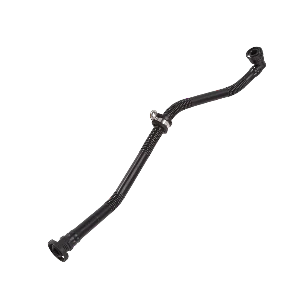
Routine engine filter replacements follow a scheduled interval. A belt wears gradually, showing visible cracks before failure. A thermostat fails in a predictable pattern, allowing planned replacement. These parts share one trait: their absence does not create an emergency. A maintenance team can order them when a work order appears, without exposing the operation to significant downtime risk.
The cost arithmetic supports this approach. A $30 filter held in safety stock costs roughly $3 annually in carrying expenses. That figure seems trivial. Yet multiply it across hundreds of long-tail SKUs, and the capital drain becomes substantial. A warehouse full of low-value filters, belts, and hoses ties up working capital that could serve better purposes. Just-in-time procurement releases that capital while keeping maintenance schedules intact.
Demand predictability drives this decision. Filters and belts have stable, forecastable usage rates. Maintenance managers know how many hours a generator runs before needing an oil change. They know when a coolant filter requires replacement. This predictability eliminates the uncertainty that justifies safety stock. When demand is stable and supply is reliable, JIT inventory becomes the rational choice.
Using a Global Supplier for JIT Spot Orders
The success of a just-in-time strategy depends entirely on supplier performance. A supplier that ships slowly or inconsistently transforms a planned JIT order into an unplanned stockout. Generator maintenance teams need a partner with proven fulfillment speed and global reach.
Megawatts Parts delivers exactly that capability. The company maintains branches in China, Saudi Arabia, Colombia, and Nigeria, positioning inventory close to major equipment operating regions. Orders dispatch within two business days, with fast shipping worldwide. This logistics network makes spare parts replenishment practical for long-tail components. A maintenance manager in Lagos can order a belt on Monday and receive it before the scheduled maintenance window closes. A fleet operator in Bogotá can source a thermostat without waiting weeks for international shipment.
The combination of broad catalog coverage and rapid fulfillment transforms JIT from a theoretical concept into an operational reality. Megawatts Parts stocks filters, belts, hoses, thermostats, and sensors for major engine brands including CATERPILLAR, CUMMINS, PERKINS, and VOLVO. This compatibility means a single supplier can handle the entire long-tail parts spectrum. Maintenance teams avoid the administrative burden of managing multiple vendors. They place one order, receive one shipment, and maintain one relationship. Consolidating orders this way directly lowers your fleet maintenance TCO and hidden logistics costs.
The practical result: inventory management shifts from warehousing everything to ordering strategically. Long-tail parts flow through the supply chain as needed, while critical components remain safely stocked on-site. This hybrid model balances capital efficiency with operational resilience.
Common Mistakes: Why the Balance Fails
Ignoring the Link Between Spare Parts and OEE
Overall equipment effectiveness (OEE) measures availability, performance, and quality. Generator availability depends directly on spare parts readiness. A missing component extends repair time. Extended repair time reduces availability. Reduced availability lowers OEE. The connection is direct and measurable.
Consider a facility tracking OEE at 85%. A critical spares stockout forces a three-day generator outage. Availability drops, and OEE falls to 72% for that period. The financial impact of that single stockout exceeds the annual carrying cost of the missing part many times over. Yet many maintenance teams treat inventory decisions as separate from reliability metrics. They optimize for capital efficiency without measuring the operational cost of stockouts.
Inventory strategy and OEE belong in the same conversation. When a part is absent, the entire maintenance plan fails. Technicians cannot perform repairs. Production schedules slip. The ripple effects extend beyond the immediate outage. A disciplined approach links every stocking decision to its impact on generator availability. This connection transforms inventory management from a cost center into a reliability driver.
Excess inventory creates a different problem. Capital sits idle in parts that may never fail. That capital could fund preventive maintenance or operator training. The balance between just-in-time and safety stock must reflect actual failure data, not guesswork. Maintenance teams should review stock levels quarterly, adjusting for changing lead times and failure patterns. This ongoing review keeps inventory aligned with operational reality.
The golden rule remains: own the risk that matters, outsource the inventory that doesn't.
Building a Hybrid JIT and Safety Stock Plan
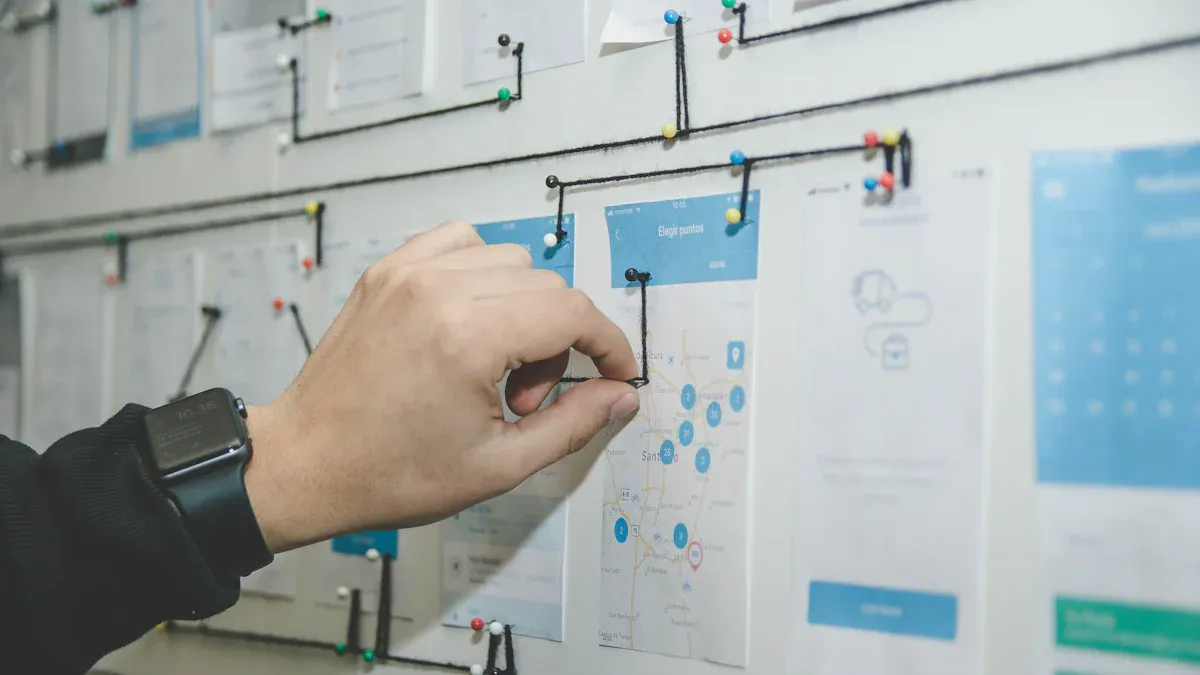
Start with a Criticality Audit and Lead-Time Review
A criticality audit identifies which parts can halt operations and requires six foundational data streams to build a complete picture:
- Clean spare parts master data (free of duplicates)
- Asset-to-part BOM linkage
- Past consumption history per part
- Supplier lead time data by part and supplier
- Equipment failure data such as MTBF and maintenance records
- Current stock position and location across every site
Parts with high failure rates or limited lifespans deserve special attention. These components often justify critical spare parts inventory even when their cost seems modest. The audit transforms inventory management from guesswork into a data-driven discipline. Every part receives a classification based on evidence, not intuition.
Rebalance as Demand and Supply Change
Inventory classifications do not remain static. Lead times shift when suppliers change production schedules. Failure patterns evolve as equipment ages. Supplier reliability fluctuates with market conditions. A quarterly review keeps the hybrid plan aligned with operational reality.
During each review, maintenance managers re-examine every part classification. A component that once qualified for JIT may now warrant safety stock levels after a supplier delays shipments twice in a row. Conversely, a part held as critical spares may move to just-in-time once a local distributor establishes reliable two-day delivery. This rebalancing prevents excess inventory from accumulating while protecting against supply disruption.
The golden rule anchors every reclassification decision. When downtime cost exceeds annual carrying cost, the part belongs in stock. When carrying cost exceeds downtime risk, JIT wins. This calculation, applied consistently across the parts catalog, produces optimized inventory levels that balance capital efficiency with operational resilience.
A quarterly cadence works well for most operations. Some teams review monthly during periods of supply chain volatility. Others extend to semi-annual reviews when their supplier base remains stable. The frequency matters less than the discipline. Regular review prevents drift toward either extreme — bloated warehouses or empty shelves.
Before adopting a pure JIT model, run a part-by-part inventory audit to classify each component by lead time, failure pattern, and downtime cost. The hybrid plan succeeds because it treats each part individually: critical spares like AVRs, water pumps, and stop solenoids stay on-site as permanent buffer stock, while long-tail filters and belts flow through reliable just-in-time replenishment. This disciplined approach prevents both empty shelves for vital components and bloated warehouses for routine consumables, aligning your inventory strategy with true operational reality. Own the risk that matters; outsource the inventory that doesn't.
FAQ
How do I decide between JIT and safety stock for a specific part?
Apply the golden rule. Calculate the annual carrying cost of holding the part. Compare it against the cost of one day of generator downtime. If downtime cost exceeds carrying cost, safety stock wins. Otherwise, JIT procurement works. This calculation drives every inventory management decision.
Which generator parts should always stay in safety stock?
AVRs, water pumps, fuel injectors, and stop solenoids belong in permanent buffer stock. These components halt operations instantly when they fail. Their lead times stretch beyond acceptable downtime windows. No inventory management strategy should leave these parts to chance. Stock them before failure occurs.
How often should I review my inventory classifications?
Review classifications quarterly. Lead times shift. Supplier reliability changes. Failure patterns evolve as equipment ages. A part that qualified for JIT last quarter may need safety stock now. Regular review keeps your inventory management plan aligned with operational reality. Monthly reviews work during supply chain volatility.
Can a global supplier make JIT practical for long-tail parts?
Yes. Megawatts Parts dispatches orders within two business days from branches in China, Saudi Arabia, Colombia, and Nigeria. This fulfillment speed makes JIT spot orders viable for filters, belts, hoses, and sensors. Maintenance teams order as needed without exposing operations to extended downtime. Fast shipping transforms JIT from theory into practice.
What happens if I ignore the link between spare parts and OEE?
Generator availability drops when critical parts are missing. Extended repair times reduce availability. Reduced availability lowers overall equipment effectiveness. A single stockout can erase the annual carrying cost savings from JIT many times over. Effective inventory management treats spare parts readiness as a reliability driver, not a cost center.
Read More
-
 BLOG
BLOG Megawatts BlogTotal Cost of Ownership (TCO) in Fleet Maintenance: Hidden Logistics Costs of Sourcing Multiple OEMsWhat hidden logistics costs emerge when sourcing multiple OEMs? How heavily do they weigh on Total Cost of Ownership (TCO) in Fleet Maintenance? A fleet manager compares two identical parts at differe...
 -
 BLOG
Megawatts BlogAnatomy of a Breakdown: Warning Signs Your Engine Driven Water Pump is Failing Before It LeaksAn engine-driven water pump typically broadcasts failure well before it drips. The pre-leak danger window is that brief period when noise, odor, temperature swings, or residue appear but no puddle for...
BLOG
Megawatts BlogAnatomy of a Breakdown: Warning Signs Your Engine Driven Water Pump is Failing Before It LeaksAn engine-driven water pump typically broadcasts failure well before it drips. The pre-leak danger window is that brief period when noise, odor, temperature swings, or residue appear but no puddle for... -
 BLOG
Megawatts BlogStrategic Sourcing: How to Build a Standardized Generator Sets Parts Catalog for Mixed FleetsManaging a mixed fleet of Cummins, Perkins, and Caterpillar generators often creates a hidden financial drain through inventory duplication and fragmented procurement. When different brands use differ...
BLOG
Megawatts BlogStrategic Sourcing: How to Build a Standardized Generator Sets Parts Catalog for Mixed FleetsManaging a mixed fleet of Cummins, Perkins, and Caterpillar generators often creates a hidden financial drain through inventory duplication and fragmented procurement. When different brands use differ... -
 BLOG
Megawatts BlogDiesel Generator Won't Crank: A Step-by-Step Electrical Diagnostic Checklist for MechanicsWhen a diesel generator won't crank, check the electrical system first. Do not chase fuel or mechanical theories yet. Low battery voltage and corroded connections cause most no-start condition calls....
BLOG
Megawatts BlogDiesel Generator Won't Crank: A Step-by-Step Electrical Diagnostic Checklist for MechanicsWhen a diesel generator won't crank, check the electrical system first. Do not chase fuel or mechanical theories yet. Low battery voltage and corroded connections cause most no-start condition calls....
Subscribe to enjoy 10% off
Stay informed about new products and sales

-
INFORMATION
Contact Us
-
CHINA SALES OFFICE: No. 2-11, No. 8, Gaotai Road, Gaishan Investment Zone, Cangshan District, Fuzhou, Fujian
-
SAUDI ARABIA FACTORY: 7264 Shakra, Al Faisaliyyah, REFB3035, 3035, Riyadh 12883
-
COLOMBIA SALES OFFICE: 92-32 26th Street, 03-118, Bogota
-
NIGERIA FACTORY: Plot 5 Chivita Avenue Ajao Estate Isolo Lagos
-
Email:sales@megawattsparts.com
Follow Us


Copyright © 2025 Megawatts All Rights Reserved.



Select Previous Button or Search Directly on Search Bar!
Shop All
 English
Currency: <{ pagedata.current_currency }>(<{ pagedata.current_currency_code }>)
Are you in the right place?

You agree to MegaWatts.com's Terms of Use and Privacy Policy by subscribing. You may receive emails with useful tips, promotions, and offerings.
No, thanks. I'd rather pay full price.