






























Tier 4 Final & Common Rail Systems: Why Micro-Contamination Destroys Modern Diesel Injectors
by Megawatts - Updated At 2026-10-20
Micro-contamination destroys modern diesel injectors because Tier 4 Final common rail systems run at extreme pressure with micron-level tolerances. Debris that bypasses filtration scores precision components and triggers failure. Older mechanical pump systems tolerated far more grit. Fuel that once worked fine is now a genuine threat to common rail injectors. Refinery diesel can carry substantially more contaminants than modern engines are designed to handle, and fuel quality has become a critical variable. Common rail fuel systems demand clean fuel at every stage. Water absorption in modern diesel raises microbial risk. This post explains the damage mechanism inside common rail injectors, the symptoms operators notice, prevention through filtration, and remediation steps. Rail pressure loss often traces back to these tiny particles.
Why Common Rail Injectors Are So Vulnerable
Micron Tolerances, Extreme Pressure
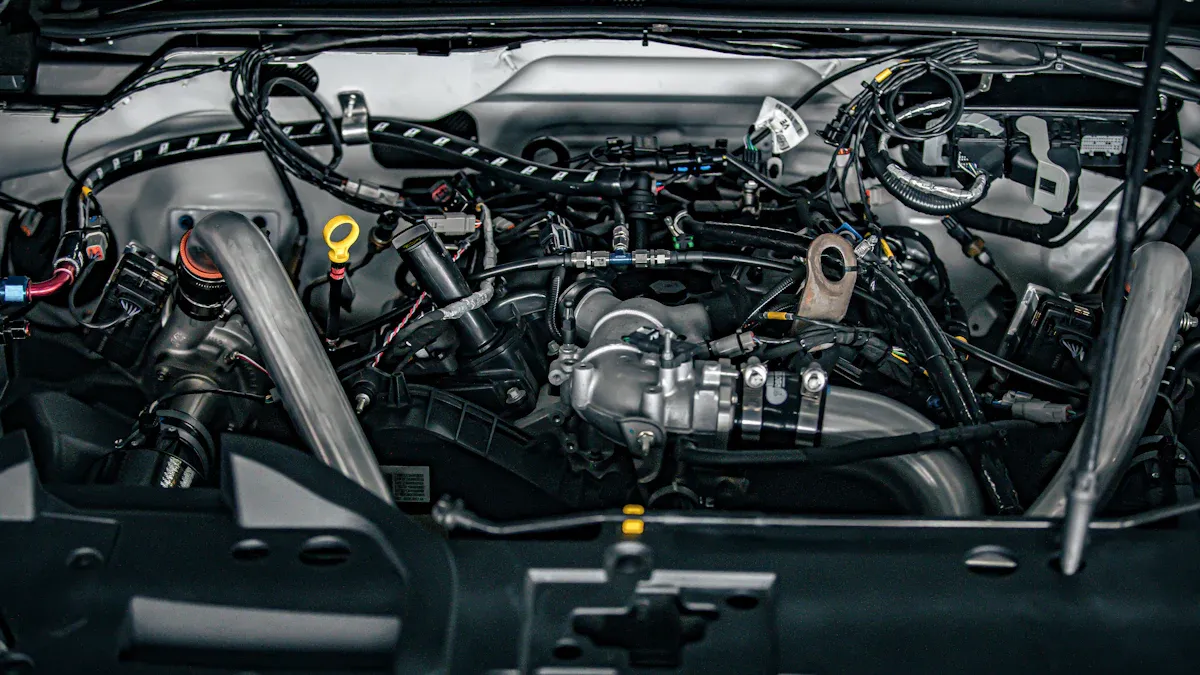
Tier 4 Final engines pair common rail systems with extremely tight injector clearances and very high rail pressure. High-pressure common rail systems on Tier 4 Final engines operate at injection pressures between 20,000 and over 30,000 PSI, according to Turnkey Industries. At those pressures, injector clearances shrink to 1 to 3 microns. Internal clearances in the control valve and nozzle are often under 5 microns, narrower than a red blood cell. Injector tolerances can be as small as 1–2 microns.A microscopic particle can jam these components.
Particles larger than the clearance get trapped and act like liquid sandpaper on nozzle seats and control valve surfaces. Abrasive wear and jamming follow. Debris that passes harmlessly in a low-pressure system becomes destructive at these pressures. Erosion of injection components accelerates, and pressure bleeds off. Tight margins plus high pressure mean microscopic debris degrades atomization and disrupts spray patterns. Contamination beyond ISO 18/16/13 purity class speeds erosion further. Even minor contamination at the nozzle tip causes incomplete combustion and elevated emissions.
The Fuel Contamination Gap
Diesel fuel contamination control coming out of refineries can carry far more contaminants than the maximum a modern diesel engine is designed to handle. That gap explains why micro-contamination destroys modern diesel injectors even when fuel meets basic supply standards. Common rail injectors cannot tolerate what older mechanical systems once absorbed.
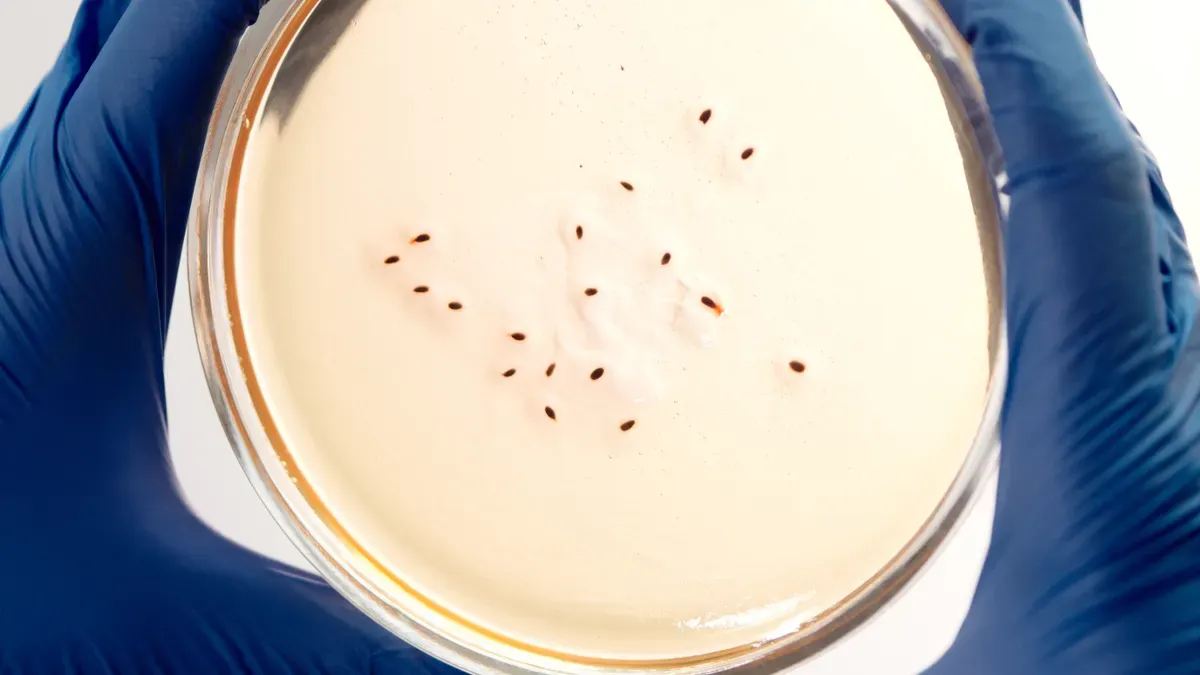
Modern diesel fuels are also more prone to absorbing water. Water in diesel fuel collects at the water-fuel interface, and microbial growth thrives there. The result is contaminated fuel that looks acceptable yet carries biological debris and free water toward the injectors. Poor fuel quality compounds the problem. Fuel quality control at the tank, not only at the refinery, has become a practical necessity for anyone running common rail equipment.
Related Reading: Learn how to protect your system from moisture in our guide to defeating water emulsification.
How Micro-Contamination Destroys Modern Diesel Injectors
Plunger Scoring and Fuel Return
Micro-contamination destroys modern diesel injectors through a mechanical process that begins inside the high-pressure pump. Hard particulate contaminants suspended in diesel behave like cutting tools. They gouge metal surfaces as parts move against one another. This scoring is permanent. Each pass of a contaminated plunger against its barrel removes more material. The debris shed from that wear joins the circulating fuel, worsening the contamination load with every cycle.
Plungers and barrels in common rail systems run with extremely tight clearances. Abrasive contaminants rapidly damage these mating surfaces. The result is unstable pressure and fuel-timing errors. When the oil film weakens from contamination, metal surfaces contact directly. Friction rises. Temperature climbs. Surfaces degrade rapidly because lubrication fails and metal-to-metal contact begins.
The scored plunger creates a leakage path. Fuel escapes past the damaged sealing surface instead of being forced through the injector nozzle. This fuel return, also called leak-off, routes back to the tank or filter housing. The system cannot build rail pressure because the pressure bleeds away through the damaged clearance. Damaged injectors spray improperly. Incomplete combustion follows. Higher emissions and reduced power appear together.
Wear inside injection pumps opens additional leakage paths. Contaminants migrate into fuel control sections through these gaps. Lubrication quality and fuel-delivery precision degrade together. The high-pressure pump circulates the contaminated mixture through the fuel rails, injectors, and return lines within seconds. That rapid circulation spreads damage across every component in the system.
Fuel contamination is the leading cause of modern diesel fuel injector failures. Contamination reduces lubrication efficiency, which accelerates wear on every moving part. Common rail injectors depend on diesel fuel for both combustion and lubrication. When the fuel carries abrasive particles, the lubricating film breaks down and scoring accelerates.
Related Reading: Understand the performance impact in our deep dive into fuel injectors and fuel efficiency.
Clogging and Rail Pressure Loss
Fuel system contamination also produces clogging that starves the high-pressure pump. Water, dirt, and micro-fine particles damage precision-machined components operating at extreme pressures. Trace water causes corrosion on injector needle seats and pump plungers. Particulates score critical sealing surfaces. Because common rail tolerances are measured in microns, this contamination is catastrophic.
The clogging mechanism runs through the fuel filter. As filter media loads with trapped particles and water, flow restriction increases. Suction-side pressure drops below acceptable levels. The high-pressure pump receives inadequate fuel supply. Cavitation follows. Accelerated internal wear begins. Rail pressure loss becomes inevitable.
Neglected filters rank among the most preventable causes of pump and injector failure. Diagnosing downstream components without checking upstream fuel condition wastes time and money. A clogged filter creates low inlet pressure that damages the pump long before injector symptoms appear.
Common rail systems require consistent rail pressure for precise injection timing. When contamination clogs filters or scores pump plungers, rail pressure fluctuates. The engine control module detects the deviation and adjusts injection strategy to compensate. Those adjustments mask the underlying damage while wear continues.
The pathway from contamination to failure follows a predictable sequence. Particles enter the fuel supply. Filters load beyond capacity. Pressure drops at the pump inlet. Cavitation erodes pump internals. Scoring opens leakage paths in plungers and injectors. Fuel return increases. Rail pressure falls below specification. Injector failure follows shortly after.
Operators who understand this sequence can act before catastrophic damage occurs. Monitoring fuel filter restriction and fuel return rates provides early warning. Addressing contamination at the filter stage prevents the cascade of damage that leads to complete injector failure.
Symptoms of Premature Injector Wear
Warning Signs Operators Notice
Early warning signs rarely appear all at once. A senior engineer with years on Tier 4 Final equipment often says the first clue is a slightly rough idle that clears once the engine warms. That brief roughness signals uneven fuel delivery from a common rail injector losing its spray pattern. Operators who log the behavior early catch common rail injector problems before they spread.
The table below summarizes the warning signs and what each one indicates.
|
Warning Sign |
What It Indicates |
|
Rough idle or vibration |
Uneven fuel delivery causing misfires |
|
Hard starting or extended cranking |
Poor fuel atomization affecting combustion |
|
Power loss under load |
Insufficient fuel reaching cylinders |
|
Increased fuel consumption |
Inefficient combustion wasting fuel |
|
Excessive black or white smoke |
Incomplete combustion or leaking injectors |
|
Engine knock or diesel clatter |
Timing issues from faulty spray patterns |
|
Strong fuel smell |
Leaking injectors or poor atomization |
|
Check engine light with fuel codes |
ECU detecting delivery problems |
Hard starting in cold weather deserves special attention. Leaking or sticking common rail injectors demand longer cranking before the engine fires. A technical advisor typically recommends checking injector deviation codes at the same time. Those codes reveal which common rail injector is drifting out of specification. High return flow measured at the leak-off line confirms the diagnosis on common rail systems.
The Cost of Ignoring Contamination
Contamination leads to precision failure inside the injector itself. Once scoring begins, performance downstream drops fast. A single failing common rail injector can drag a whole engine into limp mode within weeks. Micro-contamination destroys modern diesel injectors quietly, and the bill arrives all at once.
Downtime is the first cost. Repeat injector failures follow when the root cause stays unaddressed. Each replacement adds parts, labor, and lost production hours. Total cost of ownership climbs steadily. Experienced technicians advise fixing the fuel source, not just the failed part. That single habit prevents most premature injector wear cases and protects every common rail component
Preventing Fuel Contamination Damage
Filtration, Fuel Sourcing, Maintenance
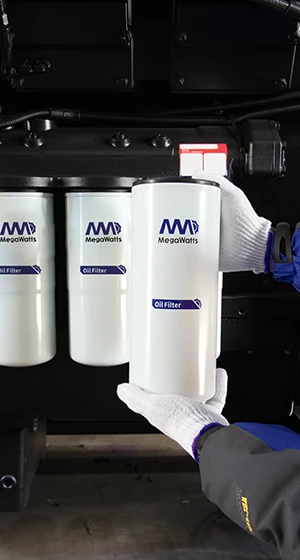
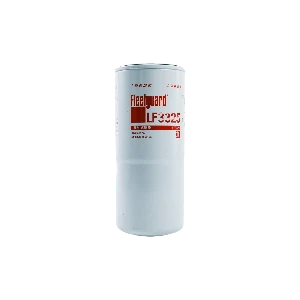
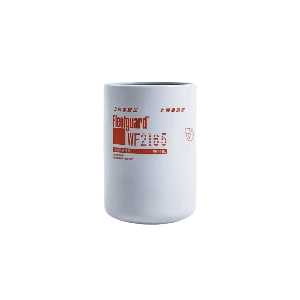
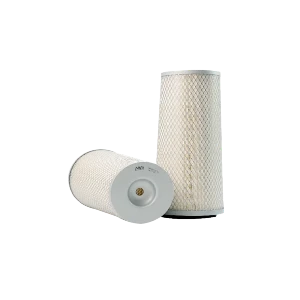
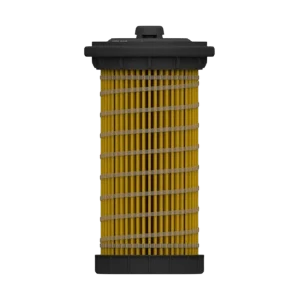
Prevention starts with clean fuel entering the tank. Premium OEM-grade fuel filters form the first barrier. A quality fuel filter traps particles far smaller than the injector clearances described earlier. Fuel water separators remove free water before it reaches the high-pressure pump. Water in diesel fuel drives internal corrosion on needle seats and plungers, so separation matters as much as particle capture. Fine filtration at every fill point closes the gap between refinery output and engine requirements.
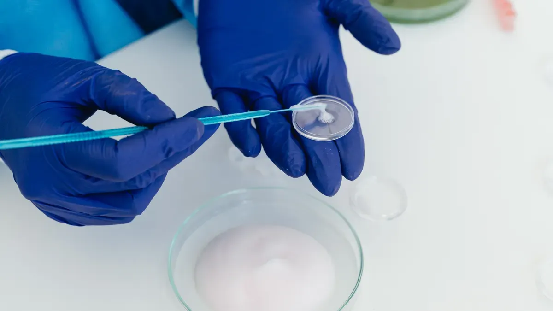
Fuel sourcing deserves equal attention. Buy diesel from high-volume suppliers with verified fuel quality records. Test bulk storage tanks on a schedule. Monitor for microbial growth at the water-fuel interface, especially in humid climates and seasonal equipment. Scheduled maintenance keeps the defense intact. Replace fuel filters at the interval the OEM specifies, not when symptoms appear. Inspect separator bowls during every service. Track filter restriction readings as an early indicator of fuel system contamination.
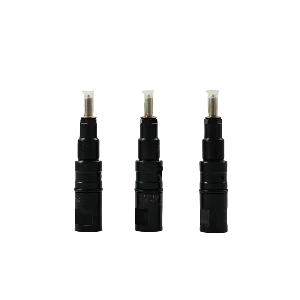
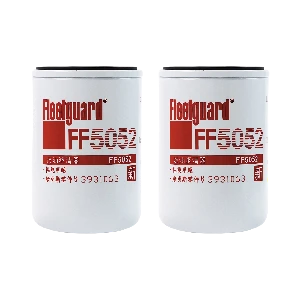
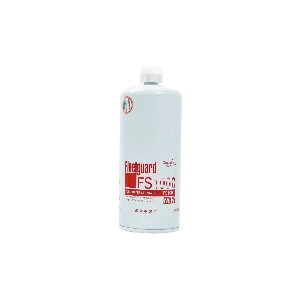
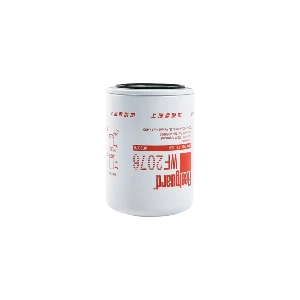
Megawatts Parts supplies fuel injectors and premium OEM-grade fuel filters for this exact duty, including Fleetguard lube filters and fuel water separators. Coverage spans Cummins, Caterpillar, Perkins, Volvo, Kubota, Yanmar, Weichai, and Baudouin, which suits mixed fleets. Every order carries guaranteed fit, fast shipping, and a 90-day free return policy.
Steps After Contamination Is Found
Response speed determines repair scope. The correct steps depend on how far the contaminated fuel traveled.
- Contamination found before engine start: leave the key untouched, since accessory mode can run the fuel pump and circulate contaminated fuel. Tow the equipment to a repair facility. Drain and flush the tank with clean diesel, replace fuel filters, flush low-pressure lines, and refill with fresh fuel.
- Engine started but not driven: stop the engine immediately and do not restart. Complete all Level 1 steps, then flush or replace the high-pressure pump, fuel rails, and injector feed lines. Remove and test the common rail injectors, then replace filters and inline screens.
- Engine operated until failure: replace all contaminated components, including lines, pump, rails, and injectors. Flushing alone is inadequate here. Residual contamination causes repeat failures.
- Internal engine damage present: complete full fuel system restoration plus engine repair. Borescope inspection, compression testing, and oil analysis assess the damage.
Choose a diesel specialist with direct experience on your platform. Request itemized estimates and confirm warranty coverage before work begins.
Other causes deserve a quick check during diagnosis. Water ingress, microbial growth, and degraded injector pumps can each mimic particle damage. Each has a distinct remedy, and preventing them avoids costly failures. Common rail systems reward this discipline. Clean fuel, quality filtration, and fast response keep common rail injectors performing at specification.
Micro-contamination destroys modern diesel injectors because common rail systems combine micron-level tolerances with extreme pressure. That pairing makes tiny debris uniquely destructive to common rail injectors. Treat filtration and fuel quality as primary defenses for common rail systems. Act quickly on early symptoms in common rail injectors. Clean fuel protects every common rail component downstream.
Megawatts Parts supplies fuel injectors and premium OEM-grade fuel filters built for this duty, including Fleetguard lube filters and fuel water separators. These parts suit common rail injectors across Cummins, Caterpillar, Perkins, Volvo, Kubota, Yanmar, Weichai, and Baudouin. Every order carries guaranteed fit, fast shipping, and a 90-day free return policy. Protecting common rail injectors starts with the right diesel fuel and disciplined filtration.
FAQ
What size particles damage common rail injectors?
Particles larger than the internal clearance cause damage. Common rail injector clearances can run as small as 1 to 3 microns. Debris at that scale acts like liquid sandpaper on nozzle seats and control valve surfaces. Filtration must capture particles well below the injector clearance to protect the common rail system.
How does contaminated fuel cause rail pressure loss?
Abrasive particles score the injector plunger and open a leakage path. Fuel escapes as leak-off instead of building pressure. The common rail system then cannot reach specification. Clogged filters compound the problem by starving the high-pressure pump and causing cavitation. Rail pressure loss follows quickly once scoring begins.
Can water in diesel fuel damage injectors even when the fuel looks clean?
Yes. Water collects at the water-fuel interface and supports microbial growth. The fuel can appear acceptable while carrying free water and biological debris toward the injectors. Trace water also corrodes needle seats and pump plungers. A fuel water separator removes free water before it reaches the common rail components.
How often should fuel filters be replaced on Tier 4 Final equipment?
Follow the OEM service interval, not a symptom-based schedule. Replace filters before restriction appears. Inspect separator bowls at every service and track restriction readings as an early warning. Neglected filters rank among the most preventable causes of common rail pump and injector failure.
What should an operator do after contaminated diesel enters the tank?
Stop immediately and do not restart the engine. Drain and flush the tank, replace filters, and flush low-pressure lines. If the engine ran, test the injectors and inspect the common rail components. Megawatts Parts supplies replacement injectors and premium OEM-grade fuel filters with guaranteed fit and a 90-day free return policy.
Read More
-
 BLOG
 Megawatts BlogJIT Inventory vs. Safety Stock: Balancing Capital and Risk in Generator MaintenanceThe right approach is a deliberate, risk-based balance between JIT inventory and safety stock, not a pure companywide choice. Can you afford to tie up cash in every spare part, or risk a costly outage...
-
 BLOG
Megawatts BlogTotal Cost of Ownership (TCO) in Fleet Maintenance: Hidden Logistics Costs of Sourcing Multiple OEMsWhat hidden logistics costs emerge when sourcing multiple OEMs? How heavily do they weigh on Total Cost of Ownership (TCO) in Fleet Maintenance? A fleet manager compares two identical parts at differe...
-
 BLOG
Megawatts BlogAnatomy of a Breakdown: Warning Signs Your Engine Driven Water Pump is Failing Before It LeaksAn engine-driven water pump typically broadcasts failure well before it drips. The pre-leak danger window is that brief period when noise, odor, temperature swings, or residue appear but no puddle for...
-
 BLOG
Megawatts BlogStrategic Sourcing: How to Build a Standardized Generator Sets Parts Catalog for Mixed FleetsManaging a mixed fleet of Cummins, Perkins, and Caterpillar generators often creates a hidden financial drain through inventory duplication and fragmented procurement. When different brands use differ...
Subscribe to enjoy 10% off
Stay informed about new products and sales

-
INFORMATION
Contact Us
-
CHINA SALES OFFICE: No. 2-11, No. 8, Gaotai Road, Gaishan Investment Zone, Cangshan District, Fuzhou, Fujian
-
SAUDI ARABIA FACTORY: 7264 Shakra, Al Faisaliyyah, REFB3035, 3035, Riyadh 12883
-
COLOMBIA SALES OFFICE: 92-32 26th Street, 03-118, Bogota
-
NIGERIA FACTORY: Plot 5 Chivita Avenue Ajao Estate Isolo Lagos
-
Email:sales@megawattsparts.com
Follow Us


Copyright © 2025 Megawatts All Rights Reserved.



Select Previous Button or Search Directly on Search Bar!
Shop All
 English
Currency: <{ pagedata.current_currency }>(<{ pagedata.current_currency_code }>)
Are you in the right place?

You agree to MegaWatts.com's Terms of Use and Privacy Policy by subscribing. You may receive emails with useful tips, promotions, and offerings.
No, thanks. I'd rather pay full price.