































Cost-Per-Hour Analysis: Why Cheap Aftermarket Filters Drain Fleet Budgets
by Megawatts - Updated At 2026-05-20
Cheap aftermarket filters often lure fleet managers with the promise of immediate savings, but the true cost is much higher. Cost-per-hour analysis reveals how these filters drive up fleet expenses by increasing the frequency of unplanned maintenance, downtime, and emergency repairs.
|
Maintenance Type |
Average Cost |
Downtime |
Impact |
|
Preventive Maintenance |
$200-$400 |
1-2 hours (scheduled) |
Minimal disruption, planned |
|
Reactive Maintenance |
$600-$3,600 |
1-3 days (unplanned) |
Major disruption, emergency response |
"For a fleet of 1,000 vehicles, just five unscheduled downtime events (of about 1.5 hours each) per vehicle in a year can add up to almost $600,000 in losses."
Tracking these hidden costs is essential for protecting the budget and ensuring long-term operational efficiency.
Cost-Per-Hour Analysis in Fleet Maintenance
What Is Cost-Per-Hour Analysis?
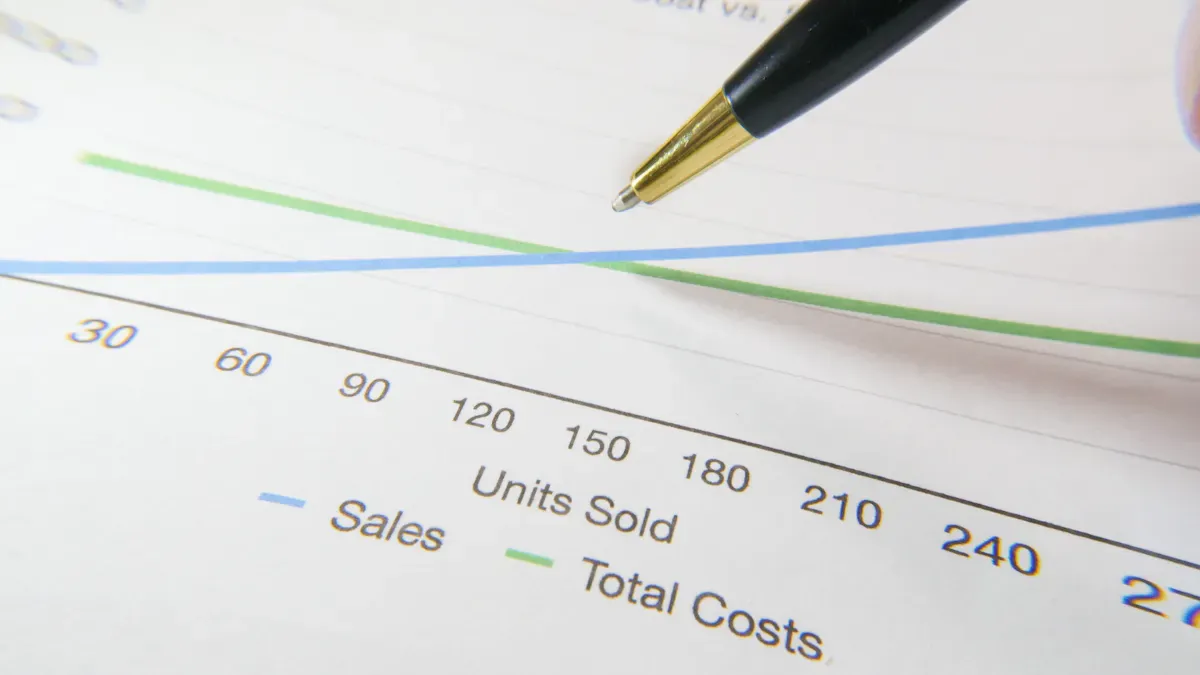
Cost-per-hour analysis in fleet maintenance is the process of determining the maintenance expenses associated with each hour of operation for a fleet asset. This method allows managers to pinpoint assets that generate excessive fleet maintenance costs and supports informed decisions about maintenance strategies and asset replacements. Cost tracking involves monitoring every dollar spent on repairs, preventive maintenance, and operational downtime. Fleet managers rely on cost-per-hour analysis to understand how each vehicle impacts overall fleet maintenance costs and to identify inefficiencies in spending.
Key components included in cost-per-hour analysis for fleet vehicles:
- Fuel consumption and fuel efficiency
- Preventive and reactive maintenance
- Vehicle utilization and downtime
- Labor and driver management
- Insurance and compliance costs
- Asset depreciation and lifecycle costs
Technical consultants at Megawatts Parts recommend regular cost tracking for each asset. This practice helps avoid common pitfalls, such as overlooking hidden fleet maintenance costs that can drain the budget. Technical consultants advise using cost-per-hour analysis to flag vehicles with costs 20–40% above the fleet average, which often signals the need for lifecycle replacement.
Why It Matters for Fleet Budgets
Cost-per-hour analysis is a critical metric for fleet budget planning. Fleet managers use cost tracking to monitor maintenance expenses per operating hour, which provides insight into fleet efficiency and helps optimize resource allocation. Real-time cost tracking allows managers to update maintenance costs as service events occur, ensuring accurate budget planning and preventing unexpected expenses.
|
Metric |
Description |
|
Maintenance Cost per Hour |
Tracks total maintenance expenses relative to operating hours, providing insight into fleet efficiency. |
|
Cost Optimization Potential |
Identifies opportunities worth 25-35% of maintenance budgets, aiding in budget planning and resource allocation. |
FleetRabbit and similar platforms continuously calculate fleet maintenance costs per operating hour for each asset. Vehicles with higher costs are flagged for review, helping managers make data-driven decisions. Cost tracking ensures that fleet maintenance costs remain within budget and supports long-term financial stability. By focusing on cost-per-hour analysis, fleet managers can reduce unnecessary spending, improve operational efficiency, and protect the budget from hidden risks.
Hidden Fleet Maintenance Costs of Cheap Filters
Frequent Replacements and Downtime
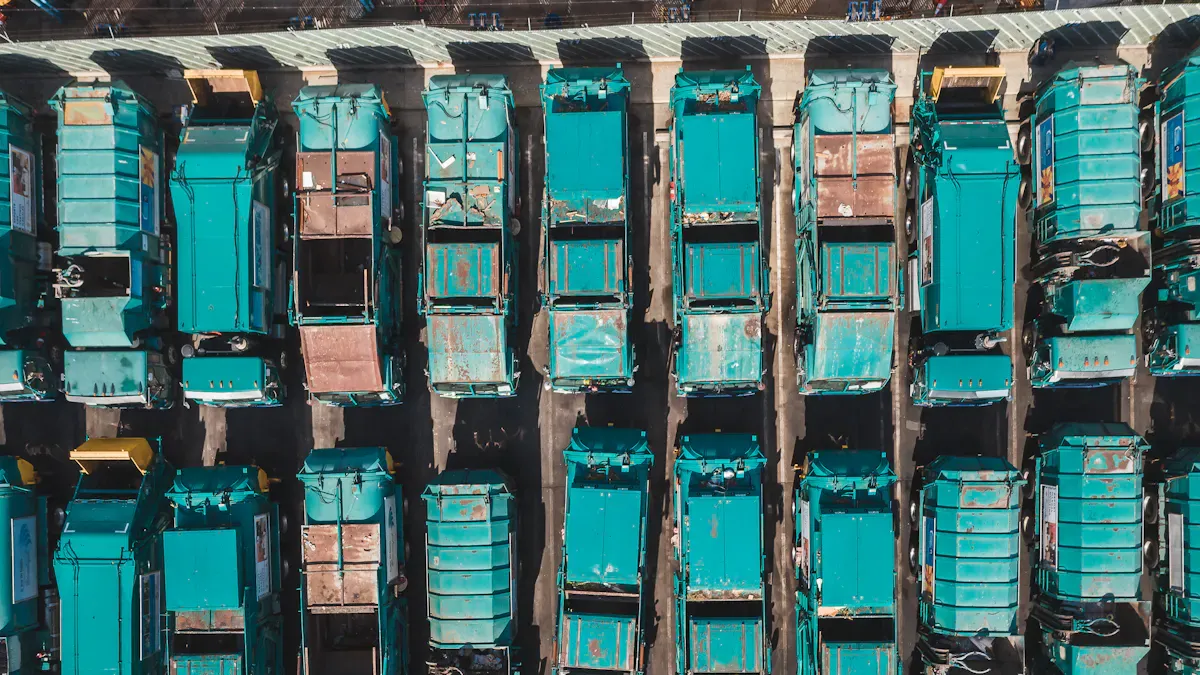
Cheap aftermarket filters often require frequent replacements. These filters lack the durability and performance standards set by OEM products. The danger often goes beyond basic manufacturing flaws. The commercial parts market is flooded with knock-offs promising high performance at a fraction of the cost. Many of these low-cost options are disguised as premium products, making it difficult for procurement teams to tell the difference until a sudden breakdown occurs. For fleet managers, learning How to Spot Fake "OEM-Quality" Filters Before They Kill Your Engine is an essential defensive strategy against these hidden maintenance costs.
Fleet maintenance teams must schedule additional service intervals, which increases maintenance costs and disrupts operations. Each replacement introduces downtime that affects vehicle availability and productivity.
Experienced engineers warn that frequent filter changes can lead to unexpected roadside breakdowns. When a filter fails, the vehicle may stop suddenly, causing delays and missed deadlines. Technical consultants recommend tracking downtime events closely. Even minor interruptions accumulate, resulting in significant losses for the fleet.
The following table illustrates the average downtime costs associated with frequent filter replacements in commercial fleets:
|
Cost Type |
Estimated Cost Range |
|
$400 - $800 |
|
|
Major engine failure |
$10,000 - $20,000 |
|
Cost of missed contracts |
Not quantified |
Fleet managers must consider these figures when evaluating maintenance costs. A single roadside breakdown can cost hundreds of dollars, while major engine failures may reach tens of thousands. Missed contracts due to downtime can damage reputation and reduce revenue. The cumulative effect of frequent replacements and downtime drains the budget and undermines fleet maintenance strategies.
Tip: Track downtime events and replacement intervals for each asset. Vehicles with above-average maintenance costs often signal underlying issues with filters or other components.
Emergency Repairs and Unplanned Expenses
Low-cost aftermarket alternatives increase the risk of emergency repairs. These products often fail to protect critical engine components, leading to unplanned maintenance costs. Fleet maintenance teams face higher repair frequencies, which disrupt schedules and inflate expenses.
Unplanned repairs can include engine damage, fuel system contamination, and premature wear of parts. Each event requires immediate attention, often at premium rates. Emergency repairs introduce additional downtime, which compounds maintenance costs and reduces fleet efficiency.
Technical consultants advise that hidden maintenance costs are not limited to parts and labor. Emergency repairs often require towing, expedited shipping of replacement filters, and overtime pay for technicians. These expenses are difficult to predict and can quickly escalate.
- Emergency repairs increase maintenance costs by forcing fleets to pay for premium services.
- Unplanned expenses strain the budget and reduce funds available for preventive maintenance.
- Frequent repairs shorten asset lifecycles, leading to higher replacement costs.
Fleet maintenance professionals recommend investing in OEM-grade filters to minimize emergency repairs. By reducing unplanned expenses, fleets can maintain operational stability and protect their budget from hidden risks.
Note: Low-cost aftermarket alternatives may seem cost-effective initially, but the long-term impact on maintenance costs, downtime, and repairs far outweighs any upfront savings.
Fleet managers who prioritize quality filters and preventive maintenance strategies achieve lower maintenance costs, reduced downtime, and improved asset reliability. The hidden costs of cheap aftermarket filters can devastate fleet budgets and compromise operational goals.
Aftermarket vs. OEM Filters: Impact on Fleet Budget
Performance and Longevity Comparison
Fleet managers often face a critical decision when choosing between aftermarket and OEM filters. Performance and longevity play a major role in this choice. Aftermarket filters sometimes outperform OEM filters by addressing design flaws more quickly. Industry experts have observed that aftermarket manufacturers can identify and fix weaknesses faster than OEMs. For example:
- Aftermarket companies have improved fuel gauge reliability in pickup fleets.
- They have re-engineered OEM belt tensioners by strengthening the bearing, which increases reliability.
- Some aftermarket filters offer enhanced protection for engine components, reducing the risk of premature wear.
Experienced engineers recommend evaluating filter performance based on real-world results, not just specifications. Technical consultants advise that a filter’s ability to maintain engine health directly impacts fleet reliability and reduces the risk of costly breakdowns.
Megawatts Parts supplies a wide range of engine parts, including both its own brand and other reputable brands. Their selection allows fleet operators to choose filters that best match their operational needs, whether prioritizing OEM standards or seeking improved aftermarket solutions.
Total Cost of Ownership
The total cost of ownership for filters extends beyond the initial purchase price. It includes maintenance intervals, emergency repairs, and downtime. Fleets using OEM filters often experience higher emergency replacement costs and longer downtime compared to those using well-chosen aftermarket filters. The following table highlights industry benchmarks:
|
Aspect |
OEM Filters Cost |
Aftermarket Filters Cost |
|
Emergency Replacement Cost |
3-4 times higher |
Lower due to planned maintenance |
|
Cost Difference |
200-300% higher for unplanned |
Lower with proactive scheduling |
|
Downtime |
Up to 14 days |
1-2 days for replacement |
A fleet that relies on OEM filters may face up to 14 days of downtime for certain replacements, while aftermarket options can reduce this to just 1-2 days. This difference has a direct impact on cost and operational efficiency. Technical consultants warn that unplanned downtime can quickly exhaust a fleet’s budget and disrupt service commitments.
Fleet managers should analyze the total cost of ownership for each filter type. By considering all related costs, including downtime and emergency repairs, they can make informed decisions that protect both operational reliability and the budget. Choosing the right filter strategy ensures the fleet remains productive and cost-effective over the long term.
Preventive Fleet Maintenance and Budget Control
Role of Premium Filters in Preventive Maintenance
Preventive maintenance forms the backbone of any successful fleet operation. Quality filters play a critical role in this process. They help prevent small issues from escalating into major problems, which supports cost reduction and keeps vehicles on the road. Regular servicing with high-grade filters minimizes downtime and ensures that each fleet asset operates efficiently. This approach leads to lower long-term repair costs and extends the life of engines and components.
Fleet managers who prioritize preventive maintenance benefit from fewer unexpected vehicle failures. Consistent maintenance quality improves audit and compliance readiness. Proper fluid management and timely filter changes enhance both efficiency and longevity.
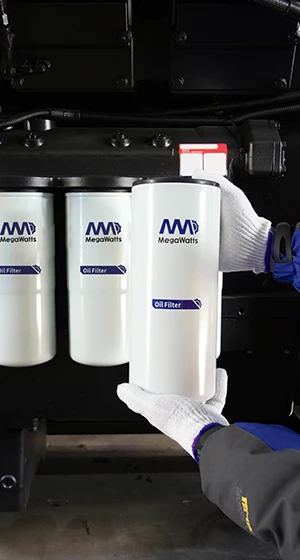
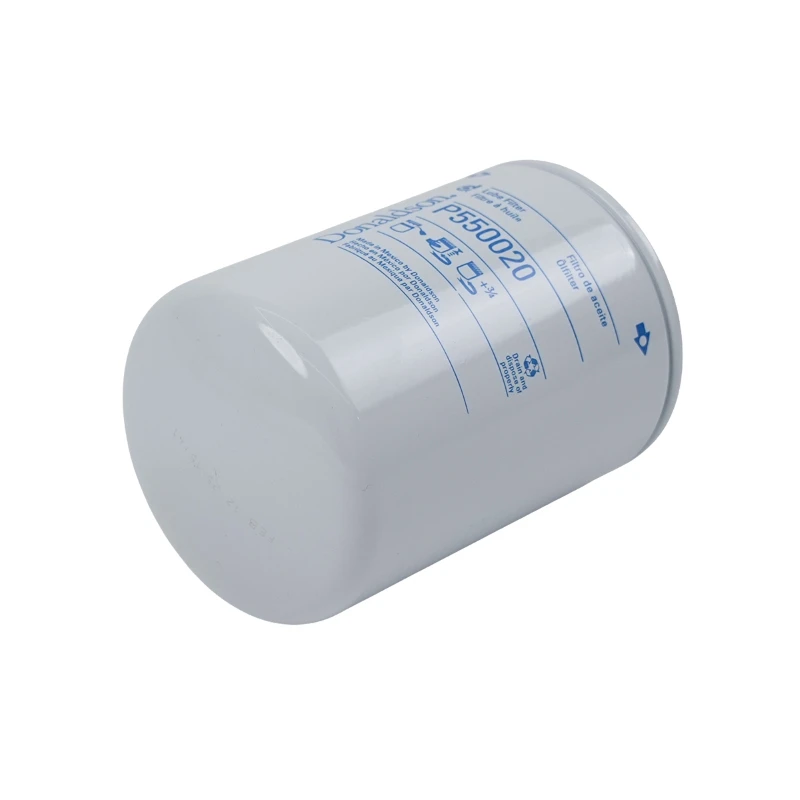
For high-demand applications, such as fleets operating Cummins VT1710 engines, maintaining oil purity under extreme pressure is non-negotiable. Integrating a reliable component like the Donaldson Genuine Oil Lube Filter P550020 ensures superior contaminant retention and consistent oil flow. This level of targeted engine protection directly minimizes abrasive wear on critical components, effectively driving down the overall Cost-Per-Hour for heavy-duty assets.
Implementing advanced filtration systems, such as bypass and centrifugal oil cleaners, removes contaminants and extends oil life. These practices allow for longer service intervals, which directly supports maintenance budget optimization.
Tip: Experienced engineers recommend synchronizing oil and filter changes based on actual contamination levels. This strategy reduces unnecessary interventions and supports maintenance optimization.
Strategies to Optimize Fleet Budgets
Optimization of the maintenance budget requires a data-driven approach. Fleet managers should use vehicle-level cost data to schedule maintenance based on service history and manufacturer recommendations. This strategy prevents unplanned downtime and reduces expensive repairs. Integrating performance monitoring and fleet analytics provides insights into driver behavior and vehicle health, which supports cost reduction and optimization.
Standardizing maintenance processes across the fleet ensures accountability and minimizes downtime. Joining asset lifecycle data with capital planning helps justify replacement decisions and prevents overspending. Continuous improvement programs allow organizations to measure progress and identify areas for further optimization. Leveraging fleet optimization tools enhances real-time visibility, automates workflows, and increases vehicle uptime.
Data-driven budgeting strategies provide insights into maintenance needs and track costs effectively. Analyzing vehicle-level cost data helps fleets make informed decisions about filter replacements, which avoids hidden expenses and supports maintenance budget control. By integrating premium filtration solutions from Megawatts Parts into preventive maintenance schedules, fleet managers achieve significant cost reduction and long-term operational stability.
Cost-per-hour analysis uncovers the hidden financial risks that cheap aftermarket filters pose to any fleet. Investing in quality filters and preventive maintenance protects the budget by minimizing unexpected cost spikes. Fleet managers who adopt data-driven strategies achieve long-term savings and operational stability.
- Reduced downtime and increased productivity prevent costly delays.
- Extended equipment lifespan lowers repair and replacement costs.
- Improved safety reduces accident-related costs.
- Efficient operation decreases fuel and maintenance costs.
Reviewing filter policies and tracking cost trends ensures the fleet remains competitive and resilient.
Stop paying the hidden costs of Low-cost aftermarket alternatives. True budget optimization means lowering your Cost-Per-Hour, not just the initial price tag. Upgrade to Megawatts Parts for premium, reliable filters engineered to eliminate unplanned downtime. Keep your trucks on the road and your budget intact.
FAQ
What is the main risk of using cheap aftermarket filters in fleet maintenance?
Cheap aftermarket filters often fail early. This leads to frequent breakdown events and unplanned maintenance. Vehicles experience more downtime, which increases costs. Technical consultants warn that these failures can damage engines and shorten asset lifecycles.
How does cost-per-hour analysis help fleet managers control maintenance costs?
Cost-per-hour analysis tracks all maintenance costs for each vehicle. This data-driven approach highlights expensive assets and identifies patterns. Fleet managers use this information to optimize maintenance schedules, reduce breakdowns, and make informed decisions about replacements.
Why do frequent filter replacements increase overall fleet costs?
Frequent filter changes disrupt maintenance routines and increase labor costs. Vehicles spend more time out of service, which reduces productivity. Emergency repairs become common, and breakdown events can lead to missed contracts. The engineering team at Megawatts Parts strongly recommends adopting OEM-grade or premium aftermarket filters to eliminate these hidden costs.
What role does data play in preventive maintenance for vehicles?
Data collection supports preventive maintenance by tracking service intervals, breakdown frequency, and repair costs. Fleet managers analyze this data to predict failures and schedule timely interventions. This reduces emergency repairs and keeps vehicles operating efficiently.
Can investing in quality filters reduce breakdown risks for fleet vehicles?
Yes. Quality filters protect engines and extend maintenance intervals. This reduces the risk of breakdown and lowers emergency repair costs. Technical consultants advise that investing in reliable filters improves vehicle uptime and supports long-term cost control.
Previous And Next
-
Previous Post:
 BLOG
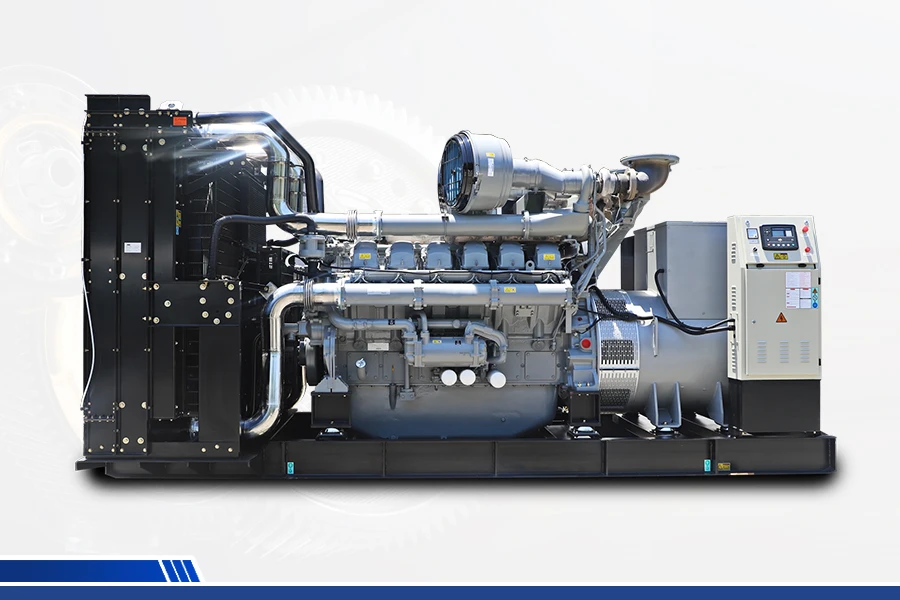
BLOG Megawatts BlogIntroducing the components of a diesel engineIntroducing the components of a diesel engine A diesel generator set is a type of internal combustion generator set and is currently one of the most widely used power generation devices in the world....
 -
Next Post:
 BLOG
Megawatts BlogThe Ultimate 1,000-Hour Generator Maintenance Checklist for Industrial Sites1000 Hour Generator Maintenance Overview Key Maintenance TasksThe 1000 hour generator maintenance checklist serves as a structured protocol to safeguard industrial generator reliability and o...
BLOG
Megawatts BlogThe Ultimate 1,000-Hour Generator Maintenance Checklist for Industrial Sites1000 Hour Generator Maintenance Overview Key Maintenance TasksThe 1000 hour generator maintenance checklist serves as a structured protocol to safeguard industrial generator reliability and o...
Read More
-
 BLOG
Megawatts BlogStrategic Sourcing: How to Build a Standardized Generator Sets Parts Catalog for Mixed FleetsManaging a mixed fleet of Cummins, Perkins, and Caterpillar generators often creates a hidden financial drain through inventory duplication and fragmented procurement. When different brands use differ...
BLOG
Megawatts BlogStrategic Sourcing: How to Build a Standardized Generator Sets Parts Catalog for Mixed FleetsManaging a mixed fleet of Cummins, Perkins, and Caterpillar generators often creates a hidden financial drain through inventory duplication and fragmented procurement. When different brands use differ... -
 BLOG
Megawatts BlogDiesel Generator Won't Crank: A Step-by-Step Electrical Diagnostic Checklist for MechanicsWhen a diesel generator won't crank, check the electrical system first. Do not chase fuel or mechanical theories yet. Low battery voltage and corroded connections cause most no-start condition calls....
BLOG
Megawatts BlogDiesel Generator Won't Crank: A Step-by-Step Electrical Diagnostic Checklist for MechanicsWhen a diesel generator won't crank, check the electrical system first. Do not chase fuel or mechanical theories yet. Low battery voltage and corroded connections cause most no-start condition calls.... -
 BLOG
Megawatts BlogMagnetic Coil Degradation: Why Your Diesel Engine Stop Solenoid Fails Under Extreme HeatExtreme heat is the primary enemy of a diesel engine stop solenoid. The heat breaks down the electrical insulation inside the magnetic coil. This degradation raises resistance and creates short circui...
BLOG
Megawatts BlogMagnetic Coil Degradation: Why Your Diesel Engine Stop Solenoid Fails Under Extreme HeatExtreme heat is the primary enemy of a diesel engine stop solenoid. The heat breaks down the electrical insulation inside the magnetic coil. This degradation raises resistance and creates short circui... -
 BLOG
Megawatts BlogThe Hidden Cost of Expired Inventory: Shelf Life and Proper Storage of Rubber Gasket Seal KitsA gasket seal kit sits untouched for five years. You paid for it. Now you pay to dispose of it. When a failure occurs, you pay a premium for emergency replacement. These hidden costs accumulate silent...
BLOG
Megawatts BlogThe Hidden Cost of Expired Inventory: Shelf Life and Proper Storage of Rubber Gasket Seal KitsA gasket seal kit sits untouched for five years. You paid for it. Now you pay to dispose of it. When a failure occurs, you pay a premium for emergency replacement. These hidden costs accumulate silent...
Subscribe to enjoy 10% off
Stay informed about new products and sales

-
INFORMATION
Contact Us
-
CHINA SALES OFFICE: No. 2-11, No. 8, Gaotai Road, Gaishan Investment Zone, Cangshan District, Fuzhou, Fujian
-
SAUDI ARABIA FACTORY: 7264 Shakra, Al Faisaliyyah, REFB3035, 3035, Riyadh 12883
-
COLOMBIA SALES OFFICE: 92-32 26th Street, 03-118, Bogota
-
NIGERIA FACTORY: Plot 5 Chivita Avenue Ajao Estate Isolo Lagos
-
Email:sales@megawattsparts.com
Follow Us


Copyright © 2025 Megawatts All Rights Reserved.



Select Previous Button or Search Directly on Search Bar!
Shop All
 English
Currency: <{ pagedata.current_currency }>(<{ pagedata.current_currency_code }>)
Are you in the right place?

You agree to MegaWatts.com's Terms of Use and Privacy Policy by subscribing. You may receive emails with useful tips, promotions, and offerings.
No, thanks. I'd rather pay full price.