






































8 Red Flags Your Commercial Generator Needs Immediate Help
by Megawatts - Updated At 2025-12-05
Your commercial generator keeps your business running when the grid fails. Even a brief outage can cause major disruptions. Common Signs of trouble may lead to costly downtime. Generator failure can result in:
- Lost revenue from stopped operations
- Productivity loss for employees
- Penalties for missed deadlines
- Inventory spoilage
The U.S. Department of Energy reports $150 billion in annual losses for U.S. businesses due to outages. One hour of downtime can cost over $300,000, with some businesses losing more than $1 million. If you notice any warning signs, contact a professional immediately.
Key Takeaways
1. Watch for startup delays in your generator. They can indicate serious issues that may lead to costly downtime. Act quickly to schedule a professional inspection.
2 .Pay attention to unusual noises from your generator. Sounds like grinding or rattling often signal internal problems that require immediate attention.
3. Check for visible wear and tear regularly. Signs like cracks or leaks can lead to major failures if ignored. Schedule maintenance to keep your generator reliable.
Common Signs: Startup Delays
1. What Delays Indicate
You rely on your generator to start instantly during an outage. When you notice startup delays, you see one of the most important Common Signs that your generator needs attention. These delays often point to underlying issues that can quickly escalate if ignored. You may experience:
Accidental activation of the emergency stop, which prevents the generator from starting.
- Clogged air intake, which blocks the air needed for combustion.
- Failure to start due to incorrect automatic settings or loose connections.
- Dead batteries, which are the most frequent cause of startup problems.
- Clogged fuel lines, which restrict fuel flow and prevent ignition.
- Running out of fuel, which allows air to enter the system and disrupts startup.
- Air in the fuel system, which can be avoided with regular testing.
You should treat these Common Signs as urgent warnings. Ignoring them can lead to more severe failures and longer downtimes.
2. Immediate Actions
When your generator hesitates or fails to start, you face immediate risks to your business. The table below outlines the potential impacts:
| Risk Type | Description |
| Financial turbulence | Unplanned downtime can halt projects and force emergency spending. |
| Operational shocks | Delays in generator startup can disrupt client delivery and daily operations. |
| Legal and compliance oversights | Failing to meet regulations can result in fines and damage your reputation. |
| Reputational fallout | Extended outages can erode customer trust and lead to costly remediation. |
You should not wait for a complete failure. Schedule a professional inspection as soon as you notice startup delays. Quick action helps you avoid costly downtime and keeps your business running smoothly.
Power Output Issues
1. Drops and Fluctuations
You depend on your generator to deliver stable power. When you notice drops or fluctuations, you see Common Signs that something is wrong. These issues often appear suddenly and can disrupt your business operations. Typical symptoms include:
- Fuel system issues or electrical faults
- Voltage regulation inconsistencies
- Signs of fuel injector blockage or contamination
- Wear or damage in the alternator
- Frayed wiring or faulty connections
Power output problems can progress quickly if you ignore them. You may see improper sizing, wet stacking, or neglected maintenance. The table below shows how these issues can escalate:
| Issue | Consequence |
| Improper Sizing | Running with too light of a load can cause serious damage and inefficiencies. |
| Wet Stacking | Leads to incomplete combustion, pooling of wet fuel, and potential fires. |
| Neglected Maintenance | Increases the likelihood of operational failures and inefficiencies. |
| Annual Load Bank Test | Helps eliminate wet stacking and ensures proper functioning of the generator. |
2. Risks to Equipment
Unstable power output puts your equipment at risk. Sensitive machines need a consistent voltage to operate safely. The table below highlights the main impacts:F
| Impact Type | Description |
| Equipment Damage | Repeated surges or sags can reduce the lifespan of motors, drives, and electronic components. |
| Operational Downtime | Unstable power supply often leads to machine malfunctions, causing production delays. |
| Increased Maintenance Costs | Frequent voltage issues lead to more wear and tear on equipment. |
Tip: Schedule regular inspections to catch power output issues early. Quick action protects your equipment and keeps your business running.
Excessive or Unusual Noise

1. Types of Sounds
You may notice your generator making noises that seem out of place. These sounds often signal underlying problems that need immediate attention. The table below highlights the most common types of unusual noises and what they might mean:
| Noise Type | Characteristics | Potential Causes |
| Rattling or clanking sounds | Loose or worn components | Vibrations causing parts to loosen or wear out |
| Grinding, whining, or screeching | Misaligned or damaged bearings | Worn out or misaligned bearings lacking lubrication |
| Loud, booming, or hissing | Exhaust system issues | Damaged or loose exhaust system |
| Knocking or pinging sounds | Engine knock | Improper fuel combustion due to various factors |
| Uneven humming or vibrations | Generator load imbalance | Imbalance in load distribution |
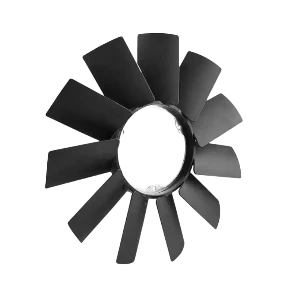
| Hissing, grinding, or squealing | Cooling system problems | Failing fan or loose radiator |
| Sputtering or coughing sounds | Fuel system issues | Clogged filters or air in fuel lines |
Tip: If you hear grinding, popping, or rattling, you should act quickly. These noises often point to severe internal damage or loose components.
2. What They Mean
Unusual noises can indicate serious problems inside your generator. You might hear grinding sounds when lubrication fails, which can lead to costly repairs. Popping noises often suggest trouble with fuel or air supply, causing combustion issues. Rattling sounds may mean loose parts or low oil, increasing friction and risk of damage. Clicking noises can signal battery or cable problems, while chattering points to loose internal components that could cause failure.
You should not ignore these warning signs. Immediate inspection helps prevent further damage. Regular maintenance actions include cleaning or replacing dirty air filters, inspecting spark plugs, and tightening loose engine parts.
Leaks and Smoke
1. Identifying Leaks
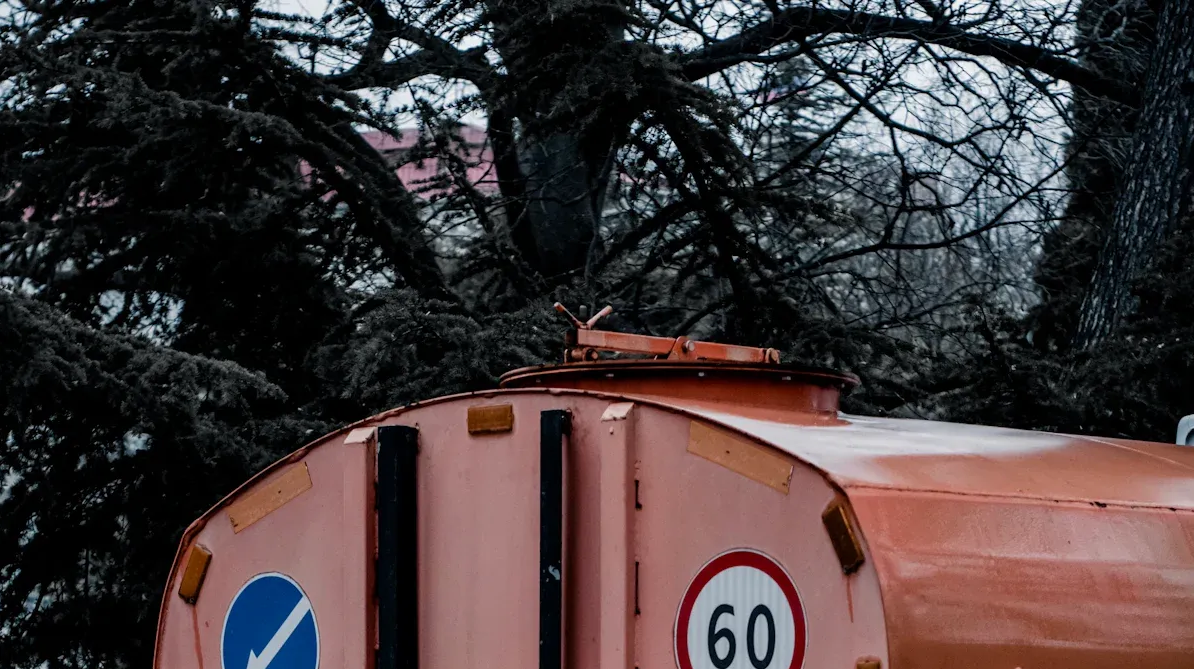
You should check your generator for leaks during every inspection. Leaks often signal deeper problems that can lead to costly repairs or safety hazards. The most frequent types of leaks in commercial generators include:
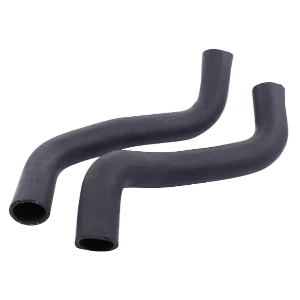
- Coolant leaks from block heater hose failure: Extreme temperatures can wear out these hoses, causing coolant to drip or pool under the generator.
- Oil leaks from crankcase breathers: Oil puddles may form around the base, often due to worn or faulty breathers.
- Wet stacking: Diesel generators sometimes develop wet stacking, where oil and unburned fuel collect in the exhaust system, reducing efficiency.
Note: Any visible fuel, oil, or coolant leak requires immediate repair. Delaying action can cause inefficient operation or even fire hazards. If you notice unusual odors, such as burning rubber or fuel, you should treat them as urgent warnings.
2. Smoke Signals
Smoke coming from your generator always deserves attention. The color and smell of the smoke can help you identify the problem:
- Black smoke: Usually means incomplete combustion. You might have a clogged air filter or a fuel injection issue.
- Blue smoke: Indicates burning oil, often from worn engine parts.
- White smoke:Points to incomplete fuel combustion or coolant entering the combustion chamber. Sometimes, it means a liquid other than fuel is vaporizing inside.
Each smoke color gives you clues about engine health. Persistent smoke signals potential engine damage and inefficiency. You should not ignore these signs. Quick action protects your equipment and keeps your business safe.
Frequent Shutdowns
1. Shutdown Causes
Frequent shutdowns rank among the most disruptive Common Signs your commercial generator can display. You may notice your generator powering down unexpectedly, which can halt operations and put your business at risk. Several urgent causes often trigger these shutdowns:
Automatic safety shutdowns protect your equipment from damage but signal underlying problems.
- Low coolant levels or overheating force the generator to stop to prevent engine failure.
- Low oil pressure can cause the system to shut down to avoid severe mechanical damage.
- Fuel supply issues, such as clogged lines or empty tanks, interrupt generator function.
- Battery or charging problems prevent the generator from maintaining power.
- Faulty sensors or control panel issues can send incorrect signals, leading to unnecessary shutdowns.
- Overloading occurs when the generator tries to support more equipment than its rated capacity.
You should monitor these causes closely. Each shutdown event can point to a specific issue that needs immediate attention.
2. Urgent Inspection
You must act quickly when your generator shuts down repeatedly. Unplanned shutdowns can lead to lost productivity, missed deadlines, and expensive repairs. The table below highlights the risks associated with frequent shutdowns:
| Risk | Impact on Business |
| Production delays | Interrupts workflow and delivery schedules |
| Equipment damage | Increases wear and repair costs |
| Safety hazards | Raises risk of fire or electrical issues |
Tip: Schedule a professional inspection with professional repair personnel as soon as you notice frequent shutdowns. Early intervention helps you identify root causes, restore reliability, and protect your business from costly downtime.
Visible Wear and Tear
1. Signs of Damage
You can spot visible wear and tear on your generator with a careful inspection. Look for physical changes that stand out. These signs often appear on the exterior and in critical components. Common indicators include:
| Signs of Wear and Tear | Description |
| Cracks | Physical damage that can affect performance |
| Corrosion | Deterioration that compromises safety and efficiency |
| Leaks | Fluid leaks indicating potential seal or hose issues |
You might also notice:
- Obvious damage to the exterior housing
- Exposed or frayed wires
- Fluid pooling around the unit
- Worn-out wires or loose buttons
- Rust, dents, or cracks on the alternator, fuel tank, or engine
These signs show that your generator has experienced stress or poor maintenance. If you see any of these issues, your generator may not perform reliably during an outage.
2. Maintenance Needs
Ignoring visible wear and tear can lead to bigger problems. Small cracks or leaks can quickly turn into major failures. Rust in the fuel tank or dirty air filters can cause starting and running issues. Contaminated oil increases friction and heat, which can damage engine parts and lead to costly repairs.
You should inspect your generator at least once a year. If you use your generator often, check it every 200–250 hours of operation. Regular inspections help you catch problems early, such as fuel contamination or electrical wiring issues.
Tip: Schedule maintenance with professional repair personnel if you notice any signs of wear. Professional service keeps your generator safe, efficient, and ready for emergencies.
Inconsistent Power Output
1. Warning Signs
You may notice inconsistent power output when your generator struggles to deliver steady electricity. These issues often appear as Common Signs that something is wrong. Watch for the following warning signals:
- Lights flickering throughout your facility
- Electronic devices randomly resetting or shutting off
- Appliances are underperforming or failing to start
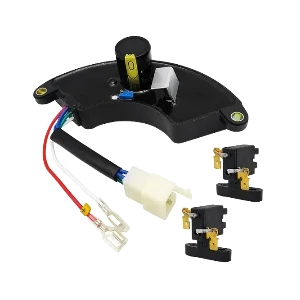
Technical problems often cause these symptoms. Alternator wear, fuel injector failure, load imbalance, or wiring damage can all disrupt power delivery. Key components like the Automatic Voltage Regulator (AVR), alternator, and engine speed governor play a major role. If the AVR fails, voltage becomes unstable. Alternator problems can cause irregular power. When the engine speed governor malfunctions, you may see lights flicker or hear equipment struggle.
2. Preventing Complications
Inconsistent power output can disrupt your business operations. Power interruptions lead to unplanned downtime and operational inefficiencies. Employees may sit idle, and unfinished projects can delay schedules. You risk losing revenue and damaging client relationships. Small and medium-sized businesses face even greater risks, including spoiled goods, missed deadlines, and legal penalties.
You can prevent these complications by taking proactive steps:
| Preventive Measure | Benefit |
| Regular checks for wear and tear | Identify issues before they cause failures |
| Ensuring correct generator sizing | Avoids overloads and power fluctuations |
| Keeping fuel and lubricants at proper levels | Improves performance and reliability |
| Scheduling routine maintenance | Extends generator lifespan and efficiency |
Tip: Schedule regular inspections. Early detection and maintenance help you avoid costly downtime and keep your business running smoothly.
Excessive Exhaust Smoke
1. Smoke Colors
You may notice different colors in your generator’s exhaust smoke. Each color gives you clues about the underlying issue. The table below helps you identify what each color means:
| Smoke Color | Indicated Issue | Description |
| Black | Substandard fuel and imbalanced air-fuel ratio | Excessive fuel burning from poor fuel quality or faulty fuel injection. |
| Blue | Engine oil usage | Oil consumption due to damaged seals, overfilling, or incorrect oil type. |
| White | Coolant leakage | Coolant entering the combustion chamber from a damaged head gasket or low coolant. |
Black smoke often signals incomplete combustion. Blue smoke points to engine oil burning. White smoke suggests coolant leaks. You should treat any persistent smoke as a warning sign.
2. What to Do
Excessive exhaust smoke can harm your generator’s efficiency and may cause your business to fail emissions compliance checks. You should act quickly when you see abnormal smoke. Common causes include:
- Combustion problems from air-fuel imbalance
- Clogged air filters restricting airflow
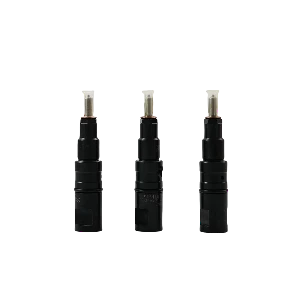
- Malfunctioning fuel injectors spraying too much fuel
- Turbocharger issues disrupting the air-fuel mixture
- Engine oil leaks burning inside the chamber
You can protect your generator by scheduling regular maintenance. Clean or replace air filters, inspect fuel injectors, and check for oil leaks. Proper care keeps your generator efficient and helps you meet environmental standards. If you notice unusual smoke, contact Professionals for a inspection. Quick action prevents costly repairs and keeps your business running smoothly.
You must act quickly when you spot generator warning signs.
- Always follow safety best practices.
- Proactive checks ensure reliability, protect your business, and provide peace of mind during outages.
FAQ
What maintenance schedule should you follow for your commercial generator?
You should inspect your generator every 200–250 hours of use or at least once a year. Regular checks help prevent unexpected failures.
How do you know if your generator needs professional repair?
| Sign | Action Needed |
| Startup delays | Call a technician |
| Unusual noises | Schedule inspection |
| Visible leaks | Request service |
Looking for reliable replacements or upgrades? Browse our complete product range at www.megawattsparts.com
Previous And Next
-
Previous Post:
 BLOG
BLOG Megawatts BlogIntroducing the components of a diesel engineIntroducing the components of a diesel engine A diesel generator set is a type of internal combustion generator set and is currently one of the most widely used power generation devices in the world....
 -
Next Post:
 BLOG
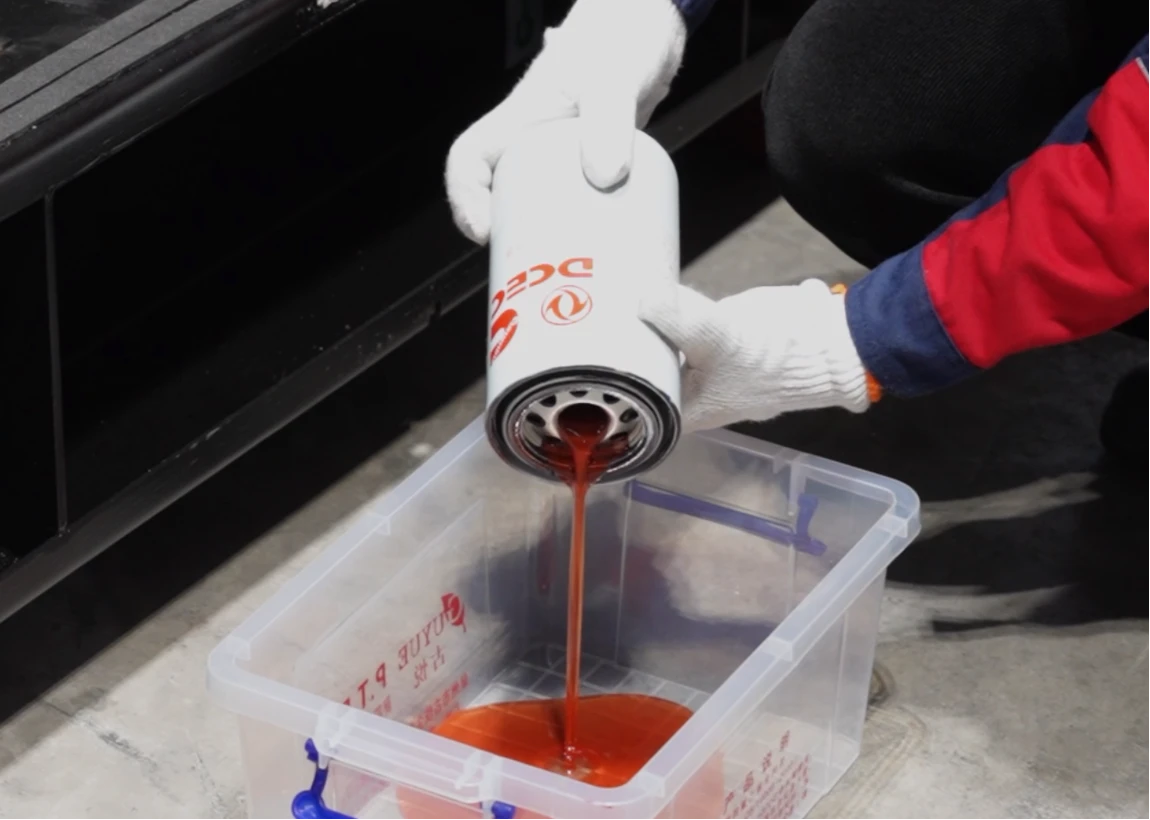
Megawatts BlogHow to Choose the Right Filter for Your Generator: Air, Oil, Fuel, and Coolant ExplainedWhy Filtration Isn't Optional, It's Engine Insurance At MegaWatts Parts, we’ve seen firsthand how a seemingly minor decision about a filter can dictate a generator's fate. Filters are n...
BLOG
Megawatts BlogHow to Choose the Right Filter for Your Generator: Air, Oil, Fuel, and Coolant ExplainedWhy Filtration Isn't Optional, It's Engine Insurance At MegaWatts Parts, we’ve seen firsthand how a seemingly minor decision about a filter can dictate a generator's fate. Filters are n...
Read More
-
 BLOG
Megawatts BlogStrategic Sourcing: How to Build a Standardized Generator Sets Parts Catalog for Mixed FleetsManaging a mixed fleet of Cummins, Perkins, and Caterpillar generators often creates a hidden financial drain through inventory duplication and fragmented procurement. When different brands use differ...
BLOG
Megawatts BlogStrategic Sourcing: How to Build a Standardized Generator Sets Parts Catalog for Mixed FleetsManaging a mixed fleet of Cummins, Perkins, and Caterpillar generators often creates a hidden financial drain through inventory duplication and fragmented procurement. When different brands use differ... -
 BLOG
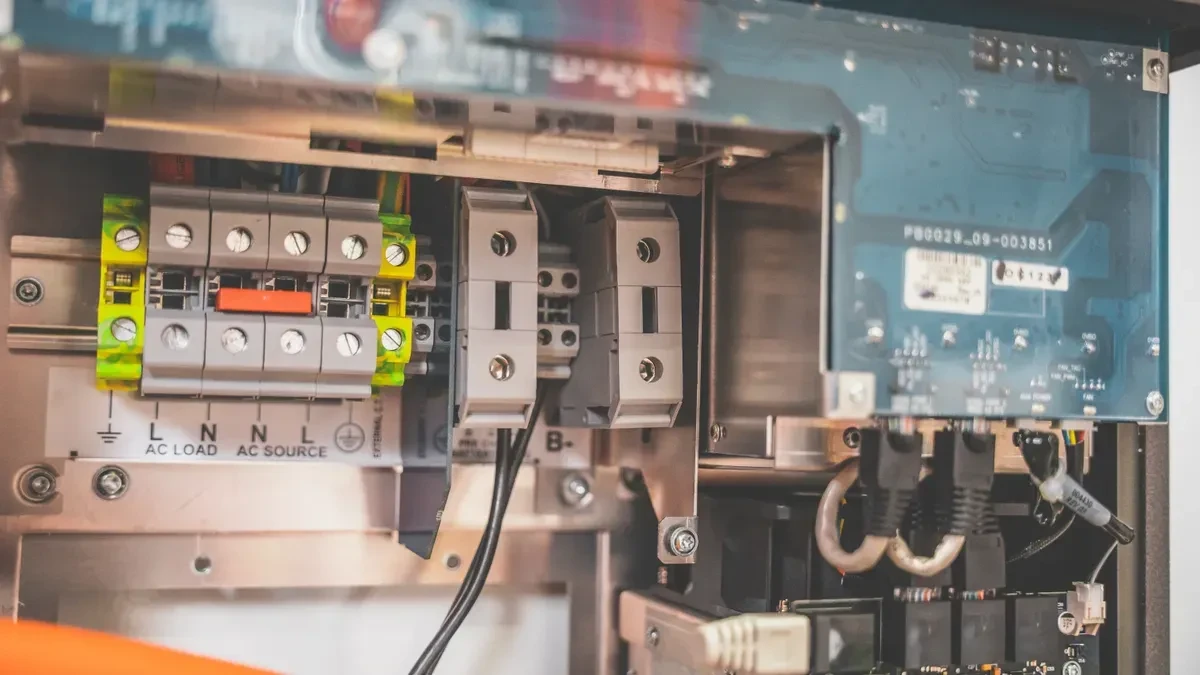
Megawatts BlogDiesel Generator Won't Crank: A Step-by-Step Electrical Diagnostic Checklist for MechanicsWhen a diesel generator won't crank, check the electrical system first. Do not chase fuel or mechanical theories yet. Low battery voltage and corroded connections cause most no-start condition calls....
BLOG
Megawatts BlogDiesel Generator Won't Crank: A Step-by-Step Electrical Diagnostic Checklist for MechanicsWhen a diesel generator won't crank, check the electrical system first. Do not chase fuel or mechanical theories yet. Low battery voltage and corroded connections cause most no-start condition calls.... -
 BLOG
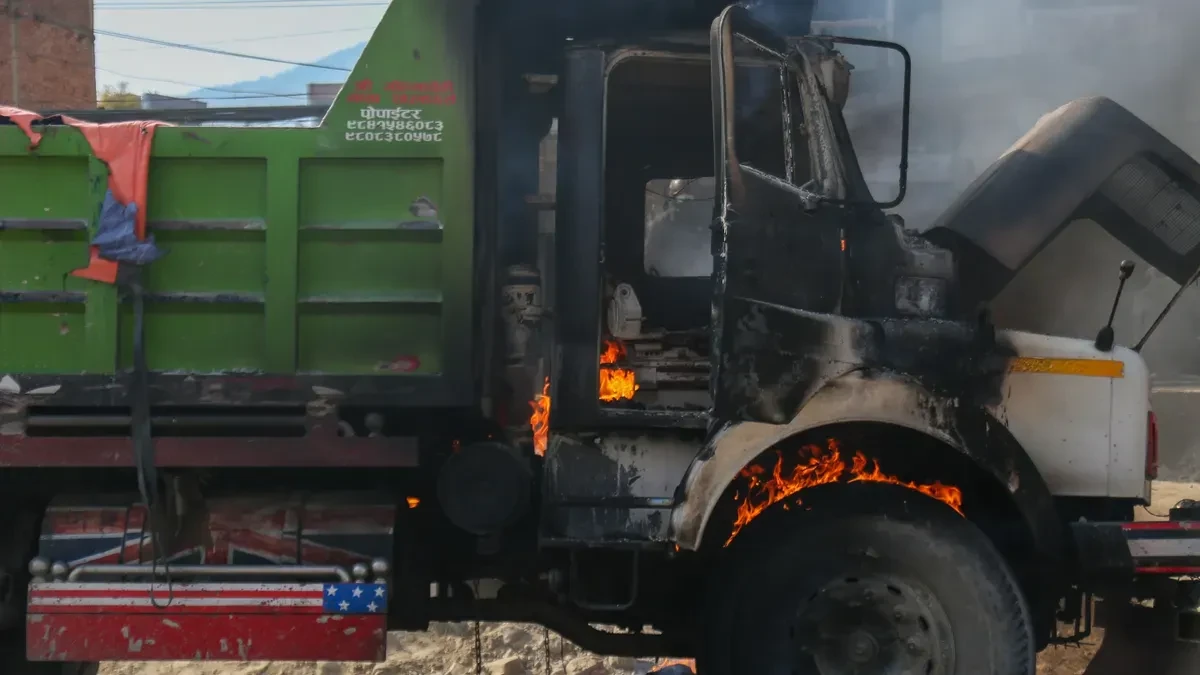
Megawatts BlogMagnetic Coil Degradation: Why Your Diesel Engine Stop Solenoid Fails Under Extreme HeatExtreme heat is the primary enemy of a diesel engine stop solenoid. The heat breaks down the electrical insulation inside the magnetic coil. This degradation raises resistance and creates short circui...
BLOG
Megawatts BlogMagnetic Coil Degradation: Why Your Diesel Engine Stop Solenoid Fails Under Extreme HeatExtreme heat is the primary enemy of a diesel engine stop solenoid. The heat breaks down the electrical insulation inside the magnetic coil. This degradation raises resistance and creates short circui... -
 BLOG
Megawatts BlogThe Hidden Cost of Expired Inventory: Shelf Life and Proper Storage of Rubber Gasket Seal KitsA gasket seal kit sits untouched for five years. You paid for it. Now you pay to dispose of it. When a failure occurs, you pay a premium for emergency replacement. These hidden costs accumulate silent...
BLOG
Megawatts BlogThe Hidden Cost of Expired Inventory: Shelf Life and Proper Storage of Rubber Gasket Seal KitsA gasket seal kit sits untouched for five years. You paid for it. Now you pay to dispose of it. When a failure occurs, you pay a premium for emergency replacement. These hidden costs accumulate silent...
Subscribe to enjoy 10% off
Stay informed about new products and sales

-
INFORMATION
Contact Us
-
CHINA SALES OFFICE: No. 2-11, No. 8, Gaotai Road, Gaishan Investment Zone, Cangshan District, Fuzhou, Fujian
-
SAUDI ARABIA FACTORY: 7264 Shakra, Al Faisaliyyah, REFB3035, 3035, Riyadh 12883
-
COLOMBIA SALES OFFICE: 92-32 26th Street, 03-118, Bogota
-
NIGERIA FACTORY: Plot 5 Chivita Avenue Ajao Estate Isolo Lagos
-
Email:sales@megawattsparts.com
Follow Us


Copyright © 2025 Megawatts All Rights Reserved.



Select Previous Button or Search Directly on Search Bar!
Shop All
 English
Currency: <{ pagedata.current_currency }>(<{ pagedata.current_currency_code }>)
Are you in the right place?

You agree to MegaWatts.com's Terms of Use and Privacy Policy by subscribing. You may receive emails with useful tips, promotions, and offerings.
No, thanks. I'd rather pay full price.