









































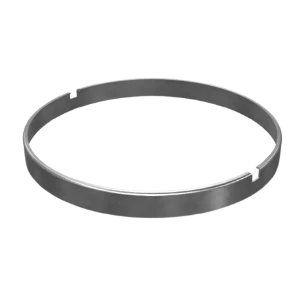

How to Choose the Right Filter for Your Generator: Air, Oil, Fuel, and Coolant Explained
by Megawatts - Updated At 2025-12-10
Why Filtration Isn't Optional, It's Engine Insurance
At MegaWatts Parts, we’ve seen firsthand how a seemingly minor decision about a filter can dictate a generator's fate. Filters are not simple consumables; they are the critical barrier between your precision engine components and the four major sources of destructive contamination: airborne dust, combustion byproducts in oil, water in fuel, and chemical imbalance in coolant.
Every generator has internal components that rely on clean air, clean fuel, and proper lubrication. When contaminants enter the system, they cause:
- Hard starting
- Reduced power output
- Increased fuel consumption
- Overheating
- Premature engine wear
- Unexpected breakdowns
Choosing the right engine filter means safeguarding your asset against premature wear and avoiding costly, catastrophic engine failure. Whether you use a generator for home backup, small business operations, construction sites, or agricultural equipment, choosing the right filters is essential for protecting the engine and extending the lifespan of your machine. This guide, compiled from our decades of experience in generator maintenance and parts supply, dives into the technical details you need to know about air, oil, fuel, and coolant filters.
Understanding the Four Essential Generator Filter Types
1. Air Filters: The Gatekeeper of Combustion Integrity
1.1 What It Does
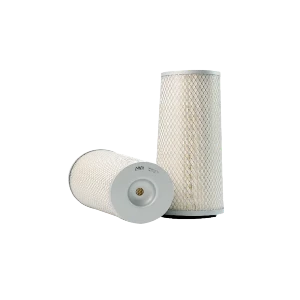
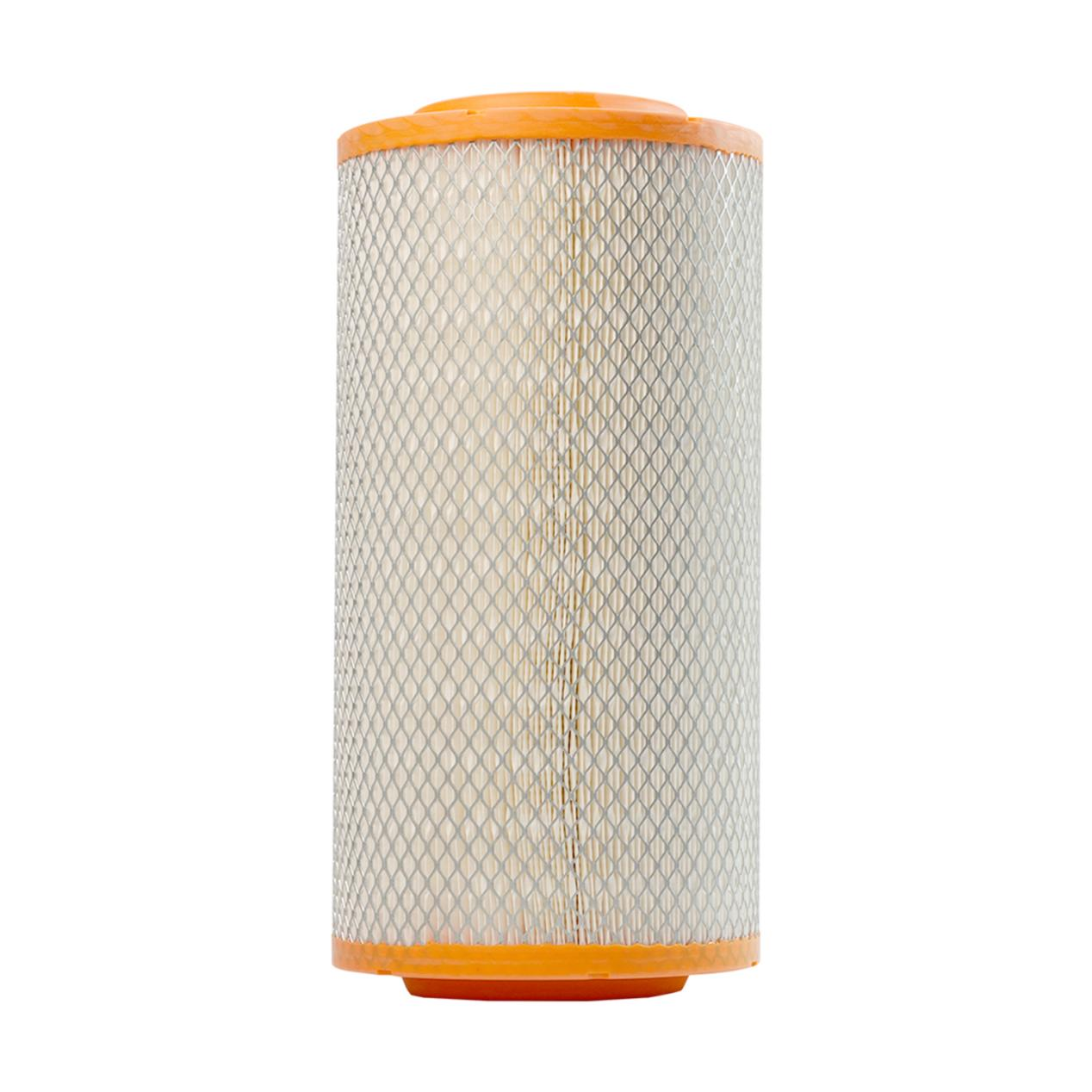
An air filter blocks dust, sand, pollen, and small debris from entering the engine. Clean air ensures efficient combustion and stable engine performance.Air is the engine's highest volume consumable. A compromised air filter allows abrasive silicon dioxide (sand/dust) into the cylinders, effectively acting like sandpaper on your piston rings and liners.
1.2 Signs the Air Filter Needs Replacement
- Black smoke from exhaust
- Reduced generator output
- Difficulty starting
- Higher fuel consumption
1.3 How to Choose the Right Air Filter
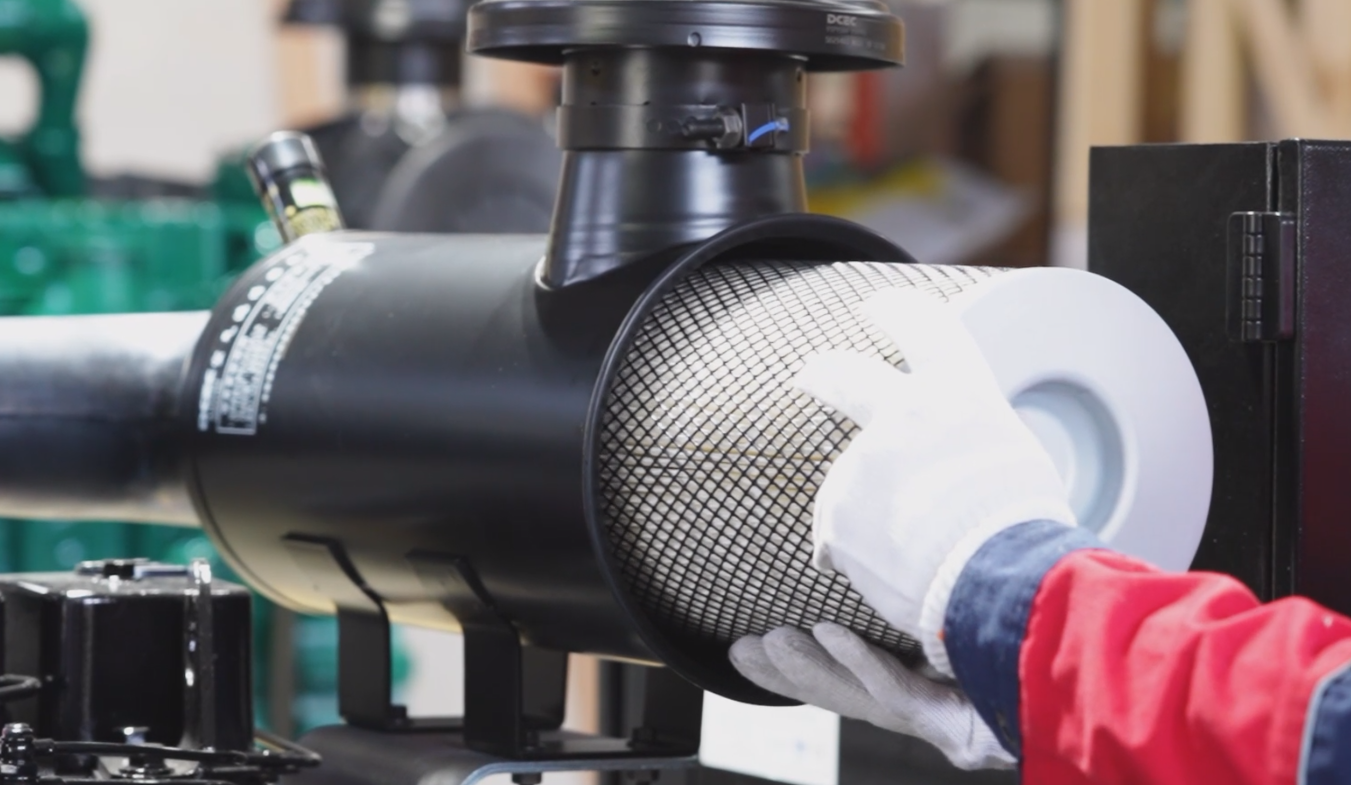
- Confirm Generator Specifications: Verify the specific engine brand and model to obtain the correct OEM technical requirements.
- Prioritize Media Quality: Always prioritize filters utilizing high-loft, deep-pleat media with high dust-holding capacity. This ensures a balanced efficiency, trapping contaminants while maintaining the engine's specified Cubic Feet per Minute (CFM) airflow requirement.
- Match Size and Sea: Accurately match the filter's physical size, shape, and sealing geometry to prevent air bypass.A common failure point is the seal (gasket). Insist on filters with durable, flexible polyurethane or rubber end caps to prevent unfiltered air (blow-by) from bypassing the element under high vacuum.
- Dirty Environments: For generators operating in high-dust or arid climates, consider upgrading to a system that supports a pre-cleaner or cyclonic separator to significantly extend the primary filter’s service life.
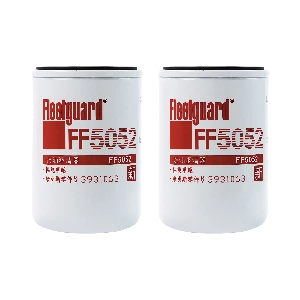
- Select Trusted Brands: Opt for reputable manufacturers (e.g., Fleetguard, Donaldson) or proven alternatives like Megawatts.
1.4 Who needs frequent air filter replacement?
Users in dusty regions—construction sites, agricultural fields, deserts, or industrial areas.
2. Oil Filters: Mitigating Frictional Damage
2.1 What It Does
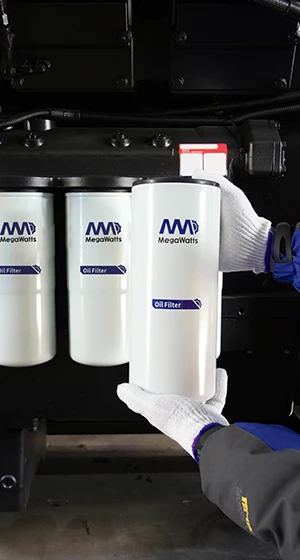
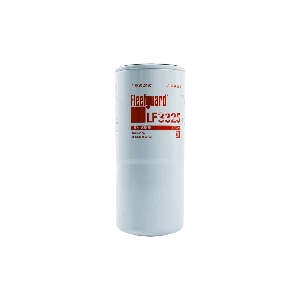
Engine oil continuously collects metal particles from wear, carbon from combustion, and acidic blow-by gases. An oil filter removes carbon deposits, metal particles, and sludge from engine oil to prevent wear on moving parts without causing oil starvation.
2.2 When to Replace the Oil Filter
- With every oil change (typically every 100–250 hours, depending on usage)
- After long periods of continuous operation
- When oil appears dark and thick prematurely
2.3 How to Choose the Right Oil Filter
Oil filters are especially important for generators used for commercial, continuous-duty, or emergency backup.
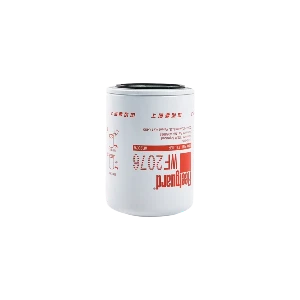
- Thread and Pressure Compliance: Always use the correct thread size and pressure rating specified by the engine manufacturer to ensure a perfect, high-pressure seal and prevent leaks or catastrophic failure.
- Micron Efficiency: Professional filters are rated by their ability to capture particles, often expressed as Beta Ratios ($\beta$-ratios). Aim for an oil filter with high Absolute Efficiency (98% removal) for particles in the 20–30 micron range, which are the most damaging to engine bearings.
- Verify Temperature Resistance: Choose filters tested for high-temperature resistance, particularly those with durable seals and media designed to withstand the engine's intense operating heat and thermal cycling without degradation.
- The Anti-Drainback Valve (ADBV): This is a detail we frequently see neglected with low-cost filters. The ADBV (made of silicone or nitrile) holds oil in the filter when the engine is off. A faulty ADBV means the engine suffers a "dry start" every time, accelerating wear dramatically. Always verify the ADBV's material and integrity.
- Bypass Valve Calibration: This valve ensures oil still flows during extreme clogs or cold starts. Using the wrong filter can result in a bypass valve calibrated to the wrong pressure, causing unfiltered oil circulation during normal operation.
3. Fuel Filters and Water Separation: Protecting High-Pressure Systems

3.1 What It Does
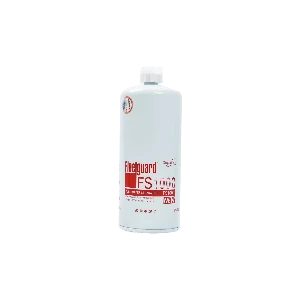
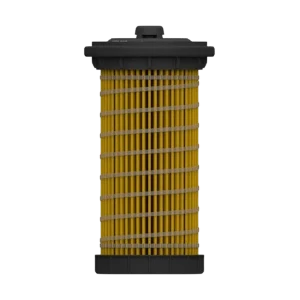
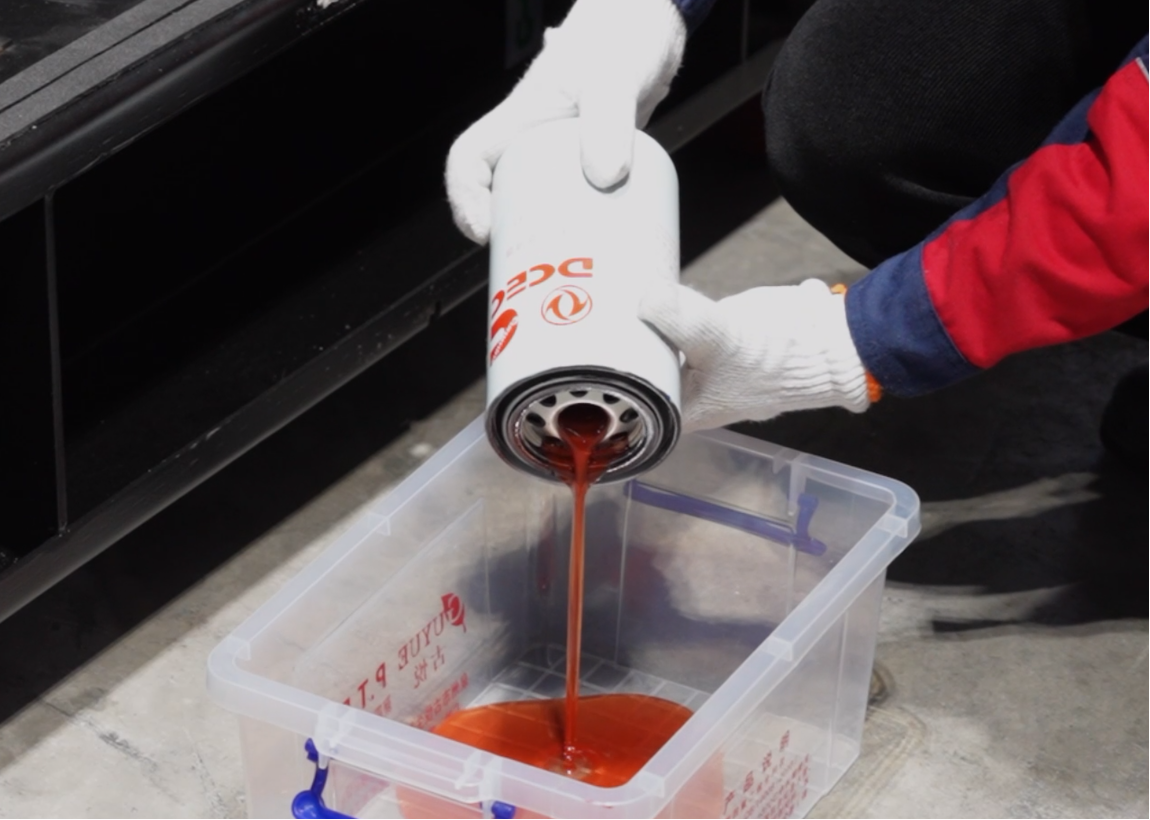
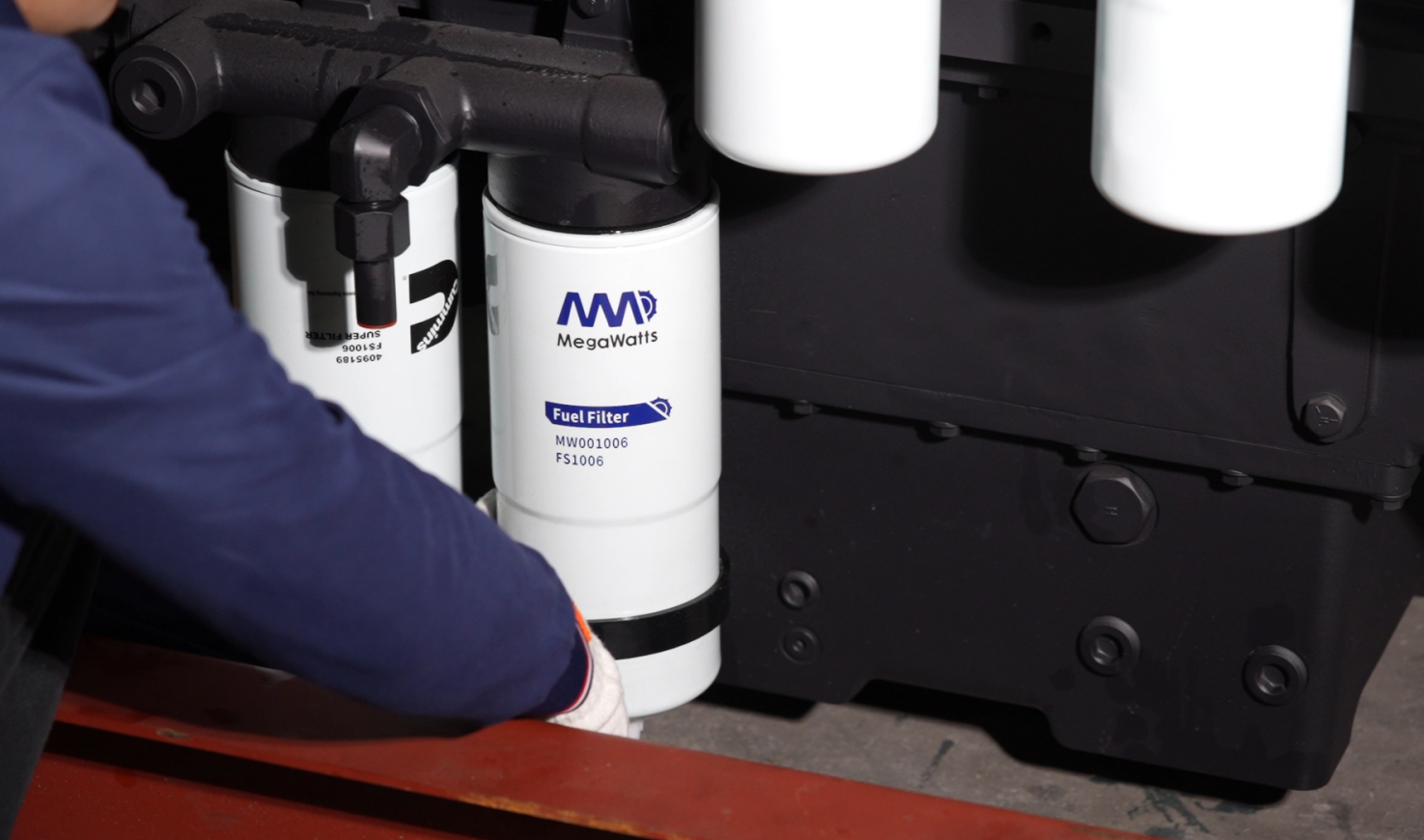
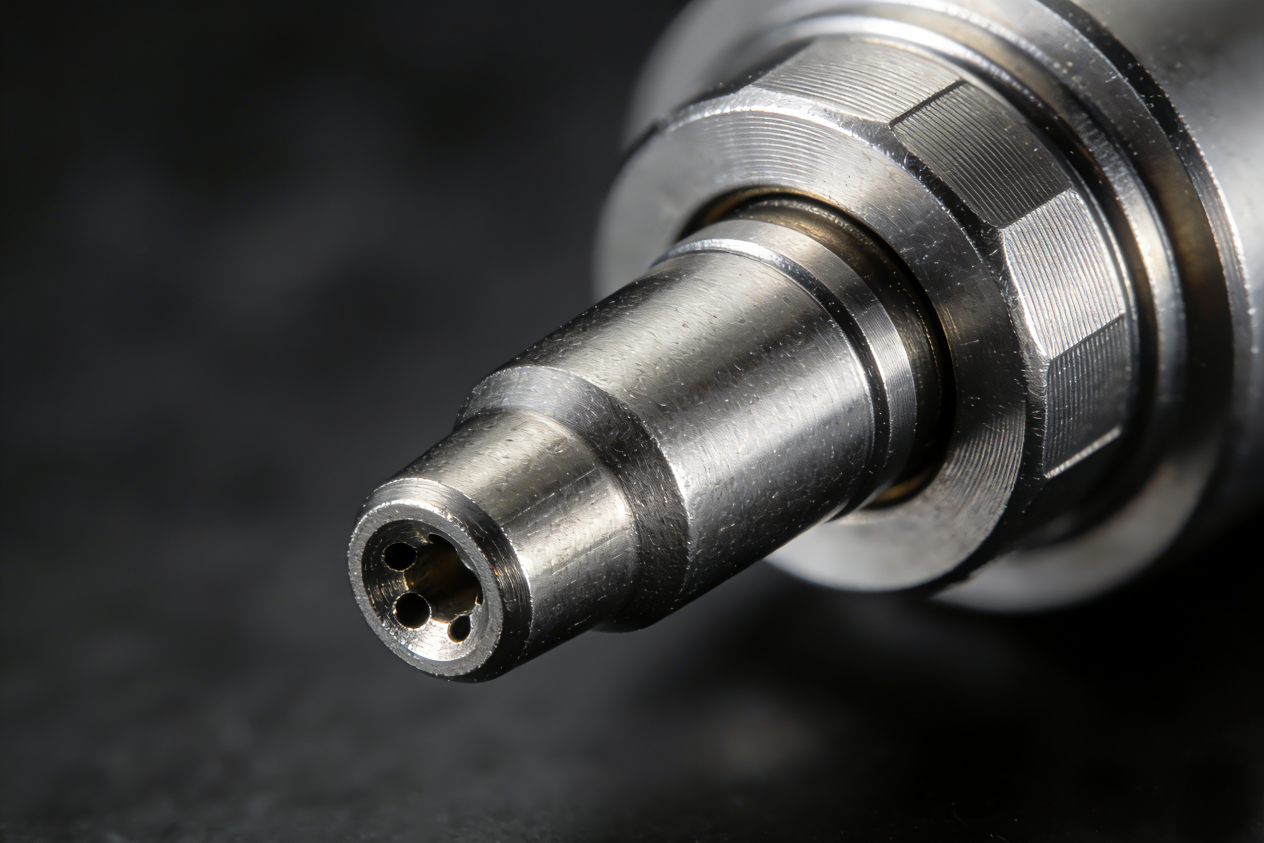
The fuel filter blocks dirt, moisture, and rust particles from reaching the fuel pump and injectors. Clean fuel ensures smooth engine operation.Modern Tier 4 diesel engines use extremely high-pressure common rail (HPCR) systems. These injectors operate with tolerances measured in microns, making them incredibly sensitive to contamination. Water is the most corrosive threat to these systems.
3.2 Signs the Fuel Filter Needs Replacement
- Engine hesitation
- Loss of power under load
- Generator shutting down after running for a few minutes
- Hard starting
3.3 How to Choose the Right Fuel Filter
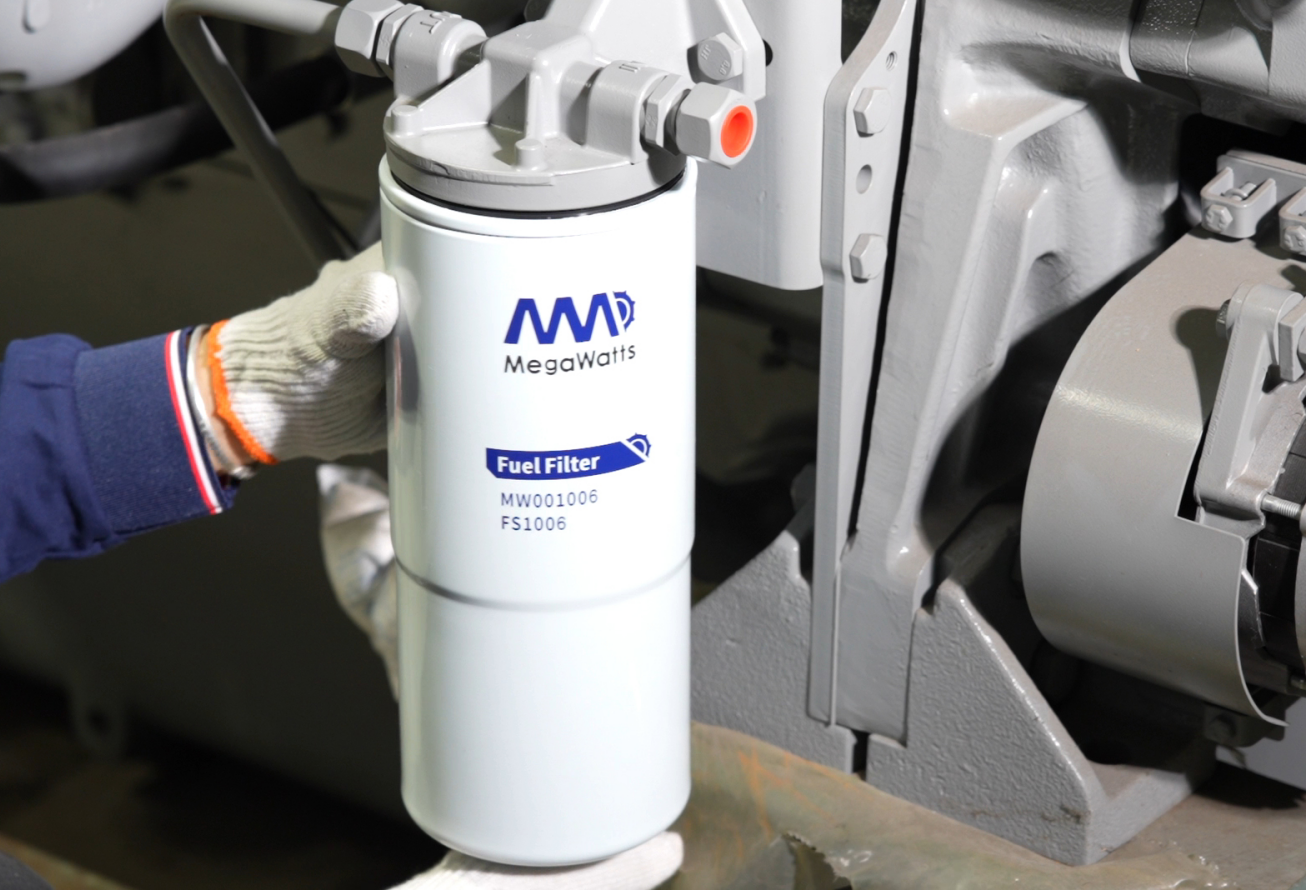
- Match Filter Type: Accurately differentiate and match filter type: primary fuel filter vs secondary fuel filter. (The primary filter protects the pump, while the secondary protects the high-pressure injectors.)
- Diesel/Gas Specificity: Always ensure compatibility with diesel or gasoline engines, as the filter media and water separation requirements differ significantly by fuel type. Diesel filters must be designed to handle the heavier viscosity of diesel fuel. They are typically multi-stage filters.
- Water Separation is Mandated: For diesel, you must use a filter/separator assembly. The filter media must be hydrophobic (water-repelling) to coalesce and drop water droplets into the collection bowl. Never underestimate the damage caused by water ingestion.
- Verify Precision Rating: For HPCR engines, primary filtration typically requires a 10-micron element, followed by a final filter rated as low as 2–5 microns to meet the strict ISO fuel cleanliness standards (e.g., ISO 4406). We must remember that tight filtration equals better protection.
4. Coolant Filters: Chemical Balance and Cavitation Control
4.1 What It Does
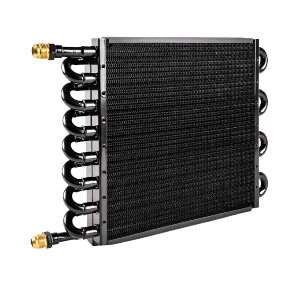
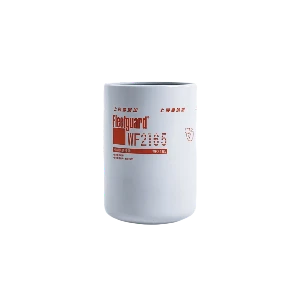
Coolant filters are vital for high-horsepower generators, functioning beyond simple filtration by both removing impurities like rust and scale and acting as the delivery system for Supplemental Coolant Additives (SCAs) necessary to prevent corrosion and chemical damage within the cooling system.Remember that coolant filters are crucial for generators operating in hot climates, desert regions, and heavy-duty applications where thermal stress is highest.
4.2 When to Replace the Coolant Filter
When the coolant looks rusty or contaminated
If the generator overheats frequently
According to manufacturer's intervals
4.3 How to Choose the Right Coolant Filter
- SCA-Charged vs.Blind: Determine if your system requires an SCA-releasing filter (wet filter) or a non-SCA (blind) filter. Using the wrong one can lead to an improper chemical balance.
- Filter Style Confirmation: Confirm whether your generator uses spin-on or cartridge style filters, ensuring a physical and functional match for the housing. Using the wrong filter type can lead to either depleted protection or over-concentration of chemicals
- Additive Requirements: Check the required additive charge (DCA/SCA) based on your coolant type to maintain chemical balance and prevent corrosion and cavitation.
- Material Quality: Select corrosion-resistant materials for both the filter housing and the internal components, guaranteeing durability in chemically active coolant environments.
|
Filter Type |
Function (What it traps) |
Why it matters (Expertise) |
Best Practice (Authoritativeness) |
|
Air |
Dust, Dirt, Debris |
Prevents cylinder wall and piston ring wear. |
Check for proper sealing; use heavy-duty in dusty areas. |
|
Oil |
Metal Shavings, Soot, Carbon |
Maintains lubrication and prevents friction damage. |
Ensure it has a functional Anti-Drainback Valve (ADBV). |
|
Fuel |
Rust, Water, Microbes |
Protects high-precision injectors and fuel pumps. |
Use a dedicated Water Separator for diesel engines. |
|
Coolant |
Scale, Rust, Contamination |
Prevents corrosion and cavitation (pitting) damage. |
Verify if an SCA-charged filter is required by the engine manual. |
Key Factors for Choosing the Right Generator Filter
To ensure maximum engine protection, follow these crucial steps for filter selection:
1. Always Use the Manufacturer’s Specification (The Golden Rule)
Never select a filter based on size or appearance alone. Always identify your generator brand and check your generator's manual or the engine manufacturer's specifications for the correct part number. Always cross-reference the Engine Manufacturer’s Part Number with the filter you purchase. Dimensions, threads, and seals must be exact; the internal media specification and valve calibration are what truly matter.
2. Prioritize Quality Over Price
Cheap, non-OEM (Original Equipment Manufacturer) filters often use inferior filter media, seals, or valves. This can lead to:
- Filter Bypass: The oil/air/fuel flow rate is restricted, causing the bypass valve to open and sending unfiltered fluid directly into the engine.
- Leaking Seals: Resulting in lost oil pressure or air/fuel ingestion.
MegaWatts Parts specializes in high-quality replacement filters that meet or exceed OEM standards, ensuring optimal performance without the OEM price tag. Our filters meet the rigorous filtration and flow rate standards set by major engine builders like Cummins, Perkins, and Caterpillar. We do not compromise on the Anti-Drainback Valve or media quality.
3. Understand Your Operating Conditions
- Dusty/Dirty Environments: Require more frequent air filter changes and possibly higher-efficiency air filters.
- Poor Quality Fuel/Storage: Mandates more frequent fuel filter and water separator servicing.
- Infrequent Use: Standby generators still require timely filter changes, often based on time intervals (e.g., annually) rather than just run hours.
How Often Should You Replace Generator Filters?
Here are general maintenance intervals:
|
Filter Type |
Replacement Frequency |
|
Air Filter |
Every 100–300 hours, or as needed |
|
Oil Filter |
Every 100–250 hours |
|
Fuel Filter |
Every 200–400 hours |
|
Coolant Filter |
Every 250–500 hours |
Always follow your generator manufacturer’s exact recommendations.
Choosing the right filter for your generator is a simple yet powerful maintenance decision that directly impacts your equipment's operational lifetime. By understanding the specific role of your air, oil, fuel, and coolant filters, and by insisting on quality parts that match OEM specifications, you are making a conscious investment in reliability.
Don't wait for a failure to check your filters. Regular inspection and timely replacement are the hallmarks of a well-maintained power generation system.
Need to find the exact filter for your generator? MegaWatts Parts offers a complete selection of high-quality air, oil, fuel, and coolant filters for all major genset brands. You can browse our full generator filter catalog here.
Disclaimer: MegaWatts Parts strongly recommends consulting your engine manufacturer’s manual for exact part numbers and service intervals.
Previous And Next
-
Previous Post:
 BLOG
BLOG Megawatts BlogIntroducing the components of a diesel engineIntroducing the components of a diesel engine A diesel generator set is a type of internal combustion generator set and is currently one of the most widely used power generation devices in the world....
 -
Next Post:
 BLOG
Megawatts BlogWinterizing Your Heavy Machinery: Essential Parts to Check Before the Cold HitsYou must inspect key systems such as the engine, fuel system, battery, hydraulics, tires, and exterior components before winter hits. Neglecting winterizing your heavy machinery exposes you to risks l...
BLOG
Megawatts BlogWinterizing Your Heavy Machinery: Essential Parts to Check Before the Cold HitsYou must inspect key systems such as the engine, fuel system, battery, hydraulics, tires, and exterior components before winter hits. Neglecting winterizing your heavy machinery exposes you to risks l...
Read More
-
 BLOG
Megawatts BlogStrategic Sourcing: How to Build a Standardized Generator Sets Parts Catalog for Mixed FleetsManaging a mixed fleet of Cummins, Perkins, and Caterpillar generators often creates a hidden financial drain through inventory duplication and fragmented procurement. When different brands use differ...
BLOG
Megawatts BlogStrategic Sourcing: How to Build a Standardized Generator Sets Parts Catalog for Mixed FleetsManaging a mixed fleet of Cummins, Perkins, and Caterpillar generators often creates a hidden financial drain through inventory duplication and fragmented procurement. When different brands use differ... -
 BLOG
Megawatts BlogDiesel Generator Won't Crank: A Step-by-Step Electrical Diagnostic Checklist for MechanicsWhen a diesel generator won't crank, check the electrical system first. Do not chase fuel or mechanical theories yet. Low battery voltage and corroded connections cause most no-start condition calls....
BLOG
Megawatts BlogDiesel Generator Won't Crank: A Step-by-Step Electrical Diagnostic Checklist for MechanicsWhen a diesel generator won't crank, check the electrical system first. Do not chase fuel or mechanical theories yet. Low battery voltage and corroded connections cause most no-start condition calls.... -
 BLOG
Megawatts BlogMagnetic Coil Degradation: Why Your Diesel Engine Stop Solenoid Fails Under Extreme HeatExtreme heat is the primary enemy of a diesel engine stop solenoid. The heat breaks down the electrical insulation inside the magnetic coil. This degradation raises resistance and creates short circui...
BLOG
Megawatts BlogMagnetic Coil Degradation: Why Your Diesel Engine Stop Solenoid Fails Under Extreme HeatExtreme heat is the primary enemy of a diesel engine stop solenoid. The heat breaks down the electrical insulation inside the magnetic coil. This degradation raises resistance and creates short circui... -
 BLOG
Megawatts BlogThe Hidden Cost of Expired Inventory: Shelf Life and Proper Storage of Rubber Gasket Seal KitsA gasket seal kit sits untouched for five years. You paid for it. Now you pay to dispose of it. When a failure occurs, you pay a premium for emergency replacement. These hidden costs accumulate silent...
BLOG
Megawatts BlogThe Hidden Cost of Expired Inventory: Shelf Life and Proper Storage of Rubber Gasket Seal KitsA gasket seal kit sits untouched for five years. You paid for it. Now you pay to dispose of it. When a failure occurs, you pay a premium for emergency replacement. These hidden costs accumulate silent...
Subscribe to enjoy 10% off
Stay informed about new products and sales

-
INFORMATION
Contact Us
-
CHINA SALES OFFICE: No. 2-11, No. 8, Gaotai Road, Gaishan Investment Zone, Cangshan District, Fuzhou, Fujian
-
SAUDI ARABIA FACTORY: 7264 Shakra, Al Faisaliyyah, REFB3035, 3035, Riyadh 12883
-
COLOMBIA SALES OFFICE: 92-32 26th Street, 03-118, Bogota
-
NIGERIA FACTORY: Plot 5 Chivita Avenue Ajao Estate Isolo Lagos
-
Email:sales@megawattsparts.com
Follow Us


Copyright © 2025 Megawatts All Rights Reserved.



Select Previous Button or Search Directly on Search Bar!
Shop All
 English
Currency: <{ pagedata.current_currency }>(<{ pagedata.current_currency_code }>)
Are you in the right place?

You agree to MegaWatts.com's Terms of Use and Privacy Policy by subscribing. You may receive emails with useful tips, promotions, and offerings.
No, thanks. I'd rather pay full price.