



































Cummins 6BT Engine Overhaul Checklist: Top 5 Wear Components That Cause Premature Power Drop
by Megawatts - Updated At 2026-07-30
Premature power drop in the Cummins 6bt engine often results from excessive wear in five critical components: cylinder liner and piston kits, fuel injectors, turbocharger, valves and valve guides, and engine bearings. Common issues include random stalling from a plugged fuel tank vent, failed PT pump causing hard starting, and broken piston cooling nozzle increasing oil temperature. A targeted cummins 6bt engine overhaul minimizes downtime and reduces maintenance costs, as shown in the table below.
|
Benefit |
Description |
|
Improves Fuel Economy |
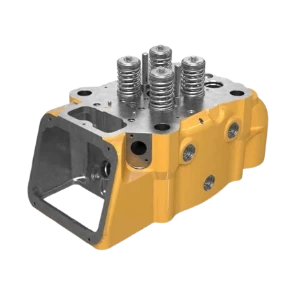
A well-functioning cylinder head optimizes combustion, reducing fuel waste and enhancing efficiency. |
|
Minimizes Downtime for Operations |
A new cylinder head significantly reduces costly engine downtime and emergency repairs for marine operations. |
|
Enhances Overall Engine Longevity |
Replacing a failing cylinder head protects other components, extending the engine's lifespan. |
Sourcing high-quality parts from Megawatts Parts boosts reliability in cummins engine maintenance. Professionals and DIYers benefit from using this maintenance checklist to ensure consistent performance and longevity in their cummins 6bt engine.
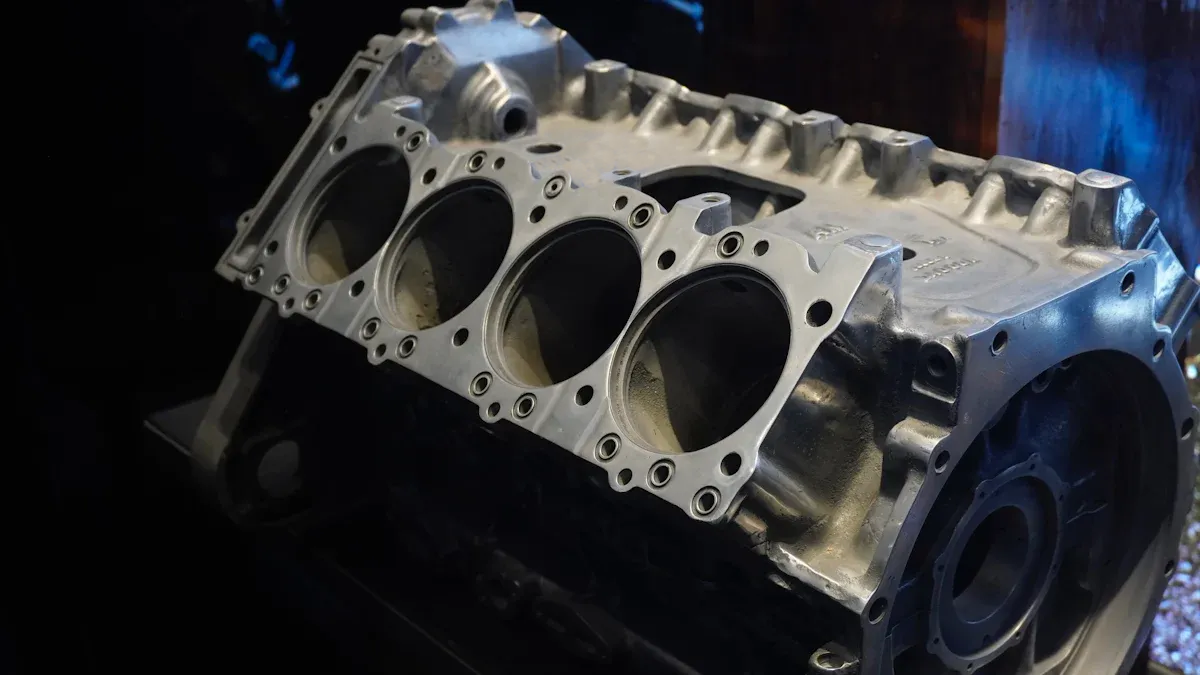
Cummins 6BT Engine Overhaul Quick Checklist
A successful cummins rebuild starts with a systematic approach. The following checklist covers all critical components that frequently cause premature power loss in the 6bt engine. Use this guide to identify the correct 6bt parts, minimize downtime, and ensure a reliable rebuild.
Cylinder Liner & Piston Kits
Visual Inspection: Examine cylinder liners for scoring, pitting, or excessive wear. Check pistons for cracks, carbon buildup, and ring groove wear.
- Measurement: Use a bore gauge to measure liner diameter and out-of-roundness. Compare results to manufacturer specifications.
- Piston Clearance: Measure piston-to-liner clearance. Excessive clearance indicates the need for replacement.
- Ring Condition: Inspect piston rings for wear, breakage, or sticking. Replace if any defect is found.
- Replacement: Always use high-quality 6bt cummins parts from trusted suppliers like Megawatts Parts for optimal performance.
Expert Tip: Scored liners or cracked pistons often lead to blow-by and rapid power drop. Replace as a set to maintain cylinder balance during a rebuild.
Fuel Injectors
- External Check: Look for leaks, corrosion, or physical damage on injector bodies.
- Spray Pattern Test: Remove injectors and test spray pattern. Poor atomization or dribbling signals wear.
- Pop Pressure Test: Verify injector opening pressure matches cummins specifications.
- Nozzle Inspection: Examine nozzles for clogging or erosion.
- Replacement: Install new injectors if performance is compromised. Always match injectors to your engine’s serial number.
Note: Faulty injectors can cause hard starting, rough idle, and increased fuel consumption. Include them in your rebuild parts checklist.
Turbocharger
- Shaft Play: Check for excessive axial or radial shaft movement.
- Impeller Inspection: Inspect compressor and turbine wheels for chips, cracks, or oil contamination.
- Housing Condition: Look for cracks or oil leaks in the turbo housing.
- Boost Test: Confirm turbo delivers correct boost pressure under load.
- Replacement: Use a new or remanufactured turbo from a reputable source if any defect is found.
Real-World Scenario: A failed turbocharger can cause sudden power loss and black smoke. Early detection prevents catastrophic engine damage.
Valves & Valve Guides
Valve Face and Seat Inspection: Check for pitting, burning, or uneven wear.
- Guide Clearance: Measure valve stem-to-guide clearance. Excessive play leads to oil consumption and loss of compression.
- Spring Tension: Test valve springs for correct tension.
- Seal Condition: Inspect valve seals for brittleness or leakage.
- Replacement: Replace worn valves and guides during every major rebuild.
Expert Advice: Worn valves and guides are a common cause of low compression and misfire in cummins engines.
Engine Bearings
- Visual Check: Inspect main and rod bearings for scoring, discoloration, or pitting.
- Clearance Measurement: Use plastigage to measure bearing clearances. Compare with OEM tolerances.
- Crankshaft Condition: Check journals for wear or scoring.
- Replacement: Always replace bearings during a rebuild, even if wear appears minimal.
Tip: Bearing failure can result in low oil pressure and catastrophic engine damage. Include bearings in your common rebuild parts list.
Comprehensive Rebuild Steps for the Cummins 6BT
- Engine disassembly: Drain fluids, remove cylinder head, disconnect fuel injectors, remove pistons and liners, and organize all components.
- Inspect and clean: Check tolerances, inspect for damage, measure clearances, and clean all parts thoroughly.
- Install new components: Fit new pistons, liners, bearings, and injectors. Install a new head gasket and torque to specification.
- Reassemble and test: Reinstall all components, check valve lash and timing, fill with oil and coolant, and perform an initial startup.
Cylinder Liner & Piston Kits in Cummins 6BT Engine
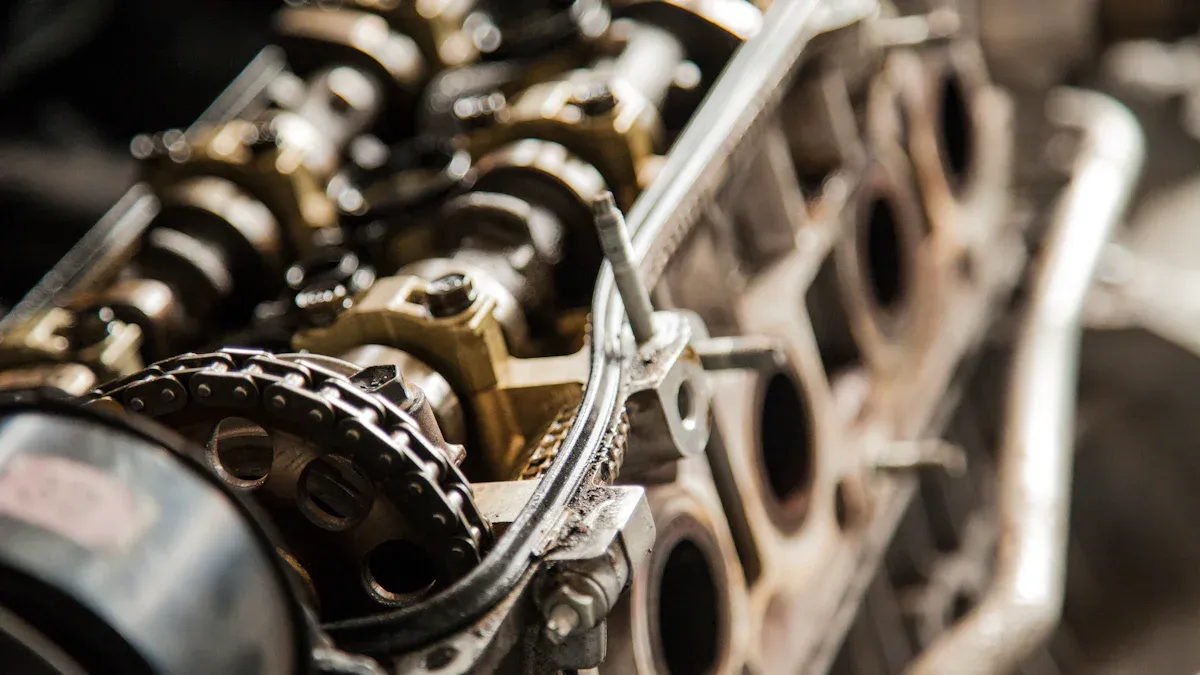
Causes of Wear
Cylinder liners and piston kits in Cummins engines face significant wear due to several operational factors. Carbon build up on piston rings leads to ring sticking and severe blow-by. Cylinder wall scoring, often caused by abrasive contaminants or improper lubrication, reduces compression efficiency. Liners may glaze, especially under heavy load or frequent climbing, which further diminishes sealing capability. Turbocharger seal leaks and injector nozzle deposits also contribute to increased oil consumption and altered combustion dynamics.
- Piston rings experience carbon buildup, causing blow-by.
- Cylinder liners glaze, reducing compression.
- Scoring on cylinder walls accelerates wear.
- Worn pistons decrease compression and power.
Power Loss Impact
Wear in liners and pistons directly affects Cummins engine power output. Increased ring gap and scored cylinder walls allow combustion gases to escape into the crankcase, resulting in chronic blow-by. This loss of compression is most noticeable during heavy-duty operation, such as hauling or climbing. The engine struggles to maintain torque, leading to reduced fuel efficiency and higher oil consumption.
|
Feature |
Description |
|
Compatibility |
Works with Cummins 6BT, 6B, 4BT, and ISB models. |
|
Precision Machining |
Ensures OEM-standard bore fitment for optimal performance. |
|
Essential for Rebuilds |
Necessary for restoring engine function when wear occurs. |
Reliable sealing and compression minimize blow-by, which is crucial for maintaining power output. Advanced liners and coated pistons extend rebuild longevity, directly impacting performance.
Wear Signs
Technicians and operators should monitor for these indicators of liner and piston wear:
- Chronic blow-by and rising crankcase pressure
- Persistent oil consumption and cylinder glazing
- Reduced compression and declining fuel efficiency
- Increased exhaust smoke, especially under load
These symptoms signal that the engine is losing its ability to contain combustion pressure, resulting in power drop.
Inspection Tips
Industry best practices for inspecting Cummins liners and pistons include:
- Measure liner diameter and check for scoring or glazing.
- Inspect piston rings for carbon buildup, sticking, or excessive gap.
- Lubricate cylinder walls before reassembly to aid startup.
- Prime the lubrication system and verify oil pressure within 5 seconds of starting.
- Run the engine at idle and listen for knocking or metallic sounds.
Expert Tip: Always check piston-to-liner clearance. Excessive gap causes blow-by and rapid power loss.
Replacement Advice
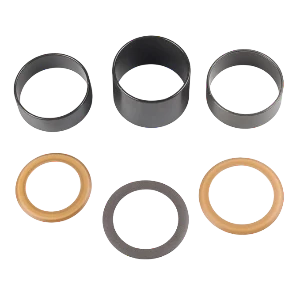
For optimal performance, replace the full cylinder liner and piston kit during a Cummins overhaul. Using a complete kit ensures balanced compression across all cylinders and prevents premature failure. To eliminate blow-by and restore factory compression, shop our Cummins 6BT cylinder liner and piston kits. Our precision-machined sets meet strict OEM standards, ensuring balanced power delivery and uncompromising sealing across all cylinders.
Real-World Scenario: Engines with increased piston ring gap and scored liners often fail under heavy load. Replacing the full kit restores power and reliability.
Fuel Injectors and Power Drop
Wear Causes
Fuel injectors in the Cummins 6BT engine operate under extreme pressure and tight tolerances. Mechanical wear develops over time due to the constant movement of the needle valve assembly. Poor fuel quality, especially ultra low sulfur diesel, reduces lubricity and accelerates corrosion inside the injectors. Inadequate filtration allows contaminants and moisture to enter the fuel system, causing abrasive wear. Modern common-rail injectors, with their higher operating pressures and tighter clearances, are even more vulnerable to damage from debris. These factors combine to make injector wear a frequent cause of power drop in Cummins engines.
Performance Effects
Worn injectors disrupt precise fuel delivery. The needle valve assembly may stick or fail to seat properly, resulting in poor atomization. This leads to incomplete combustion, heavy black smoke, and a noticeable loss of power. Over-fueling or under-fueling can cause engine knocking, misfires, and unstable operation. In severe cases, the engine may produce white smoke on cold starts or excessive black smoke under load. Chronic injector wear often forces owners to replace injectors every 140,000 miles, adding significant maintenance costs.
Detection Signs
Operators should watch for these common signs of injector wear in Cummins engines:
- White smoke during cold starts, indicating poor atomization.
- Audible fuel knock or rattle, sometimes mistaken for valve issues.
- Gradual power loss, especially under load.
- Black smoke when accelerating or hauling.
These symptoms suggest the injectors are no longer delivering fuel efficiently.
Inspection Steps
A thorough inspection ensures accurate diagnosis and prevents unnecessary downtime:
- Prepare for injector removal by shutting down the engine, disconnecting the battery, relieving fuel pressure, and removing the valve cover.
- Remove the injectors by disconnecting the wiring harness, extracting hold-down bolts, and inspecting seals for damage.
- Install new or reconditioned injectors, lubricate O-rings, tighten bolts to specification, reconnect the harness, and prime the fuel system.
Expert Tip: Always replace all injectors at once to maintain balanced fuel delivery across all cylinders.
Replacement Guidance
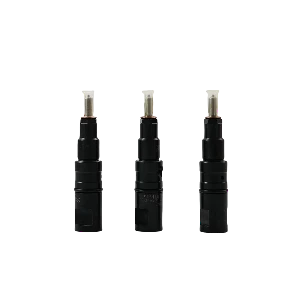
Frequent injector-related power drop in Cummins engines highlights the need for timely replacement. When the needle valve assembly wears, atomization suffers, leading to black smoke and reduced output. For best results, replace all injectors according to the engine’s cylinder count. Don't let poor fuel atomization destroy your engine's output. Browse our premium Cummins 6BT fuel injectors to eliminate black smoke, prevent cylinder washing, and restore exact fuel delivery for peak torque and fuel efficiency.
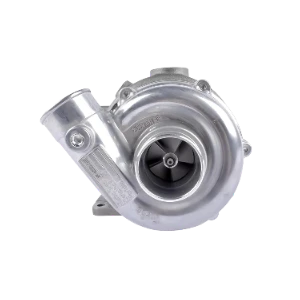
Turbocharger Wear in Cummins Engines
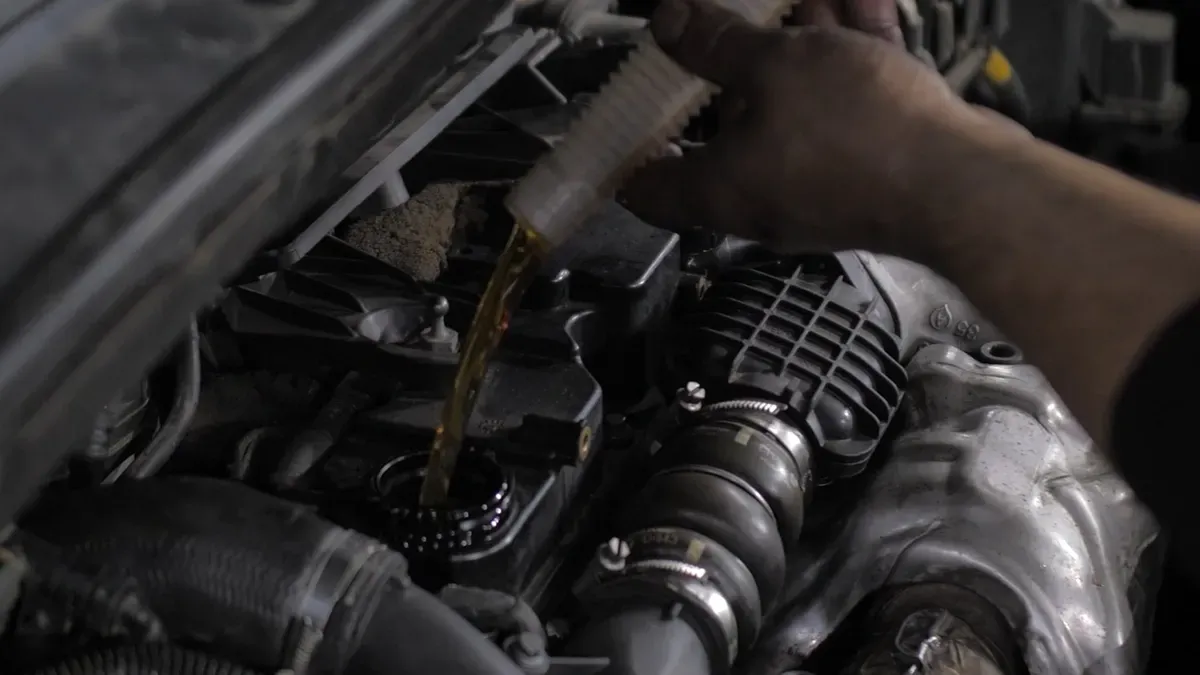
Why Turbochargers Fail
Turbochargers in Cummins 6BT engines operate under extreme conditions. Over time, several factors contribute to their failure:
- Bearing wear, especially in Holset turbochargers, leads to increased rotor shaft clearance. This clearance exceeds the recommended radial play limit, causing rapid boost pressure drop and resulting in what technicians call "hungry combustion"—a state where the engine receives insufficient air for complete fuel burn, leading to power derating
- Foreign object damage from debris entering the intake or exhaust can destroy compressor or turbine blades.
- Shaft imbalance develops from uneven wear or improper assembly.
- Oil starvation and oil contamination, often due to clogged filters or poor maintenance, accelerate internal wear.
- Saltwater corrosion affects engines in marine or humid environments.
- Sludge buildup restricts oil flow to critical turbo components.
- Incorrect turbo replacement or installation can cause immediate failure.
Technical Warning: If you detect radial shaft play beyond manufacturer limits, full turbo replacement is recommended. Attempting to repair a turbo with excessive bearing wear often results in repeated failures.
Power Loss Symptoms
Operators should recognize the most common symptoms of turbocharger-related power loss:
- Loss of power, especially under load or during acceleration.
- Excessive fuel consumption without a corresponding increase in performance.
- Rough idling or hesitation, including misfires or stalling.
- Excessive smoke from the exhaust—black, white, or blue—indicating fuel or oil issues.
- Knocking or unusual noises, which may signal internal wear or timing problems.
These symptoms often appear together, signaling the need for immediate inspection and possible repair.
Inspection Methods
A thorough inspection helps determine the extent of turbocharger wear:
- Check for excessive shaft play by manually moving the rotor. Any noticeable radial movement suggests bearing wear.
- Inspect compressor and turbine wheels for chips, cracks, or foreign object damage.
- Examine oil supply and return lines for blockages or leaks.
- Look for oil residue inside the compressor housing, which indicates oil seal failure.
- Measure boost pressure during operation. A rapid drop points to internal turbo issues.
Expert Tip: Experienced engineers recommend using a dial indicator to measure shaft play. If readings exceed Holset specifications, do not attempt a simple repair—replace the turbocharger.
Repair or Replace
Deciding whether to repair or replace a turbocharger depends on several criteria:
- Reduced engine power often means the turbo cannot deliver adequate boost, making replacement the safest option.
- Increased exhaust emissions, such as excessive smoke, may indicate internal damage that a basic repair cannot resolve.
- Loud or unusual noises, including whining or grinding, suggest severe bearing or shaft issues.
- Increased oil consumption points to oil leaking into the exhaust, which can damage the engine if not addressed with a full replacement.
- Poor fuel efficiency, even after minor repair attempts, signals deeper turbocharger problems.
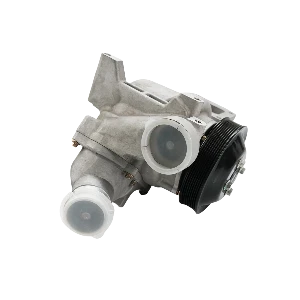
In most cases, especially with Holset turbochargers showing bearing wear and shaft clearance issues, full replacement is the recommended solution. Rather than risking another catastrophic failure with worn bearings, upgrade with our reliable Cummins 6BT replacement turbochargers. Engineered to deliver exact boost pressure without the lag, our turbo assemblies are designed for a swift return to full engine power.
Real-World Scenario: A fleet operator noticed repeated power loss and black smoke in several Cummins 6BT-equipped trucks. Inspection revealed excessive radial play in the Holset turbo bearings.
Valves & Valve Guides Maintenance
Wear Mechanisms
Valves and valve guides in the Cummins 6BT engine endure high temperatures and constant mechanical stress. Exhaust valve face burning occurs when hot combustion gases erode the valve surface, especially under heavy load or poor lubrication. Guide wear develops from continuous movement and insufficient lubrication, causing the valve stem to wobble. Over time, these issues lead to valve recession, where the valve sinks into the seat, and poor sealing. This condition allows reverse leakage of combustion gases and results in inefficient scavenging of exhaust, which reduces engine performance and reliability.
Impact on Engine Output
The condition of valves and guides directly affects engine output and efficiency. The table below summarizes the main impacts:
|
Impact of Valve Wear |
Description |
|
Incomplete Combustion |
Worn valves can lead to incomplete combustion, reducing power and increasing fuel consumption. |
|
Compression Loss |
Poor sealing from worn valves can cause compression loss, leading to hard starting and rough idle. |
|
Reduced Efficiency |
Worn intake valves restrict airflow, resulting in incomplete combustion and increased fuel consumption, especially under load. |
|
Exhaust Backpressure |
Worn exhaust valves can lead to inefficient removal of combustion gases, affecting overall engine performance. |
Experienced engineers often see engines with burned exhaust valves and worn guides suffer from chronic power loss and increased emissions. These failures can escalate quickly if not addressed during routine maintenance.
Signs of Valve Wear
Operators should monitor for several warning signs that indicate valve or guide wear:
- Hard starting and rough idle, especially when cold
- Noticeable loss of power during acceleration or under load
- Increased fuel consumption and visible exhaust smoke
- Ticking or tapping noises from the cylinder head area
These symptoms often point to poor valve sealing or excessive guide clearance. Early detection prevents more severe engine damage.
Inspection and Service
Best practices for inspecting and servicing valves and guides include:
- Inspect valves for wear or cracks
- Replace worn guides and seats
- Ensure correct valve face angles
- Set proper valve lash
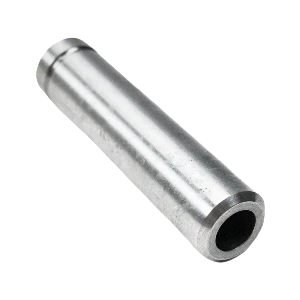
Technical consultants recommend full replacement of valves and guides during a cylinder head overhaul, not just valve grinding. This approach restores proper sealing and prevents reverse leakage. Stop combustion gas leakage and prevent valve recession at the source. Order our heavy-duty Cummins 6BT valves and valve guides to ensure a perfect seat, optimal exhaust scavenging, and maximum compression retention during your next top-end overhaul.
Expert Tip: Engines with recurring valve recession or poor scavenging often benefit from a complete valve and guide replacement, ensuring consistent compression and efficient combustion.
Engine Bearings in Cummins 6BT
Bearing Wear Causes
Engine bearings in the Cummins 6BT face multiple stressors during operation. Maintenance records highlight several primary causes of bearing wear:
- Inadequate lubrication from low oil pressure or incorrect viscosity leads to insufficient protection.
- Contaminated oil, including salt intrusion, diesel dilution, and soot buildup, accelerates surface degradation.
- Improper engine rebuilds, such as errors in torque specs or bearing clearances, often result in premature bearing failure.
- Hydrodynamic oil film collapse occurs under excessive load or sustained idling, exposing metal surfaces to direct contact.
- Debris and foreign material scratch bearing surfaces, causing localized oil film breakdown.
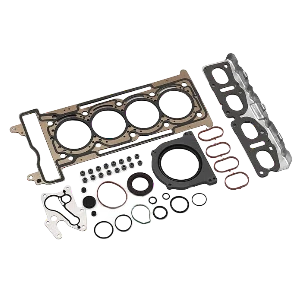
Experienced engineers note that even minor contamination or assembly errors can trigger rapid wear. Using high-quality bearings and verified Gasket Seal Kits from Megawatts Parts ensures optimal protection during a bottom-end rebuild.
Power Loss Connection
Bearing wear increases internal friction and disrupts the engine’s compression ratio. As friction rises, the crankshaft struggles to rotate smoothly, reducing mechanical efficiency. Lower compression ratio results from excessive clearances, allowing combustion gases to escape. This combination leads to noticeable power loss, especially under heavy load or acceleration. Operators often report sluggish performance and higher fuel consumption when bearings deteriorate.
Expert Tip: Chronic bearing wear can cause rod knock and sudden oil pressure drops. Immediate inspection prevents catastrophic engine failure.
Wear Indicators
Technicians should monitor for these common signs of bearing wear:
- Persistent rod knock or metallic tapping noises
- Lower oil pressure readings on the gauge
- Discoloration or scoring on bearing surfaces during inspection
- Increased engine vibration and rough idle
These indicators signal compromised bearings and demand prompt attention. Early detection minimizes risk and avoids costly repairs.
Inspection and Replacement
Routine inspection and timely replacement of bearings are essential for Cummins 6BT reliability. Follow these best practices:
- Inspect bearings regularly for contamination and surface wear.
- Replace bearings at scheduled intervals to maintain performance.
- Ensure proper installation and clearances to prevent rapid failure.
- Monitor for early warning signs, such as rod knock or lower oil pressure.
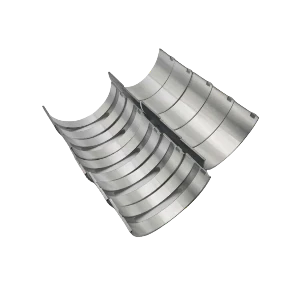
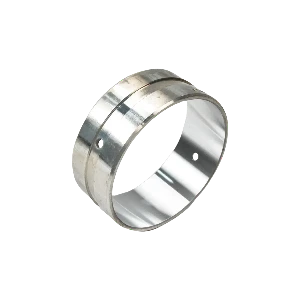
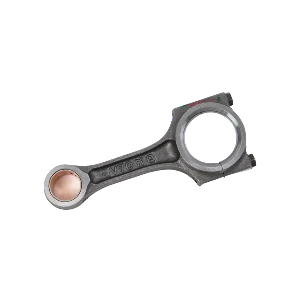
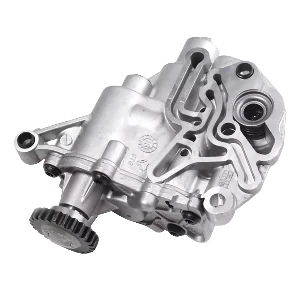
Including a Gasket Seal Kit in every bottom-end rebuild provides a one-stop solution for sealing and longevity. When performing this critical bottom-end work, experienced engineers highly recommend replacing your oil pump and utilizing a full gasket set simultaneously. Shop our OEM-grade Cummins 6BT engine bearings to re-establish the perfect hydrodynamic oil film, eliminate internal friction, and protect your crankshaft from catastrophic rod knock.
Focusing on the top wear components during a Cummins 6BT engine overhaul is the most effective way to prevent unexpected power loss and costly downtime. Don't wait for a catastrophic failure to halt your operations. Megawatts Parts maintains a comprehensive, ready-to-ship inventory of genuine and premium aftermarket components to support your most demanding rebuilds. Contact our technical sales team today to request a quote or complete parts catalog, and let us ensure your fleet achieves peak performance with zero unnecessary delays.
Previous And Next
-
Previous Post:
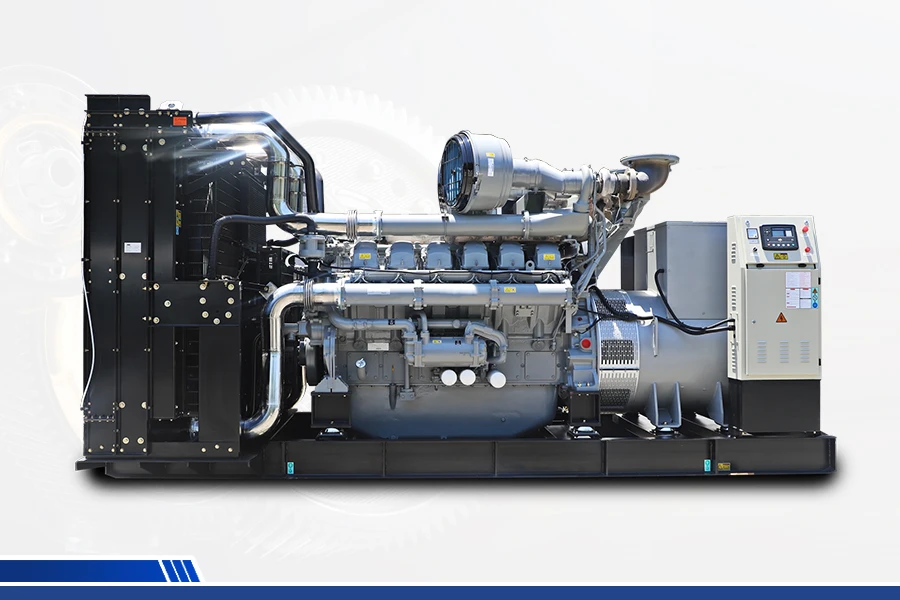 BLOG
BLOG Megawatts BlogIntroducing the components of a diesel engineIntroducing the components of a diesel engine A diesel generator set is a type of internal combustion generator set and is currently one of the most widely used power generation devices in the world....
 -
Next Post:
 BLOG
Megawatts BlogPerkins 1104 Overheating & Leaks: Water Pump & Thermostat FixAlert: High-temperature warning lights signal immediate peril for industrial engine operators. Unchecked engine overheating damages cylinder heads quickly. Cooling system malfunctions ac...
BLOG
Megawatts BlogPerkins 1104 Overheating & Leaks: Water Pump & Thermostat FixAlert: High-temperature warning lights signal immediate peril for industrial engine operators. Unchecked engine overheating damages cylinder heads quickly. Cooling system malfunctions ac...
Read More
-
 BLOG
Megawatts BlogStrategic Sourcing: How to Build a Standardized Generator Sets Parts Catalog for Mixed FleetsManaging a mixed fleet of Cummins, Perkins, and Caterpillar generators often creates a hidden financial drain through inventory duplication and fragmented procurement. When different brands use differ...
BLOG
Megawatts BlogStrategic Sourcing: How to Build a Standardized Generator Sets Parts Catalog for Mixed FleetsManaging a mixed fleet of Cummins, Perkins, and Caterpillar generators often creates a hidden financial drain through inventory duplication and fragmented procurement. When different brands use differ... -
 BLOG
Megawatts BlogDiesel Generator Won't Crank: A Step-by-Step Electrical Diagnostic Checklist for MechanicsWhen a diesel generator won't crank, check the electrical system first. Do not chase fuel or mechanical theories yet. Low battery voltage and corroded connections cause most no-start condition calls....
BLOG
Megawatts BlogDiesel Generator Won't Crank: A Step-by-Step Electrical Diagnostic Checklist for MechanicsWhen a diesel generator won't crank, check the electrical system first. Do not chase fuel or mechanical theories yet. Low battery voltage and corroded connections cause most no-start condition calls.... -
 BLOG
Megawatts BlogMagnetic Coil Degradation: Why Your Diesel Engine Stop Solenoid Fails Under Extreme HeatExtreme heat is the primary enemy of a diesel engine stop solenoid. The heat breaks down the electrical insulation inside the magnetic coil. This degradation raises resistance and creates short circui...
BLOG
Megawatts BlogMagnetic Coil Degradation: Why Your Diesel Engine Stop Solenoid Fails Under Extreme HeatExtreme heat is the primary enemy of a diesel engine stop solenoid. The heat breaks down the electrical insulation inside the magnetic coil. This degradation raises resistance and creates short circui... -
 BLOG
Megawatts BlogThe Hidden Cost of Expired Inventory: Shelf Life and Proper Storage of Rubber Gasket Seal KitsA gasket seal kit sits untouched for five years. You paid for it. Now you pay to dispose of it. When a failure occurs, you pay a premium for emergency replacement. These hidden costs accumulate silent...
BLOG
Megawatts BlogThe Hidden Cost of Expired Inventory: Shelf Life and Proper Storage of Rubber Gasket Seal KitsA gasket seal kit sits untouched for five years. You paid for it. Now you pay to dispose of it. When a failure occurs, you pay a premium for emergency replacement. These hidden costs accumulate silent...
Subscribe to enjoy 10% off
Stay informed about new products and sales

-
INFORMATION
Contact Us
-
CHINA SALES OFFICE: No. 2-11, No. 8, Gaotai Road, Gaishan Investment Zone, Cangshan District, Fuzhou, Fujian
-
SAUDI ARABIA FACTORY: 7264 Shakra, Al Faisaliyyah, REFB3035, 3035, Riyadh 12883
-
COLOMBIA SALES OFFICE: 92-32 26th Street, 03-118, Bogota
-
NIGERIA FACTORY: Plot 5 Chivita Avenue Ajao Estate Isolo Lagos
-
Email:sales@megawattsparts.com
Follow Us


Copyright © 2025 Megawatts All Rights Reserved.



Select Previous Button or Search Directly on Search Bar!
Shop All
 English
Currency: <{ pagedata.current_currency }>(<{ pagedata.current_currency_code }>)
Are you in the right place?

You agree to MegaWatts.com's Terms of Use and Privacy Policy by subscribing. You may receive emails with useful tips, promotions, and offerings.
No, thanks. I'd rather pay full price.