







































Diesel Generator Stalls After 5 Mins? A Step-by-Step Diagnostic Checklist for Mechanics
by Megawatts - Updated At 2026-08-20
It is one of the most frustrating scenarios for any field mechanic: the diesel generator cranks perfectly, fires up smoothly, but unexpectedly stalls after just five minutes of running under load. You are not dealing with a dead battery or a failed starter. Instead, you have hit a specific thermal boundary.
This distinct 5-minute delay typically points to issues that manifest only when the engine compartment reaches operating temperature. Once the internal fuel bowl reserves exhaust or the engine block heats up, hidden faults trigger a hard shutdown. In most cases, the culprit hides within three distinct systems: a vacuum lock in the fuel delivery, thermal breakdown inside the shutoff solenoid, or protective sensor latches tripping from heat stress.
Randomly swapping parts will not solve this. To restore reliable standby power without wasting time, technicians need a systematic approach. This guide provides a step-by-step diagnostic checklist to help you isolate these heat-induced failures and get your generator back online.
Systematic Generator Troubleshooting Safety and Baselines
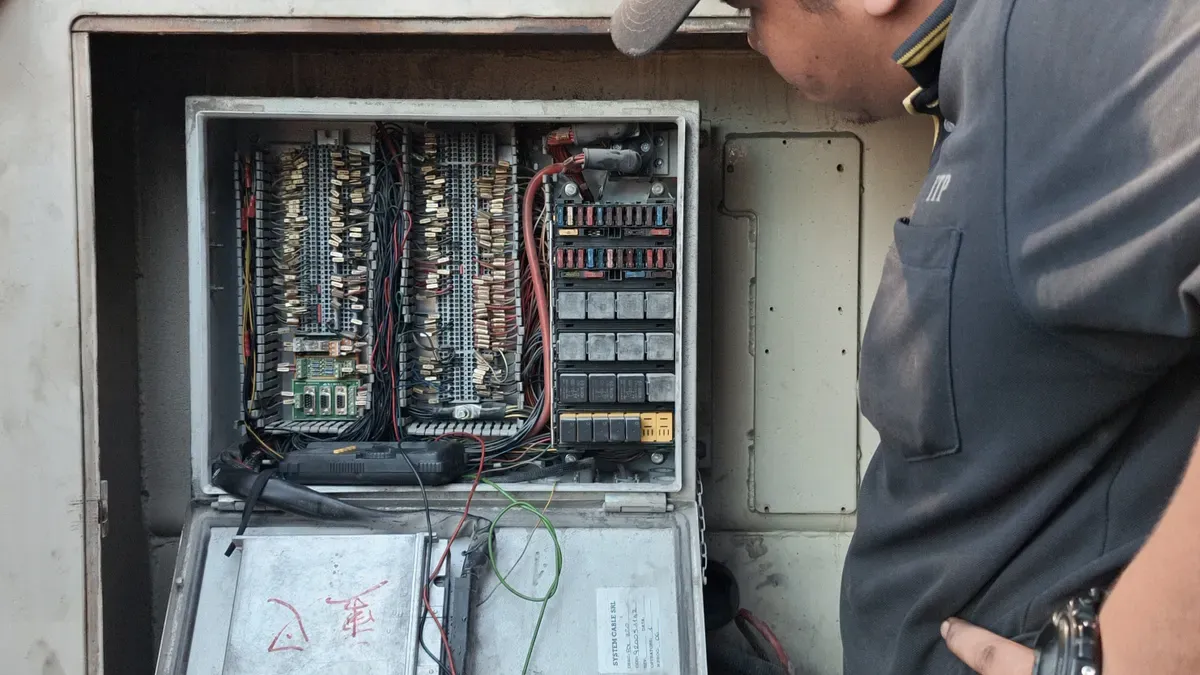
Safety Protocols and PPE Requirements
Safe working conditions form the foundation of effective generator troubleshooting. Field technicians must execute proper lock-out/tag-out procedures before touching internal mechanical components. You must isolate the unit from any active automatic transfer switch. This isolation prevents an unexpected engine crank cycle during any critical repair operation. Technicians need specialized personal protective equipment. Mandatory PPE includes leather work gloves, steel-toe boots, safety glasses, and hearing protection. Arc-flash protective equipment guards technicians against sudden high-voltage electrical exposure.
Standard generator maintenance protocols demand complete electrical isolation. Disconnect the negative battery cable first. This action disables the automated starting control circuit entirely. Main utility power lines can trigger dangerous auto-start sequences unexpectedly. Industrial facilities rely on constant standby power, so active utility lines carry severe electrical hazards. Systematic troubleshooting procedures protect technicians during high-risk evaluation tasks. Securing the physical work area prevents injuries from sudden mechanical rotation.
Initial Visual and Fluid Baseline Checks
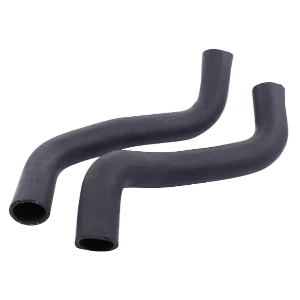
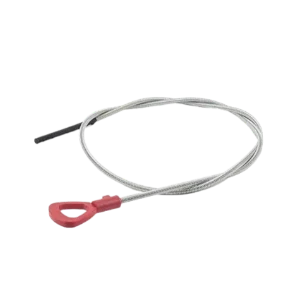
Mechanics should perform baseline fluid inspections prior to starting any thermal diagnostic test. Verify the diesel engine oil level using the dipstick. Low lube oil levels cause protective switches to trip under heat. Inspect the cooling system for proper fluid capacity and intact hose connections. Contaminated fuel creates severe operational resistance. Checking fuel clarity helps technicians in solving engine starting problems efficiently. Standard generator maintenance demands clean fuel free of water contamination or debris.
Record all baseline findings on your official generator maintenance checklist. Measure static battery voltage with a calibrated digital multimeter. A fully charged battery system should read appropriate voltage levels. Low battery voltage corrupts engine sensors during prolonged generator troubleshooting routines. Inspect external hoses for physical damage or leaks around primary engine components. Addressing basic fluid deficiencies saves valuable repair time during active failure recovery. Detailed troubleshooting reveals minor defects before heat causes total power failure. Quality repair practices ensure long-term operational readiness across all industrial emergency power applications. Proper generator maintenance keeps standby system setups reliable.
Why a Diesel Generator Stalls After 5 Minutes
Fuel Starvation and Vacuum Lock Timelines
A fuel tank vacuum lock creates severe fuel starvation over a predictable operational window. Blocked tank vents prevent atmospheric air from entering the fuel vessel during operation. Vacuum lock acts as an invisible barrier within the fuel system, restricting essential fluid motion under continuous operation. The mechanical fuel pump continues drawing fluid into the engine system. This continuous extraction creates negative pressure inside the sealed tank structure. The rising vacuum level fights fuel pump pressure directly. Flow rates drop gradually until fluid delivery stops completely. A diesel generator stalls once internal fuel reserves exhaust.
Initial start-up cycles draw fuel stored inside filter housings and delivery lines. This localized reserve allows uninterrupted engine combustion during early operation. The engine exhausts this internal reserve after several minutes under heavy electrical load. A sputtering generator typically signals this gradual pressure loss right before shutdown. Standard diagnostic troubleshooting isolates vent restrictions quickly by opening fuel caps during unexpected engine stops.
Thermal Expansion and Sensor Latches
Thermal expansion causes critical operational shutdowns after engine heat rises. A fuel shutoff solenoid uses continuous electric power to maintain open valve positioning. Internal copper coil windings absorb engine heat rapidly during running conditions. Excessive heat increases electrical resistance within degraded solenoid coils. This thermal stress breaks the internal electrical circuit connection. Consequently, lost electromagnetic hold force cuts main fuel supply to the engine instantly, causing sudden power loss.
Control units apply programmed delay windows for protective sensor latches. An engine control module ignores minor voltage spikes during initial warm-up phases. However, sustained low oil pressure or high coolant temperatures trigger hard shutdown commands. When shutdown occurs after five minutes, protective control latches often cause the event. Disabling the engine prevents catastrophic internal structural damage. Systematic evaluation pinpoints these latent sensor failures efficiently before costly overhauls become mandatory. Prompt mechanical repair restores output power quickly. Proper component repair safeguards primary standby power setups against permanent equipment destruction.
Fuel System Checks and Troubleshooting
Testing Tank Venting and Vacuum Lock
A systematic diagnostic approach simplifies troubleshooting the fuel system when an engine stalls after short runtime intervals. Mechanics must first investigate potential vacuum lock inside the primary fuel system storage tank. A clogged tank vent cap prevents atmospheric air from entering the vessel as fuel drains during operation. The mechanical lift pump continues pulling fluid, creating strong negative pressure inside the sealed tank structure. This rising vacuum counteracts lift pump suction pressure, starves the main delivery line, and stops engine combustion. Thermal expansion of ambient air and fuel return heat can further alter internal tank pressure dynamics during early operation.
Technicians can execute a direct vacuum test immediately following an unexpected engine shutdown event:
- Locate the main fuel filler cap on the storage tank while the engine remains turned off.
- Unscrew the filler cap slowly within thirty seconds of an engine stall event.
- Listen closely for a distinct rushing sound of air suction entering the tank opening.
- Restart the unit with the fuel cap loosened slightly to permit atmospheric venting.
A sputtering generator that continues running smoothly with an unsealed cap confirms a restricted tank vent. Operating equipment without proper ventilation leads to unnecessary component repair and unexpected power loss. Technicians should clear cap breather holes or install replacement tank vents during routine generator maintenance.
Inspecting Lift Pumps and Fuel Filters
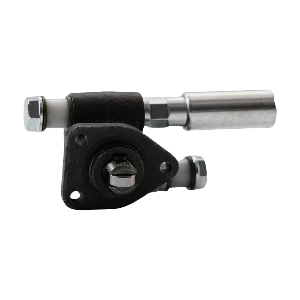
Next, mechanics must thoroughly inspect the low-pressure fuel system lift pump, fuel lines, and supply connections. Lift pumps move fuel from the tank through primary filtration stages to the high-pressure pump. Internal pump components expand under high engine bay operating temperatures. Thermal expansion weakens internal check valves and degrades diaphragm elasticity over time. This thermal stress causes supply flow attenuation and severe pressure drops under heavy engine load. Mechanics should install an inline pressure gauge to measure pressure decay as operating heat builds. Inspect low-pressure lines for air leaks, structural cracks, or loose hose fittings. Purging air through the manual bleed valve ensures proper system priming after replacing any degraded line component. Trapped air inside a fuel-water separator causes severe flow restriction and premature mechanical failure.
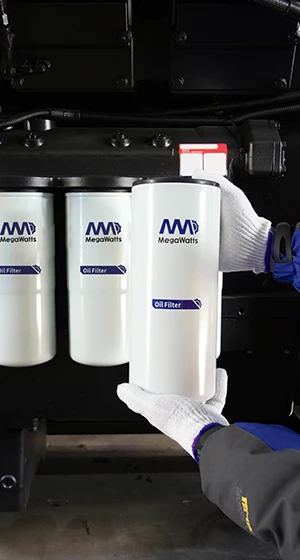
Detailed troubleshooting reveals whether thermal stress reduces lift pump supply pressure during the five-minute operational window. Proper generator maintenance requires rigorous inspection of primary and secondary filter elements. Debris, asphaltenes, wax, and microbial sludge restrict fluid flow across dense filter media. Restricted filter media starves the fuel system of necessary diesel volume under load. Reduced fluid delivery lowers engine output power performance, causing the control module to initiate an automatic shutdown.
Field advisory: Never skip primary filter replacements during emergency system repair; restricted fuel filters place excessive mechanical stress on expensive high-pressure injection pumps.
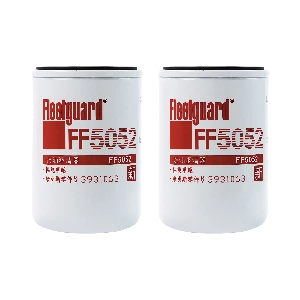
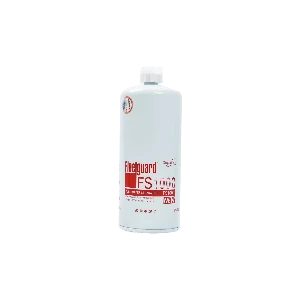
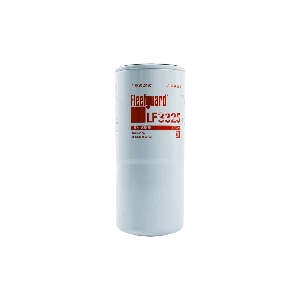
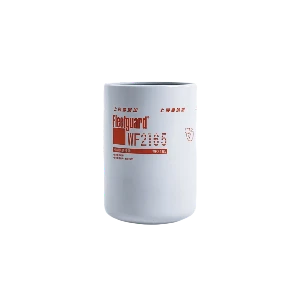
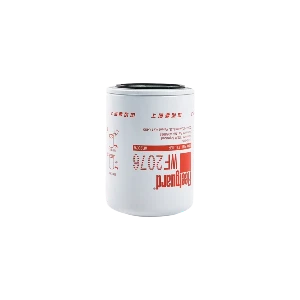
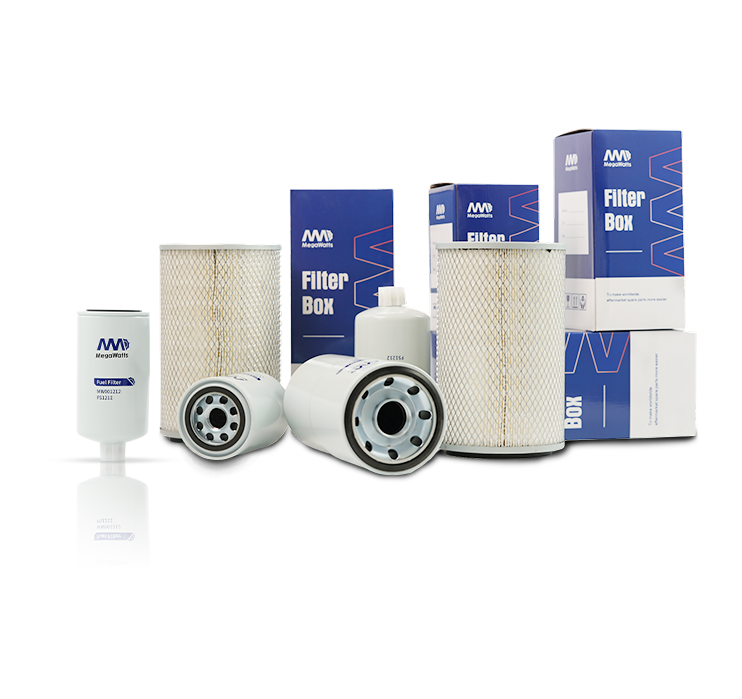
Restoring stable fuel system operating pressure requires installing heavy-duty filtration components. Megawatts Parts supplies high-performance replacement fuel filters and fuel-water separators engineered for demanding industrial setups. Technicians can select trusted Fleetguard or Donaldson filtration options through Megawatts Parts to preserve continuous engine operation. Fresh filtration elements maintain optimal fluid flow under heavy operational power demands. Maintaining fuel system integrity with high-efficiency parts prevents catastrophic engine damage, streamlines field repair efforts, accelerates repair productivity, and restores reliable standby power applications.
Restoring stable fuel system operating pressure requires installing heavy-duty filtration components. Megawatts Parts supplies high-performance replacement fuel filters and fuel-water separators engineered for demanding industrial setups. Technicians can select trusted Fleetguard or Donaldson filtration options through Megawatts Parts to preserve continuous engine operation. Fresh filtration elements maintain optimal fluid flow under heavy operational power demands. Maintaining fuel system integrity with high-efficiency parts prevents catastrophic engine damage, streamlines field repair efforts, accelerates repair productivity, and restores reliable standby power applications.
Diagnosing Electrical and Solenoid Failures
Electrical heat failure represents another common reason a diesel generator stalls after five minutes of run time. Ambient operating temperature rises rapidly inside the sound-attenuated enclosure during continuous engine operation. Elevated compartment heat directly affects sensitive electrical components, control relays, and shutoff devices. A systematic electrical diagnosis isolates hidden harness faults and component insulation breakdown before major mechanical teardown becomes necessary. Field mechanics must systematically test hold-in voltage levels and coil resistance values as internal operating temperatures approach maximum threshold limits.
Diagnosing Engine Stalls Caused by Solenoid Overheating
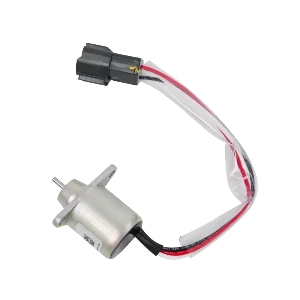
The fuel shutoff solenoid controls main fluid supply to the engine injection pump. Most industrial heavy-duty generator units utilize dual-coil solenoid actuators. A high-amp pull-in coil energizes briefly to open the fuel valve during initial cranking. Once started, a lower-amp hold-in coil maintains continuous electromagnetic force to keep the fuel valve open during ongoing operation. Internal electrical insulation degrades over extended service hours inside aged solenoid windings. Continuous electrical current generates significant thermal energy inside the compact coil housing. Rising engine heat increases internal copper wire resistance simultaneously, diminishing magnetic pull strength. The degraded hold-in coil loses holding force when reaching high operational thermal thresholds. The internal mechanical return spring snaps the fuel valve shut instantly. This sudden cutoff stops fluid flow completely, resulting in sudden engine stalling.
Field mechanics can execute direct thermal electrical troubleshooting on suspected shutoff solenoids:
- Measure electrical coil resistance across the hold-in terminal using a digital multimeter while the engine remains completely cold.
- Start the unit and operate the engine under load until thermal shutdown occurs.
- Re-test hold-in coil resistance immediately after the power output cuts out to identify heat-induced internal shorts.
Inspecting Relays and Hold-In Circuit Voltages
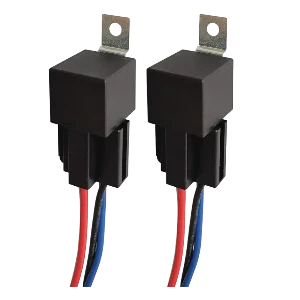
Control relays and interconnecting wiring harnesses suffer similar thermal degradation inside the hot engine compartment. Engine bay heat increases electrical resistance across pitted or oxidized relay contact points. High contact resistance causes a severe voltage drop across the solenoid hold-in circuit during continuous duty cycles. The solenoid coil loses holding force whenever electrical supply voltage drops below minimum operational limits. Technicians must monitor active voltage supply at the solenoid terminal during generator operation. Attach multimeter leads to the solenoid supply terminal before initiating the crank sequence. Observe circuit voltage stability across the five-minute run window. A continuous voltage drop indicates degraded control wiring, loose chassis ground connections, or a failing magnetic switch. Immediate wiring repair prevents repeated power loss. Performing systematic electrical troubleshooting pinpoints degraded conductors before total circuit failure.
Replacing degraded electrical components restores consistent hold-in voltage under demanding thermal loads. Megawatts Parts supplies high-performance replacement solenoids, magnetic switches, and electrical relays compatible with major engine OEMs. Technicians can source durable repair components for Cummins, Caterpillar, Perkins, Deutz, and Kubota setups directly from Megawatts Parts. High-quality electrical components protect engine control circuits against unexpected power interruptions. Proper equipment repair eliminates thermal failure points across all generator models. Reliable replacement relays optimize overall system power output performance during emergency operation. Completing this thorough electrical repair procedure secures total system readiness during critical emergency power outages.
Resolving Common Generator Problems and Sensor Trips
Evaluating Low Oil Pressure Switches
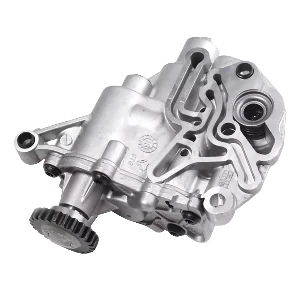
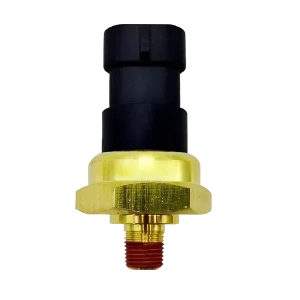
Technicians often encounter unexpected shutdowns during system evaluations. Understanding common generator problems requires monitoring critical safety switches during the five-minute run window. The internal engine control unit reads resistance changes from the oil pressure sender. Mechanical engine wear or degraded oil pump gears lower fluid force as operating heat rises. Thermal expansion thins oil viscosity, dropping systemic pressure below safety thresholds. The protective switch trips, cutting auxiliary power to protect internal mechanical bearings.
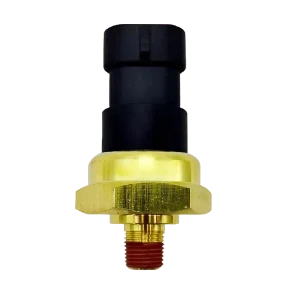
Technicians must differentiate real mechanical failures from false sensor signals. Connect an analog pressure gauge directly to the main engine gallery port. Observe oil pressure readings while the engine runs under power load. If the mechanical gauge shows stable pressure but the sensor trips, the switch or wiring is faulty. Standard generator maintenance includes replacing corroded sensor leads and faulty pressure switches. Direct physical measurements accelerate troubleshooting while preventing unnecessary engine teardowns. Upgrading to high-accuracy generator sensors guarantees your engine control module receives true operational data, effectively preventing these false shutdown signals.
Technicians must differentiate real mechanical failures from false sensor signals. Connect an analog pressure gauge directly to the main engine gallery port. Observe oil pressure readings while the engine runs under power load. If the mechanical gauge shows stable pressure but the sensor trips, the switch or wiring is faulty. Standard generator maintenance includes replacing corroded sensor leads and faulty pressure switches. Direct physical measurements accelerate troubleshooting while preventing unnecessary engine teardowns.
Testing Coolant Temp Sensors and Thermostats
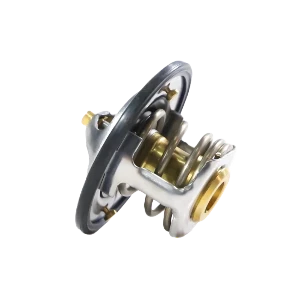
Coolant temperature sensors protect against thermal destruction by monitoring engine jacket water conditions. A stuck thermostat restricts coolant circulation through the radiator core. Thermal energy accumulates rapidly inside the engine block within five minutes. The temperature sensor detects excess heat and initiates a protective shutdown sequence. Electrical diagnosis confirms whether the thermal switch reacts to true heat accumulation or sensor drift.
|
Diagnostic Target |
Observed Symptom |
Root Cause |
Corrective Action |
|
Thermostat |
Cold radiator hose during engine shutdown |
Mechanical valve binding |
Replace thermostat |
|
Temp Sensor Wiring |
Immediate fault trip on cold engine start |
Harness short circuit |
Perform wiring repair |
Measure engine cylinder head temperatures using an infrared thermometer during operational testing. Compare infrared physical readings directly against panel display values. Discrepancy indicates sensor calibration drift. Proper generator maintenance relies on verifying sensor accuracy before executing major mechanical repair tasks. Executing accurate component repair restores stable standby power capacity quickly, maintaining dependable auxiliary generator power for facility operations.
ECM Code Retrieval and Air Flow Inspection

Reading Active ECM Trouble Codes
Connect a diagnostic scan tool directly to the service terminal immediately after an automatic shutdown event occurs. The engine control module stores specific fault codes whenever primary safety parameters trip under heavy operating loads. Experienced field technicians review both active and historical fault codes before cycling master engine control switches. Resetting control power prematurely can clear volatile temporary fault memory, permanently destroying critical operational history. Prompt code extraction reveals active electrical shorts, pressure drops, and temperature spikes before conducting invasive mechanical teardowns.
Electronic engine controllers generate precise fault codes during severe engine thermal overload events. These error codes indicate whether a protective shutdown stems from actual mechanical heat build-up or simple sensor circuit failure. Following recorded fault data simplifies the overall troubleshooting workflow significantly during emergency service calls. Mechanics save valuable repair time by using historical ECM logs to target precise mechanical defects rather than replacing functional components blindly. Systematic data retrieval isolates thermal sensor failures before mechanics execute unnecessary hardware disassembly.
Air Intake and Exhaust Restriction Checks
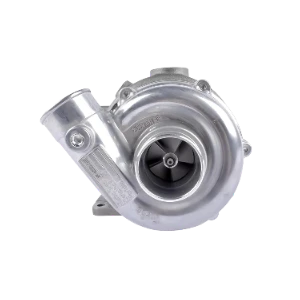
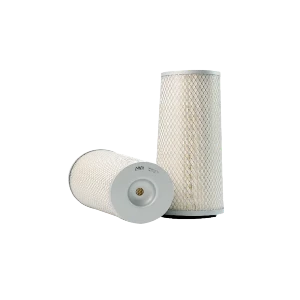
Severe air intake or exhaust restrictions degrade total engine output power rapidly within minutes of startup. Operating heat causes internal engine bay components and turbocharger housings to expand continuously during continuous operation. Thermal expansion causes physical binding in degraded turbocharger shaft bearings, starving the diesel engine of fresh combustion air after five minutes of run time. Technicians must thoroughly inspect primary air filter elements for heavy dust loading, moisture saturation, or structural pleat collapse to guide repair decisions.
Exhaust backpressure causes dangerous thermal buildup inside the engine combustion chamber during ongoing generator operation. A crushed exhaust pipe, restricted silencer, or stuck rain cap retains burning hot exhaust gas inside cylinder heads. Excessive internal heat forces the control module to cut engine power output automatically to prevent permanent structural damage. Verifying completely clear air intake and exhaust pathways preserves reliable standby power capacity and completes critical engine repair tasks efficiently across all commercial generator installations.
Mastering the 5-Minute Stall Diagnostic
When a diesel generator stalls, randomly swapping components wastes both diagnostic time and repair budgets. A logical sequence is your best defense. Always follow this baseline troubleshooting checklist:
- Check fuel tank venting for vacuum locks.
- Test fuel filter flow and lift pump pressure
- Perform thermal resistance testing on solenoids.
- Verify actual mechanical limits against sensor readings.
- Retrieve active ECM trouble codes before resetting the system.
Identifying the faulty component is only half the battle; installing a durable replacement is what secures long-term standby power. Whether you are dealing with a degraded fuel shutoff solenoid or a starved high-pressure pump, Megawatts Parts supplies OEM-grade replacement components engineered to withstand extreme thermal limits.
Stop guessing and start fixing. Browse our full catalog of heavy-duty generator parts, or contact our technical sales team today with your engine serial number for precise component matching and bulk ordering options.
Previous And Next
-
Previous Post:
 BLOG
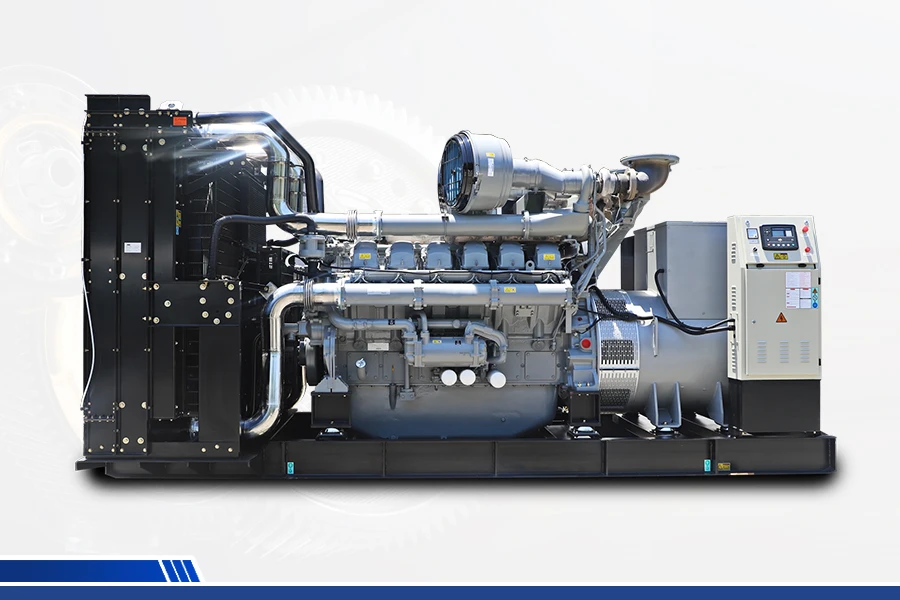
BLOG Megawatts BlogIntroducing the components of a diesel engineIntroducing the components of a diesel engine A diesel generator set is a type of internal combustion generator set and is currently one of the most widely used power generation devices in the world....
 -
Next Post:
 BLOG
Megawatts BlogVendor Consolidation: Streamlining Your Supply Chain for Generator Sets PartsManaging ten different suppliers for filters, alternators, and controllers isn't just an administrative headache—it's a massive drain on your profitability. Delayed shipments, mismatched parts,...
BLOG
Megawatts BlogVendor Consolidation: Streamlining Your Supply Chain for Generator Sets PartsManaging ten different suppliers for filters, alternators, and controllers isn't just an administrative headache—it's a massive drain on your profitability. Delayed shipments, mismatched parts,...
Read More
-
 BLOG
Megawatts BlogStrategic Sourcing: How to Build a Standardized Generator Sets Parts Catalog for Mixed FleetsManaging a mixed fleet of Cummins, Perkins, and Caterpillar generators often creates a hidden financial drain through inventory duplication and fragmented procurement. When different brands use differ...
BLOG
Megawatts BlogStrategic Sourcing: How to Build a Standardized Generator Sets Parts Catalog for Mixed FleetsManaging a mixed fleet of Cummins, Perkins, and Caterpillar generators often creates a hidden financial drain through inventory duplication and fragmented procurement. When different brands use differ... -
 BLOG
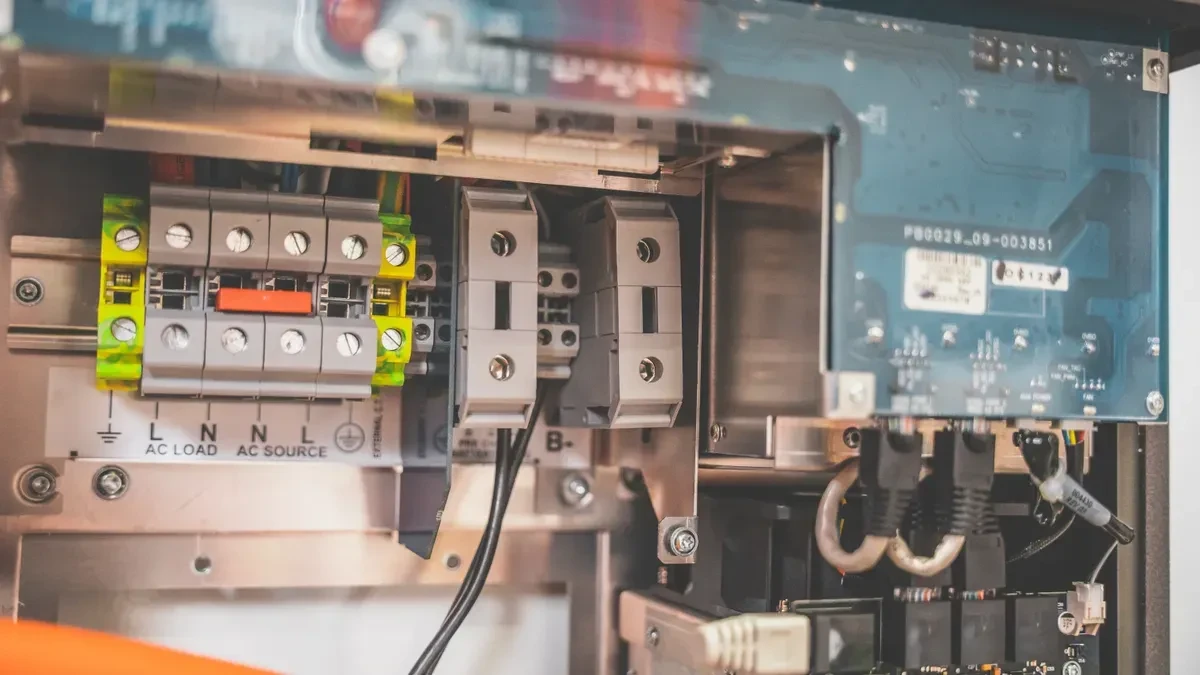
Megawatts BlogDiesel Generator Won't Crank: A Step-by-Step Electrical Diagnostic Checklist for MechanicsWhen a diesel generator won't crank, check the electrical system first. Do not chase fuel or mechanical theories yet. Low battery voltage and corroded connections cause most no-start condition calls....
BLOG
Megawatts BlogDiesel Generator Won't Crank: A Step-by-Step Electrical Diagnostic Checklist for MechanicsWhen a diesel generator won't crank, check the electrical system first. Do not chase fuel or mechanical theories yet. Low battery voltage and corroded connections cause most no-start condition calls.... -
 BLOG
Megawatts BlogMagnetic Coil Degradation: Why Your Diesel Engine Stop Solenoid Fails Under Extreme HeatExtreme heat is the primary enemy of a diesel engine stop solenoid. The heat breaks down the electrical insulation inside the magnetic coil. This degradation raises resistance and creates short circui...
BLOG
Megawatts BlogMagnetic Coil Degradation: Why Your Diesel Engine Stop Solenoid Fails Under Extreme HeatExtreme heat is the primary enemy of a diesel engine stop solenoid. The heat breaks down the electrical insulation inside the magnetic coil. This degradation raises resistance and creates short circui... -
 BLOG
Megawatts BlogThe Hidden Cost of Expired Inventory: Shelf Life and Proper Storage of Rubber Gasket Seal KitsA gasket seal kit sits untouched for five years. You paid for it. Now you pay to dispose of it. When a failure occurs, you pay a premium for emergency replacement. These hidden costs accumulate silent...
BLOG
Megawatts BlogThe Hidden Cost of Expired Inventory: Shelf Life and Proper Storage of Rubber Gasket Seal KitsA gasket seal kit sits untouched for five years. You paid for it. Now you pay to dispose of it. When a failure occurs, you pay a premium for emergency replacement. These hidden costs accumulate silent...
Subscribe to enjoy 10% off
Stay informed about new products and sales

-
INFORMATION
Contact Us
-
CHINA SALES OFFICE: No. 2-11, No. 8, Gaotai Road, Gaishan Investment Zone, Cangshan District, Fuzhou, Fujian
-
SAUDI ARABIA FACTORY: 7264 Shakra, Al Faisaliyyah, REFB3035, 3035, Riyadh 12883
-
COLOMBIA SALES OFFICE: 92-32 26th Street, 03-118, Bogota
-
NIGERIA FACTORY: Plot 5 Chivita Avenue Ajao Estate Isolo Lagos
-
Email:sales@megawattsparts.com
Follow Us


Copyright © 2025 Megawatts All Rights Reserved.



Select Previous Button or Search Directly on Search Bar!
Shop All
 English
Currency: <{ pagedata.current_currency }>(<{ pagedata.current_currency_code }>)
Are you in the right place?

You agree to MegaWatts.com's Terms of Use and Privacy Policy by subscribing. You may receive emails with useful tips, promotions, and offerings.
No, thanks. I'd rather pay full price.