





































Defeating Water Emulsification: How a Premium Fuel Water Separator Filter Protects Common Rail Systems
by Megawatts - Updated At 2026-08-18
When a heavy-duty diesel engine experiences a sudden, catastrophic fuel injector failure, the root cause is rarely a factory defect. More often than not, the true assassin is invisible to the naked eye: water emulsification. In modern High-Pressure Common Rail (HPCR) systems operating at extreme tolerances and pressures exceeding 30,000 PSI, even microscopic water droplets can act like liquid sandpaper, obliterating precision components in seconds. To protect your fleet from staggering repair bills and crippling downtime, understanding how a premium fuel water separator filter intercepts this hidden threat is no longer optional—it is critical for your operational survival.
Water Emulsification Threats in a Common Rail Fuel System
How High Pressure Micro-Emulsifies Water
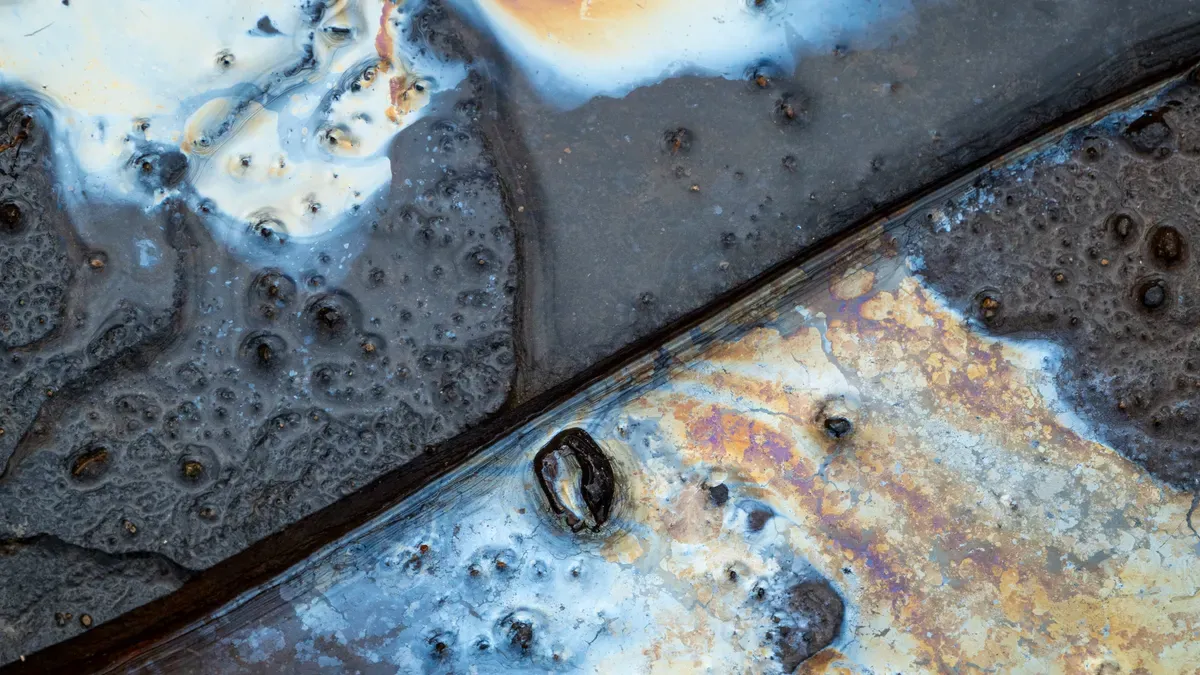
Modern common rail fuel system equipment requires high fuel cleanliness to ensure reliable daily operation under harsh working conditions. Low fuel quality across distribution networks introduces free water into storage tanks. High-pressure supply pumps force diesel through tight internal clearances at operating pressures exceeding 30,000 PSI. This extreme mechanical pressure shears free water into microscopic droplets suspended in diesel. Shearing action drives deep water emulsification throughout the common rail fuel system.
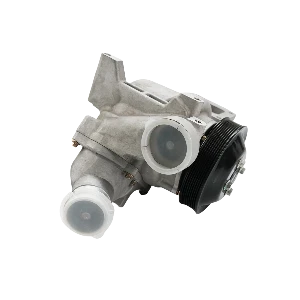
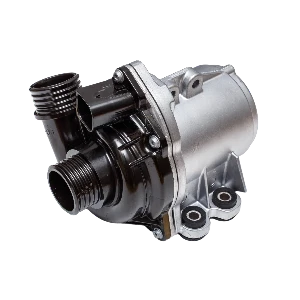
Once this emulsified water compromises the fluid's lubricity, the pump's internal pistons are forced to endure extreme friction and scoring. If your equipment is already experiencing pressure instability or failing to reach that critical 30,000 PSI mark, replacing the damaged unit with a heavy-duty, OEM-spec fuel pump is the only reliable way to restore your engine's baseline performance and prevent further debris circulation.
Proper maintenance becomes mandatory when emulsified droplets drop below 4 microns in size. Traditional filtration elements cannot retain micro-emulsified water droplets. Unfiltered water easily bypasses primary defense lines, causing severe fuel contamination. Contaminated fuel creates pressure fluctuations, rough idling, hard starting, and sudden power loss. Equipment managers must monitor fuel quality continuously. Routine maintenance prevents sudden engine shutdowns during critical heavy machinery work on remote field sites.
Lubrication Failure and Cavitation Damage
Diesel fuel provides critical lubrication for high-pressure pump pistons and precision fuel injectors. Micro-emulsified water degrades diesel lubricity significantly, causing aggressive metal-to-metal contact and immediate surface wear. Rapid pressure changes form vapor bubbles that collapse violently near metal surfaces. This severe cavitation erosion damages pump components and common rail injectors. Damaged common rail injectors produce white exhaust smoke, sluggish acceleration, and engine misfires under heavy loads.
Deep Dive: Want to understand the mechanical limits of your HPCR system? Read our technical guide on Maximizing Fuel Efficiency: A Deep Dive Into Fuel Injectors to see exactly how these precision parts operate."
Unchecked water causes severe internal corrosion, bio-sludge growth, and unexpected fuel filter plugging. Neglecting routine maintenance allows water to attack tight component tolerances. Degraded common rail injectors ruin diesel spray patterns, impair combustion efficiency, and cause severe power loss under heavy operating loads. Poor fuel quality accelerates component wear inside the common rail fuel system. Technicians maintain strict cleanliness standards to protect expensive fuel injectors. Proactive maintenance safeguards the primary fuel system and preserves equipment investment across every common rail fuel system.
Media Technology in a Fuel Water Separator Filter
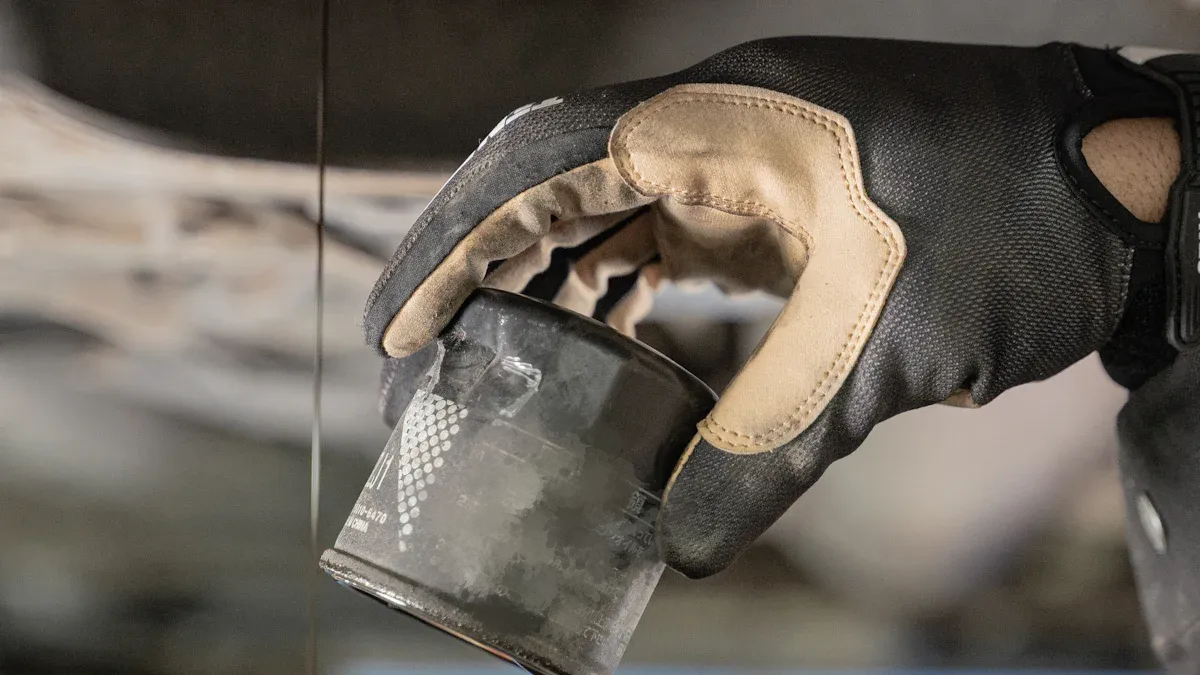
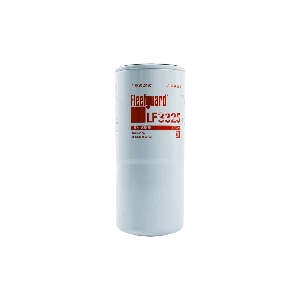
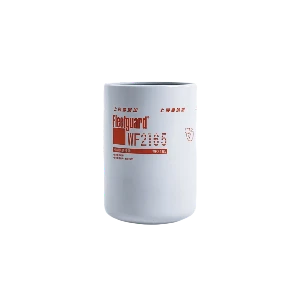
Advanced engines require modern media technology to strip microscopic water contaminants effectively. Installing an advanced fuel water separator filter provides essential defense against fluid contamination. High-performance filtration elements maintain high quality performance across demanding operational environments. Superior filtration engineering improves overall fuel cleanliness for critical machinery.
Synthetic Coalescing vs. Traditional Media
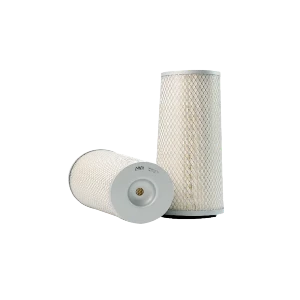
Filter media design determines how effectively a system traps microscopic water droplets. Traditional media cannot satisfy the demands of a modern common rail fuel system. Low purchase cost makes cellulose media common in legacy diesel engines. However, ultra-low sulfur diesel and modern biodiesel blends create unique operational challenges. Modern fuels exhibit higher surface activity. Fuel additives also destabilize separation performance inside standard housings.
- Traditional cellulose-based media offer low purchase costs but cannot achieve fine particle removal.
- Modern fuel blends contain surface-active additives that disrupt traditional media performance.
- Standard cellulose fibers absorb water, expand, and restrict overall fuel flow.
- Advanced fine microglass and synthetic media provide necessary filtration efficiency without structural collapse.
Traditional cellulose was once the standard fuel filtration material. Modern high-performance designs use cellulose mainly for structural support. Technicians add synthetic layers to achieve high efficiency and long service life. Synthetic fiber matrices maintain precise pore sizes under variable fluid pressures. Traditional cellulose fuel filter elements fail under extreme moisture conditions. Upgrading to synthetic media reduces scheduled maintenance intervals and lowers engine maintenance costs. Poor fuel quality destabilizes basic paper media over time. Synthetic media built with industrial quality standards remains mandatory for severe duty machinery.
Capturing Sub-4-Micron Emulsified Water
The multi-stage coalescing process captures microscopic moisture before droplets reach sensitive engine components. Tiny water droplets under 4 microns flow into dense synthetic outer layers. Micro-fibers force droplets together through surface adhesion. Microscopic drops aggregate into larger, heavier water drops as fuel flows through internal media pathways. Gravity pulls large drops into the collection bowl below the media screen. This mechanism achieves over 99% water separation efficiency during continuous flow.
Standardized testing uses automated equipment to measure separation efficiency across key industrial protocols. SwRI tests fuel separation systems using an automated online water droplet sizer.
|
Standard |
Test scope |
Measurement |
|
SAE J1488 |
Emulsified fuel/water separation |
Automated online water droplet sizer |
|
SAE J1839 |
Coarse fuel/water separation |
Automated online water droplet sizer |
|
ISO 16332 |
Fuel/water separation |
Automated online water droplet sizer |
Replacing a standard fuel filter with synthetic media protects delicate fuel injectors from premature wear. Variable fuel quality affects modern engines daily. Synthetic media achieves superior fuel cleanliness levels to handle degraded fuel supplies. Clean media simplifies routine maintenance procedures for field technicians. High-efficiency filtration shields delicate common rail injectors from cavitation and corrosion. Proper media selection maintains strict fluid cleanliness under heavy loads.
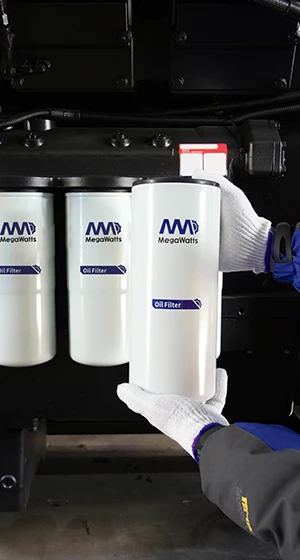
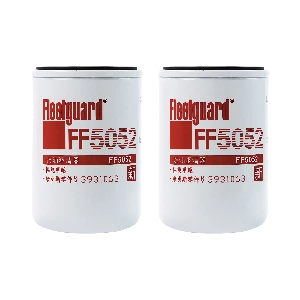
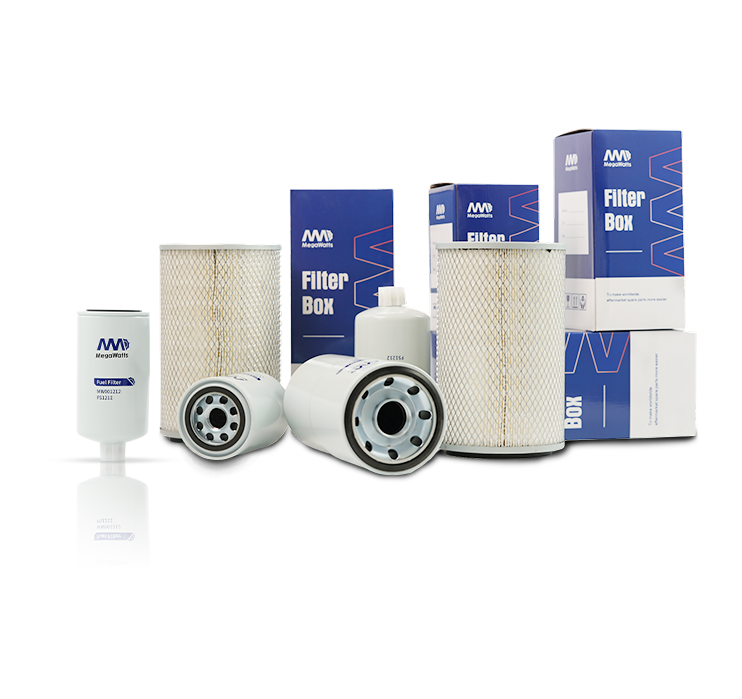
Megawatts Engine & Generator Parts delivers reliable media technology for heavy machinery. Megawatts Parts provides a heavy-duty fuel water separator filter engineered to meet OEM specifications for Caterpillar, Cummins, Perkins, Deutz, and Volvo engines. Guaranteed fitment ensures total system cleanliness during operation cycles. High-capacity filters safeguard high-pressure fuel injectors under extreme working conditions.
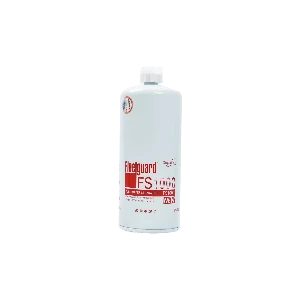
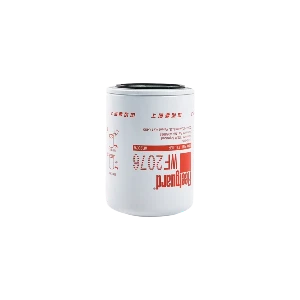
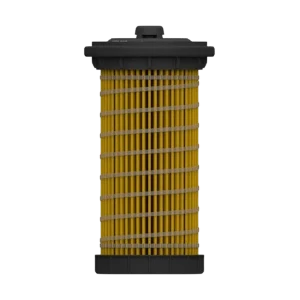
For instance, if your operations rely on massive, high-horsepower equipment like the Cummins QSK60 or QST30 series, standard off-the-shelf filters simply cannot handle the extreme fuel flow rates and high contamination risks. Upgrading to a specialized heavy-duty element, such as the FS53014 Fleetguard Fuel Water Separator, guarantees exceptional multi-stage coalescing performance. Designed specifically for these demanding industrial engines, it ensures that even under maximum load, your HPCR system receives nothing but ultra-clean, water-free diesel.
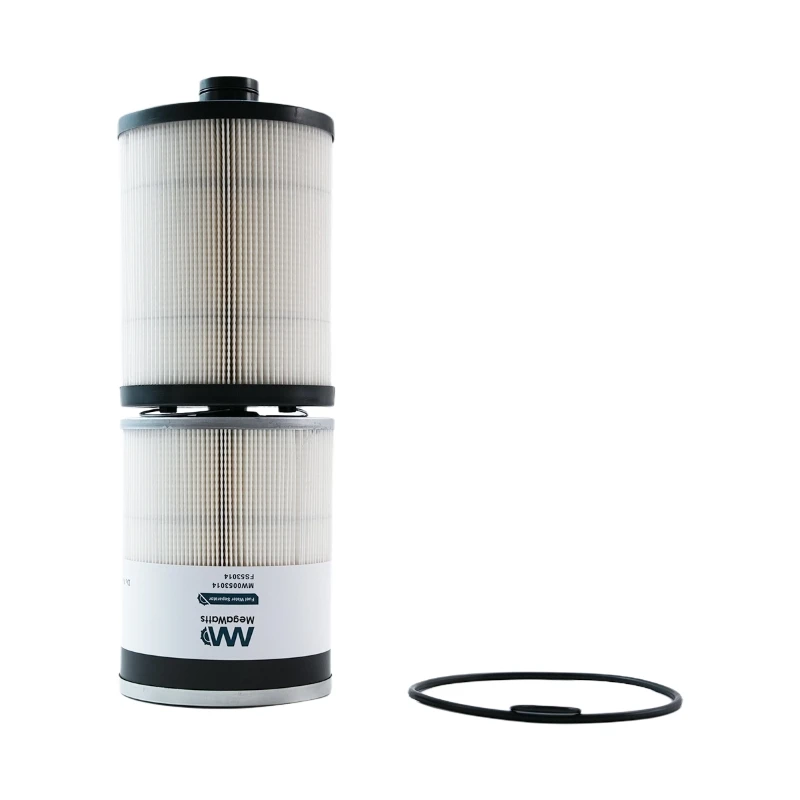
FS53014 Fleetguard Fuel Water Separator MW0053014 for Cumins-QSK60G/QST30/QSK60/GQSK60-GE Engine
$68.72
Megawatts Parts ensures premium quality diesel reaches high-pressure pumps constantly. Modern equipment relies on superior quality components across every shift. Megawatts delivers reliable quality filtration worldwide. High-performance media prevents erosion on common rail injectors. Premium filtration safeguards against inconsistent fuel quality, prevents urgent maintenance issues, and protects the primary common rail fuel system.
Maximizing Equipment Reliability and ROI
Protecting High-Pressure Pumps and Injectors
Preventive maintenance requires a very low financial investment compared to major engine overhauls. A basic scheduled fuel filter replacement costs about $50, whereas replacing a failed high-pressure fuel pump costs between $1,500 and $4,000. Replacing a single common-rail injector costs between $500 and $700. Ignored injector failure symptoms can escalate to catastrophic damage costing between $8,000 and $25,000 within 60 days. Installing a premium fuel water separator filter protects high-pressure components from costly mechanical failure.
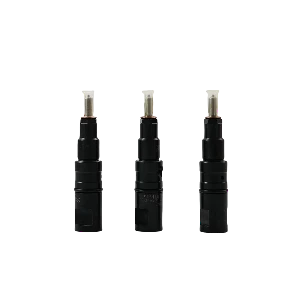
However, if your fleet is already exhibiting severe symptoms like continuous white exhaust smoke, rough idling, or hard starts, the cavitation damage may be irreversible. When cleaning is no longer an option, swapping out the compromised units with precision-calibrated fuel injectors from Megawatts Parts will instantly eliminate engine misfires, restore optimal spray patterns, and protect your cylinders from dangerous fuel-wash damage.
Modern high-pressure fuel supply systems require strict cleanliness to survive heavy daily operation. Dissolved water must remain at or below 200 ppm inside the common rail fuel system to prevent surface corrosion and lubricity loss. Maintaining high fuel cleanliness preserves vital lubricating films on moving parts. Implementing effective fuel filtration keeps precision common rail injectors working safely. Proactive maintenance prevents abrasive bypass, preserving expensive fuel injectors from severe cavitation wear. Continuous attention to fuel quality safeguards the primary common rail fuel system against premature destruction.
Reducing Downtime for Industrial Fleets
Uncontrolled water inside storage tanks creates ideal conditions for microbial growth. Temperature shifts cause condensation, which collects at the tank bottom. Bacteria feed on hydrocarbons at the fuel-water interface and generate acidic byproducts. These acids cause severe tank corrosion, which degrades overall fuel quality over long storage periods. Accumulated bio-sludge restricts flow, leading to unexpected engine shutdowns during critical working shifts.
|
Component Service |
Financial Cost / Consequence |
|
Preventative filter element service |
About $50 |
|
High-pressure fuel pump replacement |
$1,500–$4,000+ |
|
Single common-rail injector repair |
$500–$700 |
|
Unchecked fuel system damage |
$8,000–$25,000 |
Consistent fuel quality management reduces total operational expenses across heavy machinery fleets. Scheduled maintenance prevents severe fuel contamination from reaching sensitive high-pressure pumps. Megawatts Parts supports field technicians with high quality components built for optimal quality performance. Guaranteed fitment components and fast two-day dispatch keep industrial machinery operational. Fleet managers rely on high quality maintenance solutions to protect common rail injectors. Proper equipment maintenance prevents unscheduled maintenance downtime and protects delicate fuel injectors. High quality filter replacements ensure long-term operational quality across demanding job sites.
Synthetic coalescing technology defeats water emulsification inside a modern common rail fuel system. Advanced synthetic media merges microscopic droplets into large drops for gravity removal. Stripping suspended moisture protects precision common rail injectors from catastrophic tip shattering at operating pressures reaching 30,000 PSI. Timely maintenance prevents internal rust, preserves necessary component lubrication, and extends engine service life.
Ultimately, the battle against water emulsification is won or lost before the fuel ever reaches your engine block. Relying on sub-standard filtration puts your entire HPCR system at the mercy of microscopic moisture, practically guaranteeing premature injector blowouts and devastating operational downtime. By proactively upgrading your fleet with a premium fuel water separator filter directly from Megawatts Parts, you are doing more than just trapping water—you are actively securing your long-term return on investment. Don't wait for a 30,000 PSI failure to expose the weakness in your fuel system; equip your heavy machinery with our OEM-grade separation technology today and keep your commercial operations running flawlessly..
FAQ
How does micro-emulsified water damage common rail injectors?
Extreme pressure shears water into microscopic suspended droplets. Water degrades diesel lubricity, causing rapid metal-to-metal contact and surface wear. Violent collapsing vapor bubbles create severe cavitation erosion inside precision common rail injectors. This damage ruins injector spray patterns and causes engine misfires under heavy loads.
Why do traditional cellulose filters fail to capture fine emulsified water?
Traditional cellulose fibers absorb water, expand, and restrict overall flow. Microscopic emulsified droplets below 4 microns bypass basic paper media easily. Inconsistent fuel quality destabilizes paper elements. Modern engines require synthetic media to capture fine droplets without experiencing structural collapse under continuous pressure.
How does synthetic coalescing media separate water from diesel fuel?
Multi-stage synthetic coalescing media forces microscopic water droplets under 4 microns to attach to dense outer micro-fibers. Droplets aggregate into larger, heavier water drops as fuel flows through internal pathways. Gravity then pulls the enlarged drops into the collection bowl with over 99% separation efficiency.
How often should fleet operators perform fuel water separator maintenance?
Operators must schedule regular fuel separator maintenance based on engine manufacturer guidelines or signs of fuel contamination. Proactive service prevents bio-sludge growth and tank corrosion. Megawatts Parts provides guaranteed fitment replacement filters with fast two-day dispatch to keep industrial equipment working efficiently.
Which engine brands accept Megawatts replacement fuel water separator filters?
Megawatts Engine & Generator Parts manufactures filter solutions engineered to meet or exceed OEM specifications for major international engine brands. Compatible manufacturers include Caterpillar, Cummins, Perkins, Deutz, Kubota, Yanmar, Volvo, Weichai, and Baudouin. These filters deliver exceptional quality standards and reliable maintenance performance.
Previous And Next
-
Previous Post:
 BLOG
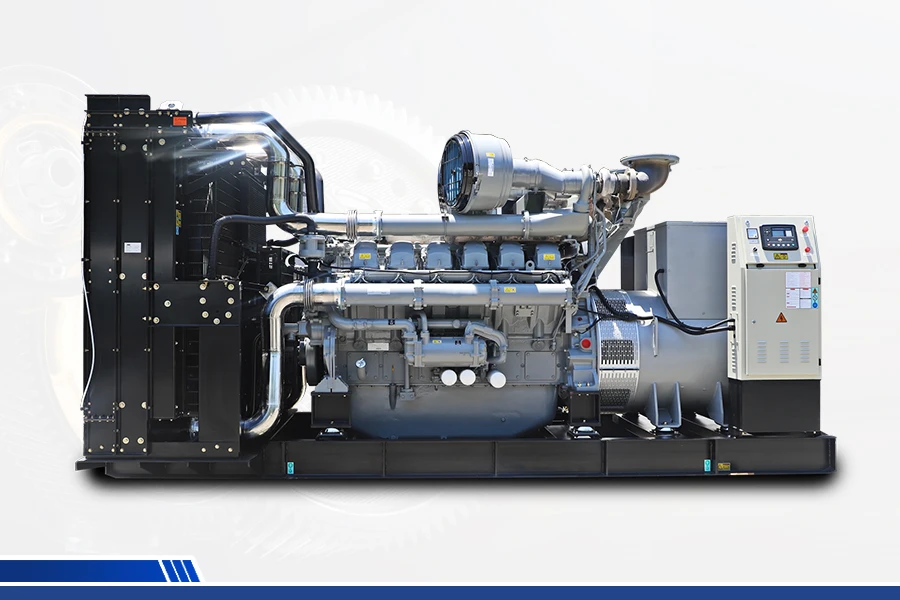
BLOG Megawatts BlogIntroducing the components of a diesel engineIntroducing the components of a diesel engine A diesel generator set is a type of internal combustion generator set and is currently one of the most widely used power generation devices in the world....
 -
Next Post:
 BLOG
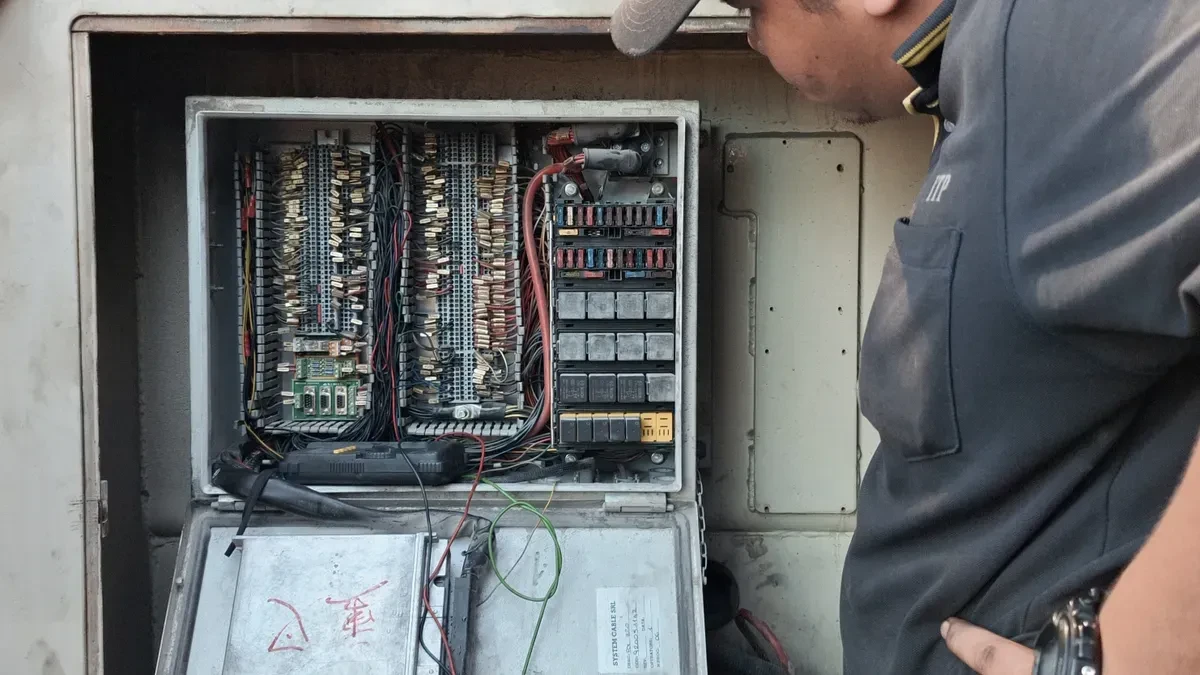
Megawatts BlogDiesel Generator Stalls After 5 Mins? A Step-by-Step Diagnostic Checklist for MechanicsIt is one of the most frustrating scenarios for any field mechanic: the diesel generator cranks perfectly, fires up smoothly, but unexpectedly stalls after just five minutes of running under load. You...
BLOG
Megawatts BlogDiesel Generator Stalls After 5 Mins? A Step-by-Step Diagnostic Checklist for MechanicsIt is one of the most frustrating scenarios for any field mechanic: the diesel generator cranks perfectly, fires up smoothly, but unexpectedly stalls after just five minutes of running under load. You...
Read More
-
 BLOG
Megawatts BlogStrategic Sourcing: How to Build a Standardized Generator Sets Parts Catalog for Mixed FleetsManaging a mixed fleet of Cummins, Perkins, and Caterpillar generators often creates a hidden financial drain through inventory duplication and fragmented procurement. When different brands use differ...
BLOG
Megawatts BlogStrategic Sourcing: How to Build a Standardized Generator Sets Parts Catalog for Mixed FleetsManaging a mixed fleet of Cummins, Perkins, and Caterpillar generators often creates a hidden financial drain through inventory duplication and fragmented procurement. When different brands use differ... -
 BLOG
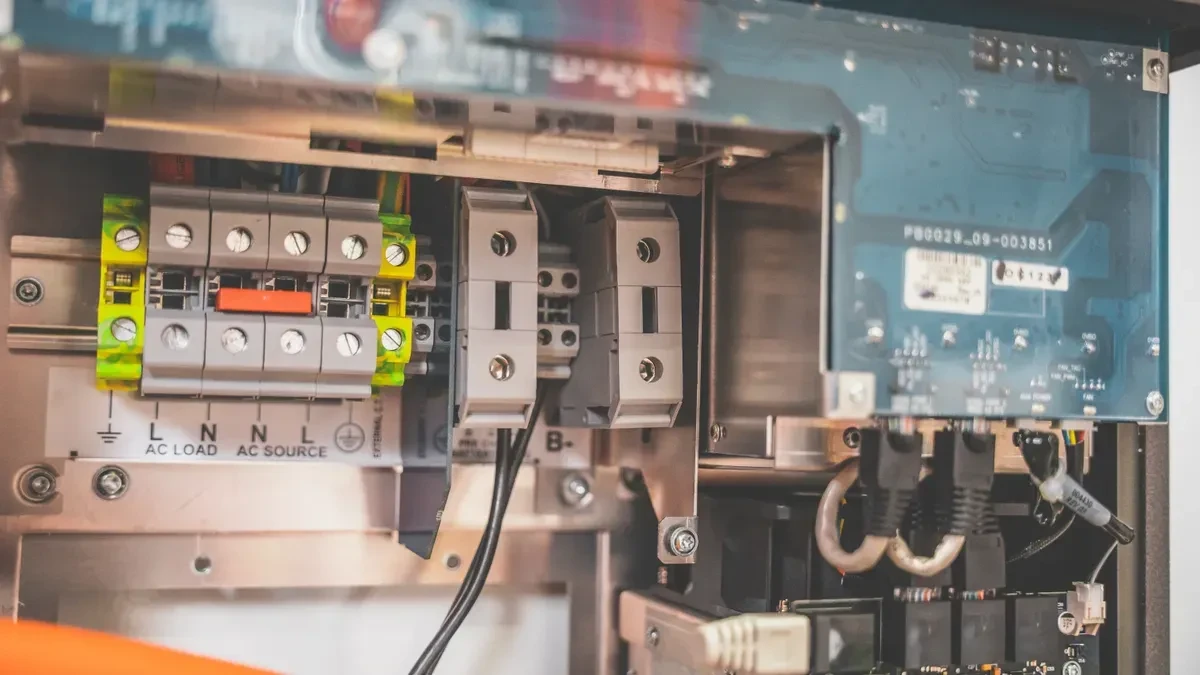
Megawatts BlogDiesel Generator Won't Crank: A Step-by-Step Electrical Diagnostic Checklist for MechanicsWhen a diesel generator won't crank, check the electrical system first. Do not chase fuel or mechanical theories yet. Low battery voltage and corroded connections cause most no-start condition calls....
BLOG
Megawatts BlogDiesel Generator Won't Crank: A Step-by-Step Electrical Diagnostic Checklist for MechanicsWhen a diesel generator won't crank, check the electrical system first. Do not chase fuel or mechanical theories yet. Low battery voltage and corroded connections cause most no-start condition calls.... -
 BLOG
Megawatts BlogMagnetic Coil Degradation: Why Your Diesel Engine Stop Solenoid Fails Under Extreme HeatExtreme heat is the primary enemy of a diesel engine stop solenoid. The heat breaks down the electrical insulation inside the magnetic coil. This degradation raises resistance and creates short circui...
BLOG
Megawatts BlogMagnetic Coil Degradation: Why Your Diesel Engine Stop Solenoid Fails Under Extreme HeatExtreme heat is the primary enemy of a diesel engine stop solenoid. The heat breaks down the electrical insulation inside the magnetic coil. This degradation raises resistance and creates short circui... -
 BLOG
Megawatts BlogThe Hidden Cost of Expired Inventory: Shelf Life and Proper Storage of Rubber Gasket Seal KitsA gasket seal kit sits untouched for five years. You paid for it. Now you pay to dispose of it. When a failure occurs, you pay a premium for emergency replacement. These hidden costs accumulate silent...
BLOG
Megawatts BlogThe Hidden Cost of Expired Inventory: Shelf Life and Proper Storage of Rubber Gasket Seal KitsA gasket seal kit sits untouched for five years. You paid for it. Now you pay to dispose of it. When a failure occurs, you pay a premium for emergency replacement. These hidden costs accumulate silent...
Subscribe to enjoy 10% off
Stay informed about new products and sales

-
INFORMATION
Contact Us
-
CHINA SALES OFFICE: No. 2-11, No. 8, Gaotai Road, Gaishan Investment Zone, Cangshan District, Fuzhou, Fujian
-
SAUDI ARABIA FACTORY: 7264 Shakra, Al Faisaliyyah, REFB3035, 3035, Riyadh 12883
-
COLOMBIA SALES OFFICE: 92-32 26th Street, 03-118, Bogota
-
NIGERIA FACTORY: Plot 5 Chivita Avenue Ajao Estate Isolo Lagos
-
Email:sales@megawattsparts.com
Follow Us


Copyright © 2025 Megawatts All Rights Reserved.



Select Previous Button or Search Directly on Search Bar!
Shop All
 English
Currency: <{ pagedata.current_currency }>(<{ pagedata.current_currency_code }>)
Are you in the right place?

You agree to MegaWatts.com's Terms of Use and Privacy Policy by subscribing. You may receive emails with useful tips, promotions, and offerings.
No, thanks. I'd rather pay full price.