


































High Coolant Temp Combined With Low Oil Pressure: Diagnosing Interconnected Cooling and Lubrication System Failures
by Megawatts - Updated At 2026-08-11
When your dashboard suddenly illuminates with simultaneous warnings for low oil pressure and high coolant temperature, your heavy-duty engine has entered a critical danger zone. This dual failure is rarely a coincidence. Severe overheating rapidly thins out your engine oil, stripping away the hydraulic resistance needed to maintain pressure across vital galleries. Whether you rely on a Caterpillar, Cummins, Perkins, or Kubota powerplant, these interconnected breakdowns—often triggered by a ruptured oil cooler or a blown head gasket—demand an immediate emergency shutdown. In this diagnostic guide, we will explore the root causes of these cascading thermal failures and walk you through the precise steps needed to prevent catastrophic bearing destruction, cylinder scoring, and total engine seizure.
What to Do If You Have Low Engine Oil Pressure and High Temps
Immediate Emergency Engine Shutdown Protocol
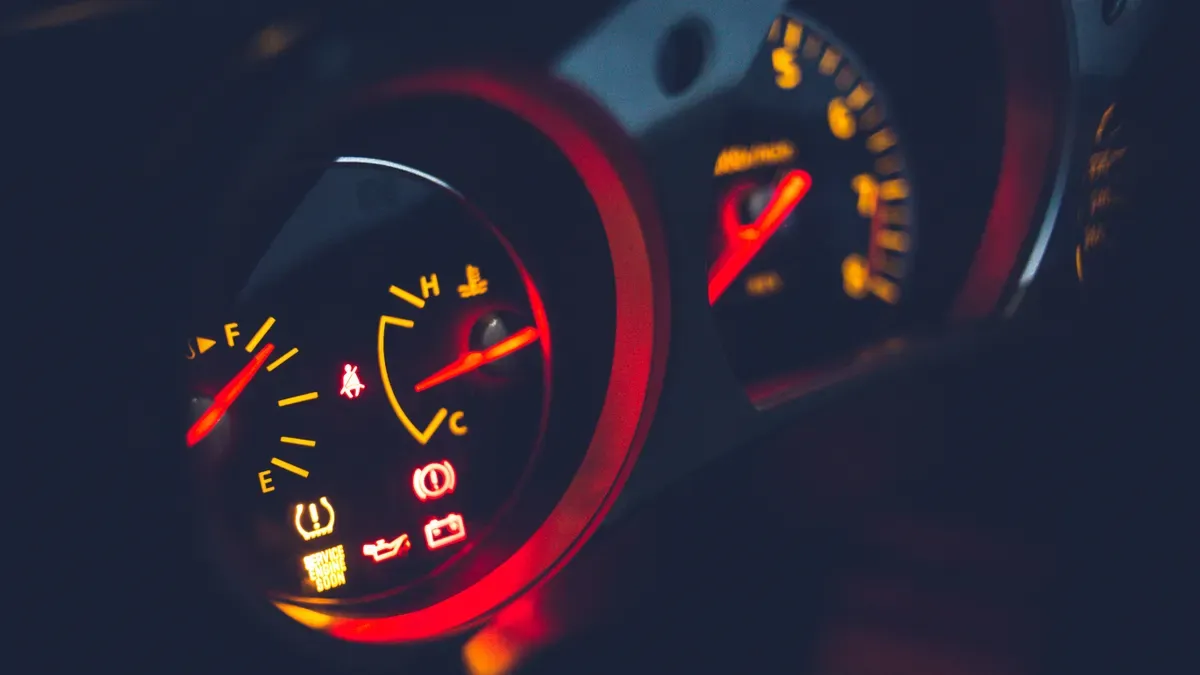
Operators facing simultaneous critical alarms must understand what to do if you have low engine oil pressure alongside rapid thermal spikes. Immediate operational intervention prevents severe mechanical destruction. Industrial drivers must pull heavy construction machinery safely off active worksite transit routes. Emergency generator technicians must disengage electrical power load controls instantly. Shut down the industrial engine without delay when experiencing low oil pressure high coolant temp warnings on instrument control panels.
Ignoring an active oil warning light during extreme thermal conditions quickly leads to main journal bearing seizure. Extreme fluid heating thins internal lubrication rapidly across primary oil galleries. The mechanical pump fails to sustain correct hydraulic pressure under severe thermal stress. Immediate emergency shutdown prevents direct metal contact inside crankcase assemblies before catastrophic crankshaft damage, rod failure, or cylinder wall scoring occurs.
Initial Visual and Environmental Hazard Inspection
Following complete shutdown, conduct a careful visual exterior hazard assessment around the equipment bay. Inspect the lower machine frame for active fluid pools directly under the engine block area. Watch closely for rising steam clouds, spraying high-temperature fluid streams, or visibly ruptured rubber cooling hoses. Technical consultants strongly advise against removing pressurized radiator caps immediately after stopping work. Residual thermal energy builds extreme internal pressure, creating severe burn and scalding risks for maintenance staff.
Systematically observe visual symptoms of low engine oil pressure around critical auxiliary components. Check heat exchanger housings for structural cracks or external fluid weeping. Identifying oil cooler failure symptoms early helps isolate internal cross-contamination issues such as milky coolant in oil mixtures on dipsticks. Recognizing blown head gasket low oil pressure indicators protects vital cylinder head assemblies from permanent thermal warping.
Unresolved issues combined with persistent engine overheating and low oil pressure require thorough physical diagnostic procedures before attempting restart.
Interconnected Causes of Low Oil Pressure and Overheating
Internal Oil Cooler Perforation and Fluid Cross-Contamination
An internal heat exchanger breach creates serious fluid cross-contamination inside an engine block. Corrosion often breaches thin 0.3–0.5mm metal walls separating pressurized oil operating at 60–80 PSI from cooling channels operating at 15–20 PSI. High-pressure lubricant escapes directly into cooling channels during early perforation stages. Conversely, engine shut-off conditions force coolant back into lubrication passages. This destructive cross-contamination damages vital engine components rapidly. Regular maintenance checks help detect early wall degradation before complete structural failure occurs.
"Oils viscosity goes down as the temperature rises (it gets thinner). As it thins the ability of the pump to maintain the cold(er) pressure drops. This is why cold engine start up usually sees a relatively high oil pressure that then reduces as the engine/oil temperature rises."
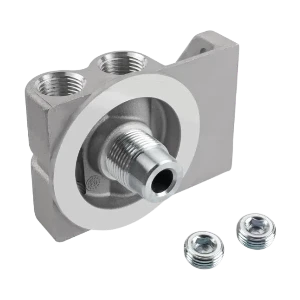
Severe fluid contamination degrades protective lubrication layers inside the engine crankcase. Fluid mixing forms a thick sludge, preventing smooth motion across journal surfaces. Contaminated fluid fails to protect crankshaft bearings, camshafts, and pistons from abrasive wear. In heavy equipment, internal lubricant temperatures in a turbocharged engine frequently exceed 300°F (149°C). Maintaining optimal fluid viscosity within a 10–20 cSt range reduces metal contact in journal bearings by 92 percent. Diluted lubrication causes distinct oil cooler failure symptoms, driving thermal system efficiency down rapidly. Equipment operators observing coolant in oil mixtures on dipsticks must replace damaged heat exchangers immediately. Megawatts Parts supplies heavy-duty oil coolers engineered to restore strict OEM thermal tolerances across industrial systems.
Head Gasket Breach and Cylinder Head Warpage
A blown head gasket creates simultaneous failure paths across internal sealing surfaces. A physical breach between combustion chambers and cooling channels permits high-pressure combustion gas to escape. Cylinder pressure exceeding 1000 psi during power strokes forces hot gas directly into cooling passages. This gas displaces fluid, creating stagnant air pockets that spark rapid thermal spikes. Sudden engine overheating follows quickly as radiator tanks overflow from immense internal gas pressure.
Simultaneously, gasket breaches between lubrication channels and cooling passages destroy hydraulic stability. Lubricating fluid under 40-60 psi mixes with cooling fluid pressurized at 12-16 psi. Coolant seeps into lubrication passages, thinning the protective film. Thinned lubrication flows too easily past bearing clearances, causing low oil pressure across internal galleries. This severe loss of hydraulic resistance leads directly to low oil pressure high coolant temp fault conditions on control panels.
Engineers identify cylinder head warpage through specific operational indicators:
- Coolant loss without visible leaks on exterior machine surfaces.
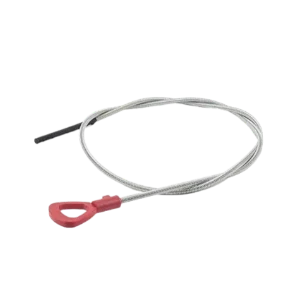
- Milky or frothy fluid under filler caps and dipsticks.
- Excessive crankcase pressure causing continuous bubbles inside expansion tanks.
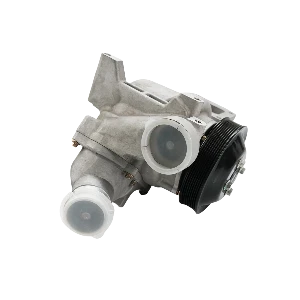
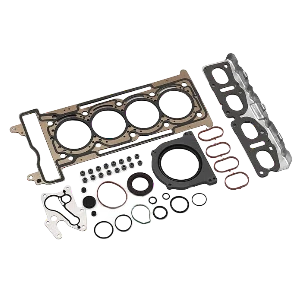
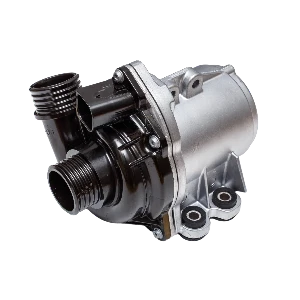
A blown head gasket low oil pressure condition causes severe mechanical damage if ignored. Prolonged exposure to severe thermal stress deforms aluminum cylinder heads permanently. Addressing complex thermal failure and low oil pressure issues requires comprehensive component replacement. Technical specialists recommend replacing compromised components promptly to prevent total powerplant destruction. Field technicians rely on complete gasket sets and high-flow water pumps from Megawatts Parts to rebuild damaged sealing interfaces.Installing quality replacement components prevents recurring fluid mixing, stabilizes operating temperatures, and protects vital internal bearings against friction damage. Proper component installation restores normal hydraulic pressure and heat dissipation capabilities across all equipment operating load cycles.
Mechanical and Electrical Root Causes
Cooling System Component Breakdown and Viscosity Loss
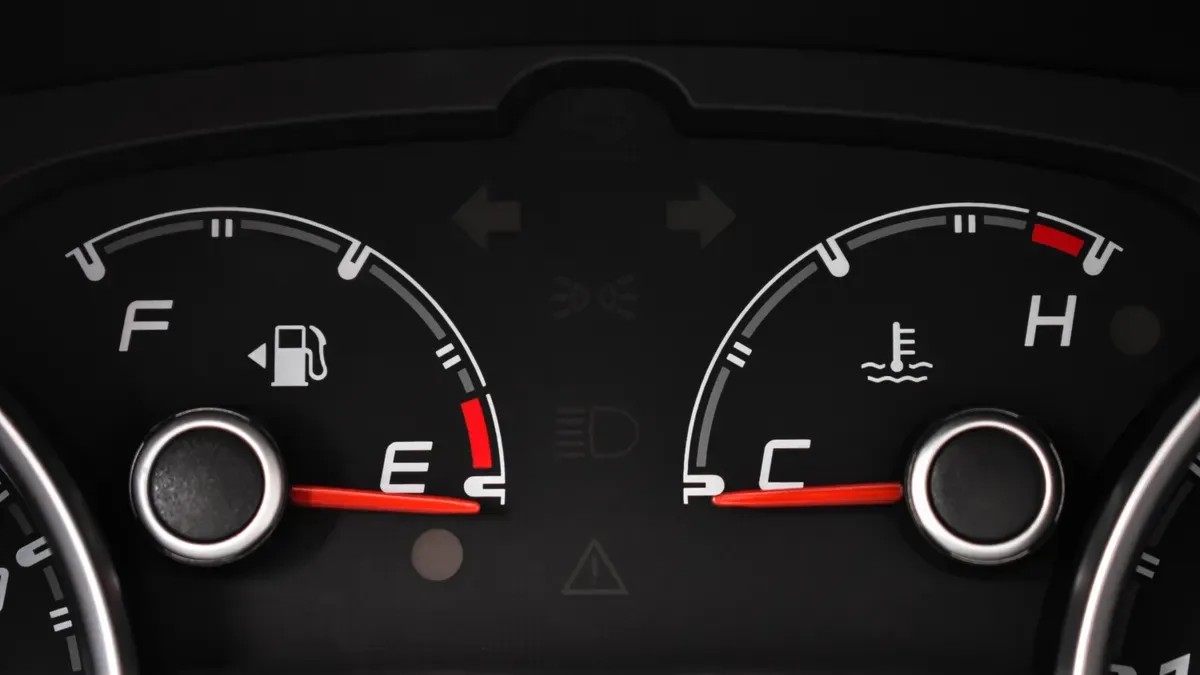
Mechanical cooling failure directly drives thermal destruction across engine powerplants. A failed water pump cannot move coolant through the radiator block efficiently. Severe heat thins engine lubricant rapidly inside primary galleries. As thermal levels rise, fluid viscosity drops significantly, creating a sudden oil pressure drop when the engine idles.
Mechanical breakdown typically stems from specific cooling hardware failures:
- Water pump impeller erosion occurs when plastic impellers erode from cavitation, and air pockets cause pitting damage over time.
- Sealed bearing failure represents the most common mechanical engine pump breakdown, causing the unit to seize or spin inefficiently.
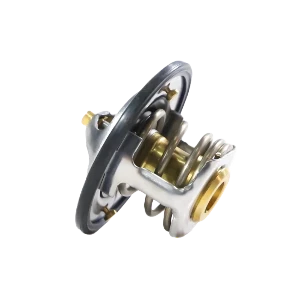
- Thermostat malfunction prevents proper temperature regulation, requiring replacement during pump service to stop engine overheating.
Oil Pump Failure, Screen Clogging, and Electrical Ground Faults
A stuck Oil Pressure Relief valve may be just slightly open so that it is bypassing oil from the oil galleries back into the sump, and when the oil thins out with the temperature increase, it is able to bypass more oil. Additionally, the #1 reason for low oil pressure is excessive bearing clearances; as the oil warms up, its viscosity drops, allowing it to 'leak' more through these clearances, causing pressure to drop.
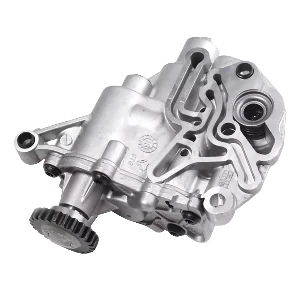
Sludge accumulation causes relief valves to stick open, bleeding off fluid volume. Excessive bearing clearances greater than 0.003 inches allow fluid to pass too quickly. Thin fluid bypasses open valves easily during severe overheating, causing low oil pressure across internal engine passages. If internal wear or relief valve sticking is confirmed, replacing the entire oil pump assembly is the most reliable way to restore safe hydraulic volume.
Faulty electrical components also generate false alarms through distinct wiring issues:
- Short to ground in signal wiring causes sensors to read implausibly hot.
- Open sensor or ground fault creates readings around -40°F that confuse engine control modules.
- Missing 5-volt reference signal mimics total sensor failure across circuits.
- Shared ground faults trigger rationality errors and simultaneous false warnings across multiple engine sensors.
- Corroded connectors create resistance, disrupting baseline engine oil pressure monitoring signals.
How to Diagnose Low Oil Pressure and Cooling System Breaches
Diagnosing simultaneous thermal and hydraulic system alarms requires systematic physical checks across major internal passages. Maintenance technicians must determine whether mechanical degradation or electrical sensor faults trigger active warnings. Learning how to diagnose low oil pressure begins with inspecting fluid condition thoroughly before attaching mechanical testing hardware to an engine block.
Fluid Emulsification and Cross-Leak Detection
Internal heat exchanger breaches allow high-pressure fluids to cross directly into adjacent cooling channels or lubrication galleries. Maintenance staff must evaluate dipsticks, filler caps, and expansion tanks for visual signs of cross-leakage. Emulsification changes normal lubricant consistency into a thick, milky sludge that clogs passages. Experienced service technicians look for specific indicators of severe fluid contamination:
- Frothy, mayonnaise-like oil on the dipstick
- Rising fluid level without fuel dilution
- Emulsification visible under the oil filler cap
- Fluid residue inside the radiator tank
- Milky white sludge inside the expansion tank
A sweet odor from exhaust systems indicates coolant entering combustion chambers during operation. These visual cues confirm serious structural breaches, such as blown head gasket low oil pressure scenarios or distinct oil cooler failure symptoms. Coolant in fluid mixtures destroys protective film strength, accelerating bearing wear and extreme heat accumulation inside an industrial engine.
Mechanical Gauge Testing and Diagnostic Trouble Codes
To isolate false electrical alarms from true mechanical failure, technicians perform physical pressure testing and electronic scans. An engine overheating and low oil pressure condition demands immediate verification of actual hydraulic resistance.
- Verify fluid level and physical condition on the dipstick to rule out low volume or heavy contamination.
- Inspect sensor connectors for loose pins or severe corrosion, wiggling wires while observing dashboard warnings.
- Test sensor output voltage using a multimeter to confirm normal signal range between 5–4.5V.
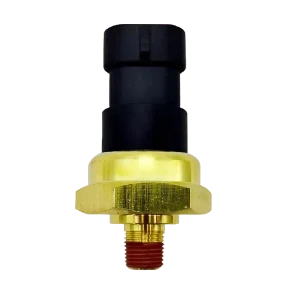
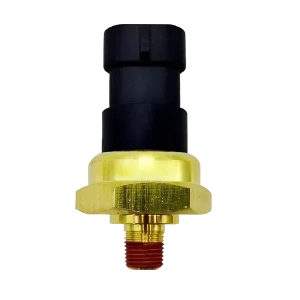
- Connect a mechanical gauge directly to the engine block to measure actual engine oil pressure independent of electronic sensors.
- Interpret gauge results; normal readings indicate a defective sensor, whereas an actual oil pressure drop confirms mechanical failure.
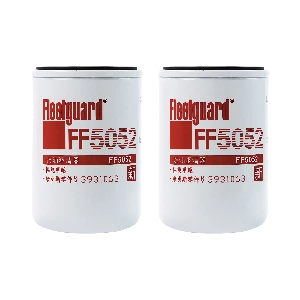
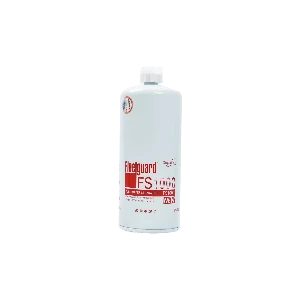
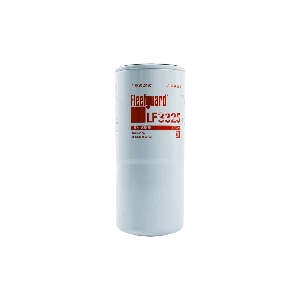
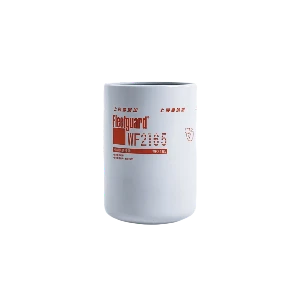
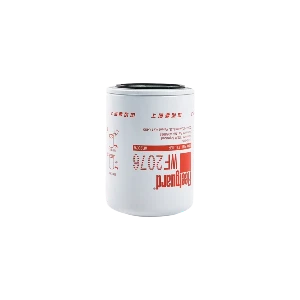
- Scan the engine control module for active diagnostic trouble codes and check Fleetguard or Donaldson filters for metal debris.
Diagnostic codes help pinpoint whether issues originate from electrical circuits or internal mechanical failures:
|
Diagnostic Step |
Specific Action / Code |
Purpose in Failure Location |
|
Code Identification |
P0520–P0523 (Pressure Sensor Circuit/Range/Voltage) |
Identifies whether the pressure issue is electrical or mechanical |
|
Code Identification |
P0115–P0118 (Coolant Temperature Sensor Circuit/Range/Input) |
Distinguishes between a faulty coolant sensor and genuine overheating |
|
Data Collection |
Capture freeze frame data and live data stream |
Provides exact engine operating conditions at code setting |
|
Cross-Referencing |
Compare live pressure reading versus commanded pressure |
Determines if sensor signals are plausible or false |
|
Verification |
Perform component-specific tests per service manual |
Confirms whether sensors, wiring, or fluid components failed |
|
Final Confirmation |
Complete a drive cycle and monitor for code recurrence |
Validates that repair addressed the root cause |
Systematic testing prevents false diagnosis when evaluating severe low oil pressure high coolant temp fault conditions. Confirming true engine oil pressure protects internal components before performing total engine overhauls.
Comprehensive Repair and System Flushing Protocols
Component Replacement Guidelines
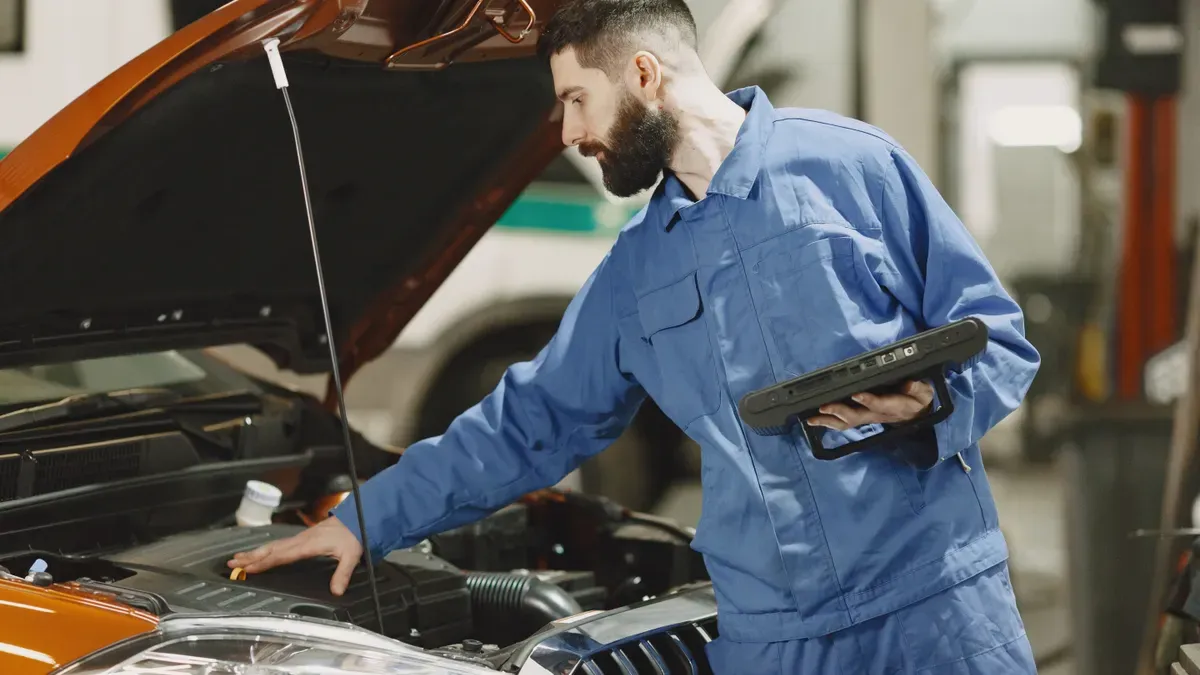
Technicians must replace compromised mechanical parts instantly to resolve active engine overheating and low oil pressure. Installing heavy-duty replacement hardware restores strict OEM tolerances across industrial drive systems. Experienced field mechanics install fresh gasket sets, water pumps, and internal engine bearings to maintain high operational reliability on active job sites. Replacing damaged sealing interfaces prevents recurring oil cooler failure symptoms and blown head gasket low oil pressure issues during severe thermal cycles. Expert field consultants recommend checking structural surfaces for subtle cracks prior to final assembly.
Matching correct manufacturer specifications guarantees full mechanical engine compatibility under heavy loads. Equipment technicians utilize specialized parts catalogs from Megawatts Parts to replace failed heat exchangers and water pumps efficiently.
|
Engine Model |
Component |
OEM Part Number |
Notes |
|
Perkins 1103C-33 |
Oil Cooler |
P2486A992 / P2486A993 |
Use for YG and YH builds only |
|
Perkins 1103C-33 |
Water Pump |
PU5MW0192 / PU5MW0156 |
Standard replacement unit |
|
Perkins 1104D-E44T |
Oil Pump |
P4132F071 |
Not for engines with balancer units |
|
Perkins 1104D-44T |
Oil Cooler Assembly |
P4134W025 |
Includes 9 plate oil cooler core |
Complete System Decontamination and Flushing
Restoring total engine cleanliness requires dual chemical decontamination across all internal fluid passages. Maintenance staff must clear emulsified fluid deposits completely before restarting the primary machine. Lingering coolant in oil galleries degrades fresh lubricant rapidly and scores engine bearing journals. Technical specialists stress that thorough chemical treatment removes stubborn varnish from critical engine walls.
- Drain contaminated fluid mixtures from the engine crankcase sump and radiator channels completely.
- Flush cooling jackets using an approved detergent agent to dissolve sticky internal lubricant residue.
- Run a light flushing fluid through internal lubrication galleries to purge heavy sludge.
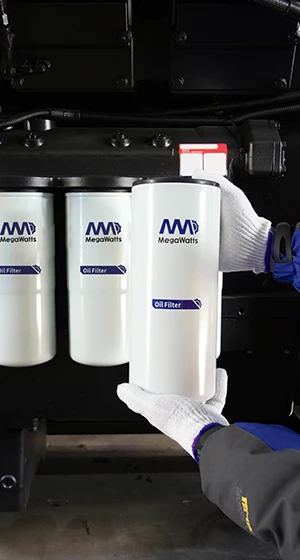
- Install new Fleetguard or Donaldson filtration units before refilling the engine crankcase with clean oil.
A complete dual chemical wash purges heavy contamination from narrow internal engine galleries. This rigorous decontamination process protects internal engine components, optimizes overall heat transfer, and stabilizes baseline engine oil pressure during heavy equipment operation.
An engine experiencing severe thermal spikes will inevitably suffer from dangerously thinned lubrication. If you ignore a low oil pressure high coolant temp warning, the resulting friction will destroy internal bearings and score cylinder walls within minutes. Catching this cascading failure early and executing an immediate shutdown is your first line of defense. However, restoring long-term reliability requires more than just fresh fluids—it demands a thorough chemical system flush and the installation of premium-grade replacement components. By equipping your fleet with heavy-duty gaskets, high-flow water pumps, and precision oil coolers directly from Megawatts Parts, you can permanently stabilize operating temperatures, protect vital oil passages, and keep your heavy machinery running flawlessly under the most demanding conditions.
FAQ
What causes simultaneous engine overheating and low oil pressure?
Extreme thermal spikes thin engine oil rapidly. Thin oil drops oil pressure inside oil galleries and oil passages. An oil cooler breach causes coolant in oil mixing. Contaminated oil loses oil viscosity, preventing oil pumps from sustaining oil pressure across oil lines, oil filters, and oil bearing journals.
What are the primary oil cooler failure symptoms?
Primary oil cooler failure symptoms include oil in expansion tanks or coolant in oil sumps. Operating oil pressure forces oil into cooling channels. Engine shutdown allows coolant into oil passages, causing oil dilution, broken oil film strength, elevated oil temperatures, and severe oil pressure loss across oil circuits.
How does a blown head gasket low oil pressure fault develop inside an engine?
A blown head gasket low oil pressure fault occurs when gasket breaches connect oil passages to coolant channels. Combustion gas raises thermal levels, thinning oil. Diluted oil flows past oil bearings quickly, dropping oil pressure while oil sludge degrades oil flow across internal oil supply lines.
Why does oil pressure drop dramatically as engine oil temperature rises?
Elevated oil temperature degrades oil viscosity. Thinned oil flows easily past worn oil bearing clearances and open oil relief valves. As oil thins, oil pumps fail to build oil pressure, weakening protective oil films across oil channels, oil galleries, oil rings, and oil spray jets.
How do technicians diagnose low oil pressure from mechanical oil pump failure?
Technicians connect a mechanical gauge to oil ports to measure true oil pressure. Manual oil gauge testing isolates electrical oil sensor faults from actual oil pressure drops. Inspecting oil filters and oil sumps for metal debris confirms mechanical oil pump wear or clogged oil pickup screens.
Previous And Next
-
Previous Post:
 BLOG
BLOG Megawatts BlogIntroducing the components of a diesel engineIntroducing the components of a diesel engine A diesel generator set is a type of internal combustion generator set and is currently one of the most widely used power generation devices in the world....
 -
Next Post:
 BLOG
Megawatts BlogIn-Frame vs. Out-of-Frame Engine Overhaul: Cost Analysis and Part Replacement Strategy for Fleet ManagersEvaluating an in-frame vs out-of-frame overhaul requires fleet managers to prioritize long-term asset ownership and labor efficiency over simple upfront repair bill comparisons. Executing a standard i...
BLOG
Megawatts BlogIn-Frame vs. Out-of-Frame Engine Overhaul: Cost Analysis and Part Replacement Strategy for Fleet ManagersEvaluating an in-frame vs out-of-frame overhaul requires fleet managers to prioritize long-term asset ownership and labor efficiency over simple upfront repair bill comparisons. Executing a standard i...
Read More
-
 BLOG
Megawatts BlogStrategic Sourcing: How to Build a Standardized Generator Sets Parts Catalog for Mixed FleetsManaging a mixed fleet of Cummins, Perkins, and Caterpillar generators often creates a hidden financial drain through inventory duplication and fragmented procurement. When different brands use differ...
BLOG
Megawatts BlogStrategic Sourcing: How to Build a Standardized Generator Sets Parts Catalog for Mixed FleetsManaging a mixed fleet of Cummins, Perkins, and Caterpillar generators often creates a hidden financial drain through inventory duplication and fragmented procurement. When different brands use differ... -
 BLOG
Megawatts BlogDiesel Generator Won't Crank: A Step-by-Step Electrical Diagnostic Checklist for MechanicsWhen a diesel generator won't crank, check the electrical system first. Do not chase fuel or mechanical theories yet. Low battery voltage and corroded connections cause most no-start condition calls....
BLOG
Megawatts BlogDiesel Generator Won't Crank: A Step-by-Step Electrical Diagnostic Checklist for MechanicsWhen a diesel generator won't crank, check the electrical system first. Do not chase fuel or mechanical theories yet. Low battery voltage and corroded connections cause most no-start condition calls.... -
 BLOG
Megawatts BlogMagnetic Coil Degradation: Why Your Diesel Engine Stop Solenoid Fails Under Extreme HeatExtreme heat is the primary enemy of a diesel engine stop solenoid. The heat breaks down the electrical insulation inside the magnetic coil. This degradation raises resistance and creates short circui...
BLOG
Megawatts BlogMagnetic Coil Degradation: Why Your Diesel Engine Stop Solenoid Fails Under Extreme HeatExtreme heat is the primary enemy of a diesel engine stop solenoid. The heat breaks down the electrical insulation inside the magnetic coil. This degradation raises resistance and creates short circui... -
 BLOG
Megawatts BlogThe Hidden Cost of Expired Inventory: Shelf Life and Proper Storage of Rubber Gasket Seal KitsA gasket seal kit sits untouched for five years. You paid for it. Now you pay to dispose of it. When a failure occurs, you pay a premium for emergency replacement. These hidden costs accumulate silent...
BLOG
Megawatts BlogThe Hidden Cost of Expired Inventory: Shelf Life and Proper Storage of Rubber Gasket Seal KitsA gasket seal kit sits untouched for five years. You paid for it. Now you pay to dispose of it. When a failure occurs, you pay a premium for emergency replacement. These hidden costs accumulate silent...
Subscribe to enjoy 10% off
Stay informed about new products and sales

-
INFORMATION
Contact Us
-
CHINA SALES OFFICE: No. 2-11, No. 8, Gaotai Road, Gaishan Investment Zone, Cangshan District, Fuzhou, Fujian
-
SAUDI ARABIA FACTORY: 7264 Shakra, Al Faisaliyyah, REFB3035, 3035, Riyadh 12883
-
COLOMBIA SALES OFFICE: 92-32 26th Street, 03-118, Bogota
-
NIGERIA FACTORY: Plot 5 Chivita Avenue Ajao Estate Isolo Lagos
-
Email:sales@megawattsparts.com
Follow Us


Copyright © 2025 Megawatts All Rights Reserved.



Select Previous Button or Search Directly on Search Bar!
Shop All
 English
Currency: <{ pagedata.current_currency }>(<{ pagedata.current_currency_code }>)
Are you in the right place?

You agree to MegaWatts.com's Terms of Use and Privacy Policy by subscribing. You may receive emails with useful tips, promotions, and offerings.
No, thanks. I'd rather pay full price.