







































Generator hunting and surging: Troubleshooting speed sensors and electronic actuators
by Megawatts - Updated At 2026-06-23
Generator hunting and surging often result from issues with speed sensors or electronic actuators. These problems can cause the generator to fluctuate in speed or output, leading to unstable operation. Generator hunting describes rapid, repeated changes in engine speed, while surging refers to rhythmic increases and decreases in output. Unstable generator performance can reduce reliability and damage sensitive equipment. Industry studies show that clogged fuel systems and improper governor adjustments frequently cause erratic RPM and unstable power, as shown below:
|
Cause |
Effect |
|
Clogged fuel systems |
Erratic RPM fluctuations |
|
Improper governor adjustments |
Unstable power output and potential damage |
Timely troubleshooting and quality parts are essential for restoring stability. Megawatts Parts delivers dependable service and solutions for these challenges.
Understanding Generator Hunting and Surging
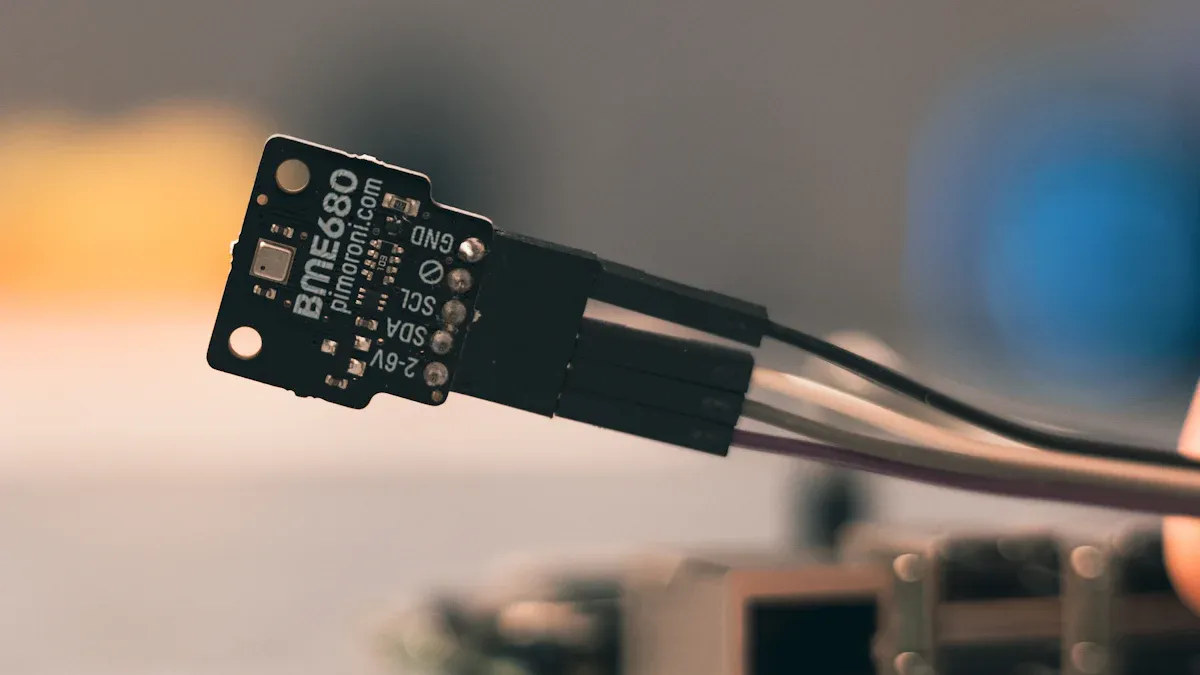
What Is Generator Hunting and Surging?
Generator hunting and surging describe two types of instability that affect generator performance. Hunting refers to rapid, repeated changes in engine speed as the system struggles to maintain a set rpm. Surging occurs when the generator output rises and falls in a rhythmic pattern. These issues can appear at idle, under load, or even with no load. Surging generator behavior often results from degraded diesel fuel, which disrupts the combustion cycle and leads to performance problems in diesel engine speed control systems.
Typical symptoms observed during generator hunting and surging include:
|
Symptoms |
Description |
|
Fluctuations in engine speed |
The engine speed varies significantly, indicating instability in operation. |
|
Voltage variations |
Fluctuations in voltage output can affect connected appliances and electronics. |
|
Issues related to fuel |
Problems such as incorrect fuel, low fuel levels, or poor fuel quality can lead to surging. |
Operators may notice rpm fluctuations, voltage swings, or erratic generator behavior. These symptoms often point to problems with the magnetic speed sensor or the electronic governor actuator.
Why Generator Stability Matters
Stable power output is essential for protecting sensitive equipment and ensuring reliable operation. In industrial and In industrial and commercial environments, generator stability prevents damage caused by voltage fluctuations. High-performance generator AVRs play a critical role here, constantly monitoring and adjusting the output to maintain consistent power quality and protect sensitive electronics from dangerous voltage spikes. Unstable rpm can lead to operational risks, equipment failure, and increased maintenance costs. Consistent rpm and voltage are critical for facilities that depend on uninterrupted power.
- Common Causes in Generators
- Several factors can trigger generator hunting and surging:
- Mechanical binding in the actuator or linkage
- Incorrect governor sizing for the engine
- Faulty speed sensor signals
- Unstable electrical power to the governor
- Incorrect droop or gain settings
These issues often result in generator rpm fluctuation and unstable operation. Regular inspection of the electronic governor actuator and speed sensor can help prevent surging. Addressing these causes early ensures the generator delivers reliable rpm and stable power output.
Diagnosing Gover14:46:04nor System Problems
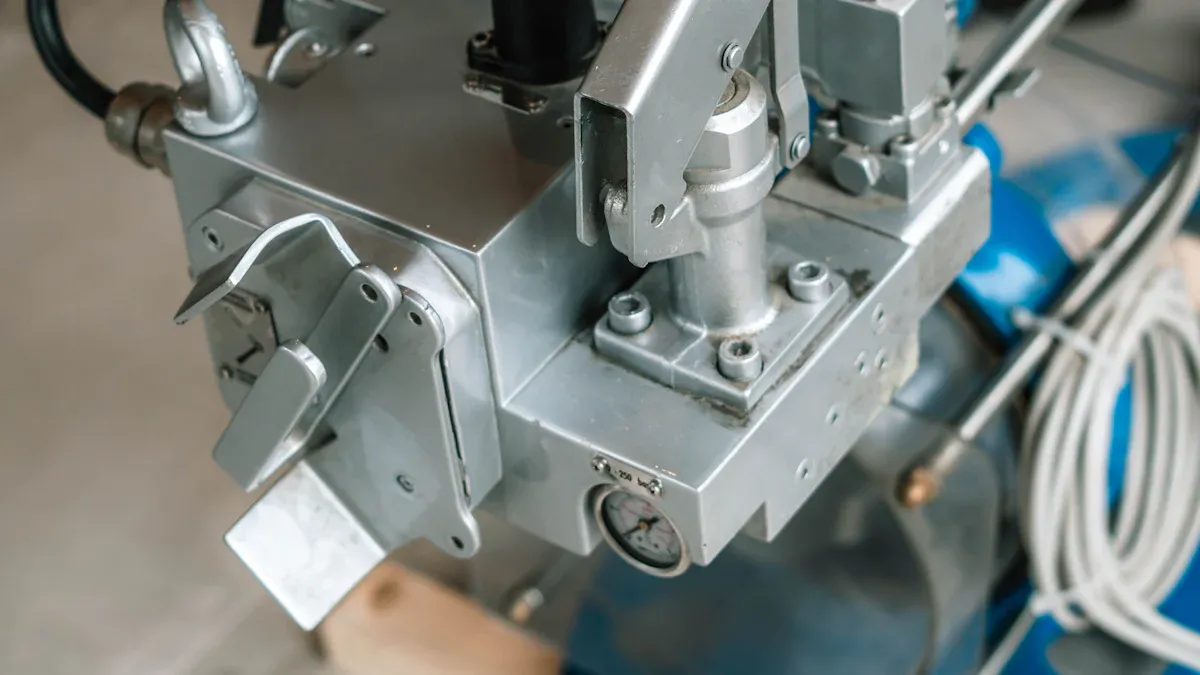
Identifying Governor System Malfunction
Governor system malfunction remains a leading cause of generator instability. Operators often notice erratic rpm hunting, abnormal frequency, or voltage swings during generator operation. These symptoms signal underlying governor issues that require immediate attention. Fluctuations in engine speed, especially during load changes, point to problems within the electronic governor or its associated components. Regular generator maintenance and calibration of the governor system are essential to prevent unexpected failures.
A systematic approach helps diagnose governor system problems efficiently. The following table outlines diagnostic methods commonly used in the industry:
Operators should also perform the following checks during generator service:
- Conduct thorough diagnostics to identify the root cause of governor issues.
- Test sensors, actuators, and control modules with specialized equipment.
- Analyze engine speed, load variations, and control signals for abnormalities.
- Common indicators of governor system malfunction include:
- Fluctuations in engine speed (rpm hunting)
- Abnormal generator frequency
- Unstable voltage output
- Delayed response to load changes
- Audible hunting or surging noises
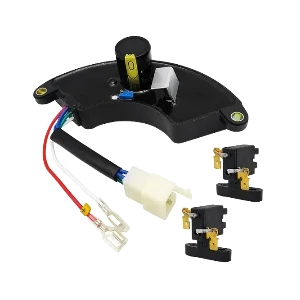
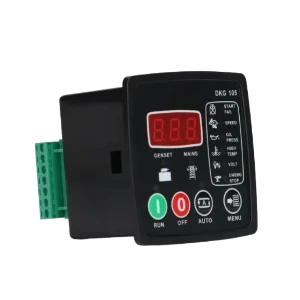
Test sensors, actuators, and control modules with specialized equipment. Since the module acts as the "brain" of the speed control system, any internal circuit failure will send erratic signals to the actuator. If software calibration fails to resolve the hunting issue, investing in a reliable replacement controller is the most effective way to eliminate electronic instability.
Ignoring these signs can lead to generator hunting and surging, which may damage sensitive equipment or disrupt critical operations.
Speed Sensor Troubleshooting Steps
The magnetic speed sensor plays a crucial role in diesel engine speed control and generator rpm fluctuation management. Faults in this sensor often result in governor issues and unstable rpm. A step-by-step troubleshooting process ensures accurate diagnosis:
- Speed Sensor Verification: Inspect the air gap between the sensor and the flywheel. Check for physical damage, verify wiring integrity, measure output voltage, and confirm correct installation.
- Electrical Power Supply Testing: Test the power supply to the electronic governor by bypassing connections and observing system behavior.
- Governor Sizing Verification: Ensure the governor model matches engine specifications. Incorrect sizing can cause control instability and rpm hunting.
- Rear Main Bearing Inspection: Measure crankshaft axial movement and check for oil leaks, as these mechanical issues can affect sensor readings.
Tip: Always document each step during generator service to track recurring governor issues and streamline future diagnostics.
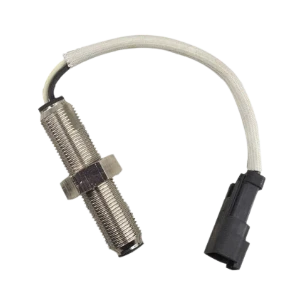
Speed sensor faults can cause generator rpm fluctuation, leading to erratic rpm hunting and unreliable power output. If your diagnostic tests reveal a failing unit, replacing it with highly sensitive, OEM-grade speed & timing sensors is the most efficient way to resolve the issue, reduce downtime, and extend your generator's operational life.
Actuator and Linkage Checks
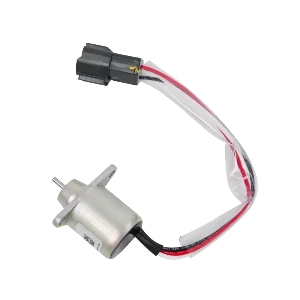
The electronic governor actuator and mechanical linkage must operate smoothly to maintain stable rpm. Mechanical binding, excessive play, or worn internal coils can trigger severe governor system malfunction and hunting. A quick field test is to momentarily apply direct DC power (12V or 24V, depending on your system) to the actuator terminals; a sharp, crisp "click" indicates the internal solenoid is functioning. If the response is sluggish or absent, it's time to upgrade your system with a highly responsive, OEM-grade electronic actuator. Follow these steps during generator maintenance:
- Inspect the governor spring and linkage for wear or damage.
- Ensure all moving parts operate freely without resistance.
- Check for free play between the carburetor and spindle during static adjustment.
- Move the throttle to the fully open position and observe the governor shaft movement. Adjust if necessary.
- Confirm that the throttle transitions smoothly from idle to full open.
The table below summarizes common mechanical and linkage issues:
|
Issue Type |
Description |
|
Mechanical Binding |
Internal friction in the actuator or linkage prevents the fuel rack from returning properly. |
|
Linkage Issues |
Excessive play on the governor solenoid side introduces deadband, causing erratic fuel delivery. |
|
Fuel Supply Problems |
Incorrect governor sizing or faulty speed sensor signals lead to unstable fuel delivery. |
Unstable engine speed and voltage swings often result from these mechanical faults. Industry standards recommend balancing single-phase loads, inspecting sensing wiring, and calibrating droop settings to prevent hunting in paralleled systems. Inverter generators may require specialized diagnostics for voltage-related governor issues.
Note: Failure to address actuator or linkage problems during generator service can escalate minor governor issues into major system failures.
A proactive approach to diagnose governor system problems ensures reliable generator operation and minimizes the risk of unexpected downtime.
Surging Generator: Common Mistakes to Avoid
Misdiagnosis Pitfalls
Misdiagnosing the root cause of generator hunting and surging can lead to unnecessary repairs and extended downtime. Many technicians focus on complex electronic governor actuator issues while overlooking basic problems. Common mistakes during generator service include:
- Overlooking fuel supply issues, such as clogged lines or contaminated fuel.
- Neglecting air filter maintenance, which restricts airflow and disrupts rpm stability.
- Failing to address electronic and governor problems, including faulty magnetic speed sensor signals.
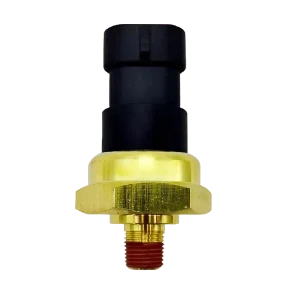
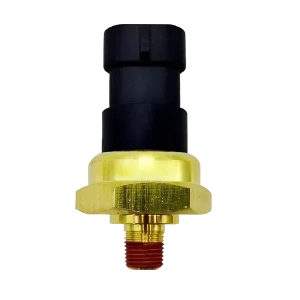
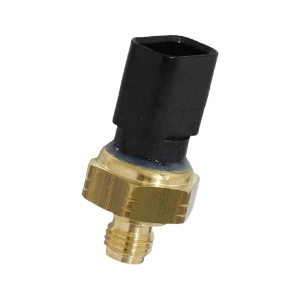
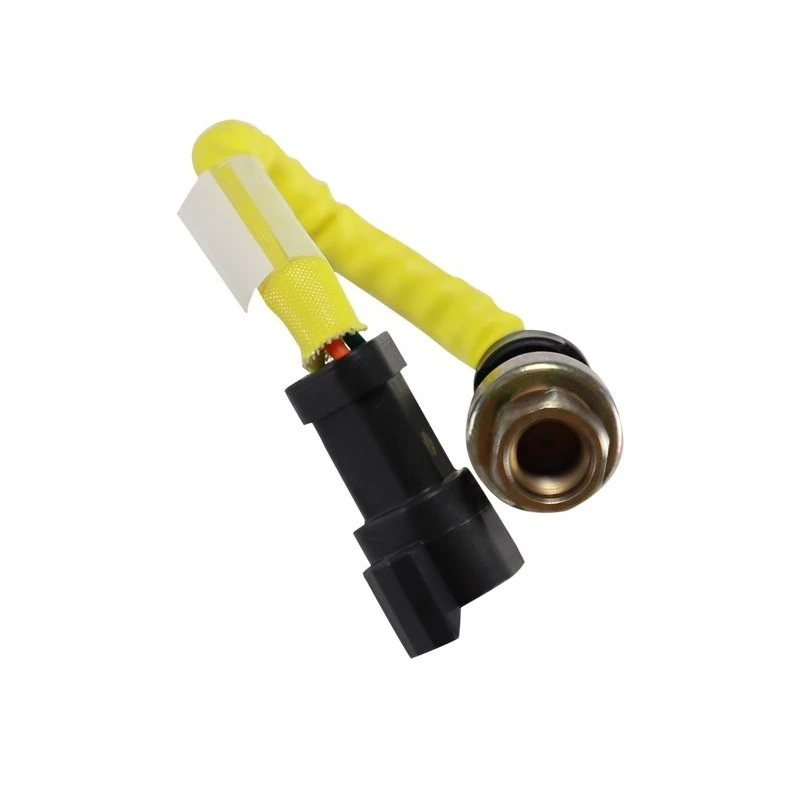
Ignoring secondary engine sensors that dictate ECM fuel delivery. For instance, in heavy-duty generator sets powered by engines like the CAT C15 or C18, erratic fuel or oil pressure data can trick the ECM into constantly adjusting the fuel rate, perfectly mimicking a governor hunting issue. If you are servicing these specific engines, verifying and replacing a faulty 161-9932 Caterpillar pressure sensor is a critical step before needlessly tearing apart the electronic actuator.
Misdiagnosis often results in unnecessary mechanical repairs, increased operational costs, and prolonged generator downtime. Operators may replace parts that are not faulty, missing the real cause of rpm fluctuation or sputtering under load. Accurate diagnosis is essential for effective generator maintenance and reliable service.
Safety Hazards in Troubleshooting
Troubleshooting a surging generator presents several safety hazards. Unstable rpm can cause fluctuating Hz and voltage, which may damage HVAC boards, smart appliances, and sensitive electronics within minutes. Attempting to adjust a surging generator without proper knowledge can void warranties and damage voltage regulators. Unstable power delivery also puts expensive HVAC systems at risk.
Tip: Always disconnect sensitive equipment before performing generator service. Use insulated tools and follow manufacturer guidelines to prevent injury and equipment damage.
Skipping Essential Steps
Skipping critical steps during generator service can allow surging and hunting to persist. Essential troubleshooting actions often missed include:
- Check the fuel level and confirm the correct type is used.
- Assess fuel quality and replace old or degraded fuel.
- Inspect the air filter and clean or replace if dirty.
- Examine the spark plug for wear and replace if necessary.
- Investigate the carburetor for clogs and clean as needed.
- Test the generator without a load, then reconnect appliances one by one.
Neglecting these steps can result in unresolved generator rpm fluctuation and unreliable performance. Consistent generator maintenance and thorough service routines help prevent recurring surging issues and extend equipment life.
Symptoms & Causes Table
Speed Sensor vs. Actuator Issues
Understanding the differences between speed sensor and actuator issues is essential for diagnosing generator surging and instability. Operators often encounter generator RPM fluctuation, which can stem from either the magnetic speed sensor or the electronic governor actuator. Each component produces distinct symptoms and requires targeted troubleshooting.
Note: Quick identification of the root cause minimizes downtime and prevents damage to sensitive equipment.
The following table compares the typical symptoms and causes of speed sensor, actuator, and governor system malfunctions:
|
Issue Type |
Symptoms |
Likely Cause |
|
Speed Sensor |
Incorrect frequency data, constant over/under-correction by governor, unstable RPM readings |
Bad magnetic speed sensor, large sensor gap |
|
Actuator |
Binding, overspeed, oscillation cycles, failure to adjust throttle, lag in transmission |
Faulty electronic governor actuator, insufficient spring force |
|
Governor Malfunction |
RPM hunting, slow load response, over/under-speed, engine auto-stop |
Mechanical wear, linkage issues, actuator failure |
|
Engine Cannot Start |
No speed feedback, air in fuel pipe, blocked governor power supply |
Check speed sensor, remove air, verify wiring |
|
Engine Start Overspeed |
Inconsistent actuator oil direction, high speed setting |
Adjust actuator, reduce speed setting |
|
Engine Speed Instability |
Surging, lag in actuator transmission, engine overload, improper controller adjustment |
Check actuator, reduce load, readjust controller |
|
Engine Cannot Stop |
Actuator misalignment, stuck gear lever mechanism |
Realign actuator, inspect gear lever |
Operators may notice surging during generator operation, especially when the electronic governor actuator fails to respond correctly. Speed sensor faults often result in erratic RPM readings and generator surging, while actuator issues can cause overspeed or oscillation cycles. Governor system malfunctions typically manifest as slow load response or engine auto-stop, which can disrupt diesel engine speed control.
Common real-world scenarios include:
- Generator surging after fuel system maintenance due to a misaligned actuator.
- Persistent generator RPM fluctuation caused by a faulty magnetic speed sensor.
- Diesel engine speed control failure when the governor linkage wears out.
- To address these issues, technicians should:
- Inspect the magnetic speed sensor for proper gap and signal integrity.
- Test the electronic governor actuator for smooth operation and correct throttle adjustment.
- Evaluate the governor system for mechanical wear and linkage problems.
Tip: Regular maintenance and prompt troubleshooting help prevent generator surging and ensure stable operation.
Megawatts Parts Solutions for Generator Issues
When to Seek Professional Help
Persistent generator hunting and surging can signal deeper mechanical or electronic problems. If a generator delivers inconsistent power, sensitive electronics may suffer damage. Frequent generator repair needs or a generator that struggles to maintain a steady idle or surges under load often indicate worn mechanical components or failing control systems. These situations require more than routine generator maintenance or basic troubleshooting. When a generator continues to show RPM fluctuation, or when the surging generator cannot stabilize after standard service, professional intervention becomes essential. Trained technicians can diagnose complex issues involving the magnetic speed sensor, electronic governor actuator, or diesel engine speed control systems. Attempting advanced repairs without proper expertise may increase downtime or cause further damage.
Note: If you notice repeated generator service calls, unexplained power drops, or persistent hunting, consult a qualified technician to prevent costly failures.
Why Choose Megawatts Parts
Megawatts Parts stands out as a trusted partner for generator repair and service worldwide. The company offers a comprehensive range of genuine and high-quality aftermarket parts designed to resolve generator hunting and surging. Customers benefit from:
- Expertise: Years of experience supplying parts for generator sets and construction machinery.
- Product Range: Solutions for magnetic speed sensors, electronic governor actuators, fuel system components, and more.
- Global Support: Branches in China, Saudi Arabia, Colombia, and Nigeria ensure fast shipping and responsive customer service.
- Quality Assurance: All products meet or exceed OEM specifications, supporting reliable generator maintenance and repair.
A surging generator or persistent hunting can disrupt operations and increase costs. Megawatts Parts provides the right components and technical support to restore stable performance. Their team helps customers select the correct parts for generator service, reducing downtime and preventing repeat failures. For any generator repair involving RPM fluctuation, surging, or diesel engine speed control, Megawatts Parts delivers reliable solutions and peace of mind.
For more information or to find the right part for your generator, visit Megawatts Parts.
Systematic troubleshooting restores generator stability and prevents costly downtime. Many common issues, such as generator RPM fluctuation or surging, can be resolved by following clear diagnostic steps. Safety must remain a priority during maintenance.
- Always operate generators outdoors to prevent carbon monoxide poisoning.
- Ensure adequate ventilation and install battery-operated carbon monoxide alarms indoors.
If persistent problems arise, seek professional assistance. Megawatts Parts provides reliable support and quality components for lasting performance.
FAQ
What causes generator RPM fluctuation?
Generator RPM fluctuation often results from faults in the magnetic speed sensor or electronic governor actuator. Mechanical binding, poor fuel quality, or incorrect controller settings can also contribute. Regular inspection and prompt troubleshooting help maintain stable diesel engine speed control.
How do I know if my speed sensor is faulty?
A faulty speed sensor may cause erratic RPM readings, unstable power output, or failure to start. Technicians often observe inconsistent frequency data or overcorrection by the governor. Immediate diagnosis prevents further damage to sensitive equipment.
Can a surging generator damage connected devices?
Yes. Surging can produce voltage swings that harm electronics, HVAC systems, and industrial controls. Sensitive devices may fail within minutes if exposed to unstable power. Always disconnect critical loads before troubleshooting.
When should I replace the electronic governor actuator?
Replace the electronic governor actuator if you notice persistent oscillation cycles, throttle lag, or failure to adjust engine speed. Delayed response during load changes or repeated generator RPM fluctuation also signals actuator wear.
What maintenance prevents diesel engine speed control issues?
Routine maintenance includes checking the magnetic speed sensor gap, inspecting linkage for wear, and verifying actuator operation. Clean fuel and air filters regularly. These steps reduce the risk of generator instability and extend equipment life.
Previous And Next
-
Previous Post:
 BLOG
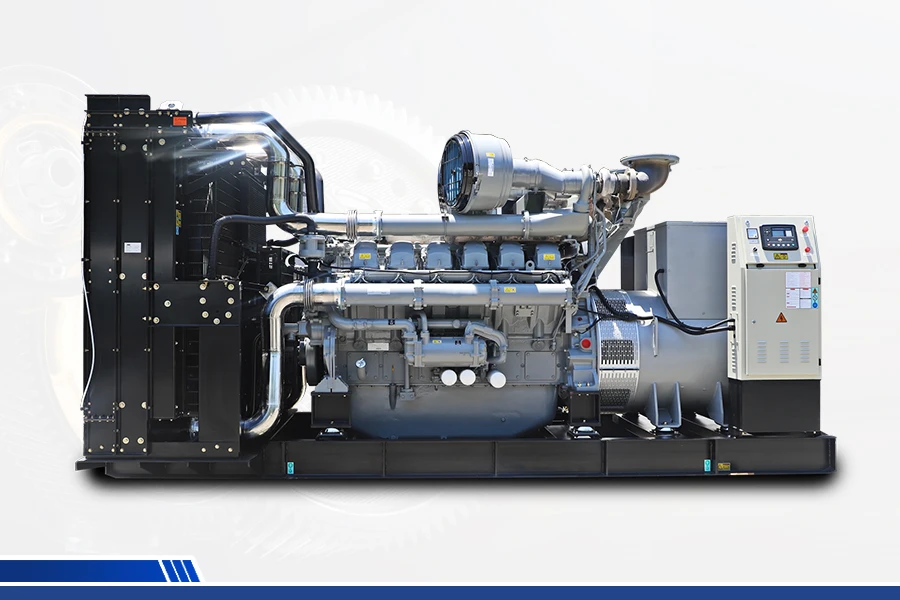
BLOG Megawatts BlogIntroducing the components of a diesel engineIntroducing the components of a diesel engine A diesel generator set is a type of internal combustion generator set and is currently one of the most widely used power generation devices in the world....
 -
Next Post:
 BLOG
Megawatts BlogStop Solenoid Wiring and Testing: A Field Guide for Heavy MachineryWhen heavy machinery refuses to shut down, a faulty stop solenoid is usually the culprit—creating immediate safety hazards and risking severe engine damage. Whether you are troubleshooting a run...
BLOG
Megawatts BlogStop Solenoid Wiring and Testing: A Field Guide for Heavy MachineryWhen heavy machinery refuses to shut down, a faulty stop solenoid is usually the culprit—creating immediate safety hazards and risking severe engine damage. Whether you are troubleshooting a run...
Read More
-
 BLOG
Megawatts BlogStrategic Sourcing: How to Build a Standardized Generator Sets Parts Catalog for Mixed FleetsManaging a mixed fleet of Cummins, Perkins, and Caterpillar generators often creates a hidden financial drain through inventory duplication and fragmented procurement. When different brands use differ...
BLOG
Megawatts BlogStrategic Sourcing: How to Build a Standardized Generator Sets Parts Catalog for Mixed FleetsManaging a mixed fleet of Cummins, Perkins, and Caterpillar generators often creates a hidden financial drain through inventory duplication and fragmented procurement. When different brands use differ... -
 BLOG
Megawatts BlogDiesel Generator Won't Crank: A Step-by-Step Electrical Diagnostic Checklist for MechanicsWhen a diesel generator won't crank, check the electrical system first. Do not chase fuel or mechanical theories yet. Low battery voltage and corroded connections cause most no-start condition calls....
BLOG
Megawatts BlogDiesel Generator Won't Crank: A Step-by-Step Electrical Diagnostic Checklist for MechanicsWhen a diesel generator won't crank, check the electrical system first. Do not chase fuel or mechanical theories yet. Low battery voltage and corroded connections cause most no-start condition calls.... -
 BLOG
Megawatts BlogMagnetic Coil Degradation: Why Your Diesel Engine Stop Solenoid Fails Under Extreme HeatExtreme heat is the primary enemy of a diesel engine stop solenoid. The heat breaks down the electrical insulation inside the magnetic coil. This degradation raises resistance and creates short circui...
BLOG
Megawatts BlogMagnetic Coil Degradation: Why Your Diesel Engine Stop Solenoid Fails Under Extreme HeatExtreme heat is the primary enemy of a diesel engine stop solenoid. The heat breaks down the electrical insulation inside the magnetic coil. This degradation raises resistance and creates short circui... -
 BLOG
Megawatts BlogThe Hidden Cost of Expired Inventory: Shelf Life and Proper Storage of Rubber Gasket Seal KitsA gasket seal kit sits untouched for five years. You paid for it. Now you pay to dispose of it. When a failure occurs, you pay a premium for emergency replacement. These hidden costs accumulate silent...
BLOG
Megawatts BlogThe Hidden Cost of Expired Inventory: Shelf Life and Proper Storage of Rubber Gasket Seal KitsA gasket seal kit sits untouched for five years. You paid for it. Now you pay to dispose of it. When a failure occurs, you pay a premium for emergency replacement. These hidden costs accumulate silent...
Subscribe to enjoy 10% off
Stay informed about new products and sales

-
INFORMATION
Contact Us
-
CHINA SALES OFFICE: No. 2-11, No. 8, Gaotai Road, Gaishan Investment Zone, Cangshan District, Fuzhou, Fujian
-
SAUDI ARABIA FACTORY: 7264 Shakra, Al Faisaliyyah, REFB3035, 3035, Riyadh 12883
-
COLOMBIA SALES OFFICE: 92-32 26th Street, 03-118, Bogota
-
NIGERIA FACTORY: Plot 5 Chivita Avenue Ajao Estate Isolo Lagos
-
Email:sales@megawattsparts.com
Follow Us


Copyright © 2025 Megawatts All Rights Reserved.



Select Previous Button or Search Directly on Search Bar!
Shop All
 English
Currency: <{ pagedata.current_currency }>(<{ pagedata.current_currency_code }>)
Are you in the right place?

You agree to MegaWatts.com's Terms of Use and Privacy Policy by subscribing. You may receive emails with useful tips, promotions, and offerings.
No, thanks. I'd rather pay full price.