





































The True Cost of Genset Downtime: How to Build a Tiered Spare Parts Inventory for Industrial Facilities
by Megawatts - Updated At 2026-08-06
Unscheduled power outages cost manufacturing plants up to tens of thousands of dollars per hour. Commercial operations face severe financial damage during unexpected blackout events. The equipment stops suddenly. Critical production cycles fail instantly. Industrial facility directors must mitigate this operational threat effectively.
A structured 3-tier genset spare parts inventory framework provides the ultimate solution. This systematic methodology eliminates the risk of costly downtime completely. Facilities maintain emergency readiness without overstocking expensive components.
Modern power generation facilities require a proactive maintenance approach. Plant managers balance immediate grid reliability against working capital requirements. Storing the right hardware on-site optimizes cash flow while protecting daily facility operations.

Quantifying the Financial Impact of Unscheduled Genset Downtime
Direct Costs of Interrupted Operations and Ruined Work-in-Progress
Power outages bring automated industrial assembly lines to an immediate halt. Sudden electrical grid failures disrupt controlled chemical reactions, precision metal machining, and automated packaging lines instantly. Industrial facilities must completely discard contaminated raw materials, damaged work-in-progress, and compromised product batches following an unannounced blackout event.
Production staff remain entirely idle throughout the total duration of the power interruption. Facility managers must continue paying full scheduled worker wages despite receiving zero operational output. These direct operational losses compound rapidly with every lost production hour, directly eroding the company's daily revenue and net profit margins.
Indirect Expenses from Expedited Shipping and Emergency Service Fees
Resolving emergency generator failures without on-site spare parts creates substantial procurement expenses. Sourcing teams must pay steep transport premiums for priority air freight handling and fast courier services. These urgent logistics charges expand routine facility maintenance budgets far beyond initial quarterly projections.
Emergency technical service dispatches further increase total repair expenditures. Certified generator service technicians charge elevated hourly labor rates for off-hours dispatch, weekend calls, and emergency diagnostic visits. Facilities pay substantial premium service charges simply to bring qualified external support teams onto the industrial job site during a crisis.
Equipment Damage and Wear Resulting from Uncontrolled Shutdowns
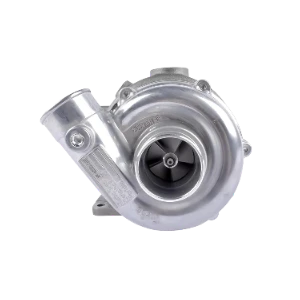
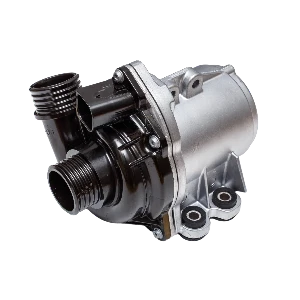
Abrupt electrical load disruptions severely stress primary backup power generation facilities. A sudden engine stop under heavy load prevents essential post-operation cool-down cycles from completing properly. Trapped engine heat damages sensitive electronic generator control units, monitoring sensors, and critical turbocharger bearing housings.
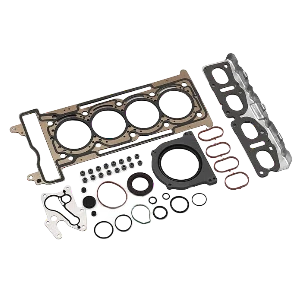
Repeated full-load emergency stops induce severe thermal shock across internal mechanical assemblies. Heavy-duty engine pistons, cylinder liners, cylinder head gaskets, and exhaust manifolds suffer accelerated wear and micro-cracking over time. This cumulative mechanical hardware damage drastically shortens overall engine lifespan and increases total downtime frequency.
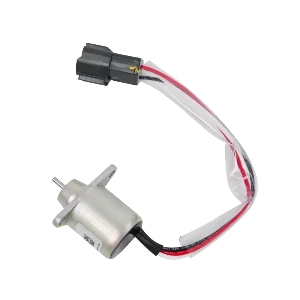
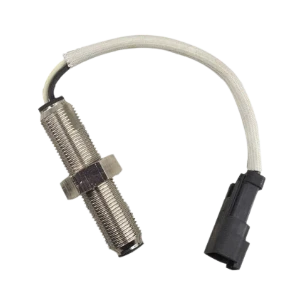
To safely manage grid failures and ensure a clean fuel shutoff before this catastrophic thermal shock occurs, maintaining a highly responsive Stop Solenoid is an absolute necessity for industrial plants.
The 3-Tier Genset Spare Parts Inventory Framework

Industrial plants require a structured genset spare parts inventory to secure power reliability. Organizing components into distinct operational tiers optimizes spare parts inventory management. Facility managers can store high-risk components immediately while avoiding overstocking in the primary spare parts warehouse.
Tier 1: On-Site Critical Spare Parts for Emergency Readiness
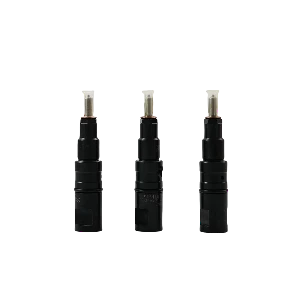
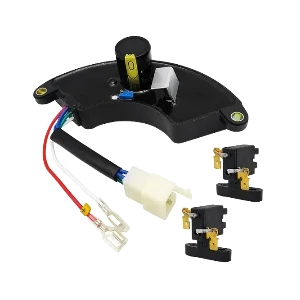
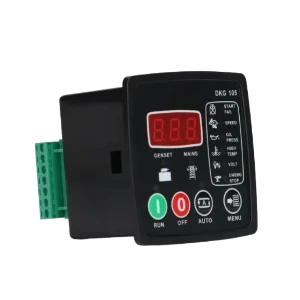
Tier 1 contains critical spare parts with long procurement lead times that directly cause immediate system shutoffs. These components include Generator AVR, engine control units, fuel injectors, and actuators. Facility directors must keep these items stocked directly inside the on-site spare parts warehouse to guarantee immediate availability during emergency power events. Storing critical replacement assemblies on-site guarantees rapid system restoration.
Related Reading: Curious why AVR inventory is non-negotiable? Read our breakdown on The Silent Killer: How a Faulty AVR (Automatic Voltage Regulator) Destroys Your Electronics to understand the catastrophic risks of voltage spikes.
Emergency startup failures often originate from specific electromechanical subsystems. Industrial operators frequently experience sudden startup errors caused by two main failure points:
- Batteries: Natural degradation over time, charge depletion during extended standby periods, and cold ambient conditions cause severe performance drops.
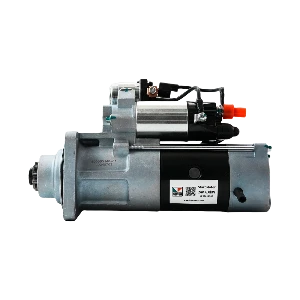
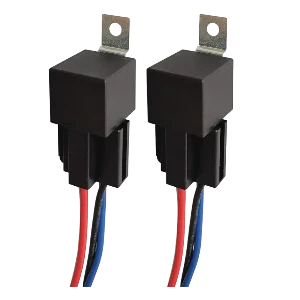
- Electrical Starter Motor Systems: Relays, electrical wiring, and control circuitry suffer from operational vibration, humidity, dust accumulation, and environmental corrosion.
- Keeping functional replacement starters, relays, and fully charged batteries nearby ensures instant recovery when primary grid power vanishes unexpectedly.
Tier 2: Essential Maintenance Spares and Reorder Thresholds
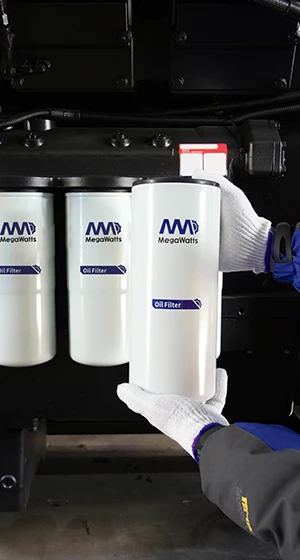
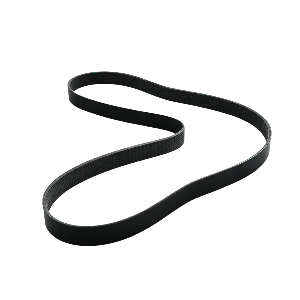
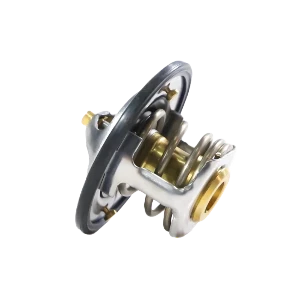
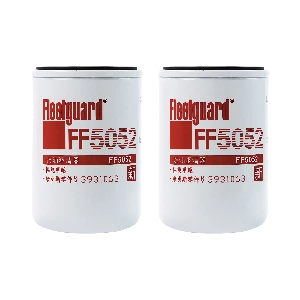
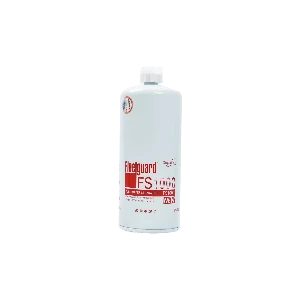
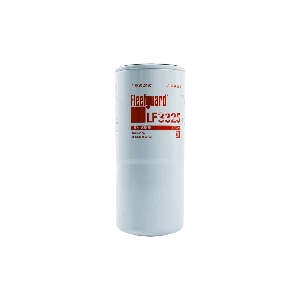
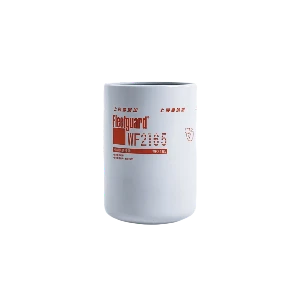
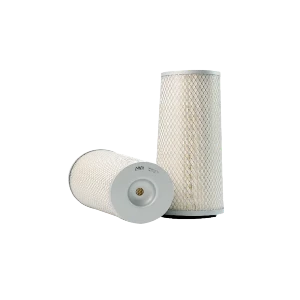
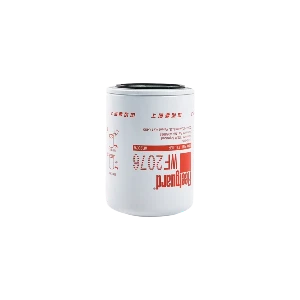
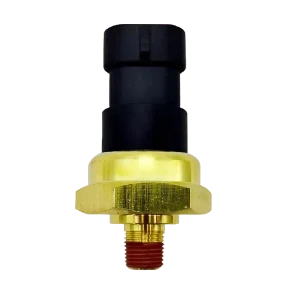
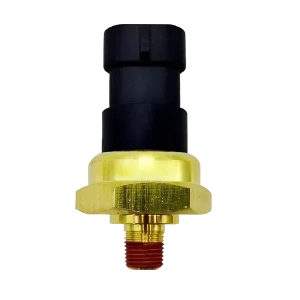
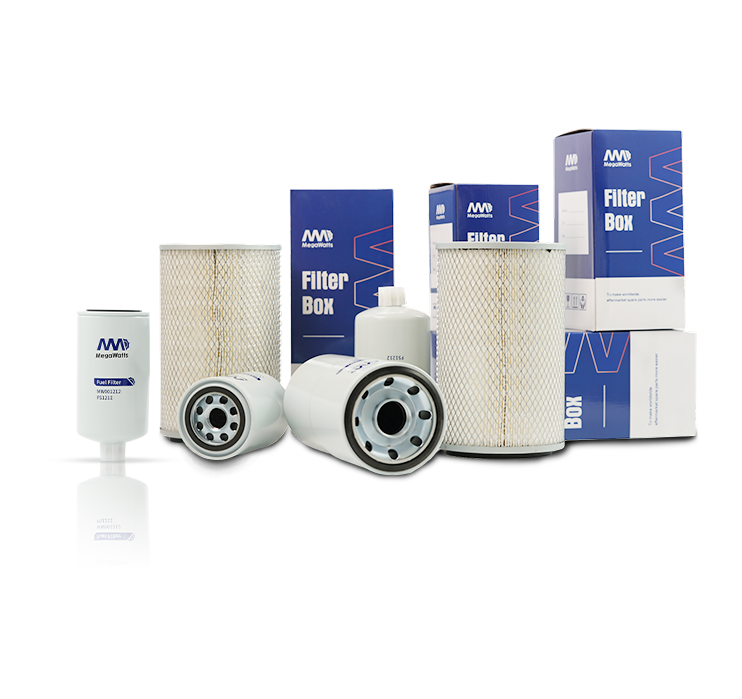
Tier 2 encompasses essential routine consumables needed for standard engine upkeep. Scheduled maintenance requires dedicated replacement stock tied strictly to cumulative operating hours. Key components include lube oil filters, fuel-water separators, heavy-duty air filters, drive belts, spark plugs, and coolant temperature sensors.
Facility technicians track run-time hours using digital monitoring systems to anticipate wear. Logging cumulative operating hours ensures timely procurement before component failure occurs. Sourcing these items before reaching critical engine operating thresholds prevents forced shutdowns caused by clogged filtration media or snapped belts. Keeping these standard consumables ready reduces routine maintenance delays.
Tier 3: Non-Critical Items and Supplier-Managed Hardware
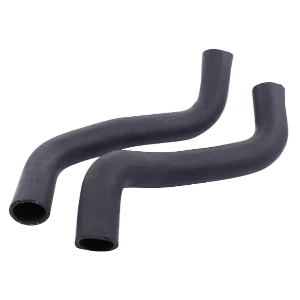
Tier 3 focuses on non-critical structural elements and standard hardware items. These components include generic mounting brackets, standard coolant hoses, exhaust clamps, and non-essential enclosure panels. Local distributors manage these items easily without forcing facilities to expand their local spare parts warehouse.
Plant managers can optimize their operational budgets by sourcing genuine parts or OEM-spec aftermarket alternatives. Global suppliers like Megawatts Parts offer reliable replacement components engineered for international engine brands, including Caterpillar, Cummins, Perkins, Deutz, and Volvo. High-quality aftermarket solutions yield matching performance while lowering expenses across a fleet.
|
Metric / Aspect |
OEM Generator Parts |
High-Quality Aftermarket Parts |
|
Cost Differences |
Base pricing; significantly higher overall cost |
Typically lower cost; reduces maintenance expenses by 20% to 50% |
|
Quality Standards |
Guarantees exact factory engineering specifications |
Quality varies by brand; reputable options match exact specs |
|
Warranty Impact |
Preserves original manufacturer factory warranties and support |
Coverage depends on vendor; suitable for non-critical or older equipment |
Original equipment items frequently cost double or triple compared to high-grade aftermarket options. Reputable aftermarket options utilize matching metallurgy, surface finishes, bore tolerances, and heat treatments to match factory seal compatibility. Furthermore, new aftermarket parts feature a 1-year warranty, whereas rebuilt options include a 6-month warranty. Sourcing these alternatives establishes a resilient genset spare parts inventory that balances operational readiness against capital investment.
Best Practices for Industrial Spare Parts Management
Auditing Genset Assets and Integrating OEM Recommendations
Structured asset audits improve spare parts inventory management across heavy industrial operations. Technical plant teams evaluate baseline operational risks across primary power generation facilities. Engineers systematically catalog engine nameplates, cumulative operating hours, ambient operating conditions, and historical failure trends during every formal facility review.
Reviewing original equipment manufacturer manuals aligns daily maintenance routines with original factory engineering specifications. Facility directors update primary stocking lists stored inside the local spare parts warehouse accordingly. This rigorous audit process prevents unexpected component wear, eliminates redundant stock items, and resolves hidden inventory accuracy issues effectively.
Utilizing CMMS and Digital Tracking for Reorder Alerts
Modern facility directors deploy digital tracking platforms to strengthen overall spare parts management. Computerized software calculates dynamic reorder thresholds using the simple formula: Average Daily Usage × Supplier Lead Time + Safety Stock Buffer. Linking scheduled maintenance work orders directly to physical stock balances provides plant engineers with complete real-time stock visibility.
Digital tracking enhances inventory accuracy across every scheduled maintenance shift. Computerized software streamlines digital parts purchasing through three structured workflow processes:
- Direct Material Linkage: Active work orders specify exact hardware part requirements upfront to enable precise procurement.
- Autonomous Replenishment: Requisitions generate automatically when stored stock drops below calculated reorder thresholds.
- Vendor Delivery Monitoring: Tracking actual supplier lead times continuously refines dynamic reorder parameters.
Standardizing Replacement Components Across Engine Fleets
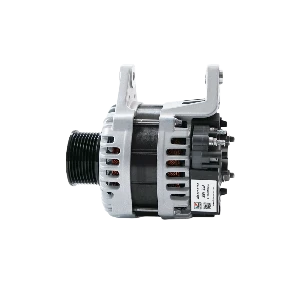
Operating diverse backup generator models increases overall inventory management complexity significantly across industrial plants. Standardizing common filter media, temperature sensors, electrical control modules, and heavy-duty charging components like the alternator simplifies routine maintenance tasks. Facility staff organize these unified components inside the primary spare parts warehouse efficiently .Fleet standardization transforms spare parts inventory management into a highly disciplined, cost-effective plant operation. Consolidating cross-compatible hardware optimizes total inventory management expenditure across multiple industrial power assets. Maintaining an organized spare parts warehouse strengthens total inventory accuracy while securing uninterrupted facility power generation.
Optimizing Carrying Costs via Strategic Supplier Partnerships

Balancing Working Capital and Carrying Cost Reductions
Storing excess heavy machinery stock severely restricts available cash flow. Industry benchmarks place standard annual inventory carrying costs between 20% and 30% of total inventory value. Facility managers must control these recurring holding expenses without increasing downtime risk across critical industrial operations. Implementing a structured tiered approach reduces overall carrying costs by 20% to 35% without compromising power reliability.
Targeted classification methods allow plant directors to optimize working capital expenditure efficiently. The table below details expected financial savings resulting from structured inventory optimization strategies:
|
Optimization Approach |
Specific Application |
Expected Reduction in Total Carrying Costs |
|
ABC Analysis / Tiered Classification |
Categorizing inventory to focus control on high-value components |
5% – 15% |
|
Combined Optimization Strategies |
Applying tiered structures alongside forecasting, VMI, and JIT |
10% – 30% |
Effective inventory management balances immediate operational safety against ongoing holding fees. Storing only high-priority emergency hardware inside the physical spare parts warehouse frees substantial liquid capital for core business growth and facility modernization.
Leveraging Global Distributors for Fast OEM and Aftermarket Sourcing
Establishing direct strategic partnerships with global distributors simplifies modern supply chain operations. Reliable global suppliers like Megawatts Parts maintain extensive distribution networks featuring fast dispatch within two business days. Rapid order fulfillment guarantees consistent parts availability while allowing industrial facilities to maintain a small spare parts warehouse footprint.
Live technical support further streamlines routine procurement activities. Experienced technical advisors assist plant maintenance teams with precise component matching across major international engine brands, including Caterpillar, Cummins, Perkins, Deutz, and Volvo. Industrial facilities store critical emergency components directly inside their local spare parts warehouse while depending on trusted global stockholding hubs for secondary replacement hardware.
Adopting this lean supply model optimizes overall spare parts inventory management and keeps dynamic genset spare parts inventory balances aligned with actual operational needs. Facility managers maintain maximum operational readiness without overcrowding the primary spare parts warehouse. Modern digital tracking combined with strong supplier partnerships secures long-term power generation stability across demanding industrial applications.
Moving from reactive procurement to a tiered genset spare parts inventory delivers clear financial control and operational reliability. Facilities eliminate unexpected downtime risks without holding excess working capital. Plant directors should immediately conduct a comprehensive CMMS audit to evaluate baseline maintenance metrics, targeting a Preventive Maintenance Compliance rate of 95%+. Next, engineering teams must complete a fleet standardization assessment across all power generation facilities. Standardizing key hardware improves real-time inventory accuracy and streamlines routine daily operations. Plant managers should consult with trusted global spare parts suppliers like Megawatts Parts today to review backup power readiness and secure continuous industrial operations.
FAQ
Which genset parts should industrial facilities keep on-site permanently?
Facilities must stock critical Tier 1 components with long procurement lead times on-site. These include automatic voltage regulators, engine control units, fuel injectors, actuators, starting Motor assemblies, and replacement batteries. Storing these parts locally guarantees rapid power restoration during sudden emergency outages.
How does a tiered spare parts inventory lower operational carrying costs?
Categorizing components into structured tiers prevents overstocking expensive hardware. Facilities retain high-risk emergency spares locally while relying on fast supplier dispatch for secondary items. This strategy reduces overall inventory carrying costs by 20% to 35% without increasing operational downtime risk.
Are high-quality aftermarket generator parts reliable for industrial engines?
Yes. Reputable OEM-spec aftermarket components match original factory engineering specifications, metallurgy, and manufacturing tolerances. Sourcing high-quality aftermarket parts yields matching operational performance while reducing maintenance expenses across engine fleets. New aftermarket options often include a 1-year warranty for added reliability.
How fast can facility managers receive replacement hardware from global distributors?
Leading global distributors like Megawatts Parts provide fast order dispatch within two business days. Furthermore, live technical support helps maintenance teams verify exact component compatibility across major international engine brands quickly.
Previous And Next
-
Previous Post:
 BLOG
BLOG Megawatts BlogIntroducing the components of a diesel engineIntroducing the components of a diesel engine A diesel generator set is a type of internal combustion generator set and is currently one of the most widely used power generation devices in the world....
 -
Next Post:
 BLOG
Megawatts BlogHigh Coolant Temp Combined With Low Oil Pressure: Diagnosing Interconnected Cooling and Lubrication System FailuresWhen your dashboard suddenly illuminates with simultaneous warnings for low oil pressure and high coolant temperature, your heavy-duty engine has entered a critical danger zone. This dual failure is r...
BLOG
Megawatts BlogHigh Coolant Temp Combined With Low Oil Pressure: Diagnosing Interconnected Cooling and Lubrication System FailuresWhen your dashboard suddenly illuminates with simultaneous warnings for low oil pressure and high coolant temperature, your heavy-duty engine has entered a critical danger zone. This dual failure is r...
Read More
-
 BLOG
Megawatts BlogThe Hidden Cost of Expired Inventory: Shelf Life and Proper Storage of Rubber Gasket Seal KitsA gasket seal kit sits untouched for five years. You paid for it. Now you pay to dispose of it. When a failure occurs, you pay a premium for emergency replacement. These hidden costs accumulate silent...
BLOG
Megawatts BlogThe Hidden Cost of Expired Inventory: Shelf Life and Proper Storage of Rubber Gasket Seal KitsA gasket seal kit sits untouched for five years. You paid for it. Now you pay to dispose of it. When a failure occurs, you pay a premium for emergency replacement. These hidden costs accumulate silent... -
 BLOG
Megawatts BlogCombating Diesel Bug: How Your Fuel Water Separator Filter Prevents Sludge and Microbial GrowthHave you noticed your engine struggling to start, fuel filters clogging more often, or dark sludge in the fuel system? These symptoms indicate diesel bug—microbial contamination that thrives on...
BLOG
Megawatts BlogCombating Diesel Bug: How Your Fuel Water Separator Filter Prevents Sludge and Microbial GrowthHave you noticed your engine struggling to start, fuel filters clogging more often, or dark sludge in the fuel system? These symptoms indicate diesel bug—microbial contamination that thrives on... -
 BLOG
Megawatts BlogComplete Water Pump Assemblies vs. Pressing Bearings: The Most Cost-Effective Repair StrategyFor most drivers and equipment operators, complete water pump assemblies are the most cost-effective repair for the engine's cooling system. When deciding between a full water pump replacement or pres...
BLOG
Megawatts BlogComplete Water Pump Assemblies vs. Pressing Bearings: The Most Cost-Effective Repair StrategyFor most drivers and equipment operators, complete water pump assemblies are the most cost-effective repair for the engine's cooling system. When deciding between a full water pump replacement or pres... -
 BLOG
Megawatts BlogWinter Emergencies: Why Your Diesel Generator Won't Crank in Sub-Zero TemperaturesDarkness descends as a relentless blizzard knocks out power. You shuffle to the unit, press the start button, and hear a single sluggish click. Your generator won't crank. In sub-zero temperatures, th...
BLOG
Megawatts BlogWinter Emergencies: Why Your Diesel Generator Won't Crank in Sub-Zero TemperaturesDarkness descends as a relentless blizzard knocks out power. You shuffle to the unit, press the start button, and hear a single sluggish click. Your generator won't crank. In sub-zero temperatures, th...
Subscribe to enjoy 10% off
Stay informed about new products and sales

-
INFORMATION
Contact Us
-
CHINA SALES OFFICE: No. 2-11, No. 8, Gaotai Road, Gaishan Investment Zone, Cangshan District, Fuzhou, Fujian
-
SAUDI ARABIA FACTORY: 7264 Shakra, Al Faisaliyyah, REFB3035, 3035, Riyadh 12883
-
COLOMBIA SALES OFFICE: 92-32 26th Street, 03-118, Bogota
-
NIGERIA FACTORY: Plot 5 Chivita Avenue Ajao Estate Isolo Lagos
-
Email:sales@megawattsparts.com
Follow Us


Copyright © 2025 Megawatts All Rights Reserved.



Select Previous Button or Search Directly on Search Bar!
Shop All
 English
Currency: <{ pagedata.current_currency }>(<{ pagedata.current_currency_code }>)
Are you in the right place?

You agree to MegaWatts.com's Terms of Use and Privacy Policy by subscribing. You may receive emails with useful tips, promotions, and offerings.
No, thanks. I'd rather pay full price.