




































Caterpillar C15 Engine Rebuilds: Preventing Valve Train Wear and Head Gasket Blowouts Under Heavy Loads
by Megawatts - Updated At 2026-08-04
Heavy-duty operations subject the Caterpillar C15 platform to extreme thermal stress and cylinder pressure, frequently leading to deck movement and catastrophic head gasket failure. To combat these recurring issues, fleet managers and master mechanics rely on a meticulous Caterpillar C15 engine rebuild. By enforcing strict linear projection tolerances, utilizing proper torque protocols, and installing precision-engineered components from Megawatts Parts, you can effectively shield your engine against severe valve train wear and restore total operational reliability.
Root Causes of Head Gasket Failure in Heavy Loads
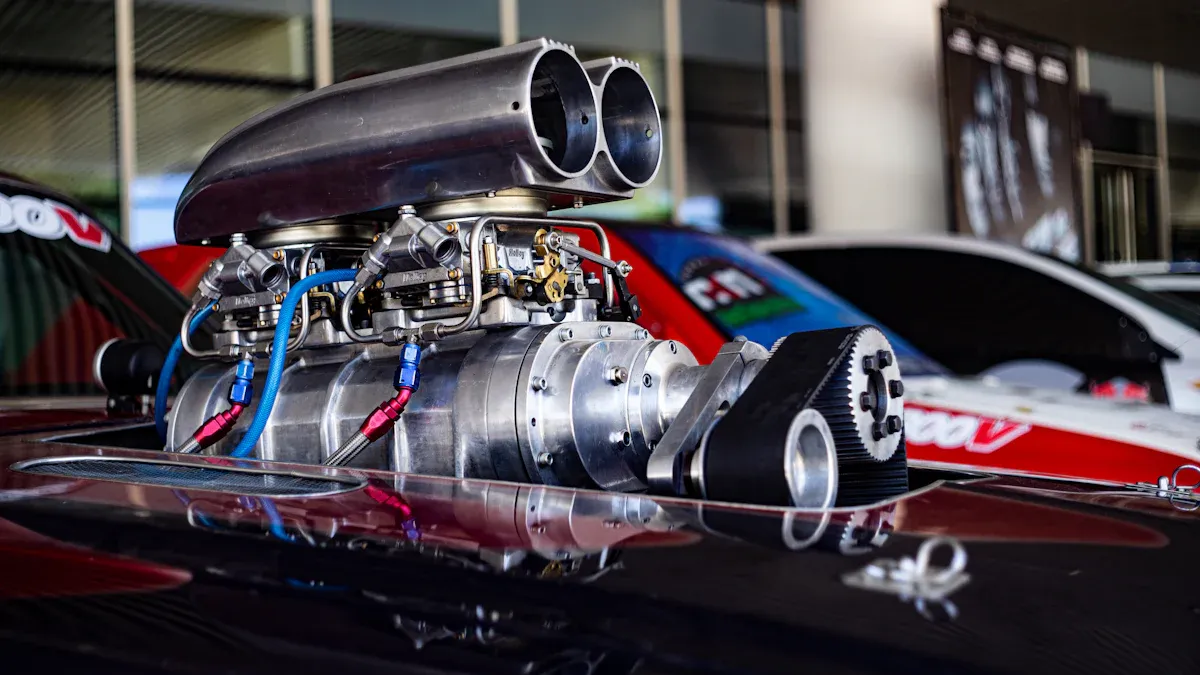
Heavy operations place significant stress on mechanical components. Identifying root causes prevents head gasket failure under severe engine operating conditions.
Liner Protrusion and Counterbore Depth Errors
Incorrect liner height alters clamping force uniformity across the engine deck. Unseated liners move during operation, wearing down mating counterbores. This movement causes the liner to drop, reducing critical fire ring compression.
|
Protrusion Condition |
Impact on Clamping Force |
Effect on Fire Ring Sealing |
|
Too Low |
Reduces clamping force |
Allows combustion gases to escape into coolant passages |
|
Too High |
Creates an uneven load |
Causes localized gasket crushing and premature stress |
Standard liner projection must remain between 0.0024 and 0.0071 inches. Deviations outside these limits create severe head gasket problems.
Head Deformation and Loss of Gasket Crush
Severe thermal stress degrades deck flatness over time. Continuous heavy-duty cycles generate extreme heat, causing localized structural expansion in each diesel engine. This thermal deformation reduces the squashing force on the gasket fire ring. Consequently, combustion gases channel directly into coolant galleries.
Technical Tip: Always inspect cylinder head decks for warping before reassembly. A lost gasket crush guarantees seal breakdown.
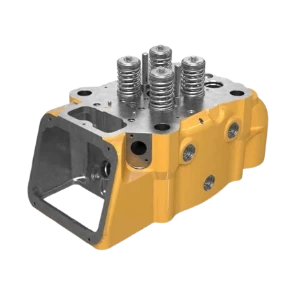
If severe thermal warping is detected, explore our premium Cylinder Heads Components to find reliable replacement parts that ensure perfect deck flatness and permanent fire ring sealing.
Torque Decay and Reusing Stretched Bolts
Reusing worn fasteners compromises engine clamping load. Cylinder head bolts feature a Torque-To-Yield design. These hardware items permanently stretch past their elastic limit during initial torque sequences.
Re-installing deformed bolts causes significant technical issues:
- Decreased overall clamping force across the deck
- Non-uniform gasket load distribution
- Accelerated fastener fatigue during thermal expansion
IVA Deletion and Peak Cylinder Pressure Spikes
Modifying Intake Valve Actuators on the C15 ACERT platform creates dangerous pressure spikes. Factory IVA systems regulate internal cylinder pressure. Removing these actuators elevates peak combustion force dramatically.
This pressure increase accelerates structural wear on a heavy-duty Cat C15 diesel engine. Uncontrolled pressure spikes directly trigger sudden head gasket failure on the C15 ACERT. Mechanics performing a complete engine rebuild must carefully evaluate cylinder pressure dynamics to protect the C15 ACERT under severe operational loads.
Diagnostic Signs of Wear in Your Cat C15
Early detection prevents catastrophic mechanical failure on high-mileage power units. Operators must monitor key performance indicators to identify internal damage before initiating a full engine rebuild.
Cooling System Pressurization and Gas Intrusion
Combustion gas intrusion into the cooling system represents a classic symptom of a blown head gasket. Standard cooling systems typically operate at around 4 to 6 PSI. Severe head gasket failure causes rapid pressurization that forces exhaust gases past the fire ring.
Key physical indicators point to gas entering the cooling circuit:
- Bubbling in the coolant expansion/overflow tank was caused by exhaust gases displacing fluid
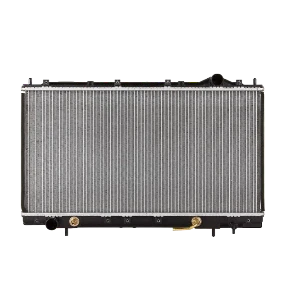
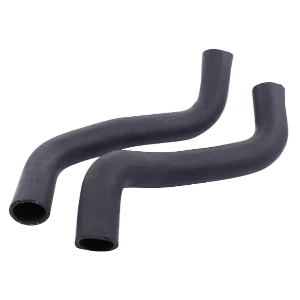
- Excessive radiator hose expansion/swelling due to high-pressure gas intrusion into the cooling lines
- Exhaust steam and coolant degradation, which manifests as white steam exiting the tailpipe when exhaust paths are contaminated
A system pressure test provides clear confirmation. Technicians rev the cat C15 to the top RPM and immediately drop to idle. A sudden pressure spike exceeding the maximum rated limit set by the radiator cap indicates severe seal failure.
Related Reading: If you suspect gas leaks extending beyond the cylinder head, check out our comprehensive guide on Understanding Generator Exhaust Systems, Manifold Gaskets, and Leak Prevention for advanced diagnostic steps.
Valve Train Noise, Chatter, and Misfires
Heavy thermal cycles cause overhead components to degrade quickly. The c15 acert platform relies on precise valve actuation to maintain peak power under load. Worn rocker arms, loose bridge adjustments, and fatigued valve springs generate distinct metallic chatter.
Technical Advisory: Excessive valve train clearance disrupts combustion timing. Unchecked overhead wear creates power loss and cylinder misfires across the diesel engine.
Oil Contamination and Accelerated Guide Clearance
Coolant leaking past the fire ring contaminates the engine oil supply. Diluted oil loses its lubricating properties, accelerating guide wear and valve stem scuffing. Mechanics inspecting the C15 ACERT often discover sludged oil under the valve cover.
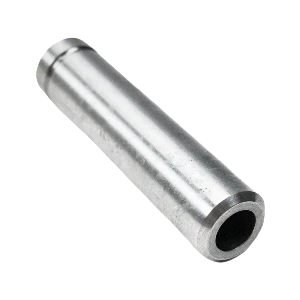
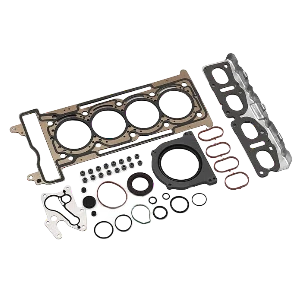
Addressing these head gasket problems early stops secondary damage to internal bearings. Severe valve guide play causes uneven seat contact, driving total valve train failure. Mechanics can protect the diesel engine and restore precise combustion timing by upgrading to heavy-duty Valves and Valve Guides during routine maintenance cycles.
Critical Steps for a Caterpillar C15 Engine Rebuild
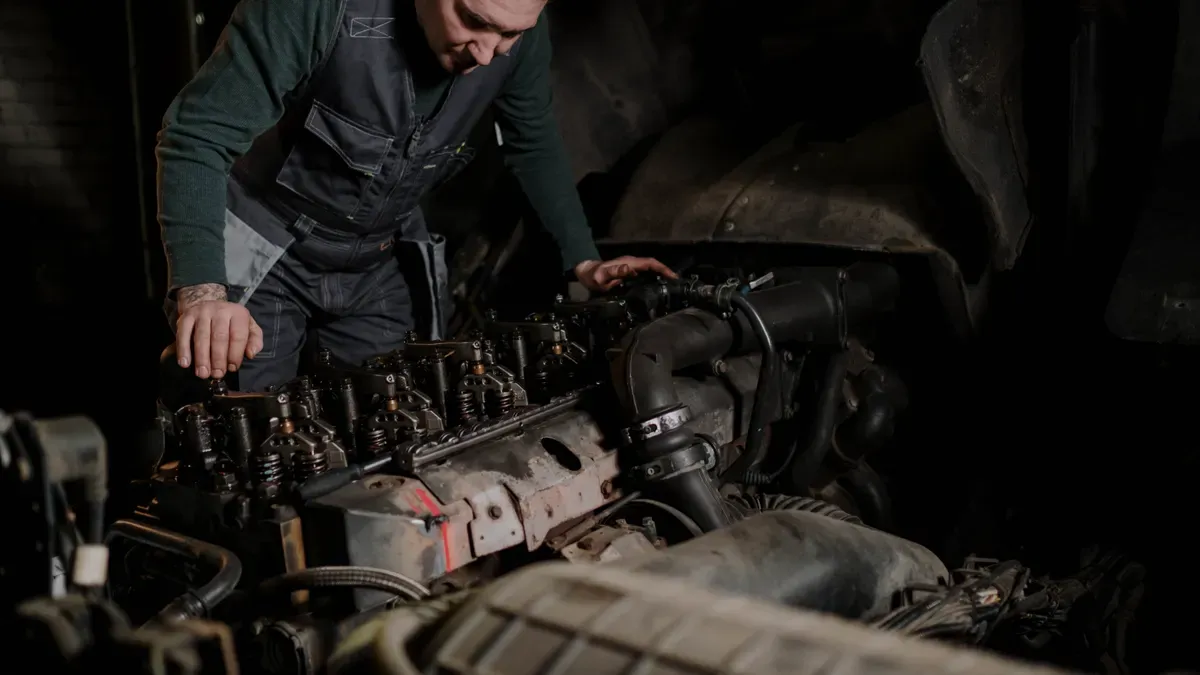
A successful Caterpillar C15 engine rebuild requires absolute mechanical precision. Technicians must strictly follow detailed procedures during reassembly to ensure optimal engine performance under heavy operating loads.
Measuring and Adjusting Cylinder Liner Height
Correct liner protrusion guarantees equal clamping force across the entire cylinder block. Technicians must clean all deck surfaces completely before measuring liner height. Dial indicators mounted on hold-down fixtures measure liner projection at four distinct points around each cylinder bore.
Technical Advisory: Always measure protrusion without rubber seals installed. Raw measurements prevent reading errors caused by uneven O-ring resistance.
|
Step |
Action Required |
Target Specification |
|
1 |
Torque liner hold-down bolts |
50 lb-ft (68 Nm) |
|
2 |
Measure protrusion at 4 points |
0.0024 to 0.0071 inches |
|
3 |
Check variation between adjacent points |
Maximum 0.001 inch variance |
|
4 |
Verify maximum variation across all liners |
Maximum 0.002 inch variance |
Uneven liner height leads directly to component failure. Installing shims under the liner flange adjusts low projections back into exact Caterpillar tolerance limits.
Deck Surfacing and Counterbore Shim Installation
Continuous thermal stress warps the top deck surface of the cylinder block over time. Mechanics must counterbore damaged block surfaces using portable precision milling cutters. Cutting counterbores restores flat ledges for the cylinder liners.
Counterbore Machining Protocol:
- Measure counterbore depth at four cross-wise locations.
- Machine damaged the ledge until the surface is clean and level.
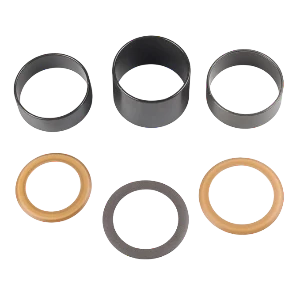
- Install stainless steel counterbore shims to restore height.
- Verify parallel seating across all six cylinder decks.
Selecting top-grade replacement parts protects your investment during an out-of-frame overhaul. Operators can source precision cylinder liners, piston kits, bearings, and valve train hardware from Megawatts Parts. These high-performance components match OEM specifications to handle extreme heat and combustion pressures inside every heavy-duty diesel engine.
Upgrading Valve Train Hardware and Actuators
Heavy thermal loads wear out stock rocker arms, bridge guides, and valve springs rapidly. Upgrading valve train assemblies prevents overhead clearance drift and timing errors on the C15 ACERT.
Mechanics must inspect oil feed galleries leading to the variable valve actuators. Clogged passages restrict pressure, causing slow response times and overhead chatter. Installing fresh actuators along with heavy-duty bridge guides stops premature scuffing on the C15 ACERT platform. Simply purchasing a new head gasket without addressing valve train wear will not stop long-term overhead degradation.
Torque Sequences and Thread Lubrication Protocols
Proper torque execution ensures uniform head clamping load without distorting internal threads. Technicians must use brand-new, high-strength Fasteners during every complete engine rebuild cycle to guarantee maximum clamping force and prevent torque decay.
Head Bolt Torque Sequence Protocol:
- Stage 1: Apply clean engine oil to bolt threads and washer seats.
- Stage 2: Tighten bolts 1 through 26 in numerical order to 200 lb-ft (270 Nm).
- Stage 3: Repeat numerical order, tightening bolts 1 through 26 to 200 lb-ft (270 Nm).
- Stage 4: Turn all bolts 1 through 26 an additional 120 degrees in numerical order.
- Stage 5: Tighten smaller 3/8-inch bolts to 41 lb-ft (55 Nm).
Clean threads prevent false torque readings caused by friction. Applying fresh lubricant to bolt flanges allows fasteners to stretch evenly. This precise procedure secures the head assembly on your Cat C15 and shields the diesel engine against future blowouts.
Financial ROI: In-Frame vs Out-of-Frame Rebuild
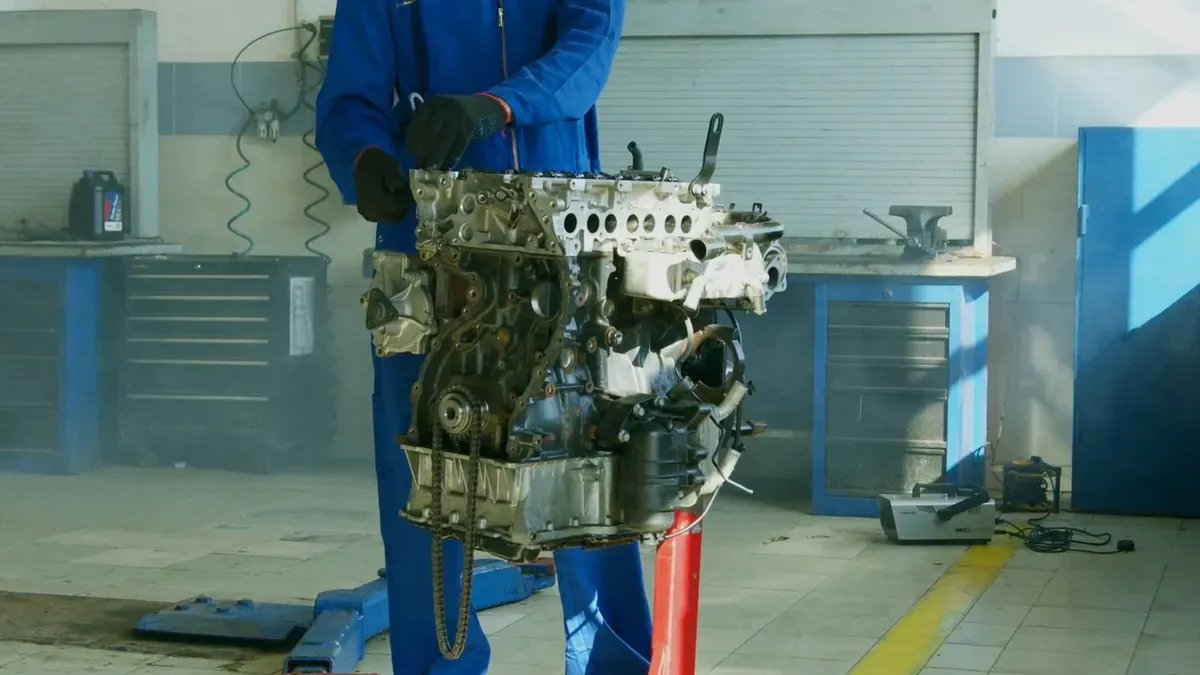
Selecting the correct service strategy directly affects long-term operating costs. Fleet managers must evaluate labor hours against potential downtime risk when servicing a Caterpillar machine.
Labor Hours and Secondary Teardown Risk
An In-Frame option addresses localized component failures without removing the block. However, an Out-of-Frame overhaul provides complete access to all internal components. Initial costs differ significantly between these options.
|
Rebuild Type |
Cost Range |
Average Cost |
|
In-Frame Rebuild |
$18,000 – $28,000 |
$23,000 |
|
Out-of-Frame Rebuild |
$30,000 – $45,000 |
$37,500 |
|
Cost Difference |
N/A |
$14,500 |
Simply purchasing a new head gasket often resolves immediate leaks. However, this temporary fix leaves worn bottom-end hardware untouched. Re-opening a damaged diesel engine months later doubles total labor expenses.
Replacing Bearings and Rods in One Pass
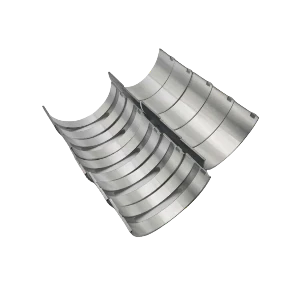
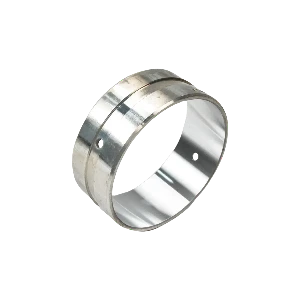
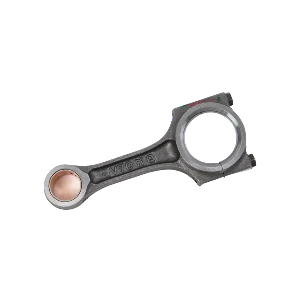
A complete C15 ACERT restoration requires servicing top-end and bottom-end components simultaneously. Replacing wrist pin bushings, connecting rods, and main bearings in a single pass eliminates secondary teardown risks. A complete engine rebuild restores full factory performance across all cylinders.
Technical Tip: Lower-end bearing failure after a top-end refresh remains a frequent cause of catastrophic block destruction under heavy loads.
Total Cost of Ownership and Fleet Reliability
A full out-of-frame overhaul maximizes long-term equipment availability. Purchasing complete internal rebuild kits directly from Megawatts Parts provides a cost-effective solution for fleet operators. Megawatts Parts supplies precision cylinder liners, piston kits, and valve hardware meeting exact OEM standards. Investing in premium components protects every engine, lowering the total cost of ownership for your diesel engine fleet.
A successful Caterpillar C15 engine rebuild demands absolute mechanical precision, from setting exact liner protrusion to upgrading critical valve train hardware. By replacing lower-end bearings and top-end components in a single, comprehensive pass, fleet managers can avoid redundant labor costs and significantly reduce the risk of future mechanical breakdowns. Protect your rebuild investment and maximize long-term durability—source your OEM-standard replacement parts from Megawatts Parts today to keep your C15 ACERT performing reliably under the heaviest loads.
FAQ
What causes head gasket failure in severe heavy-duty operations?
Thermal stress warps the block deck and degrades counterbores. Reduced liner protrusion decreases fire ring crush. This movement allows combustion gases to escape into coolant passages, directly causing head gasket failure on the Cat C15 platform.
Technical Advisory: Always measure counterbore depth before assembling the top end to ensure proper deck height.
Can you reuse original head bolts during a C15 ACERT overhaul?
Never reuse original head bolts. These fasteners feature a torque-to-yield design and stretch permanently during installation. Reusing stretched hardware decreases clamping load and leads to catastrophic component failure inside the engine.
How do mechanics adjust cylinder liner protrusion during a Caterpillar C15 engine rebuild?
Technicians clean the deck and measure the projection at four points using dial indicators. Installing stainless steel shims underneath the liner ledge corrects low measurements. Proper height ensures equal clamping force across all cylinders during a Caterpillar C15 engine rebuild.
Why choose an out-of-frame overhaul instead of an in-frame repair?
An out-of-frame rebuild allows full block machining and total lower-end bearing replacement. Installing new connecting rods and main bearings during a complete overhaul eliminates future teardown risks and lowers total operational costs.
Previous And Next
-
Previous Post:
 BLOG
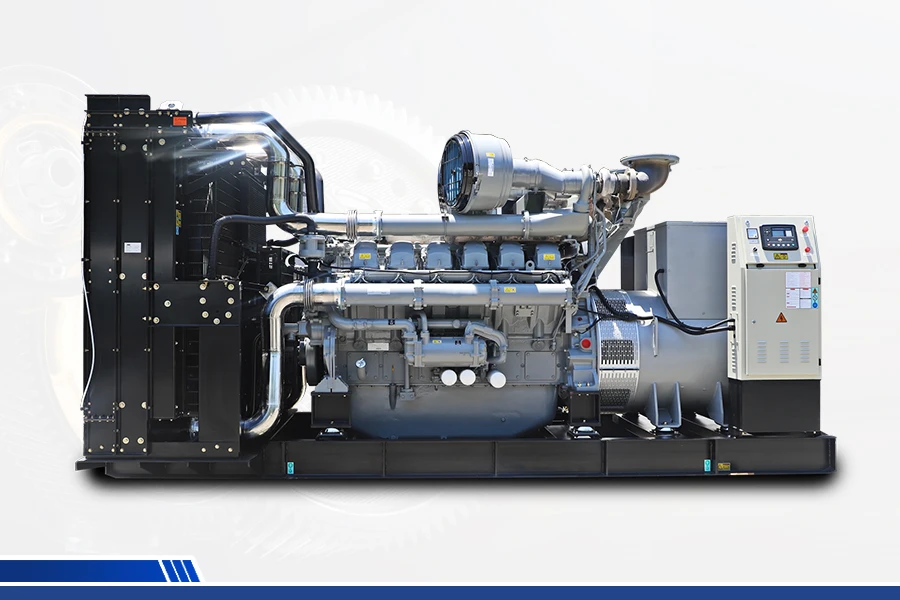
BLOG Megawatts BlogIntroducing the components of a diesel engineIntroducing the components of a diesel engine A diesel generator set is a type of internal combustion generator set and is currently one of the most widely used power generation devices in the world....
 -
Next Post:
 BLOG
Megawatts BlogThe True Cost of Genset Downtime: How to Build a Tiered Spare Parts Inventory for Industrial FacilitiesUnscheduled power outages cost manufacturing plants up to tens of thousands of dollars per hour. Commercial operations face severe financial damage during unexpected blackout events. The equipment sto...
BLOG
Megawatts BlogThe True Cost of Genset Downtime: How to Build a Tiered Spare Parts Inventory for Industrial FacilitiesUnscheduled power outages cost manufacturing plants up to tens of thousands of dollars per hour. Commercial operations face severe financial damage during unexpected blackout events. The equipment sto...
Read More
-
 BLOG
Megawatts BlogThe Hidden Cost of Expired Inventory: Shelf Life and Proper Storage of Rubber Gasket Seal KitsA gasket seal kit sits untouched for five years. You paid for it. Now you pay to dispose of it. When a failure occurs, you pay a premium for emergency replacement. These hidden costs accumulate silent...
BLOG
Megawatts BlogThe Hidden Cost of Expired Inventory: Shelf Life and Proper Storage of Rubber Gasket Seal KitsA gasket seal kit sits untouched for five years. You paid for it. Now you pay to dispose of it. When a failure occurs, you pay a premium for emergency replacement. These hidden costs accumulate silent... -
 BLOG
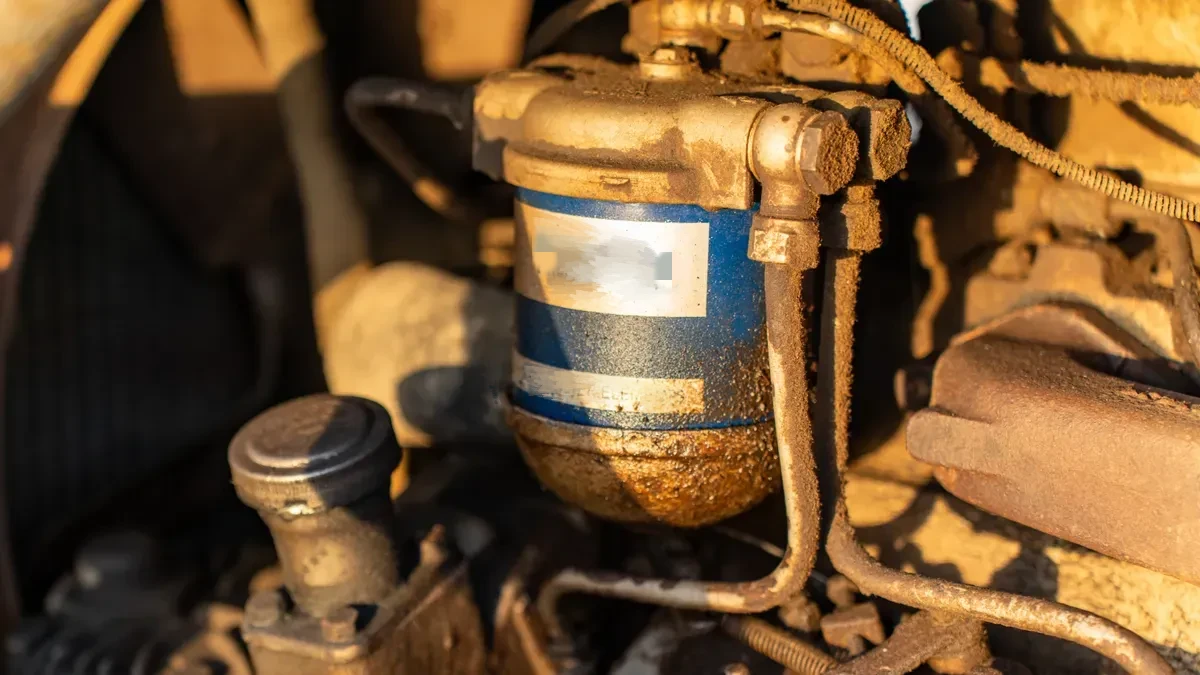
Megawatts BlogCombating Diesel Bug: How Your Fuel Water Separator Filter Prevents Sludge and Microbial GrowthHave you noticed your engine struggling to start, fuel filters clogging more often, or dark sludge in the fuel system? These symptoms indicate diesel bug—microbial contamination that thrives on...
BLOG
Megawatts BlogCombating Diesel Bug: How Your Fuel Water Separator Filter Prevents Sludge and Microbial GrowthHave you noticed your engine struggling to start, fuel filters clogging more often, or dark sludge in the fuel system? These symptoms indicate diesel bug—microbial contamination that thrives on... -
 BLOG
Megawatts BlogComplete Water Pump Assemblies vs. Pressing Bearings: The Most Cost-Effective Repair StrategyFor most drivers and equipment operators, complete water pump assemblies are the most cost-effective repair for the engine's cooling system. When deciding between a full water pump replacement or pres...
BLOG
Megawatts BlogComplete Water Pump Assemblies vs. Pressing Bearings: The Most Cost-Effective Repair StrategyFor most drivers and equipment operators, complete water pump assemblies are the most cost-effective repair for the engine's cooling system. When deciding between a full water pump replacement or pres... -
 BLOG
Megawatts BlogWinter Emergencies: Why Your Diesel Generator Won't Crank in Sub-Zero TemperaturesDarkness descends as a relentless blizzard knocks out power. You shuffle to the unit, press the start button, and hear a single sluggish click. Your generator won't crank. In sub-zero temperatures, th...
BLOG
Megawatts BlogWinter Emergencies: Why Your Diesel Generator Won't Crank in Sub-Zero TemperaturesDarkness descends as a relentless blizzard knocks out power. You shuffle to the unit, press the start button, and hear a single sluggish click. Your generator won't crank. In sub-zero temperatures, th...
Subscribe to enjoy 10% off
Stay informed about new products and sales

-
INFORMATION
Contact Us
-
CHINA SALES OFFICE: No. 2-11, No. 8, Gaotai Road, Gaishan Investment Zone, Cangshan District, Fuzhou, Fujian
-
SAUDI ARABIA FACTORY: 7264 Shakra, Al Faisaliyyah, REFB3035, 3035, Riyadh 12883
-
COLOMBIA SALES OFFICE: 92-32 26th Street, 03-118, Bogota
-
NIGERIA FACTORY: Plot 5 Chivita Avenue Ajao Estate Isolo Lagos
-
Email:sales@megawattsparts.com
Follow Us


Copyright © 2025 Megawatts All Rights Reserved.



Select Previous Button or Search Directly on Search Bar!
Shop All
 English
Currency: <{ pagedata.current_currency }>(<{ pagedata.current_currency_code }>)
Are you in the right place?

You agree to MegaWatts.com's Terms of Use and Privacy Policy by subscribing. You may receive emails with useful tips, promotions, and offerings.
No, thanks. I'd rather pay full price.