












































High-Altitude Diesel Engine Tuning: Solving Combustion Starvation and Actuator Lag Over 3,000 Meters
by Megawatts - Updated At 2026-07-28
Combustion starvation and actuator lag in diesel engines above 3,000 meters can be resolved by optimizing fuel injection timing and upgrading engine management systems. High-altitude diesel engine tuning is essential for mining and construction operations facing reduced air density and weakened combustion. Reliable parts that meet OEM specifications, such as those offered by Megawatts Parts, help maintain performance and minimize downtime. Experienced engineers recommend matching components to operational requirements to prevent failures.
Tip: Select parts designed for high altitude to ensure maximum efficiency and reliability in harsh environments.
High Altitude Effects on Diesel Engines

Combustion Starvation Causes
Diesel engines operating at high altitude experience significant performance changes due to environmental factors. As elevation increases, air density drops, and less oxygen enters the combustion chamber. This reduction in oxygen availability leads to incomplete fuel oxidation, which directly impacts combustion pressure and engine output.
- Lower air density at high altitude means less oxygen for each intake cycle.
- Reliable combustion becomes difficult, resulting in reduced power and higher fuel consumption.
- Air intake restrictions or compromised components can further limit cylinder filling, causing additional performance changes.
- Naturally aspirated engines often suffer the most, with noticeable power loss and sluggish response.
Note: In mining operations above 3,000 meters, operators often report engines struggling to maintain load during peak demand. This scenario highlights the importance of monitoring air intake systems and ensuring all components are optimized for high altitude conditions.
Actuator Lag Factors
Actuator lag is another challenge that emerges with high altitude operation. Electronic actuators, such as those controlling turbochargers or fuel injection, rely on precise air-fuel ratios to deliver optimal performance. When oxygen levels decrease, actuators may respond more slowly or less accurately, leading to further performance changes.
- Increased turbocharger workloadis common at high altitude, as the system compensates for thinner air.
- Reduced cooling efficiency and higher thermal stress can cause actuators to overheat or delay response.
- Technicians often adjust electronic controls to maintain stability and responsiveness, but persistent actuator lag can still occur.
In construction sites at high altitude, delayed actuator response can result in uneven engine speed and unpredictable equipment behavior. Experienced engineers recommend regular calibration of engine management systems and the use of high-quality aftermarket parts to minimize risk and maintain consistent performance.
Symptoms and Performance Issues
Power Loss and Black Smoke
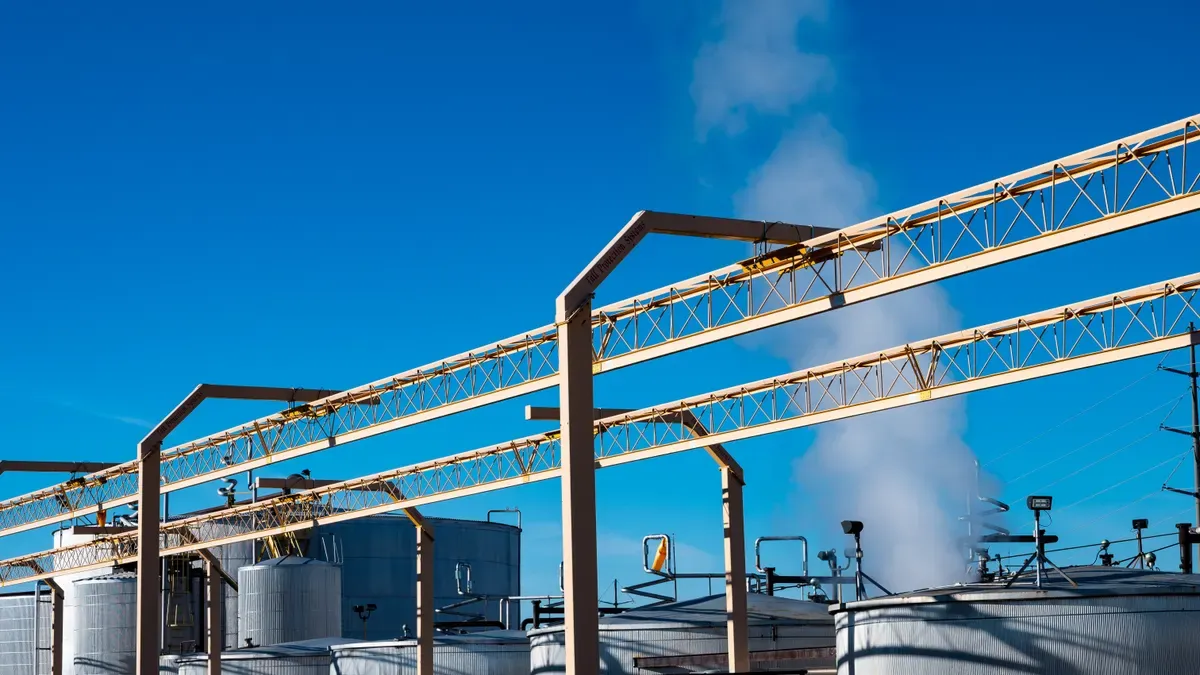
Diesel engines operating above 3,000 meters often display clear high altitude engine symptoms. Operators notice power loss at altitude, which reduces acceleration and pulling power. This issue becomes more pronounced during heavy-duty tasks, such as hauling or lifting. Black smoke from the exhaust signals incomplete combustion, a direct result of insufficient oxygen mixing with fuel. These performance changes can lead to higher engine workload at the turbocharger and lower fuel economy compared to sea level testing.
Tip: Monitor for black smoke during operation. This visual cue often indicates the need for maintenance or adjustment of fuel injection settings.
Delayed Actuator Response
Delayed actuator response presents another challenge in high-altitude environments. Actuators, including those controlling turbochargers and fuel injection, may not respond quickly enough to changing load demands. This latency can cause engine surging, uneven speed, and unpredictable equipment behavior. In mining and construction, such performance changes can compromise safety and reduce productivity. Precise control is essential, especially during critical operations where rapid adjustments are required. Extreme temperatures at high altitude can further degrade actuator performance, increasing the risk of reliability concerns.
Increased Emissions
Engines running at high altitude often experience increased emissions due to incomplete combustion and altered air-fuel ratios. Mining and construction sites address these performance changes through several strategies:
- Use low-emission engines and low-sulfur fuel.
- Install exhaust aftertreatment devices, such as filters and oxidation catalysts.
- Maintain proper ventilation in underground operations.
- Train operators on hazard recognition and equipment maintenance.
- Monitor for black smoke and avoid unnecessary idling.
Note: Adhering to manufacturer specifications for fuel injection and maintaining engine cleanliness help prevent power loss at altitude and minimize emissions.
High-Altitude Diesel Engine Tuning Solutions
High-altitude diesel engine tuning requires a strategic approach to overcome the challenges of reduced air density, combustion starvation, and actuator lag. Mining and construction operations above 3,000 meters depend on robust solutions that address these issues and restore diesel engine performance. Modern engine tuning methods, paired with reliable aftermarket components from Megawatts Parts, deliver high-altitude optimization for demanding environments.
Fuel Injection Timing Optimization
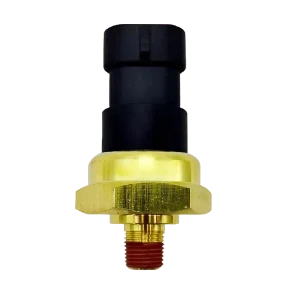
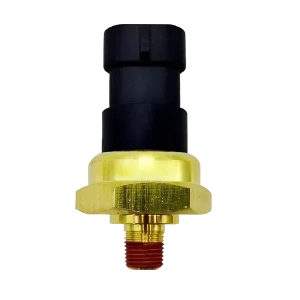
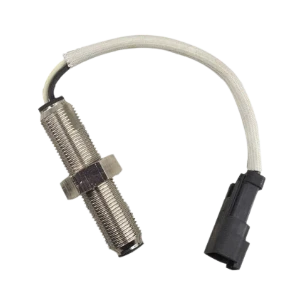
Fuel injection timing plays a critical role in high-altitude diesel engine tuning. At elevation, air density drops, which impacts the air-fuel mixture and combustion efficiency. Accurate timing adjustments help maintain power and reduce emissions. Experienced engineers recommend using advanced controllers and sensors to adapt injection timing to altitude changes.To ensure your engine management system captures flawless real-time RPM and crankshaft position data for dynamic timing advance, explore our reliable speed and timing sensors built to withstand the extreme thermal stress and atmospheric shifts of high-altitude mining sites.
|
Strategy |
Description |
|
Altitude Timing Controller |
Adjusts fuel injection timing based on barometric pressure and engine load for optimal performance. |
|
Advancing Fuel Injection Timing |
Increases peak firing pressure, improving power generation and combustion efficiency. |
|
Adjustments for Low Engine Loads |
Allows for optimal emissions and fuel efficiency by setting injection timing within safe limits. |
When reduced oxygen levels degrade combustion efficiency, relying on worn or standard nozzles inevitably leads to black smoke, carbon buildup, and severe power loss. Shop our premium selection of high-pressure fuel injectors from Megawatts Parts, specifically engineered to deliver superior fuel atomization and eliminate combustion starvation in diesel engines operating above 3,000 meters. These components ensure accurate injection timing, even in thin air conditions. Technicians often install altitude timing controllers to maintain high-altitude performance and prevent engine surging. Real-world failures, such as excessive black smoke or cold-start issues, often trace back to improper timing. Regular calibration and use of environment specific engine tuning solutions minimize these risks.
Tip: Monitor injection timing with diagnostic tools after every altitude change. This practice helps maintain combustion stability and energy production.
Turbocharger and Intercooler Upgrades
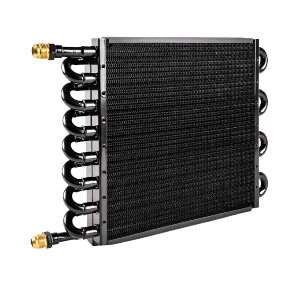
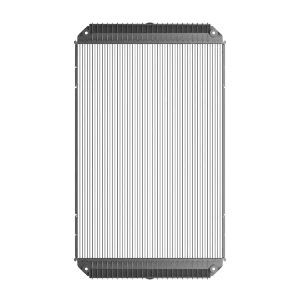
Turbocharger and intercooler upgrades are essential for high-altitude optimization. Upgrading the turbocharger helps maintain optimal boost pressure, which is crucial for enhancing combustion efficiency in low-density air. Cleaning and maintaining the intercooler ensures maximum air density reaches the combustion chamber, supporting complete fuel combustion.
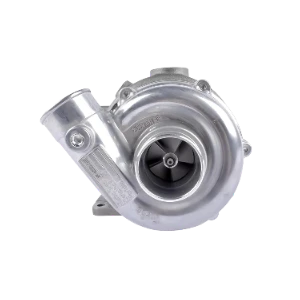
To overcome the severe drop in air density and maintain target boost pressure in thin air, standard turbochargers are simply insufficient. Browse our robust inventory of OEM-grade replacement turbochargers, specifically designed to deliver high-pressure ratio boost, minimize actuator lag, and prevent catastrophic engine derating in high-altitude operations. These units deliver consistent boost, reducing power loss and actuator lag. Technicians recommend regular intercooler maintenance to prevent clogging and thermal stress. In mining operations, failure to upgrade or maintain these components can result in engine overheating and unpredictable equipment behavior.
Note: Always select turbochargers and intercoolers rated for high altitude. This choice prevents reliability concerns and supports sustained diesel engine performance.
ECU and Engine Management Calibration
Modern engine control units (ECUs) and management systems are vital for high-altitude diesel engine tuning. Electronic engine management systemsactively monitor parameters such as fuel injection timing, air-to-fuel ratio, and boost pressure. These systems adapt to altitude changes, ensuring optimal engine tuning and actuator response.
- Custom ECMs optimize fuel injection timing for high-altitude performance.
- Adjustments in timing improve combustion pressure and cold-start reliability.
- Tailored calibration of fuel delivery volume and injection timing enhances combustion efficiency.
- Engine tuning for fuel efficiency can yield a 5–15% improvement in fuel economy.
To seamlessly execute high-altitude derating and tuning protocols without triggering system faults or erratic idling, explore our advanced range of generator controllers and control modules. These precision-engineered units integrate flawlessly with your ECU, ensuring stable frequency regulation and adaptive fuel management under extreme atmospheric shifts. These products enable precise calibration and high-altitude optimization. Experienced consultants advise regular software updates and parameter checks to prevent actuator lag and maintain consistent performance. Real-world risk scenarios, such as engine surging or delayed response, often result from outdated calibration or neglected software routines.
Alert: Schedule ECU calibration and software updates before deploying equipment to high altitude. This step ensures reliable actuator response and minimizes downtime.
High-altitude diesel engine tuning relies on a combination of fuel system adjustments, turbocharger upgrades, and advanced engine management. Selecting quality parts from Megawatts Parts and following expert recommendations delivers sustained high-altitude performance and reduces operational risks.
Diagnostics and High-Altitude Fuel Management
Identifying Combustion Starvation
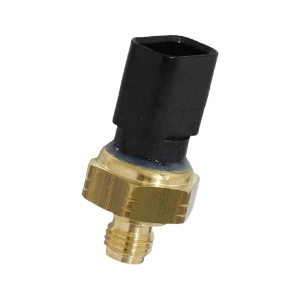
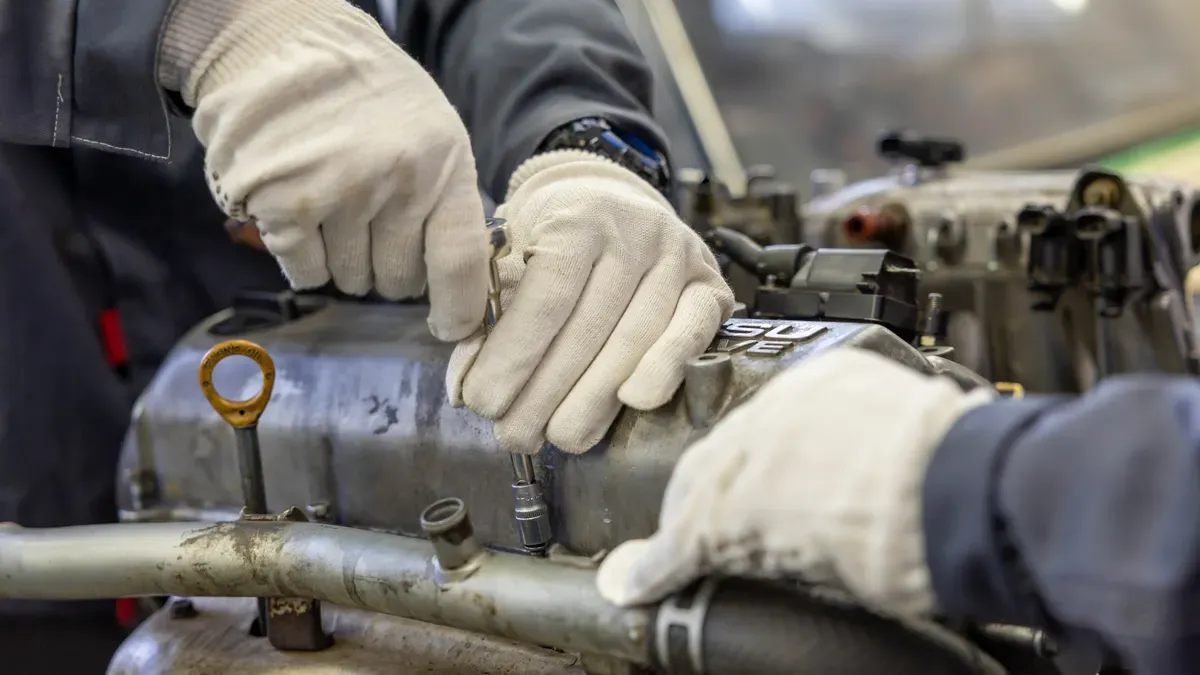
Combustion starvation remains a critical concern for diesel engines operating at high altitude. Technicians often rely on diagnostic tools such as exhaust gas analyzers and cylinder pressure sensors to detect incomplete combustion. These instruments help identify symptoms like excessive black smoke, reduced power, and erratic engine behavior. Experienced engineers recommend routine checks of air intake systems and fuel injectors. Engines exposed to thin air frequently display lower combustion pressure, which can lead to surging or cold-start failures. Early detection prevents costly downtime and ensures reliable operation in mining and construction environments.
Tip: Use exhaust gas temperature readings to spot combustion starvation. Elevated temperatures often signal insufficient oxygen and incomplete fuel burn.
Monitoring Actuator Performance
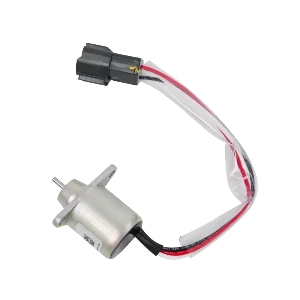
Actuator performance directly influences engine responsiveness and efficiency at high altitude. Custom Engine Control Modules (ECMs) allow precise calibration of fuel injection timing and turbocharger systems. These adjustments optimize actuator response, maintaining engine stability even as altitude changes. Technicians monitor actuator signals using advanced diagnostic software, ensuring that turbochargers and fuel injectors operate within manufacturer specifications. In challenging environments, delayed actuator response can cause engine surging and unpredictable equipment behavior. Regular ECM calibration and parameter checks help mitigate these risks. However, when electronic actuators suffer from internal mechanical wear, thermal degradation, or chronic response latency above 3,000 meters, software recalibration is no longer enough. Shop our high-reliability electronic actuators to restore instantaneous throttle response, eliminate engine surging, and ensure exact fuel and air delivery under heavy load demands.
Maintenance Tips and Software Updates
Preventive maintenance routines are essential for high-altitude fuel management. Engines in high-altitude areas require frequent turbocharger inspections due to increased exhaust gas temperatures and higher turbo speeds. Technicians should check turbo bearings for signs of heat stress and wear. Routine hardware inspections, including air filters and cooling systems, support sustained performance. Software updates for ECMs and engine management systems ensure optimal calibration and actuator reliability.
- Recommended maintenance routines:
- Inspect turbochargers more frequently.
- Monitor turbo bearing condition for heat-related stress.
- Update ECM software regularly.
- Check air filters and cooling systems for blockages.
Alert: Schedule preventive maintenance before deploying equipment to high altitude. This practice reduces risk and maximizes engine reliability.
High-altitude diesel engine tuning restores performance above 3,000 meters by implementing adaptive control algorithms, recalibrating fuel injection, and optimizing turbocharger boost. Regular diagnostics and maintenance, such as oil changes and cooling system checks, prevent failures and extend engine lifespan. Using high-quality aftermarket parts from Megawatts Parts enhances reliability in mining and construction applications. Experienced engineers recommend site-specific tuning and ongoing software updates. For tailored solutions, consult technical experts or explore further resources on advanced engine management.
FAQ
What are the main risks of diesel engine operation above 3,000 meters?
Engines face power loss, actuator lag, and increased emissions. Mining and construction sites report surging and cold-start failures. Experienced engineers recommend altitude-specific tuning and regular diagnostics to prevent downtime.
How can I optimize fuel injection timing for high-altitude conditions?
Use advanced controllers and sensors to adjust timing based on barometric pressure. Technicians monitor injection settings with diagnostic tools. Proper calibration improves combustion efficiency and reduces black smoke.
Which aftermarket parts help restore performance at altitude?
High-quality turbochargers, fuel injectors, and actuators from Megawatts Parts support reliable engine tuning. These components meet OEM specifications and withstand harsh mining environments.
How often should I update ECU software for high-altitude applications?
Tip: Schedule ECU software updates before deploying equipment to altitude. Regular updates ensure optimal actuator response and prevent engine surging.
What diagnostic tools are essential for identifying combustion starvation?
Cylinder pressure sensors and exhaust gas analyzers detect incomplete combustion. Technicians use these tools to spot power loss and excessive black smoke, ensuring timely maintenance.
Previous And Next
-
Previous Post:
 BLOG
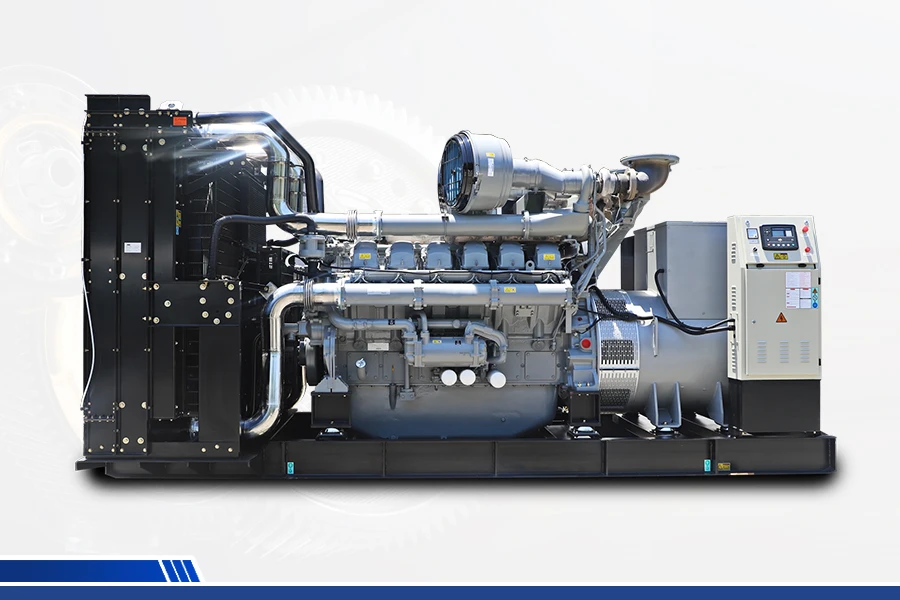
BLOG Megawatts BlogIntroducing the components of a diesel engineIntroducing the components of a diesel engine A diesel generator set is a type of internal combustion generator set and is currently one of the most widely used power generation devices in the world....
 -
Next Post:
 BLOG
Megawatts BlogCummins 6BT Engine Overhaul Checklist: Top 5 Wear Components That Cause Premature Power DropPremature power drop in the Cummins 6bt engine often results from excessive wear in five critical components: cylinder liner and piston kits, fuel injectors, turbocharger, valves and valve guides, and...
BLOG
Megawatts BlogCummins 6BT Engine Overhaul Checklist: Top 5 Wear Components That Cause Premature Power DropPremature power drop in the Cummins 6bt engine often results from excessive wear in five critical components: cylinder liner and piston kits, fuel injectors, turbocharger, valves and valve guides, and...
Read More
-
 BLOG
Megawatts BlogStrategic Sourcing: How to Build a Standardized Generator Sets Parts Catalog for Mixed FleetsManaging a mixed fleet of Cummins, Perkins, and Caterpillar generators often creates a hidden financial drain through inventory duplication and fragmented procurement. When different brands use differ...
BLOG
Megawatts BlogStrategic Sourcing: How to Build a Standardized Generator Sets Parts Catalog for Mixed FleetsManaging a mixed fleet of Cummins, Perkins, and Caterpillar generators often creates a hidden financial drain through inventory duplication and fragmented procurement. When different brands use differ... -
 BLOG
Megawatts BlogDiesel Generator Won't Crank: A Step-by-Step Electrical Diagnostic Checklist for MechanicsWhen a diesel generator won't crank, check the electrical system first. Do not chase fuel or mechanical theories yet. Low battery voltage and corroded connections cause most no-start condition calls....
BLOG
Megawatts BlogDiesel Generator Won't Crank: A Step-by-Step Electrical Diagnostic Checklist for MechanicsWhen a diesel generator won't crank, check the electrical system first. Do not chase fuel or mechanical theories yet. Low battery voltage and corroded connections cause most no-start condition calls.... -
 BLOG
Megawatts BlogMagnetic Coil Degradation: Why Your Diesel Engine Stop Solenoid Fails Under Extreme HeatExtreme heat is the primary enemy of a diesel engine stop solenoid. The heat breaks down the electrical insulation inside the magnetic coil. This degradation raises resistance and creates short circui...
BLOG
Megawatts BlogMagnetic Coil Degradation: Why Your Diesel Engine Stop Solenoid Fails Under Extreme HeatExtreme heat is the primary enemy of a diesel engine stop solenoid. The heat breaks down the electrical insulation inside the magnetic coil. This degradation raises resistance and creates short circui... -
 BLOG
Megawatts BlogThe Hidden Cost of Expired Inventory: Shelf Life and Proper Storage of Rubber Gasket Seal KitsA gasket seal kit sits untouched for five years. You paid for it. Now you pay to dispose of it. When a failure occurs, you pay a premium for emergency replacement. These hidden costs accumulate silent...
BLOG
Megawatts BlogThe Hidden Cost of Expired Inventory: Shelf Life and Proper Storage of Rubber Gasket Seal KitsA gasket seal kit sits untouched for five years. You paid for it. Now you pay to dispose of it. When a failure occurs, you pay a premium for emergency replacement. These hidden costs accumulate silent...
Subscribe to enjoy 10% off
Stay informed about new products and sales

-
INFORMATION
Contact Us
-
CHINA SALES OFFICE: No. 2-11, No. 8, Gaotai Road, Gaishan Investment Zone, Cangshan District, Fuzhou, Fujian
-
SAUDI ARABIA FACTORY: 7264 Shakra, Al Faisaliyyah, REFB3035, 3035, Riyadh 12883
-
COLOMBIA SALES OFFICE: 92-32 26th Street, 03-118, Bogota
-
NIGERIA FACTORY: Plot 5 Chivita Avenue Ajao Estate Isolo Lagos
-
Email:sales@megawattsparts.com
Follow Us


Copyright © 2025 Megawatts All Rights Reserved.



Select Previous Button or Search Directly on Search Bar!
Shop All
 English
Currency: <{ pagedata.current_currency }>(<{ pagedata.current_currency_code }>)
Are you in the right place?

You agree to MegaWatts.com's Terms of Use and Privacy Policy by subscribing. You may receive emails with useful tips, promotions, and offerings.
No, thanks. I'd rather pay full price.