




















































Winterizing Your Heavy Machinery: Essential Parts to Check Before the Cold Hits
by Megawatts - Updated At 2025-12-15
You must inspect key systems such as the engine, fuel system, battery, hydraulics, tires, and exterior components before winter hits. Neglecting winterizing your heavy machinery exposes you to risks like engine failure, costly repairs, and unexpected downtime. Cold temperatures can increase equipment failure rates by 62%, and poor winter maintenance may result in breakdown costs between $125,000 and $185,000 per machine. Using genuine parts and following manufacturer guidelines protects your investment. Megawatts parts offers trusted replacement parts to help you maintain peak performance. Proactive maintenance supports reliability and saves you money.

Common costly repairs from neglect include
| Costly Repairs/Issues | Description |
| Reduced Performance | Equipment struggles in freezing temperatures. |
| Increased Maintenance Costs | Cold weather accelerates wear and breakdowns. |
| Frozen Components | Fluids freezing damages hydraulics and engines. |
| Battery Issues | Dead batteries cause delays and lost productivity. |
| Tire and Track Damage | Improper conditions reduce traction and cause damage. |
| Safety Risks | Neglect increases risk for operators and personnel. |
| Shortened Lifespan | Premature wear reduces equipment life. |
Key Takeaways
- Inspect key systems like the engine, fuel system, and hydraulics before winter to prevent costly repairs and downtime.
- Use genuine parts and follow manufacturer guidelines to ensure your machinery operates reliably in cold conditions.
- Regularly check tire pressure and condition, as cold weather can reduce traction and increase wear.
- Train operators on winter challenges and prepare emergency kits to enhance safety and readiness during harsh conditions.
- Schedule thorough inspections and maintenance before winter to minimize downtime and ensure efficient operation.
Why Winterizing Your Heavy Machinery Is Critical
1.Risks of Neglect
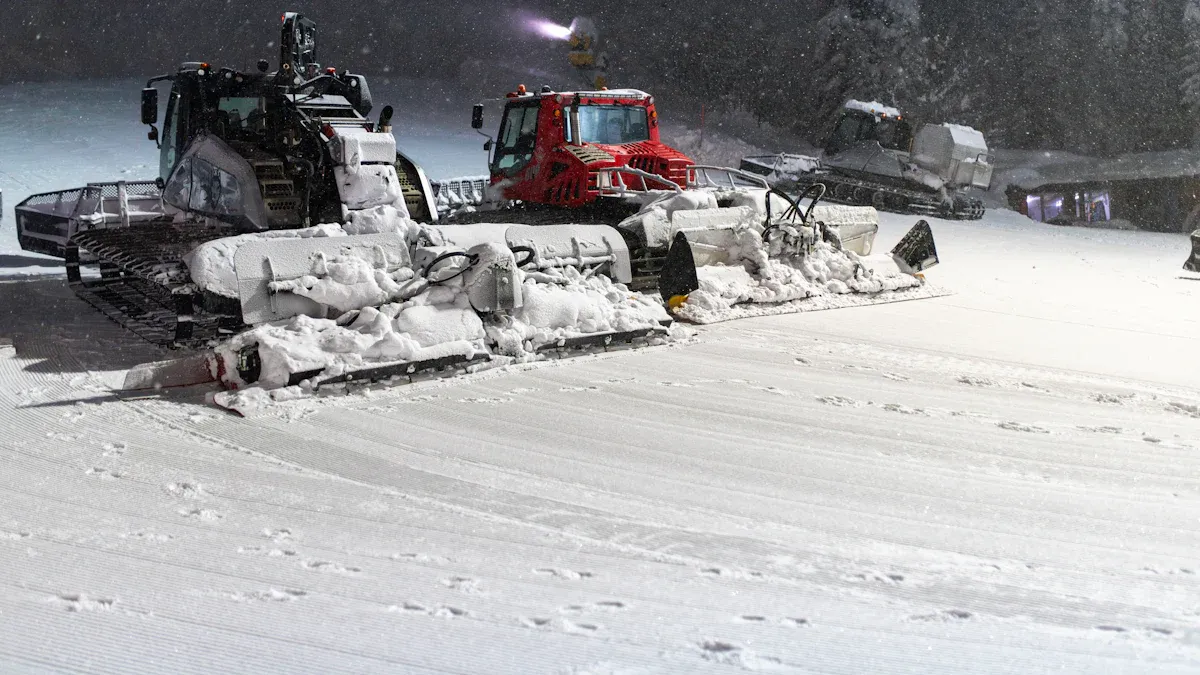
You face significant risks when you skip winterizing your heavy machinery. Cold weather can cause mechanical failures, shorten equipment lifespan, and create safety hazards for operators.
| Risk Type | Description |
| Mechanical Failures | Cold weather can cause components to become brittle, leading to unexpected breakdowns. |
| Reduced Equipment Lifespan | Winterization minimizes wear and tear, protecting the investment and prolonging machinery life. |
| Safety Hazards | Ensures safety features work correctly, maintaining visibility and control, reducing accident risks. |
You also encounter factors that increase the likelihood of equipment failure:
| Factor | Impact on Equipment Failure |
| Reduced Traction | Makes it difficult to control and maneuver heavy equipment. |
| Weight Considerations | Snow accumulation can affect balance and stability. |
| Visibility | Impaired visibility increases the likelihood of accidents. |
| Cold Start Issues | Difficult to start engines, especially diesel engines. |
| Brittle Materials | Increased risk of breakage in cold weather. |
Tip: Regular inspections and timely maintenance help you avoid costly repairs and keep your team safe during winter operations.
2. Benefits of Preparation
Proactive winter maintenance delivers measurable benefits for your fleet. You prevent emergency repairs, save on cold weather costs, and extend the life of your equipment. Planned winterizing reduces downtime and improves project schedule reliability. You also enhance equipment utilization, often achieving over 90% availability during winter months. Safety programs and maintenance documentation can lower insurance premiums and increase resale values. The chart below illustrates the percentage impact of these benefits:
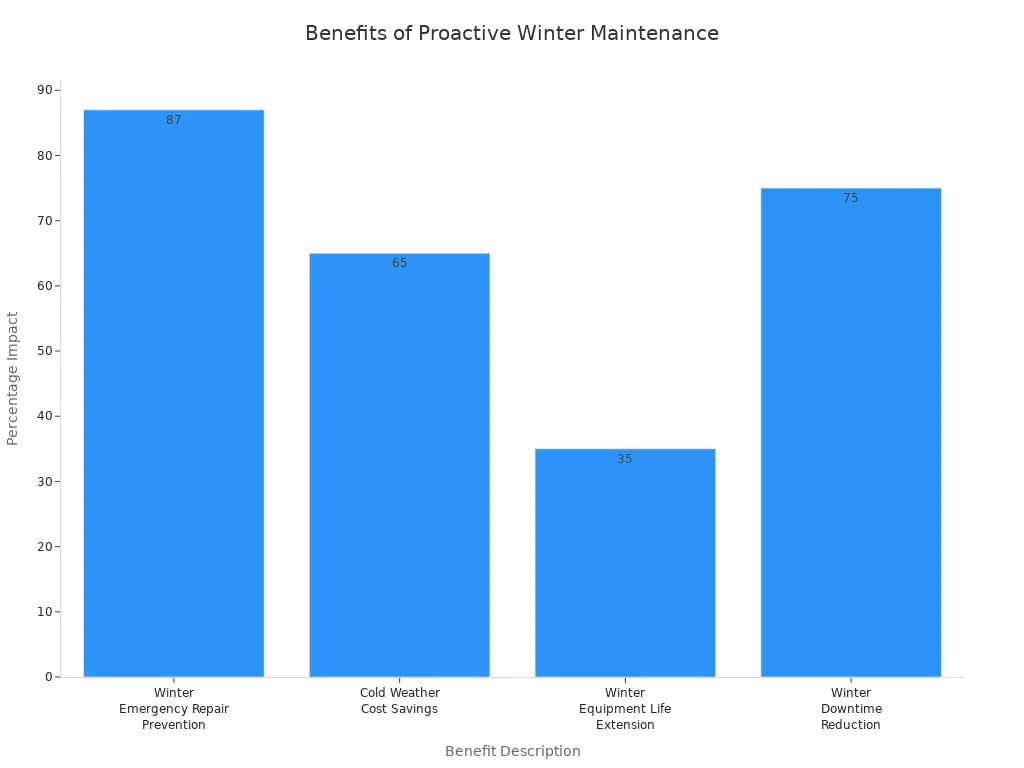
| Benefit Description | Percentage Impact |
| Winter Emergency Repair Prevention | 87% |
| Cold Weather Cost Savings | 65% |
| Winter Equipment Life Extension | 35% |
| Winter Downtime Reduction | 75% |
- Improved winter project schedule reliability with predictable equipment availability.
- Enhanced winter equipment utilization, averaging over 90% availability.
- Reduced winter insurance premiums through safety programs.
- Increased equipment winter resale values with maintenance documentation.
- Better cash flow predictability through planned budgets.
A construction company with 20 heavy machines that implements comprehensive winter maintenance can achieve over $275,000 in annual savings. You protect your investment, reduce downtime, and ensure your machinery performs reliably throughout the season. Winterizing Your Heavy Machinery is a smart strategy for safety, efficiency, and cost control.
Engine and Fuel System Checks
Proper engine and fuel system maintenance is the foundation of Winterizing Your Heavy Machinery. Cold weather places unique demands on these systems, so you must address each component to ensure reliable performance.
1. Winter Fuel Grade
Selecting the correct winter fuel grade is essential for heavy machinery operating in subzero temperatures. Using untreated fuel can lead to hard starts, sluggish performance, and increased fuel consumption. Cold fuel does not burn efficiently, forcing your engine to work harder and increasing wear.
| Recommended Diesel Products | Description |
| Cold Flow/Anti-Wax Additive | Prevents gelling in cold temperatures. |
| Cetane Improver Additive | Enhances combustion efficiency. |
| Engine Starter Fluid | Aids in starting engines in cold weather. |
| Diesel Fuel Anti-Ice Additive | Prevents ice formation in fuel. |
| Air Brake Dryer Additive | Removes moisture from air brake systems. |
| Straight #1 Diesel | Recommended for temperatures below -30°F. |
Diesel fuel can gel in cold temperatures, clogging filters and disrupting operations. Cold weather diesel additives, such as Cold Flow Improvers and Diesel Anti-Gel, help maintain fuel flow and combustion efficiency. You can find high-quality fuel system additives and replacement parts at Megawatts Parts.
Tip: Always check your owner’s manual for manufacturer-recommended fuel grades and additives before winter.
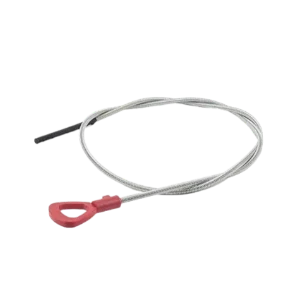
2. Engine Oil Change
Engine oil viscosity plays a critical role in cold-weather operation. Most heavy-duty manufacturers recommend a 10W-30 engine oil (API CK-4 or FA-4) for winter conditions. This grade provides better fuel economy and engine protection compared to 15W-40 oils. Synthetic oils offer superior cold temperature performance, flowing more easily and protecting engine components during cold starts.
- OEM engine oil recommendations are crucial and can be found in your owner’s manual.
- Low temperature pumpability ensures oil flows effectively in cold conditions.
- Synthetic oils maintain consistent viscosity, reducing engine wear.
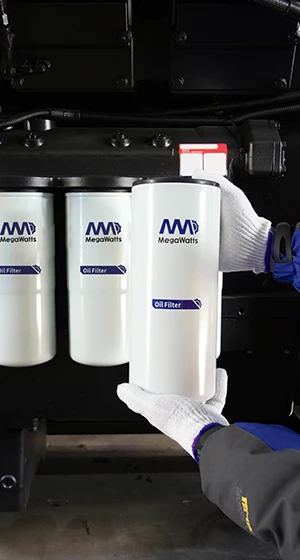
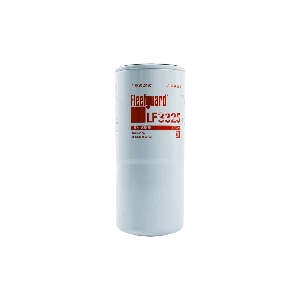
You should change your engine oil before winter arrives. Choose products like the Cummins Engine Oil Filter for optimal protection.
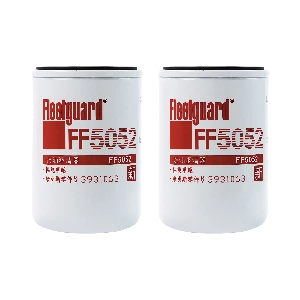
3. Fuel Filter Inspection
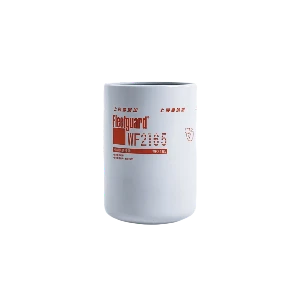
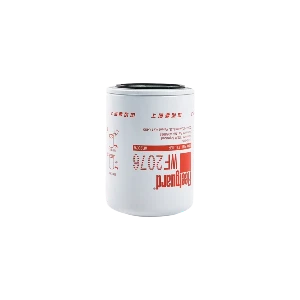
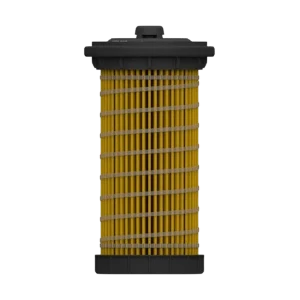
Fuel filters protect your engine from contaminants and water, which can freeze and block fuel flow. Inspect and replace fuel filters regularly during winter months to prevent operational disruptions.
| Maintenance Task | Interval |
| Replace primary fuel filter | every 250 hours |
| Change secondary fuel filter | every 500 hours |
| Drain water separators | daily in humid conditions |
| Inspect fuel tank for contamination | quarterly |
Thickened fuel can impede flow, forcing injectors and pumps to work harder. This leads to increased maintenance costs. Use genuine Caterpillar Fuel Filters and Komatsu Fuel Filters to ensure maximum filtration and reliability.
Note: Always drain water separators daily in humid conditions to prevent ice formation in the fuel system.
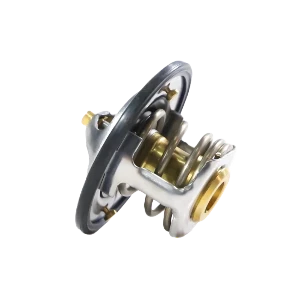
4. Coolant and Antifreeze
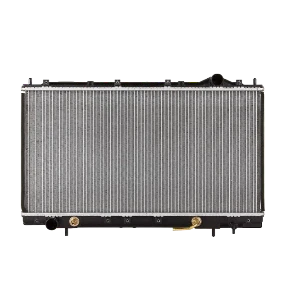
Maintaining the correct coolant-to-antifreeze ratio is vital for engine protection in freezing temperatures. Most manufacturers recommend a 50:50 mix of antifreeze and water for effective freezing protection.
| Ratio | Description |
| 50:50 | Recommended for effective freezing protection in cold areas. |
| 40:60 | Suggested for warmer climates. |
| 70:30 | Used in very warm parts of the country. |
A proper mix prevents engine block damage and ensures efficient heat transfer. You should check coolant levels and condition before winter. Use products like Komatsu Genuine Coolant and Cummins Antifreeze for reliable performance.
- Most manufacturers recommend a 50:50 antifreeze to water mix for freezing protection.
- In milder climates, a lower antifreeze concentration may be used.
Alert: Never mix different coolant types. Always use manufacturer-approved products for your machinery.
5. Fuel Additives
Fuel additives play a crucial role in preventing fuel gelling and maintaining engine performance during winter. Diesel Anti-Gel lowers the cloud point and cold filter plugging point, while Cold Flow Improvers dissolve paraffin wax to enhance fuel flow. Moisture dispersants prevent water accumulation, reducing the risk of gelling.
| Product Type | Functionality |
| Diesel Anti Gel | Lowers cloud point, pour point, and cold filter plugging point (CFPP) to prevent fuel gelling. |
| Cold Flow Improver | Dissolves bonds in paraffin wax to enhance fuel flow in cold temperatures. |
| Moisture Dispersant | Helps to prevent water accumulation in fuel, reducing the risk of gelling. |
| Lubricant | Enhances lubrication in the fuel system, improving overall performance in cold weather. |
Cold flow improvers are essential for preventing diesel fuel gelling in winter. Straight No. 1 diesel is recommended when temperatures drop below -30°F.
Winterizing Your Heavy Machinery requires attention to every detail in the engine and fuel system. By following these steps and using genuine replacement parts from Megawatts Parts, you ensure your equipment operates reliably throughout the harshest winter conditions.
Battery and Electrical System
1.Battery Charge and Health
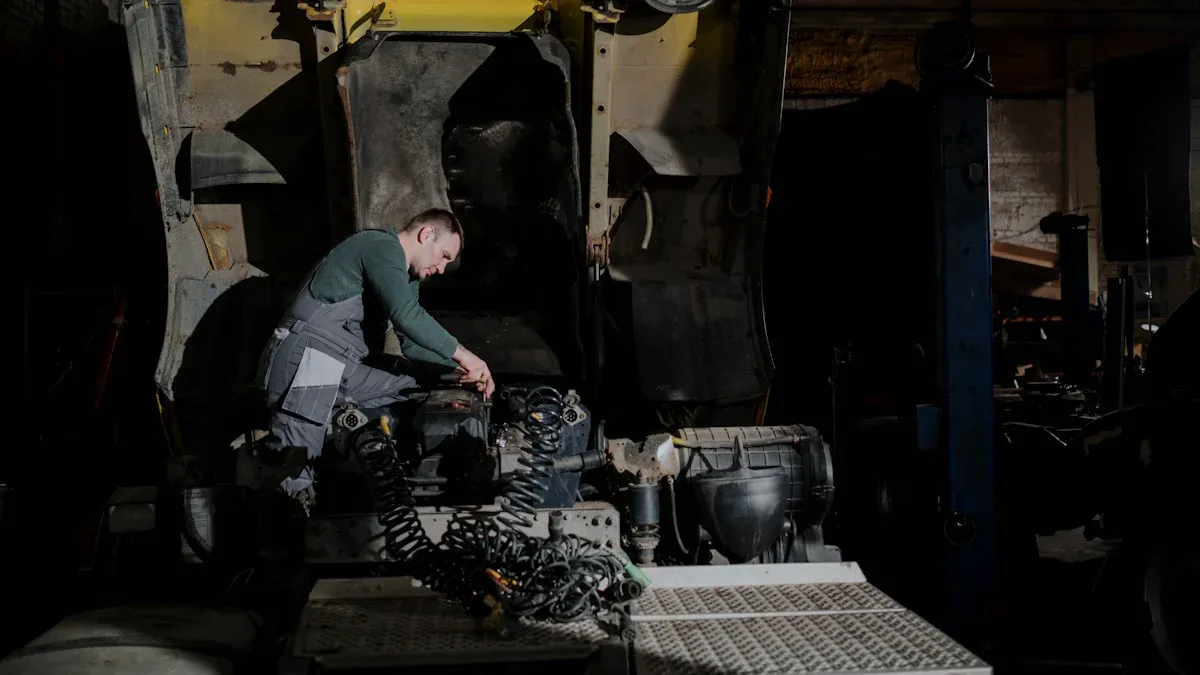
You must prioritize battery health when Winterizing Your Heavy Machinery. Cold weather places extra strain on batteries, often reducing their ability to deliver power. Heavy-duty truck batteries typically last three to five years, but freezing temperatures can shorten this lifespan. You should store batteries in a cool, dry place between 32°F and 77°F. Regularly check the storage environment temperature and adjust as needed. Insulation or heating elements help maintain battery health in extreme cold.
| Best Practice | Description |
| Keep Batteries Charged | A fully charged lead-acid battery resists freezing down to -76°F. Always return equipment to charging stations after use. |
| Charging Protocol | Implement strict charging routines to prevent discharge and freezing damage. |
Tip: Fully charged batteries perform better and resist freezing, even in harsh winter conditions.
2. Cables and Terminals
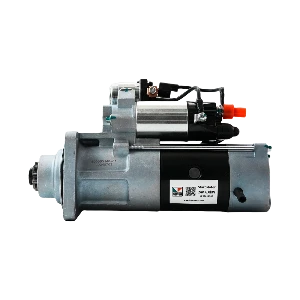
Electrical connections require careful attention before winter. You should clean all cable connections to remove corrosion, which can impede current flow. Ensure terminals are tightly secured to prevent voltage drops and starting issues. Cold weather affects engine startup, with difficulties beginning around 32°F and worsening below 20°F. Diesel fuel may gel at 15°F, and hydraulic fluid viscosity increases at 20°F, further stressing electrical systems.
- Clean connections to remove corrosion.
- Secure terminals to maintain reliable power delivery.
Note: Inspect cables and terminals regularly throughout the winter season to avoid unexpected breakdowns.
3. Cold Weather Battery Tips
You can extend battery life and reliability by following proven winter maintenance strategies. Use insulation wraps or heating pads to keep batteries warm during extreme cold. Always check battery voltage before starting machinery. If you notice slow cranking or dim lights, recharge or replace the battery immediately.
- Store batteries in optimal conditions.
- Use heating elements in severe cold.
- Monitor battery voltage and replace weak units.
Alert: Cold weather can cause rapid battery discharge. Maintain a strict charging schedule to ensure equipment starts reliably every time.
Hydraulic System Maintenance
Cold temperatures can affect fluid performance, hoses, and seals, leading to reduced efficiency and increased risk of breakdowns. You should focus on three key areas to ensure reliable operation throughout the winter months.
1. Fluid Level and Condition
You need to check hydraulic fluid levels before the cold season begins. Low fluid levels can cause pump cavitation, which leads to system inefficiencies and potential damage. Examine the fluid for contamination or discoloration. Hydraulic oil must remain light enough at low temperatures to prevent pump issues, but also maintain adequate viscosity at higher temperatures to avoid wear and internal leakage. Always use manufacturer-recommended fluids for your equipment.
Tip: Regularly monitor fluid levels and condition to prevent costly repairs and downtime.
2. Hoses and Seals
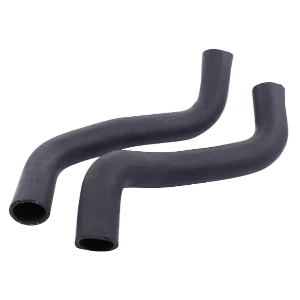
Cold weather can make hydraulic hoses and seals brittle, increasing the risk of leaks or failures. You should inspect these components frequently, especially during winter.
- Frequent inspections of hydraulic hoses and seals are crucial during winter.
- More frequent checks are advised for elastomeric components in extreme conditions.
- Inspect for tears, cracks, or leaks before restarting the system.
Tires, Tracks, and Undercarriage
1. Tire Pressure and Condition
Cold weather has a significant impact on tire performance. You should check tire pressure frequently during winter. As temperatures drop, tire pressure decreases, which can reduce traction and increase wear. For every 10 degrees Fahrenheit decrease, tire pressure can drop by 1 to 2 psi. Rubber compounds in tires also become stiffer in cold conditions, which affects flexibility and grip.
- Lower tire pressure reduces traction and increases the risk of slippage.
- Stiffer rubber compounds can lead to cracks and premature tire wear.
- Regular inspections help you identify issues before they become costly problems.
Tip: Maintain tire pressure at manufacturer-recommended levels to ensure optimal performance and safety.
2. Track Wear and Tension
Tracks require special attention when Winterizing Your Heavy Machinery. Snow and ice can cause tracks to freeze, leading to potential damage if you operate equipment in these conditions. Always adjust track tension on-site to match current weather and ground conditions. Avoid using machinery with frozen tracks, as this can cause irreversible harm.
- Adjust track tension using a grease gun to add grease to the front idler.
- Consult your operator’s manual for specific adjustment procedures.
- Perform routine inspections and apply de-icing agents to prepare tracks for winter.
- Wait for temperatures to rise before operating equipment with frozen tracks.
| Track Maintenance Task | Best Practice |
| Tension Adjustment | Use grease gun; follow manual instructions |
| Frozen Track Prevention | Apply de-icing agents; avoid operation |
| Inspection Frequency | Routine checks before and after use |
3. Undercarriage Cleaning and Lubrication
Proper cleaning and lubrication of the undercarriage are essential for winter reliability. Snow, ice, and debris can accumulate quickly, increasing friction and wear. You should follow a structured inspection and cleaning schedule:
- Conduct daily pre-operation inspections to catch issues early.
- Perform weekly comprehensive checks to measure wear rates.
- Schedule monthly deep inspections for adjustments and major service.
Use hand tools like shovels and scrapers to remove large debris. For stubborn buildup, employ a pressure washer and specialized cleaning solutions. After cleaning, inspect the undercarriage for damage or excessive wear. Reapply lubricants to all moving parts to ensure smooth operation and prevent corrosion.
Winterizing Your Heavy Machinery means paying close attention to tires, tracks, and undercarriage. These steps help you maintain traction, prevent costly repairs, and ensure safe operation throughout the coldest months.
Exterior and Storage Protection
1. Seals and Gaskets
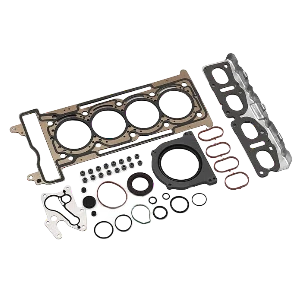
You need to inspect seals and gaskets before winter arrives. Damaged or worn seals allow moisture to enter, which can lead to corrosion and freezing of internal components. Choose materials designed for harsh winter conditions. The table below highlights effective options:
| Material Type | Description | Effectiveness in Winter Conditions |
| BISCO RS-700 Silicone | Ideal for water contact, closed-cell structure, low compression set | Excellent sealing capabilities |
| Hydrophobic Rubber | Compressible, withstands ozone and UV radiation, waterproof properties | Effective against moisture ingress |
| EPDM | Rated for sub-zero temperatures, suitable for harsh weather conditions | Reliable in extreme cold |
- Silicone remains stable across a wide temperature range.
- EPDM performs well in sub-zero temperatures.
- Hydrophobic rubber offers strong waterproof protection.
Tip: Replace any cracked or brittle seals to prevent costly repairs during winter.
2. Protecting Exposed Parts
You must protect exposed parts to avoid damage from snow, ice, and moisture, keeping machinery in optimal condition throughout storage.
- Cover exposed parts with tarps or plastic.
- Disconnect batteries or use a trickle charger.
- Apply covers to protect against dust and physical damage.
Note: Regularly check covers and tarps for tears or gaps to ensure complete protection.
3. Indoor vs. Outdoor Storage
Selecting the right storage method impacts the longevity and reliability of your equipment. Indoor warehousing offers superior protection from weather, enhanced security, and climate control for temperature-sensitive items. However, it may involve higher costs and limited space. Outdoor storage provides flexibility and easier access for large machinery, but exposes equipment to weather risks and security concerns. The table below compares both options:
| Storage Type | Pros | Cons |
| Indoor Warehousing | Protects against weather damage; enhanced security; climate control | Higher operational costs; limited space; less convenient access |
| Outdoor Storage | Cost-effective; flexible space; easy access for large equipment | Vulnerable to weather; security concerns; regulatory constraints |
Tip: If you must store machinery outdoors, increase inspection frequency and use high-quality covers to minimize exposure.
Winterizing Your Heavy Machinery includes thorough exterior and storage protection. You reduce the risk of moisture damage, extend equipment life, and maintain operational readiness for the next season.
Operator Preparation and Emergency Readiness
1. Operator Training
You must equip operators with the right skills and knowledge before winter begins. Training should address the unique challenges of cold weather and ensure safe, efficient operation. Operators need to understand how harsh winter conditions affect job sites.
- Recognize how winter conditions impact job sites.
- Use telematics to track machine performance and maintenance requirements.
- Prioritize safety with regular checks and proper winter gear.
Tip: Comprehensive training reduces accidents and improves productivity during winter operations
2. Emergency Kits
You should prepare emergency kits for every machine and operator. Winter brings unpredictable conditions, so readiness is essential. Stock each kit with items that support safety, comfort, and quick response to emergencies.
- Blankets
- Food and water
- First aid supplies
- Warm clothing
- Flashlights and extra batteries
- Portable heater
- Communication tools
- Road flares
- Traction aids
- Emergency tool kit
- Snow chains
- Shovel
- Windshield de-icer
- Engine block heater
- Winter tires
- Antifreeze
- Fuel additives
Note: Regularly check and update emergency kits to ensure all items remain in good condition.
3. Maintenance Scheduling
You can minimize downtime by optimizing your maintenance schedule for winter. Start with thorough inspections before the season. Check for alignment, damage, or wear. Lubricate moving parts to reduce friction in cold temperatures. Develop a maintenance calendar tailored to each machine’s operating demands. Adjust schedules based on performance and environmental conditions. Plan major maintenance tasks during off-peak times to avoid disrupting critical operations.
| Strategy | Description |
| Thorough Inspections | Inspect equipment before winter. Lubricate moving parts to reduce friction. |
| Tailored Maintenance Schedule | Create a calendar based on each machine’s needs. Adjust for performance and environment. |
| Balance Maintenance Timing | Schedule major tasks during off-peak periods to avoid operational disruptions. |
For expert support and genuine replacement parts, reference Megawatts Parts. Our resources help you maintain reliability and safety throughout the winter.
Winterizing Your Heavy Machinery requires a proactive approach to operator preparation and emergency readiness. You protect your team and equipment by investing in training, emergency kits, and strategic maintenance planning.
You protect your investment and reduce costly downtime by following each step in Winterizing Your Heavy Machinery. Megawatts parts and strict adherence to manufacturer guidelines ensure peak performance. Create a personalized winterization checklist for your fleet. For expert advice and quality replacement parts, visit megawattsparts.com. Prepare your machinery now to guarantee reliable operation all winter.
FAQ
What is the most important step in winterizing heavy machinery?
You should inspect the engine and fuel system first. Cold weather affects starting and performance. Use manufacturer-recommended fluids and genuine replacement parts for best results.
How often should you check hydraulic fluid during winter?
Check hydraulic fluid levels weekly. Cold temperatures can cause leaks or thickening. Regular inspections help you prevent breakdowns and maintain efficiency.
Can you use regular engine oil in winter?
You should switch to low-viscosity or synthetic engine oil for winter. These oils flow better in cold temperatures and protect engine components during startup.
What emergency items should you keep in your machine?
Pack blankets, food, water, first aid supplies, flashlights, and traction aids. Include engine block heaters, antifreeze, and fuel additives for reliable operation.
Where can you find genuine replacement parts for winter maintenance?
Visit megawattsparts.com for expert advice and genuine replacement parts. You get reliable products that meet manufacturer standards.
Previous And Next
-
Previous Post:
 BLOG
BLOG Megawatts BlogIntroducing the components of a diesel engineIntroducing the components of a diesel engine A diesel generator set is a type of internal combustion generator set and is currently one of the most widely used power generation devices in the world....
 -
Next Post:
 BLOG
Megawatts BlogWhen to Replace Fuel Water Separator? 5 Signs of Failure & Maintenance GuideFor any heavy machinery operator or fleet manager, water is the silent killer. Whether you are running a Cummins KTA50 generator set, a Komatsu excavator, a Lister Petter engine or a Perkins engine, w...
BLOG
Megawatts BlogWhen to Replace Fuel Water Separator? 5 Signs of Failure & Maintenance GuideFor any heavy machinery operator or fleet manager, water is the silent killer. Whether you are running a Cummins KTA50 generator set, a Komatsu excavator, a Lister Petter engine or a Perkins engine, w...
Read More
-
 BLOG
Megawatts BlogStrategic Sourcing: How to Build a Standardized Generator Sets Parts Catalog for Mixed FleetsManaging a mixed fleet of Cummins, Perkins, and Caterpillar generators often creates a hidden financial drain through inventory duplication and fragmented procurement. When different brands use differ...
BLOG
Megawatts BlogStrategic Sourcing: How to Build a Standardized Generator Sets Parts Catalog for Mixed FleetsManaging a mixed fleet of Cummins, Perkins, and Caterpillar generators often creates a hidden financial drain through inventory duplication and fragmented procurement. When different brands use differ... -
 BLOG
Megawatts BlogDiesel Generator Won't Crank: A Step-by-Step Electrical Diagnostic Checklist for MechanicsWhen a diesel generator won't crank, check the electrical system first. Do not chase fuel or mechanical theories yet. Low battery voltage and corroded connections cause most no-start condition calls....
BLOG
Megawatts BlogDiesel Generator Won't Crank: A Step-by-Step Electrical Diagnostic Checklist for MechanicsWhen a diesel generator won't crank, check the electrical system first. Do not chase fuel or mechanical theories yet. Low battery voltage and corroded connections cause most no-start condition calls.... -
 BLOG
Megawatts BlogMagnetic Coil Degradation: Why Your Diesel Engine Stop Solenoid Fails Under Extreme HeatExtreme heat is the primary enemy of a diesel engine stop solenoid. The heat breaks down the electrical insulation inside the magnetic coil. This degradation raises resistance and creates short circui...
BLOG
Megawatts BlogMagnetic Coil Degradation: Why Your Diesel Engine Stop Solenoid Fails Under Extreme HeatExtreme heat is the primary enemy of a diesel engine stop solenoid. The heat breaks down the electrical insulation inside the magnetic coil. This degradation raises resistance and creates short circui... -
 BLOG
Megawatts BlogThe Hidden Cost of Expired Inventory: Shelf Life and Proper Storage of Rubber Gasket Seal KitsA gasket seal kit sits untouched for five years. You paid for it. Now you pay to dispose of it. When a failure occurs, you pay a premium for emergency replacement. These hidden costs accumulate silent...
BLOG
Megawatts BlogThe Hidden Cost of Expired Inventory: Shelf Life and Proper Storage of Rubber Gasket Seal KitsA gasket seal kit sits untouched for five years. You paid for it. Now you pay to dispose of it. When a failure occurs, you pay a premium for emergency replacement. These hidden costs accumulate silent...
Subscribe to enjoy 10% off
Stay informed about new products and sales

-
INFORMATION
Contact Us
-
CHINA SALES OFFICE: No. 2-11, No. 8, Gaotai Road, Gaishan Investment Zone, Cangshan District, Fuzhou, Fujian
-
SAUDI ARABIA FACTORY: 7264 Shakra, Al Faisaliyyah, REFB3035, 3035, Riyadh 12883
-
COLOMBIA SALES OFFICE: 92-32 26th Street, 03-118, Bogota
-
NIGERIA FACTORY: Plot 5 Chivita Avenue Ajao Estate Isolo Lagos
-
Email:sales@megawattsparts.com
Follow Us


Copyright © 2025 Megawatts All Rights Reserved.



Select Previous Button or Search Directly on Search Bar!
Shop All
 English
Currency: <{ pagedata.current_currency }>(<{ pagedata.current_currency_code }>)
Are you in the right place?

You agree to MegaWatts.com's Terms of Use and Privacy Policy by subscribing. You may receive emails with useful tips, promotions, and offerings.
No, thanks. I'd rather pay full price.