






































Hydraulic Resistance in Cooling Systems: How Engine Driven Water Pumps Handle Thermal Stress
by Megawatts - Updated At 2026-09-01
Extreme heat pushes every cooling system to its limit. When flow diminishes, catastrophic engine damage follows swiftly. Hydraulic resistance—the friction and pressure drop within radiator passages—remains a hidden challenge. Coolant must overcome this resistance to reach every critical component.
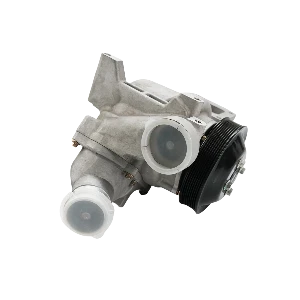
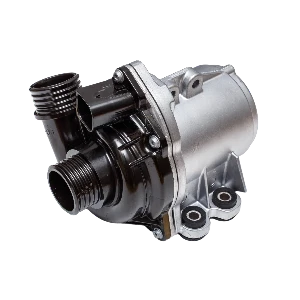
The engine driven water pump exists precisely for this purpose. Its robust design and advanced materials manage thermal stress while maintaining consistent flow. Without proper engineering, failure becomes inevitable under sustained load.
Megawatts Parts supplies aftermarket solutions engineered for these demanding conditions. Our precision components help engines survive brutal operating environments. Understanding this technology prevents costly breakdowns and extends equipment life.
Understanding Hydraulic Resistance in Engine Driven Water Pump Systems
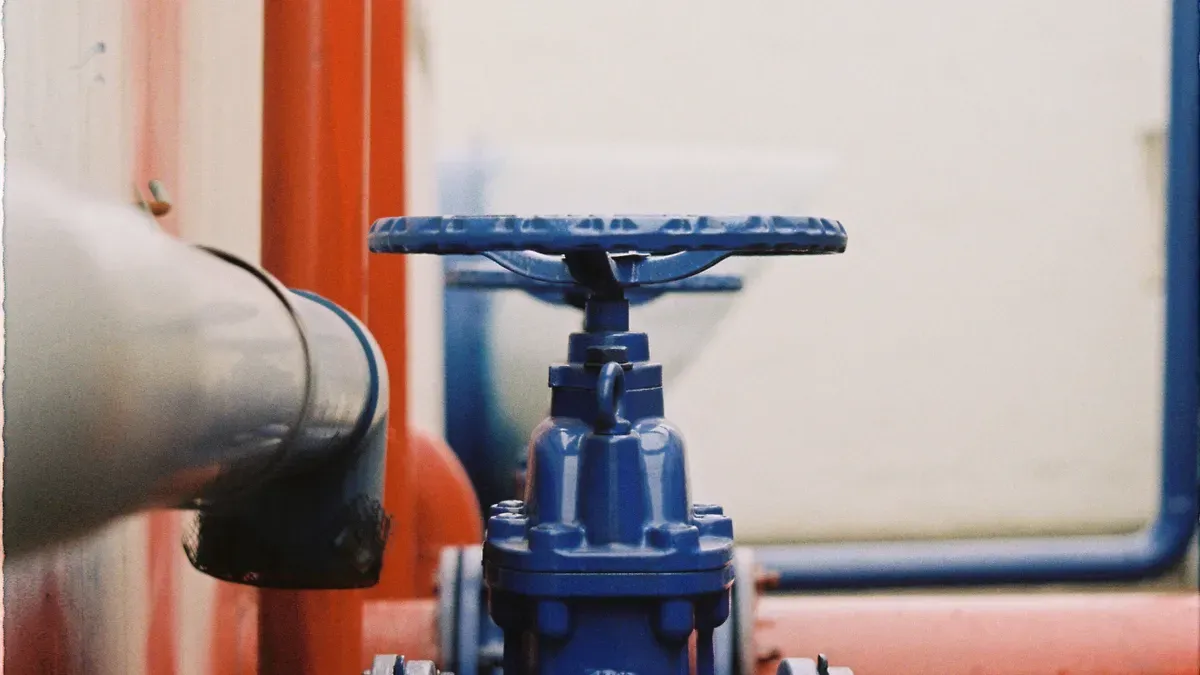
Every cooling system faces an invisible enemy: hydraulic resistance. This resistance opposes coolant movement through every passage. Large industrial radiators contain complex internal paths. These paths create friction that slows the coolant. The engine driven water pump must overcome this friction to maintain proper circulation.
Key Sources of Flow Restriction
Hydraulic resistance originates from multiple sources within the cooling system. Narrow tubes in the radiator core create the first major restriction. Coolant must squeeze through thousands of small passages. Each passage generates friction against the fluid. The longer the path, the greater the resistance.
Bends and fittings add additional obstacles. Each 90-degree turn forces the coolant to change direction. This directional change consumes energy. The pump must supply that energy. Pipe diameter changes also create resistance. A sudden expansion or contraction disrupts smooth flow. Turbulence forms, and pressure drops.
Internal deposits compound these problems over time. Scale buildup narrows passages further. Corrosion roughens interior surfaces. A rough surface creates more friction than a smooth one. The pump must work harder to maintain the same flow rate.
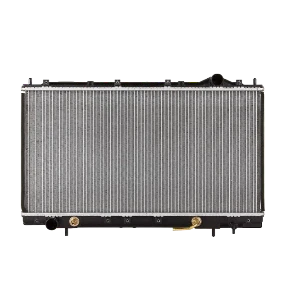
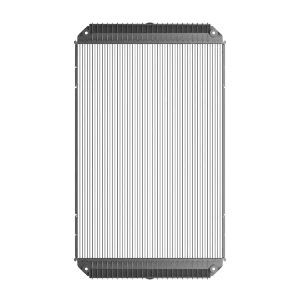
The car radiator exemplifies these challenges. Its dense fin-and-tube design maximizes surface area for heat rejection. But that same design creates significant flow resistance. The coolant must travel a long, tortuous path. Each turn and narrow gap slows it down. Each radiator passage adds to the total resistance.
Experienced engineers warn against ignoring these restrictions. A common mistake involves assuming the pump can handle any resistance. The pump has a performance curve. Operating outside that curve causes cavitation. Cavitation destroys impeller blades quickly. Matching the pump to the system resistance is essential.
Megawatts Parts engineers understand these restrictions. Our aftermarket water pumps feature optimized impeller designs. Closed impellers guide the coolant with minimal turbulence. This design reduces energy loss. The pump delivers more flow with less input power. Precision-cast passages match the specific flow requirements of each engine model.
The Impact of Resistance on Cooling Efficiency
Higher resistance directly reduces cooling efficiency. As the pump fights increased resistance, coolant flow diminishes and cooling capacity drops. Consequently, operating temperatures spike, subjecting critical engine components to damaging excess heat.
The consequences are severe. Hot spots develop in areas with poor circulation. These localized high-temperature zones cause thermal stress. Metal expands unevenly. Cracks form. Gaskets fail. The damage accelerates with each thermal cycle.
Industry estimates indicate that 50% of all premature engine failures or issues are due to a problem within the cooling system.
This statistic underscores the importance of proper coolant flow. A pump that cannot overcome resistance leads directly to engine failure. The combustion process generates enormous heat. If the coolant cannot carry it away, temperatures rise uncontrollably. The radiator rejects that heat to the atmosphere.
The relationship between flow and cooling is direct. Doubling the coolant flow nearly doubles the cooling rate. Halving the flow cuts cooling capacity in half. This proportionality makes pump performance critical. A small reduction in flow has a large impact on engine temperature.
Megawatts Parts addresses this challenge through careful impeller geometry. Our diesel engine water pump designs balance flow rate against pressure head. The impeller blades are shaped to maximize energy transfer to the coolant. Each blade angle is calculated for optimal performance. The result is a pump that delivers consistent flow even under high resistance.
Proper coolant selection also matters. The coolant must have good cooling properties. It must resist boiling at high temperatures. It must protect against corrosion. Using the wrong coolant accelerates internal fouling. Fouling increases resistance. The pump struggles further. The cycle continues until failure occurs.
The engine cooling system as a whole must be designed for low resistance. While large-diameter pipes, smooth bends, and clean passages minimize friction, the pump remains the heart of the system. A well-designed pump overcomes residual obstacles by maintaining robust flow and precise temperature control, ultimately preventing catastrophic failure.
Design Features for Thermal Stress in Cooling System Components
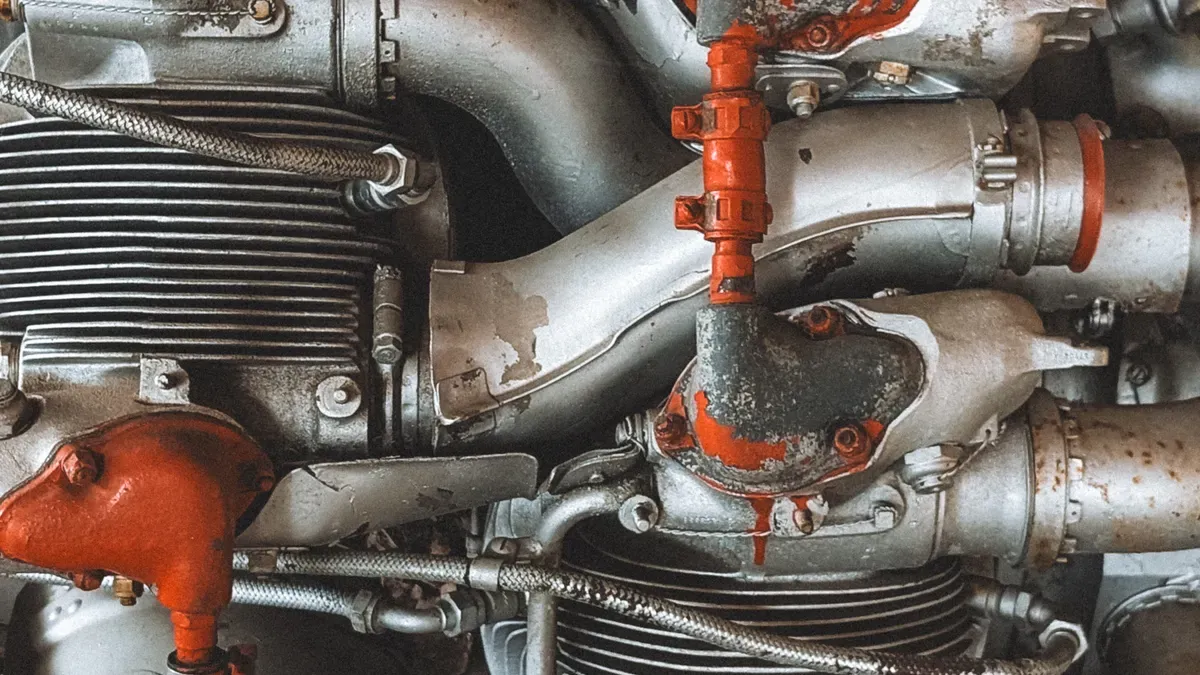
The engine driven water pump must survive brutal thermal conditions. Every component inside the pump faces repeated heating and cooling cycles. These cycles create thermal stress that can warp housings, crack seals, and destroy bearings. Engineers select materials and geometries specifically to resist these forces.
Material Selection for High-Temperature Durability
Material choice determines whether a pump survives or fails. Cast iron remains the standard for pump housings because it handles thermal cycling exceptionally well. Its high strength and thermal shock resistance allow it to expand and contract without distortion. Ductile iron casings, rated to 350 PSIG with ANSI Class 300 flanges, withstand repeated heating and cooling without cracking. This durability matters in industrial applications where the pump runs continuously under heavy load.
Composite plastics appear in modern impellers and housings for lighter-duty applications. These materials resist corrosion better than metal and weigh significantly less. However, they cannot tolerate the same extreme temperatures as cast iron. Engineers match the material to the operating environment. A diesel engine water pump in a mining truck demands cast iron. A smaller generator set might use composite components safely.
The bearing and seal chamber requires special attention. Heat from the engine block conducts directly into this area. Without proper isolation, temperatures exceed safe limits for seals and lubricants. A thermal barrier section separates hot fluid from the seal area. This barrier can drop temperature by over 400°F, keeping seal materials like silicon carbide and Viton® within our safe operating range. Air-cooled bearing chambers use a shaft-mounted fan to circulate air over finned surfaces. This design keeps bearings below critical limits even when process fluid reaches 650°F.
Impeller Geometry and Its Role in Flow Management

Impeller design directly controls water pump efficiency and the ability to push coolant through resistance. Two primary geometries dominate: closed and open impellers. Closed impellers feature blades enclosed between two shrouds. This design guides coolant with minimal turbulence, reducing energy loss. The pump delivers more coolant flow with less input power. Open impellers lack the front shroud, making them easier to clean but less efficient under high resistance.
Megawatts Parts engineers precision-cast impellers for each engine model. Our closed impeller designs match the specific flow requirements of the cooling system. Blade angles are calculated to maximize energy transfer to the coolant. The result is a pump that maintains consistent flow even when radiator passages create significant backpressure.
The radiator itself presents the greatest resistance. Its dense fin-and-tube design maximizes heat rejection but forces coolant through thousands of narrow passages. A well-designed impeller overcomes this restriction. Poor impeller geometry causes cavitation—the formation of vapor bubbles that collapse violently and erode metal. Cavitation destroys impeller blades quickly and leads to premature failure.
Centerline-mounted casing design supports the pump at its centerline. This arrangement allows uniform thermal expansion and preserves pump-motor alignment. Misalignment causes vibration and bearing stress. Heavy-duty bearing arrangements, combining double-row angular contact thrust bearings with radial sleeve bearings, provide the stiffness needed to maintain seal face alignment under thermal load. A short shaft with a low L³/D⁴ ratio keeps deflection minimal.
Experienced engineers recommend inspecting impeller condition during every maintenance interval. Eroded blades reduce cooling efficiency dramatically. A worn impeller cannot overcome hydraulic resistance, causing the engine to run hotter. Replacing a damaged impeller with a precision-engineered part from Megawatts Parts restores full coolant flow and prevents cascading thermal damage.
Dynamic Response to Thermal Loads in Engine Cooling
Modern engines demand more than constant-flow cooling. Thermal loads shift rapidly during acceleration, climbing grades, or heavy equipment operation. An engine driven water pump that runs at fixed speed wastes energy and fails to protect the engine during sudden heat spikes. Dynamic response—the ability to adjust coolant flow in real time—has become essential for managing thermal stress.
Variable Speed Operation and Thermal Management
Traditional mechanical pumps tie coolant flow directly to engine speed. This approach delivers excessive cooling at low RPM and insufficient cooling at high load. Variable speed operation solves this mismatch. Clutch-driven models engage and disengage based on temperature signals. Electronic pumps go further, using sensors and controllers to match flow precisely to demand.
Research confirms the efficiency gains. One study by Cortona et al. compared electronic and mechanical pumps. The electronic pump consumed only 16% of the power required by the mechanical pump while still meeting all cooling demands. Another study by Cho et al. demonstrated even greater savings. By reducing coolant flow, the electronic pump saved 87% of energy consumption. The radiator size decreased by 27% without sacrificing cooling performance.
|
Study/Comparison |
Key Quantitative Outcome |
Relevance |
|
Cortona et al. (electronic vs. mechanical pump) |
Electronic pump consumed only 16% of the power required by mechanical pump |
Electronic control adjusts coolant flow far more efficiently than engine-speed-driven pumps |
|
Cho et al. (electronic pump replacement) |
Saved 87% of energy, decreased radiator size by 27% |
Precise, load-based flow adjustment that mechanical pumps cannot achieve |
These numbers illustrate a clear advantage. Electronic control enables thermal management that responds to actual operating conditions. The cooling system delivers exactly what the engine needs—no more, no less. This precision reduces parasitic losses and improves fuel economy.
Thermal management modules (TMMs) represent the next evolution. These integrated systems coordinate water pump speed, fan operation, and thermostat position. They optimize the entire cooling loop. Megawatts Parts stocks compatible TMM components for brands like CATERPILLAR and CUMMINS, ensuring fleet operators can upgrade to this advanced technology.
Preventing Hot Spots and Thermal Shock
Hot spots develop when coolant flow cannot reach every area of the engine block. Localized boiling occurs. Steam pockets form. Metal temperatures spike dangerously. Thermal shock follows when cool coolant suddenly contacts overheated surfaces. This rapid temperature change causes cracking and warping.
Variable speed pumps prevent these conditions by maintaining adequate flow during every operating phase. Electronic pumps continue running after engine shutdown. This post-shutdown operation prevents localized boiling and thermal damage. A mechanical pump stops when the engine stops, leaving residual heat trapped in the block.
The diesel engine water pump must respond quickly to changing conditions. A sudden load increase generates immediate heat. The pump must deliver more coolant within seconds. Electronic controllers sense temperature changes and adjust pump speed accordingly. This rapid response prevents engine overheating before damage occurs.
Engineers recommend monitoring coolant temperature trends rather than absolute values. A gradual rise indicates developing resistance. A sudden spike signals a serious problem. Early detection allows corrective action before failure occurs. Regular inspection of the cooling system, including the radiator and hoses, prevents many thermal issues. Megawatts Parts offers precision-engineered replacement pumps that restore full dynamic response capability.
Maintenance Practices for Sustained Engine Cooling Performance
Regular inspection prevents unexpected water pump failure. Thermal stress degrades components gradually, but early detection saves costly repairs. A structured maintenance schedule keeps the cooling system operating at peak efficiency.
Deep Dive: Want to translate these maintenance practices into actual cost savings? Read our comprehensive guide on maximizing generator lifespan and the ROI of scheduled water pump maintenance to see how preventive care impacts your bottom line."
Identifying Wear in Bearings and Seals
Bearings and seals endure the harshest conditions inside the pump. Heat accelerates lubricant breakdown. Metal fatigue follows. Vibration monitoring catches bearing deterioration before catastrophic failure occurs. Temperature checks with infrared tools reveal developing friction. A bearing running hotter than baseline signals imminent trouble.
|
Component |
Inspection Interval |
Key Checks Related to Thermal Stress |
|
Bearings |
Monthly |
Vibration monitoring, lubrication per OEM, temperature check (infrared/contact) |
|
Mechanical Seals |
Quarterly |
Leakage log (drops/min), seal face discoloration, seal chamber temperature baseline |
|
Shaft Alignment |
Quarterly (high-temp systems) |
Laser alignment to counter thermal growth, which generates 3–5× higher bearing loads and destroys seals |
Mechanical seals fail silently. Coolant leaks appear as stains or puddles beneath the pump. A leakage log quantifies the problem. Bellows-type seals excel in high-temperature applications, lasting 3–5 years. Single spring seals manage only 1–2 years under similar conditions. Cartridge seals fall between at 2–4 years. High temperatures degrade elastomers. Excessive pressure deforms seal faces. Abrasive particles score metal surfaces. Each factor accelerates water pump failure.
Shaft alignment demands attention in high-temperature systems. Thermal growth shifts components. Misalignment multiplies bearing loads by 3–5 times. Laser alignment tools correct this issue. Proper alignment extends seal life considerably.
The Role of Coolant Quality in Pump Longevity
Coolant chemistry directly affects pump survival. The recommended pH range for diesel engines sits between 8.0 and 11.0. Below 8.0, coolant turns acidic. Corrosion inhibitors deplete. Cast iron impellers begin dissolving. Immediate replacement prevents accelerated damage.
pH buffers maintain a slightly alkaline environment between 8.5 and 10.5. This condition dramatically slows corrosion rates. Depleted buffers leave metal surfaces unprotected. Electrochemical corrosion accelerates. The impeller erodes. Flow decreases. Engine temperatures rise.
Organic Acid Technology (OAT) coolants offer superior protection. These formulations require no Supplemental Coolant Additive. No abrasive solids means improved seal life. Complete metal protection prevents pitting and erosion. Heat transfer improves without mineral deposit insulation. Service life extends to 1,000,000 miles or 8 years. Some OAT formulations provide 600,000 miles or 12,000 hours of reliable protection.
Proper coolant selection prevents engine damage. The radiator depends on clean, properly formulated fluid. Contaminated coolant clogs passages. Flow restriction increases. The pump works harder. Failure follows.
Megawatts Parts supplies precision-engineered replacement pumps and cooling components. Our aftermarket parts meet or exceed OEM specifications. Regular maintenance with quality parts ensures the cooling system handles thermal stress effectively. Diagnosis of early warning signs prevents costly downtime. Water pump maintenance remains the most cost-effective investment in engine longevity.
Hydraulic resistance challenges every engine driven water pump. Engineers counter this force through deliberate design—precision impellers, durable materials, and dynamic response systems. These elements manage thermal stress effectively, preventing engine damage before failure occurs.
Proper maintenance completes the equation. Quality coolant preserves internal components. Regular inspection catches wear early. Together, design and care keep the cooling system operating within safe temperature ranges.
Because the engine cooling system relies on components that must withstand extreme heat, choosing inferior replacement parts invites premature failure. To safeguard your equipment, Megawatts Parts delivers precision-engineered aftermarket solutions trusted globally. Our inventory supports major brands with reliable cooling components. When your engine demands dependable heat management, select parts engineered for the challenge. Visit Megawatts Parts for cooling system components built to perform under pressure.
FAQ
What Are the Primary Failure Modes of Engine-Driven Water Pumps?
Bearing wear tops the list. Heat degrades lubricant, metal fatigue follows, and vibration increases. Seal failure ranks second—coolant leaks appear as stains beneath the pump. Impeller erosion from cavitation or abrasive particles reduces flow. Each failure mode accelerates without early detection.
How Can I Diagnose Cooling System Problems Before Engine Damage Occurs?
Monitor temperature trends, not absolute values. A gradual rise indicates developing resistance. Sudden spikes signal serious trouble. Listen for bearing noise during operation. Check for coolant residue around the pump housing. Infrared thermography reveals hot spots invisible to touch inspection.
What Do Different Overheating Patterns Indicate About Cooling System Health?
Consistent overheating at high load suggests insufficient coolant flow. Overheating only at idle points to fan or airflow issues. Intermittent overheating often signals a failing thermostat or partially blocked radiator passages.
How Does Coolant Quality Affect Water Pump Failure Rates?
Poor coolant accelerates corrosion inside the pump. Acidic fluid attacks cast iron impellers and housings. Depleted inhibitors leave metal unprotected. Abrasive particles score seal faces. Quality coolant maintains pH between 8.0 and 11.0, protecting components and extending pump service life significantly.
When Should I Replace My Water Pump During Routine Maintenance?
Replace the pump when bearing noise develops, coolant leaks appear, or impeller erosion is visible. Follow OEM replacement intervals for preventive maintenance. After any overheating cascade, inspect the pump thoroughly. Megawatts Parts offers precision-engineered replacements that restore full cooling performance.
Previous And Next
-
Previous Post:
 BLOG
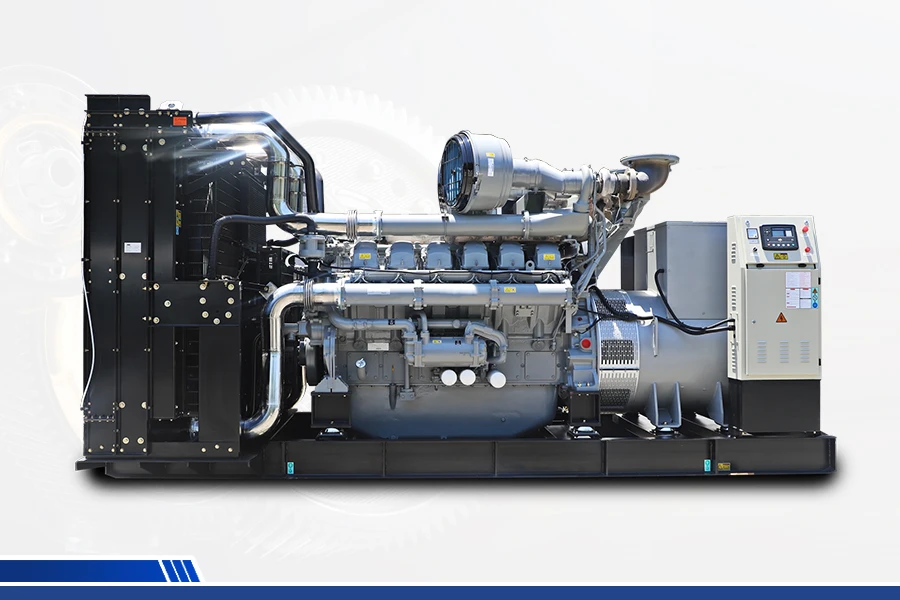
BLOG Megawatts BlogIntroducing the components of a diesel engineIntroducing the components of a diesel engine A diesel generator set is a type of internal combustion generator set and is currently one of the most widely used power generation devices in the world....
 -
Next Post:
 BLOG
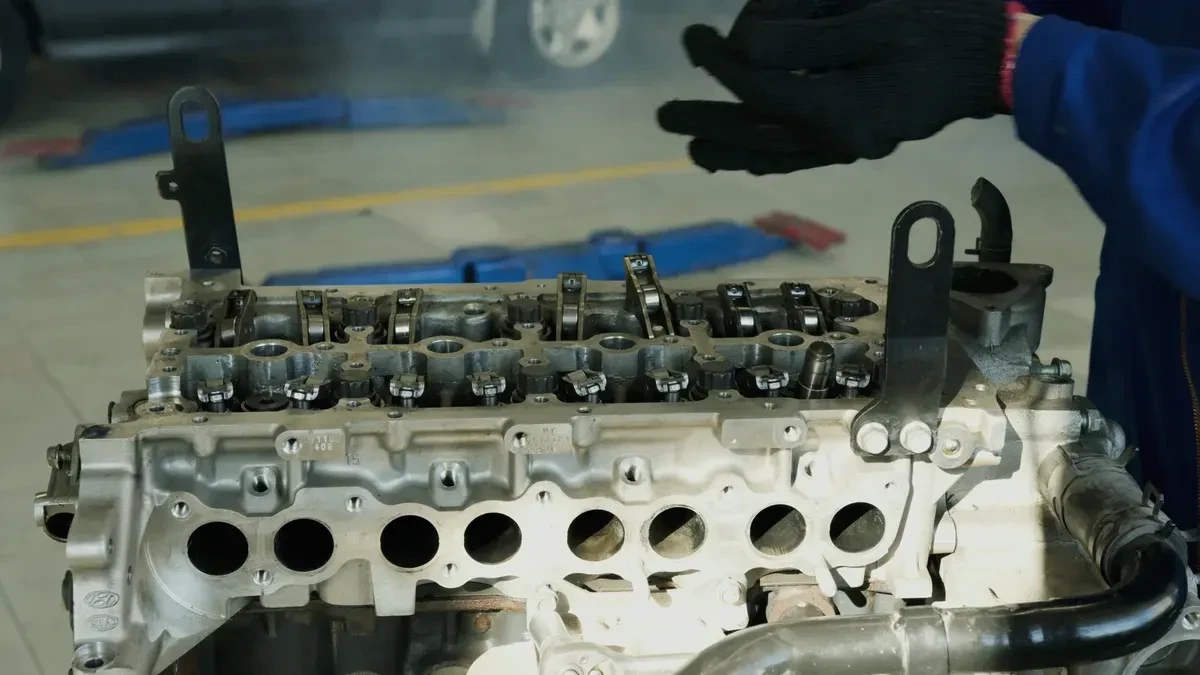
Megawatts BlogUnderstanding Multi-Layer Steel (MLS): Why Premium Gasket Seal Kits Are Essential for High-Compression DieselsEvery diesel mechanic knows the dread. A blown head gasket on a high-compression diesel engine means catastrophic failure. Repair costs range from $3,000 for simple replacement to over $20,000 for a c...
BLOG
Megawatts BlogUnderstanding Multi-Layer Steel (MLS): Why Premium Gasket Seal Kits Are Essential for High-Compression DieselsEvery diesel mechanic knows the dread. A blown head gasket on a high-compression diesel engine means catastrophic failure. Repair costs range from $3,000 for simple replacement to over $20,000 for a c...
Read More
-
 BLOG
Megawatts BlogMagnetic Pickup (MPU) Sensors: How to Diagnose and Adjust Speed Sensor ClearancesMost speed-sensing faults on Magnetic Pickup (MPU) Sensors trace back to one thing: the air gap between the sensor tip and the target tooth. Diagnosis starts with the symptoms — no signal, errat...
BLOG
Megawatts BlogMagnetic Pickup (MPU) Sensors: How to Diagnose and Adjust Speed Sensor ClearancesMost speed-sensing faults on Magnetic Pickup (MPU) Sensors trace back to one thing: the air gap between the sensor tip and the target tooth. Diagnosis starts with the symptoms — no signal, errat... -
 BLOG
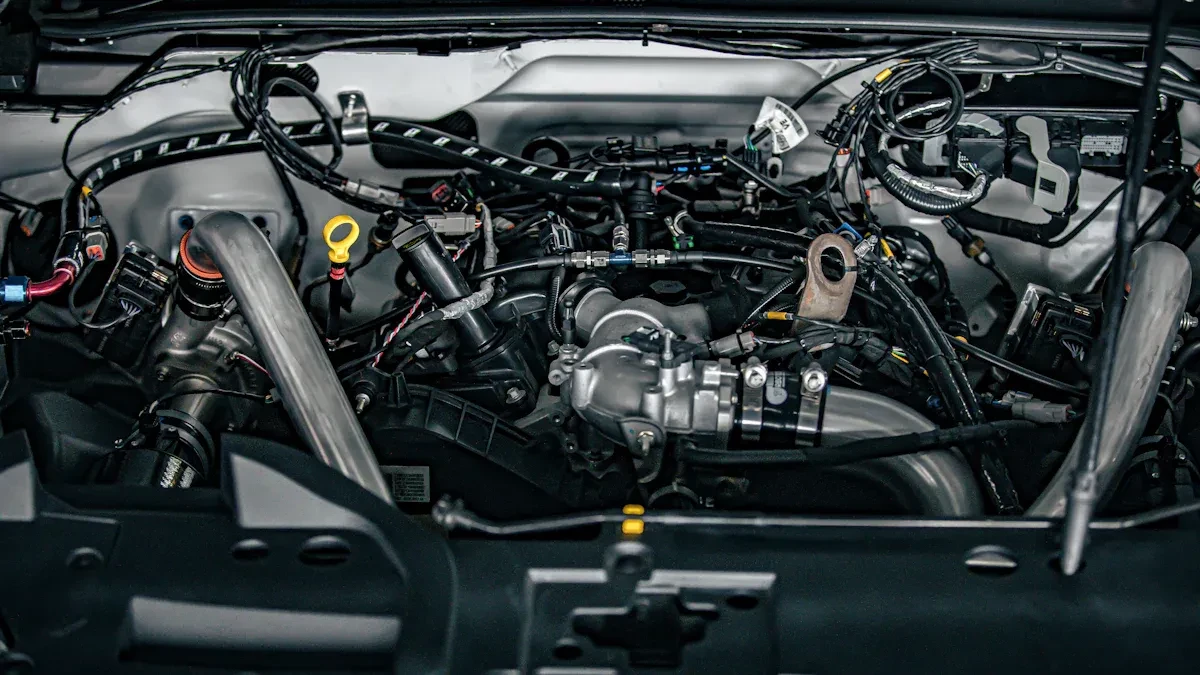
Megawatts BlogTier 4 Final & Common Rail Systems: Why Micro-Contamination Destroys Modern Diesel InjectorsMicro-contamination destroys modern diesel injectors because Tier 4 Final common rail systems run at extreme pressure with micron-level tolerances. Debris that bypasses filtration scores precision com...
BLOG
Megawatts BlogTier 4 Final & Common Rail Systems: Why Micro-Contamination Destroys Modern Diesel InjectorsMicro-contamination destroys modern diesel injectors because Tier 4 Final common rail systems run at extreme pressure with micron-level tolerances. Debris that bypasses filtration scores precision com... -
 BLOG
Megawatts BlogJIT Inventory vs. Safety Stock: Balancing Capital and Risk in Generator MaintenanceThe right approach is a deliberate, risk-based balance between JIT inventory and safety stock, not a pure companywide choice. Can you afford to tie up cash in every spare part, or risk a costly outage...
BLOG
Megawatts BlogJIT Inventory vs. Safety Stock: Balancing Capital and Risk in Generator MaintenanceThe right approach is a deliberate, risk-based balance between JIT inventory and safety stock, not a pure companywide choice. Can you afford to tie up cash in every spare part, or risk a costly outage... -
 BLOG
Megawatts BlogTotal Cost of Ownership (TCO) in Fleet Maintenance: Hidden Logistics Costs of Sourcing Multiple OEMsWhat hidden logistics costs emerge when sourcing multiple OEMs? How heavily do they weigh on Total Cost of Ownership (TCO) in Fleet Maintenance? A fleet manager compares two identical parts at differe...
BLOG
Megawatts BlogTotal Cost of Ownership (TCO) in Fleet Maintenance: Hidden Logistics Costs of Sourcing Multiple OEMsWhat hidden logistics costs emerge when sourcing multiple OEMs? How heavily do they weigh on Total Cost of Ownership (TCO) in Fleet Maintenance? A fleet manager compares two identical parts at differe...
Subscribe to enjoy 10% off
Stay informed about new products and sales

-
INFORMATION
Contact Us
-
CHINA SALES OFFICE: No. 2-11, No. 8, Gaotai Road, Gaishan Investment Zone, Cangshan District, Fuzhou, Fujian
-
SAUDI ARABIA FACTORY: 7264 Shakra, Al Faisaliyyah, REFB3035, 3035, Riyadh 12883
-
COLOMBIA SALES OFFICE: 92-32 26th Street, 03-118, Bogota
-
NIGERIA FACTORY: Plot 5 Chivita Avenue Ajao Estate Isolo Lagos
-
Email:sales@megawattsparts.com
Follow Us


Copyright © 2025 Megawatts All Rights Reserved.



Select Previous Button or Search Directly on Search Bar!
Shop All
 English
Currency: <{ pagedata.current_currency }>(<{ pagedata.current_currency_code }>)
Are you in the right place?

You agree to MegaWatts.com's Terms of Use and Privacy Policy by subscribing. You may receive emails with useful tips, promotions, and offerings.
No, thanks. I'd rather pay full price.